半导体芯闻

Search documents
中国如何赢得芯片与稀土之争?
半导体芯闻· 2025-06-16 10:13
Core Viewpoint - The article discusses the escalating trade and technology conflict between the U.S. and China, particularly focusing on the strategic importance of rare earth elements and semiconductors in this rivalry [3][4][6]. Group 1: U.S.-China Trade Conflict - Following the first round of tariffs imposed by the U.S. in April, China began restricting export licenses, leading to warnings from U.S. manufacturers about potential production halts [2]. - The U.S. was caught off guard by China's control over rare earth elements, which are crucial for various technologies, including electric motors and military applications [3][5]. Group 2: Semiconductor Industry and Investments - Since mid-2019, leading Chinese chip manufacturers have invested $33.5 billion in capital expenditures and $4 billion in R&D, while Huawei reportedly spends approximately 180 billion yuan annually on R&D [4]. - The U.S. has invested only $439 million since early 2020 to establish a rare earth supply chain, highlighting a significant disparity in investment compared to China's extensive funding in the semiconductor sector [5]. Group 3: Future Implications and Military Concerns - The article suggests that the advancements in rare earth magnets could revolutionize mechanical power, making devices smaller, stronger, and more efficient, which could impact future warfare strategies [5]. - There are concerns that the U.S. military may find itself lacking critical minerals and batteries needed to counteract drone threats in future conflicts, emphasizing the risks of relying on foreign supply chains [6].

材料新突破!科学家将绝缘体变成半导体
半导体芯闻· 2025-06-16 10:13
Core Viewpoint - A groundbreaking discovery from the University of Michigan reveals that a new type of silicone resin can function as a semiconductor, challenging the long-held belief that silicone materials are merely insulators [3][9]. Group 1: Semiconductor Properties - The new silicone copolymer exhibits semiconductor properties, enabling applications in flexible electronics, new display technologies, and wearable sensors [3][5]. - Traditional semiconductors are rigid, while silicone resins offer the potential for flexible electronic products that can display various colors [5]. Group 2: Molecular Structure and Conductivity - The molecular structure of organic silicone consists of alternating silicon and oxygen atoms (Si—O—Si), with organic groups attached to the silicon atoms. Cross-linking of polymer chains leads to various three-dimensional structures, altering physical properties [7]. - The discovery of the copolymer's conductivity potential arose from the interaction of electrons through overlapping Si—O—Si bonds, allowing for charge flow [7]. Group 3: Color Spectrum and Light Emission - The semiconductor characteristics of silicone copolymers allow for a rich color spectrum, with electron transitions between ground and excited states determining light emission [8]. - Researchers demonstrated the relationship between chain length and light absorption/emission by arranging copolymers of varying lengths in test tubes, resulting in a rainbow effect under UV light [8].
软银与英特尔的反击,终将失败?
半导体芯闻· 2025-06-16 10:13
Core Viewpoint - SoftBank and Intel are collaborating to develop a new AI-focused high-bandwidth memory (HBM) that aims to compete with existing products from Samsung and SK Hynix, with a goal to reduce power consumption by 50% compared to current HBM chips [3][5]. Group 1: Project Overview - The new memory will feature a novel wiring structure and is expected to produce a prototype within two years, with commercialization targeted by 2030 [3][4]. - The initiative will be led by a new company named Saimemory, with SoftBank as the largest investor holding 3 billion yen in a 10 billion yen project [6]. Group 2: Market Context - The project faces significant challenges due to the established dominance of Samsung and SK Hynix in the global HBM market, which may further entrench their competitive advantage by the time Saimemory's product is launched [5][6]. - Japan's historical dominance in the DRAM market has diminished, with the last major manufacturer, Elpida, going bankrupt in 2012, leading to increased reliance on Korean suppliers [6]. Group 3: Strategic Implications - The new memory is intended for AI data centers, which have growing demands for energy efficiency and high throughput, aiming to support large-scale AI training more cost-effectively [5]. - Both SoftBank and Intel are currently managing multiple strategic initiatives, including AI chip development and market share recovery in CPUs, which may impact their focus on this project [6].



美国芯片,怎么办?
半导体芯闻· 2025-06-13 09:39
Core Viewpoint - The revitalization of American manufacturing and innovation in semiconductor design and materials science is crucial for enhancing economic competitiveness and national security [2][3]. Group 1: Importance of Manufacturing - Rebuilding the capability for advanced technology manufacturing in the U.S. is a national strategic goal that can create jobs, stimulate economic growth, and reduce reliance on foreign suppliers [2][3]. - The disconnect between innovation and production in the U.S. has led to vulnerabilities, as many foundational technologies are developed in the U.S. but produced elsewhere, resulting in lost economic returns and knowledge [3]. Group 2: Legislative Support - The CHIPS and Science Act, passed in 2022, aims to bring advanced semiconductor manufacturing back to the U.S. and has established federal incentives to expand domestic semiconductor manufacturing [4][5]. - Approximately 95% of the incentives from the CHIPS Act are focused on supporting semiconductor manufacturing, which includes various stages of the semiconductor value chain [5]. Group 3: Challenges in the Semiconductor Industry - The semiconductor industry faces significant challenges, particularly in workforce development, infrastructure, and regulatory processes [6][7]. - By 2030, 58% of necessary manufacturing and design positions in the semiconductor industry may remain unfilled due to a mismatch between industry demand and the current education and training system [6]. Group 4: Infrastructure and Regulatory Needs - Upgrading infrastructure, including reliable power, transportation, and water systems, is essential for the efficient operation of new semiconductor fabs [7]. - Outdated regulatory processes can delay critical projects, with environmental impact reports taking an average of 4.5 years to complete, hindering the competitiveness of the U.S. manufacturing sector [7]. Group 5: Tariff Strategy and Global Competition - High tariffs are being used as negotiation tools in trade discussions, but relying solely on tariffs is insufficient to rebuild industrial capacity in the U.S. [8][9]. - The U.S. must invest in a domestic ecosystem that supports semiconductor manufacturing, as global competitors like China are rapidly advancing in chip design and production [8][9]. Group 6: Long-term Strategy and Support - A singular tariff strategy cannot address the multifaceted needs for revitalizing U.S. manufacturing, which includes investment in workforce development, infrastructure, and regulatory reform [9]. - Continuous public support and investment in semiconductor research and public-private partnerships are essential for maintaining U.S. leadership in chip design and materials science [9].

ARM CEO:强烈反对
半导体芯闻· 2025-06-13 09:39
Core Viewpoint - The CEOs of Arm and Nvidia criticize the US export controls on AI semiconductors to China, arguing that these measures could hinder overall technological progress and negatively impact consumers and industry participants [1][2]. Group 1: Impact of US Export Controls - Arm's CEO Rene Haas stated that narrowing access to technology is detrimental, suggesting it would shrink the overall market and harm consumers [1]. - The US restrictions on data center processor exports to China have reportedly cost Nvidia $8 billion and effectively excluded it from the market [1]. - Nvidia's CEO Jensen Huang described the export controls as a "failure," indicating that they have not suppressed China's AI development but rather accelerated innovation among Chinese competitors like Huawei [1][2]. Group 2: Industry Dynamics and Competition - Haas has spent significant time lobbying in Washington, acknowledging that the current government has knowledgeable individuals connected to the industry, and believes Arm's voice is being heard [2]. - Huang warned that if AI chip restrictions persist, Huawei could gain a competitive edge, emphasizing that US technology is currently a generation ahead of Chinese counterparts [2].


美光确认,DDR4将停产
半导体芯闻· 2025-06-13 09:39
Core Viewpoint - Major DRAM manufacturers are transitioning from DDR4 specifications to advanced process products, with Micron officially announcing the end of DDR4 production, expected to cease shipments over the next 2-3 quarters [1][2]. Group 1: Market Strategy and Product Transition - Micron has communicated to customers that DDR4/LPDDR4 will be phased out, primarily affecting PC, smartphone, and data center sectors, while focusing on long-term customers in automotive, industrial, and networking markets [2]. - The memory market is experiencing rapid cycles, with DDR4 and LPDDR4 showing significant price increases due to supply shortages, potentially surpassing DDR5/LPDDR5 prices [2][3]. - Micron aims to enhance pricing power in low-margin sectors and improve profitability, particularly in the mobile device market, which has lagged behind other sectors [1][2]. Group 2: Future Price Expectations and Demand - Micron anticipates continued price increases for memory products, with DDR5/LPDDR5 entering a favorable market phase, benefiting mainstream applications in mobile devices, PCs, and data centers [3]. - Strong demand from data centers and significant capital investments in AI-related expenditures are expected to sustain growth in the memory industry through 2026 [4]. - The introduction of AI functionalities in PCs and mobile devices is driving increased DRAM requirements, with smartphones transitioning from 8GB to 12GB or 16GB [5]. Group 3: Profitability and Investment Focus - Micron emphasizes that memory margins and pricing have substantial room for growth compared to other semiconductor sectors, aiming to ensure investments yield ideal returns [5]. - The company plans to reinvest profits into research and development and new investments to capitalize on overall industry growth trends [5].

RISC-V,已成气候
半导体芯闻· 2025-06-13 09:39
Core Viewpoint - The RISC-V architecture is gaining traction in various applications, particularly in areas with minimal legacy software constraints, offering flexibility for gradual migration and evolution in computing needs [1][2][6]. Group 1: RISC-V Adoption and Impact - RISC-V has transitioned from being a niche embedded microcontroller to a significant player in various industries, including automotive and AI, as highlighted by its integration into products and projects funded by the EU [2][3]. - The number of industry participants at the recent RISC-V summit in Europe increased significantly, indicating growing interest and application in unexpected fields [2][3]. - Major companies like Infinium and Meta are utilizing RISC-V for automotive and AI accelerator cards, respectively, with NVIDIA projecting a shipment of 1 billion RISC-V cores in their GPUs by 2024 [2][3]. Group 2: Technical Advantages and Challenges - RISC-V allows for extensive customization of processors tailored to specific workloads, which is particularly beneficial in AI applications where traditional architectures may struggle [4][5]. - The architecture's flexibility enables the development of custom instructions and efficient data handling, which is crucial for the evolving demands of AI and other computational tasks [5][6]. - Despite its advantages, some industry experts express skepticism about RISC-V's capabilities in AI, suggesting that it may not significantly outperform existing architectures like Arm or x86 [3][5]. Group 3: Ecosystem Development - The RISC-V ecosystem is gradually maturing, with significant developments such as Yocto project membership upgrades and support from major Linux distributions like Ubuntu and Fedora [6][7]. - Investment in RISC-V projects is increasing, with initiatives like the DARE project in Europe allocating €260 million to €280 million over five years for chip development [6][7]. - The establishment of an open and evolving community around RISC-V is seen as a way to address current and future demands in the semiconductor industry [7].

三星存储:一个坏消息,一个好消息
半导体芯闻· 2025-06-13 09:39
Core Viewpoint - Samsung Electronics is struggling with the mass production strategy for the next-generation NAND V10, facing delays and uncertainties in demand and technology introduction [2][5]. Group 1: NAND V10 Production Challenges - Samsung's V10 NAND features a stacking layer count of 430, surpassing the current V9's 290 layers by 100 layers [2]. - The company initially planned to start mass production investment in the second half of this year, but this has been postponed to the first half of next year due to supply chain finalization delays [2][5]. - The introduction of new low-temperature etching processes has proven difficult, with evaluations indicating that immediate application for mass production is unlikely [3][4]. Group 2: Equipment and Cost Factors - Samsung is collaborating with major equipment manufacturers like Lam Research and TEL to assess low-temperature etching equipment, but the results have led to a reevaluation of the approach [3][4]. - The investment cost for new equipment is a significant factor in delaying the V10 NAND mass production, as diversifying suppliers may reduce the utilization rate of existing equipment [4]. Group 3: HBM3E Supply Agreement with AMD - Samsung has secured a supply agreement with AMD for the fifth-generation 12-layer HBM3E memory, which will be used in the upcoming MI350 AI accelerator [6]. - This agreement marks a breakthrough for Samsung, especially after previous setbacks against competitors like NVIDIA [6]. - The new HBM3E chip offers over 50% improvements in performance and capacity compared to the previous eight-layer version, supporting a bandwidth of up to 1,280GB/s [7]. Group 4: Future HBM4 Developments - HBM4 is seen as a critical battleground for market dominance among Samsung, SK Hynix, and Micron, with plans for mass production by the end of this year [8]. - Samsung aims to regain its competitive edge in the HBM market by adopting advanced sixth-generation process technology, which could provide significant advantages over competitors using fifth-generation technology [8].
外媒:中国推迟审核新思收购案
半导体芯闻· 2025-06-13 09:39
Core Viewpoint - Donald Trump's strengthened chip export controls against China have escalated trade tensions between the two major economies, resulting in a delay of a $35 billion merger in the U.S. semiconductor industry due to Chinese antitrust regulatory scrutiny [1]. Group 1: Merger and Regulatory Delays - The proposed merger between Synopsys, a chip design tool manufacturer, and Ansys, an engineering software developer, has been postponed by China's State Administration for Market Regulation (SAMR) [1]. - The merger has already received approval from U.S. and European authorities and was in the final stages of approval from SAMR, expected to be completed by the end of the month [1]. - The delay in approval is attributed to the complexity of the transaction rather than a direct link to the ongoing trade war [1][3]. Group 2: Company Responses and Negotiations - Synopsys' CEO, Sassine Ghazi, stated that the company is actively negotiating with SAMR to obtain approval and expects to complete the transaction in the first half of the year [2]. - There are indications that the U.S. may relax restrictions on chip design tool sales to China, as Synopsys has reportedly resumed selling intellectual property and hardware, although EDA-related software tools remain restricted [3]. Group 3: Industry Context - Synopsys' tools and intellectual property are utilized by major chip manufacturers like Nvidia and Intel for designing and testing processors [4]. - The semiconductor design company has been growing as large tech firms like Microsoft, Google, Meta, and Amazon increasingly create their own chips, particularly for cloud-based AI systems [4]. - Ansys, originally focused on structural analysis tools, produces engineering simulation software widely used across various industries, including automotive, construction, healthcare, and defense [4].



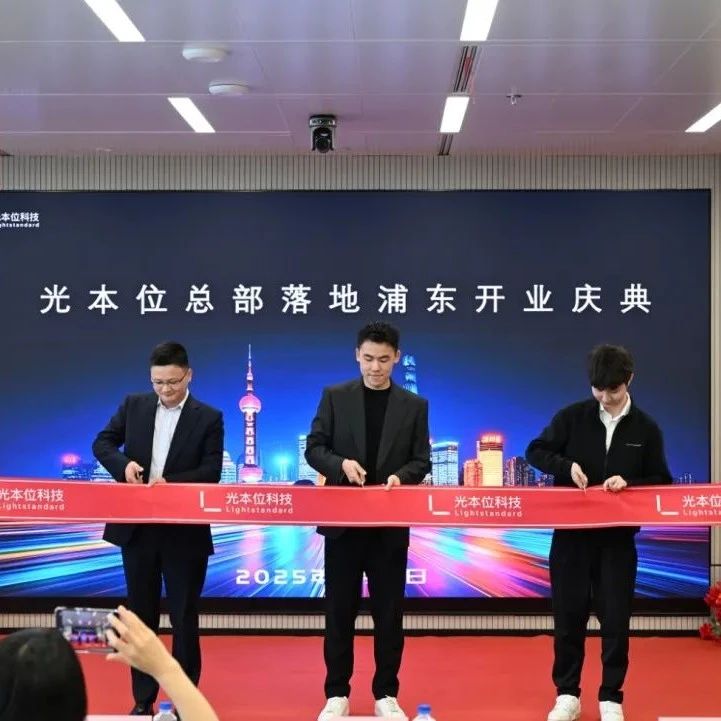
“追光”的事业,中国首家实现存算一体的光计算芯片公司落位浦东
半导体芯闻· 2025-06-13 09:39
Core Viewpoint - The establishment of Guangbenwei in Pudong marks a significant milestone in the development of AI computing paradigms based on photonic technology, aiming to revolutionize computing power deployment and cost efficiency [2][10]. Group 1: Company Overview - Guangbenwei was founded in 2022 and focuses on developing AI computing paradigms using light as a standard, specifically through the creation of phase-change material-based photonic storage computing chips and optoelectronic integrated computing cards [2][12]. - The company has achieved significant technological advancements, including the successful development of a photonic computing chip that can detect similarities in datasets 1000 times faster than traditional machine learning algorithms [4][12]. - Guangbenwei's headquarters in Pudong signifies a new chapter for the company, enhancing its operational capabilities and team dynamics [2][10]. Group 2: Team and Culture - The founding team consists of three young entrepreneurs with diverse backgrounds in AI and materials science, emphasizing a collaborative and innovative work environment [4][5]. - The company promotes an open office layout to foster creativity and collaboration among team members, which is seen as a key to driving innovation [6][10]. - Guangbenwei aims to be a platform for individuals to realize their potential and career aspirations, reflecting a strong team spirit [5][10]. Group 3: Technological Advancements - Guangbenwei's photonic computing chips are positioned to meet the growing demand for computing power, especially in the context of AI model proliferation [12][20]. - The company plans to commercialize its photonic computing chips by 2025, with the first chip achieving a matrix scale of 128x128, surpassing traditional silicon-based chips in performance [14][15]. - Guangbenwei has established partnerships with leading domestic semiconductor manufacturers and research institutions to enhance its technological capabilities and market reach [17][18]. Group 4: Market Potential - The global market for photonic computing is expected to grow significantly, with estimates suggesting it could reach a trillion-dollar valuation if successful [20][25]. - Guangbenwei is strategically positioned within the Pudong Zhangjiang area, benefiting from a dense talent pool and supportive policies that facilitate innovation and collaboration [25][26]. - The company is actively exploring various application scenarios for its photonic chips, collaborating with major internet companies and research institutions to identify potential use cases [23][25].