半导体芯闻

Search documents
HBM设备,韩国内战
半导体芯闻· 2025-05-13 11:09
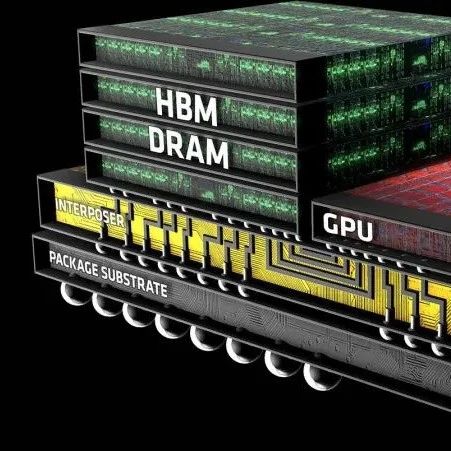
Core Viewpoint - The relationship between SK Hynix and its long-term partner Hanmi Semiconductor is showing signs of strain due to supply issues related to the TC bonding machines essential for high bandwidth memory (HBM) production [1][2]. Group 1: Supply Chain Dynamics - Hanmi Semiconductor is actively expanding its supply scale of TC bonding machines, which have been improved based on SK Hynix's requirements, focusing on automation and user-friendly software [1][3]. - SK Hynix has placed orders for 12 TC bonding machines from Hanmi Semiconductor, totaling approximately 42 billion KRW, as it seeks to diversify its suppliers amid rising demand for HBM [2][4]. - The market demand for HBM has exceeded SK Hynix's current production capacity, necessitating additional orders for TC bonding machines before the completion of its M15X factory [2][4]. Group 2: Competitive Tensions - Hanmi Semiconductor's TC bonding machines are priced higher than those from Hanmi Semiconductor, leading to dissatisfaction from Hanmi Semiconductor, which has retaliated by changing customer service from free to paid and increasing equipment prices by 28% [2][4]. - SK Hynix maintains that the pricing of equipment is determined through negotiations with suppliers and denies any unjustified premium pricing for Hanmi Semiconductor's machines [3][4]. Group 3: Technological Advancements - The TC bonding machines supplied by Hanmi Semiconductor are designed to reduce manual operations and incorporate various digital solutions and automation systems, supporting up to 16-layer stacking [3][4]. - SK Hynix has praised Hanmi Semiconductor for its performance in automation systems and maintenance convenience, which aligns with the needs of its engineers [3].

下一代内存技术,三星怎么看?
半导体芯闻· 2025-05-13 11:09
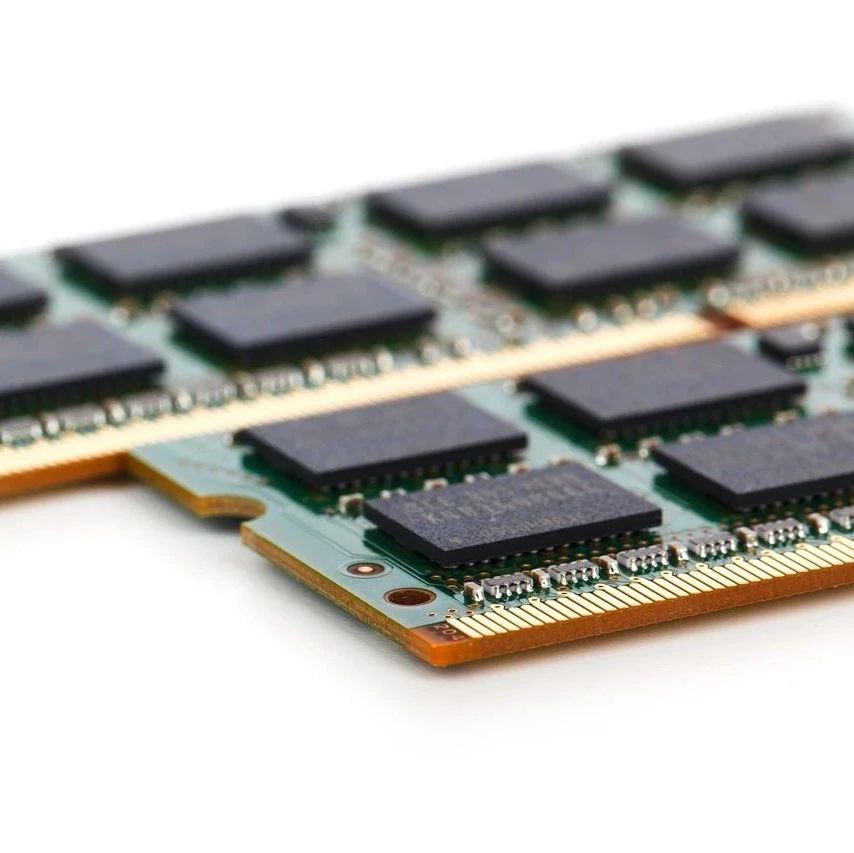
Core Viewpoint - Samsung Electronics is actively developing next-generation DRAM solutions to replace HBM (High Bandwidth Memory), with technologies like PIM (Processing-In-Memory) currently under standardization discussions in semiconductor organizations [1][2]. Group 1: Next-Generation DRAM Technologies - Key next-generation DRAM technologies include PIM, VCT (Vertical Channel Transistor), CXL (Compute Express Link), and LLW (Low Latency, High Bandwidth) DRAM, which are being developed for various potential customers and applications in the AI era [1][2]. - LPDDR (Low Power Double Data Rate) is currently commercialized up to LPDDR5X, with the standardization of the next generation, LPDDR6, nearing completion [2]. - PIM technology, which allows data processing capabilities within memory chips, is expected to enhance energy efficiency when combined with LPDDR [2]. - CXL is a next-generation interconnect interface designed for high-performance servers, enabling efficient connections between CPUs, GPU accelerators, DRAM, and storage devices, expanding memory bandwidth and capacity [2]. Group 2: Customization in HBM Market - The importance of "Custom HBM" in the next-generation HBM market is emphasized, with the base die of HBM4 being manufactured by foundries, allowing for product customization based on customer needs [3][4]. - This shift marks a significant transformation for Samsung's memory division, indicating a move towards tailored memory products for clients [4].
芯片巨头,外包重要业务!
半导体芯闻· 2025-05-13 11:09
Core Viewpoint - Samsung Electronics is considering outsourcing the production of low-spec photomasks (i-line and KrF) due to aging manufacturing equipment and the inability to maintain its previous technological advantage, despite internal production being cheaper [1][2]. Group 1: Outsourcing Decision - Samsung is evaluating outsourcing low-spec photomasks to external companies, specifically Techsend Photomask and Phototronics Cheonan [1]. - The assessment is expected to be completed by the third quarter of this year [1]. Group 2: Background of Outsourcing - The aging of i-line and KrF photomask manufacturing equipment has necessitated a change, as new equipment is difficult to introduce due to discontinued production [2]. - Information security concerns previously hindered outsourcing, but Samsung now believes that the risk of significant technology leakage is manageable [2]. Group 3: Photomask Importance and Market Dynamics - Photomasks are critical components in semiconductor manufacturing, transferring circuit patterns onto wafers [2]. - The number of photomasks used in semiconductor processes has increased significantly due to the miniaturization of technology, with logic semiconductors using up to 78 masks and DRAM using over 60 masks recently [3]. - The Korean photomask market was estimated to be around 700 billion KRW last year, with local production capacity over 90% saturated [3]. Group 4: Potential Impact on the Industry - If Samsung's outsourcing plan is realized, it may disrupt the photomask procurement plans of Korean foundries and fabless companies [4].

越南半导体,瞄准封测
半导体芯闻· 2025-05-13 11:09
如果您希望可以时常见面,欢迎标星收藏哦~ 来源:内容来自半导体芯闻综合。 CT半导体公司已开始在越南建设其芯片封装和测试工厂的第二期工程,目标是到2027年每年生 产1亿颗芯片。作为越南第一家完全本土拥有的工厂,它代表着越南与英特尔、安靠、韩亚美光 等公司以及越南主导的举措等重大项目一起,在半导体领域开展更广泛的推动。 据《投资者报》报道,越南CT集团旗下子公司CT半导体公司已开始在平阳省顺安市建设新的半 导体封装测试工厂二期工程。该工厂计划于2025年第四季度投产,目标是到2027年实现年产1亿 片芯片的目标。 作为越南首家完全本土拥有的半导体工厂,该项目是CT集团进军人工智能、无人机和智能交通等 高科技领域的重要举措。二期投资预计近1亿美元,涵盖洁净室基础设施、设备和智能工厂系 统。CT半导体公司还在开发氮化镓、光子学和先进封装等技术,用于人工智能、6G和无人机应 用。 越南半导体产业正在快速扩张,在外资的推动下,外包半导体封装测试(OSAT)领域增长强 劲。该国正逐渐成为全球半导体供应链中的关键参与者,吸引了英特尔、安靠(Amkor)、Hana Micron和CT半导体等公司的重大项目。 英特尔在越南运 ...
芯片新贵,集体转向
半导体芯闻· 2025-05-12 10:08
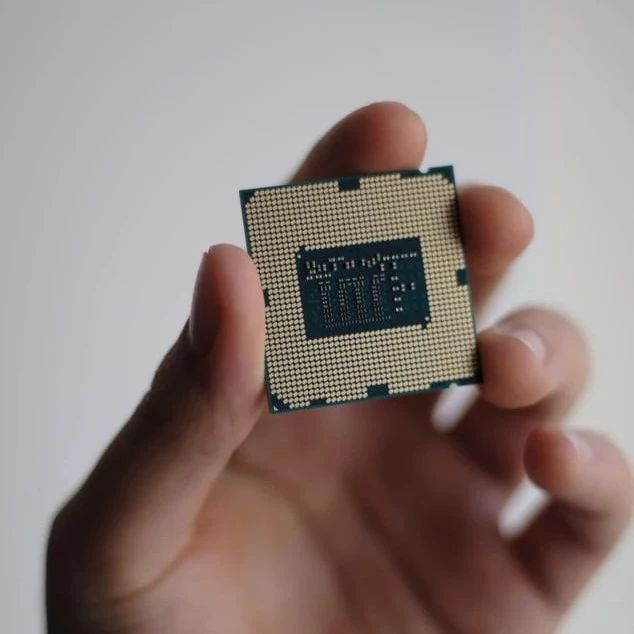
Core Viewpoint - The AI chip market is shifting focus from training to inference, as companies find it increasingly difficult to compete in the training space dominated by Nvidia and others [1][20]. Group 1: Market Dynamics - Nvidia continues to lead the training chip market, while companies like Graphcore, Intel Gaudi, and SambaNova are pivoting towards the more accessible inference market [1][20]. - The training market requires significant capital and resources, making it challenging for new entrants to survive [1][20]. - The shift towards inference is seen as a strategic move to find more scalable and practical applications in AI [1][20]. Group 2: Graphcore's Transition - Graphcore, once a strong competitor to Nvidia, is now focusing on inference as a means of survival after facing challenges in the training market [6][4]. - The company has optimized its Poplar SDK for efficient inference tasks and is targeting sectors like finance and healthcare [6][4]. - Graphcore's previous partnerships, such as with Microsoft, have ended, prompting a need to adapt to the changing market landscape [6][5]. Group 3: Intel Gaudi's Strategy - Intel's Gaudi series, initially aimed at training, is now being integrated into a new AI acceleration product line that emphasizes both training and inference [10][11]. - Gaudi 3 is marketed for its cost-effectiveness and performance in inference tasks, particularly for large language models [10][11]. - Intel is merging its Habana and GPU departments to streamline its AI chip strategy, indicating a shift in focus towards inference [10][11]. Group 4: Groq's Focus on Inference - Groq, originally targeting the training market, has pivoted to provide inference-as-a-service, emphasizing low latency and high throughput [15][12]. - The company has developed an AI inference engine platform that integrates with existing AI ecosystems, aiming to attract industries sensitive to latency [15][12]. - Groq's transition highlights the growing importance of speed and efficiency in the inference market [15][12]. Group 5: SambaNova's Shift - SambaNova has transitioned from a focus on training to offering inference-as-a-service, allowing users to access AI capabilities without complex hardware [19][16]. - The company is targeting sectors with strict compliance needs, such as government and finance, providing tailored AI solutions [19][16]. - This strategic pivot reflects the broader trend of AI chip companies adapting to market demands for efficient inference solutions [19][16]. Group 6: Inference Market Characteristics - Inference tasks are less resource-intensive than training, allowing companies with limited capabilities to compete effectively [21][20]. - The shift to inference is characterized by a focus on cost, deployment, and maintainability, moving away from the previous emphasis on raw computational power [23][20]. - The competitive landscape is evolving, with smaller teams and startups finding opportunities in the inference space [23][20].


中国可能凭借这项无硅晶体管创新超越美国芯片技术
半导体芯闻· 2025-05-12 10:08
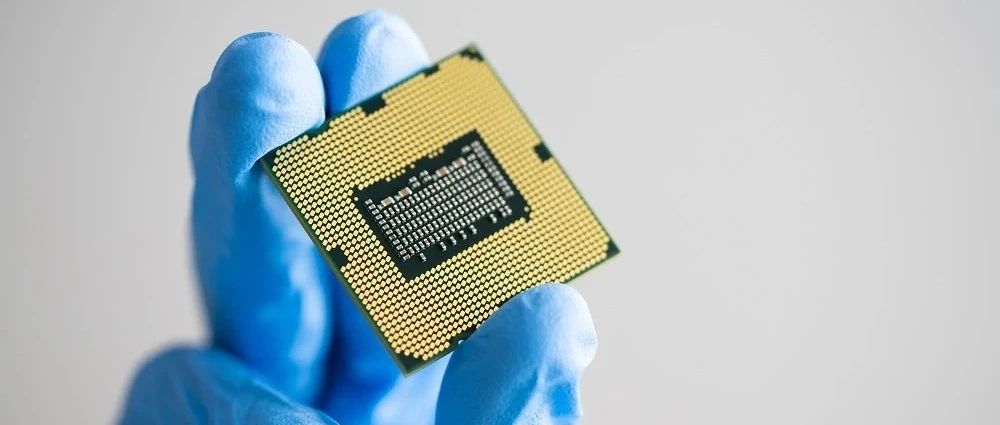
如果您希望可以时常见面,欢迎标星收藏哦~ 来源:内容来自 techradar ,谢谢 。 北京大学的中国研究人员宣布了晶体管设计方面的一项突破,如果实现商业化,可能会极大地改变 微处理器的发展方向。 该团队基于二维材料硒化铋创建了一种无硅晶体管。 这 项 创 新 的 关 键 在 于 全 环 绕 栅 极 (GAAFET) 架 构 , 其 中 晶 体 管 的 栅 极 完 全 环 绕 源 极 。 传 统 的 FinFET 设计,目前主导着硅基处理器,仅允许部分栅极覆盖。这种全环绕结构增强了栅极和沟道 之间的接触面积,通过减少能量泄漏和实现更好的电流控制来提高性能。 这是否标志着硅芯片的终结? 北京大学表示:"这是迄今为止速度最快、效率最高的晶体管。" 这一说法得到了在与领先商用芯 片相同条件下进行的测试的支持。 参考链接 https://www.techradar.com/pro/chinese-researchers-develop-silicon-free-transistor-technology-claimed-to-be-fastest-and-most-efficient-ever- heres-wha ...
这里有一份AEIF 2025参会指南请查收
半导体芯闻· 2025-05-12 10:08
Core Viewpoint - The "12th Automotive Electronics Innovation Conference and Automotive Chip Industry Ecosystem Development Forum (AEIF 2025)" will be held in Shanghai on May 14-15, focusing on cutting-edge automotive technologies and inviting industry experts to share insights on trends, innovations, and applications in the automotive electronics sector [1]. Event Overview - The conference theme is "Building Industry Ecosystem and Moving Forward with Opportunities," featuring a summit forum, supply-demand matching, three specialized forums, and a product exhibition, with over a thousand attendees expected [1]. - The organizing committee aims to enhance connections between upstream and downstream players in the automotive industry, providing robust showcasing opportunities for capable automotive chip companies to engage directly with vehicle manufacturers and Tier 1 suppliers [1]. Agenda Highlights - The event includes a VIP and exhibitor registration on May 14, followed by a closed-door meeting for automotive electronics experts and a supply-demand matching session [5]. - On May 15, the main summit forum will take place, along with specialized sessions focusing on automotive electronic ecosystems, smart connected vehicles, and AI in autonomous driving [5][30][34]. Key Speakers and Topics - Notable speakers include experts from various companies discussing the current state and future of automotive chip development, including the challenges and opportunities in localizing chip production in China [12][22]. - Topics will cover the demand for chips in smart vehicles, the role of RISC-V architecture in the industry, and advancements in chiplet technology for automotive applications [13][14][23]. Industry Trends - The automotive electronics system is projected to account for 30-70% of the total value of vehicles, highlighting its significance in technological innovation [22]. - The demand for automotive chips is surging due to the rapid growth of smart and new energy vehicles, with a focus on the evolution of chip integration and architecture in the automotive sector [23][28].

2nm抢爆了,苹果加码600亿美元大单
半导体芯闻· 2025-05-12 10:08
Core Viewpoint - Analysts believe that Apple could order up to $60 billion in chips from TSMC, potentially leading to TSMC generating up to NT$1 trillion in revenue by 2025, driven by Apple's increasing share in TSMC's production and the significance of TSMC's Arizona manufacturing facility [1][2]. Group 1: Revenue Projections - TSMC's revenue for 2024 is projected to be $90 billion, with significant growth expected from Apple's increasing share in TSMC's overall revenue [2]. - If Apple's orders materialize, its contribution to TSMC's revenue could rise dramatically, with analysts estimating Apple will purchase NT$624 billion worth of chips from TSMC in 2024 [2]. - By 2025, if Apple's orders reach NT$1 trillion, it could account for 60% of TSMC's revenue, with a projected range of NT$800 billion to NT$1 trillion, representing a year-over-year growth rate of 28% to 44% [2]. Group 2: Technological Advancements - The growth in Apple's orders is primarily attributed to the adoption of TSMC's latest chip manufacturing technologies, particularly the 3nm process, which saw a significant revenue increase from 9% to 22% year-over-year [1]. - TSMC's 2nm process, which is the most advanced globally, is expected to play a crucial role in increasing Apple's order value, as it utilizes updated nanosheet transistors, replacing the previous FinFET design [6]. - TSMC is competing with Samsung and Intel for dominance in 2nm technology, with Intel planning to start production of its 18A process in 2025 [6].



英伟达,将GPU价格上调 25%
半导体芯闻· 2025-05-12 10:08
Core Viewpoint - Nvidia is facing significant challenges due to semiconductor export restrictions imposed by the U.S. government, leading to a substantial increase in GPU prices as a measure to counteract revenue decline [1][2]. Price Adjustments - Nvidia has raised GPU prices by 10% to 25%, with specific products like the H200 and B200 experiencing a 10% to 15% increase. The RTX5090, a high-end PC graphics card, has seen a price increase of over 25% since the beginning of the year, reaching approximately 20 million KRW [1]. Production Costs - TSMC has begun producing Nvidia's Blackwell chips using a 4nm process in Arizona, where operational costs are about twice as high as in Taiwan. This increase in production costs necessitates a corresponding rise in chip prices [1]. Financial Impact of Export Restrictions - Nvidia is projected to incur a loss of $5.5 billion (approximately 7.7 trillion KRW) in the first quarter due to semiconductor export restrictions, particularly affecting the H20 AI chip sales to China [2]. Market Share and Future Outlook - Nvidia's sales in China reached $17.1 billion (approximately 25 trillion KRW) last year, accounting for 14% of total revenue. The company previously held a 90% market share in China's AI chip market, but this is declining due to tightening U.S. regulations [2]. CEO's Concerns - CEO Jensen Huang expressed concerns about the potential loss of the Chinese market, which could grow to approximately $50 billion (about 69 trillion KRW) in the coming years. He warned that if Nvidia does not supply products to this market, competitors like Huawei may take over [2]. Revenue Projections - For the first quarter of fiscal year 2026 (February to April), Nvidia's revenue is expected to be around $430 million, reflecting a 65% year-over-year growth, but significantly lower than the 262% growth seen the previous year, raising concerns about a slowdown in performance [3].

Arbe亮相上海车展,以2,304通道雷达刷新自动驾驶感知上限
半导体芯闻· 2025-05-12 10:08
Core Viewpoint - Arbe is positioning itself as a leader in radar technology for autonomous driving, emphasizing the importance of high-resolution imaging radar systems that enhance vehicle safety and performance in various conditions [1][3][9]. Group 1: Company Overview - Arbe, founded in 2015, specializes in radar technology innovation, particularly in the development and production of imaging radar chipsets that revolutionize automotive radar technology [1][3]. - The company operates offices in China, Germany, and the United States, and aims to provide higher-level value support to OEMs and automakers through its self-developed imaging radar chipsets [3][5]. Group 2: Technology and Innovation - Arbe's imaging radar chipsets support high-precision and long-range target detection, crucial for the advancement of autonomous driving from L2+ to L4 levels [3][4]. - The radar system features a 48x48 antenna array design, generating up to 2,304 virtual channels, significantly enhancing spatial resolution and detection accuracy compared to industry standards [3][4]. - The technology is designed to operate effectively in high-speed scenarios (up to 130 km/h and beyond) and under challenging weather conditions, providing a robust alternative to cameras and LiDAR systems [3][4]. Group 3: Market Strategy and Partnerships - Arbe is focusing on the Chinese market, recognizing its rapid evolution and the importance of local partnerships, such as with Jingwei Hengrun, to facilitate the integration of its technology into OEM systems [5][6][7]. - The company is developing a new generation of radar chipsets aimed at improving processing efficiency, reducing system costs, and enhancing the intelligent interpretation of radar data through AI algorithms [7][8]. Group 4: Future Outlook - Arbe aims to provide customized radar solutions for various vehicle types, including passenger cars, commercial vehicles, and urban logistics, to expand its market penetration [7][9]. - The emphasis on mass production and scalability is critical for Arbe, as it seeks to transition its technology from prototypes to real-world applications [8][9].