半导体行业观察

Search documents
WiFi 8,要来了!最全技术解读
半导体行业观察· 2025-11-04 01:00
Core Viewpoint - Wi-Fi 8 represents a significant advancement in wireless technology, focusing on reliability, intelligence, and performance rather than just peak speed, catering to the growing demand for stable, low-latency, and high-throughput connections in various environments [2][4][41]. Group 1: Wi-Fi 8 Overview - Wi-Fi 8 is designed to meet the evolving needs of users and next-generation smart applications, expected to be commercially available by the end of 2027 [5]. - Unlike Wi-Fi 7, which prioritized speed, Wi-Fi 8 aims to enhance reliability, stability, and intelligence in real-world environments [5][41]. Group 2: Value Proposition of Wi-Fi 8 - The value proposition of Wi-Fi 8 includes optimized networks, deterministic operations, enhanced security and privacy, and AI empowerment [6][7]. - Network optimization focuses on improving spectrum efficiency, reducing latency, and expanding coverage [7]. - Deterministic operations ensure consistent and reliable data transmission with mechanisms to enhance Wi-Fi's capabilities [8]. - Enhanced security features include support for encryption during the association process and protection of management frames [8]. - AI empowerment allows for the development of new applications that leverage existing Wi-Fi capabilities [8]. Group 3: Application Scenarios - Wi-Fi 8 is expected to significantly benefit various application scenarios, including: - Home environments with multiple devices requiring coexistence, where latency-sensitive traffic is prioritized [11]. - Enterprise applications in high-density environments like airports and conference centers, ensuring smooth operation even under heavy load [12]. - AI-enabled context-aware applications that enhance user interaction in settings like conference rooms [13]. - Immersive real-time XR collaboration, where low latency and high reliability are crucial [15]. Group 4: Technical Features - Wi-Fi 8 introduces several technical features aimed at improving performance: - Enhanced modulation and coding schemes (MCS) for better link reliability and performance in challenging environments [20]. - Improved error correction capabilities and extended range modes to maintain connections in previously weak signal areas [23][24]. - Collaborative features among access points (APs) to reduce interference and improve overall network capacity [28][29]. - Significant reductions in latency and jitter, benefiting applications like gaming and video conferencing [31]. Group 5: Spectrum Utilization and Coexistence - Wi-Fi 8 enhances spectrum utilization through features like non-primary channel access and dynamic bandwidth expansion, allowing for more efficient use of available channels [33][35]. - Improved coexistence mechanisms enable better performance when multiple wireless technologies operate in the same environment [36]. Group 6: Security and Privacy Enhancements - Wi-Fi 8 strengthens security through the introduction of secure control frames and enhanced privacy measures, ensuring safer connections [39]. Group 7: Conclusion - Wi-Fi 8 is poised to provide a more stable and reliable wireless experience, integrating seamlessly into users' lives and supporting a wide range of applications, from gaming to smart home devices [41][44].


索尼拆分芯片公司
半导体行业观察· 2025-11-04 01:00
Core Viewpoint - Sony Israel will operate independently as Altair Semiconductor, marking a strategic shift to focus on the 5G IoT chip market, with plans for organizational restructuring and layoffs to enhance efficiency [2][3]. Group 1: Company Structure and Strategy - The decision for Sony Israel to become an independent entity was made jointly by Sony Semiconductor Israel and Sony Group's headquarters in Japan [2]. - The restructuring aims to ensure long-term sustainability and operational agility, with the expectation of laying off dozens of employees [2][3]. - Sony will remain a major investor in the new independent company, reaffirming its commitment to the 5G IoT market [2]. Group 2: Historical Context and Development - Sony acquired Altair Semiconductor in 2016 for approximately $212 million, integrating it into its semiconductor division [2]. - The recent management decision to refocus on core strategic areas led to the separation, allowing Altair to concentrate on 5G IoT connectivity [2][3]. - Since the acquisition, Altair has expanded its customer base and launched initiatives like logistics chain digitization, even incubating a spin-off company named Sensos [3]. Group 3: Technological Capabilities - The Israeli R&D center specializes in developing low-power cellular network chips for IoT applications, emphasizing ultra-low power consumption, compact size, and robust security features [4]. - The team has developed digital signal processors (DSPs) that integrate AI directly into sensors, along with complete modem and system-on-chip (SoC) solutions [4].

英伟达有望达到8.5万亿美金
半导体行业观察· 2025-11-04 01:00
Core Viewpoint - Nvidia has become the first company in history to surpass a market capitalization of $5 trillion, indicating significant growth potential in its valuation [2][7]. Group 1: Market Performance and Analyst Predictions - Loop Capital Markets raised Nvidia's target stock price from $250 to $350, suggesting a potential market cap exceeding $8.5 trillion, which is over a 70% increase from the previous closing price of $202.49 [2]. - The average target price among analysts is $231, indicating a bullish sentiment towards Nvidia's stock [2]. - Nvidia's stock has risen over 50% this year, outperforming the Philadelphia Semiconductor Index, which increased by 45% [2]. Group 2: AI Demand and Product Development - Analysts believe Nvidia is at the forefront of a new "golden wave" of AI adoption, with strong demand expected for its upcoming Blackwell graphics processing units (GPUs) [5]. - Nvidia is set to double its shipment volume of Blackwell chips in the next 12-15 months, benefiting from an increase in average selling prices (ASP) [5]. - Orders for Blackwell chips have reportedly exceeded $500 billion before 2026, showcasing robust demand [5]. Group 3: Nvidia's Market Position and Growth - Nvidia's market capitalization has surpassed that of major competitors like AMD, Arm Holdings, ASML, Broadcom, Intel, Lam Research, and Micron Technology combined [7]. - The company has shipped 6 million Blackwell chips and received orders for 14 million, highlighting its significant role in the AI industry [7]. - Nvidia's rapid growth trajectory is evident, having reached a market cap of $2 trillion in March 2024, $3 trillion in just 66 trading days, and $4 trillion by July 2025 [8]. Group 4: Investment and Strategic Concerns - Nvidia's investment in OpenAI could reach up to $100 billion, aimed at building AI data centers, which raises concerns about potential revenue declines if AI investments decrease [8]. - The company is also investing in various AI startups, indicating a strategic focus on expanding its influence in the AI sector [8]. - There are concerns regarding Nvidia's access to the Chinese market and the ongoing negotiations related to chip availability [9].
复购+投产!上海匠岭科技打响国产高端量测突围战
半导体行业观察· 2025-11-04 01:00
Core Viewpoint - The semiconductor metrology equipment sector is experiencing explosive growth due to advancements in logic processes, increased demand for 3D NAND and 3D packaging, and challenges posed by AI chip stacking, with global semiconductor equipment shipments expected to reach $117.1 billion in 2024, a 10% year-on-year increase [1]. Group 1: Company Developments - Jiangling Technology is leveraging independent innovation to enhance high-precision detection, 3D measurement, and AI-driven intelligent algorithms, positioning itself as a key player in breaking the monopoly in the domestic semiconductor equipment industry [1][3]. - The company has established a comprehensive product matrix covering various measurement series, including TFT, OM, HIMA, VISUS, ANDES, ALPS, and ROCKY, successfully industrializing and validating over ten types of measurement machines [5]. - Jiangling Technology's flagship TFT70 SuperHiK® high-end thin film measurement equipment has been successfully delivered to leading wafer manufacturers, marking a significant milestone in technology repurchase and capacity expansion [9][11]. Group 2: Technological Advancements - The company has developed unique measurement solutions for critical thin film thickness and optical critical dimension, addressing significant technical barriers in the industry [5][6]. - The AiMET artificial intelligence measurement system has been introduced, enhancing measurement efficiency by over 20 times and optimizing measurement recipes through AI, showcasing the integration of AI technology in high-end measurement [12]. - Jiangling Technology's ANDES series for defect detection in compound semiconductors has achieved mass production-level detection, meeting the growing demand for non-destructive testing in new energy vehicles and 5G communications [7]. Group 3: Market Positioning - The demand for 3D packaging, particularly in AI chips, is surging, with Jiangling Technology's HIMA series products strategically positioned to meet current and future market needs [6][7]. - The company is expanding its production capacity with a new facility in Zhejiang, increasing its annual equipment output capacity to over 200 units, which supports the growing demand for domestic semiconductor manufacturing [13]. - Jiangling Technology's advancements reflect a broader transformation in the domestic semiconductor equipment industry, moving from low-end replacements to high-end technology breakthroughs, with increasing recognition from leading wafer manufacturers [15][16].
DDR 4,涨疯了
半导体行业观察· 2025-11-04 01:00
Group 1 - The core viewpoint of the article highlights the significant increase in DDR4 memory prices due to rising demand from artificial intelligence and production cuts by major manufacturers, with prices nearly doubling in a week [2][3] - The current spot price for DDR4 memory is now 87% higher than that of DDR5, which is considered absurd, especially for budget-conscious consumers looking to build gaming PCs [3] - The article suggests that DDR4-3200 memory kits may become a speculative asset, as rising prices could lead to shortages, prompting individuals to view them as quick profit opportunities [3] Group 2 - A specific example is provided where the average spot price for a 2GB DDR4-3200 memory module reached $25, illustrating the dramatic price surge [2] - The article mentions that a 16GB memory module requires eight memory chips, costing around $200, excluding additional costs for PCB, heatsinks, and packaging [2] - Prices for memory kits vary by region, with a 32GB DDR4-3200 kit priced at $139 in the US and £179 in the UK, indicating geographical price discrepancies [2]


AMD因混合键合技术被起诉
半导体行业观察· 2025-11-04 01:00
Core Viewpoint - Adeia has filed two patent infringement lawsuits against AMD, claiming that AMD's chips utilize its patented hybrid bonding technology, which is central to AMD's 3D V-Cache design, enhancing gaming performance and cache density [2][3]. Group 1: Patent Infringement Lawsuit - The lawsuits involve ten patents, including seven related to hybrid bonding technology and three concerning advanced logic and memory manufacturing processes [2]. - Adeia's claims arise after failed licensing negotiations over several years, with the lawsuits announced on November 3 [2]. - AMD has not commented on the lawsuits as of now [2]. Group 2: Hybrid Bonding Technology - Hybrid bonding technology is crucial for AMD's Ryzen X3D processors, allowing for a near-monolithic connection between chips, which enables stacking of 64MB SRAM without exceeding thermal or electrical limits [2]. - This technology utilizes TSMC's SoIC process series, which facilitates ultra-high-density 3D integration [2]. Group 3: Implications of the Lawsuit - The outcome of the lawsuit could redefine the boundaries between proprietary bonding methods and specific implementations by foundries, impacting the ownership of connection aspects in 3D chip designs [4]. - If Adeia's claims withstand early procedural challenges, the case may influence the valuation of all hybrid bonding processors in future licensing transactions [4]. - Historically, injunctions in such patent cases are rarely granted, leading to expectations that AMD's products will not be immediately affected [3].

微芯片的时代,即将结束
半导体行业观察· 2025-11-04 01:00
Core Viewpoint - The article discusses the transformative impact of microchips and artificial intelligence on various industries, highlighting Nvidia as a leading example in this microchip era, with a market value of approximately $5 trillion [2]. Group 1: Nvidia and AI Chips - Nvidia's latest chips feature up to 208 billion transistors and are priced around $30,000, representing a significant advancement in data center technology [2]. - The Colossus 2 data center in Memphis integrates about one million Nvidia chips, functioning as a "supercomputer" for AI applications [2]. Group 2: U.S. Chip Industry and Policy - The U.S. government considers chips a strategic industry, with the 2022 CHIPS Act allocating over $200 billion to support domestic chip manufacturing [3]. - TSMC holds over 95% of the advanced chip market, influencing U.S. foreign policy regarding semiconductor production [3]. - U.S. protectionist policies have hindered domestic wafer manufacturing equipment producers while allowing China's semiconductor capital equipment output to grow by 30-40% annually since 2020 [3][4]. Group 3: Limitations and Future of Chip Technology - The EUV machines, essential for advanced chip manufacturing, are complex and costly, with only 44 units sold to date [4][5]. - The physical limitations of chip size and density are leading to the end of the microchip era, with a shift towards wafer-level integration models [6]. - Companies like Cerebras are pioneering wafer-level engines with trillions of transistors, significantly enhancing memory bandwidth compared to traditional chips [6]. Group 4: Transition to Post-Microchip Era - The future will see data centers integrated into wafer-level processors, moving beyond traditional microchip architectures [7].

日媒:台积电的最大风险
半导体行业观察· 2025-11-03 00:39
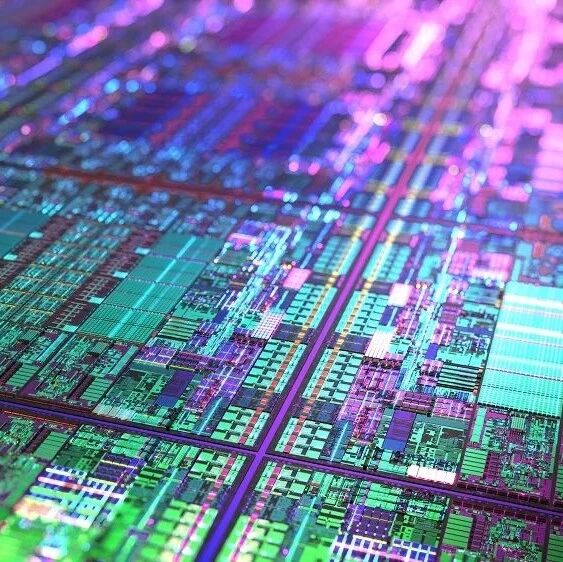
Core Viewpoint - The article emphasizes the strategic importance of semiconductors, highlighting Taiwan's critical role in the global semiconductor supply chain, particularly through TSMC's dominance in chip manufacturing [2][3]. Group 1: Semiconductor Industry Dynamics - A semiconductor world war is emerging among Taiwan, South Korea, the US, Japan, and mainland China, with TSMC's management transition raising concerns about its responsiveness to smaller client demands, potentially benefiting Japan's Rapidus [2][6]. - Japan's semiconductor revival is driven by a 2020 semiconductor shortage, leading to government-led initiatives after years of reliance on imports [3][4]. - TSMC's cost advantages stem from a balanced approach to automation, selectively automating profitable processes while retaining manual labor where cost-effective, unlike Japan's previous all-or-nothing automation attempts [3][4]. Group 2: Competitive Landscape - TSMC has become the most automated semiconductor company globally, carefully timing its investments in cutting-edge technology, such as EUV lithography equipment, which can cost hundreds of billions of yen [4]. - The article notes that while South Korean manufacturers also focus on cost control, Japan's corporate culture often hinders frontline decision-making, impacting competitiveness [4][5]. - The US faces challenges in revitalizing its semiconductor industry due to high labor costs and immigration restrictions limiting the influx of skilled engineers [4][5]. Group 3: China's Semiconductor Aspirations - China is making significant strides in its semiconductor industry, with government support aimed at reducing reliance on foreign technology, with predictions suggesting it could lead the sector by 2050 [5][6]. - Despite US regulations prohibiting the sale of advanced semiconductor equipment to China, these measures are expected to slow but not halt China's semiconductor development [5][6]. - The article highlights that possessing manufacturing equipment alone is insufficient for success; technical know-how is crucial, as evidenced by Intel and Samsung's struggles to match TSMC's yield rates despite having similar equipment [5][6]. Group 4: Future of Japan's Semiconductor Industry - Japan's success in the semiconductor sector hinges on attracting buyers, as competing directly with giants like TSMC and Samsung is deemed impractical [6]. - The generational shift in TSMC's management may lead to a less accommodating approach to smaller demands, presenting an opportunity for Rapidus to fill the gap if it can secure Japanese clients [6]. - The article concludes that without collaboration among Japanese companies, Rapidus's efforts may be futile, emphasizing the need for unity in the industry [6].

CPU设计,又一次革命
半导体行业观察· 2025-11-03 00:39
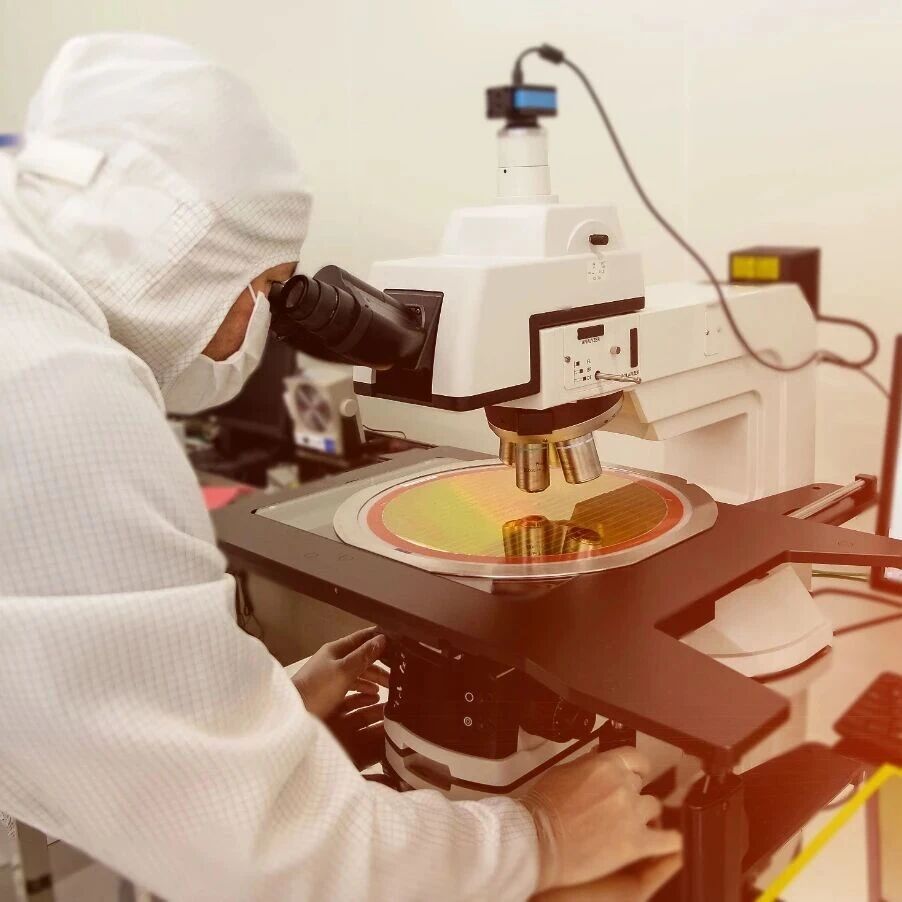
Core Viewpoint - The article discusses a significant architectural shift from speculative execution to a deterministic, time-based execution model in modern CPUs, which aims to enhance efficiency and reliability while addressing the challenges posed by speculative execution, such as energy waste and security vulnerabilities [2][3][19]. Group 1: Architectural Shift - Speculative execution has been a dominant paradigm in CPU design for over three decades, allowing processors to predict branch instructions and memory loads to avoid stalls [2]. - The transition to a deterministic execution model is based on David Patterson's principle of simplicity, which enhances speed through a simpler design [3]. - Recent patents have introduced a new instruction execution model that replaces speculation with a time-based, fault-tolerant mechanism, ensuring a predictable execution flow [3][4]. Group 2: Deterministic Execution Model - A simple timer is utilized to set the exact execution time for instructions, which are queued based on data dependencies and resource availability [4]. - This deterministic approach is seen as a major architectural challenge since the advent of speculative architectures, particularly in matrix computation [4][5]. - The new model is designed to support a wide range of AI and high-performance computing workloads, demonstrating scalability comparable to Google's TPU while maintaining lower costs and power consumption [4][5]. Group 3: Efficiency and Performance - The deterministic scheduling applied to vector and matrix engines allows for a more efficient execution process, avoiding the pitfalls of speculative execution [5][6]. - Critics argue that static scheduling may introduce delays, but the article contends that traditional CPUs already experience delays due to data dependencies and memory reads [6][7]. - The time counter method identifies delays and fills them with useful work, thus avoiding rollbacks and enhancing energy efficiency [6][19]. Group 4: Programming Model and Compatibility - From a programmer's perspective, the execution model remains familiar, as RISC-V code compilation and execution processes are unchanged [14][16]. - The key difference lies in the execution contract, which guarantees predictable scheduling and completion times, eliminating the unpredictability associated with speculative execution [14][15]. - The deterministic model simplifies hardware, reduces power consumption, and avoids pipeline flushes, particularly benefiting vector and matrix operations [15][16]. Group 5: Applications in AI and Machine Learning - In AI and machine learning workloads, vector loads and matrix operations dominate runtime, and the deterministic design ensures high utilization and stable throughput [18][19]. - The deterministic model is compatible with existing RISC-V specifications and mainstream toolchains, allowing for seamless integration into current programming practices [18][19]. - The industry is at a turning point, as the demand for AI workloads increases, highlighting the limitations of traditional CPUs reliant on speculative execution [19].
黄仁勋:套现70亿
半导体行业观察· 2025-11-03 00:39
Core Insights - CEO Jensen Huang of Nvidia has completed a planned stock sale, offloading over $1 billion worth of shares since June, with a total of 600,000 shares set to be sold by year-end [2][3] - Nvidia's market capitalization has surpassed $5 trillion, marking it as the first company to reach this milestone, with a significant increase from $4 trillion just four months prior [2] - The surge in Nvidia's stock price, driven by strong demand for AI processors, has resulted in the creation of multiple billionaires within the company, including Huang himself [2][3] Stock Sales and Wealth Creation - Huang has sold Nvidia shares worth over $2.9 billion since 2001 and has also donated over $300 million in stock to his foundation and donors this year [3] - Nvidia insiders, including Huang, sold nearly $1.5 billion in stock in Q3, with total insider sales expected to exceed $2 billion in 2024 [3] - The company has produced seven billionaires among its ranks, highlighting its exceptional wealth generation compared to other firms benefiting from the AI boom [3] Employee Wealth and Compensation - Approximately 76% to 78% of Nvidia employees are millionaires, with around 50% having a net worth exceeding $25 million, largely due to the company's stock purchase plan [6][7] - Huang regularly reviews the salaries of all 42,000 employees, emphasizing a management strategy focused on fair compensation, which has contributed to the wealth of many employees [6] - Since 2019, Nvidia's stock price has increased over 3800%, significantly enhancing employee wealth through stock options [7]