半导体行业观察

Search documents
这类视觉芯片,走向台前
半导体行业观察· 2025-10-29 02:14
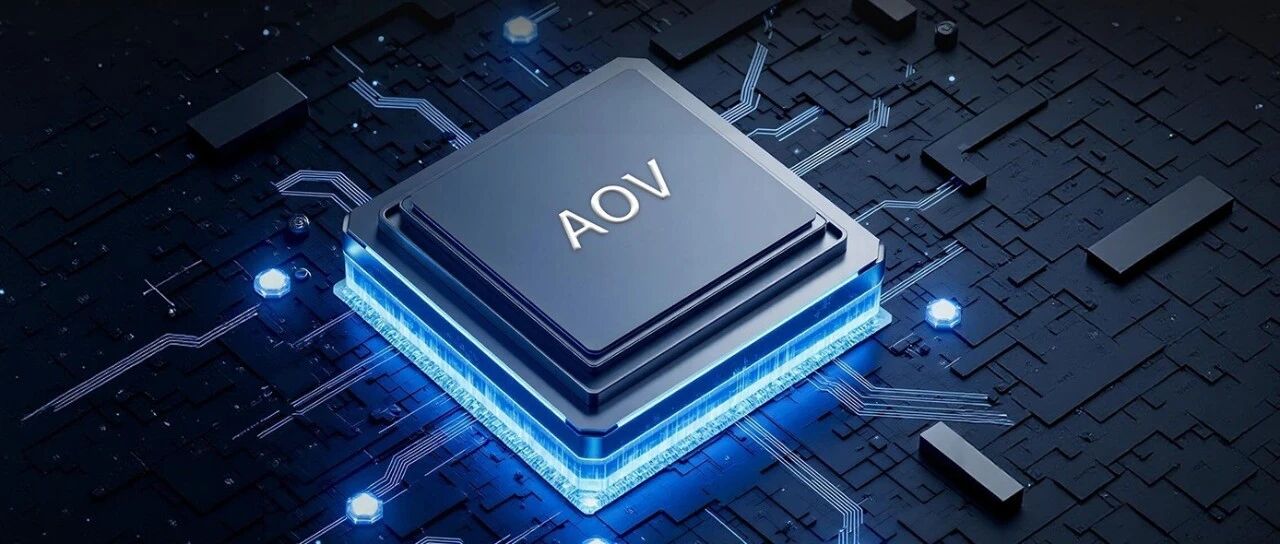
Core Viewpoint - The article discusses the transformative impact of AI technology on the visual chip industry, particularly through the introduction of AOV (Always On Video) technology, which enables continuous low-power recording and enhances the capabilities of visual AI chips [1][2]. Group 1: AOV Technology Overview - AOV technology allows cameras to record continuously at low power, avoiding missed critical moments, even in battery-powered scenarios [3]. - The core of AOV technology lies in visual processing chips that support low-frame-rate recording while maintaining low power consumption, switching to normal frame rates upon target detection [3][7]. - The STR standby technology enhances the AOV experience by allowing devices to maintain operational memory in low-power states, improving response times [3][7]. Group 2: Product Performance and Market Response - The GK7206V1 chip can operate for 4 days on two 2000mAh batteries under specific conditions, representing a 12% improvement in battery life compared to traditional ISP [5][6]. - The GK7206V1 series has achieved mass production within two months of its launch, successfully integrating into the supply chains of major security and consumer electronics companies [9]. - The GK7203V1 series, designed for cost-sensitive markets, incorporates a general-purpose NPU while maintaining low power consumption, making it suitable for various applications [11][13]. Group 3: Competitive Advantages - The "圆鸮" AI ISP engine, requiring only 0.5T of computing power, significantly enhances noise reduction capabilities, allowing for high-quality images in low-light conditions without additional lighting [6][11]. - The AOV technology is gaining traction among chip manufacturers due to the increasing market demand for low-power solutions [3][9]. - The company has established a comprehensive visual chip matrix covering high, medium, and low-end markets, positioning itself as a leader in the AOV technology space [13].

三星HBM市占骤降,奋起直追
半导体行业观察· 2025-10-29 02:14
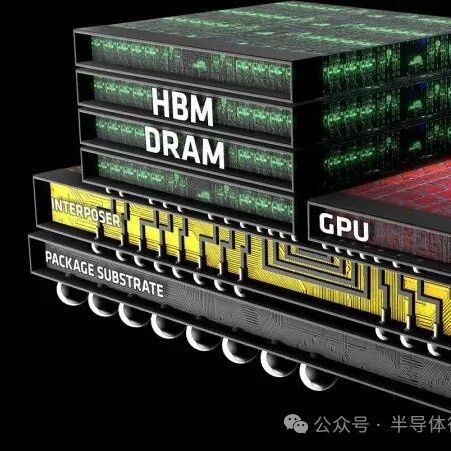
Core Viewpoint - Samsung Electronics is optimistic about its recovery in the semiconductor market, particularly in the context of artificial intelligence, following recent strategic partnerships and contracts that bolster its position in the industry [2][5]. Group 1: Recent Developments - Samsung's flagship store event showcased its latest device, the Galaxy XR headset, reflecting the company's positive outlook as it aims to regain its footing in the AI-driven market [2]. - The company resolved long-standing legal issues involving its chairman, which has contributed to a more favorable business environment [2]. - In July, Samsung secured a $16.5 billion contract to produce chips for Tesla at its new Texas facility, alleviating concerns about finding clients for its contract chip manufacturing business [2]. Group 2: Strategic Partnerships - Samsung signed a strategic partnership with OpenAI to supply DRAM chips for the $500 billion Stargate project, aimed at establishing large data centers in the U.S. [2]. - This partnership is seen as a catalyst for Samsung's stock price increase, as the expansion of semiconductor infrastructure is deemed essential for supporting AI [2]. Group 3: Market Position and Competition - Samsung has historically dominated the DRAM and NAND memory chip markets but is currently lagging behind SK Hynix in the high-bandwidth memory (HBM) sector, crucial for AI accelerators [3][5]. - TrendForce estimates that SK Hynix will hold a 52.3% market share in HBM this year, while Samsung's share is expected to drop from 41% to 28.7% [3]. Group 4: Recovery Efforts - Samsung has initiated a comprehensive action plan to recover its market position in HBM, including forming new engineering teams and accelerating product certification processes [5]. - The company has recently passed critical certification tests for its HBM3e product with Nvidia, although the impact on sales remains limited [5][6]. Group 5: Future Outlook - The next 12 months are critical for Samsung to establish a reliable supply of HBM3e and align its HBM4 timeline with Nvidia's GPU roadmap to regain competitiveness [6]. - Analysts predict that while Samsung will enter the HBM4 market next year, it may take time to catch up with SK Hynix in terms of technology and market share [6]. - The success of Samsung's HBM efforts is vital for re-establishing its dominance in the chip sector, with strong performance in its foldable smartphone lineup also contributing positively to its overall business [8].
SK海力士利润创新高,HBM4将全面出货
半导体行业观察· 2025-10-29 02:14
Core Viewpoint - The article highlights the significant growth in demand for High Bandwidth Memory (HBM) driven by the booming artificial intelligence (AI) market, with SK Hynix leading the sector and achieving record quarterly performance in Q3 2023 [2][5]. Financial Performance - SK Hynix reported a consolidated operating profit of 11.3834 trillion KRW in Q3 2023, a 62% increase year-over-year, with an operating margin of 47% [5]. - The company's revenue for Q3 2023 reached 24.4489 trillion KRW, marking a 39% increase compared to the same period last year [5]. - Net profit for the quarter was 12.5975 trillion KRW, with a net profit margin of 52% [5]. Market Dynamics - The demand for memory products is surging as clients increase investments in AI infrastructure, particularly for high-value products like HBM3E and server-oriented DDR5 [2][5]. - The shift in the AI market towards inference workloads is expected to broaden the demand for various memory products, including high-performance DDR5 and enterprise SSDs [6][7]. Product Development and Supply Chain - SK Hynix has completed negotiations for HBM supply with major clients for the upcoming year, with HBM4 development completed in September and mass production set to begin in Q4 2023 [3][6]. - The company plans to accelerate the transition to its advanced 10nm-class sixth-generation (1c) process technology to enhance its DRAM product line across server, mobile, and graphics applications [3][6]. Future Outlook - SK Hynix anticipates that the strong demand for AI memory will continue, ensuring that all DRAM and NAND production meets customer needs for the upcoming year [7]. - The company is expected to increase its investment in response to market conditions, reflecting a commitment to its investment strategy [7]. - Analysts predict that SK Hynix's Q4 2023 performance will surpass Q3, driven by robust HBM sales and rising DRAM prices, with projected revenue of 26.6 trillion KRW and operating profit of 13.3 trillion KRW [9].
投资80亿,欧洲最大晶圆厂诞生
半导体行业观察· 2025-10-29 02:14
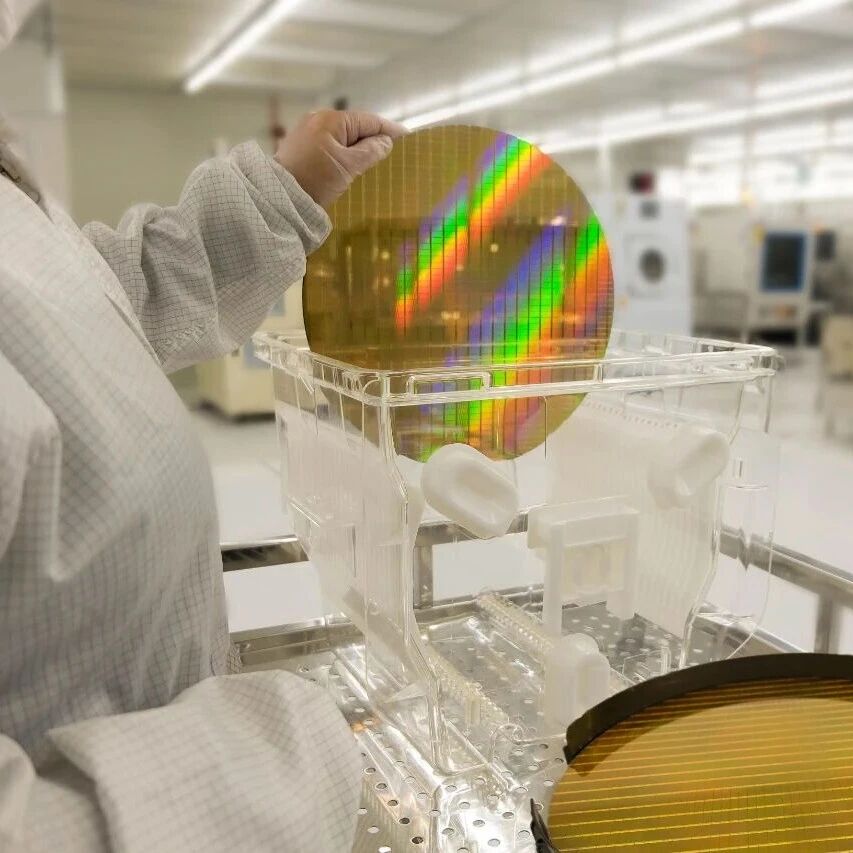
Core Viewpoint - GlobalFoundries plans to invest €1.1 billion to expand its semiconductor manufacturing capacity in Dresden, Germany, aiming to produce over 1 million wafers annually by the end of 2028, making it the largest facility of its kind in Europe [2][4]. Investment and Expansion Plans - The "SPRINT" expansion project will receive support from the German federal government and Saxony under the European Chips Act, with full implementation expected to be approved by the EU later this year [2][4]. - The investment highlights Saxony's role as a key hub for semiconductor manufacturing and innovation, reinforcing Europe's strategy to enhance supply chain resilience [2][4]. Government and Political Support - German Chancellor Friedrich Merz welcomed the investment, emphasizing Germany's commitment to being an industrial and innovation center, particularly in shaping the global semiconductor market [2][4]. - Saxony's Prime Minister Michael Kretschmer noted that the investment is a positive development for the Saxony Silicon Valley, enhancing economic strength and technological independence in Europe [2][4]. Technological Focus - The new capacity will focus on differentiated technologies, including low power consumption, embedded security memory, and wireless connectivity, which are crucial for sectors like automotive, IoT, defense, and critical infrastructure [2][4]. - The investment will also support ongoing innovations in next-generation computing architectures and quantum technologies [2][4]. Market Demand and Supply Chain Concerns - GlobalFoundries' CEO Tim Breen stated that the recent turmoil in the automotive sector has highlighted the fragility of the global chip supply chain, prompting the need for independent semiconductor supply outside of China and Taiwan [4][5]. - The company aims to meet the growing demand from European clients for secure and independent semiconductor supply chains [4][5]. EU Chips Act and Market Dynamics - The EU Chips Act aims for Europe to control 20% of the global advanced chip production market by 2030, but current levels are only at 8.1% [5]. - GlobalFoundries is expected to receive subsidies from the EU Chips Act, although there are concerns about the slow process and allocation of funds [5][6].

安世芯片禁止出口,车厂被迫停产
半导体行业观察· 2025-10-29 02:14
Group 1 - The automotive industry is facing a potential disruption due to a shortage of simple microchips, highlighted by Honda's production cut in North America [2][3] - Dutch chip manufacturer Nexperia has halted exports from China, raising concerns among automakers about supply shortages [2][4] - Nexperia holds a significant market share in basic chips used in various automotive components, and its inability to resume shipments could complicate the search for alternatives [2][4] Group 2 - Honda is implementing strategic adjustments, including temporary shutdowns, to manage existing parts amid semiconductor supply chain issues [3][4] - The Dutch government has taken control of Nexperia due to concerns over national security risks associated with its CEO's actions regarding production capacity and intellectual property [3][4] - The Chinese government has retaliated by ordering Nexperia's parent company to suspend exports, affecting 80% of Nexperia's products processed in China [4][5] Group 3 - Industry executives express that the current supply disruption may not be as severe as the previous semiconductor crisis, but the limited inventory of Nexperia's chips poses a challenge [5][6] - Major suppliers like Bosch are preparing to adjust production plans but currently do not see an immediate need for drastic changes [5][6] - U.S. automakers are collaborating with government officials to address the supply chain issues before production losses occur [6]

刚刚,Skyworks 和 Qorvo 合并
半导体行业观察· 2025-10-28 13:13
Core Viewpoint - The merger between Skyworks and Qorvo aims to create a leading global high-performance RF, analog, and mixed-signal semiconductor company, with a combined valuation of approximately $22 billion [1]. Strategic Basis and Transaction Highlights - The merger is expected to enhance scale and financial strength, projecting total revenue of about $7.7 billion and adjusted EBITDA of $2.1 billion for the combined entity, allowing for more competitive positioning [2]. - The combined company will have a robust innovation capability, bringing together around 8,000 engineers and over 12,000 patents, which will accelerate the development of advanced system-level solutions [2]. - The merger is anticipated to create a $5.1 billion mobile business, enhancing revenue stability and competitive strength across platforms [2]. - A diversified market platform valued at $2.6 billion will be established, targeting sectors like defense, aerospace, edge IoT, AI data centers, and automotive, characterized by strong long-term growth trends [2]. - The merger will strengthen domestic manufacturing capabilities and improve capital efficiency through a robust supply chain network [2]. Immediate Value Addition - The transaction is expected to significantly increase non-GAAP earnings per share immediately after completion and generate $500 million or more in annual cost synergies within 24-36 months post-integration [3]. Transaction Details - Under the agreement, Qorvo shareholders will receive $32.50 in cash and 0.960 shares of Skyworks common stock per share, resulting in a combined enterprise value of approximately $22 billion [4]. - Post-merger, Skyworks shareholders will own about 63% of the combined company, while Qorvo shareholders will hold approximately 37% [4]. - Phil Brace will serve as CEO of the merged entity, with Bob Bruggeworth joining the board [4]. - The transaction will be financed through existing cash and additional financing commitments from Goldman Sachs and Bank of America, with a favorable net leverage ratio of about 1.0 times adjusted EBITDA expected post-transaction [4]. Timeline and Approvals - Both companies' boards have unanimously approved the transaction, which is expected to close in early 2027, pending necessary regulatory approvals and shareholder votes [5].



先进封装,最新路线图
半导体行业观察· 2025-10-28 01:07
Core Insights - The SRC has released the Microelectronics and Advanced Packaging Technology (MAPT) Roadmap 2.0, which is a comprehensive update to the industry's first 3D semiconductor roadmap [1] - The roadmap emphasizes the exponential growth in data volume required for information and communication technology (ICT), highlighting the limitations of traditional semiconductor technologies and the urgent need for heterogeneous integration (HI) to enhance system performance and energy efficiency [1][2] Group 1: System Integration and Design Challenges - Different applications require specific architectures and system integration strategies to effectively balance performance, power, area, and cost (PPAC) while ensuring signal integrity, power conversion, thermal management, reliability, and security [2][3] - The challenges of system integration extend beyond chip packaging to include material selection, interconnect scaling, and thermal management solutions, all of which must meet reliability and yield targets [3] - The transition to 2.5D/3D heterogeneous integration is crucial for achieving significant performance and cost advantages in future ICT systems [5] Group 2: Heterogeneous Integration (HI) and Chiplet Design - Chiplets and their signaling interfaces introduce a new silicon module to the microelectronics ecosystem, offering high bandwidth, area efficiency, and low cost, necessitating design capabilities for defining physical cores and chip-to-chip interfaces [7] - Design Space Exploration (DSE) utilizes analytical models and AI-assisted technologies to rapidly evaluate HI system designs, becoming increasingly important as HI system integration scales [8] - Close collaboration between chiplet and packaging design throughout the design cycle is essential, requiring early involvement of system architects to analyze system and packaging trade-offs [9] Group 3: Testing, Reliability, and Security - Future heterogeneous systems will require modular testing solutions to address the unique electrical, mechanical, and thermal characteristics of various components, balancing coverage, complexity, and cost [10] - As multi-chip system-level packaging (SiP) becomes more complex, security considerations must be integrated into design automation tools to mitigate potential threats from untrusted components and external attacks [11][12] Group 4: Advanced Packaging and Interconnect Technologies - The demand for more efficient, scalable, and high-performance solutions is driving innovations in heterogeneous integration and advanced packaging technologies, which are critical for high-performance computing, AI, and edge computing applications [14] - Key advancements in interconnect technologies include the development of through-silicon vias (TSVs), intermediate layers, and hybrid bonding methods, which are essential for enhancing performance, increasing data bandwidth, and reducing energy consumption [14][15] - The exploration of photonic interconnect technologies aims to overcome the limitations of electrical connections, providing low-latency, high-throughput connections for high-bandwidth and long-distance communication [17] Group 5: Power Delivery and Thermal Management - Integrated Voltage Regulators (IVRs) are becoming key solutions for addressing power delivery challenges, particularly as processor power levels continue to rise, especially in data center CPUs and GPUs [25] - The increasing complexity of power delivery networks necessitates the development of robust platform-level voltage regulators to efficiently distribute power across integrated voltage regulators on the chip [25][26] - Advanced packaging and heterogeneous integration face significant thermal management challenges due to rising power densities and the need for effective cooling solutions, including embedded cooling structures [29][30] Group 6: Material Innovations and Future Directions - The transition from traditional substrates to integrated platforms requires new materials and processing techniques to enhance system-level performance, particularly in high-performance computing and electrification applications [34][36] - Future developments in high-density substrate technologies will focus on achieving finer bump pitches and higher routing densities to meet the demands of advanced applications [42][43] - The need for innovative solutions in RF devices and systems, particularly those operating at frequencies above 6 GHz, is driving the demand for new materials, structures, and assembly techniques [44][45]

Gartner大幅提升数据中心支出预测
半导体行业观察· 2025-10-28 01:07
Core Insights - The article discusses the significant increase in global IT spending driven by the surge in investments in AI technologies, particularly in GenAI hardware and software [2][5] - Gartner predicts that global IT spending will exceed $6 trillion by 2026, marking a substantial increase from previous forecasts [2][5] IT Spending Forecasts - Data Center Systems spending is projected to reach $489.5 billion in 2025, with a growth rate of 46.8%, and $582.4 billion in 2026, with a growth rate of 19% [3] - Enterprise Software spending is expected to grow from $1,244.3 billion in 2025 to $1,433.0 billion in 2026, reflecting a growth rate of 15.2% [3] - IT Services spending is forecasted to increase from $1,719.3 billion in 2025 to $1,869.3 billion in 2026, with an 8.7% growth rate [3] - Overall IT spending is anticipated to grow from $5,540.4 billion in 2025 to $6,084.1 billion in 2026, indicating a growth rate of 0.8% [3] Historical Context and Trends - Data Center Systems spending in 2024 is expected to reach $333.4 billion, nearly double the pre-pandemic levels, with a 40.3% increase from 2023 [7] - The growth rates for Data Center Systems spending are significantly higher than global GDP growth rates, highlighting the impact of GenAI and other factors [7][10] - Core IT spending, which includes Data Center Systems, Enterprise Software, and IT Services, tends to grow faster than overall IT spending, which includes telecommunications and devices [12] Inflation Impact - Adjusting for inflation, the cumulative effect from 2022 to 2026 adds $10.31 billion to the spending figures, indicating that the apparent growth may be influenced by inflation [10] - Even with inflation adjustments, the increase in Data Center Systems spending from 2019 to 2026 is projected to be 2.55 times, showcasing substantial growth [10]


Labview + AI,NI 重塑测试测量开发流程
半导体行业观察· 2025-10-28 01:07
Core Viewpoint - The article emphasizes the introduction of Nigel, an AI assistant designed specifically for the testing and measurement industry, integrated into NI's LabVIEW and TestStand platforms, aimed at enhancing user efficiency and productivity [3][4][6]. Group 1: Nigel's Features and Integration - Nigel is not a standalone tool but is integrated within LabVIEW and TestStand, allowing engineers to receive real-time guidance without switching between multiple software [6]. - It is included in existing LabVIEW+ Suite and LabVIEW Professional subscriptions, with the AI assistant set to be available in the 2025 Q3 version of both LabVIEW and TestStand [4][6]. - Users can quickly access information about hardware parameters and receive detailed explanations of LabVIEW Virtual Instruments (VIs) through Nigel, significantly improving the learning curve [11][12]. Group 2: Practical Applications and Use Cases - Nigel can generate complete system architectures and configuration solutions based on user input, such as recommending a system for an Advanced Driver Assistance System (ADAS) [8][10]. - It provides detailed comparisons of hardware specifications, such as the differences between NI 6363 and 6368, and offers selection advice [11]. - For cross-language users, Nigel can match equivalent functions in LabVIEW for users familiar with other programming languages, enhancing accessibility [12]. Group 3: TestStand Capabilities - In TestStand, Nigel assists users by providing quick development suggestions and managing settings efficiently, allowing for streamlined testing processes [13]. - It can interpret test files and clarify their purposes, helping engineers understand testing objectives without extensive script analysis [14]. - Users can execute tests and modify configurations through simple natural language commands, significantly reducing manual steps in the testing workflow [15][16]. Group 4: Reliability and Security - Nigel is built on a robust cloud platform, hosted on Microsoft Azure, ensuring enterprise-level privacy and security, with data stored locally unless shared by the user [16].

日本芯片设备,卖疯了
半导体行业观察· 2025-10-28 01:07
Core Insights - Japan's semiconductor manufacturing equipment sales continue to thrive, with a significant increase of approximately 15% in September 2025, marking the 18th consecutive month of double-digit growth [2] - The sales figure for September 2025 reached 424.59 billion yen, representing a 14.9% year-on-year increase, and the monthly sales have exceeded 400 billion yen for 11 consecutive months, setting a historical record since 1986 [2][3] - Cumulative sales from January to September 2025 amounted to 3.80047 trillion yen, an 18.7% increase compared to the same period last year, surpassing the previous year's total of 3.20077 trillion yen [3] Market Position - Japan holds a strong position in the semiconductor equipment market, with a global market share of 30%, second only to the United States [3] - Four Japanese companies are ranked among the top ten global semiconductor equipment manufacturers, including Tokyo Electron (TEL), Advantest, Screen, and Hitachi High-Tech [5] Industry Trends - The demand for AI server GPUs and HBM is driving growth, with increased investments in 2nm technology by TSMC and rising investments in DRAM/HBM from South Korea [3] - The forecast for Japan's semiconductor equipment sales for the fiscal year 2025 has been revised upward to 4.8634 trillion yen, indicating a 2% increase from the previous year and marking the second consecutive year of record sales [3] Technological Strengths - Japanese manufacturers excel in specific equipment categories such as coating and developing equipment, thermal processing equipment, and cleaning equipment, while having a lower market share in dry etching and CVD equipment [5][8] - The success of Japanese companies in fluid-related equipment and materials is attributed to their bottom-up R&D approach, allowing for customized equipment solutions [8]