半导体行业观察

Search documents
设备出口管制,美国大厂劲减6亿美金
半导体行业观察· 2025-10-04 02:14
美国商务部周一扩大出口黑名单,将上市公司的多数股权子公司纳入其中,严厉打击利用子公司和附属机构规避 美国某些出口限制的中国及其他国家企业。 应用材料公司还预计第四季度营收将受到约 1.1 亿美元的影响。 公众号记得加星标⭐️,第一时间看推送不会错过。 来源: 内容翻译自reuters,谢谢 近日,芯片设备制造商应用材料公司预计,在美国扩大限制出口清单,对半导体、飞机和医疗设备等行业造成打 击后,该公司 2026 财年的收入将减少 6 亿美元。 应用材料公司在一份文件中表示,新规将使未经许可向中国特定客户出口某些产品和供应特定零部件及服务变得 更加困难,该公司股价在周四盘后交易中下跌约 3%。 END 该公司及其竞争对手 ASML Holding 此前,应用材料公司已经面临中国经济疲软和美国关税的压力。8月份,应 用材料公司发布了第四季度的销售和利润预测。 新规定可能会进一步扰乱供应链,并将大大增加需要许可证才能接收美国商品和服务的公司数量。 为了提高芯片的国内产量并减少对台湾的依赖,美国商务部长霍华德·卢特尼克 (Howard Lutnick) 向 NewsNation 表示,华盛顿对亚洲芯片强国的提议将是 ...


全球半导体销售额同比增长21.7%
半导体行业观察· 2025-10-04 02:14
Core Insights - The global semiconductor sales are projected to reach $64.9 billion in August 2025, marking a 21.7% increase from $53.3 billion in August 2024 and a 4.4% increase from $62.1 billion in July 2025 [2][6]. Regional Performance - In August 2025, the Asia-Pacific and all other regions saw a year-over-year sales increase of 43.1%, the Americas increased by 25.5%, China by 12.4%, Europe by 4.4%, while Japan experienced a decline of 6.9% [5]. - Month-over-month sales growth in August 2025 included Asia-Pacific and all other regions (6.9%), the Americas (4.3%), China (3.3%), Japan (2.0%), and Europe (1.0%) [5][6]. Monthly and Yearly Sales Data - The total semiconductor sales for August 2025 were $64.88 billion, with a month-over-month increase of 4.4% from $62.14 billion in July 2025 [6]. - Year-over-year sales data for August 2025 showed significant growth across various regions, with the Americas leading at 25.5% growth, followed by Asia-Pacific and all other regions at 43.1% [6].
后摩尔时代,先进封装迈向“C位”
半导体行业观察· 2025-10-04 02:14
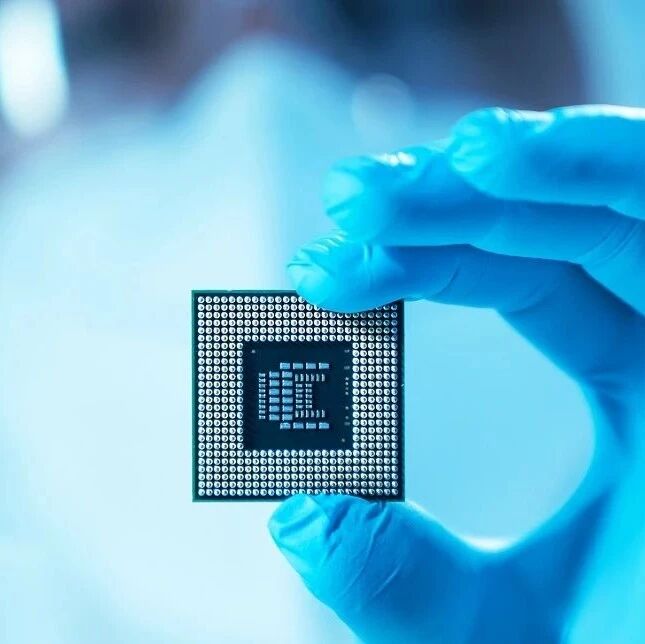
Core Viewpoint - The semiconductor industry is transitioning into the "post-Moore era," where traditional scaling methods are becoming less effective due to physical limits and rising costs. Advanced packaging technologies are emerging as a key focus area, driven by the demand for AI chips requiring high performance and low latency [1]. Industry Overview - The global advanced packaging market is projected to exceed $79.4 billion by 2030, with a compound annual growth rate (CAGR) of 9.5% from 2024 to 2030, primarily fueled by AI and high-performance computing demands [1]. - Major players in the advanced packaging sector include TSMC, Intel, and Samsung, each adopting unique competitive strategies to dominate the high-end packaging market [1]. TSMC's Advanced Packaging Strategy - TSMC leads the advanced packaging market with its "3D Fabric" platform, which includes CoWoS, InFO, and SoIC technologies, covering various application scenarios [2]. - The CoWoS technology has evolved to its fifth generation, supporting high-density integration and significantly enhancing memory bandwidth for high-performance computing applications [5]. - InFO technology focuses on cost-sensitive applications, enabling low-cost, thin packaging solutions, while SoIC technology allows for true 3D chip stacking [6][10]. Intel's Advanced Packaging Approach - Intel is developing its advanced packaging capabilities through EMIB and Foveros technologies, targeting high-performance computing and AI markets [7]. - EMIB technology connects bare chips using silicon bridges, while Foveros enables vertical stacking of chips, enhancing flexibility and performance [10]. Samsung's Advanced Packaging Innovations - Samsung is advancing its packaging technologies with I-Cube and X-Cube systems, addressing both 2.5D and 3D IC packaging needs [11]. - The I-Cube technology integrates logic chips and HBM on the same interposer, while the X-Cube technology enhances system integration through vertical electrical connections [12][13]. - Samsung is also focusing on SoP (System on Panel) technology, which aims to challenge TSMC's dominance in high-end AI chip packaging by offering larger integration spaces and lower costs [14][16]. Domestic Players in Advanced Packaging - Chinese companies are making strides in the advanced packaging sector, with a projected market size of 69.8 billion yuan in 2024, driven by firms like Changjiang Electronics Technology, Tongfu Microelectronics, and Huatian Technology [17]. - Changjiang Electronics is recognized as a leader in advanced packaging, leveraging its XDFOI Chiplet platform to support high-density interconnections [18]. - Tongfu Microelectronics has established a strong position through collaborations with AMD, focusing on AI and HPC advanced packaging [20]. - Huatian Technology is expanding its capabilities in advanced packaging through significant R&D investments and partnerships [22]. Future Outlook - The global advanced packaging market is expected to reach $56.9 billion by 2025, surpassing traditional packaging for the first time, with domestic firms poised to capture more market share [32]. - The ongoing development of AI computing chips and the trend towards self-sufficiency in high-end advanced packaging present significant opportunities for domestic players to narrow the gap with international leaders [32].



Meta为何收购这家芯片公司?
半导体行业观察· 2025-10-03 01:56
Core Insights - Meta Platforms aims to design and manufacture its own CPU and XPU accelerators to enhance cost-effectiveness and control over its infrastructure, especially for its applications like Facebook, WhatsApp, and Instagram, which serve 3.5 billion users [2][3][4] Group 1: Meta Platforms' Strategy - Approximately 85% of users are on Facebook, indicating that Meta is still primarily a single-product company, but it is expanding its user base across other applications [3] - The company is investing heavily in R&D and capital expenditures, with projected R&D spending of around $50 billion and capital expenditures between $66 billion to $72 billion by 2025, which is about 61% of its expected revenue of $190 billion to $200 billion [3][4] - Meta's desire to design its own CPU and XPU is driven by the need to reduce infrastructure costs and improve profitability [3][4] Group 2: Development of Custom Chips - Meta has faced challenges in developing custom chips, having started its custom chip work in 2020 and releasing the MTIA v1 in May 2023, which is capable of inference but not training [4][5] - The MTIA v2, set to launch in April 2024, will improve inference capabilities but still lacks training functionality [4][5] - A paper presented at the 2025 International Symposium on Computer Architecture claims that the MTIA 2i chip reduces total cost of ownership (TCO) by 44% compared to Nvidia GPUs for certain AI inference workloads [5] Group 3: Collaboration with Rivos - Meta Platforms has been collaborating with Rivos, a RISC-V computing engine startup, to design the MTIA chips, but Rivos has received acquisition offers that could complicate this partnership [6][8] - Rivos, founded in 2021, is developing its own RISC-V CPU and GPU designs, which are crucial for Meta's future processor strategy [6][12] - Rivos has raised significant funding, including $250 million in Series A and an additional $120 million, with plans for a $500 million Series B round, potentially valuing the company over $2 billion [12][16] Group 4: Technical Aspects and Market Position - Rivos is developing power-optimized chips that combine high-performance RISC-V CPUs with data-parallel accelerators, suitable for large language models and data analysis [16] - The architecture is expected to be compatible with existing software programming models and rack server constraints, similar to Nvidia's Grace-Hopper architecture [16][17] - There are concerns regarding Rivos' compatibility with Nvidia's CUDA-X software stack, which could lead to legal challenges if not managed properly [19][20]


中国磁传感器,激荡三十年
半导体行业观察· 2025-10-03 01:56
Core Viewpoint - The article discusses the rapid capital operations and integration within the magnetic sensor chip industry in China, highlighting significant milestones and developments over the past 30 years, leading to a shift from fragmented small-scale operations to a more consolidated and strategic industry landscape [2][3]. Industry Development - Over the past 30 years, the magnetic sensor industry in China has evolved from relying entirely on imports to achieving over 30% of the global market share, with domestic chip localization rates exceeding 25% [3][4]. - The industry has seen a transition from small workshop-style development to a phase of deep restructuring supported by capital and strategic initiatives [3][4]. Technological Evolution - Magnetic sensors are categorized into Hall effect sensors and magnetoresistive sensors, with the latter including anisotropic magnetoresistance (AMR), giant magnetoresistance (GMR), and tunnel magnetoresistance (TMR) sensors [6][8]. - The commercialization of magnetic sensors began in the 1970s and 1980s in Western countries, with significant advancements in Hall effect sensors and the eventual emergence of AMR, GMR, and TMR technologies [8][9][10]. Market Dynamics - By the mid-1990s, foreign companies dominated the magnetic sensor core chip market, with major players like AKM, Honeywell, and TI producing various types of Hall chips [10]. - In 1995, there were only 41 domestic companies producing magnetic sensors in China, with a total output of 27.8 million units, significantly lower than Japan's production levels [17][19]. Capital Movements - Recent capital activities include the listing application of Anhui Xici Technology on the Hong Kong Stock Exchange and acquisitions such as the 100% stake in Xingan Semiconductor by Biyimi [3][4]. - The article outlines a series of mergers and acquisitions, indicating a trend towards consolidation in the magnetic sensor industry [3][4]. Key Players and Innovations - Companies like Nanjing Zhongxu Microelectronics and Shanghai Yanhua Electronics have emerged as significant players in the domestic market, focusing on various sensor technologies and applications [24][47]. - The establishment of firms such as Suzhou Naxin Microelectronics and Shanghai Xirui Technology reflects the growing innovation and competitive landscape in the magnetic sensor sector [56][52]. Future Outlook - The magnetic sensor industry is expected to continue its growth trajectory, driven by advancements in technology and increasing applications in sectors like automotive, industrial automation, and consumer electronics [43][44].



SK海力士股价创25年来新高
半导体行业观察· 2025-10-03 01:56
Core Viewpoint - Samsung Electronics and SK Hynix's stock prices surged following their collaboration with OpenAI as part of the Stargate initiative, focusing on advanced memory chips essential for next-generation AI [3][5]. Group 1: Stock Performance - Samsung's stock reached its highest level since January 2021, closing up 3.5%, while SK Hynix's stock soared nearly 10%, hitting its highest level since 2000 [3][5]. - SK Hynix announced readiness to mass-produce its next-generation high-bandwidth memory (HBM) chips, solidifying its leading position in the AI value chain [3]. Group 2: Collaboration Details - OpenAI's collaboration aims to increase the supply of advanced memory chips necessary for AI and expand data center capacity in South Korea [3][5]. - The partnership was announced during a meeting between OpenAI CEO Sam Altman and South Korean President Yoon Suk-yeol, along with executives from Samsung and SK Hynix [3]. Group 3: Market Competition - SK Hynix has reportedly caught up with Samsung in memory revenue, intensifying competition for the top position in the global memory market [4]. - Samsung has traditionally led the memory market but faces challenges from SK Hynix, which has established a strong foothold in the HBM sector [4]. Group 4: Financial Performance - Samsung's second-quarter earnings fell short of expectations, with chip business profits declining nearly 94% year-on-year; however, the CFO anticipates a rebound in profits in the second half of the year [6].
欧洲最强芯片,发布
半导体行业观察· 2025-10-03 01:56
Core Viewpoint - SiPearl has announced the launch of the Athena1 processor, designed for dual-use in HPC, AI, and data center applications, emphasizing security and performance tailored for government, defense, and aerospace workloads [2][3]. Group 1: Athena1 Processor - The Athena1 processor will feature models with 16, 32, 48, 64, or 80 Arm Neoverse V1 cores, depending on application requirements [2]. - Manufacturing of the Athena1 chip will be entrusted to TSMC, with initial packaging in Taiwan and plans to move packaging to Europe [2]. - The commercial release of Athena1 is scheduled for the second half of 2027 [2]. Group 2: Rhea1 Processor - SiPearl's Rhea1 processor, which has 80 Arm Neoverse V1 cores and over 61 billion transistors, has completed its design and is set to enter production at TSMC [4][7]. - Rhea1 will support various programming languages and modern AI frameworks, making it suitable for traditional HPC workloads and AI inference tasks [4]. - Samples of Rhea1 are expected to be available in early 2026 [4]. Group 3: Funding and Strategic Importance - SiPearl has completed a €130 million Series A funding round, the largest of its kind in the European foundry semiconductor industry [6]. - The funding will accelerate the industrialization of Rhea1 and the development of next-generation processors for emerging markets [6]. - SiPearl aims to enhance Europe's technological sovereignty in HPC and AI, addressing strategic challenges in security and defense [7]. Group 4: Company Background and Vision - SiPearl was founded in 2020 with support from the EU and has built a team of 200 employees across France, Spain, and Italy [4][7]. - The company emphasizes the importance of independent hardware development for Europe in the context of geopolitical uncertainties and increasing cybersecurity threats [3][7]. - SiPearl's CEO highlights the need for strong partnerships within the global semiconductor ecosystem, particularly with Taiwan, to bolster Europe's position in the industry [7].
半导体设备厂商合并,打造新巨头!
半导体行业观察· 2025-10-03 01:56
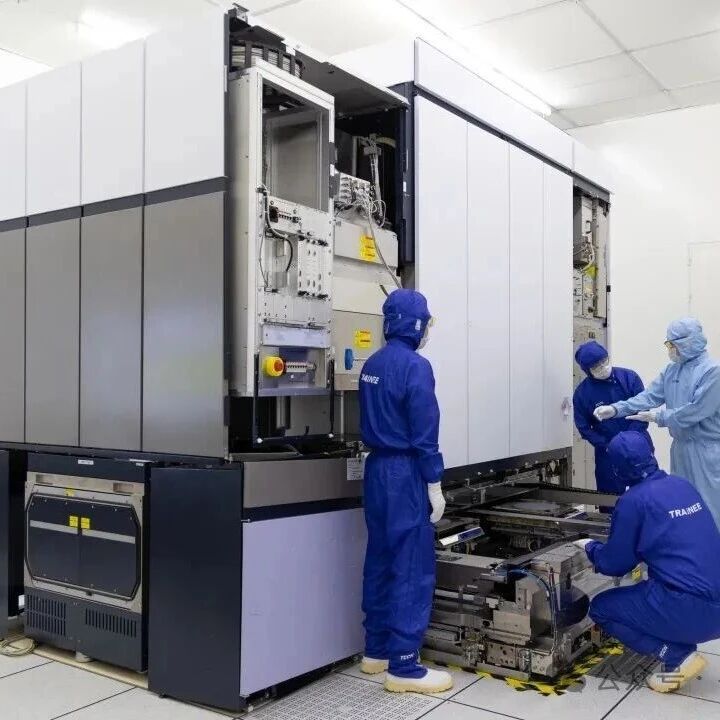
Core Viewpoint - The merger between Axcelis and Veeco is expected to create a leading semiconductor equipment company with a projected enterprise value of approximately $4.4 billion, enhancing operational conditions, R&D capabilities, and product offerings while achieving cost and revenue synergies [3][4]. Financial Projections - The combined company is forecasted to generate revenue of $1.7 billion for the fiscal year 2024, with a non-GAAP gross margin of 44% and an adjusted EBITDA of $387 million, excluding anticipated synergies [3][6]. - The merger is expected to yield annual run-rate cost synergies of $35 million within 24 months post-transaction, with a significant portion realized within the first 12 months [6]. Shareholder Structure - Post-merger, Axcelis shareholders will own approximately 58% of the combined company, while Veeco shareholders will hold about 42% [3]. Market Opportunities - The merger is projected to expand the total addressable market to over $5 billion, leveraging long-term growth drivers such as AI and power solutions [5]. - The combined entity will become the fourth-largest wafer fabrication equipment supplier in the U.S. by revenue, enhancing competitiveness in the global semiconductor equipment value chain [5]. Leadership and Governance - The board of the merged company will consist of 11 members, with 6 from Axcelis and 4 from Veeco, and will be chaired by Thomas St. Dennis [7]. - Russell Low will serve as the President and CEO of the merged company, with James Coogan continuing as CFO [7]. Operational Strength - The merged company is expected to maintain a robust balance sheet with over $900 million in projected cash post-transaction, supporting organic growth and shareholder returns [6]. - The operational forecast includes a non-GAAP EBITDA margin of 22% for 2024, excluding expected cost synergies [6]. Company Backgrounds - Axcelis has over 45 years of experience in providing innovative solutions for the semiconductor industry, focusing on ion implantation systems [8]. - Veeco is recognized for its advanced semiconductor process equipment, including laser annealing and MOCVD technologies, with a recent revenue of $166.1 million in Q2 2025 [15][16].
英特尔代工,拿下大客户?
半导体行业观察· 2025-10-03 01:56
Core Viewpoint - The article discusses the potential collaboration between Intel and AMD, highlighting the strategic importance of this partnership amid the U.S. push for domestic chip production and the evolving semiconductor landscape [3][4][5]. Group 1: Intel's Position and Strategy - Intel's CEO has indicated that the company may need to scale back its advanced manufacturing capabilities if it cannot attract sufficient outsourcing demand, making AMD a crucial client [3]. - The negotiations between Intel and AMD are in preliminary stages, with uncertainty surrounding the extent of AMD's manufacturing shift to Intel and whether it will involve direct investment from AMD [3][4]. - Intel has been actively seeking potential customers and investors to strengthen its foundry business, aiming to compete with TSMC and Samsung [5]. Group 2: AMD's Manufacturing Dependencies - AMD currently relies heavily on TSMC for the production of its processors and graphics chips, while Intel lacks the capability to produce AMD's most advanced and profitable products [4]. - The potential agreement with Intel could align with AMD's political interests, especially in light of U.S. restrictions on chip exports to China [4]. Group 3: Industry Dynamics - The article notes that Intel has garnered significant support from various stakeholders, including the U.S. government, SoftBank, and Nvidia, which have invested heavily in the company [4]. - A partnership with AMD would represent a significant breakthrough for Intel's manufacturing business, transforming a historical rivalry into a strategic alliance [5].

创新驱动 芯耀未来——CPCA Show Plus 2025助力产业共享AI时代发展机遇
半导体行业观察· 2025-10-03 01:56
Core Viewpoint - The "2025 Electronic Semiconductor Industry Innovation Development Conference and International Electronic Circuit (Greater Bay Area) Exhibition" (CPCA Show Plus) will take place from October 28 to 30, 2025, in Shenzhen, focusing on innovation-driven development in the semiconductor and electronic circuit industries [1]. Industry Growth and Trends - The PCB manufacturing industry in China experienced robust growth in the first half of 2025, with revenue reaching approximately 183 billion RMB, reflecting a year-on-year increase of over 10% driven by terminal demand and the expansion of emerging applications [4]. - The exhibition aims to leverage the advantages of the Greater Bay Area to stimulate the PCB industry's growth in the AI era by connecting upstream and downstream enterprises [4]. Exhibition Highlights - CPCA Show Plus 2025 will feature over 300 renowned exhibitors, showcasing a comprehensive range of products from PCB manufacturing processes to semiconductor and packaging substrates, providing a one-stop procurement and collaboration service [1][4]. - Key exhibitors include leading companies in the PCB manufacturing sector and those covering advanced materials, equipment, and chemicals, emphasizing a full industry chain approach [5]. Technological Innovations - The exhibition will present smart manufacturing solutions such as automated production lines, AI quality inspection systems, and digital twin factories, aimed at enhancing production efficiency and precision management in the electronic circuit and semiconductor industries [5]. - The event will also highlight sustainable development practices, showcasing green materials, energy-efficient production equipment, and clean production processes to support the industry's low-carbon transformation [5]. Networking and Collaboration - CPCA Show Plus 2025 is expected to attract over 45,000 professional attendees from global PCB application enterprises, research institutions, and buyers, facilitating supply-demand matching and technical exchanges [7]. - The exhibition will feature specialized zones for ceramic substrates, top PCB companies, and academic innovation, allowing attendees to focus on industry dynamics and trends [7]. International Promotion - The event has been promoted through various domestic and international media channels to enhance the global presence of China's electronic manufacturing industry, attracting notable companies from the application demand side [10]. Forums and Activities - A series of forums and activities will be held alongside the exhibition, including the 47th Sino-Japanese Electronic Circuit Autumn Conference, focusing on AI empowerment and industry breakthroughs [13]. - Specialized forums will address various topics, including low-altitude economy, commercial aerospace, and AI technology innovations, catering to diverse attendee interests [14]. Invitation to Industry Stakeholders - CPCA Show Plus 2025 serves as a platform for industry stakeholders to explore opportunities and drive upgrades in the semiconductor sector, inviting global enterprises, experts, and partners to participate [16].