半导体行业观察

Search documents
微软斥巨资,抢10万块GPU
半导体行业观察· 2025-10-03 01:56
Core Insights - Microsoft has entered into a deal with Nebius Group NV valued at up to $19.4 billion to enhance its internal capabilities for creating large language models and consumer AI assistants [4][5] - This strategy aims to address the shortage of data center capacity for AI and allows Microsoft to free up its own server farms to provide lucrative AI services to customers [4][5] - Microsoft has signed agreements worth over $33 billion with various new cloud providers, including Nebius, CoreWeave Inc., Nscale, and Lambda, indicating a shift towards utilizing smaller infrastructure providers for critical infrastructure development [4][5] Financial Flexibility - Renting access to new cloud servers provides Microsoft with greater financial flexibility, allowing some costs to be classified as operating expenses rather than capital expenses, which can benefit cash flow and tax reporting [7] - The strategy enables Microsoft to sell more AI services while managing the tight computing capacity and investor expectations for substantial returns on technology investments [7][8] Competitive Landscape - Microsoft is experiencing a surge in demand for AI services from its products like GitHub Copilot and OpenAI, outpacing competitors such as Amazon and Google in terms of user engagement and service intensity [8] - Other cloud service providers have not announced similar partnerships with new cloud companies, highlighting Microsoft's proactive approach in the AI space [8] Infrastructure Development - Despite outsourcing some AI computing to new cloud providers, Microsoft continues to invest heavily in its own facilities, with plans for a second phase of development at a data center in Racine, Wisconsin, aimed at achieving a utility power capacity of at least 900 megawatts [8][9] - Microsoft is adjusting its infrastructure plans based on demand and regulatory considerations, indicating a dynamic approach to its operational strategy [9]



AI存储,再度爆火
半导体行业观察· 2025-10-02 01:18
Core Viewpoint - The rapid development of AI has made storage a critical component in the AI infrastructure, alongside computing power. The demand for storage is surging due to the increasing data volume and inference scenarios driven by large models and generative AI. Three storage technologies—HBM, HBF, and GDDR7—are redefining the future landscape of AI infrastructure [1]. Group 1: HBM (High Bandwidth Memory) - HBM has evolved from a high-performance AI chip component to a strategic point in the storage industry, significantly impacting AI chip performance limits. In less than three years, HBM has achieved over twofold capacity and approximately 2.5 times bandwidth increase [3]. - SK Hynix is leading the HBM market, currently in the final testing phase for the sixth generation (HBM4) and has announced readiness for mass production. In contrast, Samsung is facing challenges in HBM4 supply to Nvidia, with a two-month delay in testing [3][5]. - A notable trend is the customization of HBM, driven by cloud giants developing their AI chips. SK Hynix is shifting towards a fully customized HBM approach, collaborating closely with major clients [4]. Group 2: HBF (High Bandwidth Flash) - HBF aims to address the limitations of traditional storage by combining the capacity of NAND flash with the bandwidth of HBM. Sandisk is leading the development of HBF technology, which is expected to meet the growing storage demands of AI applications [8][9]. - HBF is seen as complementary to HBM, suitable for specific applications requiring large block storage units. It is particularly advantageous in scenarios demanding high capacity but with relatively relaxed bandwidth requirements [10][11]. Group 3: GDDR7 - Nvidia's introduction of the Rubin CPX GPU, utilizing GDDR7 instead of HBM4, reflects a new approach to AI inference architecture. This design optimizes resource allocation by separating the inference process into two stages, effectively utilizing GDDR7 for context building [13]. - The demand for GDDR7 is increasing, with Samsung successfully meeting Nvidia's orders. This flexibility positions Samsung favorably in the graphics DRAM market [14]. - GDDR7's cost-effectiveness may drive the widespread adoption of AI inference infrastructure, potentially increasing overall market demand for high-end HBM due to the proliferation of applications [15]. Group 4: Industry Trends and Future Outlook - The collaborative evolution of storage technologies is crucial for the AI industry's growth. HBM remains essential for high-end training and inference, while HBF and GDDR7 cater to diverse market needs [23]. - The ongoing innovation in storage technology will accelerate as AI applications expand across various sectors, providing tailored solutions for both performance-driven and cost-sensitive users [23].


一颗芯片,叫板英伟达
半导体行业观察· 2025-10-02 01:18
Core Viewpoint - FuriosaAI, a South Korean chip startup, aims to compete with Nvidia by leveraging its unique Tensor Contraction Processor (TCP) architecture to enhance AI performance and efficiency [2][3]. Group 1: Company Overview - FuriosaAI was founded in 2017 by June Paik, a former engineer at Samsung and AMD, with a vision for dedicated chips for deep learning workloads [2]. - The company launched its first-generation Neural Processing Unit (NPU) in 2021, manufactured by Samsung using a 14nm process, which performed well in MLPerf benchmarks [2]. Group 2: Product Development - The second-generation chip, RNGD (Renegade), is being developed over a three-year project initiated in 2021, focusing on generative AI and language models [3]. - RNGD is manufactured using TSMC's 5nm process, featuring 48GB of HBM3 memory, 1.5TB/s memory bandwidth, and 512 TFLOPS of FP8 performance with a maximum power consumption of 180W [3]. Group 3: System Integration - FuriosaAI is working on a complete system based on the RNGD card, the NXT RNGD server, which will include eight RNGD cards, totaling 384GB of HBM3 memory and 4 petaFLOPS of FP8 performance at a thermal design power (TDP) of 3kW [4]. - The NXT RNGD server aims to outperform traditional GPU-based systems, targeting the same market as Nvidia's H100 GPU [4]. Group 4: Performance Comparison - The Nvidia H100 GPU features 80GB of HBM2 memory, 2TB/s memory bandwidth, and 1513 TFLOPS peak performance, with a TDP of 350W for PCIe versions and up to 700W for SXM versions [5]. - FuriosaAI claims that RNGD's performance exceeds Nvidia's by three times when running large language models on a per-watt basis [5]. Group 5: Architectural Innovation - The TCP architecture is designed to minimize data movement, which is a significant energy consumer, by maximizing data reuse stored in on-chip memory [6]. - The architecture improves abstraction layers to overcome limitations of traditional GPU architectures, ensuring efficient data access and high throughput [7]. Group 6: Market Adoption and Client Engagement - FuriosaAI has gained traction with clients like LG AI Research, which reported that RNGD could deliver approximately 3.5 times the tokens per rack compared to previous GPU solutions [8]. - The company has attracted attention from major cloud computing firms, including Meta, which expressed interest in acquiring FuriosaAI [8]. Group 7: Future Plans and Funding - FuriosaAI completed a $125 million bridge financing round, bringing total funding to $246 million, and is focusing on ramping up RNGD production for global customer engagement by early 2026 [9].
HBM被抢疯了
半导体行业观察· 2025-10-02 01:18
Core Viewpoint - The article discusses the significant price increases in memory storage driven by the demand from artificial intelligence (AI) applications, highlighting the collaboration between OpenAI and major memory manufacturers like Samsung and SK Hynix for a $500 billion project aimed at building next-generation AI infrastructure [4][19]. Memory Price Trends - The average spot price of general DRAM (DDR4 8Gb) reached $5.868 in September, nearly five times the low of $1 in Q1 [2] - The average spot price of mainstream memory semiconductor DDR5 16Gb increased by over 40% from $4.70 at the beginning of the year to $6.927 [2] - Predictions indicate that various DRAM products will continue to rise in price in Q4 due to supply constraints [2] OpenAI Collaboration - OpenAI has entered into a partnership with Samsung and SK Hynix, focusing on the "Stargate" project, which aims to invest approximately $500 billion by 2029 to build a large data center [4][19] - The project requires high-performance memory, including enterprise-grade NAND, server DRAM, and HBM (High Bandwidth Memory) [4] HBM Demand and Supply - OpenAI's CEO requested a monthly supply of 900,000 DRAM wafers from Samsung and SK Hynix, which exceeds the combined monthly production capacity of both companies [5][6] - SK Hynix's HBM monthly production capacity is estimated at 160,000 wafers, indicating a significant gap between demand and supply [6] Market Growth Projections - The global HBM market is expected to grow at a compound annual growth rate (CAGR) of 50% from 2024 to 2028, driven by increasing demand from AI applications [18][19] - Analysts predict that DRAM operating profit margins will rise from the current 40-50% range to nearly 70% by 2026, nearing the peak levels seen during previous super cycles [20] Impact on Other Memory Types - The demand for memory is expected to increase across various segments, including enterprise SSDs and traditional DRAM, with prices projected to rise by 8-13% for DRAM and over 10% for LPDDR4X memory due to supply constraints [22][24] - The article notes that the memory market is experiencing a "super cycle" driven by AI, with significant implications for pricing and supply dynamics [20][22]
这是史上最强的MEMS芯片?
半导体行业观察· 2025-10-02 01:18
Core Insights - The article discusses the development of a new MEMS technology by Omnitron Sensors, aimed at improving the reliability and performance of LiDAR systems used in autonomous vehicles [3][4][7] - The technology is designed to withstand harsh environmental conditions, addressing the common failures associated with traditional LiDAR systems [4][6][10] Group 1: Technology Development - Eric Aguilar, the founder of Omnitron Sensors, created a powerful MEMS technology that can generate greater force per unit area than existing technologies, enhancing the control of LiDAR laser beams [3][4] - The new MEMS chip developed by Omnitron can exert ten times the force on micro-mirrors compared to current industry standards, significantly improving the precision of LiDAR systems [7][9] - Omnitron has achieved a breakthrough by increasing the aspect ratio of MEMS devices from approximately 20:1 to 100:1, which is crucial for enhancing the movement range of sensors [9] Group 2: Market Potential and Applications - The LiDAR market is projected to grow at an annual rate of 13.6%, but its application in the automotive sector has been relatively stagnant due to the short lifecycle of the technology [4] - Omnitron has received over $800 million in letters of intent from automotive partners, indicating strong market interest and potential for the new technology [9] - The company is also exploring applications in AI data centers, where it aims to improve energy efficiency by increasing the number of channels in network switches, potentially quadrupling data routing capacity [12][13]

Altera,卷土重来?
半导体行业观察· 2025-10-02 01:18
Core Viewpoint - The article discusses the strategic shift of Altera after its acquisition by Silver Lake, emphasizing the company's focus on becoming a leading independent FPGA provider and enhancing its customer-centric approach [2][3][4]. Group 1: Company Background and Changes - Altera has been a key player in the FPGA industry for decades, known for its reconfigurable computing technology [2]. - Intel acquired Altera for approximately $15 billion in 2015/2016, but now Intel is divesting its ownership, with Silver Lake acquiring 51% of Altera [2]. - The new leadership aims to refocus Altera's business strategy and enhance its independence, allowing for greater flexibility and control over its operations [3][4]. Group 2: Leadership and Culture - The new CEO, Raghib Hussain, emphasizes a shift towards a customer-centric culture, drawing from his experiences at Cavium and Marvell [3][5]. - The company aims to foster a startup-like environment, promoting transparency, open communication, and a strong sense of ownership among employees [8][9]. - Altera's workforce consists of approximately 2,500-2,600 employees, with around 2,000 being engineers, indicating a strong engineering focus [10]. Group 3: Market Focus and Strategy - Altera plans to target a broader FPGA market, including industrial, telecommunications, data centers, audio, video, and emerging robotics and edge AI applications [3][5]. - The company is committed to improving its existing products and development tools to enhance usability and customer support [15]. - There is a strong emphasis on leveraging AI to improve overall solutions and address customer needs effectively [12][13]. Group 4: Future Outlook - The leadership believes that the company is at a pivotal moment, with significant growth potential in edge AI applications and the need for optimized solutions [12][13]. - Altera aims to streamline its product roadmap and execution, focusing on delivering high-quality FPGA solutions tailored to customer requirements [15][16]. - The company is committed to rapid product development cycles, aiming to launch new products every 12 to 15 months [16].
昂瑞微,凭啥?
半导体行业观察· 2025-10-02 01:18
Core Viewpoint - The RF front-end market has seen significant growth, with several companies emerging, including卓胜微 and 唯捷创芯, which have successfully gone public. However, recent financial performance has raised concerns, particularly for the upcoming IPO of 昂瑞微, which may face pressure due to the industry's current challenges [1]. Market Overview - The global RF front-end market for mobile devices is projected to reach $15.4 billion (approximately 110 billion RMB) in 2024, growing to $17 billion (approximately 120 billion RMB) by 2030. When considering the automotive and defense sectors, the total market size could reach $70 billion (approximately 500 billion RMB) by 2030, indicating substantial growth potential [1]. - Domestic RF front-end companies have low sales figures, with the largest, 卓胜微, reporting sales of only 4 billion RMB, significantly lower than major US competitors like Skyworks and Qorvo, suggesting considerable room for growth [1]. Growth Opportunities for 昂瑞微 1. **5G High-End Modules** - 昂瑞微 has achieved breakthroughs in 5G high-end modules and has begun shipping to major brand clients, indicating a significant growth opportunity in this segment [2]. 2. **Automotive Electronics** - The electrification and intelligence of vehicles are accelerating, with China's electric vehicle penetration rate reaching 51%. 昂瑞微 has made progress in the automotive RF front-end market, which offers higher ASP and better gross margins [3]. 3. **Satellite Communication** - The development of satellite communication, including the use of Beidou and TianTong satellites, presents new opportunities for 昂瑞微, which has successfully entered the market with its products [4]. 4. **Low Altitude Economy** - The rise of low-altitude applications, such as drones and eVTOLs, creates a growing demand for RF front-end chips, indicating a promising market potential [5]. 5. **High-Speed High-Power WiFi RF Front-End** - The transition to WiFi7 and the anticipated WiFi8 will drive demand for RF front-end solutions, particularly as AI applications increase the need for high-performance WiFi [6]. 6. **6G Communication** - The upcoming 6G technology, expected to commercialize around 2030, will require advanced RF front-end designs, presenting new market opportunities [7]. 7. **Multi-Protocol Low-Power Connectivity** - The demand for various short-range communication protocols, such as Bluetooth and ZigBee, offers expansion opportunities for 昂瑞微 in the low-power connectivity market [8]. 8. **End-Side AI Audio Bluetooth** - The growth of AI applications has led to a surge in demand for end-side audio Bluetooth products, providing a significant market opportunity for 昂瑞微 [9]. 9. **Internationalization** - Despite challenges in global trade, 昂瑞微 has made progress in expanding its overseas sales, indicating potential for further international growth [10]. Industry Challenges - Domestic RF front-end companies have primarily focused on low-end market replacements, with high-end modules still dominated by US and Japanese firms. The initial growth driven by domestic substitution is expected to diminish as product lines mature, necessitating continued innovation and differentiation [11].

美国要硬抢台湾芯片,被抵制了
半导体行业观察· 2025-10-02 01:18
Core Viewpoint - Taiwan is resisting Washington's pressure to transfer half of its semiconductor production capacity to the U.S., asserting that its chip manufacturing strength serves as a "silicon shield" against external threats [3][4]. Group 1: Taiwan's Semiconductor Industry - Taiwan's semiconductor giant TSMC supplies a significant portion of advanced semiconductors globally, particularly to major clients like Nvidia and Apple [3]. - The Taiwanese government, represented by Vice President Zheng Lijun, has firmly stated that it will not agree to the U.S. demand for 50% domestic chip production, emphasizing that no such commitment was made during recent trade negotiations [3][4]. - TSMC has previously invested $12 billion in Phoenix to build advanced chip manufacturing facilities, and its total investment has now reached $165 billion, reflecting its commitment to expanding production capabilities [4]. Group 2: U.S. Demands and Reactions - U.S. Commerce Secretary Howard Lutnick has called for a balanced distribution of chip production between domestic and U.S. facilities, which has raised concerns among the Taiwanese public and added tension to ongoing trade talks [3][4]. - Lutnick's comments highlight the U.S. goal of increasing its domestic chip manufacturing market share to 40% or even 50%, indicating a strategic shift in semiconductor supply chain management [4]. Group 3: Economic Implications - Experts warn that transferring significant production capacity to the U.S. could weaken Taiwan's semiconductor ecosystem and disrupt its supply chain integrity, which has been built on a highly concentrated industry structure [5]. - The potential short-term benefits of lower tariffs on exports to the U.S. may not outweigh the long-term risks associated with such a shift in production strategy [5].

高通官宣赢了官司?Arm将上诉!
半导体行业观察· 2025-10-02 01:18
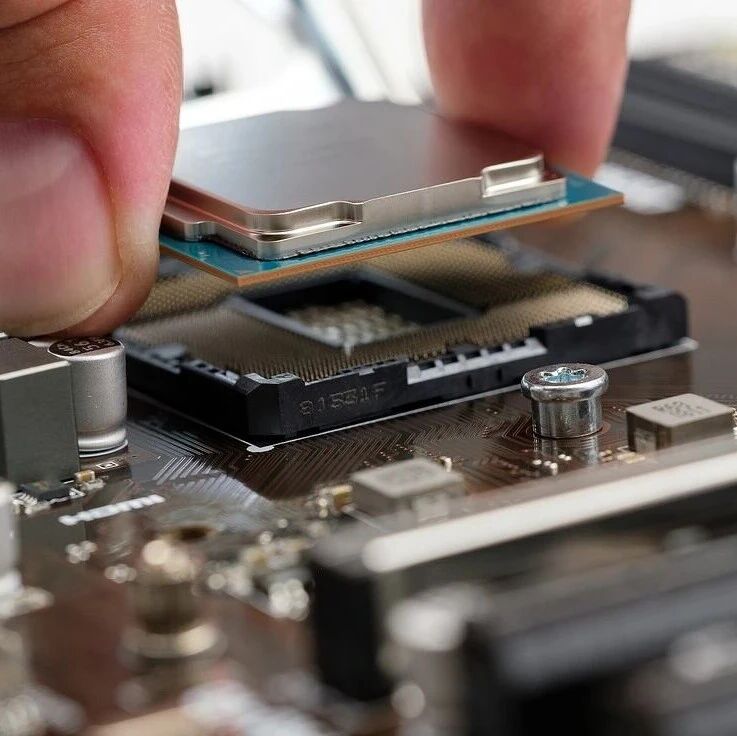
公众号记得加星标⭐️,第一时间看推送不会错过。 来源 : 内容 综合自路透社 。 Arm Holdings 周二表示,计划对法官在与高通的许可纠纷中的裁决提起上诉,该裁决维持了高通在 陪审团中的胜利。 高通去年在美国特拉华州联邦法院取得了一项关键胜利,陪审团裁定其子公司 Nuvia 生产的中央处 理器单元已根据与 Arm 达成的协议获得适当许可。 陪审团对三项指控中的两项达成了裁决,但在第三项指控上陷入僵局,导致审判无效。 Arm 曾请求法官 Maryellen Noreika 撤销高通胜诉的两项指控的判决,或进行重新审判。法官拒绝 了 Arm 的两项请求。 Arm 在一份声明中表示:"Arm 对其在与高通持续纠纷中的地位充满信心,并将立即提起上诉,寻求 推翻判决。" 高通日前宣布,在与 Arm Holdings 的纠纷中胜诉,该纠纷涉及高通收购 Nuvia 并将其知识产权用 于其用于客户端 PC 的骁龙 X 处理器,违反了其架构许可协议 (ALA) 和技术许可协议 (TLA) 的条 款。然而,尽管高通被判无罪,但陪审团未能就 Nuvia 是否违反其与 Arm 的许可条款达成一致。因 此,据 彭博社报道,这一 ...
俄罗斯最大芯片公司,亏惨了
半导体行业观察· 2025-10-01 00:32
Core Insights - The article highlights that Angstrem, a state-owned microchip manufacturer in Russia, has been ranked as the most significant loss-making company in Russia for 2024, with a net loss of 236.3 billion rubles (approximately 2.86 billion USD) [2] - The majority of the losses stem from acknowledging a debt to its parent company, VEB, amounting to 238.2 billion rubles (approximately 2.88 billion USD) [2] - Angstrem's revenue was only 5 billion rubles (approximately 60.5 million USD), indicating that its net loss is nearly 47 times its revenue [2] Financial Performance - Angstrem's losses surpass those of other major state-owned enterprises, including Russian Trust Bank (130.7 billion rubles, about 1.58 billion USD), Russian Railways (116.9 billion rubles, about 1.41 billion USD), and the Moscow Metro (107.7 billion rubles, about 1.3 billion USD) [2] - The total losses of the top ten state-owned enterprises reached 652.8 billion rubles (approximately 7.91 billion USD), accounting for 70% of the total losses in the sector [2] Historical Context - The financial troubles of Angstrem can be traced back to 2008 when the factory was controlled by a company linked to former communications minister Leonid Reiman, which borrowed 815 million euros from VEB for production purposes [2] - By 2014, tax authorities indicated that Angstrem had effectively lost its operational capability [3] - In January 2019, VEB seized the factory's equipment and shares, filing for bankruptcy with total debts reaching 1.3 billion euros [3] Recent Developments - A court recently removed the factory's debt guarantee obligations, transferring its assets to VEB for a nominal price of one ruble (0.01 USD) [3] - Leonid Reiman has distanced himself from this failed venture and his new company, Rutek, has received government support to build a new factory in the Saransk economic zone, focusing on import substitution for various electronic devices [3] - Rutek's previous import substitution efforts have faced scrutiny, particularly regarding the R-Phone, which was found to be a rebranded device from Bangladesh sold at three times the original price [3]