半导体行业观察

Search documents
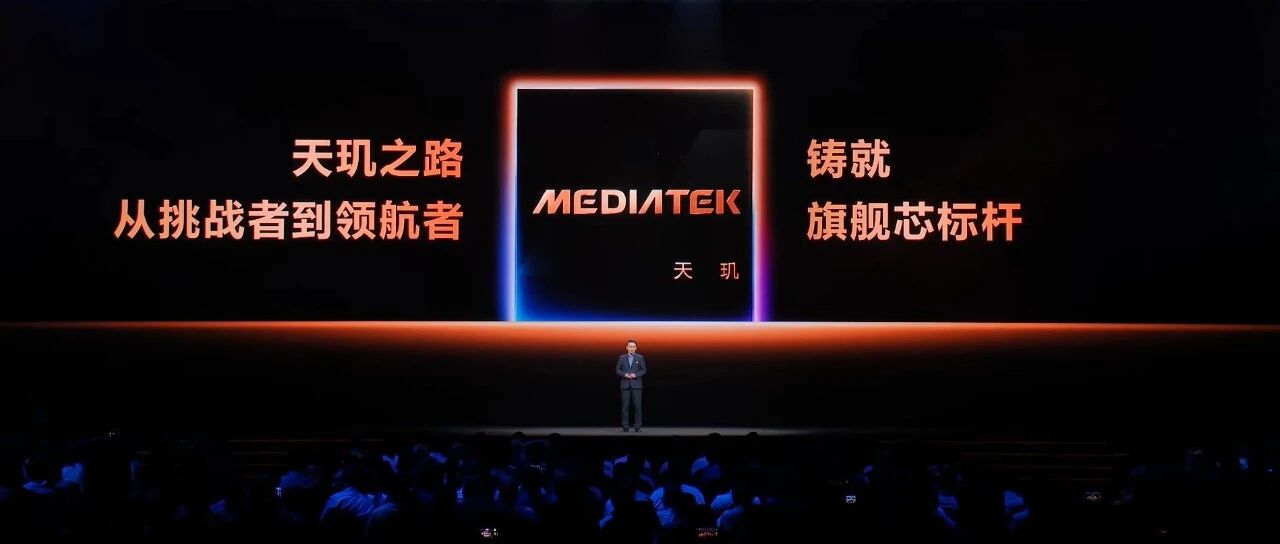
联发科天玑9500升级主机级游戏技术,抬高手游体验天花板
半导体行业观察· 2025-09-23 01:08
Core Viewpoint - MediaTek has established itself as a leader in the smartphone SoC market, particularly with its Dimensity series, which has seen significant growth and innovation, especially in AI and gaming capabilities [1][22]. Group 1: Market Position and Growth - MediaTek has maintained the largest global market share in smartphone SoCs for five consecutive years, with the Dimensity 9000 series expected to double its global shipment volume by 2025 after a 60% year-on-year growth in 2024 [1]. - The company's success is attributed to its advancements in traditional components like CPUs and its early investments in NPU and AI technologies [1]. Group 2: Dimensity 9500 Specifications - The Dimensity 9500, built on TSMC's 3nm N3P process, offers a 5% performance increase at the same power consumption compared to the previous N3E process, with a 4% increase in transistor density [3][5]. - It integrates over 30 billion transistors, a PC-level C1 CPU cluster, and a flagship GPU G1 Ultra, enhancing gaming and imaging capabilities [5][9]. Group 3: AI and NPU Innovations - The Dimensity 9500 features a new NPU 990, which boasts a 111% increase in peak performance while reducing power consumption to 56% of the previous generation [7]. - The introduction of an ultra-efficient NPU based on a compute-in-memory architecture allows for low-power AI models to operate continuously, reducing power consumption by 42% [7]. Group 4: Gaming Enhancements - MediaTek has focused on enhancing mobile gaming experiences, introducing hardware-level ray tracing technology and achieving 120 frames per second support for complex gaming graphics [12][13]. - The Dimensity 9500 supports advanced gaming technologies, including dynamic cache architecture and adaptive game technology, which improve graphics processing efficiency and reduce latency [16][20]. Group 5: Future Outlook - MediaTek's investments in AI, imaging, and gaming technologies position it for significant growth, particularly in the mobile gaming sector, where it aims to provide a console-level experience [22]. - The company has transitioned from a challenger to a leader in the semiconductor industry, with the Dimensity series paving the way for future innovations [22].

一个500万GPU的集群,英伟达投资千亿
半导体行业观察· 2025-09-23 01:08
Core Viewpoint - OpenAI and Nvidia have signed a letter of intent for OpenAI to purchase at least 10 gigawatts of Nvidia systems, involving 4 to 5 million GPUs, which is double the shipment quantity for this year, with Nvidia potentially investing up to $100 billion in return [2][3] Group 1: Partnership Details - The first phase of the agreement will see OpenAI deploying Nvidia's Vera Rubin platform in its data centers starting in the second half of 2026 [2] - Nvidia will gradually acquire equity in OpenAI as OpenAI deploys additional power, becoming OpenAI's preferred strategic computing and networking partner [2][9] - OpenAI's agreement with Oracle involves a commitment to pay $300 billion over five years for approximately 5 gigawatts of computing power, likely sourced from Nvidia's GPUs [4] Group 2: Market Implications - Nvidia's stock price rose approximately 4% following the announcement, reflecting market optimism about the partnership [3][8] - OpenAI's revenue is projected to reach around $20 billion this year, but profitability is not expected for a considerable time [3][9] - The collaboration is seen as a strategic move to maintain Nvidia's leadership in the AI infrastructure market, with Nvidia investing in its largest customers [6][9] Group 3: Industry Context - The demand for AI infrastructure is growing, with Nvidia's investment indicating a legitimate need rather than a speculative bubble [9] - Nvidia's CEO emphasized the transformative potential of AI across all industries, highlighting the significance of the partnership in building a robust AI infrastructure [7][10] - OpenAI has raised significant funding, including $83 billion recently, and is exploring ways to convert its influence and AI investments into tangible outcomes [8]

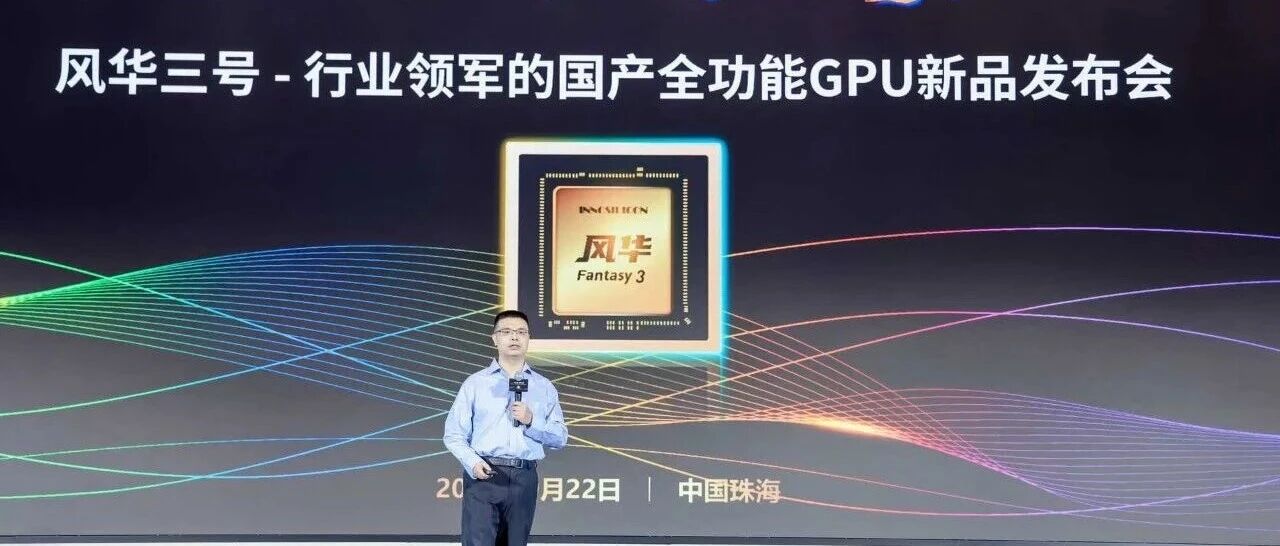
又一颗国产GPU,重磅发布
半导体行业观察· 2025-09-22 10:44
相较于功能单一的GPGPU,全功能GPU架构全面,功能覆盖更全,适用性更广,门槛更高,也是 国际GPU巨头的看家本领。"风华3号"的推出,大幅提升了国产全功能GPU的性能水平,在大模 型、大计算和大渲染领域,取得多个从0到1的突破,展现了芯动科技的卓越架构创新能力与深厚 的技术底蕴。该产品不仅在行业内率先实现国产开源 RISC-V CPU 与 CUDA 兼容 GPU 的深度融 合,可一站式覆盖大模型训推、垂类多模态应用、科学计算与重度图形渲染,更是全球首个实现了 DICOM 高精度灰阶医疗显示功能的GPU产品;软件端兼容 PyTorch、CUDA、Triton、OpenCL 等主流AI和计算生态、和DirectX、OpenGL、VulKan等渲染生态,同时适配国内外各类操作系 统,真正实现对千行百业智能化应用的一站式赋能。 多场景突破: 筑牢大模型、大计算、大渲染算力底座 2025年9月22日,珠海香山会议中心热闹非凡,国产GPU标志性产品,芯动科技"风华3号"全功能 GPU新品发布会在此举行。珠海市相关领导、人工智能领域的科技领军人物,以及数据中心、互 联网、医疗、教育、石油、电力、运营商、整机OEM/OD ...
芯片巨头联手,高通躺枪
半导体行业观察· 2025-09-22 01:02
Core Viewpoint - Nvidia's investment of $5 billion in Intel is a strategic move that could reshape the semiconductor industry, impacting various companies including AMD, Arm, and MediaTek, while potentially benefiting TSMC due to its advanced technology [2][3][4]. Group 1: Impact on Companies - AMD is expected to face pressure due to the collaboration between Intel and Nvidia, particularly in the AI server market where Nvidia could gain market share by integrating x86 architecture into its AI servers [4][5]. - Arm may experience a shift in market focus towards x86, which could weaken its recent momentum in the AI server sector, raising concerns about Nvidia's future product roadmap potentially sidelining Arm [5][6]. - MediaTek could be adversely affected as Nvidia diversifies its AI PC market strategy, potentially increasing competitive pressure on MediaTek's Arm-based solutions [3][4]. Group 2: Implications for Intel and Nvidia - The partnership allows Nvidia to enhance its CPU compatibility for rack-mounted systems, providing customers with more options and strengthening its position in the AI PC market [2][4]. - Intel stands to benefit from this collaboration by refreshing its narrative in the AI PC space, potentially alleviating some competitive pressure from AMD in the client market [4][5]. - The integration of Nvidia GPUs into Intel's x86 SoCs could create a formidable challenge for AMD's existing products, increasing competition in the client market [5][6]. Group 3: TSMC's Position - TSMC is likely to remain unaffected by this deal as Nvidia has not shifted GPU production to Intel, maintaining TSMC's role as a key supplier for Nvidia's advanced GPU and packaging technologies [6]. - The collaboration between Intel and Nvidia may actually benefit TSMC in the long run, as improved financial health and product offerings from Intel could lead to increased chip orders for TSMC [6].


HBM的另一场内战
半导体行业观察· 2025-09-22 01:02
Group 1 - HBM chips have become the standard for AI computing, with their core advantage stemming from the vertical stacking structure of DRAM chips [2] - The main chip stacking technology currently is Thermal Compression Bonding (TCB), which faces limitations as the number of stacked layers exceeds 16, affecting yield and signal integrity [2][4] - Hybrid bonding technology emerges as a revolutionary solution, allowing for direct copper-to-copper bonding between DRAM chips, enhancing interconnect density without the limitations of bumps [2][4] Group 2 - The semiconductor industry is shifting towards small chips and 3D integrated chip (3DIC) technology due to the slowdown of Moore's Law, making packaging a key factor in driving AI chip performance [4][6] - According to Yole Group, the evolution of chip bonding technology is moving towards hybrid bonding as the ultimate goal, with a projected market growth for hybrid bonding equipment to reach $397 million by 2030 [6][9] Group 3 - Hybrid bonding technology offers significant advantages over TCB, including a 15x increase in interconnect density, 11.9x speed improvement, and over 100x energy efficiency performance [9][10] - Despite the higher infrastructure costs, the cost per interconnect is reduced by 10 times with hybrid bonding, and it can lower the HBM stack temperature by 20% [9][10] Group 4 - Currently, no company has successfully achieved mass production of hybrid bonding equipment due to challenges such as existing TCB machines being sufficient, high precision requirements, and the high cost of hybrid bonding machines [12][21] - Predictions indicate that by 2030, the cumulative installation of hybrid bonding equipment will range from 960 to 2000 units, reflecting a 7% increase from previous forecasts [12][14] Group 5 - Major players in the hybrid bonding equipment market include Besi, which has seen significant revenue growth and strategic partnerships, particularly with Applied Materials [21][22] - South Korean companies like Hanmi Semiconductor and Hanwha Semitech are key competitors in the hybrid bonding space, with Hanmi holding a dominant market share in TCB machines [23][24] Group 6 - LG Electronics is entering the hybrid bonding equipment market through a national project aimed at developing HBM hybrid bonding machines, indicating a strategic focus on semiconductor equipment [25][26] - Samsung is also developing its own hybrid bonding machines through its subsidiary SEMES, aiming to reduce reliance on external suppliers [27] Group 7 - In China, companies like Tuojing Technology and Qinghe Crystal Semiconductor are making strides in hybrid bonding equipment, with Qinghe announcing the launch of the world's first dual-mode hybrid bonding equipment [29] - Besi predicts that the hybrid bonding market will reach €1.2 billion by 2030, driven by the transition from TCB to hybrid bonding technology [29]
台积电前五大客户,将洗牌
半导体行业观察· 2025-09-22 01:02
Core Viewpoint - The global semiconductor industry is experiencing intense competition in AI applications, with predictions that TSMC's major customer rankings will change by 2026, while Apple remains the largest customer with significant revenue contributions [2][4]. Group 1: Customer Rankings and Revenue Contributions - In 2025, TSMC's top customers are expected to be Apple (25-27%), Nvidia (11%), MediaTek (9%), Qualcomm (8%), AMD (7%), Broadcom (7%), and Intel (6%). By 2026, the rankings will shift, with Apple (22-25%), Broadcom (11-15%), Nvidia (11%), MediaTek (9-10%), Qualcomm (8%), AMD (7%), and Intel (7%) [3][4]. - Apple is projected to contribute TSMC's highest revenue in 2024, estimated at NT$624.3 billion, marking a 14.2% year-on-year increase and accounting for 22% of total revenue [7][8]. - Broadcom is anticipated to rise rapidly, potentially becoming one of TSMC's top three customers by 2026, driven by partnerships with AI companies like OpenAI [4][5]. Group 2: Apple's Strategic Moves - Apple has reportedly secured over half of TSMC's 2nm production capacity for 2026, allowing it to leverage advanced manufacturing processes ahead of competitors [6][7]. - TSMC's 2nm production is set to begin in the second half of 2025, with Apple being the primary customer for the initial capacity [8]. - Apple's strategy of early reservations for advanced process technology is expected to provide a competitive edge, enhancing product performance and customer benefits [8]. Group 3: TSMC's Expansion and Production Capacity - TSMC is expanding its production capabilities in the U.S., with strong demand for advanced processes, including the A16 level, from American clients [10]. - The company plans to invest a total of $165 billion in new facilities, including six new wafer fabs and advanced packaging facilities [11]. - By 2028, TSMC's overseas production capacity is projected to account for 20% of total capacity, with a focus on meeting the strong demand from U.S. clients [10].


苹果要自研所有关键芯片
半导体行业观察· 2025-09-22 01:02
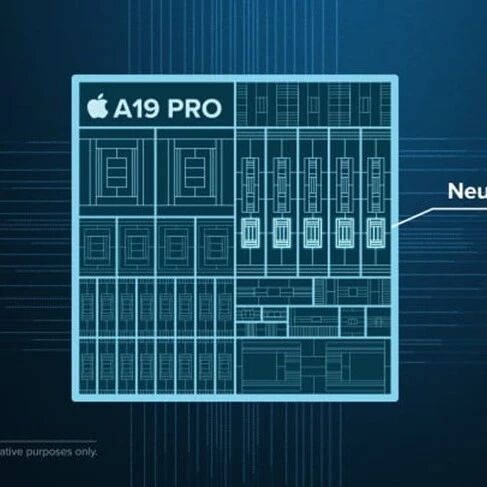
Core Insights - Apple has launched the iPhone Air, featuring significant advancements in AI and chip technology, including the A19 Pro chip with integrated neural accelerators and the new N1 wireless chip, marking a shift towards in-house chip production [2][7][10] Chip Development - The A19 Pro chip introduces a new architecture with neural accelerators in each GPU core, enhancing computational capabilities for AI workloads [2][8] - Apple has transitioned from relying solely on Qualcomm for modems to introducing its own C1X modem in the iPhone Air, which is expected to improve battery life by reducing power consumption by 30% compared to Qualcomm's modem [5][10] AI Focus - The integration of AI capabilities is a priority for Apple, with the A19 Pro designed to handle significant device-side AI workloads, enhancing user experience and efficiency [7][8] - Apple's strategy aims to position the iPhone as a leading platform for developers to run AI applications, although it may not reach the same level as competitors like Google or OpenAI [7] Manufacturing and Supply Chain - Apple plans to produce more core chips in-house, with expectations to design modems for various devices, including Macs and iPads, in the near future [10][11] - The company is investing in domestic chip manufacturing, with a commitment to spend $600 billion in the U.S. over the next four years, partly to establish a complete silicon supply chain [10][11] Market Impact - Despite the introduction of Apple's own chips, Qualcomm and Broadcom are expected to maintain some licensing agreements with Apple, indicating a gradual transition rather than an immediate severance of ties [5][10]
医药公司宣布,跨界半导体
半导体行业观察· 2025-09-22 01:02
Core Viewpoint - The article discusses the acquisition of 100% equity of Zhangzhou Xipu Materials Technology Co., Ltd. by Sunflower, marking its strategic entry into the semiconductor industry after previous attempts to pivot from solar energy to pharmaceuticals and health technology [2][3]. Group 1: Company Background - Sunflower, originally Zhejiang Sunflower Solar Technology Co., Ltd., was listed in August 2010 and primarily engaged in solar cell components [2]. - The company faced performance pressures due to cyclical fluctuations in the photovoltaic industry, leading to a significant asset restructuring in 2019, where it acquired a 60% stake in Beid Pharmaceutical and gradually divested its solar assets [2]. - In March 2020, the company rebranded to Zhejiang Sunflower Health Technology Co., Ltd., focusing on the research, production, and sales of anti-infection and cardiovascular drugs [2]. Group 2: Financial Performance - In the first half of 2025, Sunflower reported approximately 144 million yuan in revenue, a year-on-year decline of 8.33%, with a net profit attributable to shareholders of only 1.16 million yuan, down 35.68% year-on-year [2]. Group 3: Acquisition Details - The acquisition target, Xipu Materials, specializes in the research, manufacturing, and sales of high-end semiconductor materials, including high-purity electronic gases and silicon-based precursors [3]. - Established in November 2020, Xipu Materials has had several key products certified by renowned wafer manufacturers, achieving international advanced technology levels [3]. - The company operates on a business model that combines customized contract manufacturing with in-house production, becoming a core supplier for multiple wafer manufacturers [3].

PCIe 8草案发布,带宽高达1 TB/s
半导体行业观察· 2025-09-22 01:02
Core Viewpoint - The PCI-SIG is developing the PCIe 8.0 specification, which aims to continue the trend of doubling total bandwidth with each generation, potentially offering up to 1 TB/s bidirectional transfer rates in the future [2][5][9]. Group 1: PCIe 8.0 Development - PCIe 8.0 is currently in draft version 0.3, with expectations to provide eight times the bandwidth of current high-end PC components [2][4]. - The specification aims to maintain the trend of doubling bandwidth seen from PCIe 1.0 to 7.0, with PCIe 8.0 expected to achieve 256 GT/s [4][5]. - The development of PCIe 8.0 includes exploring fiber connector technology to achieve faster speeds while ensuring low latency and reliability [7][8]. Group 2: Bandwidth and Performance - Current consumer PCs typically use PCIe 3.0 or 4.0, supporting 8 GT/s and 16 GT/s respectively, with maximum bandwidths of 32 GB/s and 64 GB/s [4]. - PCIe 5.0 supports 32 GT/s, achieving up to 128 GB/s, while PCIe 6.0 can reach 64 GT/s and 256 GB/s [4]. - PCIe 7.0 doubles these figures again, reaching 128 GT/s and 512 GB/s, with compliance plans set for 2028 [4][5]. Group 3: Applications and Importance - PCIe 8.0 is expected to play a crucial role in supporting demanding workloads in artificial intelligence, machine learning, edge computing, quantum computing, and large-scale data centers [9].
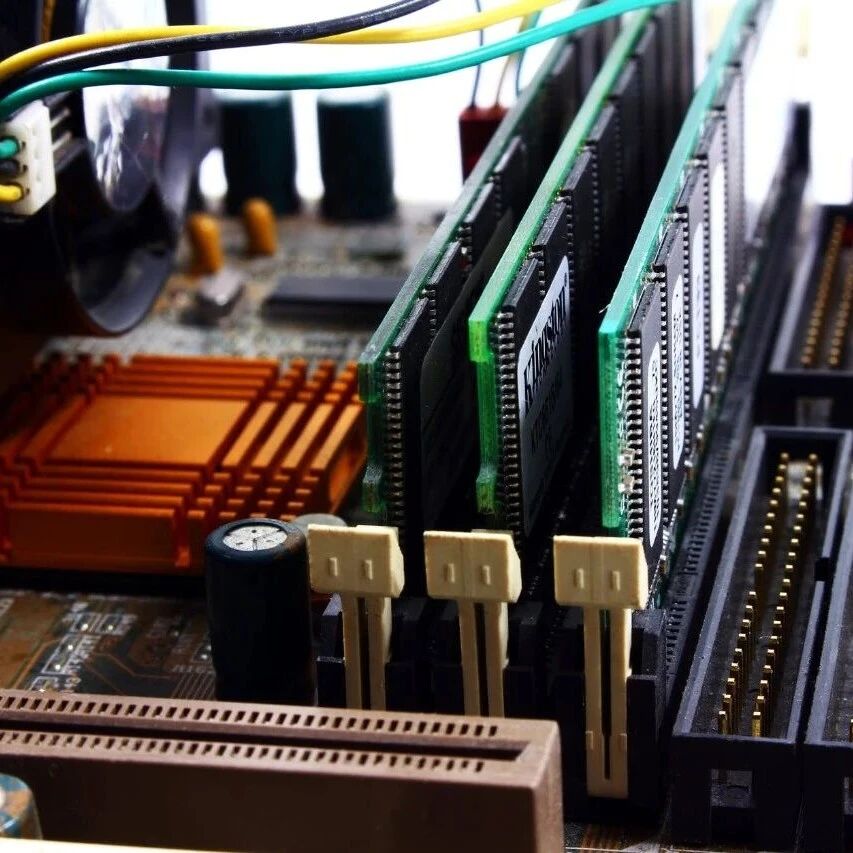
Linux为何能火了三十年?
半导体行业观察· 2025-09-22 01:02
Core Viewpoint - The article discusses the evolution and significance of Linux over the past 30 years, highlighting its open development model and resilience against various challenges, including legal battles and market shifts [2][3][5]. Group 1: Historical Context - The beginning of the Linux era marked the end of the Unix era, which had become fragmented due to various proprietary versions [3]. - In the early 1990s, there was a prevailing belief that everything would transition to Windows, but Linux emerged as a strong alternative [3]. Group 2: Development Model - Linux's open development model allowed contributions from anyone, contrasting with the centralized approach of previous software projects [4]. - The development speed of the Linux kernel remained unaffected by significant global events, showcasing its robustness [4]. Group 3: Legal and Market Challenges - The SCO vs. IBM lawsuit was a pivotal moment that, despite initial fears, ultimately legitimized Linux and strengthened its position in the market [5]. - The impact of the 2008 financial crisis and the COVID-19 pandemic did not hinder the release of kernel versions, indicating the stability of Linux development [6]. Group 4: Technological Evolution - The adoption of proprietary tools like Bitkeeper and the subsequent creation of Git highlighted the ongoing evolution of development practices within the Linux community [6]. - The importance of face-to-face communication in maintaining a healthy developer community was emphasized, alongside discussions on the relevance of programming languages like C and the rise of Rust [6].