半导体行业观察

Search documents
HBM,另一场混战
半导体行业观察· 2025-09-12 01:14
Core Viewpoint - The competition among SEMECS, Hanwha Semiconductor, and Hanmi Semiconductor in the high bandwidth memory (HBM) core semiconductor equipment market, specifically the TC Bonder, is intensifying as they accelerate preparations for mass production of hybrid bonding machines, which are expected to be partially adopted in the production of the sixth generation HBM (HBM4) [1][2] Group 1: Hybrid Bonding Machine Development - The hybrid bonding machine is considered a "game changer" for the next generation HBM market, as it connects chips without the need for separate bumps, allowing for the manufacturing of stacked chips with 20 layers or more, thereby minimizing signal loss and enhancing semiconductor performance [2] - Hanwha Semiconductor plans to launch its hybrid bonding machine early next year, having recently showcased its advanced semiconductor packaging equipment development roadmap at the SEMICON Taiwan 2025 exhibition [2] - Hanmi Semiconductor is investing heavily in the hybrid bonding machine sector, constructing a factory in Incheon with an area of approximately 14,600 square meters, expected to be completed in the second half of next year [2] Group 2: Market Dynamics and Competition - The main view in the industry is that the technology stability of the hybrid bonding machines developed by Applied Materials and Dutch company Besi is superior to that of domestic Korean companies, with these machines already being tested by Samsung Electronics and Micron [3] - The price of these hybrid bonding machines is a significant concern, as they are reported to be more than twice the cost of existing bonding machines, prompting Samsung Electronics and SK Hynix to seek a multi-supplier system to reduce procurement costs [3] - According to Verified Market Research, the global hybrid bonding machine market is expected to grow from approximately 7 trillion KRW in 2023 to 20 trillion KRW by 2033, driven by increasing demand for HBM [3]


晶圆厂支出预测:1.5 万亿美元
半导体行业观察· 2025-09-12 01:14
Group 1 - The core viewpoint of the articles highlights significant growth in semiconductor investments, driven by government subsidies and stable supply chains, with expenditures expected to exceed $1.5 trillion from 2024 to 2030 to meet a market demand valued at over $1 trillion by 2030 [1] - The global server market is projected to grow significantly, reaching over $300 billion by 2030, primarily due to the increasing demand for artificial intelligence workloads [1] - The semiconductor ecosystem is expected to strengthen through close collaboration among fabless companies, foundries, and IP suppliers, emphasizing the importance of supply-side design and transformation [1] Group 2 - The automotive industry is identified as the second fastest-growing sector globally, with an annual growth rate projected at 10.7%, driven by advancements in electric vehicles and autonomous driving technologies [2] - By 2030, hybrid and electric vehicles are expected to account for approximately 50% of total automotive sales, with power semiconductors potentially comprising over 50% of semiconductor costs [2] - The demand for wide-bandgap semiconductors like SiC and GaN is anticipated to increase significantly, with over 60% of automotive power semiconductors expected to utilize these materials by 2030, up from a combined share of 23% currently [2]
USB 4,更乱了
半导体行业观察· 2025-09-12 01:14
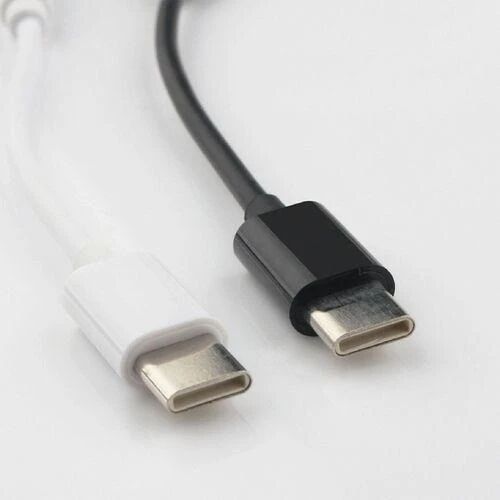
Core Viewpoint - The complexity of USB standards has become widely recognized, leading to confusion among consumers and industry professionals alike. The introduction of the USB4 standard was expected to simplify this situation, but progress has not been smooth [1]. Group 1: USB Standard Evolution - USB standards have undergone multiple updates, with USB 2.0 supporting speeds up to 480 Mbps, USB 3.x series introduced in 2008, and USB 4 series launched in 2019 with speeds up to 80 Gbps [2]. - The introduction of "Gen" symbols (e.g., Gen 1, Gen 2) has complicated the identification of USB versions, making it difficult for users to understand the maximum transfer speeds associated with each version [3][4]. Group 2: Naming Confusion - Different names can refer to the same technology, such as USB 3.0 being rebranded as USB 3.1 Gen 1, which adds to the confusion surrounding USB standards [3]. - Manufacturers have the discretion to choose naming conventions for their products, leading to inconsistencies in how specifications are presented across different brands [4]. Group 3: Market Naming Rules - The USB Implementers Forum (USB-IF) introduced market naming rules in October 2022, suggesting that names should reflect the maximum speed, such as "USB 5Gbps" for USB 3.2 Gen 1 [6]. - Despite the introduction of market names, there remains ambiguity in distinguishing between USB 4 and USB 3.x based solely on these names [7]. Group 4: Connector Standardization - USB connectors have evolved from standard A and B types to USB Type-C, which is now the standard. However, the physical shape of connectors does not indicate the speed of the USB standard [15]. - USB Type-C has become the de facto standard, supporting fast charging and display connections, but it also introduces complexity in determining data and charging directions [16]. Group 5: Ongoing Issues - The upcoming USB4 version 2.0, expected to reach speeds of 80 Gbps, will further complicate the naming conventions as it will be differentiated from previous versions [14]. - The continued use of "Gen" identifiers without specifying transfer speeds contradicts the USB-IF's goal of reducing consumer confusion [12].
Arm发布全新Lumex CSS,破局端侧AI
半导体行业观察· 2025-09-12 01:14
Core Viewpoint - The article discusses the transition of AI technology from centralized cloud computing to distributed edge deployment, emphasizing the importance of mobile devices in delivering intelligent user experiences. The launch of the Arm Lumex CSS platform is highlighted as a solution to performance bottlenecks in edge AI, enabling smarter, more efficient, and personalized experiences in consumer electronics [1][2][5]. Group 1: Industry Trends - AI technology is shifting from centralized cloud computing to distributed edge deployment, with mobile devices becoming the core carriers of intelligent experiences [1]. - The demand for low-latency, high-smoothness, and long-endurance edge AI is increasing, making edge AI a defining factor in product competitiveness [1]. - The edge computing industry faces challenges such as traditional architectures struggling to handle high-density AI tasks and increased chip design complexity leading to longer development cycles [1]. Group 2: Arm Lumex CSS Platform - Arm introduced the Lumex CSS platform, which integrates high-performance CPU, GPU, and system IP to address performance bottlenecks and development challenges in edge AI [2][5]. - The platform is designed for flagship smartphones and next-generation personal computers, aiming to optimize edge AI performance through technological innovation [7]. Group 3: Technical Innovations - The Arm C1 CPU cluster, a core component of the Lumex CSS platform, features the second-generation Scalable Matrix Extension (SME2) technology, enhancing AI workload performance by up to 5 times and energy efficiency by up to 3 times [8][10]. - The Mali G1-Ultra GPU, another key component, offers significant improvements in graphics and AI performance, including a 40% increase in game frame rates and a 20% boost in AI inference speed [18][22]. Group 4: Software Ecosystem - The KleidiAI software library is integrated with major AI frameworks, allowing developers to activate SME2 acceleration without code modifications, thus reducing development costs and barriers [26][29]. - The platform's design enables seamless integration of hardware capabilities with software, facilitating the large-scale deployment of edge AI [32][43]. Group 5: Market Impact - The global edge AI market is projected to grow from 321.9 billion yuan in 2025 to 1,223 billion yuan in 2029, with a compound annual growth rate of 39.6% [44]. - Arm's Lumex CSS platform represents a significant shift from traditional IP supplier to a full-stack solution provider, addressing industry pain points and enhancing the overall value chain [44][45].


12英寸的方形SiC晶圆曝光
半导体行业观察· 2025-09-11 01:47
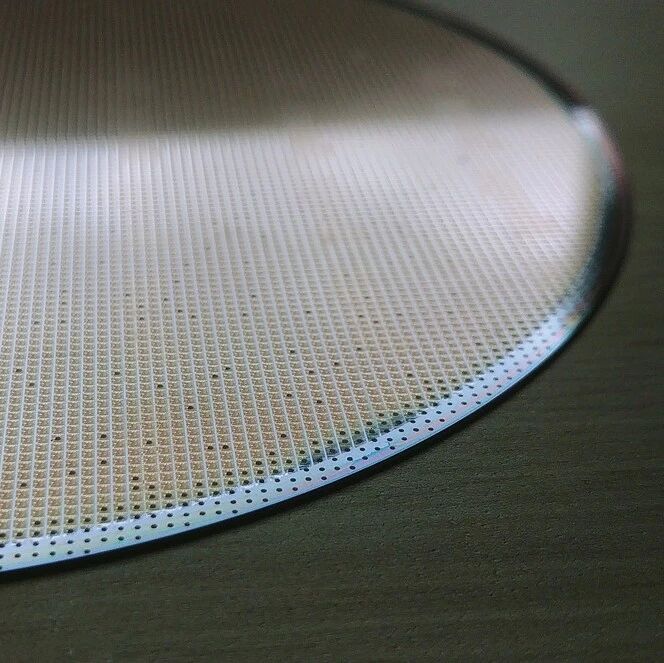
Core Viewpoint - The article discusses the advancements and challenges in the silicon carbide (SiC) wafer market, particularly focusing on GlobalWafers' development of 12-inch square SiC wafers and the competitive landscape influenced by pricing pressures from Chinese manufacturers [1][2]. Group 1: Company Developments - GlobalWafers has announced the capability to develop 12-inch square SiC wafers, which requires not only process capabilities but also new equipment due to the lack of existing solutions [1]. - The company has developed a cutting method for 12-inch SiC wafers that does not rely on laser technology, differentiating itself from competitors [1]. - GlobalWafers anticipates launching its 12-inch SiC wafers this year, aiming to penetrate application fields directly [1]. Group 2: Market Dynamics - The pricing of 6-inch SiC wafers has seen the most significant decline, followed by 8-inch wafers, with the overall market facing intense competition and price pressures [2]. - GlobalWafers' revenue from SiC is expected to remain below 10% of total revenue next year, despite volume growth, indicating ongoing challenges with average selling prices (ASP) [2]. - The SiC market is compared to the solar energy sector, where prices are dropping but demand is expected to grow due to the material's superior performance in high-voltage and heat dissipation applications [2]. Group 3: Competitive Landscape - Wolfspeed, a major player in the SiC market with a 33% global market share, faces challenges due to high production costs and aggressive pricing from Chinese competitors [2][3]. - If Wolfspeed struggles, customers may seek alternatives, presenting an opportunity for GlobalWafers to capture market share [3]. - Infineon has successfully developed 12-inch SiC wafers, which could enhance its competitiveness in the electric vehicle market and other applications, indicating a trend towards larger wafer sizes in the industry [3].
博通这类芯片,前景堪忧?
半导体行业观察· 2025-09-11 01:47
Core Viewpoint - Apple has officially launched its long-awaited in-house developed Wi-Fi 7 chip, named N1, marking a significant shift from its previous reliance on Broadcom chips for Wi-Fi connectivity since 2008 [1][2]. Group 1: Impact on the Wi-Fi Industry - The introduction of the N1 chip allows Apple to take full control of its connectivity strategy, potentially capturing about 15-20% of the mobile Wi-Fi chip market [2]. - The N1 chip supports Wi-Fi 7, Bluetooth 6, and Thread, although Apple has provided limited details on its performance metrics, such as peak data rates [1][2]. Group 2: Interoperability Challenges - A critical question arises regarding how Apple will interact with other participants in the Wi-Fi ecosystem, as the success of the N1 chip heavily relies on its interoperability with a vast array of devices produced by numerous companies in the Wi-Fi industry [2][3]. - Apple is expected to obtain Wi-Fi Alliance certification for its devices, but achieving a high-quality user experience will require additional efforts beyond mere certification [2][3]. Group 3: User Experience Optimization - To enhance user experience, it is uncertain how much information Apple will share with access point or service providers, which is crucial for ensuring compatibility and performance [3]. - The industry benchmark for client chip suppliers is Intel, which has conducted extensive testing with various access point providers and actively engages with the broader Wi-Fi community [3].


台积电开拓新业务
半导体行业观察· 2025-09-11 01:47
Core Viewpoint - TSMC is repurposing its old 8-inch wafer fab to produce extreme ultraviolet (EUV) pellicles, aiming for lower unit costs and more predictable supply, which is crucial for large-scale integration of these films [1][2] Group 1: TSMC's Strategy - TSMC is moving the production of EUV pellicles in-house to enhance cost efficiency and supply predictability [2] - The economic viability of EUV pellicles is critical, as their price has surged to nearly $30,000, compared to $600 for traditional deep ultraviolet (DUV) pellicles, which may hinder widespread adoption by chip manufacturers [1] Group 2: Competitive Landscape - Samsung has already invested in a Korean company, FST, which produces protective films for semiconductor manufacturing, acquiring a 6.9% stake [4] - FST is developing a full-size EUV pellicle with a thickness of 30 nanometers and a light transmittance of 90%, targeting supply negotiations with Samsung [4][5] Group 3: Technical Aspects - FST's EUV pellicles utilize a carbon nanotube (CNT) film to block dust while allowing light to pass through, and they have developed a coating technology to protect against degradation [6] - The high cost of EUV masks necessitates the use of protective films to avoid contamination and potential waste [6] Group 4: Samsung's Investments - Samsung has made significant investments in various semiconductor-related companies, including S&S Tech and YIK, to strengthen its supply chain [7]

不一样的展会,不一样的精彩!湾芯展邀您10月深圳共襄盛举
半导体行业观察· 2025-09-11 01:47
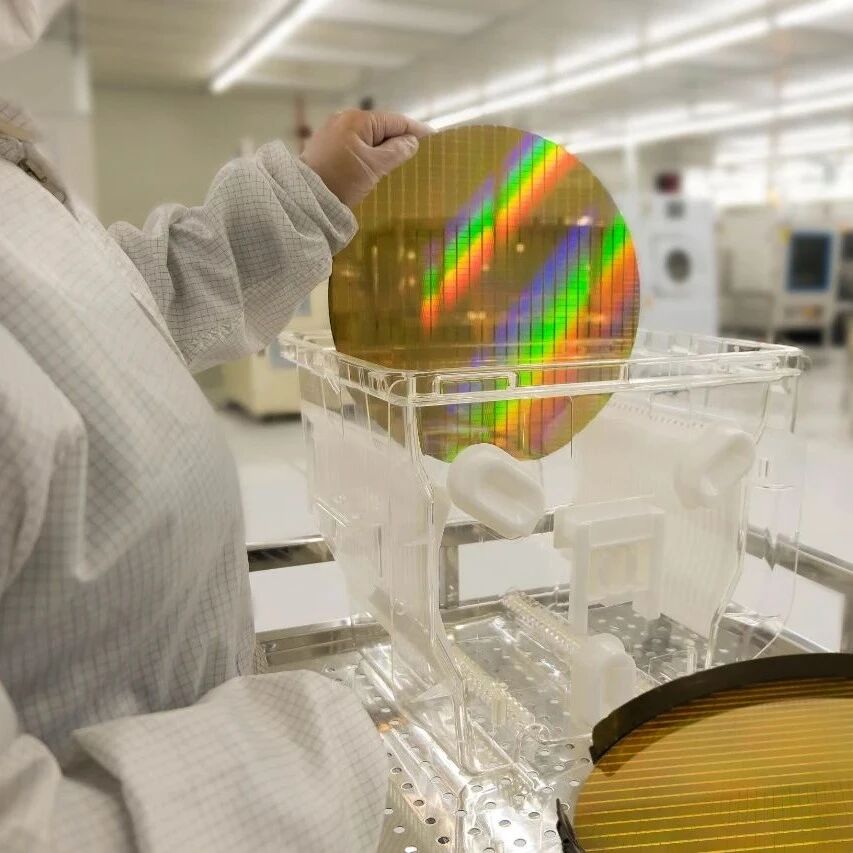
Core Viewpoint - The Bay Area Semiconductor Industry Ecosystem Expo 2025 (Bay Chip Expo 2025) will take place from October 15-17 at the Shenzhen Convention Center, focusing on the efficient integration of the entire semiconductor industry chain, with a core emphasis on wafer manufacturing [2][4]. Group 1: Event Overview - The expo will cover an exhibition area of 60,000 square meters and is expected to attract over 60,000 professional visitors, showcasing cutting-edge technological achievements and solutions across the semiconductor industry chain [2]. - More than 600 high-quality semiconductor companies from around the world will participate, highlighting the event's significance in the global semiconductor landscape [2]. Group 2: Industry Chain Integration - Bay Chip Expo 2025 aims to create an "ecological display circle" that deeply connects key segments such as IC design, advanced packaging, and compound semiconductors, with wafer manufacturing as the core link [5]. - The exhibition will present a complete technical display matrix from "equipment - materials - manufacturing," promoting the upgrade of the industry chain from "single-point innovation" to "system collaboration" [10]. Group 3: International Participation - The number of international exhibitors has increased by over 50% compared to previous years, indicating a significant enhancement in the expo's international level [12]. - International companies will showcase cutting-edge technologies and solutions across the entire chip design, wafer manufacturing, and packaging testing chain, providing a platform for domestic companies to engage in deep technical exchanges with global industry leaders [14][16]. Group 4: Domestic Industry Strength - Leading domestic companies such as North Huachuang, Xinkailai, and Shanghai Microelectronics will showcase their latest breakthroughs and industrial strength in semiconductor processes, equipment, and materials [16]. - The expo promotes a collaborative spirit, evolving into a truly global semiconductor industry event that fosters an ecosystem of "complementary advantages and win-win cooperation" [16].
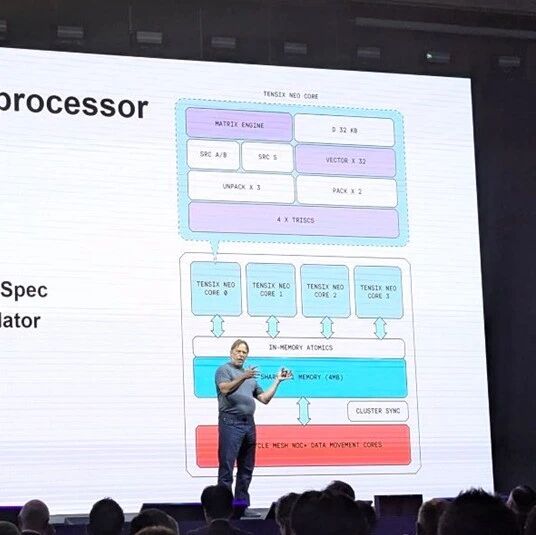
Jim Keller最新演讲:要颠覆AI芯片
半导体行业观察· 2025-09-11 01:47
Core Insights - Jim Keller, a renowned figure in chip development, is leading Tenstorrent's initiative to create a new AI processor based on the open-source RISC-V architecture, aiming to democratize AI technology by allowing anyone to build and expand their own AI systems [2][6][7] Group 1: Company Developments - Tenstorrent is constructing a specialized computer factory to produce components necessary for modern high-performance AI computers and processors, with products already being shipped, including scalable Galaxy box servers and quiet water-cooled boxes [4][6] - The company has begun shipping AI processors to various clients, including LG, which is integrating these processors into television chips [4][6] Group 2: Technological Innovations - The upcoming open-source AI processor is a response to an unexpected open-source event, which Keller views as an opportunity to provide complete specifications and reference models for building AI computers [7] - Tenstorrent's Black Hole chip, manufactured using TSMC's 6nm process, features 140 tensor processors and RISC-V processors, supporting GDDR6 DRAM and on-chip SRAM, while avoiding expensive HBM [8][9] Group 3: Strategic Vision - Keller emphasizes the mission to create cheaper, faster, and more open architectures in response to the growing demand for high-performance AI products, which are becoming increasingly expensive and proprietary [6][7] - The company is pursuing a modular chiplet approach to reduce costs and enhance flexibility, allowing for independent iteration and integration of various components [9]
国产射频前端行业,第二次冲锋
半导体行业观察· 2025-09-11 01:47
Core Viewpoint - The article discusses the growth and challenges faced by China's RF front-end companies in the context of U.S. sanctions and the competitive landscape dominated by foreign firms, highlighting both opportunities and risks in the industry. Group 1: Market Dynamics - Following U.S. sanctions in 2019, China's RF front-end companies experienced significant growth, with many emerging firms like Zhaoshengwei, Weijiechuangxin, and others contributing to the sector [1] - In 2023, domestic smartphone manufacturers successfully launched flagship models using fully domestic chips, allowing local RF front-end manufacturers to achieve mass production of a full range of RF front-end chips [1] - Despite initial growth, by 2025, many domestic RF front-end companies faced a growth bottleneck, with notable declines in revenue and profitability among key players [1][2] Group 2: Competitive Landscape - The top five global RF front-end companies are predominantly American, with Qualcomm, Broadcom, Skyworks, and Qorvo leading the market, while domestic companies collectively generate less than 20 billion yuan in sales [2] - The new U.S. tariff policies since April 2025 have prompted Chinese smartphone brands to seek domestic RF front-end solutions, creating a second wave of opportunities for local manufacturers [2] - The article anticipates that by 2026, domestic RF front-end companies could overcome current challenges and see revenue growth, particularly in the high-integration module segment [2] Group 3: Technological Challenges - Domestic RF front-end companies face significant hurdles in patent accumulation, particularly in filter and SOI switch technologies, where foreign competitors have a stronghold [3] - The need for customized high-integration modules for different smartphone brands requires substantial R&D investment, posing a challenge for domestic firms [4] - The article emphasizes the importance of innovation and patent accumulation for domestic companies to compete effectively against established foreign players [3][5] Group 4: Future Outlook - The increasing demand for advanced communication technologies, such as 6G and satellite communication, necessitates ongoing investment in RF front-end technology development [5] - The article suggests that while domestic RF front-end companies have made progress, they must remain vigilant and committed to long-term development to close the gap with leading global firms [6]