半导体行业观察

Search documents
存储芯片,何以至此?
半导体行业观察· 2026-02-07 03:31
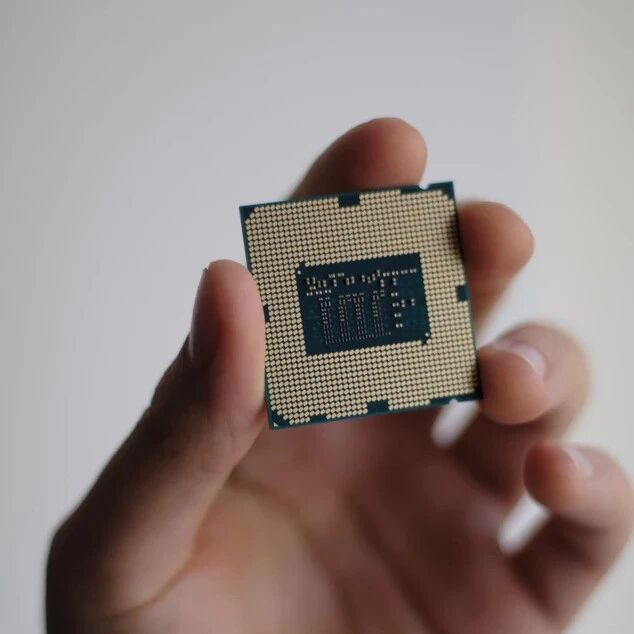
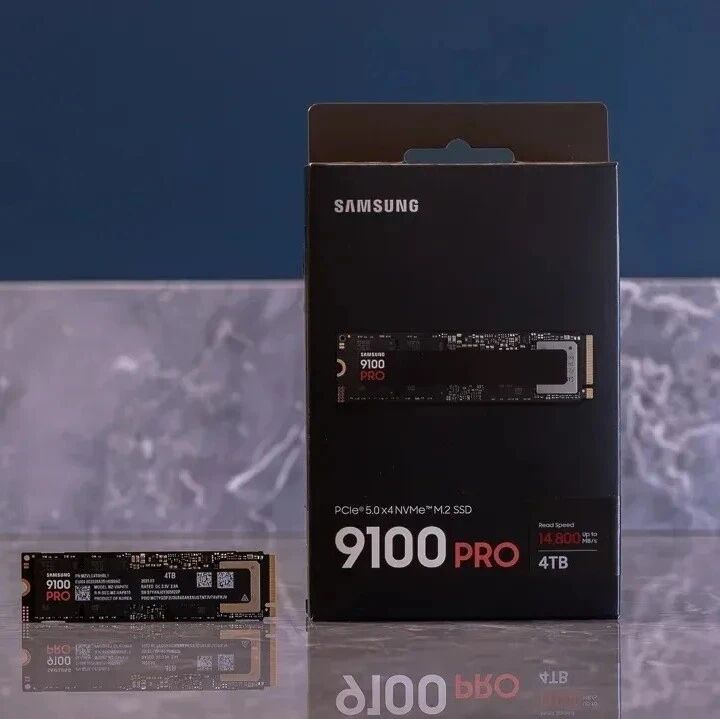
Core Insights - The price of RAM, particularly DDR5, has skyrocketed, with 64GB desktop memory kits becoming more expensive than a Sony PlayStation 5 and some larger kits exceeding high-end desktop GPUs [2] - The overwhelming demand from AI computing giants is driving the price increases, as AI data centers consume a significant portion of available memory manufacturing capacity [3] - Major memory manufacturers like Micron, Samsung, and SK Hynix are reallocating production capacity towards high-bandwidth memory (HBM) and server-grade DDR5, further constraining supply for consumer products [4] Summary by Sections RAM Price Surge - DDR5 RAM prices have doubled or more in recent months, affecting not only new PCs but also older memory types like DDR4 and DDR3 [2] - The demand for AI applications is a primary driver of this price surge, with AI data centers projected to consume 70% of global memory hardware output this year [3] Impact on Other Components - The price increases are not limited to RAM; graphics cards and SSDs are also experiencing pressure due to the same supply constraints [5] - GDDR6 and GDDR7 memory prices have more than tripled in the past six months, directly impacting the cost of desktop and laptop graphics cards [6] SSD Price Dynamics - The production capacity for NAND chips used in SSDs is also being affected by the demand for DRAM, leading to a 60% month-over-month increase in NAND wafer prices since last November [7]


英特尔投资英伟达挑战者SambaNova
半导体行业观察· 2026-02-07 03:31
Group 1 - Vista Equity Partners is leading a new funding round of over $350 million for AI chip startup SambaNova Systems, marking a rare deviation from its traditional focus on enterprise software [2][3] - The funding round includes participation from existing supporter Intel, which plans to invest approximately $100 million, with a potential commitment of up to $150 million [2] - SambaNova is seeking funds to compete with market leader Nvidia and meet the growing demand for inference chips used in AI applications [2][3] Group 2 - Vista's investment in an AI chip startup is a notable shift for a firm that typically invests in enterprise software companies, having previously acquired Citrix Systems and Nexthink [3] - The software sector has faced pressure recently, with a sell-off erasing nearly $1 trillion in market value as investors reassess valuations amid AI's disruptive potential [3] - AI chip manufacturer Cerebras Systems raised $1 billion in a funding round, achieving a valuation of $23 billion, indicating increased interest in AI hardware [3] Group 3 - Discussions for Intel to acquire SambaNova for approximately $1.6 billion had stalled prior to this investment [5] - SambaNova was valued at $5 billion in a funding round led by SoftBank's Vision Fund in 2021, but has faced challenges and layoffs in 2024 [5] - The company has raised over $1 billion from investors since its inception in 2017 and has shifted its focus to AI inference and cloud services [5]


英飞凌出售一个后端晶圆厂
半导体行业观察· 2026-02-07 03:31
Core Insights - Infineon Technologies has completed the sale of its backend manufacturing facility in Bangkok/Nonthaburi to Malaysian Pacific Industrial (MPI), marking a significant step in reshaping its global manufacturing footprint [2][4] - The transaction highlights how major Integrated Device Manufacturers (IDMs) balance in-house capacity with outsourced assembly and testing, while also emphasizing the growing importance of Southeast Asia in advanced semiconductor manufacturing [2][8] Strategic Transformation and Continuity in Thailand - The deal, finalized on February 4, involves the transfer of the Bangkok/Nonthaburi facility to MPI, which will maintain all production-related employees to ensure workforce continuity and project stability [4] - Infineon asserts that this sale does not indicate a withdrawal from Thailand; rather, it aligns with a broader regional strategy, as the company is set to break ground on a new backend wafer fab in Samut Prakan in January 2025 [4] - The sale to a trusted OSAT partner, combined with investment in new facilities, aims to optimize Infineon's manufacturing mix, enhancing supply chain flexibility, resilience, and cost efficiency [4][8] MPI's Expansion in Outsourced Assembly and Testing - For MPI, the acquisition strengthens its position as a global supplier of outsourced semiconductor assembly, packaging, and testing services, operating under the Carsem brand for over 50 years [5] - MPI's subsidiaries provide advanced packaging and testing services for a range of applications, including power management devices and wide bandgap technologies, aligning closely with Infineon's core business sectors [5] Balancing In-House Wafer Fab and Partnerships - The transaction reflects a broader industry trend where leading chip manufacturers reassess where to maintain capacity and where to rely on specialized OSAT services [8] - By divesting a backend facility while constructing a new one nearby, Infineon is fine-tuning its footprint rather than downsizing, emphasizing the strategic partnerships in Asia as crucial for maintaining flexibility and advancing technology [8]

2nm良率已达50%,三星目标增长130%
半导体行业观察· 2026-02-07 03:31
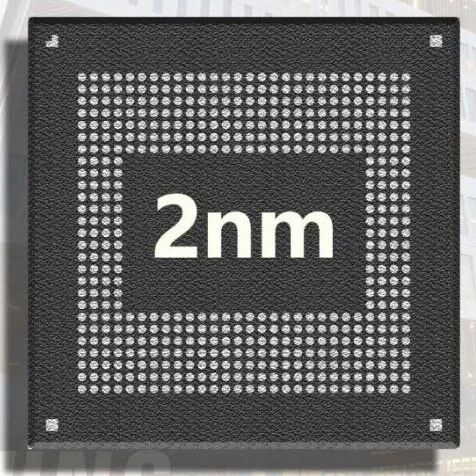
Core Insights - Samsung's 2nm GAA process has achieved a yield of 50%, indicating potential to compete with TSMC, which is currently facing production issues [2] - Samsung is targeting a 130% increase in 2nm GAA orders, with Tesla being a notable client through a $16.5 billion contract [2] - Analysts interpret the precise 130% growth figure as a sign of customer confidence in Samsung's capabilities [2] Group 1 - Samsung's Taylor factory, initially designed for 4nm production, is now focusing on 2nm GAA production to capture market share from TSMC [3] - The testing of EUV equipment is set to begin in March, indicating rapid development of Samsung's 2nm footprint [3] - Despite mentions of "major clients," Qualcomm has not been referenced, raising questions about potential partnerships [3]
1.6T光模块,Tower与英伟达新合作
半导体行业观察· 2026-02-07 03:31
Core Viewpoint - Tower Semiconductor is expanding its AI infrastructure deployment through high-performance silicon photonics technology to support 1.6T data center optical modules compatible with NVIDIA's network protocol [2] Group 1: Industry Transformation - The collaboration between Tower Semiconductor and NVIDIA signals a significant shift in data center interconnects, indicating that the demand for AI clusters is driving the need for efficient data movement between GPUs, switches, and racks [2] - The transition from 800G to 1.6T optical modules is not just about higher bandwidth but also about the readiness of the ecosystem, which relies on repeatable manufacturing, predictable yields, and the ability to scale supply [2][3] Group 2: Market Performance - Tower Semiconductor's market capitalization has surged by 300%, with its stock price increasing over 160% in the past six months, making it a prominent beneficiary in AI infrastructure [4][7] - The company's market valuation has reached approximately $15 billion, significantly higher than the $5 billion Intel was willing to pay for acquisition two years ago [5][9] Group 3: Financial Outlook - Tower Semiconductor plans to invest $300 million to expand its silicon photonics production line, building on a previous investment of $350 million, with the majority of new capacity located at its main facility in Migdal HaEmek, Israel [8] - The company anticipates that its photonics-related revenue will double, with AI-related products expected to generate nearly $1 billion annually by 2026, contributing 40% to 45% of total revenue [8] - For the fourth quarter, Tower expects to achieve record revenues of $440 million, with a projected annual revenue of $1.5 billion in 2025, reflecting a 14% year-over-year growth [8]
存储芯片,怪像百出
半导体行业观察· 2026-02-06 01:33
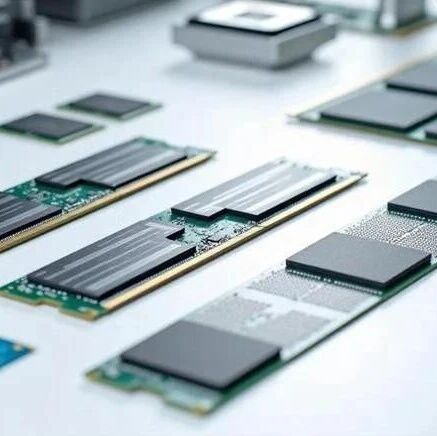
Core Insights - The memory price increase has led to a shift in supply contract negotiations, moving from long-term to short-term agreements and introducing a "post-settlement pricing" concept that reflects market prices instead of fixed prices determined through negotiation [2][3] Group 1: Contract Changes - Major memory manufacturers like Samsung, SK Hynix, and Micron are signing new supply contracts that incorporate post-settlement pricing mechanisms to address price surges [2] - Traditionally, DRAM and NAND contracts would set fixed prices for a year, with minor adjustments of around 10% during the contract period. However, new contracts allow for significant price adjustments even after the contract ends [2] - The trend is shifting towards quarterly or even monthly contracts, as suppliers are reluctant to commit to long-term agreements due to price volatility and limited supply [4] Group 2: Customer Dynamics - Major clients, particularly large North American tech companies, prioritize securing memory supply over the terms of the contract, even if it means incurring additional costs later [3] - There is a growing demand for long-term contracts (over one year) to ensure stable memory supply for AI infrastructure expansion, but suppliers are hesitant to lock in prices due to potential missed opportunities with other clients [3][4] Group 3: Market Outlook - The supplier-driven contract signing model is expected to persist until the second half of the year, when the upward trend in memory prices is anticipated to slow down [4]
ALD设备革命,1000:1纵横比
半导体行业观察· 2026-02-06 01:33
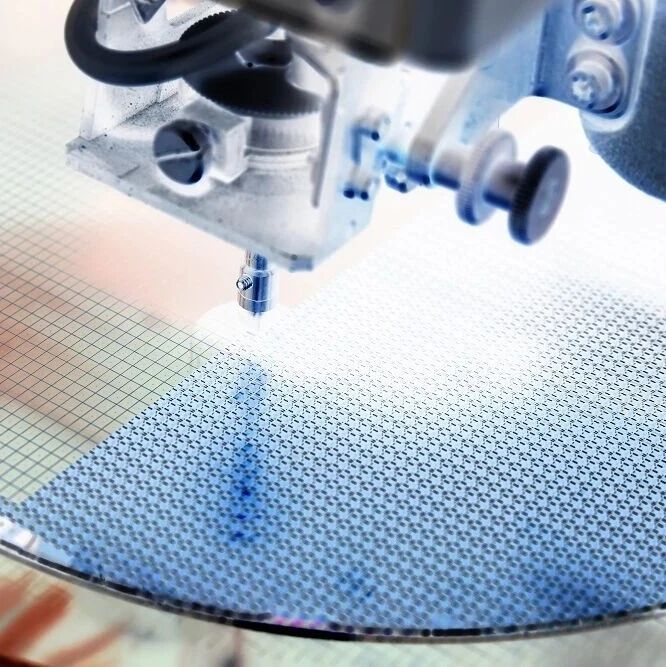
Core Insights - Forge Nano, Inc. has achieved a breakthrough in advanced semiconductor manufacturing by demonstrating high-speed, defect-free Atomic Layer Deposition (ALD) coatings on semiconductor structures with a 1000:1 aspect ratio, significantly enhancing the economic viability and architecture of semiconductor manufacturing [2][3][4] Group 1: Technological Advancements - The company has developed a patented turbulent method for ALD, enabling performance levels previously unattainable by traditional layer flow processes [3] - The Atomic Armor coating platform and next-generation TEPHRA production tools allow for conformal ALD coatings at extreme nanoscale features, achieving coating speeds that are ten times faster than competitors in high aspect ratio applications [3][4] - This innovation addresses critical weaknesses in the semiconductor industry, particularly in AI chips and 3D stacked devices, by eliminating major bottlenecks in next-generation semiconductor architectures [3][5] Group 2: Market Implications - The rapid 1000:1 aspect ratio ALD process is expected to facilitate the production of higher density 3D NAND flash memory, which is crucial for advanced computing applications [5] - The technology allows for the reduction of capacitor sizes in DRAM and high bandwidth memory (HBM), extending beyond previously considered "capacitor bottleneck" nodes [5] - By combining high aspect ratio consistency with production-scale throughput, Forge Nano is redefining the possibilities for advanced chip design and positioning its ALD technology as foundational for future AI and 3D integrated devices [4][5][8] Group 3: Strategic Advantages - The breakthrough in ALD technology is anticipated to lower capital expenditures per node, increase energy and precursor efficiency, and reduce the cost per bit in memory production [8] - Manufacturers that adopt this technology early are likely to gain a competitive edge in the semiconductor market [8] - The strategic significance of this advancement lies in creating capabilities related to national security in advanced semiconductor production [8]
瑞萨,巨额亏损
半导体行业观察· 2026-02-06 01:33
Core Viewpoint - Renesas Electronics, a Japanese chip manufacturer, is expected to report its first net loss in six years in 2025 due to weak demand for automotive chips and low revenue from AI-related products [2][3] Group 1: Financial Performance - Renesas Electronics reported a net loss of 51.7 billion yen (approximately $330 million), contrasting sharply with a profit forecast of 219 billion yen for 2024 [2] - Revenue decreased by 2% to 1.32 trillion yen, while operating profit fell by 10% to 201.1 billion yen [2] - The company recorded a loss of 236.6 billion yen due to its U.S. power semiconductor partner Wolfspeed filing for bankruptcy [2] Group 2: Business Strategy - Renesas plans to sell its timing device business for $3 billion to SiTime, a U.S. semiconductor design company, to raise funds for core semiconductor business revitalization [2][3] - The timing device business generated revenue of 30.4 billion yen with an operating profit margin of 52%, indicating growth potential [3] - The company aims to shift focus from electric vehicle chips to AI, with plans to launch AI server power semiconductors using new gallium nitride materials by July 2025 [3] Group 3: Market Position and Challenges - Renesas has lost its position as Japan's leading chip manufacturer, overtaken by Kioxia Holdings in October 2025 [3] - AI-related products, including server power semiconductors and memory, account for only about 10% of Renesas's revenue, indicating a struggle to capitalize on the AI boom [3] - The company has not announced new customer acquisitions in advanced driver assistance and autonomous driving processor development since starting a collaboration with Honda in January 2025 [3] Group 4: Industry Trends - Demand for automotive semiconductors, which accounts for half of Renesas's revenue, is expected to bottom out by the end of 2024, but recovery may be weak [4] - There are concerns that rising memory prices and supply issues could impact the automotive market [4] - The capacity for memory and power semiconductors is being shifted to AI data centers, potentially extending delivery times for automotive semiconductors [4]
汽车芯片巨头,集体唱衰
半导体行业观察· 2026-02-06 01:33
Core Viewpoint - The automotive chip industry is experiencing a prolonged and complex adjustment period, with major companies expressing caution about market recovery and facing new challenges from a shortage of storage chips [2][4][13]. Financial Performance Insights - NXP's automotive chip revenue for Q4 2025 was $1.88 billion, a mere 4.8% year-over-year increase, falling short of analyst expectations [4]. - STMicroelectronics reported a significant operating loss of $133 million in Q2 2025, contrasting with Wall Street's expectation of a $56.2 million profit, indicating deep concerns about the automotive market [4]. - Texas Instruments highlighted a modest growth of 6%-9% in its automotive segment for Q4, with a slight decline in revenue, suggesting a lack of momentum in this area [5]. - Infineon's automotive business revenue for Q1 2026 was €1.821 billion, showing a 5% quarter-over-quarter decline, despite a 4% year-over-year increase [5]. Supply Chain Challenges - A shift in storage chip production towards higher-margin HBM products has led to a rapid depletion of previously abundant storage chip supplies for the automotive sector [2][8]. - DRAM prices surged by 172% year-over-year in Q3 2025, driven by strong demand from AI infrastructure, marking one of the most significant price fluctuations in semiconductor history [8]. - The automotive industry faces a dual challenge from both a shortage of storage chips and the rising costs associated with DRAM, which could increase by 70%-100% in 2026 [9][10]. Market Dynamics - The transition from traditional fuel vehicles to electric vehicles is slowing, with regional disparities in market performance, particularly in Europe and the U.S. [13][14]. - The U.S. market is affected by uncertainties surrounding federal tax incentives for electric vehicles, which dampen consumer purchasing intentions [14][15]. - In China, the local semiconductor supply chain is strengthening, with domestic chips now comprising 15% of the semiconductor content in local electric vehicles [15]. Strategic Responses - Texas Instruments is adopting a conservative strategy, focusing on maintaining inventory levels and capitalizing on its strong cash flow to weather the downturn [18][19]. - NXP is restructuring by laying off 5% of its workforce and acquiring companies to enhance its capabilities in software-defined vehicles [20][21]. - STMicroelectronics is concentrating resources on automotive MCUs, aiming to solidify its position in a stable but lower-margin market [22][23]. - Infineon is heavily investing in AI-related technologies, aiming for significant revenue growth in this sector while also adjusting its automotive strategies [24][25]. Long-term Outlook - Despite current challenges, the long-term growth potential in the automotive chip market remains intact, driven by increasing chip content in vehicles and the rise of software-defined vehicles [28][29]. - The automotive industry is expected to see a significant increase in the adoption of advanced electronic architectures, which will require more sophisticated chips [28]. - The overall recovery of the automotive chip market hinges on multiple factors, including inventory digestion, electric vehicle penetration, and the alleviation of storage chip supply constraints [36].



一颗颠覆传统的芯片
半导体行业观察· 2026-02-06 01:33
Core Viewpoint - NextSilicon is innovating in computer architecture with its Maverick 2 processor, aiming to address challenges in high-performance computing (HPC) and artificial intelligence (AI) by utilizing a unique data flow architecture that enhances performance and efficiency [2][3][16]. Group 1: Company Strategy and Architecture - NextSilicon's Maverick 2 processor is designed to overcome limitations of traditional CPU and GPU architectures by directly executing computation graphs, eliminating the need for instruction serialization and reordering [7][8]. - The architecture allows for simultaneous execution of multiple memory operations and arithmetic logic unit (ALU) operations, significantly improving performance by masking core latency sensitivity [6][9]. - The company emphasizes the importance of memory management, utilizing a unique memory management unit (MMU) that handles fewer memory accesses, thus optimizing memory access patterns [10][11]. Group 2: Performance Metrics and Testing - NextSilicon's architecture has demonstrated unprecedented performance in benchmarks such as GUPS (Giga Updates Per Second), showcasing its ability to handle random memory access efficiently [18]. - The company aims to maximize performance by transforming workloads typically limited by computation into those limited by memory, thus achieving optimal performance levels [19]. Group 3: Market Focus and Future Directions - NextSilicon strategically targets the HPC market, which, despite being smaller than the AI market, provides a mature environment for technology development and customer collaboration [16][17]. - The company is exploring how to leverage its HPC chip for AI applications, indicating a future direction that combines high-performance computing with artificial intelligence workloads [23][24].