半导体行业观察

Search documents
HBM,新变局!搅动存储江湖
半导体行业观察· 2025-12-06 03:06
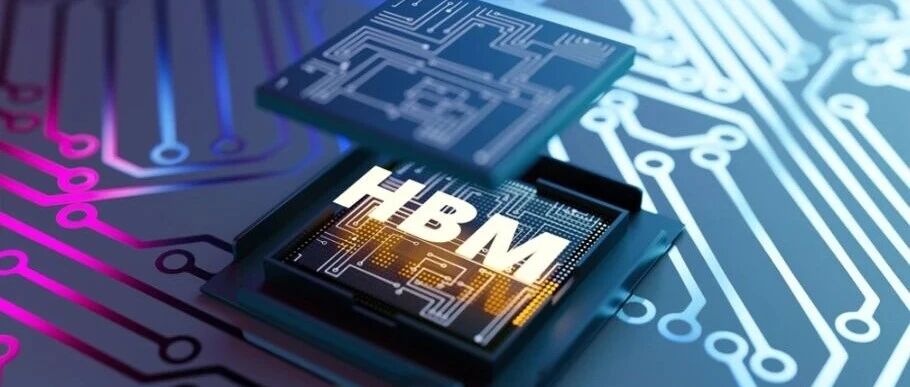
Core Viewpoint - The storage industry is undergoing a significant strategic transformation driven by the AI era, with a shift from mass production to precise customization, and from price competition to technological barriers. Companies like Micron, SK Hynix, and Samsung are adapting their strategies to align with these changes, leading to a redefined competitive landscape in the memory market [22]. Group 1: Micron's Strategic Shift - Micron announced the closure of its Crucial consumer brand by February 2026, citing the need to focus on higher-margin data center products due to surging demand driven by AI [2][3]. - The company plans to invest 1.5 trillion yen (approximately $9.6 billion) in a new HBM chip production facility in Hiroshima, Japan, set to begin construction in May 2026, with production expected to start around 2028 [5]. - Micron's current HBM production capacity is significantly lower than its competitors, with only 55,000 wafers per month compared to SK Hynix's 160,000 and Samsung's 150,000 [6][7]. Group 2: SK Hynix's Customization Strategy - SK Hynix has successfully captured 62% of the global HBM market, leveraging a focus on customer customization and agile development processes [9][10]. - The company is expanding its workforce to enhance its custom memory design capabilities, aiming to collaborate closely with clients from the design phase of AI semiconductors [11][12]. - SK Hynix's HBM4 pricing has reportedly increased by over 50%, with expectations of significant profits in the coming year, indicating a strong market position [14]. Group 3: Samsung's Recovery and Expansion - Samsung's HBM market share plummeted to 15% in Q2 2024 but is expected to rebound due to increased orders from Google's TPU ecosystem, with supply volume projected to double next year [16][18]. - The company has restructured its semiconductor division to accelerate HBM4 and HBM4E development, aiming to regain its competitive edge [17][19]. - Samsung's HBM production capacity has recently increased to 170,000 wafers per month, positioning it to capitalize on the growing demand for customized HBM solutions [20]. Group 4: Industry Implications - The shift towards HBM technology signifies a broader change in the storage industry, with traditional DRAM prices soaring and the consumer market becoming less relevant [22]. - Companies that fail to adapt to the new HBM-focused landscape risk marginalization, as the demand for AI infrastructure continues to strain supply chains [22].


当GaN和SiC掀起能源革命,谁在背后稳住它们的“高频心跳”?
半导体行业观察· 2025-12-06 03:06
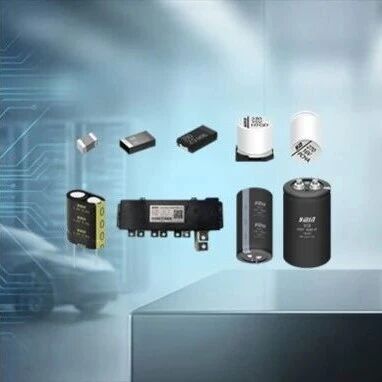
为什么GaN/SiC的"高效传奇", 需要电容的"极限配合"? GaN/SiC器件能让电源更小、更轻、更高效,但它们的"工作习惯"也极为苛刻: 高频开关挑战 引言 我们为GaN和SiC带来的高效与节能欢呼,却常忽略:若没有与之匹配的"能量守护者",再 强的半导体也无法真正赋能场景。 想象一下: 第三代半导体(GaN/SiC)的高频、高压、高温特性,如同一匹动力强劲的赛马,但若没有与之 匹配的"缰绳与鞍"——永铭高性能电容,它仍难以在真实场景中稳健奔跑。 每秒数百万次的开关,带来强烈的电流波动与噪声,需要 永铭电容 具备"超快响应"与"高频滤 波"能力,防止 算力被供电拖后腿。 高温环境挑战 高压挑战 光伏逆变、充电桩 等电压攀升, 永铭电容 需"扛压不击穿",确保系统安全,防止 数据丢失在最 后一秒 。 空间极限挑战 机器人、服务器电源 追求"寸土寸金", 永铭电容 要在毫米之间"储能不减、性能不缩",破解 空 间窒息式设计难题 。 永铭电容,正是为了陪伴第三代半导体走完落地的"最后一厘米"而生。 永铭的能量伙伴家族: 1 2 一辆 电动汽车正在快充 ,却因电源模块中电容"扛不住" 高频开关 而 发热降频 — ...
1.4万字!华为任正非最新讲话
半导体行业观察· 2025-12-05 06:22
他还拿小鹏机器人举例,"发布会当场剪开外皮,里面全是'钢铁'",这种敢闯敢试的劲头,正是未来的 样子。 谈及当下火热的AI,任正非的观点很明确:别盯着"发明",要盯着"应用"。 "AI发明顶多成就一家IT公 司,应用却能强大一个国家。"他算了笔账,洗煤精度提高0.1%,乘以中国40亿吨的煤炭产量,价值惊 人;高炉炼铁效率提升1%,省下的燃料更是难以计数。 来源:内容来自第一财经,作者:李娜,谢谢。 近日,华为创始人任正非在位于上海的华为练秋湖研发中心与ICPC全球优胜者及教练座谈,围绕AI未 来、教育本质与青年成长展开对话。 他认为,当前处于快速变动的时代,年轻人放射着青春光芒,是同辈人的榜样,时代的希望寄托在青年 人身上。对于青年发展,任正非指出,每个人人生道路不同,有人"摸高"探索前沿,有人"摸低"扎根基 础,都是对社会的贡献。 他格外鼓励有能力的青年:"你能摸高,就不要去摸低,就不要走商业化的道路,你总有一天能摸到真 理。有一天你爬高爬不上去了,就从'喜马拉雅'往下走,沿途都可以'生蛋',你绝对是好汉,从高往低 打是容易的"。 如今中国青年的状态,让他看到了希望。"Meta给几个青年人每个人上亿美元的签 ...

拆解安世芯片,影响力巨大
半导体行业观察· 2025-12-05 01:46
Core Insights - Nexperia's supply chain disruptions are impacting the global automotive industry, highlighting structural vulnerabilities that cannot be overlooked [1] - The semiconductor industry is heavily reliant on a few suppliers, and geopolitical tensions can quickly lead to production halts [1] - Yole Group emphasizes the strategic importance of disassembly analysis in understanding competitors' innovations and strategies in the semiconductor landscape [1] Group 1: Nexperia's Role in the Automotive Ecosystem - Nexperia plays a critical role in the automotive ecosystem, providing essential components such as diodes, transistors, and MOSFETs for vehicle control units and power electronics [1] - Since 2020, 75% of the 400 automotive systems analyzed by Yole Group contain at least one Nexperia component, particularly in ADAS, infotainment, telematics, and electrification controllers [2] - Nexperia's components account for 1% of the semiconductor electronic bill of materials (eBOM), but they are crucial for the manufacturing process [4] Group 2: Financial Impact and Customer Base - In 2024, Nexperia's revenue is projected to reach $2.06 billion, with over 50% derived from automotive applications [7] - The company's customer base includes major automotive manufacturers in Europe and the U.S., as well as some Asian manufacturers, indicating its widespread influence [7] - Nearly every automotive manufacturer utilizes Nexperia's products, often without their knowledge, underscoring the company's foundational role in the automotive semiconductor ecosystem [7] Group 3: Supply Chain Challenges and Lessons Learned - The automotive industry is currently relying on existing inventory to maintain production, but prolonged supply chain disruptions could lead to shutdowns within weeks due to low inventory levels [7] - The recent semiconductor crisis during the COVID-19 pandemic has made OEMs aware of their dependency on immediate semiconductor supply [8] - Although many of Nexperia's products are technically simple and can be substituted, the challenges lie in qualification, validation, and logistics, which require time [8] Group 4: Future Trends and Demand - The Nexperia situation coincides with a pivotal moment for automotive manufacturers, as the integration of electrification, digitalization, and artificial intelligence is driving unprecedented semiconductor demand [9]

Lisa Su:AMD部分芯片获批出口中国
半导体行业观察· 2025-12-05 01:46
Core Viewpoint - AMD has received permission to export certain MI 308 chips to China, with a 15% tax to be paid to the U.S. government, marking a significant development for the company in the AI market [1][4]. Group 1: Export and Market Dynamics - AMD's CEO, Lisa Su, confirmed the company's readiness to pay the 15% tax on MI 308 chips for export to China, following an agreement with the U.S. government [1][4]. - The MI 308 chip specifications are not finalized, but they may align with NVIDIA's H2O AI accelerator, giving AMD a slight edge in the Chinese AI market, especially as NVIDIA faces export delays and regulatory challenges [1][4]. - AMD has not included MI 308 sales in its Q4 revenue expectations, indicating uncertainty in the Chinese market due to a focus on domestic solutions by Beijing [2]. Group 2: AI Market and Competitive Landscape - Lisa Su stated that there is no AI bubble, emphasizing the need for companies like AMD to provide substantial chips for the growing AI industry, countering concerns about overvaluation [3][5]. - AMD's market capitalization has significantly increased from $2 billion to $300 billion since Su became CEO in 2014, showcasing the company's rapid growth [3]. - The company has entered a major agreement with OpenAI to deploy 6 gigawatts of AMD Instinct GPUs, with the first deployment expected in the second half of next year [4]. Group 3: Challenges and Future Outlook - AMD faces challenges in building data centers and ensuring chip delivery to customers, which are critical for meeting the demands of the AI market [4]. - Su believes that AI is still in its early stages and that the company must prepare for future chip demands, as next-generation models are expected to be even better [5].


格科微披露,将推出1亿像素传感器
半导体行业观察· 2025-12-05 01:46
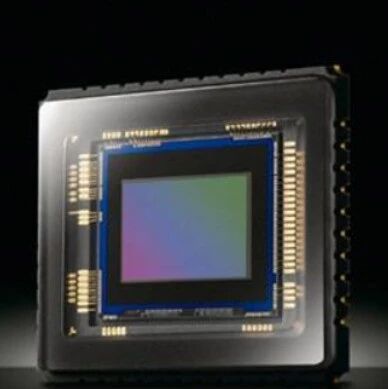
Core Viewpoint - The company has achieved significant milestones in the shipment of high-pixel image sensors, with over 100 million units shipped in 2023, indicating market validation of its high-pixel single-chip integration technology and positive implications for future growth [1][3][4]. Product Development and Market Position - The company has received orders from a well-known international ODM for its 0.7-micron 50 million pixel image sensor, which has already seen partial shipments [2][3]. - The 0.7-micron 50 million pixel image sensor features enhancements in pixel performance, dynamic range, and power consumption, achieving 100% phase detection autofocus density, thus improving shooting accuracy and speed [2][3]. - The company plans to further iterate on high-pixel products and introduce sensors with over 100 million pixels to enhance its core competitiveness and market share [3][4][7]. Financial Performance and Market Share - In the first half of 2025, the revenue from products with 13 million pixels and above is expected to exceed 1 billion yuan, accounting for approximately 46% of the mobile CIS product business [4][7]. - The shipment volume of 32 million pixels and above products has surpassed 40 million units, indicating a growing revenue share from high-pixel products [4][7]. Strategic Direction - The company is focusing on expanding its product specifications in non-mobile CMOS image sensors and enhancing its production capacity through collaborations with domestic foundries [5]. - The company is actively developing automotive front-end chips and has initiated testing for its first 3.0μm 1.3 million pixel product, aimed at applications like 360° surround view and rearview systems [5]. - The company is also exploring emerging markets such as AI glasses, with a 5 million pixel CIS already in mass production for related projects [5]. Manufacturing and Technology Advancements - The company has established its own wafer fabrication plant to ensure efficient collaboration between process and design, which is crucial for rapid innovation and product iteration [8][9]. - The factory is currently operating at near full capacity, transitioning production from lower pixel products to higher pixel offerings, thereby increasing the unit value of its products [8]. - The company aims to strengthen its competitive barriers by customizing products to meet the unique demands of flagship smartphones, automotive, and PC markets [8]. Competitive Landscape - The company has developed an innovative technology path that differentiates it from competitors, leveraging its established brand client base to commercialize high-end CIS products effectively [9]. - The transition to a Fab-Lite model enhances the company's R&D efficiency and production capacity, ensuring the feasibility of promoting high-end products [9].

最强Arm CPU发布:192核,3nm工艺
半导体行业观察· 2025-12-05 01:46
Core Insights - Amazon has launched Graviton5, the highest density and most powerful CPU to date, featuring 192 processor cores in a single slot, promising to elevate AWS performance to new heights [1][3] - Since its introduction in 2018, Graviton chips have become a cornerstone of AWS computing services, with over half of the new CPU capacity added in the past three years attributed to Graviton chips [1][3] Technical Specifications - Graviton5 is built on TSMC's 3nm process technology and includes 192 Arm Neoverse V3 cores, supported by a 192MB L3 cache, which reduces cache misses and enhances performance by minimizing data retrieval from slower DRAM [1][4] - The L3 cache capacity has increased 5.3 times from Graviton 4's 36MB to 192MB, improving each core's cache capacity from 376KB to 1MB, which is beneficial for low-latency applications [2][4] - The memory subsystem has been upgraded to support speeds of up to 7200 MT/s, with future support for 8800 MT/s DIMMs under development [1][4] Performance Enhancements - The new M9g instances based on Graviton5 show a 25% performance improvement over the previous M8g instances, which were based on Graviton4 [3][5] - Graviton5's architecture allows for reduced inter-core latency by approximately one-third, enhancing performance for workloads such as online gaming, high-performance databases, and data analytics [5][11] Competitive Positioning - Graviton5's core count of 192 matches the highest core counts from AMD and Intel, which have 192 and 144 cores respectively, positioning AWS competitively in the server CPU market [3][5] - The Nitro system, which Graviton5 instances utilize, offloads storage, networking, and virtualization functions, freeing up CPU resources for client workloads [7][12] Future Developments - AWS plans to release additional instance types, including C9g for compute-intensive workloads and R9g for memory-intensive workloads, in 2026 [15] - The introduction of the Nitro isolation engine enhances security by ensuring workload isolation through formal verification methods [13] Industry Context - Other companies, such as Microsoft and Google, are also developing custom CPUs, indicating a growing trend in the industry towards proprietary chip development for cloud services [8][9] - Amazon's Graviton5 is part of a broader strategy to optimize performance and cost-efficiency in cloud computing, addressing the increasing complexity and scale of cloud workloads [10][11]

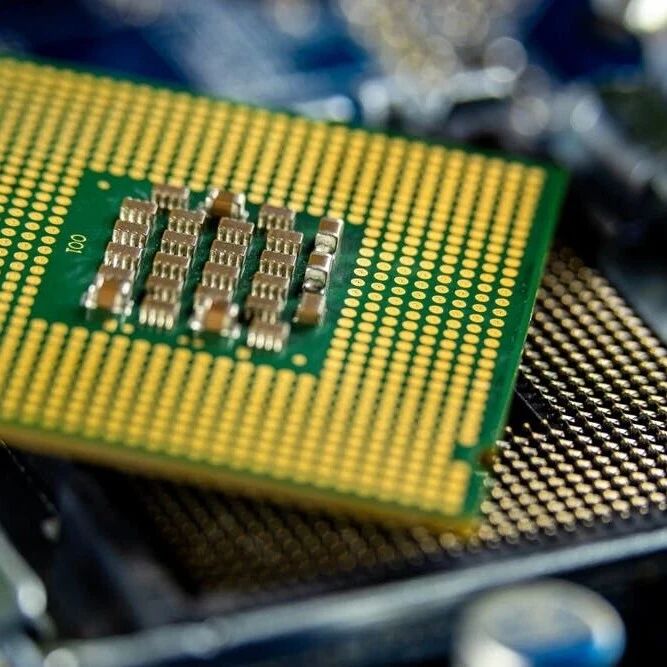
硅芯科技:以EDA+打造先进封装时代的产业桥梁
半导体行业观察· 2025-12-05 01:46
Core Viewpoint - The article discusses the advancements and challenges in the field of 2.5D/3D stacked chip EDA, highlighting the innovative solutions provided by Silicon Core Technology through their 3Sheng Integration platform, which aims to address the unique requirements of stacked chip design and manufacturing [1][12]. Group 1: Company Overview - Silicon Core Technology focuses on EDA for 2.5D/3D stacked chips, differentiating itself from over 70 traditional EDA companies by entering a new field from the start [3]. - The founding team has over 15 years of experience in 3D IC EDA research, having collaborated with IMEC, a pioneer in advanced packaging processes [4][12]. - The company has established partnerships with 80% of domestic advanced packaging lines, successfully implementing projects in silicon photonics, CPUs, and heterogeneous AI chips [12]. Group 2: Challenges in Advanced Packaging - The industry faces two core challenges: the lack of native toolchains for stacked chips and the need for deep collaboration across multiple dimensions [5]. - Stacked chip EDA tools differ significantly from traditional single-chip tools, requiring a complete reworking of underlying algorithms for layout, simulation, verification, and testing [5]. - The architecture design for stacked chips is a new segment that necessitates defining chiplets from a multi-chip interconnection perspective [5][9]. Group 3: 3Sheng Integration Platform - The 3Sheng Integration platform includes five centers, focusing on the reconstruction of traditional EDA segments and introducing new methodologies for stacked chip design [6][8]. - Key innovations include a layout and routing center that adapts to the unique requirements of multi-chip interconnections, and a simulation process that integrates real-time testing during design [8][9]. - The platform also features a multi-die testing fault tolerance center and a new architecture design exploration center, which are essential for the effective design of stacked chips [9][10]. Group 4: Competitive Advantages - Silicon Core Technology has minimal technological lag compared to international EDA giants, as it began its research in stacked chip EDA around the same time [12]. - The company emphasizes the importance of industrial iteration and collaboration with advanced packaging companies to leverage market opportunities [12]. - The EDA+ concept introduced by Silicon Core serves as a bridge between design and manufacturing, facilitating collaboration and integration within the advanced packaging ecosystem [13][15].
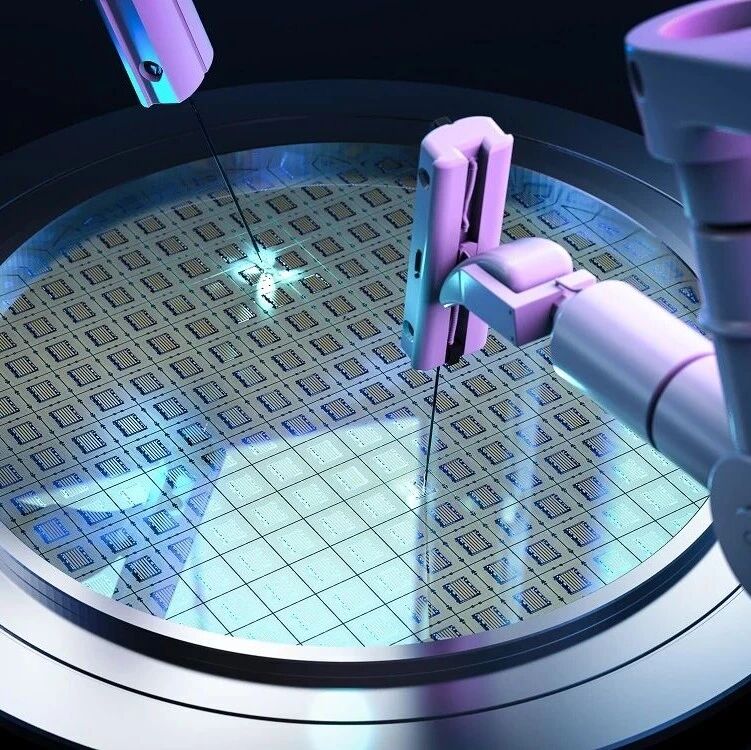
英特尔先进封装,强势崛起
半导体行业观察· 2025-12-05 01:46
Core Insights - Intel's optimism regarding its wafer foundry division is highlighted, particularly with the upcoming 18A process technology and advanced packaging products [1][2] - The company is currently mass-producing Panther Lake chips, set to launch on January 5, with yield rates improving but not yet at optimal levels [1] - Intel's internal facilities are engaging with external customers to assess interest in the 18A-P and 18A-PT process nodes, which are showing promising early progress [2] Group 1 - Intel's 18A process technology is maturing, and the company is looking to reconnect with external clients to gauge their interest [2] - Advanced packaging technologies are seen as a significant opportunity for Intel's wafer foundry, with some clients achieving good results, indicating a shift towards Intel's solutions as alternatives to TSMC's products [2][3] - The company acknowledges a potential underestimation of the advanced packaging business's potential, driven by external demand due to capacity constraints at TSMC [2] Group 2 - Intel's wafer foundry division has not seen a significant drop in optimism compared to previous months, with ongoing discussions about improving the division's offerings [3] - External customers are considering Intel's chip and packaging solutions, contributing to management's confidence in the foundry division's ability to enhance its performance [3]

CPO收割战,全面开打
半导体行业观察· 2025-12-05 01:46
Core Viewpoint - CPO (Co-Packaged Optics) technology is set to revolutionize the external bandwidth of AI data centers, significantly enhancing data transmission speeds and reducing power consumption, marking a shift in computational infrastructure [1][3]. Industry Trends - The silicon photonics industry is on the brink of explosive growth, with over 150 companies forming a diverse ecosystem from upstream SOI/Epi-wafer to downstream cloud computing and AI factories [1][3]. - The competition among foundries is intensifying, with significant investments in silicon photonics capacity and technology, as companies race to establish themselves in the CPO market [3][4]. Foundry Dynamics - Foundries are crucial in transitioning silicon photonics from design to large-scale production, focusing on integrated manufacturing capabilities that combine photonic and electronic components [4][5]. - Samsung is aggressively investing in silicon photonics to challenge TSMC's dominance, positioning CPO technology as a key competitive advantage in the advanced packaging market [5][6]. Strategic Acquisitions - GlobalFoundries' acquisition of Advanced Micro Foundry (AMF) aims to solidify its leadership in silicon photonics, enhancing its manufacturing capabilities and supply chain reliability [7]. - Tower Semiconductor is expanding its production capacity significantly, driven by the surging demand for silicon photonics, with a focus on providing comprehensive delivery packages [8]. Design Services and Integration - Companies like Broadcom are transforming silicon photonics into platform businesses, integrating optical engines directly into their networking solutions to facilitate scalable deployment [12][13]. - Marvell's acquisition of Celestial AI is a strategic move to enhance its optical interconnect capabilities, aiming to provide a comprehensive connectivity platform for AI infrastructure [17][19]. XPU Manufacturers' Role - XPU manufacturers, particularly NVIDIA, are pivotal in driving the commercialization of CPO technology, with NVIDIA's CPO solutions expected to generate significant revenue by 2026 [21][22]. - AMD is also positioning itself in the silicon photonics space through strategic acquisitions and partnerships, focusing on AI interconnect needs [23]. Intel's Foundation - Intel has established itself as a foundational player in the silicon photonics ecosystem, having commercialized the technology early and built a robust supply chain [24][25]. Conclusion - The competition in the "optical chip" space is not just about manufacturing capacity but also about reshaping the interconnect architecture for AI data centers, with CPO technology expected to be fully commercialized by 2027 [26].