华尔街见闻

Search documents
网约车抽成≠利润,这个行业真是被误解太久了
华尔街见闻· 2025-09-23 10:12
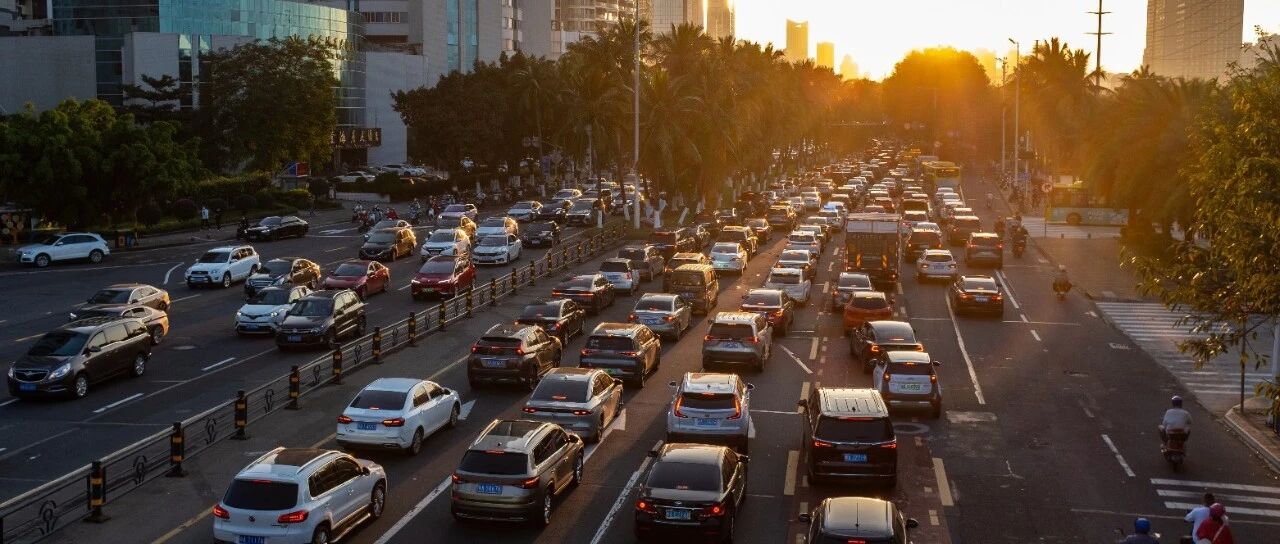
Core Viewpoint - Recent announcements from multiple ride-hailing platforms indicate a reduction in commission rates, with a cap of no more than 27%, which has been generally welcomed by the public, although some still consider this rate too high [4][5]. Group 1: Misunderstandings about Commission - Public discourse has long been misled regarding the operational model of ride-hailing platforms, particularly concerning commission fees, which are more accurately described as "service fees" that cover transaction facilitation, technical support, and safety guarantees [7][8]. - A recent report indicated that the median commission rate for drivers is 18.8%, with most drivers' commissions falling between 18% and 20%, while only 0.25% of drivers exceed 25% [13][14]. - The discrepancy between the stated commission cap of 27% and the average commission of 14% from Didi highlights a significant misunderstanding, as commission rates fluctuate based on supply-demand dynamics and other factors [15][16]. Group 2: Commission vs. Profit - There is a common misconception that platform commissions equate to platform profits, with many viewing the ride-hailing industry as a highly profitable sector. However, the reality is that platforms incur numerous operational costs beyond just facilitating rides [19][20]. - A substantial portion of the commission is allocated to a subsidy pool for drivers and passengers, which includes incentives during peak hours and support during adverse conditions, indicating that commissions are more of a "pre-collection" rather than direct profit [20]. - Didi's financials reveal that in 2024, it achieved revenues of 206.8 billion yuan with an adjusted EBITA of 4.33 billion yuan, resulting in a mere 2% profit margin, contradicting the notion of the industry being highly profitable [23][24]. Group 3: Driver Income and Market Conditions - The average monthly income for ride-hailing drivers is reported at 7,623 yuan, ranking second among six blue-collar professions, with drivers in first-tier cities earning an average of 11,557.1 yuan [29][30]. - Factors such as ride volume and pricing, which are influenced by market conditions rather than platform policies, play a more significant role in driver income than commission rates [30][31]. - The ride-hailing market has faced saturation, with data from Guangzhou showing an increase in registered vehicles and drivers, while daily order volumes have declined, impacting driver earnings [34][35].

英伟达1000亿美元投OpenAI,美银:会大赚3-5倍
华尔街见闻· 2025-09-23 10:12
Core Viewpoint - Nvidia has entered a strategic partnership with OpenAI to establish AI data centers with a capacity of at least 10 gigawatts (GW), utilizing millions of Nvidia GPUs for training and deploying next-generation AI models [1][2]. Investment Details - Nvidia plans to invest up to $100 billion in OpenAI, marking its largest investment commitment to date. This investment will be phased in as each 1 GW system is deployed, with the first system expected to go live in the second half of 2026 [2][4]. - The investment is expected to generate cumulative revenues of approximately $300 billion to $500 billion for Nvidia in the future, enhancing its competitive barriers against rivals like Broadcom and AMD [4][10]. Strategic Significance - The investment is a strategic equity investment aimed at securing OpenAI as a priority partner, thereby solidifying Nvidia's dominance in AI computing and networking [4][11]. - Nvidia's CEO Jensen Huang emphasized the scale of the partnership, noting that the 10 GW capacity equates to 4 to 5 million GPUs, which is double Nvidia's total shipments for the year [6][7]. Financial Implications - The cost of building a 1 GW data center is estimated between $50 billion and $60 billion, with around $35 billion allocated for Nvidia chips and systems. Thus, the total investment for the 10 GW project could reach several hundred billion dollars [8][10]. - Analysts predict that Nvidia could generate several hundred billion dollars in free cash flow over the next few years, given its revenue scale of up to $200 billion and a free cash flow margin of 40%-50% [10]. Market Positioning - The partnership allows Nvidia to maintain its core position in AI system construction, especially as OpenAI explores hardware development, including self-developed chips [11]. - The collaboration is seen as a strategic move to diversify Nvidia's supply chain and strengthen its position in the AI value chain, moving beyond being just a hardware supplier to a key partner in the AI economic ecosystem [11].

今日头条、UC被查,责任人被从严处理
华尔街见闻· 2025-09-23 09:21
Group 1 - The core viewpoint of the articles highlights the regulatory actions taken against platforms like Toutiao and UC for failing to manage content responsibly, which has led to the dissemination of harmful information and disruption of the online ecosystem [1][2] - The National Cyberspace Administration of China has implemented measures such as interviews, deadlines for correction, warnings, and strict penalties for responsible individuals on these platforms [1][2] - The overarching goal of these actions is to maintain a clean and healthy online environment that aligns with the interests of the public, emphasizing the importance of platforms fulfilling their social responsibilities [2]


英伟达中东首个AI开发中心来了!
华尔街见闻· 2025-09-22 10:20
Core Viewpoint - The collaboration between NVIDIA and the Technology Innovation Institute (TII) in Abu Dhabi marks a significant step in NVIDIA's expansion into the Middle East, focusing on the development of next-generation AI models and robotic platforms [1]. Group 1: Collaboration Details - The newly established AI technology center in the UAE will leverage TII's multidisciplinary research capabilities alongside NVIDIA's powerful AI models and computing power [1]. - TII's CEO, Najwa Aaraj, indicated that the institute will utilize NVIDIA's specialized "Thor" chip to advance research in humanoid robots, quadrupedal robots, and robotic arms [1][3]. - The joint laboratory will explore AI applications in various fields, including climate, energy, and genomics, while also planning specific robotic innovations in transportation and logistics [3]. Group 2: UAE's AI Ambitions - This partnership is part of the UAE's strategic goal to become a global player in AI, with the government investing billions of dollars in the AI sector [4]. - The UAE aims to leverage its close relationship with the United States to gain access to advanced technologies, as evidenced by a multi-billion dollar agreement signed during a visit by former President Trump [4]. - TII has been collaborating with NVIDIA for some time, using NVIDIA chips to train its language models, and discussions about the joint laboratory began approximately a year ago [4][5].
巴菲特成为日本五大商社“主要股东”
华尔街见闻· 2025-09-22 10:20
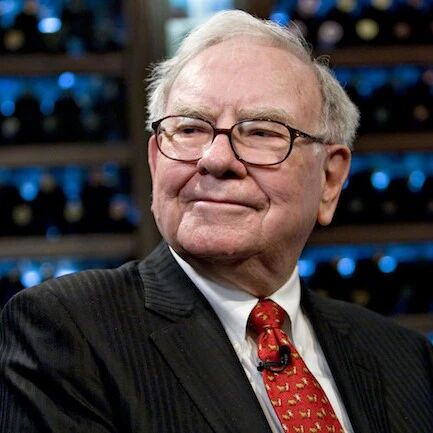
Core Viewpoint - Berkshire Hathaway, led by Warren Buffett, has increased its stake in Mitsui & Co. to over 10%, signaling confidence in the Japanese market and potentially considering further investments [1][2]. Group 1: Investment Strategy - This increase marks a subtle shift in Berkshire's investment strategy, as Buffett initially planned to keep holdings in Japan's top five trading companies below 10% [4]. - The agreement from these Japanese companies to "moderately" relax the holding limit has paved the way for Berkshire to become a "major shareholder," allowing deeper involvement in their future developments [4]. Group 2: Market Reaction - Following the announcement, Mitsui & Co.'s stock price rose by 2.2% before settling at a 1.75% increase, with other major trading companies also experiencing stock price gains [2]. Group 3: Unique Value Proposition - Analysts highlight that Buffett's continued investment underscores the unique commercial value of Japanese trading companies, which have shown resilience amid commodity price volatility due to their diversified business structures [4]. - These companies have increasingly focused on shareholder returns, enhancing their attractiveness as investment opportunities [4].
吴清:对恒大地产开具史上最大罚单
华尔街见闻· 2025-09-22 10:20
Core Viewpoint - The article discusses the achievements and developments in China's financial industry during the "14th Five-Year Plan" period, emphasizing the importance of risk prevention and regulatory measures in maintaining market stability and investor confidence [2][6]. Group 1: Market Stability and Risk Management - The capital market has faced complex changes and external risks, necessitating a focus on creating a "safe, standardized, transparent, open, vibrant, and resilient" market environment [2]. - The regulatory body has implemented measures to ensure market stability, including enhancing monitoring and early warning systems, and coordinating the development of primary and secondary markets [2][3]. - The bond default rate has been maintained at around 1%, indicating effective risk control in the market [3]. Group 2: Regulatory Enforcement and Investor Protection - The regulatory authority has significantly increased the effectiveness and deterrence of enforcement actions, focusing on financial fraud and other serious violations [5]. - A comprehensive punishment and prevention system has been established to combat financial fraud, with record fines imposed on companies like Evergrande [5]. - Investor protection measures have been strengthened, including the introduction of new regulations on share reduction and quantitative trading, as well as a structured compensation system for investors [6]. Group 3: Achievements in Legal and Regulatory Framework - Over the past five years, the regulatory body has issued 2,214 administrative penalties for financial misconduct, with fines totaling 41.4 billion yuan, reflecting a significant increase in enforcement actions compared to the previous five-year period [6]. - The establishment of a robust legal framework has improved the transparency and integrity of the capital market, contributing to a fairer market environment [6].

高盛交易员:美股如同1999年,都在交易流动性,谁还关注基本面,人们觉得“货币在贬值,拿着不如花掉”
华尔街见闻· 2025-09-22 10:20
Core Viewpoint - The current U.S. stock market environment is remarkably similar to the 1999 internet bubble, entering a liquidity-driven speculative phase [1][2] Market Sentiment and Economic Signals - Despite Moody's recession model indicating a 48% probability of recession in the next 12 months, market participants are focused on liquidity-driven trading rather than fundamentals [2][3] - There are mixed economic signals, with cyclical industries like shipping and real estate showing recessionary pressure, while sectors like services, healthcare, and technology continue to expand [3][11] Liquidity and Market Dynamics - The prevailing market sentiment is characterized by a belief that holding cash is less favorable due to currency devaluation, prompting consumers to spend more [3][4] - The transition from fear to "fear of missing out" (FOMO) is driving market behavior, with expectations of a significant market rally in the next 3-6 months [5][11] Trading Strategies - Recommended trading strategies include pair trading between growth and value stocks, such as going long on the Nasdaq 100 while shorting the Russell 2000 [7] - A macro-level strategy involves betting on a steepening yield curve, specifically through a "2s30s steepener" trade, which could be profitable regardless of economic conditions [9][11] Financial Environment and Market Behavior - The market's ability to overlook recession signals is primarily driven by liquidity, with the Federal Reserve's monetary policy and fiscal stimulus providing ample support for corporate buybacks [11][12] - The market is shifting from quality assets to speculative investments, indicating a move towards pure speculation rather than fundamental investing [11][12]

潘功胜:“十五五”及下一步金融改革内容,将在中央统一部署后作进一步沟通
华尔街见闻· 2025-09-22 07:32
9月22日(星期一)下午3时,国务院新闻办公室举行"高质量完成'十四五'规划"系列主题新闻发布会, 中国人民银行行长潘功胜,金融监管总局局长李云泽,中国证监会主席吴清,中国人民银行副行长、国 家外汇局局长朱鹤新介绍"十四五"时期金融业发展成就,并答记者问。 央行行长潘功胜9月22日在国新办举行的"高质量完成'十四五'规划"系列主题新闻发布会上介绍,"十四 五"期间,我国金融事业取得新的重大成就。 截至今年6月末,我国银行业总资产近470万亿元,位居世界第一;股票、债券市场规模位居世界第二; 外汇储备规模连续20年位居世界第一。同时,我国在绿色金融、普惠金融、数字金融等方面走在世界前 列,基本建成多渠道、广覆盖、安全高效的人民币跨境支付清算网络,移动支付处于国际领先水平。 潘功胜进一步介绍称,"十四五"期间科技型中小企业贷款年均增速超20%,"十四五"期间,我国金融服 务实体经济质效大幅提升,科技型中小企业贷款、普惠小微贷款、绿色贷款年均增速均超过20%。 潘功胜表示,目前我国金融体系总体稳健,金融机构总体健康,金融市场运行平稳。 潘功胜还提到, 今 天的新闻发布会的主题是介绍十四五时期金融业的发展情况,主要是 ...

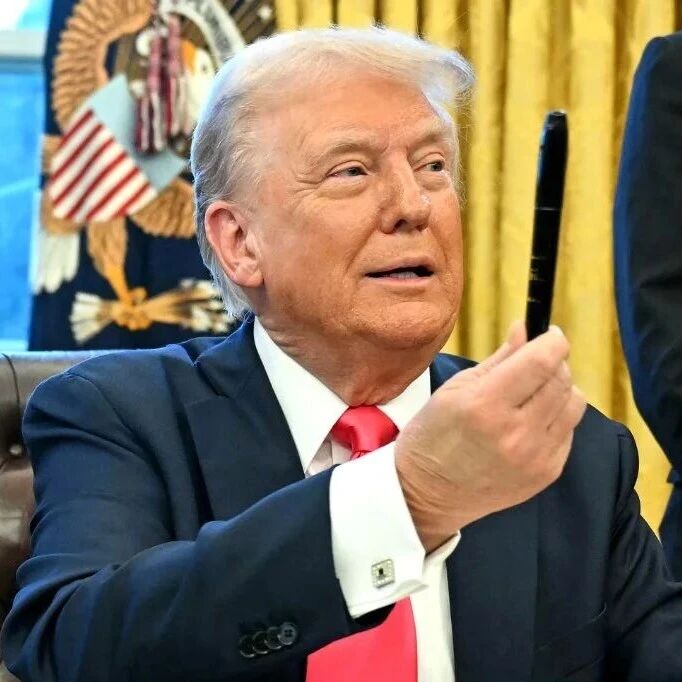
特朗普、马斯克闹翻后首度同框!握手、聊天、并肩而坐
华尔街见闻· 2025-09-22 03:13
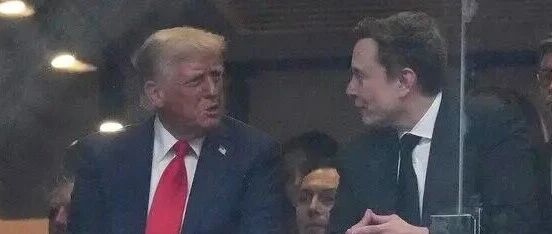
当时,马斯克"在一怒之下"退出了政府相关职位,并通过社交媒体平台对特朗普发起了尖锐批评。马斯 克在当时的一系列帖子中暗示,特朗普卷入爱泼斯坦丑闻的程度可能比公众所知的更深。他写道:"是 时候扔下那颗真正的重磅炸弹了。" 在公开决裂三个月后,马斯克与特朗普在Charlie Kirk纪念活动中首次同框。 据媒体报道,在周日为遭枪击遇害的Kirk举行的追悼会上,马斯克与特朗普被拍到并肩而坐、交谈甚 欢。 这一幕发生在美国国防部长Pete Hegseth即将登台发言之际, 电视画面捕捉到马斯克主动走向特朗 普,并在他身旁的空位坐下,两人随后握手并展开了热切交谈。 两人的关系曾在今年6月降至冰点。 Kirk生前曾表示相信马斯克和总统最终会和好。"我对他们两人都很了解,"Kirk在夏季接受Megyn Kelly 采访时说道。"我认为他们在某个时候会和解",他补充说:"我认为他们合作会更强大。" ⭐星标华尔街见闻,好内容不错过 ⭐ 本文不构成个人投资建议,不代表 平台 观点,市场有风险,投资需谨慎,请独立判断和决策。 觉得好看,请点"在看" 面对马斯克的公开挑战,特朗普也毫不示弱地予以回击。他同样在社交媒体上威胁称,可能会 ...
“速回美国!” H-1B新政引发混乱,硅谷连夜发通知,白宫紧急“打补丁”
华尔街见闻· 2025-09-21 11:25
特朗普政府一项旨在彻底改革H-1B高技能人才签证计划的行政令,在美国企业界引发了一场巨大的混乱。 据新华社, 美国总统特朗普19日签署公告,将企业为H-1B签证申请人支付的费用提高至10万美元,并称此举旨在确保美国引进的是高技能、不能被美国人替 代的人才。 这一消息迅速在企业界和移民律师中引爆,他们警告称,目前身处海外的H-1B签证持有者可能在周日后无法顺利返美,从而引发了一场"疯狂的争 夺战"。 据媒体报道,包括微软、亚马逊、谷歌和摩根大通在内的大型企业纷纷向员工发出紧急通知, 建议持有H-1B签证的员工留在美国,并敦促正在海外出差或旅 行的员工在周日午夜前务必返回。 人力资源部门通宵运作, 追踪员工位置并协助预订航班,许多员工被迫中断会议或行程,紧急赶往机场。 面对企业界的集体恐慌,白宫于周六紧急介入,试图平息事态。白宫新闻秘书Karoline Leavitt及匿名官员通过社交媒体和声明澄清,新政仅适用于未来的新签 证申请者,不涉及现有的签证持有者、签证续签,甚至不包括已参与2025年抽签的申请人。同时,白宫强调10万美元为一次性费用,而非年度费用。这一澄 清,与商务部长卢特尼克此前在总统身边的表态存在明 ...