虎嗅APP

Search documents
大船掉头:吉利全面押注AI科技
虎嗅APP· 2026-03-20 09:32
Core Viewpoint - The article contrasts the contrasting fates of Stellantis and Geely, highlighting Stellantis's significant losses due to misjudging the speed of energy transition and Geely's successful transformation into a technology-driven company focused on AI and autonomous driving [2][29]. Group 1: Stellantis's Challenges - Stellantis reported a staggering loss of over €19 billion (approximately ¥155 billion) in the first half of the year, leading to a 26% drop in stock price and the suspension of all dividends until 2026 [2]. - The CEO of Stellantis admitted that the losses stemmed from overestimating the speed of energy transition and investing heavily in high-cost electric vehicles that the market did not accept [2]. - Stellantis's struggle reflects broader issues in the automotive industry, such as path dependence and organizational inertia, which hinder the ability to adapt to new market realities [2]. Group 2: Geely's Successful Transformation - Geely completed a significant transformation in just over 200 days, unifying its autonomous driving efforts under the new brand "Qianli Haohan" and achieving EU certification for its advanced driver assistance system [3][4]. - The company has shifted from being a traditional automaker to a technology company with AI as its core capability, focusing on user experience and self-developed solutions [4][6]. - Geely's strategy involved consolidating its autonomous driving teams, which improved efficiency by 20-30% and accelerated product development, leading to the rapid release of the Qianli Haohan G-ASD [9][12]. Group 3: Investment in R&D and Data - Over the past five years, Geely has invested over ¥100 billion in R&D, totaling more than ¥250 billion over 11 years, demonstrating a serious commitment to developing its technology [12]. - Geely has built a substantial data pool with 8.5 million vehicles equipped with autonomous driving systems, accumulating over 10 billion kilometers of driving data, which enhances its model training capabilities [12][13]. - The company possesses a significant computational power of 23.5 EFLOPS, allowing for efficient training of AI models compared to competitors [13][25]. Group 4: Leadership and Culture - The integration of Geely's autonomous driving teams under the leadership of Chen Qi, a former Huawei executive, has been pivotal in driving the company's strategic direction and execution [15][16]. - Chen Qi emphasizes safety in autonomous driving, which has led to increased user trust and higher usage rates of Geely's autonomous driving features [16][30]. - Geely's corporate culture promotes long-term thinking and a focus on user experience, which has guided its strategic decisions and investments [12][29]. Group 5: Future Prospects and Market Position - Geely's autonomous driving system, Qianli Haohan G-ASD, has achieved a high user experience rating of 9.8, leading the industry and showcasing its technological advancements [22]. - The company plans to expand its autonomous driving technology to more mainstream models, indicating a strategy to democratize advanced driving features [24]. - Geely is positioning itself as a leader in the next generation of smart mobility, focusing on an open ecosystem rather than a closed system, which could redefine user interaction with smart vehicles [26][30].



新款小米SU7,“融冰”比销量更重要
虎嗅APP· 2026-03-20 07:39
Core Viewpoint - The new Xiaomi SU7 has launched with a strong initial performance, but it has not surpassed its predecessor in terms of order numbers, highlighting the importance of rebuilding consumer trust for Xiaomi's automotive division [2][8][12]. Group 1: Launch Performance - The new Xiaomi SU7 received 15,000 locked orders within 34 minutes of its launch, with a price range of 219,900 to 303,900 yuan [2][8]. - In comparison, the original Xiaomi SU7 achieved 50,000 large deposits in 27 minutes during its launch, indicating a significant difference in initial consumer response [8][10]. - The new model's price is only 4,000 yuan higher than the original, suggesting that pricing is not the primary factor affecting order numbers [11]. Group 2: Trust Restoration - The new Xiaomi SU7 is seen as a crucial step in helping Xiaomi Automotive recover from a "trust repair period" following past controversies and safety concerns [12][13]. - Xiaomi's sales figures showed a remarkable growth of 200% year-on-year, selling 412,000 vehicles last year, but incidents in March and October raised significant safety doubts among consumers [13][14]. - The company is actively working to restore trust through initiatives such as the establishment of a safety advisory committee and leveraging live broadcasts to address consumer concerns [14]. Group 3: Future Outlook - The success of the new Xiaomi SU7 in building a positive reputation is critical for achieving the company's sales target of 550,000 vehicles this year [15]. - Xiaomi plans to launch three additional models this year, aiming to penetrate the mainstream family market and expand its growth potential [17]. - The overall market performance of Xiaomi Automotive is closely linked to its brand reputation, with past sales spikes correlating with positive consumer sentiment [15][17].


雷军,只给笔记本留了十多分钟
虎嗅APP· 2026-03-20 07:39AI Processing
以下文章来源于AGI接口 ,作者梁卡尔 这种渴望认同的情绪在讲到"18向调节运动座椅"时达到了一个微妙的顶点。 面对台下一瞬间的寂静,雷军 甚至直接喊话打破沉默:"掌声不热烈,我知道大家不知道什么叫18向调节"。在宣布价格环节,他似乎全 然忘记了台下正坐着李想和何小鹏,脱口而出了那句,"相对同行更优惠"的营销话术。 这种"进击者"的亢奋曾在早年小米手机的发布会上多次出现,而这一次在小米汽车代言人舒淇与苏炳添登 场后被推向了巅峰。然而,当狂欢褪去,转场回到那台时隔四年、"重磅回归"的小米品牌笔记本时,出现 了一丝诡异的"温差"。 雷军不再向台下索要掌声了,他开始加快语速,甚至显得有些像在例行公事地念PPT。仅用了10分钟零几 秒,这款"重磅回归"的产品便完成了陈述。紧随其后的智能手表更是被浓缩到了区区5分钟。相比之下,发 布会结尾那场例行的情怀煽情,雷军足足用了3分钟。 AGI接口 . AI卷起的财富风暴。 新品或上市就面临着竞争压 出品 | 虎嗅科技组 作者 | 梁卡尔 编辑 | 苗正卿 头图 | 视觉中国 3月19日晚,在时长近120分钟的小米新春发布会上,时间被精确地划分为两个截然不同的平行世界。 前半场 ...
小牛不能光靠科技叙事支撑未来十年
虎嗅APP· 2026-03-19 14:19
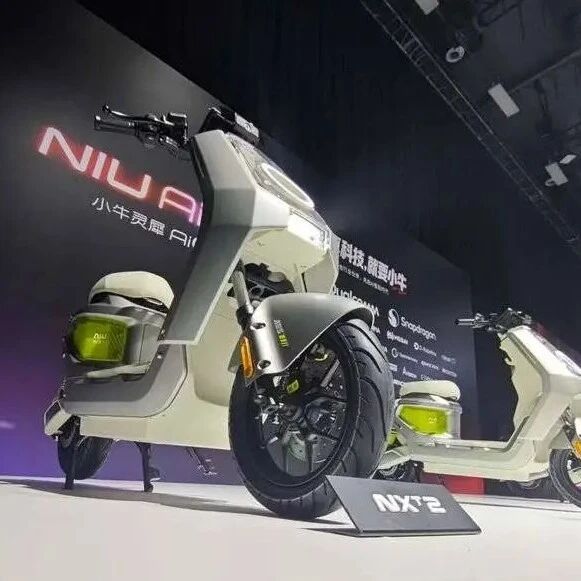
Core Viewpoint - The article discusses the new strategic direction of Niu Technologies, focusing on the integration of AI technology into their electric two-wheelers, emphasizing the importance of user experience and emotional connection over mere technical specifications [5][32]. Group 1: New Product Launch and Technology Integration - Niu Technologies unveiled its new decade strategy with the launch of two flagship models, NXT2 and NX2, incorporating advanced automotive technologies such as Qualcomm Snapdragon digital chassis and Hesai LiDAR [2][5]. - The core narrative has shifted from battery life and power to how AI can redefine the relationship between riders and their vehicles, with the introduction of the "Niu Lingxi AIOS" powered by the Qwen3.5 model [5][9]. - The company aims to leverage older automotive technologies in the two-wheeler market, which are still scarce but in demand, to control costs and enhance user experience [7][8]. Group 2: Safety and Cost Management - The integration of LiDAR is not just a cost issue but a safety necessity, especially after new regulations removed rearview mirrors, making LiDAR essential for safe riding [8]. - Niu Technologies emphasizes a balance between safety features and cost, with innovative designs that reduce weight to allocate resources for smart functionalities [9][10]. - The company aims to exceed safety standards rather than merely meet them, ensuring a unified safety framework across different product lines [9][10]. Group 3: Competitive Landscape and Data Utilization - Niu's competitive advantage lies in its accumulated riding data, which is now being utilized for AI model training, but this advantage is at risk as competitors rapidly catch up [13][14]. - The company is responding to competitive pressures by increasing market share through targeted strategies, such as introducing new models aimed at specific demographics [13][14]. - The rapid evolution of AI technology means that Niu's lead could diminish quickly, necessitating continuous innovation and adaptation [14][17]. Group 4: Emotional Connection and Brand Loyalty - The article highlights the importance of emotional connections between users and their vehicles, suggesting that user experiences and stories are crucial for brand loyalty [26][28]. - Niu Technologies aims to transform its user base from technology enthusiasts to advocates of a human-centered narrative, enhancing its brand's emotional resonance [28][32]. - The company believes that the true strength of its brand lies in the real-life experiences of its users, which cannot be quantified but significantly contribute to its market position [26][28].

物价,该涨了?
虎嗅APP· 2026-03-19 14:19
Core Viewpoint - The article emphasizes the importance of maintaining a reasonable price increase to support economic growth, employment, and consumer spending, countering the misconception that lower prices are always better for the economy [4][5]. Group 1: Economic Context and Price Dynamics - The government aims for a price increase target of 2% to stimulate consumer spending and improve employment and income levels [4]. - A commentary in "Qiushi" magazine highlights the relationship between reasonable price levels and better employment and wage conditions, advocating for a proactive approach to price recovery [4]. - The article discusses the misconception that lower prices are beneficial, warning that persistent low prices can lead to a vicious cycle of low consumption and low profits for businesses, ultimately harming employment and income [4][5]. Group 2: Infrastructure and Manufacturing Dominance - Since 2020, it has been recognized that China operates as a low-price society, with the cost of modern living being the lowest globally [7]. - China's infrastructure projects, such as high-speed rail and highways, significantly support its high consumption rates, with global shares in various sectors like high-speed rail at 70% and electric vehicle sales at 65% [8][9]. - The article lists impressive statistics on China's infrastructure, including 5.04 million kilometers of high-speed rail and 18.4 million kilometers of highways, which bolster its manufacturing and consumption capabilities [8][9]. Group 3: Manufacturing and Global Trade - China's manufacturing sector holds a dominant position globally, producing 70% of the world's mobile phones and 80% of solar batteries, among other products [12][14]. - The country is the largest importer of various commodities, including iron ore and soybeans, indicating its critical role in global supply chains [15]. - The article argues that China's manufacturing output and import capabilities position it as a global production leader, countering narratives of insufficient domestic demand [16]. Group 4: Economic Challenges and Future Directions - The article warns of potential overcapacity in manufacturing sectors, suggesting that the scale of production may exceed global demand, leading to challenges in maintaining cost reductions [30]. - It highlights the need for a shift from price competition to value competition, advocating for improved labor conditions and reduced working hours to enhance overall economic health [32][34]. - The government is taking steps to address "involution" in competition, aiming to optimize market conditions and promote a more sustainable economic environment [26][34].

阿里二次创业:云和AI目标年收千亿美元
虎嗅APP· 2026-03-19 14:19
Core Insights - Alibaba's Q3 earnings call revealed significant business progress, including growth trends in MaaS, delivery volumes of self-developed GPU chips, and clear future targets for Alibaba Cloud and Taobao Flash Sale [2][5][19] - The company aims for its cloud and AI commercialization annual revenue to exceed $100 billion within five years, indicating a compound annual growth rate of over 40% [3][4][7] Group 1: Financial Performance and Targets - As of February 2026, Alibaba Cloud's external commercial revenue surpassed 100 billion RMB, marking a significant milestone [5][7] - The company set a target for Taobao Flash Sale to achieve overall profitability by the fiscal year 2029 while maintaining a GMV target of over 1 trillion RMB for fiscal year 2028 [3][15] Group 2: Technology and Product Development - Alibaba's self-developed GPU chips have been delivered at scale, with 470,000 units shipped, enhancing the company's competitive edge in cloud services [10][11] - The rapid increase in token consumption on the MaaS platform, which surged sixfold in the past three months, positions MaaS as a key revenue driver for Alibaba Cloud [7][8] Group 3: Strategic Vision and Market Position - Alibaba is establishing a new growth flywheel by leveraging a Token Hub to meet the exponential demand for AI in the AGI era, indicating a long-term strategic shift [7][9] - The company is recognized as one of the few global tech firms with top-tier capabilities across large models, cloud, and chips, enhancing its position as a preferred player in the AI industry [9] Group 4: Organizational Changes and Future Outlook - Alibaba has undergone a significant organizational transformation to better align with the AI Agent era, establishing the ATH business group to drive token production and application [19][21] - The company is committed to maintaining its market leadership while aiming for a transaction scale exceeding 1 trillion RMB in the next two years [17]


该担心龙虾控制我的人生吗?
虎嗅APP· 2026-03-19 14:19
Core Viewpoint - The article discusses the transformative potential of AI Agents, particularly focusing on OpenClaw, and raises concerns about privacy, ethics, and the balance between innovation and safety in the AI landscape [2][3]. Group 1: AI Development and Market Impact - AI is currently at the "peak of inflated expectations," with OpenClaw representing a significant development in AI capabilities, transitioning from passive suggestions to active execution [5][6]. - The evolution of AI Agents is compared to the internet bubble, suggesting that while there may be a temporary hype, substantial technological advancements will emerge from this phase [6][8]. - AI Agents are expected to become the primary interface for user demands, shifting the business model from "users seeking services" to "services being invoked by AI Agents" [9][10]. Group 2: Privacy and Ethical Considerations - The use of AI Agents raises critical questions about privacy and ethical implications, particularly regarding the extent of personal data individuals may need to share for AI to function effectively [12][14]. - Acceptance of privacy trade-offs by users is influenced by perceived benefits and the credibility of the companies controlling AI technologies [14]. - The governance of AI must balance technological advancement with privacy protection, requiring nuanced rules and accountability mechanisms [17][18]. Group 3: ESG Integration and Corporate Responsibility - AI governance aligns with ESG (Environmental, Social, Governance) principles, emphasizing the need for companies to consider the social impacts and ethical responsibilities of AI deployment [19][20]. - Companies must extend their responsibility from merely the outcomes of AI systems to the processes and actions taken by AI Agents, including risk management and ethical considerations [21][22]. - AI can serve as both a source of ESG risks and a tool for value creation, necessitating careful evaluation of its environmental and social impacts [22][26]. Group 4: Future Governance Framework - A layered and integrated approach to AI governance is recommended, addressing the complexities of AI's impact across different dimensions of ESG [25][26]. - Companies should establish clear governance structures for AI, ensuring accountability and oversight at all levels of operation [25][26]. - The focus should be on managing the actions of semi-autonomous digital systems that represent the company, rather than solely on direct corporate actions [26][27].

对话原旷视联创唐文斌:现在很多具身订单都是“伪商业化”
虎嗅APP· 2026-03-19 12:25
Core Viewpoint - The article discusses the emergence of a new robotics company, Dexmal, founded by former executives of Megvii, aiming to explore the potential of embodied intelligence in robotics, which is seen as a continuation of their previous ambitions in AI technology [4][5][14]. Group 1: Company Background and Vision - Dexmal was established in March 2025, with the goal of revisiting and advancing the robotics ambitions that were not fully realized during the previous "AI four little dragons" era [5][18]. - The founder, Tang Wenbin, emphasizes the importance of creating functional value in robots, moving beyond mere emotional or display capabilities [8][9]. - The company adopts a unique approach by focusing on developing models first, which will then inform the hardware design, contrasting with other companies that prioritize hardware development [9][10]. Group 2: Industry Insights and Trends - The robotics industry is still in its early stages, lacking a consensus on technology routes, product forms, and commercial scenarios, and has not yet experienced a "ChatGPT moment" [11][12]. - Tang believes that the industry will eventually consolidate, but it is likely to retain a larger number of players compared to the large model sector due to the complexity of robotics, which involves various engineering disciplines [36][37]. - The article identifies three main application scenarios for robots: entertainment and research, industrial and logistics, and service-oriented interactions with consumers [41][42]. Group 3: Challenges and Opportunities - A significant challenge in transitioning from emotional value robots to functional value robots lies in the complexity of the robots' "intelligence" or cognitive capabilities [54]. - The current market is characterized by a prevalence of "pseudo-commercialization," where many robots are sold for demonstration purposes rather than for practical, ongoing use [48][51]. - The article highlights that many existing robots are not yet capable of sustained operation in real-world environments, indicating a gap between demonstration and practical application [53].

在中国,如何靠写作年入百万?
虎嗅APP· 2026-03-19 10:18
Core Viewpoint - The article serves as a comprehensive guide for aspiring commercial writers, emphasizing practical strategies for selecting writing niches, developing writing skills, and executing a content plan effectively [11]. Group 1: Choosing a Writing Niche - For individuals lacking unique talents or experiences, the article suggests embracing their ordinary aspects and documenting a journey of self-discovery through various hobbies, potentially resonating with a broader audience [14][16]. - Those with hobbies should focus on documenting their most expensive interests, as this can attract a consumer base interested in those topics [20][22]. - Individuals with unique life experiences are encouraged to explore contradictory fields related to their backgrounds, as this can generate engaging content and maintain audience interest [26][28]. Group 2: Training Commercial Writing Skills - To avoid an "AI-like" writing style, it is crucial to define the target audience clearly, ensuring that the writing remains engaging and coherent [32][36]. - The primary principle of commercial writing is monetization, with an emphasis on avoiding excessive humility, wisdom, and caution that could hinder audience engagement [37][38]. - Writers are advised to cultivate a habit of recording ideas and writing consistently, even if the initial output is unsatisfactory, to develop a flow state conducive to creativity [41][43]. Group 3: Execution Plan (Pre-Mid-Post) - The article outlines common pitfalls in starting a writing career, such as overemphasizing personal knowledge or introducing oneself excessively, which can deter potential readers [47][50]. - It emphasizes the importance of establishing a clear persona that is memorable and engaging, often through the use of contradictions to create intrigue [71][76]. - Once a substantial following is established, writers should transition from a marketing-focused approach to a more authentic content style, reflecting their developed persona [78][80]. Group 4: Monetization Strategies - The article highlights that not all followers hold the same value; niche audiences with purchasing power are more lucrative for advertisers [107][109]. - Establishing a strong brand tone is essential for attracting higher-paying advertisements, with a focus on maintaining a cohesive aesthetic and content quality [113][115]. - Engaging with industry trends and participating in relevant events can enhance visibility and attract brand partnerships, ultimately leading to monetization opportunities [124][126].

医药供应链变天,中国的机会来了?
虎嗅APP· 2026-03-19 10:18
Core Viewpoint - The global pharmaceutical supply chain is facing significant challenges due to rare earth controls and logistics disruptions from geopolitical conflicts, highlighting the need for a shift from efficiency-focused strategies to safety and controllability in supply chains [2][6][26]. Group 1: Supply Chain Dynamics - The traditional model of minimizing costs and inventory in the pharmaceutical industry is becoming increasingly vulnerable due to disruptions in raw material supply and international logistics [2][6]. - High-end medical equipment and advanced nuclear medicines rely heavily on critical materials and efficient transportation, making timely production and delivery crucial [2][6]. - The current geopolitical climate has exposed the fragility of supply chains that prioritize cost over stability, prompting a reevaluation of strategies in the pharmaceutical sector [6][26]. Group 2: Role of China in Supply Chain Reconstruction - China’s pharmaceutical industry is characterized by a comprehensive supply chain that includes everything from raw materials to finished products, positioning it as a key player in the global market [8][11]. - The ability to provide stable manufacturing and supply capabilities, along with increasing innovation in drug development, enhances China's role in the pharmaceutical supply chain [11][12]. - China's advantages in raw material production and its capacity to adapt to external disruptions make it a critical component in maintaining supply chain stability [21][23]. Group 3: Policy and Industry Focus - Recent policy shifts in China are aimed at elevating the pharmaceutical sector to a "pillar industry," emphasizing the need for innovation and international competitiveness [12][14]. - The focus on innovative drugs and raw materials reflects a strategic direction to enhance both the upper and lower ends of the pharmaceutical supply chain [14][19]. - The integration of artificial intelligence in drug development is expected to shorten research cycles and reduce costs, further driving innovation in the pharmaceutical industry [18]. Group 4: Future Outlook - The pharmaceutical industry is transitioning from a focus on cost and speed to one that values stability, comprehensiveness, and continuous innovation [26]. - China's complete industrial chain provides a significant advantage in ensuring supply stability, while its growing innovation capabilities allow it to participate in higher-value segments of the market [27].