贝塔投资智库

Search documents
异动盘点0826|双登股份首挂高开33%,中国智能交通涨超42%,蔚来美股跌3.94%
贝塔投资智库· 2025-08-26 04:02
Group 1: Hong Kong Stocks - China Gold International (02099) rose nearly 7%, reaching a new high as core product output exceeded half of the annual guidance, with significant expansion potential at the Jiama mine [1] - Pop Mart (09992) increased by nearly 2%, with new products selling out instantly and continued high growth in H1 performance [1] - Meitu (01357) surged over 7% after officially entering the MSCI China Index, with Morgan Stanley optimistic about the company's long-term growth potential [1] - China Tobacco Hong Kong (06055) climbed nearly 6.5%, setting a new high since its listing, with stable growth in H1 performance and promising expansion opportunities as an overseas platform for China Tobacco International [1] - China National Chemical Corporation (03983) fell over 1% as mid-term shareholder profit decreased by 6.74% year-on-year, with a significant drop in urea sales prices [1] - China Intelligent Transportation (01900) surged over 42% after a profit warning, expecting mid-term shareholder profit of approximately 361 million yuan [1] - Keep (03650) dropped nearly 5% post-earnings despite successfully turning a profit in H1, focusing its strategy on AI [1] - Western Cement (02233) rose nearly 6.5% post-earnings, with mid-term shareholder profit increasing by 93.4% due to high growth in overseas sales [1] - ChinaSoft International (00354) increased over 4% post-earnings, with H1 net profit rising over 10% and HarmonyOS 5 terminal devices exceeding 12 million units [1] Group 2: US Stocks - NIO (NIO.US) fell 3.94% after Citigroup set a target price of $8.1, listing five reasons to buy [3] - Shanghai's optimization of real estate policies led to significant gains for housing service platforms, with Fangduo (DUO.US) rising 28.28% and Beike (BEKE) up 1.57% [3] - Hesai (HSAI.US) rose 0.52%, with expectations of 300,000 to 400,000 units shipped in the entire robot lidar market this year, and over 200,000 units for the robot market [3] - Pinduoduo (PDD.US) increased by 0.87% ahead of its earnings report, with optimistic market expectations reflected in declining Put/Call ratios [3] - Intel (INTC.US) fell 1.01% as the federal government acquired a 10% stake in the struggling chip giant, becoming its largest shareholder [4] - American Airlines (AAL.US) dropped 4.06% after an emergency landing due to a passenger's electronic device catching fire [4] - Netflix (NFLX.US) rose 1.11%, achieving its first box office champion in North America [4] - Spirit Airlines (FLYY.US) plummeted 14.02% as financial restructuring failed to lead to sustainable development [4] - Keurig Dr Pepper (KDP.US) fell 11.48% after announcing a €15.7 billion (approximately $18.4 billion) cash acquisition of Dutch coffee giant JDE Peet's NV [4] - Roblox (RBLX.US) increased by 6.02%, with Wedbush maintaining an "outperform" rating and a target price of $165, citing strong user ecosystem and business model growth potential [4] - Opendoor (OPEN.US) dropped 9.38% despite a significant prior increase, with July existing home sales rising 2% month-on-month to an annualized 4.01 million units [5]







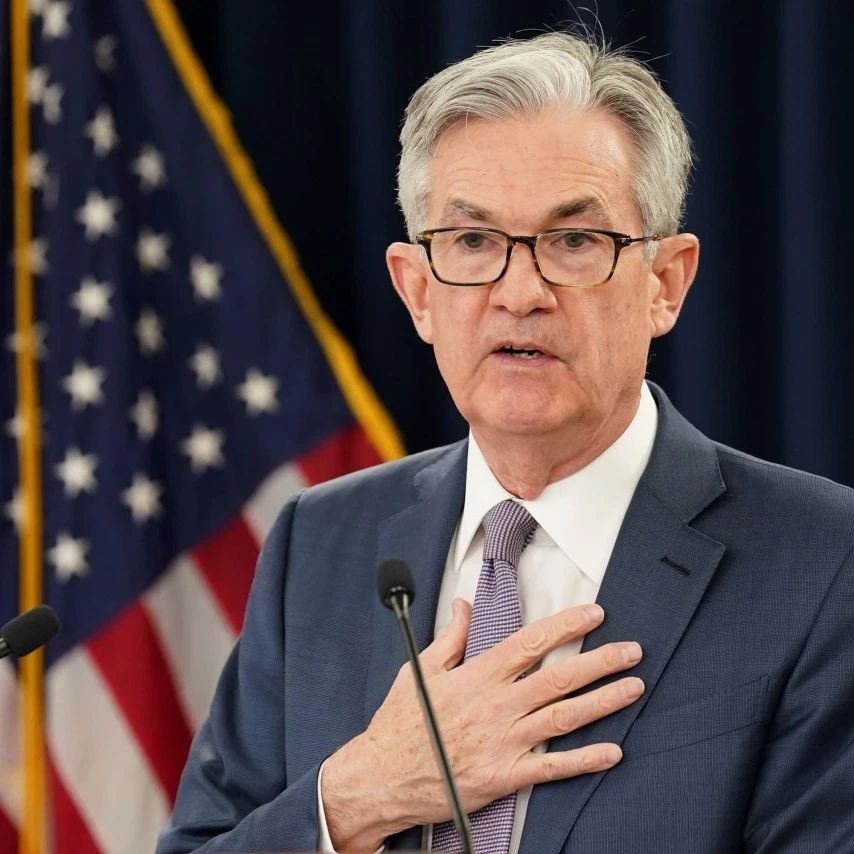
鲍威尔鸽声助力,美小盘股强势反弹!美银、瑞银加入看多阵营
贝塔投资智库· 2025-08-26 04:02
瑞银方面也呼应了这一观点,包括肖恩·西蒙兹在内的策略师指出,"随着降息缓解资产负债表压力, 小盘股和低质量股票可能继续跑赢大盘"。截至上周五的三周内, 罗素2000指数累计上涨9%,同期纳 斯达克100指数(大盘科技股为主)仅上涨3.2% 。 瑞银策略师提到,自5月初触底以来, 罗素2000成分股公司的盈利修正幅度大幅上升 ,与指数反弹趋 势一致。此前数月,小盘股板块一直落后于整体股市,且自2021年11月以来从未创下历史新高。 上周五,鲍威尔的鸽派言论让交易员确信 降息"几乎已成定局",罗素2000指数单日大涨3.9%,创下4 月初以来最佳单日表现 。投资者随即做出反应,向iShares罗素2000 ETF(小盘股主要ETF)注入的资金 规模达到去年11月以来最高。在周一小幅下跌1%之前,这一小盘股基准指数相对纳斯达克100指数的 表现,创下2024年7月以来的最佳单周水平。 加拿大皇家银行资本市场(RBC Capital Markets)美国股票策略主管洛里·卡尔瓦西纳在报告中指出,"杰 克逊霍尔会议后,小盘股终于突破盘整",其观点聚焦鲍威尔在会议上的演讲。她表示,受投资者仓 位调整以及部分资金从大型科技 ...
“AI信仰”迎大考!美股新高之路的“重磅关卡”:英伟达本周能否交出完美财报?
贝塔投资智库· 2025-08-25 04:05
Core Viewpoint - Nvidia's upcoming earnings report is seen as a critical event for the U.S. stock market, particularly in assessing the sustainability of the AI-driven market rally [2][6]. Group 1: Market Sentiment and Nvidia's Role - Following Federal Reserve Chairman Powell's comments on potential interest rate cuts, market sentiment improved, but Nvidia's earnings report will be a significant test for the market [2]. - Nvidia holds a crucial position in the S&P 500, accounting for nearly 8% of the index, and its performance is viewed as a bellwether for the broader market [3][10]. - Analysts expect Nvidia's adjusted earnings per share for Q2 to be $1.01, a 48% increase year-over-year, with revenue projected to exceed $46 billion, reflecting a 54% year-over-year growth [10]. Group 2: Risks and Concerns - There are concerns that if AI investments do not yield results, it could lead to increased market volatility [3][11]. - The high valuation of Nvidia and the broader market raises questions about sustainability, with the S&P 500's P/E ratio at approximately 22, above its 10-year average of 19 [10][11]. - Nvidia faces challenges in the Chinese market, with recent U.S. government conditions potentially limiting its sales, which could impact future earnings [11][12]. Group 3: Analyst Perspectives - Analysts remain optimistic about Nvidia, with at least 9 out of 79 analysts raising their price targets based on positive expectations for the upcoming earnings report [11]. - The overall market sentiment is cautious, with potential for significant declines if negative news arises, particularly for high-priced stocks like Nvidia [13].

异动盘点0825|黄金股全线走高,金力永磁涨超14%;ZOOM二季业绩超预期,蔚来美股续涨14%,名创优品美股涨超20%
贝塔投资智库· 2025-08-25 04:05
Market Updates - Dongfeng Motor Group (00489) opened over 56% higher after announcing its subsidiary, Lantu Motors, will go public in Hong Kong through a listing by introduction, while Dongfeng will simultaneously complete its privatization and delisting [1] - Xirui (02507) fell over 15% after being removed from the Hang Seng Composite Index, raising concerns about its potential removal from the Hong Kong Stock Connect list [1] - Luoyang Molybdenum (03993) rose over 9% after reporting a 60.07% year-on-year increase in net profit for the first half of the year, with all product output meeting targets [1] - Gold stocks surged, with Zijin Mining (02899) up over 6%, China Gold International (02099) up over 5%, Lingbao Gold (03330) up over 2%, and Shandong Gold (01787) up over 4%, driven by dovish comments from Powell at the Jackson Hole conference, raising expectations for interest rate cuts and potentially higher gold prices [1] - China Tobacco Hong Kong (06055) fell over 4% after reporting a nearly 9.8% year-on-year increase in net profit, impacted by rising leaf costs [1] Company Performance - Huaxing Capital Holdings (01911) rose over 6% after signing a strategic cooperation memorandum with YZiLabs to promote the listing of BNB on compliant exchanges [2] - Jinli Permanent Magnet (06680) increased over 14% following the introduction of new rare earth management measures, with expectations for rising rare earth prices [2] - CRRC Corporation (01766) rose over 5% after reporting a 72.48% year-on-year increase in net profit for the first half of 2025, with new orders totaling approximately 146 billion [2] - China Foods (00506) surged over 17% after being included in the Hang Seng Composite Index, with potential inclusion in the Hong Kong Stock Connect [2] - Times Electric (03898) rose over 6% after reporting a 12.93% year-on-year increase in net profit for the first half of 2025, focusing on rail transit traction and conversion systems [2] US Market Highlights - Zoom Video Communications (ZM.US) rose 12.71% after reporting second-quarter earnings that exceeded expectations and raising its annual guidance [3] - Nvidia (NVDA.US) increased 1.72% amid reports of halting production of components for H20 chips tailored for the Chinese market [3] - Intuit (INTU.US) fell 5.03% after reporting fourth-quarter earnings that missed revenue growth expectations [3] - Ross Stores (ROST.US) rose 1.12% after reporting second-quarter earnings that exceeded expectations, with same-store sales up 2% year-on-year [3] - NIO (NIO.US) continued to rise 14.44% as it officially launched pre-sales for its new ES8 model, set to deliver in September 2025 [3] Additional Company Updates - Miniso (MNSO.US) surged 20.12% after reporting a 23.1% year-on-year increase in total revenue for Q2, with strong same-store sales growth in both China and the US [4] - XPeng Motors (XPEV.US) rose 4.40% after its CEO increased his stake by purchasing 3.1 million Class A shares [4] - Futu Holdings (FUTU.US) increased 5.65% after reporting a 69.7% year-on-year revenue growth for Q2, receiving target price upgrades from multiple major banks [5] - Alibaba (BABA.US) rose 4.11% after reorganizing its business segments on its official website, although this does not indicate any structural changes [5]





鲍威尔“鸽声”点燃看涨情绪 分析师高喊亚洲股汇双涨在即
贝塔投资智库· 2025-08-25 04:05
Core Viewpoint - Powell's dovish remarks are expected to support Asian stock and currency markets, with potential for a strong start in the upcoming week [1][2] Group 1: Market Reactions - Asian stock markets are likely to be buoyed by increased expectations of interest rate cuts from the Federal Reserve, particularly ahead of the September FOMC meeting [1] - The US stock market saw significant gains, with the Dow Jones Industrial Average reaching a new high for the year, influenced by Powell's comments [1] - Emerging market currencies ended a six-day decline due to a substantial depreciation of the US dollar following Powell's statements [1] Group 2: Analyst Insights - Gerald Gan from Reed Capital suggests that if the trend of increasing rate cut expectations continues, Asian markets will be positively impacted, with controlled yen appreciation not severely affecting Japanese risk assets [1] - Priyanka Kishore from Asia Decoded notes that while a weaker dollar may temporarily boost Asian currencies, sustained gains depend on the Fed committing to more extensive easing policies [1] - Hebe Chen from Vantage Markets indicates that Powell's signals could help mend underlying market vulnerabilities, particularly in tech-heavy markets like Japan and Taiwan, where sentiment is fragile [1] - Jamie Halse from Senjin Capital believes that lower US rates may lead to capital flowing out of the US in search of higher returns, benefiting other regions [1] Group 3: Currency and Interest Rate Dynamics - Anna Wu from VanEck Associates highlights that Powell's moderate stance has alleviated barriers to a September rate cut, positively affecting stock and short-term bond markets [2] - Tim Waterer from KCM Trade emphasizes that the prospect of declining US rates may encourage investors to seek returns elsewhere, which is favorable for Asian economies [2] - Marito Ueda from SBI Liquidity Market points out that while Powell's comments suggest a possible rate cut, they are contingent on data, and the dollar-yen exchange rate may not break its volatility range [2] - Kazuya Fujiwara from Mitsubishi UFJ Morgan Stanley Securities notes that Japanese government bond prices may stabilize due to US rate declines, but upside potential is limited due to expectations of BOJ rate hikes [2] - Yusuke Matsuo from Mizuho Securities states that the BOJ is considering rate hikes while the Fed is contemplating cuts, leading to a divergence in policy directions [2]

东南亚电商巨头Sea财报公布!美股大涨近20%
贝塔投资智库· 2025-08-22 04:00
Core Viewpoint - Sea, the Southeast Asian e-commerce giant, reported a record high revenue of $5.3 billion for Q2 2025, marking a significant year-on-year growth of 38.2%, surpassing market expectations of $5.12 billion. This is the strongest revenue growth for Sea in the past 12 quarters, driven by the synergy of its three main business segments: e-commerce, digital finance, and digital entertainment [1][3]. Financial Performance - Gross profit increased by 52.1% to $2.4 billion, with a gross margin improvement to 45.3% from 39.8% in the same period last year [3]. - Net profit soared to $414 million, a 418% increase from $79.9 million year-on-year, achieving the best quarterly profit in history. Diluted earnings per share rose to $0.65, a 364% increase, but fell short of analyst expectations of $0.99 [3]. - Adjusted EBITDA reached $760 million, up 71% year-on-year, with an adjusted EBITDA margin of 15.3%, a historical high [3]. Main Business Segments - E-commerce segment Shopee generated $3.8 billion in revenue, a 33.7% year-on-year increase, with adjusted EBITDA of $227.7 million, marking a historic turnaround from a loss of $9.2 million in the same period last year [4]. - Digital finance service Monee became the fastest-growing segment, with total revenue of $882.8 million, a 70% increase year-on-year. Adjusted EBITDA reached $255.3 million, up 55% [7]. - Digital entertainment segment Garena reported revenue of $559.1 million, a 28.4% increase year-on-year, with adjusted EBITDA of $368.2 million, up 21.6% [9]. Strategic Direction - Sea's management announced a strategic shift to prioritize growth while maintaining profitability, indicating the company has successfully transitioned from a restructuring phase to a new stage of growth and profitability [10]. - The company plans to establish 10 automated sorting centers in Southeast Asia by the end of 2025, aiming to increase the proportion of two-day delivery orders from 45% to 60% and reduce logistics costs by 10% [11]. Market Outlook - Following the earnings report, several analysts raised their target prices for Sea, with Macquarie initiating coverage with a "Buy" rating and a target price of $219.9, while Citigroup raised its target price to $206 [12]. - Despite short-term challenges such as competition from TikTok Shop and currency fluctuations, the long-term growth potential remains strong, with e-commerce penetration in Southeast Asia at only 6.5% compared to 27% in China [13].

Meta(META.US)与谷歌(GOOGL.US)达成首次重磅云合作 百亿美元加码AI竞赛
贝塔投资智库· 2025-08-22 04:00
Core Viewpoint - Meta Platforms has entered into a cloud computing service agreement with Google worth at least $10 billion, marking a significant investment in artificial intelligence (AI) capabilities [1][2]. Group 1: Agreement Details - The agreement involves Meta paying at least $10 billion over six years to utilize Google Cloud's server and storage services to enhance its AI capabilities [1]. - This is the first major cloud computing collaboration between Meta and Google, with Google Cloud being the third-largest player in the global cloud market, following Amazon AWS and Microsoft Azure [1]. Group 2: Strategic Implications - Meta's CEO Mark Zuckerberg has committed to investing hundreds of billions in AI and related infrastructure, despite already owning over 20 data centers and expanding further [2]. - The collaboration with Google Cloud is part of a broader strategy to provide high computational resources to AI researchers quickly [2]. - Google Cloud has previously collaborated with Meta but has not been a formal cloud infrastructure provider until now [2]. Group 3: Market Analysis - Analysts from Bloomberg Intelligence noted that this long-term agreement highlights Google Cloud's competitive token pricing compared to other large-scale cloud service providers [2]. - The rapid advancements in AI models for applications such as search, programming agents, real-time summarization, and language translation may lead Meta to focus on enhancing the reasoning capabilities of its Llama model [2].



异动盘点0822|名创优品涨超20%,快手-W涨超4%,小鹏涨超10%;科蒂大跌超21%,蔚来美股涨超9%



贝塔投资智库· 2025-08-22 04:00
Group 1: Hong Kong Stocks Performance - Miniso (09896) surged over 20% after reporting a 10% year-on-year increase in adjusted net profit for Q2, with TOP TOY revenue skyrocketing by 87.0% [1] - Li Ning (02331) rose over 6% as it announced a 3.3% year-on-year increase in revenue and declared an interim dividend of HKD 0.3359 per share [1] - Innovent Biologics (02096) increased by over 6% following a 26% year-on-year growth in innovative drug revenue, expanding its commercialized innovative drug portfolio to ten products [1] - Tuhu-W (09690) gained over 10% after reporting a 14.6% year-on-year increase in adjusted net profit while continuing to optimize supply-side costs [1] - Kuaishou-W (01024) rose over 4% with impressive Q2 results and accelerated commercialization [1] - UBTECH (09880) increased over 3% as it led the establishment of two national technical standards for humanoid robots [1] - InnoCare Pharma (02577) saw a rise of over 5% after announcing a partnership with NVIDIA [1] Group 2: Other Notable Performances - China Communications Services (00552) fell over 2% despite a slight 0.18% year-on-year increase in net profit attributable to shareholders, with stable development among its three major clients [2] - Parkson Group (03368) surged nearly 25% after reporting a turnaround to profitability in the first half of the year and proposing an interim dividend of HKD 0.02 per share [2] - Esprit Holdings (00330) jumped over 37% after issuing a profit warning, expecting a net profit of approximately HKD 1 million for the six months ending June 30, 2025 [2] - XPeng Motors (09868) rose over 10% as CEO He Xiaopeng increased his stake by purchasing 3.1 million Class A ordinary shares at an average price of HKD 80.49 per share [2] Group 3: US Market Highlights - Coty (COTY.US) plummeted 21.60% due to weak performance in the US market, retailer destocking, and consumers seeking value, impacting Q4 results [3] - NIO (NIO.US) increased by 9.27% ahead of the launch of its new ES8 product and the start of pre-sales [3] - Huazhu Group (HTHT.US) continued to rise by 2.19% with a 41.3% year-on-year increase in revenue and net profit, benefiting from management franchise and licensing business [3] - Boss Zhipin (BZ.US) rose 6.61% after reporting an over 85% year-on-year increase in net profit for the mid-year and extending its share buyback plan [3] - Youlan Group (YOUL.US) surged 17.13% after announcing plans to acquire four companies to expand its online recruitment and regional market share [3] - Hesai Technology (HSAI.US) increased by 11.00% amid market speculation about a potential IPO in Hong Kong to raise approximately USD 300 million [3] Group 4: Additional US Stock Movements - Miniso (MNSO.US) rose 6.38% after reporting a revenue of CNY 9.39 billion for the first half of the year, a year-on-year increase of 21.1%, with adjusted net profit of CNY 1.28 billion [4] - Walmart (WMT.US) fell 4.49% as Q2 adjusted earnings per share fell short of expectations due to increased insurance claims, legal fees, and restructuring costs [4] - Gilead Sciences (GILD.US) dropped 2.18% after CVS Health decided not to include Gilead's new HIV prevention drug Yeztugo in its business plans [4] - XPeng Motors (XPEV.US) rose 11.68% following the CEO's purchase of 3.1 million Class A ordinary shares [5] - Aegon (AEG.US) increased by 7.64% after reporting a turnaround to profitability in the first half of 2025, primarily driven by growth in its US business [5]

美银报告:苹果产业链开启多年升级周期,这些供应商将受益!
贝塔投资智库· 2025-08-22 04:00
Core Viewpoint - The Apple supply chain is entering a significant upgrade cycle in 2025-2026, with attention on new model inventory, specification upgrades, and stock performance [1]. Group 1: New Model Inventory - The inventory for the iPhone 17 series in the second half of 2025 is slightly above 90 million units, remaining stable compared to last year's 90-95 million units [2]. - Market concerns about a year-on-year inventory decline of 5%-10% have eased due to reduced tariff pressures on Apple products [3]. - Key suppliers like Largan and Zhen Ding reported stable sales in July, confirming the trend of steady inventory [4]. Group 2: Specification Upgrades - The iPhone 17 series will introduce a "slim" version to replace the Plus model, featuring a titanium shell, a single rear camera, and increased use of flexible printed circuit boards (FPC) [10]. - The Pro series will see upgrades including a periscope lens and front camera enhancements to 48 million and 24 million pixels, respectively, along with a 50%+ increase in cover glass average selling price [10]. - Benefiting suppliers include Cowell (camera modules), Lens Tech (cover glass), Zhen Ding (PCB/FPC), Largan (lenses), and AAC (acoustics/thermal) [11]. Group 3: Stock Performance - Historically, supply chain stock prices tend to rise before new product launches and may retreat post-launch due to profit-taking; however, during upgrade cycles, stock prices recover more quickly [16]. - Since May, key suppliers' stock prices have averaged a 13% increase [16]. - The performance post-launch will be influenced by Apple's pricing strategy and consumer feedback, which will affect fourth-quarter demand and stock performance [17]. Group 4: Stock Recommendations - Lens Technology - H: Initiated coverage with a "Buy" rating and a target price of 26 HKD [19]. - Lens Technology - A: Initiated coverage with a "Buy" rating and a target price of 29 CNY [19]. - AAC Technologies: Upgraded to "Buy" with a target price of 57 HKD [19]. - BYD Electronics: Downgraded to "Neutral" with a target price of 42 HKD [19]. - Cowell: Rated "Buy" with a target price of 35 HKD [19]. - Zhen Ding Technology: Rated "Buy" with a target price of 185 TWD [19].


9月降息升温,金价大爆发!杰克逊霍尔前夕黄金重拾涨势
贝塔投资智库· 2025-08-21 04:01
Core Viewpoint - Gold prices are experiencing upward momentum due to rising market risk aversion, expectations of a Federal Reserve rate cut, and a weakening dollar, particularly in the context of declining tech stock prices in the U.S. market [1][2][5]. Group 1: Market Dynamics - Gold futures and spot prices have rebounded as U.S. tech giants face stock price declines, with spot gold prices nearing $3,350 [1]. - The S&P 500 and Nasdaq 100 indices have shown weakness, with significant declines in major tech stocks, including Nvidia, which has seen a nearly 4% drop over two days [1]. - Wall Street firms like Goldman Sachs, JPMorgan, and Citigroup view market fear and risk aversion as key catalysts for short-term gold price increases [1]. Group 2: Federal Reserve Insights - President Trump is advocating for a rate cut from the Federal Reserve, calling for the resignation of Fed Governor Lisa Cook, which could allow him to influence future monetary policy [2][4]. - The latest FOMC meeting minutes indicate a hawkish stance, with most policymakers believing that a rate cut is premature despite growing concerns about inflation and labor market weakness [2][4]. - Market participants are eagerly awaiting Fed Chair Jerome Powell's speech for hints regarding potential rate cuts in September [2]. Group 3: Price Predictions and Trends - Goldman Sachs maintains a bullish outlook for gold, predicting prices could reach $4,000 per ounce by mid-2026, driven by strong global central bank demand and ETF inflows [5]. - Citigroup has revised its three-month gold price forecast from $3,300 to $3,500 per ounce, citing deteriorating economic growth and inflation outlooks [7]. - JPMorgan forecasts that deteriorating non-farm employment data could catalyze gold prices to reach $3,675 per ounce by year-end, with a potential rise to $4,000 per ounce early next year [8].