材料汇

Search documents
先进制程末日预言:智驾+百亿机器人月吞165万片晶圆!= 3.25个台积电!
材料汇· 2025-07-15 13:31
Core Viewpoint - The article emphasizes that the demand for advanced process technology driven by autonomous driving (AD) and embodied intelligence will significantly surpass that of AI GPUs, despite the current hype surrounding AI models like ChatGPT and the performance of companies like NVIDIA [1][2]. Group 1: Wafer Capacity Perspective - The die size of autonomous driving chips is comparable to that of AI GPUs, but the terminal quantity for autonomous driving is several times greater, leading to a much higher demand for advanced process wafer capacity [2][8]. - The value contribution of wafer manufacturing to AI GPU is only 2.25%, indicating that the demand for AI GPUs does not significantly drive wafer capacity needs [10][11]. - The global demand for advanced process capacity for autonomous driving is estimated at 136,200 wafers per month, compared to only 39,700 wafers for AI GPUs [5][6]. Group 2: Application Scenario Perspective - Autonomous driving chips can be viewed as the brain of robots, sharing significant similarities in architecture and application scenarios with robotic intelligence [3][4]. - Companies like Tesla and XPeng are utilizing similar AI chips for both autonomous driving and robotics, indicating a convergence in chip technology across these applications [3][4]. Group 3: Structural Changes in Advanced Process Demand - The anticipated production of robots could reach 1 billion units annually, which, combined with autonomous driving, will disrupt the downstream structure of advanced process applications [4][5]. - The combined demand for advanced process capacity from autonomous driving and embodied intelligence is projected to be approximately 1.65 million wafers per month, significantly exceeding the current capacity of major manufacturers like TSMC [5][6]. Group 4: Die Size and Yield Considerations - The die sizes of autonomous driving chips are generally in the range of 400-600 mm², which is close to that of AI GPUs, but the terminal market for autonomous driving is vastly larger, leading to higher wafer consumption [28][31]. - The yield of larger die sizes is lower, which impacts the overall efficiency of wafer production, making the demand for advanced process capacity even more critical as the industry evolves [39][40]. Group 5: Future Outlook - As the demand for autonomous driving and embodied intelligence grows, the advanced process wafer manufacturing sector is expected to experience a significant expansion, driven by the need for higher performance and more complex chips [6][8]. - The slowdown of Moore's Law suggests that the growth in chip performance will increasingly rely on the volume of chips produced rather than on technological advancements alone [6].


石英纤维电子布产业链、需求与投资逻辑(附企业清单)
材料汇· 2025-07-15 13:31
Core Viewpoint - The article discusses the importance of electronic cloth in the production of copper-clad laminates (CCL) and its impact on the performance of printed circuit boards (PCB), highlighting the growing demand for specialized electronic cloth in high-performance applications such as AI hardware and data centers [5][16][21]. Group 1: Electronic Cloth and CCL - Copper-clad laminates (CCL) are essential materials for manufacturing printed circuit boards (PCB), composed of electronic cloth, resin matrix, and copper foil [5]. - The dielectric constant (Dk) and dielectric loss (Df) of electronic cloth significantly influence the signal integrity in PCBs, affecting the electromagnetic field distribution and energy loss during signal transmission [8][9]. - The dielectric properties of electronic cloth, such as Dk and Df, are critical for high-speed signal transmission, with lower values indicating better performance [9][10]. Group 2: Market Trends and Demand - The demand for specialized electronic cloth, including low dielectric (Low-DK) and low expansion (Low-CTE) glass fiber cloth, is increasing due to the rising requirements for AI hardware and high-speed data communication [20][21]. - The global PCB industry is entering a new growth cycle, with an expected compound annual growth rate (CAGR) of 5.2% from 2024 to 2029, driven by high-end applications in AI, servers, and automotive electronics [41][42]. - The market for high-end CCL is projected to outperform the overall market, with manufacturers maintaining a cautious expansion strategy amid strong demand [43][50]. Group 3: Competitive Landscape - The market for Low-DK second-generation glass fiber cloth is characterized by limited suppliers, with major players including Nitto Denko, AGY, and Huagong Technology actively expanding production capacity [54]. - The top ten manufacturers in the CCL market account for approximately 75% of global sales, with the leading four companies holding nearly 48% market share [51]. - Companies like Feilihua and Zhongcai Technology are focusing on developing quartz fiber electronic cloth, which offers superior dielectric performance compared to traditional glass fibers [60][79].



芯上微装500nm-i线光刻机突进头部Fab厂:光刻机及国产分析报告
材料汇· 2025-07-14 15:48
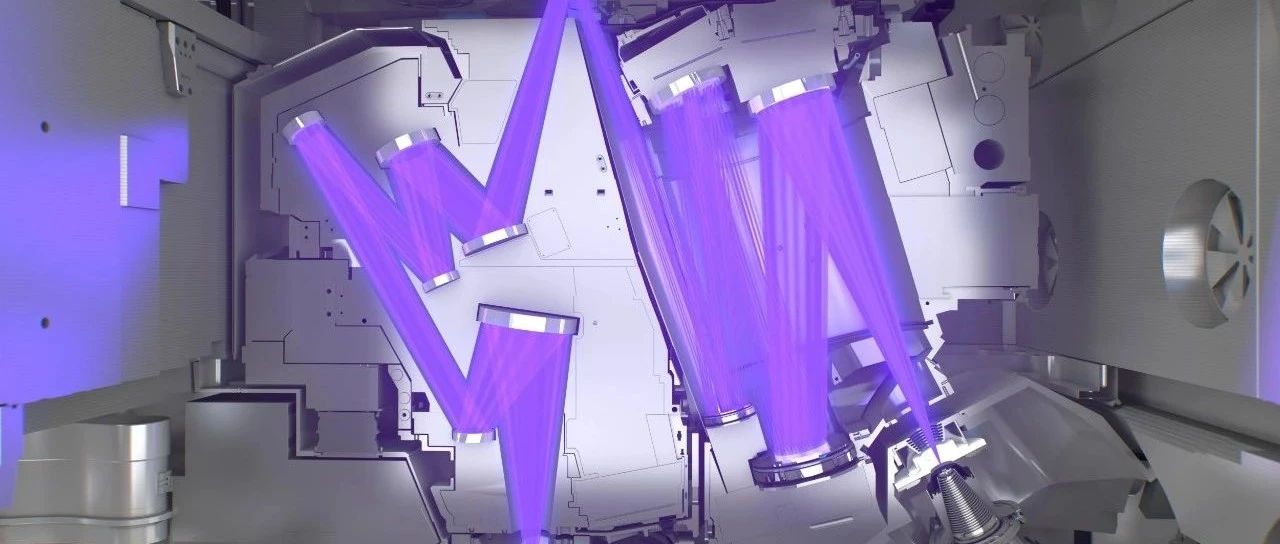
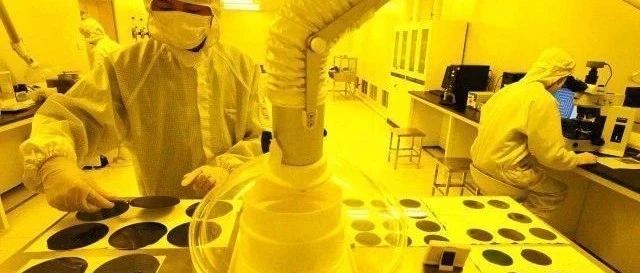
Core Viewpoint - The article discusses the advancements and challenges in the domestic photolithography machine industry, emphasizing the need for self-sufficiency in light of increasing U.S. export controls on semiconductor technology to China. Group 1: Photolithography Machines - The photolithography machine is a critical device in semiconductor manufacturing, with the process being complex and costly, comprising steps like coating, exposure, and development [18][19]. - The global photolithography machine market is estimated to exceed $30 billion, with ASML dominating the market, holding an 82.1% share in 2022 [39][45]. - The demand for domestic photolithography machines is rising due to the expansion of wafer fabrication plants in China, with expected monthly capacity growth from 2.17 million wafers in 2023 to over 4.14 million by the end of 2026 [15][50]. Group 2: Technological Developments - The SSA600/20 series is currently the most advanced domestic photolithography machine, capable of mass production with a resolution of 90nm, primarily used for mature processes [3]. - SMEE is focusing on developing a 28nm immersion photolithography machine, with the goal of delivering the first unit by 2024-2025, although actual progress may vary [4]. - The resolution of photolithography machines can be enhanced through shorter wavelengths and increased numerical apertures, with ASML's EUV machines achieving resolutions as low as 8nm [11][33]. Group 3: Market Dynamics - The photolithography machine market is characterized by a few dominant players, with ASML, Canon, and Nikon controlling the majority of the market share [45]. - The U.S. has intensified export controls on semiconductor technology to China, making the localization of photolithography machines a pressing issue for the Chinese semiconductor industry [50][65]. - The construction of new wafer fabs and the rapid development of AI technologies are driving the demand for advanced photolithography machines in China, which are crucial for producing smaller transistors and higher performance chips [52][59]. Group 4: Investment Recommendations - The article suggests focusing on the domestic photolithography machine supply chain, highlighting companies such as Maolai Optical, Fuguang Co., Huicheng Vacuum, Inno Laser, Sudavige, and Chip Quasar as potential beneficiaries of this trend [96].


从底层逻辑上看全固态电池难点和产业节奏
材料汇· 2025-07-14 15:48
Core Viewpoint - The article discusses the challenges and advancements in all-solid-state batteries, emphasizing the importance of solid-solid interface contact and the need for material and equipment improvements to achieve commercial viability [2][10][24]. Group 1: Technical Challenges - All-solid-state batteries face significant challenges, particularly the solid-solid interface issues, which are critical for achieving effective ion transport and overall battery performance [3][5]. - The solid-solid interface must maintain effective contact during both manufacturing and operational phases, which is complicated by the expansion of materials during charge and discharge cycles [4][5]. - The performance of all-solid-state batteries is contingent upon achieving a weight loss rate of less than 1% under specific testing conditions, as outlined by the China Automotive Engineering Society [2]. Group 2: Material Considerations - Sulfide-based solid electrolytes are currently the primary focus for all-solid-state battery development, but they face challenges such as air sensitivity and high production costs [10][11]. - The cost reduction of lithium sulfide, a key material for solid electrolytes, is crucial for the commercialization of all-solid-state batteries, with current prices around 1000 CNY/g and a target of 500,000 CNY/ton as a potential industrialization inflection point [11][12]. - The stability of sulfide electrolytes is a concern due to their tendency to produce toxic hydrogen sulfide when exposed to moisture, necessitating controlled production environments [10][11]. Group 3: Equipment and Manufacturing - The manufacturing process requires specific pressures to ensure solid-solid contact, with external pressures during electrode preparation typically ranging from tens to hundreds of MPa, while operational stacking pressures are usually below 10 MPa [13][21]. - The use of isostatic pressing is highlighted as a method to achieve the necessary pressures during manufacturing, but scalability remains a challenge for large-scale production [19][21]. - Dry electrode technology is noted for its potential to enhance safety and energy density by eliminating solvent-related risks, although challenges remain in achieving consistent quality and efficiency in production [22][24]. Group 4: Industry Outlook - The all-solid-state battery industry is in its early stages, akin to the initial phase of the electric vehicle market around 2009-2010, with significant developments expected in the coming years [25][31]. - Key milestones include major companies like BYD and CATL planning to launch all-solid-state battery production lines and products by 2025-2030, indicating a growing commitment to this technology [32][34]. - The article suggests that achieving a cycle life of 1000 cycles may be a preliminary target for all-solid-state batteries, which is essential for their acceptance in consumer applications [10][24].
新材料投资:全球30大前沿新材料介绍及未来发展趋势解析(9762字)
材料汇· 2025-07-13 15:22
Core Viewpoint - The article discusses the development and potential impact of 30 cutting-edge materials, emphasizing their strategic importance for future technological advancements and applications in various industries [3]. Group 1: Overview of Cutting-edge Materials - Cutting-edge materials include boron graphene, transition metal sulfides, 4D printing materials, and biomimetic plastics, which are crucial for China's strategic development [3]. - The article lists 30 of the most promising advanced materials and their potential impacts on future life [3]. Group 2: Individual Material Summaries - **Holographic Film**: A revolutionary projection film that allows 360° viewing and interaction, predicted to see increased research focus [6][8]. - **Metallic Hydrogen**: A high-density, high-energy material with potential applications in superconductivity and space exploration, capable of revolutionizing energy solutions [12][16]. - **Supersolid**: A state of matter that combines properties of solids and superfluids, with potential applications in superconducting magnets and sensors [18][21]. - **Wood Sponge**: A chemically treated material that can absorb oil up to 46 times its weight, offering a green solution for cleaning oil spills [24][25]. - **Time Crystals**: A new state of matter with periodic structures in time, recognized for its potential in quantum computing [28][35]. - **Quantum Stealth Material**: A camouflage fabric that bends light to achieve invisibility, with military applications [41][42]. - **Never-dry Material**: A polymer-water composite that remains conductive and could be used for artificial skin [45][46]. - **Transition Metal Dichalcogenides (TMDC)**: A semiconductor material with potential in optoelectronics, offering low-cost and stable thin layers [54][56]. - **Cold Boiling Material**: A material that exhibits solid, liquid, and gas states at varying temperatures, with applications in aerospace [59][62]. - **Magnetic Fluid Material**: A stable colloidal liquid with magnetic properties, applicable in various fields including aerospace and medical devices [65][66]. - **Rock-like Coating Material**: A cost-effective coating for industrial tools that enhances durability and lifespan [69][70]. - **Nano-point Perovskite**: A promising material for solar cells, improving efficiency and stability [73][75]. - **Micro Metal**: A lightweight yet strong material that could significantly reduce spacecraft weight [78][79]. - **Tinene**: A new two-dimensional material with superior conductivity, showing promise for various applications [82][83]. - **Molecular Superglue**: A high-strength adhesive with potential in medical diagnostics and material bonding [85][86]. - **Metamaterials**: Engineered materials with unique properties, expected to have significant future applications [89][91]. - **Quantum Metal**: A unique material with superconducting properties, valuable for electronics and energy transmission [94][95]. - **Boron Graphene**: A new two-dimensional material with excellent electronic properties, anticipated to have a broad market potential [97][98]. - **Programmable Cement**: A high-performance cement with enhanced properties, aimed at sustainable construction [100][101]. - **Ultra-thin Platinum**: A cost-effective method for producing platinum layers, with applications in fuel cells [103][104]. - **Platinum Alloys**: Versatile materials used in various high-temperature and catalytic applications [107][112]. - **Self-healing Materials**: Materials that can autonomously repair damage, promising for various industries [115][117]. - **Sun-blocking Glass Coating**: A smart coating that adjusts transparency based on temperature, with applications in construction [120]. - **Biomimetic Plastics**: Materials that mimic biological properties, expected to play a key role in infrastructure development [123][125]. - **Photon Crystals**: Optical materials with potential applications in advanced optics and photonics [127][130]. - **Ablation-resistant Ceramics**: High-temperature materials suitable for aerospace applications [133][136]. - **Cooling Wall Materials**: Innovative materials that can regulate temperature, potentially replacing air conditioning [139][140]. - **Infinite Recyclable Plastics**: Sustainable materials that can be recycled indefinitely, addressing environmental concerns [142][143]. - **4D Printing Materials**: Smart materials that can change shape based on environmental stimuli, with applications in fashion and design [145][146]. - **Wrinkle-eliminating Materials**: Polymers that can tighten skin, showing promise in skincare and medical treatments [149][150].

日本垄断85%!中国光刻胶”破壁”之战:从0到1的逆袭之路
材料汇· 2025-07-13 15:22
Core Viewpoint - The article emphasizes the critical role of photoresist in semiconductor manufacturing, highlighting the challenges faced by domestic companies in this field and exploring potential investment opportunities amidst these challenges [4]. Group 1: Challenges in Photoresist Development - High technical barriers exist due to the complex chemical formulations required for different types of photoresists, necessitating extensive R&D and experimentation [7][9]. - Strict purity requirements for photoresists are crucial, as even minor impurities can lead to defects in chips, demanding a high level of quality control [11]. - Advanced production equipment is essential for photoresist manufacturing, which is often monopolized by foreign companies, posing a significant hurdle for domestic firms [12]. Group 2: Market Landscape - The global photoresist market is projected to reach $4.74 billion (approximately 34.33 billion RMB) in 2024, with a year-on-year growth of 1.6%, driven by the rapid development of the semiconductor industry [30]. - China's photoresist market is expected to exceed 20 billion RMB by 2029, with a compound annual growth rate of about 10% from 2024 to 2029, although high-end products remain largely imported [31]. Group 3: Domestic Opportunities and Challenges - Domestic companies are making strides in the mid-to-low-end photoresist market, with some achieving production in the KrF segment and progressing towards high-end products like EUV photoresists [33][34]. - Government policies are increasingly supportive of the semiconductor industry, providing funding and guidance for photoresist R&D, which is crucial for domestic companies to overcome technological barriers [36][37]. Group 4: Investment Considerations - Investment in the photoresist sector is seen as promising due to the growing market demand driven by advancements in technologies such as 5G and AI [44]. - The potential for domestic companies to replace imported products presents a significant investment opportunity, especially as they enhance their technological capabilities [45]. - Investors are advised to focus on companies with strong technical capabilities, market competitiveness, and excellent management teams to maximize returns [51][52][53].


1000+深度报告:半导体材料/显示材料/新材料能源/新材料等
材料汇· 2025-07-12 15:54
Investment - The article discusses various investment opportunities in new materials, semiconductors, and renewable energy sectors, highlighting the importance of understanding market trends and technological advancements [1][4]. Semiconductor - It covers a wide range of semiconductor materials and technologies, including photolithography, electronic specialty gases, and advanced packaging materials, emphasizing the growth potential in these areas [1][3]. - The article mentions the significance of third and fourth generation semiconductors, such as silicon carbide and gallium nitride, which are crucial for future electronic applications [1][3]. New Energy - The focus is on the advancements in lithium batteries, solid-state batteries, and hydrogen energy, indicating a shift towards sustainable energy solutions [1][3]. - It highlights the importance of materials like silicon-based anodes and composite current collectors in enhancing battery performance [1][3]. Photovoltaics - The article outlines the components of the photovoltaic industry, including solar glass, back sheets, and perovskite materials, which are essential for improving solar energy efficiency [1][3]. New Display Technologies - It discusses the evolution of display technologies such as OLED, MiniLED, and MicroLED, along with the materials used in these displays, indicating a trend towards higher resolution and energy-efficient screens [3]. Fibers and Composites - The article emphasizes the role of advanced fiber materials like carbon fiber and aramid fiber in various applications, including aerospace and automotive industries, showcasing their lightweight and high-strength properties [3]. New Materials - It covers a broad spectrum of new chemical materials, including adhesives, silicones, and engineering plastics, which are vital for various industrial applications [1][3]. - The article also mentions the significance of advanced ceramics and metal alloys in high-performance applications [1][3]. Notable Companies - The article lists key players in the industry, such as ASML, TSMC, and Tesla, highlighting their contributions to technological advancements and market leadership [1][4].

材用:哪些新材料可带来人形机器人轻量化?(附企业名录与投资标的)
材料汇· 2025-07-12 15:54
Core Viewpoint - Lightweight design is essential for the commercialization of humanoid robots, addressing key industry pain points such as endurance, heat dissipation, component performance, and flexibility [2][12]. PART1: Lightweight Design - Lightweight design can enhance endurance by reducing gravitational potential energy and inertia, leading to lower static and dynamic power consumption [12]. - It can also lower the requirements for components, reducing the power demand of motors and simplifying drive algorithms [12]. - Flexibility is improved as lighter components allow for more agile control [12]. - Current humanoid robots require two adults for transportation; reducing weight would enable single-person handling, facilitating broader adoption [12]. PART2: Structural Lightweighting - Structural lightweighting involves parameter optimization, topology optimization, and integration to achieve "zero-cost" lightweighting [18][20]. - Parameter optimization is the simplest method, adjusting dimensions and layouts to reduce redundant components [20]. - Topology optimization refines material distribution to maximize structural performance while minimizing material use [24]. - Integration trends, similar to those in the electric vehicle sector, can reduce part counts and simplify production processes [30]. PART3: Material Lightweighting - Magnesium Alloys - Magnesium alloys are lightweight, high-strength materials with good ductility and excellent thermal conductivity, already applied in automotive lightweighting [37]. - The price of magnesium is currently low, making it economically attractive compared to aluminum alloys, with a price ratio of 0.87 [43]. - The use of magnesium alloys in humanoid robots can significantly reduce weight and energy consumption, as demonstrated by the ER4-550-MI industrial robot [46]. PART4: Material Lightweighting - PEEK - PEEK is a high-performance engineering plastic with excellent mechanical properties, heat resistance, and chemical resistance, widely used in aerospace and automotive applications [3][58]. - The price of PEEK is approximately 300,000 yuan/ton, with its main raw material, fluoroketone, costing around 120,000 yuan/ton, making raw material costs a significant factor [3][61]. - The global market for PEEK is projected to grow from 6.1 billion yuan in 2024 to 8.5 billion yuan by 2027, with a CAGR of 11% [3]. PART5: Material Lightweighting - Nylon PA - Nylon PA6 and PA66 are well-established engineering plastics known for their excellent impact resistance and flexibility, with stable demand [5]. - The market for PA6 is fragmented, while PA66 is more concentrated, with the top three companies holding a 75% market share [5]. - Applications include automotive systems, where PA is extensively used in engines and fuel supply systems [5]. PART6: Humanoid Robot Lightweighting - In humanoid robots, the joint modules account for about 40% of the weight, with structural components at 30% and shells at only 10% [6]. - PEEK is preferred for harmonic reducers, while magnesium alloys are suitable for structural components due to their cost-effectiveness and performance [6]. - The market potential for various materials in humanoid robots is estimated at 1 billion yuan for PPS, 2 billion yuan for modified PEEK, 300 million yuan for magnesium alloys, and 300 million yuan for modified nylon [6].



未来产业:核聚变关键部件与材料投资机会(附投资逻辑与标的)
材料汇· 2025-07-11 15:49
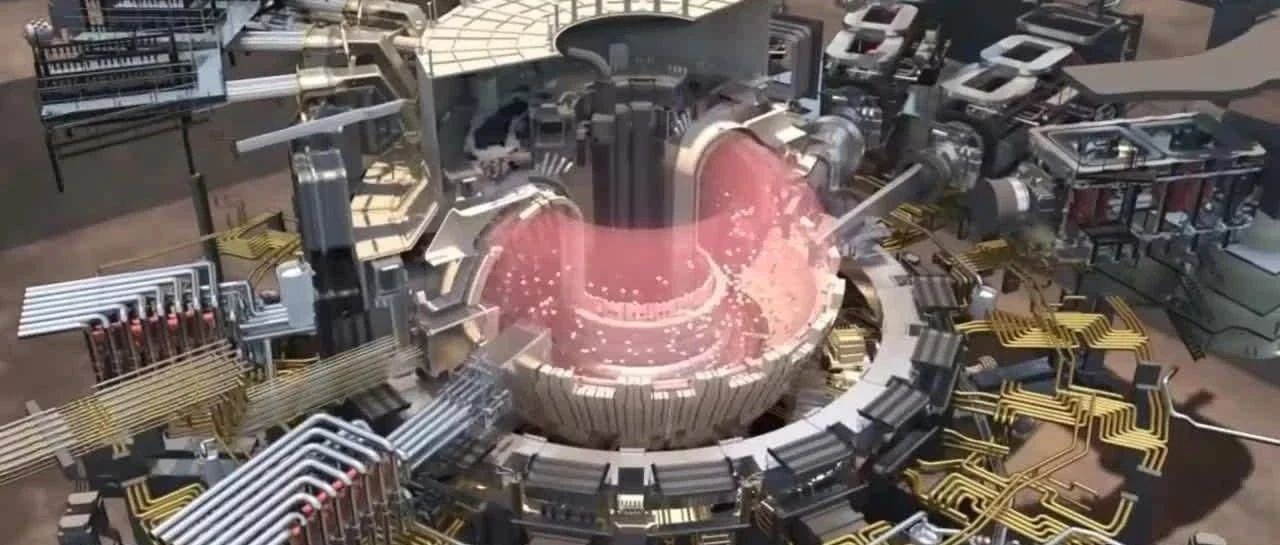
Core Insights - The article discusses the rapid advancements in nuclear fusion technology and outlines key milestones and future projections for the industry [1][2][6][17]. Group 1: Current Progress and Future Milestones - The ITER project is set to begin plasma experiments with deuterium-tritium by 2036 and aims for full magnetic energy operation by 2039 [2]. - The HL-3 project in China is expected to achieve a fusion triple product of 10^20 by May 2025, marking significant progress in fusion experiments [3]. - The EAST project has already set a world record by achieving 1 billion degrees Celsius for 1066 seconds in January 2025 [4]. - The BEST project is scheduled to be completed by 2027 and aims to demonstrate fusion power generation by 2030 [5]. Group 2: Investment and Market Growth - The nuclear fusion industry is projected to attract over $7.1 billion in investments in 2024, with new funding exceeding $900 million and public funding increasing by 57% to $426 million [6]. - The global nuclear fusion market is expected to grow from $345.1 billion in 2025 to $633.8 billion by the end of 2037, with a compound annual growth rate of 5.1% [6]. Group 3: Key Components and Materials - Key components in nuclear fusion include the magnet system, in-vessel components (like the divertor and blanket), and vacuum chambers, which account for 28%, 17%, and 8% of the total construction cost, respectively [7][51]. - Essential materials for fusion reactors include tungsten, beryllium, RAFM steel, superconductors, and tritium breeding materials, with breakthroughs in high-temperature superconductors and tungsten alloys expected to accelerate industry development [8][9][10][11]. Group 4: Global Fusion Device Status - As of June 2025, there are 168 fusion devices globally, with tokamaks, stellarators, and inertial lasers being the most common types [37]. - The United States leads in the number of fusion devices, followed by Japan and China, with significant contributions from Russia, the UK, Germany, and France [37]. Group 5: China's Role in Fusion Development - China has committed to producing 18 key components for the ITER project, covering nearly all critical parts of the device [47]. - The country is advancing rapidly in fusion technology, with projects like the HL-3 and EAST positioning it among the top players in the global fusion landscape [52][58].

固态电池:锂金属负极发展趋势、工艺与竞争格局(附20页PPT)
材料汇· 2025-07-11 15:49
Group 1: Trends - Lithium metal anode is considered a long-term iterative route for anodes, with the challenge of lithium dendrite growth needing to be addressed [4][24] - The anode material directly impacts battery capacity, efficiency, and cycle life, with anode materials typically comprising less than 15% of the cost of power batteries [4][6] Group 2: Processes - The rolling method is currently the most mature process for lithium foil production, allowing for the creation of lithium metal foils with good surface quality [34][35] - New processes such as evaporation coating and liquid phase methods are emerging to overcome thickness bottlenecks in lithium foil production [36][38] Group 3: Industry Landscape - Multiple players, including anode manufacturers and foil material companies, are involved in the lithium metal anode market, with the rolling process currently dominating [3] - Companies like Tian Tie Technology, Ling Feng Cheng Ye, and Ying Lian Co., are making strides in lithium metal anode applications and partnerships [4][4][4] Group 4: Investment Recommendations - Tian Tie Technology focuses on rail damping products and is gradually increasing its lithium metal anode production in collaboration with Xin Jie Energy [4] - Ling Feng Cheng Ye is recognized as a leading lithium ecosystem company with comprehensive layouts in lithium and solid-state batteries [4] - Ying Lian Co. is a leading provider of consumer packaging products and is diversifying into composite electrolytes and lithium metal anodes [4]