东京烘焙职业人

Search documents
圣诞销冠!听说你们都在找更好吃的「潘娜托尼」面包?
东京烘焙职业人· 2025-12-05 08:33
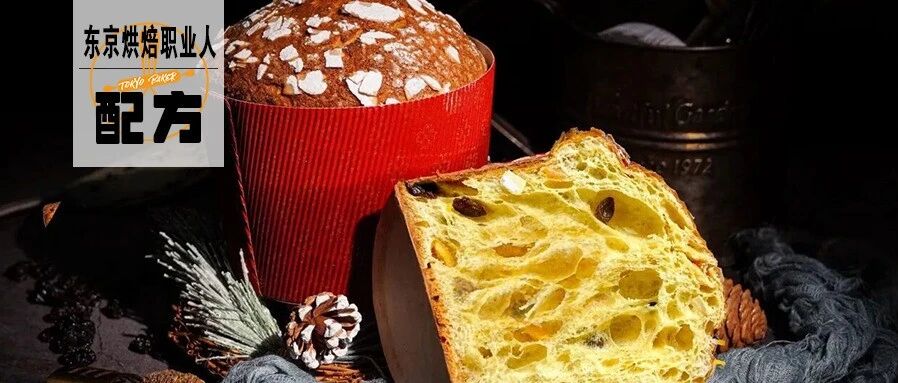
「Pa n e tt o n e」,中文译为潘娜托尼、潘妮托妮、潘娜朵尼等,如果说米兰是意大利的时尚之 都,那么潘娜托尼就是米兰浪漫生活的见证。 在这圣诞之际,也有越来越多的潘娜托尼出现在我们的视野中,谱写出了美好生活的乐章。 目录 / Cont ent 0 1 / 潘娜托尼的介绍 却是面包 潘娜托尼是意大利的圣诞国民糕点,口感介于蛋糕和面包之间,内含丰富的果干,是隆重而传统 的美食。 常见的潘娜托尼一般高1 2 - 1 5 cm,顶端呈圆形,糖渍橘皮丁、柠檬皮、葡萄干、黄油、蛋黄等与 面粉和牛奶一起搅拌,用料十分奢华。 但是现在也有烘焙师根据不同的模具尺寸,制作不同规格样式的潘娜托尼。 2 潘娜托尼的由来 是传说组成的 关于潘娜托尼的由来,各有各的说法。 0 2 / 有关潘娜托尼的传说故事 0 3 / 如何做好潘娜托尼 0 4 / 更多潘娜托尼的表面装饰 1 潘娜托尼看似蛋糕 有人说是1 5世纪米兰的一位名叫托尼To n i的面包师专门为店主的女儿烤制的; 也有人说是圣约翰Sa i n t J o h n为了帮助一位咽喉被鱼骨卡住的孩子,便给了他这样一个带葡萄干 的面包; 还有人说是造型仿制意大利著名米兰大 ...

奶皮子酸奶看了,烤奶皮又是怎么做的? | 有趣的制造
东京烘焙职业人· 2025-12-05 08:33
Group 1 - The article discusses the process of making baked milk skin, highlighting its simplicity and similarity to cookie-making [2][9] - Ingredients for baked milk skin include fresh milk, milk powder, and cheese, which enhance the flavor and aroma [6][7] - The final product is described as crispy and fragrant, with a production method that can be automated for efficiency [11][12] Group 2 - The article contrasts two types of milk skin yogurt: a sugar-free version that is rich and creamy, and a sweeter version that includes sugar and additional ingredients like cream and gelatin [12][15] - The author reflects on the visual appeal of food surface textures, linking it to previous discussions on food design [18]

【全球探店】面包大师保罗力荐!200年历史的自养酵母!网评最好吃的面包店「e5 Bakehouse」!
东京烘焙职业人· 2025-12-04 08:33
说到伦敦的面包店,那就不得不提在伦敦东区的E5烘焙房 「e 5 Bakehous e」。 「e 5 Bakehous e」 位于一座砖房建筑内,每天只制作3 0 0个面包,却门庭若市,面包大师保罗 曾多次推荐此店。 优质面粉是「e 5 Bakehous e」工作的核心, 使用2 0 0年历史的自养酵母, 以独特的面粉研磨技 术成为英国独一无二的面包店,并将所得利润捐赠给英国的难民项目。 e5 Bakehous e 这家面包房由Be n Ma cKi n n o n创办,共同创办人还有Ey a l Sc hwa rt z。 在 9 0 年 代 后 期 穿 越 不 列 颠 哥 伦 比 亚 省 时 , B e n 听 到 了 很 多 关 于 原 始 森 林 遭 到 破 坏 以 及 养 殖 鲑 鱼 对 本 地 多 样 性 的影响的 消 息 。 后 来 B e n 开 始 攻 读 保 护 生 物 学 学 位 , 并 在 欧 盟 找 到 了 一 份 工 作 , 负 责 监 测 西 北 大 西 洋 的 鱼 类 种 群 。 又 在 威 尔 士 中 部 的 替 代 技 术 中 心 接 受 了 高 级 能 源 和 环 境 研 究 ...
从黑青柠到洋甘菊:塑造 2025 年食品与饮料的意外风味潮流
东京烘焙职业人· 2025-12-04 08:33
以下文章来源于中外香料香精第一资讯 ,作者Michael Politz 中外香料香精第一资讯 . 国内外香料香精化妆品领域的最新进展,商业情报,会展信息,以资讯的前沿性,及时性和教育性,体现其功能和价值。 在不断推陈出新的美食创新领域,2025 年呈现出一系列令人着迷的风味组合,它们映射出我们共同的文化意识。从被遗忘的食材的再度兴起,到 由人工智能驱动的出人意料的搭配,今年的风味图景讲述着我们是谁以及我们将走向何方的故事。随着餐厅、产品开发人员和饮品创造者纷纷争 相利用这些新兴趋势,了解是什么在驱动消费者的味蕾从未像现在这样至关重要。 回归怀旧:在熟悉的味道中寻得慰藉 在充满不确定性的时期,消费者倾向于选择熟悉的事物,2025 年见证了怀旧口味的显著复兴,这些口味唤起了人们对往昔简单时光的情感联系。 白桃、洋甘菊、木槿花和香草口味在全国各地的菜单上占据主导地位,为食客带来带有现代风味的"往昔美好时光"的味道。 这种怀旧潮流也蔓延到了饮品菜单上,薰衣草柠檬水、木槿花汽水和玫瑰水鸡尾酒为消费者带来了感官享受和情感共鸣的双重益处。甚至无酒精 饮品也加入了这一行列,功能性饮料中融入了这些怀旧的植物成分,因其被认为具有 ...
【独家专访】当76万粉丝的美食博主开了一家面包店:用面粉和黄油,构建一个“温暖生活”的宇宙!
东京烘焙职业人· 2025-12-03 08:33
我们采访到了一位很特殊的主理人—— 小梅 ,在B站,她是76万粉丝熟知的 @Maybelle_ ,用静 谧的视频分享一日三餐的治愈感;在上海宝山一条安静的街上,她是 「patpat bakery」 这家社区 面包店的创始人,每天与面团、烤炉和顾客打交道。 东京烘焙职业人原创《中国烘焙匠人店》系列已开启。来 # 听创始人说,说他们精彩的创业故事。 我们希望能够从创始人、主理人的经历中,去记录、去观察、去思考开店这件不容易的事情,我们 相信,这是一种值得探索的事。 【独家采访 · 第 193 家】 B te r Car th r of P FFF By 从线上到线下,从镜头到柜台,这并非一次简单的"跨界"。对小梅而言,这是一场"落地实验"—— 她要让屏幕里传递的温暖,变得可触摸、可品尝、可真实感知。 时间倒回2023年9月,上海宝山的一条小街上, 「patpat bakery」 悄然开业。没有市中心的喧嚣 与人流,它的诞生更多像是一场"为同频者开设的客厅"。 小梅坦言,开店并非蓄谋已久的商业计划,而是一场"跟着感觉走"的实践。 "做自媒体时,我在输出一种生活态度。但那种连接,终究隔着一层屏幕。"小梅说。 一次偶然 ...
瑞幸爆款方法论:解构、组合、拼乐高
东京烘焙职业人· 2025-12-03 08:33
Core Viewpoint - Luckin Coffee has established a systematic capability for generating hit products, achieving over 50% year-on-year revenue growth and a monthly active user base exceeding 110 million, with nearly 30,000 stores [5][6][12]. Product Structure - In 2023, Luckin Coffee launched 102 new products, with 8 of them achieving sales exceeding 100 million cups. The company plans to introduce 114 new products in 2024 and 119-140 in 2025, indicating a consistent high frequency of new product launches [6][12]. - The product development process is based on a modular system, allowing for efficient combination and testing of various components, which increases the likelihood of creating successful products [11][17]. Supply Chain - Luckin's supply chain is highly standardized, allowing for low-cost experimentation with new products. This structure enables the company to absorb failures without significant financial impact, contrasting with traditional brands that face high costs for product failures [15][18]. - The centralized production of key flavors and liquid structures reduces the complexity at the store level, streamlining the product launch process [15][18]. Organizational Structure - The organizational structure of Luckin Coffee is flat and project-based, facilitating parallel collaboration across departments. This contrasts with traditional beverage brands that have hierarchical structures, which slow down the product development process [12][13]. - Decision-making is driven by data rather than individual judgment, allowing for rapid adjustments based on real-time sales feedback [13][21]. Data System - Luckin Coffee employs a data-driven approach to identify consumer preferences and trends, using metrics such as repurchase rates and customer feedback to guide product development [10][21]. - The company views new products as experiments rather than expressions of brand identity, focusing on market validation rather than brand storytelling [19][22]. Trend Identification - Trends are defined by quantifiable variables that can be monitored in real-time, allowing Luckin to adapt quickly to changing consumer preferences [21][22]. - The company’s approach to product development is iterative, relying on continuous testing and feedback to refine offerings and align with consumer demand [22][24].

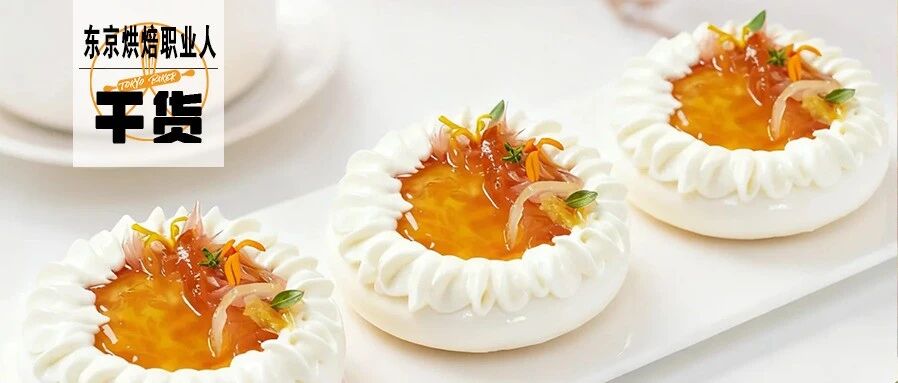
超全!常见8款奶油&蛋白霜大解析!
东京烘焙职业人· 2025-12-02 08:33
然而、对于烘焙新手来说, 正确的区分和运用 奶油、奶酱、蛋白霜 确实是个不小的挑战! 毕竟这几样东西, 有时候真的让人傻傻分不清 在甜品蛋糕 制作中, 最重要的就是奶油。 不管是装饰还是作为口味的点缀, 奶油起到决定性作用! 今天东京烘焙职业人 就来给大家整理个大合集! 罗列了 8款常见的奶油、奶酱&蛋白霜知识 以及它们在甜品中的运用技法 还在晕头转向的烘焙小白们! 可要看仔细了! \ 卡仕达酱 / 常用于泡芙的内馅、面包表面装饰等 卡 仕 达 酱 是 一 款 经 典 的 酱 料 , 通 常 是 制 作 塔 派 、 泡 芙 的 必 备 材 料 之 一 ; 有 浓 郁 的 黄 油 香 气 、 口 感 丝 滑,大多数制作中都会添加 香草籽 ,增添其口感与风味。 制作卡仕达酱的原理是利用 蛋黄的凝固力和面粉中淀粉的糊化 作用,先将蛋黄和砂糖先搅打至乳化 发白,加入面粉(或淀粉)混合搅拌,加入牛奶中边加热边搅拌均匀。 通常,卡仕达酱用来填馅时,为操作方便及容易入口,需要较为顺滑的质地,所以必须要在 奶酱煮 到9 5℃之后持续加热,确认黏性降低之后才离火。 \ 英式奶油酱 / 常用于制作巴伐露、慕斯等 砂糖和蛋黄混合搅 ...
星巴克中国与瑞幸咖啡,差距越拉越大?
东京烘焙职业人· 2025-12-02 08:33
Core Viewpoint - The competition among the three major coffee brands in China—Luckin, Kudi, and Starbucks—has intensified, focusing not only on store numbers but also on operational efficiency, profitability models, digital capabilities, and financial health [4][6]. Group 1: Market Position and Expansion Strategies - Luckin Coffee has established a network of nearly 30,000 stores, utilizing a mixed model of self-operated and franchised stores to penetrate lower-tier markets, solidifying its market dominance [7][9]. - As of the end of Q3 2025, Luckin had 29,214 stores globally, with 99.6% in China, and a significant portion of its stores located in mid-range shopping centers [7][9]. - Starbucks has shifted its focus to lower-tier markets, with a new strategy involving smaller store formats to adapt to consumer habits, while facing challenges from its heavy reliance on a direct-operated model [10][13]. - Kudi has adopted a differentiated strategy focusing on lower-tier markets, with over 60% of its stores located in these areas, aiming to capitalize on the potential of coffee consumption in these markets [11][13]. Group 2: Revenue and Growth Dynamics - In Q3 2025, Luckin reported a total net revenue of 15.287 billion yuan, a 50.2% year-on-year increase, significantly outpacing Starbucks' revenue from China, which was only about 57 million yuan [13][14]. - Luckin's growth is driven by rapid store expansion, same-store sales growth of 14.4%, and a surge in monthly active users, which reached 112 million [14][17]. - Starbucks' same-store sales declined by 1% in FY2025, despite a 4% increase in transaction volume, indicating challenges in maintaining customer spending [20][27]. Group 3: Profitability and Financial Health - Luckin's net profit for Q3 was 1.278 billion yuan, with a net profit margin of 8.4%, although delivery costs surged, impacting profitability [22][23]. - Starbucks faced a significant decline in global net profit, with a 9.9% operating profit margin, reflecting the pressures from rising costs and strategic transformations [27][28]. - Kudi claims to have achieved profitability, but lacks transparency in its financial data, raising questions about the sustainability of its business model [28][39]. Group 4: Digital Capabilities and Customer Engagement - Luckin has over 100 million monthly active users, leveraging its app for customer engagement and digital marketing, establishing a strong competitive edge [29][30]. - The company has implemented a comprehensive digital operation strategy, enhancing efficiency and reducing costs in its supply chain [30][32]. - Starbucks' digital marketing efforts have shown limited effectiveness, with a modest increase in same-store sales and a decline in average transaction value [32][39]. Group 5: Future Outlook and Market Dynamics - The competition in the Chinese coffee market is evolving from a focus on store expansion to a battle for operational efficiency and value creation [40][41]. - Luckin's advantages in scale, efficiency, and digitalization position it strongly for future growth, while Starbucks must navigate its transformation challenges [40][41]. - Kudi's aggressive expansion strategy in lower-tier markets presents both opportunities and risks, with its financial health remaining uncertain [40][41].

奥乐齐与盒马超盒算NB,走了两条不同的路
东京烘焙职业人· 2025-12-01 08:37
Core Viewpoint - The article discusses the contrasting development paths of two leading brands in the hard discount sector in China, Aldi and Hema Supermarket, highlighting their strategies and market presence in Jiangsu province [5][12]. Group 1: Aldi's Strategy - Aldi has adopted a steady and organic growth philosophy in China, focusing on supply chain development and operational efficiency since its first pilot store opened in June 2019 [8][12]. - As of October 2025, Aldi has expanded to 80 stores in China, primarily in Shanghai and Jiangsu, with plans for further openings [8][12]. - Aldi's strategy emphasizes a limited range of expansion around mature markets to ensure supply chain efficiency and cost reduction, reflecting its commitment to "extreme efficiency" and "long-termism" [12]. Group 2: Hema Supermarket's Expansion - Hema Supermarket, under the brand "Super Box NB," is rapidly expanding, with 73 stores in Jiangsu as of November 18, 2023, and plans for further growth [13][16]. - The brand has shifted to a franchise model to accelerate its expansion into county markets, which is seen as a key driver for future growth [22][24]. - Hema's operational strategy includes a focus on digital capabilities and community penetration, leveraging its parent company Alibaba's resources [15][22]. Group 3: Market Dynamics - The competition in Jiangsu's discount retail market is intensifying, with Aldi and Hema Supermarket vying for market share [18][25]. - Both brands have unique strengths: Aldi focuses on quality and low prices through its private label products, while Hema emphasizes rapid product iteration and digital integration [19][22]. - The article suggests that the future of the discount retail market in Jiangsu will likely be dominated by both Aldi and Hema, each contributing significantly to the sector's growth [18][25].
【独家专访】武汉烘焙界的劳斯莱斯,靠工艺+原料稳坐武汉日式烘焙顶流!
东京烘焙职业人· 2025-12-01 08:37
Core Viewpoint - The article highlights the unique approach of "Hiyori Tea" in the Chinese baking industry, focusing on health and quality rather than trends and quick profits. The founder, Bruce, aims to create a brand that offers both healthy and delicious baked goods, filling a significant gap in the market [2][5][6]. Group 1: Founder Background and Philosophy - Bruce, the founder of "Hiyori Tea," has a background in international trade and previously established a successful high-end French restaurant chain in Wuhan. His experiences shaped his understanding of quality and supply chain management [8][11]. - After realizing the lack of health consciousness in the Chinese baking industry, Bruce decided to pivot his career at the age of 50 to create a baking brand that prioritizes health and taste [12][16]. Group 2: Product Quality and Sourcing - "Hiyori Tea" adheres to strict sourcing guidelines, maintaining a whitelist for ingredients. Any unhealthy component is outright banned from their products, ensuring high-quality standards [16][17]. - The brand uses premium ingredients, such as top-grade Japanese flour and S-class cinnamon from Sri Lanka, to ensure the quality and taste of their baked goods [17][22]. Group 3: Production and Business Model - The company established a central factory before opening retail locations, which is atypical in the industry. This factory supports the production of stable, healthy products and adheres to Japanese baking techniques [32][34]. - The factory currently has the capacity to support 30-40 stores, allowing for expansion based on a prepared system rather than solely on financial resources [35]. Group 4: Market Positioning and Consumer Engagement - "Hiyori Tea" focuses on a restrained product line that emphasizes basic flavors rather than trendy, overly sweet items. This approach has led to high customer retention and repeat purchases [36][41]. - The brand's commitment to quality and health resonates with a demographic of 30-45-year-olds, contributing to its growth even during industry downturns [41][43].