FBeauty未来迹

Search documents
欧莱雅中国CEO出席,一场大会点亮美妆品牌价值“灯塔”
FBeauty未来迹· 2025-06-25 13:17
Core Viewpoint - The beauty industry in China is facing three major crises: brand commoditization, price competition, and value hollowing, which threaten the unique identity and emotional connection of brands with consumers [2][3][13]. Group 1: Brand Commoditization - The rise of e-commerce and algorithm-driven marketing has led to the commoditization of beauty brands, where unique brand identities are lost in the pursuit of "best-selling" products [4][5]. - Brands are increasingly perceived as interchangeable, with consumers focusing on product functionality rather than brand stories or emotional connections, leading to a dilution of brand value [6][10]. - The phenomenon of "ingredient marketing" has resulted in brands being labeled as "ingredient carriers," where the popularity of specific ingredients overshadows the brand itself [4][6]. Group 2: Price Competition - The beauty industry is experiencing a "price war," driven by frequent promotional events and a culture of discounting, which diminishes brand loyalty and increases price sensitivity among consumers [7][8]. - Brands are caught in a "prisoner's dilemma," where not participating in promotions risks losing market visibility, leading to unsustainable business practices [8][9]. - The reliance on discounts has resulted in high marketing costs and reduced profit margins, pushing some brands into a cycle of "loss-leading for sales volume" [7][8]. Group 3: Value Hollowing - The focus on short-term returns on investment (ROI) has led to a neglect of product innovation and consumer relationship building, resulting in a hollowing out of brand value [10][11]. - The shift from sales points to experience points in retail highlights the need for brands to provide deeper consumer engagement beyond just product offerings [11][12]. - The overall trend indicates that without addressing these issues, the beauty industry risks losing its core values and innovative capabilities, leading to a less sustainable market environment [14][24]. Group 4: Industry Response - There is a call for a collective awakening among brands, platforms, and consumers to prioritize genuine product innovation and brand storytelling over mere traffic and price competition [14][15]. - Recent initiatives, such as the "China Fragrance and Cosmetic Brand Development Conference," aim to address these challenges and promote sustainable growth within the industry [15][23]. - The industry is encouraged to recognize that true value lies in unique brand resonance and continuous innovation, which are essential for long-term success [16][24].


解码618霸榜背后,半亩花田的“花”式创新密码
FBeauty未来迹· 2025-06-24 10:58
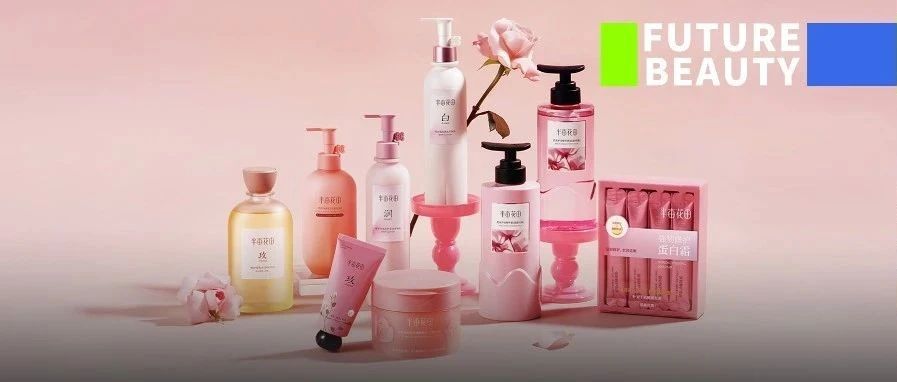
Core Insights - The article highlights the impressive performance of the domestic brand "Banmu Huatian," which topped the sales chart for body care brands during the Douyin 618 shopping festival, showcasing its strong market presence amidst competition from international brands [2][3]. Market Overview - The Chinese body care market has shown stable growth over the past five years, with expectations to exceed 30 billion yuan by 2025. The market has evolved from basic cleaning products to those emphasizing nourishment, experience, and emotional value, reflecting higher consumer demands and lifestyle aspirations [5]. Brand Analysis - Banmu Huatian has successfully identified unmet consumer needs and developed innovative personal care products tailored to the local market, leading to rapid increases in market share and brand influence [7][12]. - The brand has launched several hit products, such as a whitening body lotion featuring a proprietary ingredient called "Huayue White," which offers superior whitening effects compared to traditional ingredients [8][10]. Sales Performance - The whitening body lotion has sold over 13 million bottles and reached the top position in the body lotion category on Douyin as of April 2025. The brand's ability to create multiple hit products is a testament to its strong technical foundation [10][18]. Brand Growth - Banmu Huatian has maintained a remarkable growth trajectory, surpassing 2 billion yuan in revenue in 2020 and reaching a market scale of 2.8 billion yuan by 2024, demonstrating resilience in a challenging market environment [13][14]. Brand Philosophy - The brand's long-term commitment to quality, from sourcing premium raw materials to focusing on research and development, has been pivotal in its success. This approach has allowed Banmu Huatian to penetrate deeper into the flower-based skincare market [14][20]. Sustainability and Innovation - Banmu Huatian emphasizes sustainable practices in its supply chain, including organic cultivation and innovative extraction techniques, which have garnered positive recognition from government bodies [25][26]. - The brand has established research centers and collaborated with top institutions to develop over 1,200 proprietary formulas and 82 technology patents, enhancing its research capabilities [28][29]. Consumer Engagement - The brand actively engages with consumers through initiatives like the "Rose Field Source Tour," fostering a deeper connection and understanding of consumer needs, which informs product development [35][36]. Conclusion - Banmu Huatian's success is attributed to its "true" philosophy, which combines high-quality products with a commitment to long-term brand building, allowing it to stand out in the competitive personal care market [37].
上海首店开业,花西子线下布局提速
FBeauty未来迹· 2025-06-23 12:07
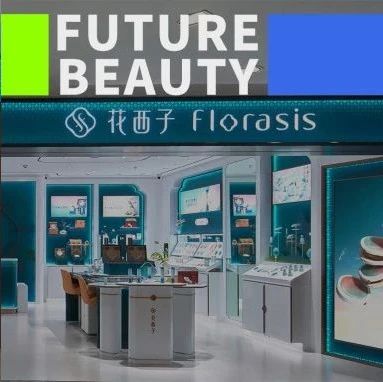
夏至刚至,没想到比天气先"热"起来的是花西子。 2 0 2 5年6月2 2日,上海港汇恒隆广场负一层迎来一个新面孔——花西子上海首店正式开业,即 使细雨濛濛也没能挡住大量消费者进店体验。 在轩窗勾勒的"琉璃花影壁"前,顾客李女士脱口而出:" 终于在线下看到了花西子! "而这句 朴素心声的背后,隐藏着大量值得挖掘的信息。 《FBe a u t y未来迹》经过实地采访和调研后发现,这个店虽然只有大约6 0平方米的面积,但对 花西子品牌的未来布局来说具有战略支点意义。 首先,从入驻商场来看,花西子选择的都是能进一步拉高品牌势能的价值高地。 公开资料显示,上海港汇恒隆广场于1 9 9 9年1 2月开业,其不仅是香港恒隆集团在中国大陆地 区首个集商场、办公楼及服务式公寓于一身的商业综合体,更被誉为中国高端购物中心的"开 山之作"。 自2 0 1 7年启动升级后,LV、Gu c c i、卡地亚等高端品牌以双层旗舰店形态入驻,使其成为众 多高端品牌在上海的战略要地。花西子所在的B1层被定位为"高端美妆香氛专区",成为香奈 儿、迪奥、希思黎、祖·玛珑等国际一线品牌独立门店或精品柜的聚集地。此外,恒隆广场还 以"首店经济"为引 ...
复盘618|美妆全网暴涨63%,赛道迎来理性拐点
FBeauty未来迹· 2025-06-23 12:07
Core Viewpoint - The 2025 "618" shopping festival saw significant growth in e-commerce sales, particularly in the beauty and personal care sector, with total sales reaching 855.6 billion yuan, a year-on-year increase of 15.2% [2][3]. E-commerce Sales Performance - The beauty and skincare category achieved total sales of 432 billion yuan, up 65.52% from 261 billion yuan in 2024 [3][19]. - The fragrance and makeup category reached 143 billion yuan, reflecting a 57.14% increase from 91 billion yuan in 2024 [3][19]. - Overall, the combined sales of beauty and skincare and fragrance and makeup categories grew by 63.35% compared to the previous year [3][19]. Duration and Structure of the Festival - The 2025 "618" shopping festival was notably extended, with a duration of approximately 35 to 40 days, marking it as the longest "618" event to date [4][5]. - The extended promotional period contributed to the overall sales growth, as the comparison period was longer than in 2024 [3][4]. Platform Performance - Major e-commerce platforms saw varying sales contributions, with Taobao and Tmall accounting for 48.7%, JD.com 19.3%, and Douyin 18.4% of total sales [6][9]. - JD.com reported a significant increase in user orders, with a year-on-year growth exceeding 100% [26]. Brand Performance - Leading brands during the festival included Proya, Lancôme, and L'Oréal, with domestic brands like Proya and Winona also showing strong performance [17][19]. - High-end beauty brands experienced substantial growth, with Valentino's beauty line seeing over 100% year-on-year growth [17][19]. Consumer Behavior and Market Trends - The shopping experience shifted towards a more rational approach, with consumers favoring straightforward discounts over complex promotional strategies [14][40]. - The trend indicates a move away from reliance on live-streaming sales, with consumers increasingly opting for official brand stores for purchases [39][40]. Conclusion - The 2025 "618" festival represents a transformative moment in e-commerce, emphasizing sustainable growth and quality over short-term sales spikes, indicating a maturation of the beauty market in China [35][41].
中国香妆市场,到新的临界点了吗?
FBeauty未来迹· 2025-06-21 03:26
Core Viewpoint - The Chinese cosmetics industry is experiencing a significant transformation, with domestic brands gaining a dominant position in the market, marking a historic turning point as they enter a strategic window for building world-class brands [2][3]. Group 1: Industry Evolution - The retail total of the Chinese cosmetics market is projected to reach 1,073.8 billion by 2024, with domestic brands' market share increasing from 52% to 55% [2]. - The industry is shifting from a focus on speed to a focus on quality, emphasizing the importance of brand trust and cultural narratives to withstand economic fluctuations [2]. - The rise of domestic brands is attributed to a systematic evolution of the commercial ecosystem, supported by government policies and a focus on quality over speed [3]. Group 2: Supporting Pillars - **Policy Pillar**: The regulatory framework established by the national drug monitoring system has created a balance between safety and innovation, with over a million words of supporting regulations enhancing industry professionalism and competition barriers [4]. - **Research Pillar**: Companies are increasing R&D investments, with a significant number of global patent applications related to cosmetics being linked to the Chinese market [5][6]. - **Consumer Pillar**: The Chinese market remains the largest cosmetics consumer market globally, with changing consumer behaviors emphasizing quality and value, particularly among Gen Z and older consumers [8]. - **Talent Pillar**: Over 20 universities in China have established cosmetics-related programs, fostering a new generation of professionals to support industry growth [9]. - **Cultural Pillar**: The rise of "Guochao" (national trend) has led to the integration of Chinese cultural elements into brand narratives, enhancing consumer engagement and purchase intent [11]. Group 3: Brand Development Conference - The upcoming "China Cosmetics Brand Development Conference" aims to install three key engines for industry evolution and brand upgrading [17]. - **First Engine**: Establishing a value coordinate system through the release of authoritative rankings to redefine what constitutes a "good brand" [18]. - **Second Engine**: Addressing sustainable growth challenges by exploring how to reconstruct brand value and core competitiveness while avoiding internal competition traps [20][21][22]. - **Third Engine**: Publishing industry standards and models to create a collaborative ecosystem, addressing issues of data fragmentation and standardization [24][25]. Group 4: Future Outlook - The conference signifies a pivotal moment for the industry, aiming to reclaim global beauty discourse and redefine the standards of the cosmetics market [30]. - The integration of technology and culture is seen as essential for enhancing brand narratives and fostering innovation [31]. - The industry is transitioning from a phase of rapid market expansion to one focused on sustainable development, emphasizing the importance of quality, culture, and innovation [34][35].

天猫“反内卷”、美妆超预期?首个618三方共赢实验
FBeauty未来迹· 2025-06-20 09:31
Core Insights - The 618 shopping festival has undergone a significant transformation this year, with a shift in focus from extreme GMV pursuit to enhancing brand value and consumer experience [2][20][31] Group 1: Market Performance - From January to May 2023, the retail sales of cosmetics in China reached 188.9 billion yuan, a year-on-year increase of 4.1%, with May's sales at 43.5 billion yuan, up 4.4% [2][4] - The overall e-commerce sales during the 618 festival reached 855.6 billion yuan, marking a year-on-year growth of 15.2%, with skincare sales at 43.2 billion yuan and fragrance and makeup at 14.3 billion yuan [5][6] - High-end beauty brands saw significant growth, with brands like YSL and Hourglass reporting over 60% year-on-year increases [9][10] Group 2: E-commerce Platform Changes - Major e-commerce platforms, particularly Tmall, have simplified their promotional strategies, eliminating complex rules and focusing on direct discounts to enhance consumer experience [14][20] - Tmall's 618 festival saw a 9% year-on-year growth in the first cycle, with a significant increase in user engagement and purchasing intent [18][23] - The introduction of features like "sold-out add-to-cart" has improved inventory management for merchants while enhancing the shopping experience for consumers [17][20] Group 3: Brand Dynamics - International beauty brands have experienced strong growth on Tmall, with a ratio of domestic to international brands at 5:15 [7] - New and innovative brands have emerged, with some achieving over 900% growth during the 618 festival, indicating a shift towards quality and innovation in the beauty sector [10][12] - The consumer preference for familiar brands has increased, with 47% of Chinese consumers indicating a tendency to choose known brands, up 14 percentage points from 2024 [22][23] Group 4: Future Trends - The beauty industry is moving towards a phase where brand value, product innovation, and operational efficiency are prioritized over mere sales volume [31][32] - E-commerce platforms are focusing on supporting high-quality brands and providing strategic guidance to enhance brand growth [26][29] - The market is transitioning from a focus on traffic-driven growth to a more sustainable model that emphasizes brand loyalty and consumer satisfaction [31][32]



深度 | 美妆巨头为何“打包急售”传闻频出?
FBeauty未来迹· 2025-06-19 09:23
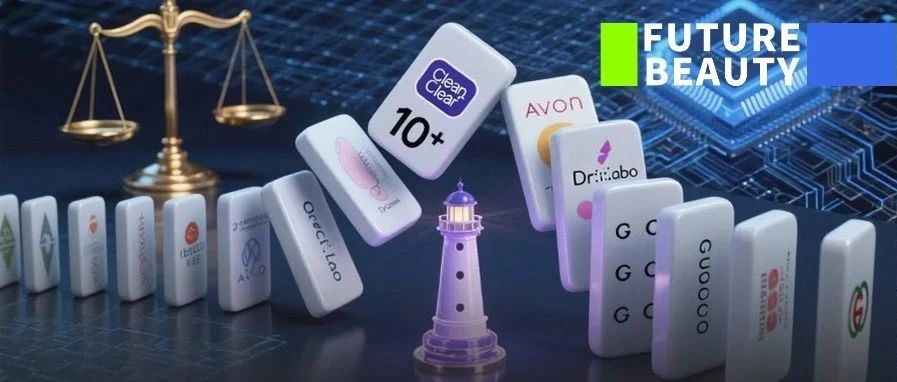
Core Viewpoint - A wave of brand sell-offs is sweeping through the beauty industry, driven by major companies facing performance pressures and a need to restructure their brand portfolios [2][3][6]. Group 1: Brand Sell-Offs - Coty is reportedly exploring the sale of several brands, including Gucci and Burberry, amidst market speculation [2]. - Kenvue, a spinoff from Johnson & Johnson, is also rumored to be considering the sale of its skin health and beauty division, with an estimated transaction value exceeding $500 million (approximately 3.59 billion RMB) [2]. - Natura & Co has been linked to ongoing rumors about selling Avon since last year, highlighting a broader trend of divestitures among beauty giants [2][3]. Group 2: Market Reactions - Despite the sell-off rumors, Coty's stock surged by 13% in a single day, reaching a three-month high, indicating a positive market reaction to the restructuring news [3]. - The performance pressures faced by these companies are evident, with Coty's mass beauty segment reporting a 9% decline in net revenue to $470 million (approximately 3.4 billion RMB) in Q3 of fiscal 2025 [8]. Group 3: Industry Trends - The beauty industry is experiencing a significant contraction, with Kenvue's skin health and beauty division reporting a 7.3% year-over-year sales decline in Q1 2025, the largest drop among its business segments [6]. - The Chinese market is reshaping the competitive landscape, with domestic brands capturing a growing market share, accounting for 55.2% of total sales in 2024, up 2.9 percentage points year-over-year [11][24]. Group 4: Strategic Shifts - Major beauty companies are shifting from aggressive acquisition strategies to a focus on efficiency and value, as evidenced by their divestiture of underperforming brands [19][21]. - The trend reflects a broader industry consensus that emphasizes streamlining brand portfolios and concentrating on core assets to enhance competitiveness [19][26]. Group 5: Future Outlook - The ongoing sell-off trend is expected to continue as companies adapt to the compressed industry cycle and intensifying competition [26]. - The future of the beauty industry will likely revolve around establishing competitive advantages in areas such as cutting-edge biotechnology, unique ingredients, and robust consumer data operations [26].


2025自然堂喜马拉雅极限越野跑:一场品牌价值构建实验
FBeauty未来迹· 2025-06-19 09:23
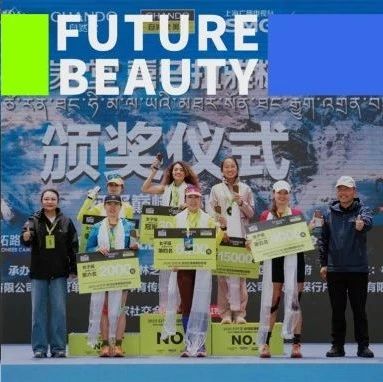
Core Viewpoint - The article discusses how the 2025 Natural Hall Himalayan Extreme Trail Run serves as a significant exploration of sports marketing for beauty brands, particularly in the context of the expanding men's skincare market in China [2][4][11]. Group 1: Event Overview - The Natural Hall Himalayan Extreme Trail Run is the first long-distance trail running event in the Himalayan region and the only international points trail running event in the area, attracting over 300 elite participants since its inception [5][6]. - The 2025 event took place from June 13 to June 15, featuring three categories: "Natural Secret 7KM," "Breakthrough Limit 35KM," and "Conquer the Peak 55KM," with the longest route reaching an altitude of 4,528 meters and a total elevation gain of 2,367 meters [6][8]. Group 2: Marketing Strategy - Natural Hall utilized the event to create a marketing loop from brand spirit to sales conversion, targeting high-income, high-education male consumers who are increasingly interested in personalized skincare [4][11]. - The event featured a "circle identity" marketing strategy, integrating "event x community x live streaming" to enhance communication with the running community and promote brand awareness [8][9]. Group 3: Target Audience Insights - The average age of participants is over 38, with 76% earning over 20,000 yuan monthly and 76% holding a bachelor's degree or higher, indicating a high-income, high-education demographic [11][12]. - The running community in China has surpassed 500 million users, with trail runners making up about 7%, primarily from first- and second-tier cities, reflecting a trend towards health-conscious lifestyles and outdoor sports culture [11][12]. Group 4: Product Focus - The "Natural Hall Men's Glacier Lotion" was highlighted as the core product for the event, designed to meet the skincare needs of male participants in extreme conditions, featuring Himalayan glacier water for effective hydration and moisture retention [22][24]. - Since its launch, the product has sold over 2.9 million bottles and has consistently ranked as the top men's cream on platforms like Tmall, indicating strong market performance [25][26]. Group 5: Industry Trends - The men's skincare market in China is projected to grow significantly, with the market size expected to reach 15.6 billion yuan in 2024 and surpass 20 billion yuan by 2026, driven by a shift towards personalized and functional skincare products [14][18]. - The article emphasizes the importance of brand strength in the current competitive landscape, where established brands are gaining more market share, and the focus is shifting towards building brand value and identity [30][32].
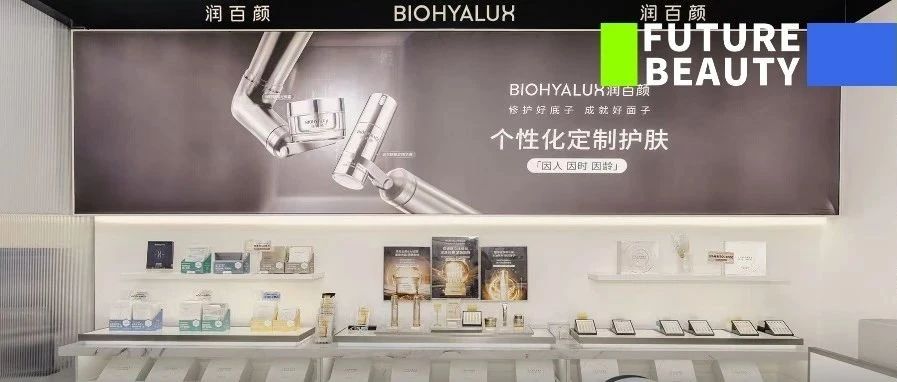
润百颜个性化定制护肤体验店首揭面纱:“一人千面”时代来了?
FBeauty未来迹· 2025-06-18 14:44
Core Viewpoint - Runbaiyan, a core strategic brand under Huaxi Biological, has consistently adhered to "cell repair" skincare technology, showcasing a commitment to technological innovation and strategic determination throughout its evolution [2][3]. Group 1: Brand Evolution and Innovation - Runbaiyan became the first domestic brand of cross-linked hyaluronic acid dermal fillers in 2012, pioneered the secondary essence category in 2014, and entered the skincare market in 2018 with the launch of the national trend IP Forbidden City lipstick [2]. - In 2025, Runbaiyan will launch a "personalized customization" project, marking a significant advancement in integrating online and offline services [3][6]. Group 2: Personalized Skincare Development - The personalized skincare concept has historical roots, dating back to 1853 with Guerlain's "Imperial Water" for Empress Eugénie, but has traditionally been limited to luxury markets [6][7]. - The evolution of personalized skincare in China has progressed through three stages: - 1.0 Stage: Basic skincare products with minimal differentiation [8]. - 2.0 Stage: Focus on specific consumer pain points and skin types [8]. - 3.0 Stage: Aiming for customized solutions that address individual skin conditions, though facing challenges in cost and scalability [8][9]. Group 3: Technological Foundation - Runbaiyan's approach to personalized skincare is rooted in advanced technologies in cell biology, sugar biology, and regenerative medicine, allowing for a deeper understanding of skin issues at the cellular level [9][11]. - The brand utilizes its proprietary INFHA cell repair technology to create a favorable environment for skin cells, emphasizing the importance of foundational skin health [11][22]. Group 4: Customization Process - The customization process begins with AI-driven skin diagnostics, utilizing extensive data from various sources to ensure accurate assessments and tailored skincare solutions [14][16]. - Runbaiyan has developed a modular formula design that can address 15,625 different skincare needs through 108 customized solutions, reflecting a rigorous development process [20][22]. Group 5: Production and Delivery - The brand has achieved flexible production capabilities, allowing for small batch production starting from 500 grams, and can switch formulas in as little as 12 minutes, ensuring efficiency and precision in meeting consumer demands [23][25]. - The first personalized customization experience was launched in Qingdao, where consumers can receive tailored skincare products directly from the store [26][28]. Group 6: Market Impact and Vision - Runbaiyan aims to democratize personalized skincare, making advanced solutions accessible to a broader audience, thus addressing unmet skincare needs and enhancing overall skin health [30][32].
深度 | 香氛策展如何超越商业营销?
FBeauty未来迹· 2025-06-17 15:18
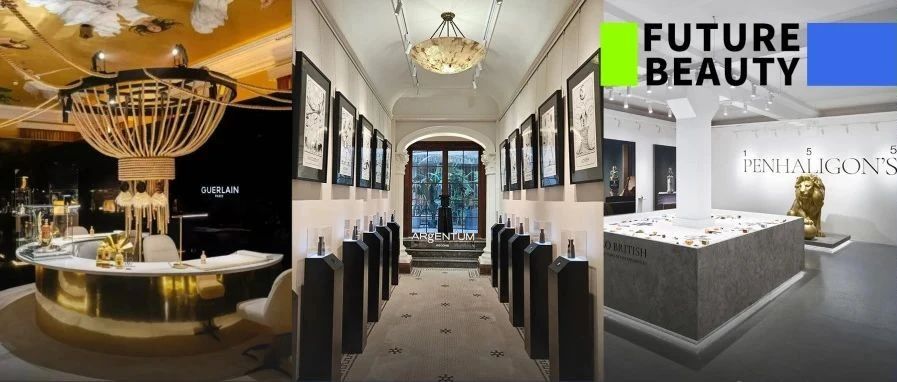
Core Insights - High-end perfume brands are shifting their marketing strategies from traditional counters to immersive exhibitions, creating a deeper cultural dialogue with consumers [2][5][13] Group 1: Exhibition Trends - Perfume exhibitions have evolved from mere product displays to immersive "olfactory theaters" that blend scent, light, and storytelling [3][5] - These brand-led exhibitions serve as platforms for commercial promotion, cultural dissemination, and artistic creativity, transforming brands into tangible value symbols [5][11] Group 2: Historical and Artistic Representation - The exhibitions encapsulate the historical narratives of brands, allowing consumers to experience the brand's journey in a sensory and immersive manner [5][11] - For instance, the Penhaligon's exhibition showcased 155 years of history, highlighting the founder's evolution from barber to royal perfumer through various artifacts [7] - Guerlain's exhibition featured a "time corridor" displaying portraits and original works from five generations of perfumers, illustrating nearly two centuries of fragrance history [9] Group 3: Multi-Sensory Experiences - Brands are focusing on creating immersive artistic experiences, such as Aesop's "Threshold of Reality" exhibition, which uses sand and stone to represent the passage of time and life cycles [10] - Cross-disciplinary artistic expressions are also prominent, as seen in Guerlain's collaboration with IRCAM to create a sensory symphony that translates fragrance layers into sound [10][11] Group 4: Consumer Engagement and Emotional Resonance - The exhibitions aim to foster emotional connections with consumers, moving from product-centric to experience-centric narratives [13][21] - For example, the "Become____" installation by Ushopal combined tarot and personality tests to help consumers find personalized fragrances, enhancing emotional engagement [16][20] Group 5: Cultural Integration and Interaction - The integration of diverse cultural elements in exhibitions, such as Penhaligon's collaboration with Chinese shadow puppetry, allows for a unique cultural resonance and avoids didactic historical narratives [13][14] - The use of interactive installations, like the "wishing well" and sensory engagement zones, encourages emotional responses and personal connections to the brand [18][19] Group 6: Challenges and Consumer Feedback - Despite the popularity of perfume exhibitions, there are criticisms regarding the consumer experience, such as lack of clear product labeling and content depth [21] - Brands must continuously refine their exhibition strategies to enhance consumer engagement and satisfaction [21][22] Group 7: Strategic Recommendations - Successful perfume exhibitions should integrate multi-sensory experiences, historical storytelling, and artistic expression to build consumer trust and brand loyalty [22][23] - The balance of historical, artistic, cultural, interactive, and communicative elements is essential for maximizing the impact of perfume exhibitions [23][35]