
首席商业评论

Search documents
开战机、盖皇宫,81岁的“坏孩子”,一天暴赚1000亿美金!
首席商业评论· 2025-09-15 04:25
Core Viewpoint - The article narrates the life and career of Larry Ellison, co-founder of Oracle, highlighting his unconventional journey, aggressive business tactics, and recent resurgence in the tech industry through a significant partnership with OpenAI, which led to a dramatic increase in his wealth and Oracle's market value [5][39]. Group 1: Early Life and Career - Larry Ellison was born in 1944 and raised by his aunt and uncle after being abandoned by his mother [3]. - He struggled academically after the death of his adoptive mother, leading to a lack of formal qualifications [5][6]. - Ellison worked in various small companies before deciding to start his own software company [6][7]. Group 2: Founding Oracle - In 1977, Ellison co-founded Oracle with two partners, initially investing $1,200 for a 60% stake [7][9]. - He recognized the potential of relational databases, a concept overlooked by IBM, and successfully marketed Oracle's products to major clients like the CIA [10][12]. - Despite initial product quality issues, Oracle grew rapidly, achieving 100% growth for 12 consecutive years [19][20]. Group 3: Competition and Market Position - Oracle went public in 1986, but faced immediate competition from Microsoft, which launched SQL Server shortly after [24][25]. - Ellison's aggressive marketing and internal competition strategies helped Oracle dominate the database market, leading to the downfall of several competitors [21][28]. - By the 1990s, Oracle's product quality improved significantly, earning it a strong reputation among customers [20]. Group 4: Business Philosophy and Leadership Style - Ellison's leadership style was characterized by high expectations and a ruthless approach to competition, often prioritizing aggressive sales tactics over product reliability [18][19][30]. - He was known for his controversial public statements and actions against competitors, including Microsoft and SAP [28][30]. - Despite a tumultuous corporate environment, many former employees went on to achieve success in other tech companies [31]. Group 5: Recent Developments - In September 2023, Oracle announced a $300 billion computing power procurement agreement with OpenAI, marking a significant milestone in cloud computing [39]. - This deal led to a 43% surge in Oracle's stock price, briefly making Ellison the world's richest person with a net worth increase of $100 billion [39]. - Ellison has also engaged in philanthropic efforts, aligning with initiatives led by figures like Warren Buffett and Bill Gates [39].



中国四大巨头,净利润比不过日本制铁,凭什么?
首席商业评论· 2025-09-15 04:25
Core Viewpoint - In 2024, China's crude steel production is projected to be 1.005 billion tons, accounting for 53.38% of global production, marking five consecutive years as a billion-ton steel powerhouse. However, Chinese steel companies face challenges of being large but not strong, with high production but low profitability compared to global competitors like Japan [4][26]. Group 1: China's Steel Industry - China's steel industry has six companies in the top ten global steel producers, but the net profits of its top four listed steel companies are still lower than Japan's Nippon Steel [4][7]. - In 2024, China is expected to export 110.71 million tons of steel, with an average price of $755.4 per ton, indicating a trend of increasing volume but decreasing total revenue [26][27]. - China's reliance on imported iron ore is significant, with imports expected to reach 1.237 billion tons in 2024 at an average price of $106.9 per ton, making the industry vulnerable to international price fluctuations [28][30]. Group 2: Japan's Steel Industry Recovery - Japan's Nippon Steel faced severe losses in 2019, with a deficit of 406.1 billion yen (approximately 19.45 billion RMB), but implemented a turnaround strategy that included shutting down furnaces and restructuring operations, leading to a profit of 113 billion yen (approximately 5.61 billion RMB) within a year [18][23]. - The company shifted focus to high-value-added products, such as special steels, which accounted for 20.96% of its total production in 2020, compared to only 12.31% for China [21][24]. - Nippon Steel's recovery strategy also involved negotiating price increases for long-term contracts with clients, which, despite potential backlash from major customers, effectively boosted revenue [22][24]. Group 3: Lessons for China - The challenges faced by Japan's steel industry in the past provide valuable lessons for China, particularly in terms of focusing on high-value products and improving operational efficiency [31]. - China's steel companies are making strides in producing high-value steel products, such as LNG ship steel and aircraft carrier deck steel, indicating a shift towards higher quality and value in production [31].

真实的商朝,让人不寒而栗!
首席商业评论· 2025-09-15 04:25
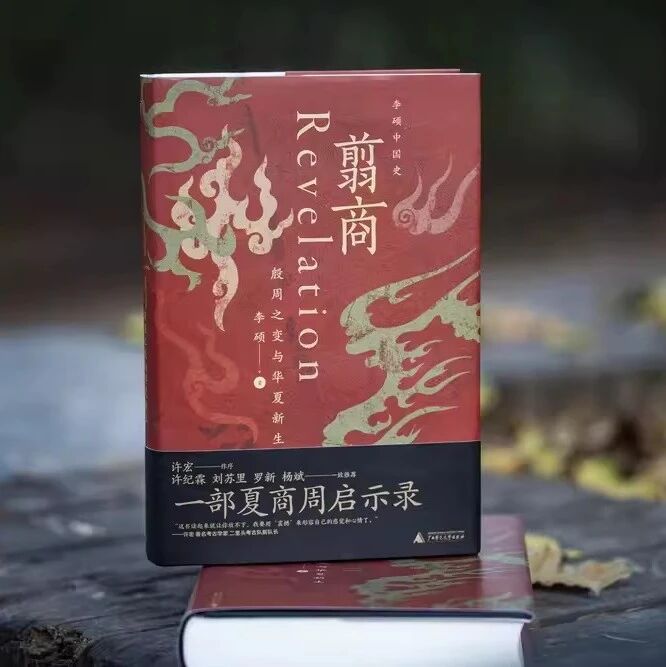
Core Viewpoint - The article presents a contrasting perspective on the historical figure King Zhou of Shang, suggesting that his death was not merely a suicide but a sacrificial act intended to invoke divine assistance against the Zhou army, as posited by historian Li Shuo [3][4]. Group 1: Historical Analysis - Li Shuo's research into Shang dynasty human sacrifice practices reveals a shocking reality, where human sacrifices were not only common but institutionalized as a means of demonstrating power and authority [18][24]. - The book "Jian Shang" (Cutting Down the Shang) aims to provide a factual account of the Shang-Zhou transition, contrasting with mythological portrayals in popular media [4][34]. - The practice of human sacrifice was deeply embedded in Shang religious and political systems, serving as a tool for the Shang kings to maintain control and instill fear among neighboring states [24][28]. Group 2: Scholarly Reception - The book "Jian Shang" has received significant acclaim from scholars, with notable figures describing it as a groundbreaking work that fills a gap in the historical understanding of the Shang-Zhou period [6][8]. - Li Shuo is recognized as a talented young historian, with a strong academic background and a commitment to uncovering historical truths through rigorous research [8][9]. Group 3: Personal Journey of the Author - Li Shuo's personal battle with gallbladder cancer adds a poignant layer to his work, as he published "The Wandering Historian" during his recovery, showcasing his resilience and dedication to history [9][10][12]. - His new work encompasses a wide range of historical themes, reflecting on various periods and figures, and aims to engage readers with a deeper understanding of history and human nature [15][39]. Group 4: Book Promotion - The article promotes a special offer for purchasing both "Jian Shang" and "The Wandering Historian" at a discounted price, emphasizing the value of these works for readers interested in historical truths [16][36].
大战西贝获得90%支持,爱对线的老罗为何这次占尽上风?
首席商业评论· 2025-09-14 04:08
Core Viewpoint - The ongoing dispute between Luo Yonghao and Xibei over prepared dishes highlights the critical issues of consumer trust and the right to information [2][3][28]. Group 1: Background of the Dispute - Luo Yonghao's live response to the Xibei prepared dishes controversy on September 12 garnered 90% support from viewers, shifting the focus from questioning Xibei to advocating for transparency in the entire prepared food industry [5][3]. - Xibei's attempts to counter the narrative, including inviting media to their kitchens, backfired as issues such as the 18-month shelf life of their products were exposed, reinforcing negative consumer perceptions [7][12]. Group 2: Luo Yonghao's Strategy - Luo Yonghao's success in the public discourse can be attributed to his established "confrontation style," which positions him as a representative of the underdog, effectively capturing public sentiment and elevating individual disputes to broader societal issues [14][25]. - His past confrontations, such as the 2011 Siemens refrigerator incident and the 2014 debate with Wang Ziru, showcase his ability to transform personal grievances into collective consumer advocacy, thereby resonating with a wider audience [16][18][20]. Group 3: Xibei's Response and Challenges - Xibei's founder, Jia Guolong, initially responded proactively but ultimately struggled to shift public opinion, as their crisis management efforts revealed more issues than solutions [7][12]. - The debate over the definition of prepared dishes is less about the product itself and more about the struggle for narrative control, with Xibei appearing to be at a disadvantage [12][28]. Group 4: Consumer Trust and Corporate Responsibility - The current media environment emphasizes that consumer trust is paramount for brand survival, overshadowing mere compliance with regulations [25][30]. - Xibei could benefit from a collaborative approach with Luo Yonghao, leveraging his influence to address consumer concerns directly and transparently [25][30]. Group 5: Broader Implications for the Industry - The conflict serves as a reminder for companies that understanding and addressing consumer needs is essential, rather than solely focusing on regulatory compliance [30][32]. - The discourse should shift from a binary debate on prepared dishes to addressing practical issues such as clear labeling and consumer rights, ultimately fostering industry improvement [32].

这本书曾被烧毁却依旧流传千年,揭秘“禅门第一书”的神秘面纱!
首席商业评论· 2025-09-14 04:08
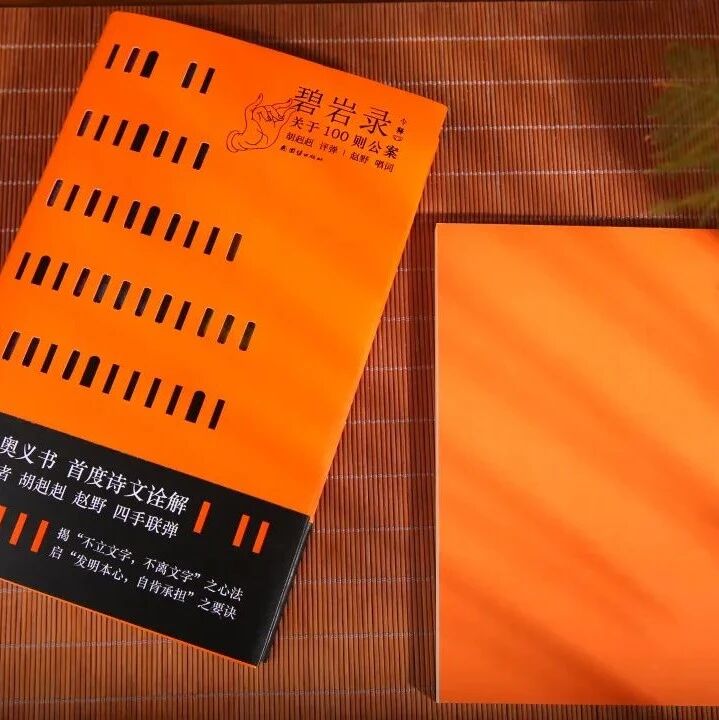
Core Viewpoint - The article discusses the significance of the book "Biyan Lu" (碧岩录), regarded as the "first book of the sect" in Zen Buddhism, highlighting its profound influence on both Chinese and Japanese Zen culture [1][2]. Group 1: Background of "Biyan Lu" - "Biyan Lu" was compiled by the Song Dynasty monk Yuanwu Keqin and his disciples, serving as a collection of Zen teachings and anecdotes [2]. - Yuanwu Keqin, born into a scholarly family, had a transformative experience that led him to pursue Zen, eventually becoming a prominent figure in the Zen community [4][5]. - His teachings emphasized the importance of understanding the essence of Zen beyond mere words, illustrated through various anecdotes and dialogues with disciples [5][7]. Group 2: Structure and Content of "Biyan Lu" - The book consists of 100 Zen koans, which are short stories or dialogues that convey deep spiritual insights and are used as teaching tools [13][15]. - Yuanwu Keqin's contributions to the text include three main components: prefaces, annotations, and commentaries that provide context and interpretation for each koan [10][11]. - The language of "Biyan Lu" is poetic and rich in imagery, making it a vital text for Zen practitioners seeking enlightenment [15]. Group 3: Influence and Legacy - "Biyan Lu" has been influential in Zen practice, often used as a primary text for meditation and understanding Zen principles [15][17]. - Despite attempts to suppress its publication due to misinterpretations, the book has persisted in its influence, with notable figures praising its depth and significance [11][13]. - The recent publication "Biyan Lu Jin Shi" aims to modernize the interpretation of the text, combining the original text with contemporary commentary and poetry [19][24].
宗馥莉或另立门户,启用新品牌“娃小宗”|首席资讯日报
首席商业评论· 2025-09-14 04:08
Group 1 - Hunan Lengshuijiang reported illegal employment of suspected disabled individuals at a brick factory, with the company head being detained for investigation [2] - Luo Yonghao announced the conclusion of the Xibei incident and expressed anticipation for the rapid introduction of national regulations on prepared dishes [3] - The China Automotive International Competitiveness Evaluation System was released, assessing companies based on financial, market, innovation, management, and service indices [4] Group 2 - Tesla's board chair defended Elon Musk's proposed $1 trillion compensation plan, emphasizing the need for significant challenges tied to high compensation [5][6] - Goldman Sachs denied rumors of raising the target price for Shenghong Technology, clarifying that no related research report was issued [7] - Zhejiang University announced a breakthrough in lupus research, providing important theoretical support for precise diagnosis and treatment [8] Group 3 - The National Internet Information Office solicited opinions on promoting the use of digital RMB for cross-border payments, encouraging digital document applications in trade and finance [9] - Kweichow Moutai refuted rumors about opening direct sales for its products and denied any related franchise activities [10] - U.S. Commerce Secretary criticized Musk's management of the DOGE initiative, claiming it undermined the department's mission [11] Group 4 - Lei Jun initiated lawsuits against "black public relations" activities targeting several car companies, citing evidence collected by the legal department [12] - The 2025 Chongqing City Football Super League commenced, with tickets selling out rapidly at a low price [13] - Wahaha plans to transition to a new brand "Wawa Xiaozong" starting from the 2026 sales year, following the founder's passing [14]

“翻译界哈佛”倒闭,AI杀死首个世界名校?
首席商业评论· 2025-09-14 04:08
Core Viewpoint - The closure of the Monterey Institute of International Studies (MIIS) is a significant event, attributed to financial difficulties exacerbated by the rise of AI in translation and interpretation, marking a shift in the educational landscape for language professionals [2][5][12]. Group 1: Financial Challenges - MIIS announced it would stop enrolling graduate students by June 2027 due to a drastic decline in admissions and a financial deficit of $14.1 million, with $8.7 million directly linked to MIIS [5][12]. - The institution's full-time enrollment has dropped to 440 students, less than half of its initial target of 850, leading to annual losses of $25 million [13]. Group 2: Impact of AI on Translation Jobs - A Microsoft report identified interpreters and translators as the most at-risk profession due to AI advancements, with AI tools like Google Translate and ChatGPT significantly improving translation accuracy and speed [5][21]. - The rise of AI has led to a reduction in demand for human translators, with many professionals reporting a sharp decline in projects and income, often resorting to lower-paying roles such as post-editing [26][30]. Group 3: Institutional Changes - MIIS will terminate all in-person graduate degree programs, including its renowned translation program, while retaining some online courses in cybersecurity and public administration [9][10]. - The decision to close MIIS was influenced by faculty protests and a vote to shut down the institute within three years, reflecting a broader trend of educational institutions adapting to the changing job market [12][13]. Group 4: Future of Translation - Despite the advancements in AI translation, there remains a belief that human expertise is irreplaceable, particularly in specialized fields requiring nuanced understanding and terminology management [30][34]. - The evolution of AI tools continues to challenge traditional translation roles, but the need for human oversight in complex translation tasks persists [30][35].

新型「烧钱局」,花了中国人3000亿?
首席商业评论· 2025-09-13 03:58
Core Viewpoint - The article discusses the rapid evolution of the pet industry in China, highlighting how it is mirroring human healthcare and lifestyle services, thus creating a booming market for pet-related services and products [5][32]. Group 1: Pet Healthcare - The Chinese Agricultural University Animal Hospital is compared to a top-tier human hospital, showcasing a professional healthcare system for pets that includes detailed examination reports and advanced medical procedures like CT scans and acupuncture [21][28]. - The hospital's success has led to it being dubbed the "Animal Concord Hospital," reflecting its high standards and effectiveness in treating pets [28][29]. - The article lists several five-star animal hospitals across China, indicating a growing recognition of quality in pet healthcare [31]. Group 2: Pet Industry Growth - The pet industry in China is experiencing significant growth, with the number of pet cats and dogs expected to exceed 124 million by 2024, and the market size projected to surpass 300 billion yuan in urban areas [46][47]. - The market is still underpenetrated compared to mature markets like the U.S., suggesting substantial growth potential [47]. - Various sectors within the pet industry, such as pet fitness centers and pet funerals, are emerging, indicating a trend towards more specialized and human-like services for pets [32][44]. Group 3: Emotional Value of Pet Ownership - Pet ownership is increasingly seen as a source of emotional support, with owners finding fulfillment and positive feedback from their relationships with pets [57][59]. - The article suggests that caring for pets allows individuals to address their own emotional needs and past traumas, making pet ownership a form of self-care [59][61]. - The emotional bond between pets and their owners is emphasized as a significant aspect of modern pet ownership, contributing to the overall growth of the pet industry [55][61].

罗永浩开播谈西贝,称其公关团队特别不专业|首席资讯日报
首席商业评论· 2025-09-13 03:58
Group 1 - Luo Yonghao criticized the public relations team of Xibei for being unprofessional during a live broadcast, emphasizing the need for transparency in the prepared food market to protect consumer rights [2] - Xibei's founder, Jia Guolong, provided details of Luo's dining experience, highlighting that Luo's group had a positive feedback during the meal, contradicting his later negative comments [4][5] Group 2 - The Haikou Housing and Urban-Rural Development Bureau temporarily closed the "second-hand housing listing" module on its real estate information website for system optimization due to complaints about price discrepancies and slow updates [2] - Citic Securities maintained its prediction that the Federal Reserve will cut interest rates three times by 25 basis points each before the end of the year, citing stable inflation and price conditions [8] Group 3 - Huaren Group denied rumors of acquiring Evergrande Property, stating that the reports were untrue [3] - The founder of Zhaimi Technology, Yu Hao, addressed bankruptcy rumors, asserting that the company has sufficient cash flow and has repurchased shares to increase ownership [10] Group 4 - OpenAI and Nvidia are expected to announce a multi-billion dollar investment in a UK data center project, coinciding with a visit from US President Trump [7] - BlackRock's Bitcoin ETF, IBIT, has seen its holdings exceed 850 billion USD, with a total of 754,163 Bitcoins [13]

深圳金融史,一个波澜壮阔的中国金融改革奇迹
首席商业评论· 2025-09-13 03:58
Core Viewpoint - Shenzhen has transformed from a financial desert in 1979 to one of China's three major financial centers by 2024, showcasing a remarkable journey of financial reform and innovation [5][8]. Group 1: Initial Creation and Exploration (1979-1990) - Shenzhen was designated as a "test field" for economic reform in 1979, leading to the establishment of the first foreign bank branch in China and the birth of national banks like China Merchants Bank [9]. - The first stock in New China was issued in 1983, marking the beginning of the capital market, with significant events like the public offering of Shenzhen Development Bank in 1987 [9]. - The emergence of non-bank financial institutions, such as Ping An Insurance in 1988, laid the groundwork for future financial giants [9]. Group 2: Leap and Growth (1990-2004) - The establishment of the Shenzhen Stock Exchange in December 1990 marked a significant leap in Shenzhen's financial history, providing direct financing channels for enterprises [10]. - By the end of 2004, the Shenzhen Stock Exchange had 536 listed companies with a total market value of 1.1 trillion yuan and an annual trading volume of 1.6 trillion yuan [10]. - Shenzhen became a hub for venture capital, with over 20 billion yuan invested in more than 100 projects by 2004 [10]. Group 3: Adjustment and Transformation (2004-2019) - The introduction of the SME Board in 2004 provided a dedicated platform for small and medium enterprises, with over 327 companies listed and more than 300 billion yuan raised by 2009 [12]. - The launch of the ChiNext in 2009 focused on innovative and growth-oriented enterprises, leading to a surge in the number of listed companies from 28 to nearly 800 by 2019 [12]. - The establishment of Qianhai as a financial innovation zone in 2010 facilitated cross-border financial services, with over 52,000 financial enterprises registered by 2019 [16]. Group 4: Elevation and Leadership (2019-Present) - Shenzhen's financial sector has been elevated under national strategies, with over 400 companies listed on the ChiNext through a registration system by 2025, raising over 500 billion yuan [18]. - The total number of companies on the Shenzhen main board is expected to approach 1,600 by mid-2025, with a market value nearing 40 trillion yuan [18]. - The implementation of the "Cross-Border Wealth Management Connect" in 2024 has seen significant participation from banks and a substantial increase in cross-border transactions [19]. Group 5: Achievements and Strengths - By the end of 2024, Shenzhen's financial institutions held deposits of 135.78 trillion yuan and loans of 94.83 trillion yuan, with total banking assets reaching 13.57 trillion yuan [21]. - The Shenzhen Stock Exchange had 2,852 listed companies with a market capitalization of 33.04 trillion yuan, ranking it among the top globally [21][23]. - The insurance sector reported premium income of 195.82 billion yuan in 2024, with total assets of 7.3 trillion yuan [25]. Group 6: Reflection and Future Outlook - Over 45 years, Shenzhen has evolved from a financial desert to a global financial technology leader, with significant achievements in various financial sectors [34]. - The city's success is attributed to its innovative spirit, close ties between finance and the real economy, and a highly market-oriented system [34]. - Looking ahead, Shenzhen's financial industry is poised for further growth and innovation, building on its past successes [34].



