美股IPO

Search documents
盘后大涨57%!超10亿美元!礼来欲收购Ventyx Biosciences
美股IPO· 2026-01-06 23:16
Core Viewpoint - Eli Lilly is in late-stage negotiations to acquire biotech company Ventyx Biosciences for over $1 billion, leading to a 57% surge in Ventyx's stock price after market close [1]. Company Overview - Ventyx Biosciences is a clinical-stage biopharmaceutical company focused on developing innovative oral therapies for autoimmune diseases, inflammatory diseases, and neurodegenerative diseases [2]. - The company's core pipeline includes NLRP3 inhibitors, with key products VTX2735 and VTX3232, both in Phase 2 development [2][3]. Product Pipeline and Clinical Development - VTX2735 is a peripheral NLRP3 inhibitor targeting recurrent pericarditis, with Phase 2 data expected in the second half of 2025 [3][4]. - VTX3232 is a CNS-penetrant NLRP3 inhibitor aimed at treating Parkinson's disease and cardiometabolic diseases, with positive Phase 2a data anticipated in June 2025 and additional data expected in the second half of 2025 [3][4]. - The inflammatory bowel disease portfolio includes Tamuzimod, a Phase 3-ready S1P1R modulator for ulcerative colitis, and VTX958, a TYK2 inhibitor for Crohn's disease, which has completed Phase 2 trials [3][4]. Financial Position - As of March 31, 2025, Ventyx reported cash, cash equivalents, and marketable securities totaling $228.8 million, expected to fund operations into at least the second half of 2026 [3].


锁定英伟达量产红利:超微电脑(SMCI.US)扩大 Vera Rubin 液冷支持 摩丁制造(MOD.US)大跌超13%
美股IPO· 2026-01-06 16:04
Core Viewpoint - The article highlights the collaboration between Supermicro (SMCI.US) and NVIDIA (NVDA.US) in developing advanced liquid cooling AI infrastructure to support the Vera Rubin platform, which is now in full production. This partnership aims to enhance the deployment of next-generation AI data center solutions. Group 1: Supermicro's Developments - Supermicro announced the expansion of its liquid cooling AI infrastructure to accelerate the delivery of customized data center solutions for NVIDIA's Vera Rubin platform [1] - The company introduced a new liquid cooling solution capable of providing precise cooling for large-scale clusters integrating 72 Rubin GPUs per rack [3] - Supermicro's CEO, Charles Liang, emphasized the company's agile building block solutions and expanded manufacturing capabilities in the U.S. to deliver cutting-edge AI platforms faster than competitors [3] Group 2: Market Reactions - Following the CES announcement, data center cooling stocks experienced a significant decline, with Modine Manufacturing (MOD.US) dropping over 13%, Johnson Controls (JCI.US) and Trane Technologies (TT.US) falling over 7%, and Vertiv Holdings (VRT.US) decreasing over 3% [4] - NVIDIA's CEO Jensen Huang mentioned that servers equipped with the new Rubin chips could operate without water cooling, requiring airflow similar to that of racks with Blackwell chips, which may have influenced market sentiment [4]


扩产不能停!花旗:三星、台积电、英特尔三巨头资本开支将有积极指引
美股IPO· 2026-01-06 16:04
Core Viewpoint - Citigroup anticipates that TSMC will set its 2026 capital expenditure guidance in the range of $46 billion to $48 billion, while Intel's capital expenditure is expected to stabilize, and Samsung may increase its investment following Micron's expansion plans. The combined capital expenditures of these three companies account for approximately 59% of Citigroup's 2026 global WFE spending model, indicating their capital expenditure trends serve as a bellwether for the entire semiconductor equipment industry [1][3]. Group 1: TSMC - TSMC is expected to announce its 2026 capital expenditure guidance between $46 billion and $48 billion, with potential for upward adjustments throughout the year [5]. - Citigroup's model predicts TSMC's capital expenditure for 2026 to be $47 billion, with additional upward potential [5]. - Market expectations for TSMC's 2026 capital expenditure are around $50 billion, reflecting optimism regarding TSMC's expansion efforts [5]. Group 2: Intel - Citigroup forecasts Intel's 2026 capital expenditure to stabilize, benefiting from improvements in its backend customer pipeline, with projected expenditures of $18 billion in 2025 and $15 billion in 2026 [6]. - Intel is expected to maintain its 2025 capital expenditure guidance at $18 billion and project approximately $16 billion for 2026 [6]. - Despite a decrease in capital expenditure for 2026 compared to 2025, Intel's capital spending is expected to stabilize due to growth in its backend packaging business [6]. Group 3: Samsung - Citigroup believes Samsung's 2026 capital expenditure has room for upward adjustment, influenced by Micron's significant increase in capital expenditure guidance [7]. - Samsung's management has indicated a flexible approach to 2026 capital expenditure, planning to increase investments based on the growth in AI demand [7]. - Micron's recent announcement to raise its 2026 net capital expenditure from $18 billion to $20 billion, a 45% increase, may prompt Samsung to take similar actions to maintain its market position [8].


《经济学人》:人工智能如何革新药物制造领域?
美股IPO· 2026-01-06 16:04
位于波士顿的生物技术公司Insilico Medicine似乎是首家将新一代人工智能(称为Transformer模 型)应用于药物研发领域的公司。早在2019年,该公司的研究人员就思考能否利用这些模型,根据 生物和化学数据研发新药。他们的首要目标是特发性肺纤维化,一种肺部疾病。 他们首先利用与该疾病相关的数据集训练人工智能,并找到了一种很有前景的靶蛋白。随后,第二 个人工智能推荐了一些能够与该蛋白结合并改变其行为,但毒性和稳定性又不太高的分子。之后, 由化学家接手,合成并测试了筛选出的分子。他们将最终成果命名为rentosertib,该药物近期已成 An AI revolution in drugmaking is under way 它将彻底改变药品的生产方式,以及整个行业本身。 阿特里克·施瓦布并非普通的药物研究员,他的工作场所也并非普通的制药实验室。这里既没有实验 台,也没有冒泡的液体,更没有白大褂。施瓦布博士总是身着一身黑衣。但这对于他位于国王十字 区的工作场所来说,倒也十分贴切。国王十字区曾是铁路货场和工业区,如今经过改造,已成为伦 敦最令人艳羡的时尚街区之一。 施瓦布博士就职于葛兰素史克(GSK) ...


华尔街仍看好,但威胁已至!英伟达“4万亿神话”正面临空前挑战
美股IPO· 2026-01-06 16:04
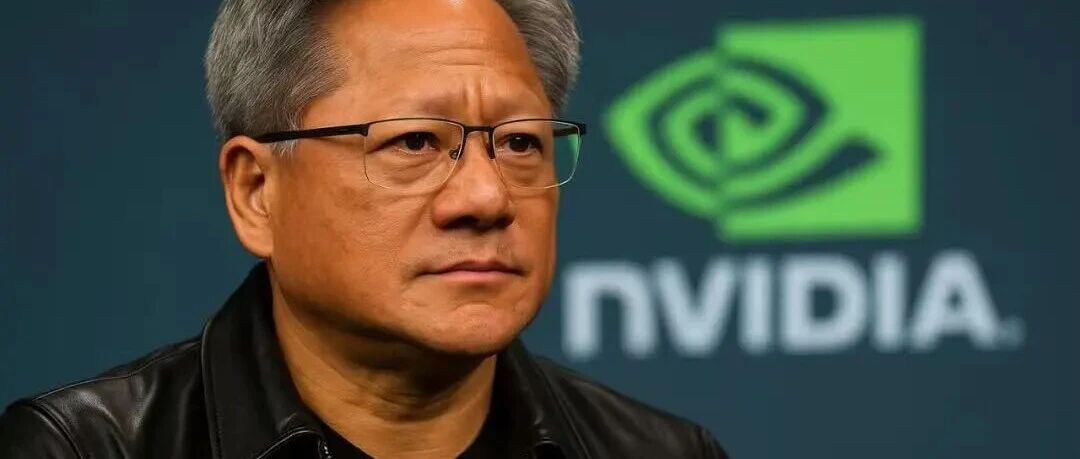
Core Viewpoint - The article discusses the declining market position of Nvidia (NVDA.US) as it faces increasing competition and concerns over the sustainability of AI spending, despite its historical growth and strong demand for its products [1][3][5]. Group 1: Nvidia's Market Performance - Since reaching an all-time high on October 29, Nvidia's stock has dropped by 9.1%, underperforming the S&P 500 index, raising investor concerns about the sustainability of AI spending and Nvidia's market dominance [3][5]. - Nvidia's stock price has increased over 1300% since the end of 2022, with its market capitalization surpassing $5 trillion, but it has since lost $460 billion in market value, reducing its three-year cumulative growth to nearly 1200% [3][5]. - Despite the recent downturn, Nvidia's stock remains in high demand, with 76 out of 82 analysts giving it a buy rating, and an average target price suggesting a potential 37% upside in the next 12 months [7][8]. Group 2: Competitive Landscape - Nvidia, holding over 90% of the AI chip market, faces unprecedented competition from rivals like AMD (AMD.US) and major clients such as Google (GOOGL.US) and Amazon (AMZN.US), who are developing their own chips to reduce costs [5][9]. - AMD is expected to see a 60% increase in its data center business revenue by 2026, reaching nearly $260 billion, indicating a significant threat to Nvidia's market share [8][9]. - The demand for customized chips is rising, with companies like Google and Meta exploring alternatives to Nvidia's high-cost chips, which can exceed $30,000 each [9][10]. Group 3: Financial Metrics and Valuation - Nvidia's gross margin is projected to decline from 75% to 71.2% in the 2026 fiscal year due to increased costs from the Blackwell chip series, with expectations to recover to around 75% in the 2027 fiscal year [11][12]. - The current valuation of Nvidia is relatively low at a forward P/E ratio of 25, which is only higher than Meta among the "Seven Giants," and lower than over a quarter of S&P 500 constituents [14]. - Analysts suggest that the current market valuation reflects a pessimistic outlook on the industry cycle and AI deployment, presenting a potential investment opportunity [14].
美银:2026年,哪些大消息有望点燃市场情绪?一文读懂美国大厂的“AI催化剂”
美股IPO· 2026-01-06 16:04
Core Viewpoint - 2026 is projected to be a pivotal year for AI announcements that could significantly impact the market, with major companies like Amazon, Google, Meta, and Uber expected to make substantial advancements and investments in AI technologies [1][3][4]. Group 1: Potential Major Announcements - Amazon is likely to partner with OpenAI to enter the smart commerce space, which could enhance its Prime membership system and potentially include revenue-sharing agreements [6][7]. - Google is expected to collaborate with Apple to integrate its Gemini AI model into Siri, which may accelerate AI functionality development within Apple's ecosystem and expand Gemini's consumer reach [8][9]. - Meta plans to invest over $100 billion in AI capabilities, focusing on AI video creation tools that could enhance user engagement and monetization on platforms like Facebook and Instagram [10][11]. - Uber aims to expand its Level 4 (L4) autonomous driving initiatives in over ten markets, potentially announcing partnerships with major OEMs and software providers [12][13]. - Booking.com is anticipated to launch new AI capabilities, including chat-based booking features, to remain competitive in the market [14]. - DoorDash is expected to expand its partnerships for autonomous delivery services, which may enhance long-term market perceptions of its automated delivery investments [15][16]. - The IPOs of AI unicorns like Anthropic and OpenAI could significantly influence the valuation of major cloud service providers, with potential implications for AWS, Google Cloud, and Meta [17][18]. Group 2: Advanced Scenarios - Amazon may acquire AI model technology to enhance its Nova model, addressing its current lag behind competitors like ChatGPT and Gemini [19]. - Meta is projected to release its closed-source LLM, Avocado, which could create new revenue streams and justify its substantial AI investments [20]. - Google might expand the sale of its TPU chips directly to enterprises, potentially blurring the lines between hardware and software giants and enhancing its valuation [21]. - Airbnb could leverage its unique inventory by forming exclusive partnerships with OpenAI or Google for booking services, which may drive incremental traffic and stock price increases [22]. - Regulatory changes in the U.S. regarding the import of Chinese autonomous vehicles could significantly reduce operational costs for companies like Uber and Lyft, improving their unit economics [26].
《经济学人》:特朗普豪赌委内瑞拉石油
美股IPO· 2026-01-06 16:04
Donald Trump's great Venezuelan oil gamble 该国坐拥全球最大的石油储量,但要将其开采出来却困难重重。 那么,特朗普对石油的这场突袭,有什么不好呢?事实证明,问题不少。短期内,委内瑞拉原油产量更可能继续下滑而非反弹。去年12月,美国宣 布对由黑名单油轮运输的委内瑞拉石油实施封锁,并随后扣押了其中一艘。自此,委内瑞拉出口量骤降,停泊在海上闲置油轮中的原油库存已升至 多年高位。此外,委内瑞拉还缺乏稀释剂"石脑油"(naphtha)——这是使其极度黏稠的原油具备可运输性的关键原料,而俄罗斯已不再提供。除非 解除封锁(而这取决于政治和军事局势的发展),否则委内瑞拉的产量将进一步被迫削减,可能跌至每日70万桶以下。 图表:《经济学人》 如果政治过渡顺利,且美国对委内瑞拉的制裁(包括海上封锁)被全面解除(这是一个巨大的"如果"),产量或许能在几个月内恢复。数据公司 Kpler估计,通过基础维护和修复,到2026年底,委内瑞拉日产量或可回升至120万桶。但这仍远低于其最大潜力,也仅略逊于全球第18大产油国 利比亚。 若想进一步增产,委内瑞拉必须克服三大障碍:极度缺乏资金、劳动力短缺, ...

物理AI的ChatGPT时刻!英伟达“内驱”无人驾驶汽车将至,发布首个链式思维推理VLA模型
美股IPO· 2026-01-05 23:38
Core Viewpoint - Nvidia has announced the open-source release of its first inference VLA (Vision-Language-Action) model, Alpamayo 1, aimed at enhancing autonomous vehicle capabilities to "think" and solve problems in unexpected situations, utilizing a 10 billion parameter architecture [1][3][4]. Group 1: Model and Technology Overview - The Alpamayo model is designed to process complex driving scenarios using human-like reasoning, providing new pathways to address long-tail issues in autonomous driving [1][3]. - The model integrates three foundational pillars: open-source models, simulation frameworks, and datasets, creating a comprehensive open ecosystem for automotive developers and research teams [4]. - The model is now available on the Hugging Face platform and allows developers to adapt it for smaller runtime models or as a foundational tool for autonomous driving development [4][10]. Group 2: Industry Support and Collaboration - Major companies in the mobility sector, including Jaguar Land Rover, Lucid, and Uber, have expressed strong interest in utilizing the Alpamayo model to develop inference-based autonomous driving technology stacks [3][11]. - Nvidia's CEO highlighted the importance of the Alpamayo model in enabling autonomous vehicles to navigate rare scenarios safely and explain their driving decisions, which is crucial for scalable autonomous driving [6][11]. Group 3: Simulation and Data Resources - Alongside the Alpamayo model, Nvidia has released AlpaSim, a fully open-source end-to-end simulation framework for high-fidelity autonomous driving development, available on GitHub [9][10]. - Nvidia provides a large-scale open dataset containing over 1,700 hours of driving data, covering a wide range of geographical locations and conditions, essential for advancing inference architectures [9][10]. Group 4: Broader AI Model Releases - Nvidia has also launched several new open-source models, data, and tools across various industries, including the Nemotron family for agent AI, the Cosmos platform for physical AI, and the Isaac GR00T for robotics [12][14]. - These models include extensive datasets, such as 100 trillion language training tokens and 100TB of vehicle sensor data, aimed at accelerating AI development across sectors [14][15].

抗癌生物科技公司Aktis Oncology(AKTS.US)IPO定价16-18美元/股 拟筹资2.12亿美元
美股IPO· 2026-01-05 23:38
Group 1 - Aktis Oncology Inc. plans to conduct an initial public offering (IPO) in the U.S. to raise up to $212 million [1] - The company intends to issue 11.8 million shares at a price range of $16-18 per share, leading to an estimated valuation of approximately $840 million [2] - Aktis specializes in developing α-particle radiotherapy for solid tumors and has raised about $346 million from top life sciences investors [2] Group 2 - As of September 30, the company reported revenue of $4.6 million and a net loss of $48.6 million for the nine months, compared to revenue of $554,000 and a net loss of $31.9 million in the same period the previous year [2] - Major shareholders before the IPO include MPM (26%), Vida Ventures (14%), EcoR1 (11%), and Blue Owl (7%) [3] - The IPO will be led by JPMorgan, Bank of America, Leerink Partners, and TD Securities, with plans to list on the NASDAQ under the ticker symbol AKTS [3]

美股三年连涨后仍有上行空间?历史经验显示牛市未到尽头 分析师看标普500年底至7700点
美股IPO· 2026-01-05 23:38
在新一年全面展开之际,美股的强劲表现为投资者带来更多信心,也带来新的难题。 标普500指数 刚刚录得连续第三年双位数涨幅,虽然这让 2026年的市场环境更具挑战性,从历史经验来看,本轮牛市并不一定已经走到尽头。 数据显示,自2022年10月阶段性低点以来,截至2025年10月,标普500指数在约36个半月内累计上涨98%。周一,Oppenheimer首 席技术策略师Ari Wald指出,历史数据显示,自1932年以来,美国股市中曾有8次牛市至少持续了三年之久。 不过,历史在这一阶段的指引并不明确。统计显示,在牛市进入第39至第51个月后,五次情形下指数平均上涨约22%,但另有三次平均 下跌约7%,结果更像"掷硬币"。 像2022年至2025年这样连续多年大幅上涨的行情尤为罕见。Wald指出,自1942年以来,在经历连续三年双位数上涨后,标普500指数 在五次情形中有三次继续录得强劲正回报(1945年、1952年、1998年);但若试图冲击连续第四年双位数涨幅,历史回报明显下降,仅 在1999年成功一次。他总结称:"上涨仍有可能,但选股能力与风险管理变得尤为重要。" 在此背景下,Wald本人仍保持乐观,给予标普 ...