美股IPO

Search documents
英国卫报:“赤裸裸的帝国主义”:特朗普干预委内瑞拉标志着美国重蹈覆辙
美股IPO· 2026-01-04 16:03
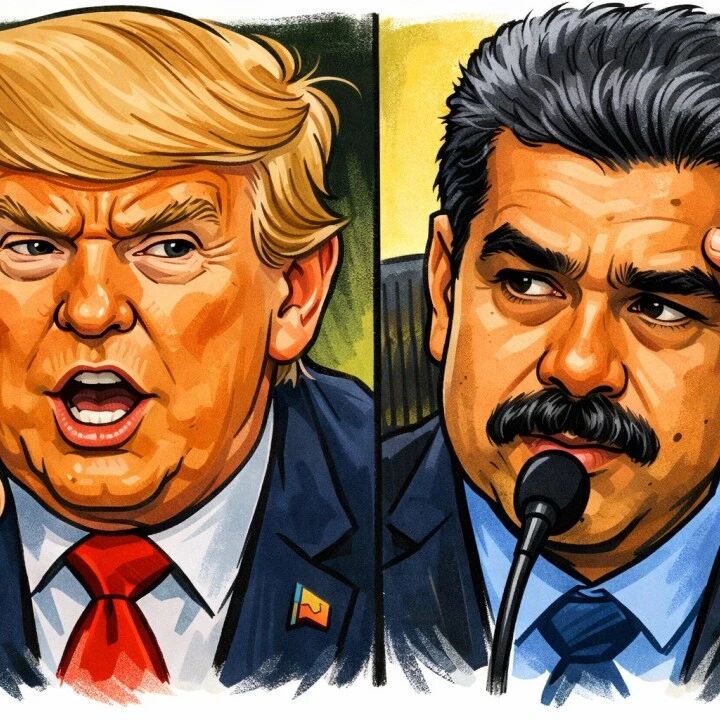
Core Viewpoint - The article discusses the historical context and implications of the recent U.S. military intervention in Venezuela, highlighting it as a continuation of a long-standing pattern of American imperialism in Latin America, marking a significant shift in U.S. foreign policy under the Trump administration [1][2][5]. Historical Context - The U.S. has a history of intervening in Latin America, often through military means, to assert its dominance, with the most recent action being the direct military attack on Venezuela, which is unprecedented in South America [1][2][5]. - The article draws parallels between the current situation and past interventions, notably the 1989 invasion of Panama to capture Manuel Noriega, emphasizing the consistency of U.S. actions in the region [2][5]. Policy Shift - The Trump administration's new national security strategy explicitly calls for an expansion of U.S. military presence in Latin America, reflecting a return to the Monroe Doctrine's principles, which advocate for U.S. influence in the region [5][6]. - Scholars note that the recent military action signifies a major change in U.S. diplomatic and defense policy, with implications for future interventions [5][6]. Examples of Past Interventions - The article lists several historical interventions by the U.S. in Latin America, including: - The 1847 invasion of Mexico, resulting in the loss of 55% of Mexican territory [9]. - The U.S. control over Cuba following the Spanish-American War and subsequent occupations [12]. - The 1915 invasion of Haiti, where the U.S. controlled key governmental functions until 1934 [15]. - The 1989 invasion of Panama, which resulted in significant civilian casualties and political upheaval [20]. Consequences of Interventions - Historical interventions have rarely led to lasting peace or stability, often resulting in power struggles and long-term governance issues in the affected countries [21][22]. - The article suggests that the pattern of U.S. intervention tends to create more complex political landscapes rather than resolving conflicts [21][22].

“国家元首豁免权”成焦点:美国军事抓捕马杜罗,冲击国际法基本准则
美股IPO· 2026-01-04 16:03
Core Viewpoint - The article discusses the legal implications and historical context of the U.S. military operation to capture Venezuelan President Nicolás Maduro, emphasizing the lack of legal justification for such actions under international law [4][5][6]. Legal Basis of the Operation - The author argues that the U.S. government's legal arguments for the operation lack validity and do not provide a legitimate defense for the military actions taken in Venezuela [6][7]. - Claims of self-defense against drug trafficking, allegedly supported by Maduro, do not hold under international law, as self-defense is traditionally reserved for armed attacks, not drug smuggling [7][8]. Historical Context and Precedents - The article references the historical precedent of U.S. interventions in Latin America, particularly the invasion of Panama to capture Manuel Noriega, highlighting the similarities in justifications used by the U.S. government [12][19]. - The author notes that the invocation of Monroe Doctrine principles by President Trump signals a troubling return to justifications for military intervention in Latin America [18][19]. Implications of Leadership Recognition - The discussion includes the complexities surrounding Maduro's status as a legitimate leader, with the potential for legal challenges in U.S. courts regarding his immunity as a head of state [10][12]. - The article raises concerns about the implications of a U.S. president unilaterally determining the legitimacy of foreign leaders, which could undermine international law and norms [16][17]. Consequences of Military Action - The potential long-term risks for U.S. soldiers involved in the operation are highlighted, contrasting this action with previous, shorter military interventions [19]. - The article suggests that the operation is driven by interests in Venezuelan oil rather than humanitarian concerns, indicating a shift towards using military force for resource acquisition [19][20].
马杜罗:从公交车司机到查韦斯继任者,再到美国囚犯
美股IPO· 2026-01-04 16:03
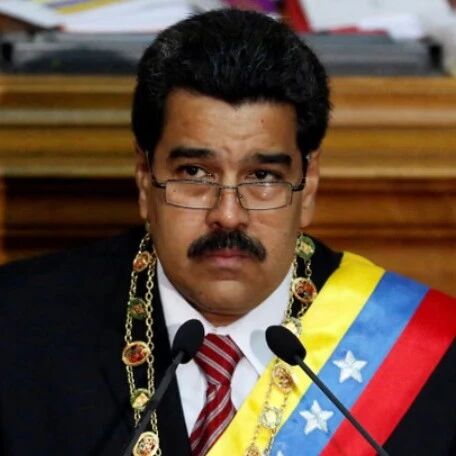
Core Viewpoint - Nicolás Maduro, the former president of Venezuela, has been arrested by U.S. special forces on drug-related charges, marking a significant shift in his political trajectory after over 13 years in power. His leadership has been characterized by economic collapse and mass emigration of Venezuelans seeking better conditions abroad [3][10]. Background and Rise to Power - Maduro, born on November 23, 1962, began his political career as a student leader and later became a bus driver and union leader, gaining prominence as a loyal supporter of Hugo Chávez [3][5]. - He joined Chávez's political movement in the mid-1990s and quickly rose through the ranks, eventually becoming foreign minister and then vice president [5][7]. Presidency and Challenges - After Chávez's death in 2013, Maduro was elected president, but his tenure was immediately marred by crises, including violent protests and a significant loss of control in the National Assembly in 2015 [7][10]. - Maduro's government faced accusations of human rights violations and was investigated by the International Criminal Court for crimes against humanity due to the violent suppression of protests [8][10]. Economic Decline - By 2018, Venezuela's economy was in free fall, with hyperinflation and severe shortages of basic goods. Oil production plummeted to under 400,000 barrels per day, a drastic decline from previous levels [8][10]. Political Maneuvering - In the 2018 elections, Maduro faced little competition, and his legitimacy was questioned internationally as many countries refused to recognize the results [10][11]. - Despite international sanctions and internal opposition, Maduro managed to maintain power through military support and strategic political reforms, although these efforts were met with skepticism [10][11]. Recent Developments - Following the 2024 elections, Maduro was declared the winner, but opposition claims indicated he faced a significant defeat. Protests were met with repression, and he began a third presidential term amid escalating tensions with the U.S. [11][13]. - The situation intensified with the U.S. military presence in the Caribbean and aggressive actions against alleged drug trafficking, leading to a precarious position for Maduro's government [13].
《纽约时报》社论:特朗普对委内瑞拉的攻击是非法的,也是不明智的
美股IPO· 2026-01-04 16:03
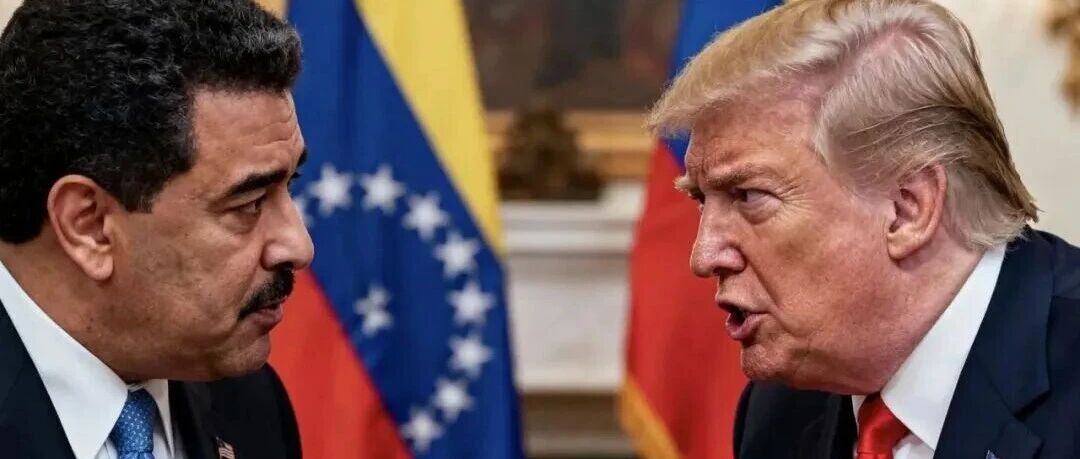
Core Viewpoint - The article argues that President Trump's military actions against Venezuela are illegal and unwise, drawing parallels to past U.S. interventions that have led to instability rather than resolution [1][4][5]. Summary by Sections Military Deployment and Actions - Trump has deployed a significant military presence in the Caribbean, including an aircraft carrier, at least seven other ships, dozens of aircraft, and 15,000 troops, to threaten Venezuela [1]. - The recent arrest of Venezuelan President Nicolás Maduro is described as a major escalation in Trump's military actions [2]. Historical Context and Lessons - The article highlights that U.S. attempts to overthrow even the most despised regimes often worsen the situation, citing failures in Afghanistan, Libya, and Iraq [2][4]. - It emphasizes that past U.S. interventions in Latin America have led to chaos in countries like Chile, Cuba, Guatemala, and Nicaragua [2]. Legal and Constitutional Issues - Trump's actions lack constitutional justification, as he has not sought Congressional approval, which is required for military action [3][5]. - The article critiques the rationale of combating "drug terrorists," arguing that Venezuela is not a major producer of drugs contributing to the U.S. opioid crisis [3]. International Law Violations - The military actions against Venezuelan vessels are described as violations of international law, particularly regarding extrajudicial killings [6]. - The article notes that the U.S. has acted without international legitimacy or legal authorization, potentially emboldening authoritarian regimes elsewhere [4][6]. Potential Consequences - The article warns that the situation in Venezuela could worsen, with increased violence from groups like the ELN and potential disruptions to global energy and food markets [7][8]. - It expresses concern that Trump's aggressive stance may lead to greater suffering for the Venezuelan people and long-term damage to U.S. interests globally [8].
华尔街日报:深入揭秘“绝对决心行动”:美国入侵委内瑞拉推翻马杜罗内幕
美股IPO· 2026-01-04 16:03
Core Viewpoint - The article discusses the U.S. military operation "Absolute Resolve," which successfully deposed Venezuelan President Nicolás Maduro after a 13-year rule, highlighting the operation's planning, execution, and implications for U.S.-Venezuela relations [1][5][19]. Summary by Sections Operation Planning and Execution - The operation was the culmination of months of secret planning, aided by intelligence from a source within Maduro's inner circle, tracking his habits and movements [7][8]. - U.S. military forces, including 15,000 troops and various aircraft, were mobilized near Venezuela, conducting training and reconnaissance missions prior to the operation [3][12]. - The operation commenced at 10:46 PM on a Friday, with Trump delegating the decision-making authority to the Pentagon [11][12]. Military Engagement - The operation involved overwhelming air power, including F-18, F-22, and F-35 fighter jets, as well as B-1 bombers and drones, aimed at neutralizing Venezuela's air defense systems [13][14]. - The U.S. special forces engaged in a firefight upon reaching Maduro's residence, leading to his capture after he attempted to escape [16][19]. Aftermath and Legal Proceedings - Following the operation, Maduro and his wife were taken to New York, facing federal charges related to drug trafficking, specifically for allegedly facilitating the transport of "thousands of tons of cocaine" to the U.S. [19][20]. - The operation resulted in significant uncertainty in Venezuela, with residents expressing concerns about safety and the future [20][22].
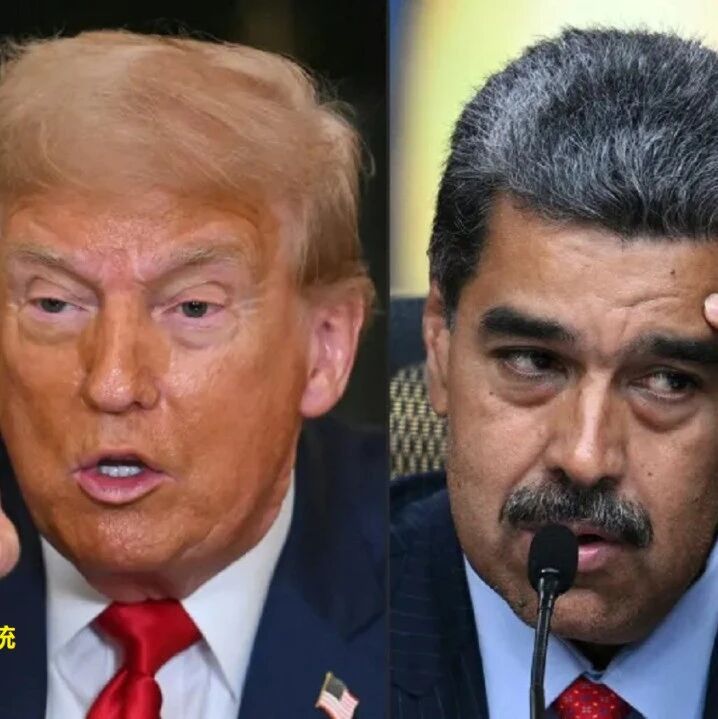
美股新年首个交易日:能源等防御性板块领涨,科技股下跌
美股IPO· 2026-01-04 00:51
2026年首日美股延续板块轮动,投资者加速撤离科技股转投防御板块。特斯拉连跌七日创纪录,AI板块估值泡沫引发持续担忧。分析师警告:在AI盈利 模式明朗前,市场或陷入横盘僵局,科技股的狂欢或已到拐点。 科技巨头在周五交易中表现分化。 亚马逊和Meta股价回落,特斯拉股价下跌2.6%,因公布了又一年的交付量下滑数据。特斯拉股价已连续第七个交易日下跌,创下纪录,这是该股一年 多以来最长的连续下跌。 芯片制造商英伟达和美光科技股价上涨,数据存储公司Western Digital和SanDisk股价也有所上升,成为科技板块的少数亮点。 贵金属市场本周经历剧烈波动。白银价格周五上涨0.6%,黄金则在本周累计下跌4.9%,创下2021年以来最大单周跌幅。 AI热潮面临考验 在股市连续三年强劲上涨后,人工智能能否推动主要指数在2026年再创佳绩成为投资者的核心关切。2025年最后几周,对AI的担忧情绪在华尔街蔓 延,批评者指出科技股估值过高,并对行业主要参与者之间某些交易的循环性表示担忧。 科技股延续疲态 2026年首个交易日,美股延续了2025年末的市场轮动趋势,投资者继续从去年领涨的科技股转向能源、公用事业等防御性板块, ...
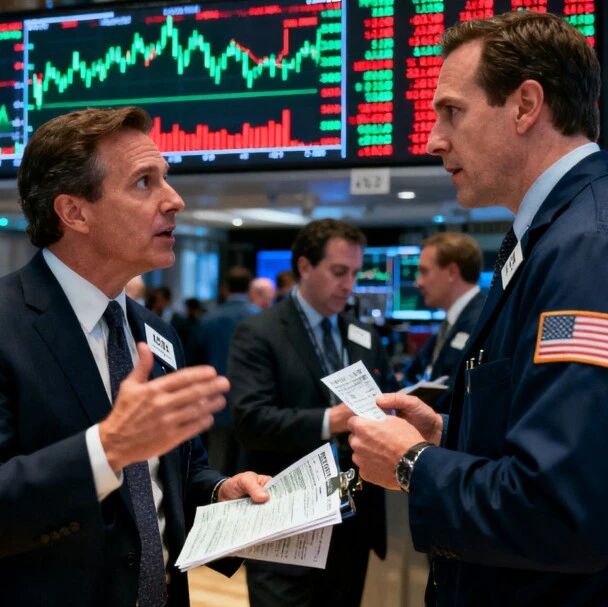
英国金融时报:从冉冉升起的革命者到特朗普的俘虏,委内瑞拉总统尼古拉斯·马杜罗
美股IPO· 2026-01-04 00:51
Core Viewpoint - Nicolás Maduro, the President of Venezuela, has faced multiple attempts to overthrow his regime but has led the country into economic collapse, with a significant decline in GDP and widespread corruption [1][10]. Group 1: Maduro's Political Journey - Maduro has survived several coup attempts, including a failed uprising by opposition leader Juan Guaidó in 2019 and a drone attack during a military parade in 2018 [3][10]. - Following the death of his predecessor Hugo Chávez in 2013, Maduro inherited the revolutionary mantle but has been characterized as a cunning and ruthless leader [6][9]. - Despite being seen as a "street leader" and a leftist figure opposing imperialism, Maduro's regime has been marred by corruption and mismanagement [10]. Group 2: Economic Decline - Venezuela, which possesses the largest proven oil reserves globally, has experienced one of the most severe economic contractions in history, with GDP shrinking nearly 80% since 2013, now standing at $83 billion [10]. - The country faces rampant corruption, with a global corruption index ranking Venezuela 178th out of 180 countries [10]. - An estimated 8 million Venezuelans have fled the country due to the dire economic situation [10]. Group 3: U.S. Relations and Legal Challenges - Maduro's regime has been under increasing pressure from the U.S., culminating in a shocking military operation that resulted in his kidnapping and transport to the U.S. [2][6]. - U.S. authorities have accused Maduro of leading a drug trafficking network known as the "Sun Cartel," which has been linked to significant criminal activities [12][13]. - The U.S. has imposed sanctions on Maduro and his associates, with impending legal actions expected in U.S. courts [13].
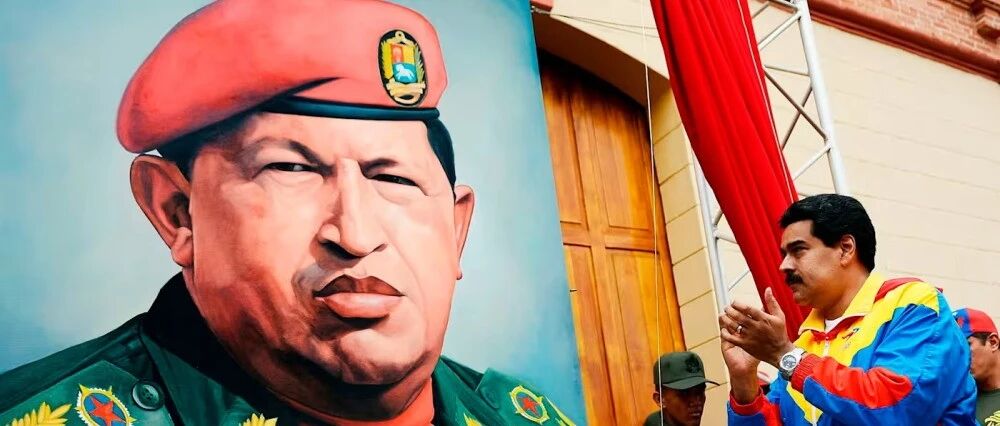
高盛交易团队2026年三大美股交易:聚焦“AI交易”下一步
美股IPO· 2026-01-04 00:51
Core Viewpoint - Goldman Sachs emphasizes a shift in investment strategies for 2026, focusing on AI applications that enhance productivity, while also addressing the challenges faced by low-income consumers in a K-shaped recovery [1][3][7]. Group 1: Investment Strategies - The three core trading strategies identified by Goldman Sachs include: going long on AI productivity beneficiaries, shorting low-income discretionary consumer stocks, and implementing pair trades by going long on high-profit quality AI stocks while shorting fundamentally weak AI stocks [1][3][10]. - These strategies aim to capture market opportunities arising from the K-shaped recovery in the U.S. economy and the differentiation in AI applications, reflecting a transition from investment to application phases of AI technology [3][6]. Group 2: Economic Outlook - Goldman Sachs forecasts a global economic growth of 2.8% in 2026, surpassing the market consensus of 2.5%, with all regions expected to continue expanding [3]. - The U.S. economy is projected to grow by 2.6% in 2026, significantly above the market consensus of 2.0%, driven by reduced tariff drag, tax cuts, and a supportive financial environment [4]. Group 3: AI Productivity Beneficiaries - Goldman Sachs has launched an index focusing on U.S. AI productivity beneficiaries, shifting the investment focus from infrastructure to companies that effectively integrate AI to reduce costs and enhance profit margins [5]. - The index includes non-tech companies that have specific plans to incorporate AI into their workflows, and it has begun to outperform the S&P 500 since Q3 2024 [5][6]. Group 4: K-Shaped Recovery and Consumer Trends - Despite strong GDP growth in 2025, the labor market remains weak, particularly with negative job growth in summer months and an increase in unemployment from 4.1% in June to 4.6% in November [7][8]. - Low-income consumers are under significant pressure from high prices, leading to underperformance in discretionary non-essential goods companies, which is expected to continue into 2026 [7][8]. Group 5: Market Sentiment on AI Stocks - Following three years of rapid growth in AI stocks (with Goldman Sachs' AI index rising approximately 284% compared to an 80% increase in the S&P 500), the market is becoming more cautious in evaluating the fundamentals of AI stocks [9][10]. - Goldman Sachs has categorized AI stocks into "high-profit AI" and "weak AI" indices based on balance sheet strength, credit quality, and free cash flow resilience, recommending a pair trading strategy to benefit from stricter market selection criteria [10].

开年第一天,台积电、三星、美光大涨创新高,带动AI股逆市走高
美股IPO· 2026-01-04 00:51
台积电宣布2nm制程按计划量产,以及AI芯片需求激增,美股和台股双创历史新高;三星电子因HBM4产品获客户认可,韩股大涨 7.2%创新高。分析师普遍认为AI热潮将延续至2026年。Bernstein将台积电列为首选股,大摩将2026年DRAM和NAND价格预期分 别上调62%和75%,且大幅美光上调盈利预期。 2026年首个交易日,AI芯片供应链股票强势上涨,在美股大盘走势分化的背景下成为市场焦点。 台积电美股和台股双双创下历史新 高,三星电子韩股大涨7.2%刷新收盘纪录 ,带动整个AI板块逆市走强。 日前,台积电在官网低调宣布, 其2nm制程(N2)技术已按计划于2025年第四季度投入量产,标志着全球半导体行业正式迈入 2nm时代。 这一技术采用第一代纳米片晶体管架构,相比N3E工艺,在同等功耗下性能提升10%-15%,在同等速度下功耗降低 25%-30%。 N2工艺采用了环栅(Gate-All-Around)纳米片晶体管技术,突破了此前FinFET架构在3nm节点面临的物理极限。该技术将电流通 道由竖立的"鳍"变为水平堆叠的"纳米片",栅极可从四面完全包裹通道,大幅降低漏电并提升晶体管密度。相对于纯逻辑电 ...


AI与电力、新药研发、中国经济复苏.....一文读懂高盛行研团队2026年十大投资主题
美股IPO· 2026-01-04 00:51
Group 1: AI Infrastructure Investment - AI infrastructure investment is entering a new phase, with traditional leaders like Nvidia, Microsoft, and Amazon seeing stagnant stock prices since last summer, while new entrants like Broadcom are gaining traction [2][4] - Investors are shifting focus to data centers, looking for companies that can support global computing power regardless of the chip used [4] - The power sector within AI infrastructure is also transforming, with utility stocks stagnating while gas turbine suppliers like GE Vernova continue to rise [5] Group 2: Pharmaceutical Research Shift - The focus in pharmaceutical research is shifting from weight loss drugs to cardiovascular treatments, with significant market changes observed in the GLP-1 weight loss drug sector [9][10] - Eli Lilly continues to outperform the market, while Novo Nordisk's stock has halved, leading to a 33% downward revision in earnings expectations for 2026 [9][10] Group 3: Chinese Economic Growth - Goldman Sachs economists predict that China's economic growth will exceed market consensus, driven by technological advancements and a strong export position [13] - The recovery of the Chinese economy is expected to impact global trade and technology dynamics significantly [13] Group 4: Policy Uncertainty - Policy uncertainty is expected to dominate the market in 2026, with key factors including Federal Reserve actions, Supreme Court rulings on tariffs, and the appointment of a new Fed chair [23] - Current stock valuations in the U.S. have reached their highest levels since the late 1990s, prompting a cautious approach from investors [3][24] Group 5: Emerging Investment Themes - The rise of alternative investments is noted, with private credit markets outperforming private equity and attracting retail funds [15] - The cryptocurrency market is expanding, with companies like Coinbase and Robinhood positioned favorably in this growing sector [16] Group 6: Military and Defense Sector - The defense sector is experiencing evolving militarization, with significant investments needed in Europe to catch up with military capabilities [17][18] Group 7: Robotics and Autonomous Vehicles - Advancements in humanoid robots and autonomous driving technology are expected to drive profit growth for industrial tech companies, including Tesla [19] - China is leading in the autonomous vehicle sector, with projections indicating that the Robotaxi market could reach $47 billion by 2035 [21] Group 8: Nuclear Energy and Rare Earths - Nuclear energy is experiencing a revival due to the demand for clean power to support the AI revolution, despite past accidents that stalled its development [22] - Rare earth metals are becoming critical components in technology, with China currently dominating this supply chain [22]