美股IPO

Search documents
Wedbush展望2026年AI黄金赛道:除英伟达外,这五大科技巨头将主导市场
美股IPO· 2025-12-30 04:48
Core Viewpoint - Wedbush identifies Microsoft, Palantir, Apple, Tesla, and CrowdStrike as the top five companies to invest in the AI sector by 2026, alongside Nvidia [1] Group 1: Microsoft - Analysts led by Dan Ives believe Wall Street has underestimated Azure's growth potential and the AI-driven transformation expected by 2026, making Microsoft a favored large-cap tech stock for the coming year [3] - The fiscal year 2026 is anticipated to be a pivotal year for Microsoft's AI growth as CIOs schedule deployment projects [3] Group 2: Palantir - Wedbush sees Palantir, under CEO Alex Karp, continuing to make significant progress in government and commercial sectors, with potential to reach a market valuation of $1 trillion [3] Group 3: CrowdStrike - CrowdStrike is expected to benefit from AI as its product suite expands in the enterprise market, with analysts believing Wall Street has underestimated its growth potential [4] Group 4: Tesla - Wedbush forecasts Tesla's market value could reach $2 trillion in the coming months, and potentially $3 trillion by the end of 2026 in a bullish scenario due to advancements in autonomous vehicles and robotics [4] - The process of transitioning to AI-driven valuation for Tesla is believed to have already begun, with full self-driving and autonomous driving penetration among existing users seen as key growth drivers [4] Group 5: Apple - Apple is expected to leverage its vast consumer base of over 2.4 billion iOS devices and 1.5 billion iPhones to profit from AI, with potential to increase its stock value by $75 to $100 per share in the coming years [5] - Tim Cook is anticipated to remain CEO until at least the end of 2027 to guide Apple through a critical AI technology transformation [5]




彭博:无人看空!华尔街一致预期2026美股继续涨,资深策略师对共识感到担忧
美股IPO· 2025-12-29 23:26
Core Viewpoint - The article highlights a significant shift in market sentiment, with no strategists predicting a downturn for the S&P 500 index in 2026, projecting an average increase of 9%, marking the longest consecutive annual gains in nearly two decades [1][2][5]. Group 1: Market Sentiment and Predictions - A Bloomberg survey indicates that all 21 surveyed strategists are optimistic about the S&P 500 index, predicting it will rise to 7500 points by 2026, following a nearly 90% rebound since October 2022 [2][5]. - The consensus among Wall Street strategists suggests that if this optimistic outlook materializes, it would lead to the longest annual increase since the global financial crisis [2][5]. - Morgan Stanley's analysts have shifted from a previously bearish stance to a bullish outlook, now forecasting a rise to 7500 points, driven by strong corporate earnings and low interest rates [8][6]. Group 2: Risks and Cautions - Despite the overall optimism, some strategists express concerns about potential risks, including high valuations, Federal Reserve policies, and trade tariffs [1][6][14]. - Ed Yardeni, a seasoned strategist, warns that the lack of dissenting opinions among analysts could be a cause for concern, suggesting that extreme optimism may not be justified [6][14]. - CIBC Capital Markets' Christopher Harvey, while maintaining a bullish outlook with a target of 7450 points, cautions that macroeconomic risks could disrupt market stability [14][15].

OpenAI牵手亚马逊,微软却在买Anthropic模型.......2025年九大AI巨头,乱成一锅粥
美股IPO· 2025-12-29 23:26
Core Viewpoint - The year 2025 marks a significant integration year for the AI industry, with nine major tech companies expanding their humanoid robot and hardware capabilities while becoming increasingly interdependent, reshaping competitive boundaries in the market [1][3]. Group 1: Major Players and Their Strategies - Google has solidified its leading position in the AI stack, achieving a breakthrough in its TPU chip business with a $20 billion order from Anthropic and seeking agreements with Meta [4]. - OpenAI has shifted its cloud service relationships beyond Microsoft, securing a $38 billion server deal with Amazon and expanding partnerships with Oracle [7]. - Meta has made significant advancements in AI hardware with its Meta glasses but faces challenges in core technology, particularly with its Llama 4 model [8]. Group 2: Market Dynamics and Competition - The competitive landscape is evolving, with companies attempting to control more segments of the supply chain to reduce reliance on key suppliers like NVIDIA, yet new alliances complicate their interdependencies [3][4]. - xAI and Anthropic are rapidly catching up, with xAI improving its language model quality and Anthropic experiencing growth in its product business through partnerships with Microsoft [9]. - The humanoid robot sector is emerging as a new battleground, with major players like Google, Amazon, and OpenAI beginning to develop humanoid robot technologies, despite facing significant challenges [12]. Group 3: Hardware and Infrastructure Developments - Microsoft has made limited progress in server chip development but is adjusting its cloud service strategies, continuing its role as a primary cloud provider for OpenAI while expanding collaboration with Anthropic [13]. - NVIDIA remains a critical player in the AI training market, with its GPUs still central to AI training despite companies' efforts to reduce dependency on it [13].




谷歌2025打赢“翻身战” 股价涨幅居“七巨头”之首
美股IPO· 2025-12-29 23:26
Core Viewpoint - 2025 is expected to be a turnaround year for Alphabet, with the stock price rebounding significantly after facing multiple uncertainties earlier in the year, including antitrust lawsuits and increased competition in search [1] Group 1: Stock Performance - Alphabet's stock price has rebounded approximately 116% from its 52-week low of $144.70 on April 8, achieving a year-to-date increase of 65%, outperforming other major tech companies [3] - In comparison, Nvidia increased by 39%, Tesla by 16%, Microsoft by 15%, Meta Platforms by 12%, Apple by 9%, and Amazon by 5.5% during the same period [3] Group 2: Legal and Competitive Landscape - A federal judge ruled in August 2024 that Google maintained its monopoly in general search and text advertising, raising concerns about potential structural changes to the business [3] - However, the subsequent limited remedial measures proposed by the judge alleviated investor concerns about significant business disruptions, leading to improved market sentiment [3] Group 3: AI Strategy and Market Position - Alphabet is proactively advancing its AI search transformation by launching features like "AI Overviews" and providing longer, more personalized answers, which have increased user engagement [4] - Analysts believe that despite the threats posed by AI chat tools, Alphabet's position is significantly better than a year ago, with Google Search remaining robust amid the challenges [5] Group 4: Investment and Analyst Outlook - Alphabet is increasing its capital expenditures to support AI initiatives, with some investors expressing concerns about the rapid spending in the tech sector [5] - Analysts remain optimistic about Alphabet's future, with 64 out of 76 covering analysts rating it as "buy" and an average target price of $334.50, indicating a potential upside of about 6.7% from the latest closing price of $313.51 [5] Group 5: Valuation Concerns - Alphabet's current expected price-to-earnings ratio is approximately 27.8, higher than the five-year average of 21.7 and significantly above the low of 15.5 reached in May [6] - The ability of Alphabet to maintain strength in a high valuation range will depend on whether its AI investments can translate into actual growth and profitability [6]

军工投资狂潮席卷全球! 花旗高呼“再武装”大势所趋 押注雷神(RTX.US)吃满国际军工红利
美股IPO· 2025-12-29 23:26
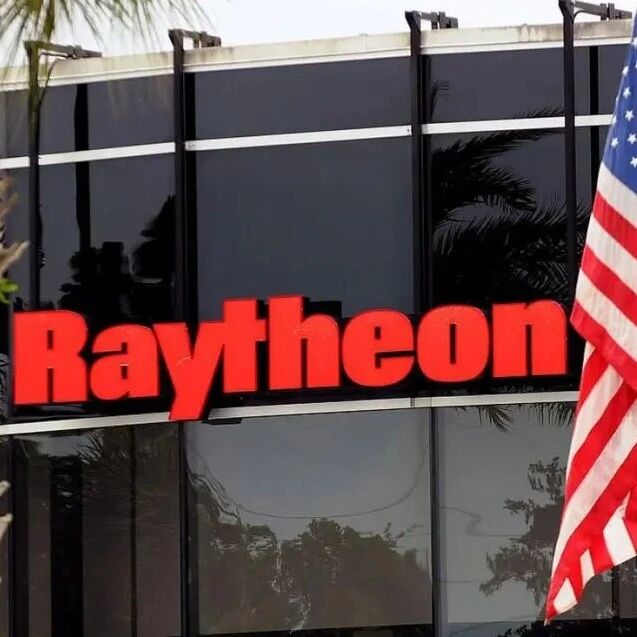
Core Viewpoint - The article emphasizes that the trend of "International Rearmament" is set to become a structural and multi-year global demand driver for the defense industry, with defense stocks expected to be a key contributor to stock market growth over the next 2-3 years, particularly highlighting Raytheon Technologies (RTX.US) as a core beneficiary due to its higher international revenue and order exposure compared to peers [1][5]. Group 1: Defense Industry Trends - The defense industry is experiencing a significant investment surge, with U.S. aerospace and defense stocks recording a 36% increase in 2025, while European defense stocks have surged by 55%, outperforming the semiconductor sector's 45% rise [3]. - The article notes that traditional defensive sectors like utilities and consumer staples are not the best investment choices in times of geopolitical uncertainty; instead, the defense sector is positioned as an "alternative safe haven" due to its direct correlation with geopolitical events [4][6]. Group 2: Raytheon Technologies (RTX) - Raytheon is highlighted for its strong international business exposure, with approximately 31% of its revenue coming from international operations and 44% of its international backlog, indicating a higher visibility for future deliveries and revenue recognition [6][9]. - The article mentions that Raytheon's core defense business aligns well with the procurement trends of allies, particularly in missile defense and advanced systems, making it a prime candidate for benefiting from increased defense budgets in Europe [8][9]. - Citigroup has initiated coverage on Raytheon with a "Buy" rating and a target price of $211, noting its market capitalization of approximately $250 billion as of the last trading session [9].

股价大涨9.7%!为“星际之门”铺路?软银拟收购DigitalBridge,锁定千亿级数据中心资产
美股IPO· 2025-12-29 23:26
Core Viewpoint - SoftBank has agreed to acquire DigitalBridge for $16 per share, marking a strategic move to enhance its digital infrastructure portfolio in response to the growing demand for AI-driven data centers and computing power [1][3]. Group 1: Acquisition Details - DigitalBridge's stock rose over 9.7% to $15.27 following the acquisition announcement [1]. - The acquisition price represents a premium of approximately 15% over DigitalBridge's closing price on December 26 [3]. - The transaction is expected to be completed in the second half of 2026, pending regulatory approval [3]. Group 2: DigitalBridge's Asset Management - DigitalBridge is a leading private equity firm focused on digital infrastructure investments, managing approximately $108 billion in assets as of the end of September [3][4]. - If the acquisition is finalized, SoftBank will gain control of a significant portfolio of data center assets valued in the billions, including operators like Switch and Vantage Data Centers [4]. Group 3: SoftBank's AI Strategy - SoftBank is actively pursuing opportunities driven by the AI wave, including the "Interstellar Gateway" project, which aims to build data centers in the U.S. with a total investment of up to $500 billion [5]. - The project has faced delays due to disagreements over data center locations and challenges in securing external financing from insurance companies and pension funds [5]. - Recent progress includes plans to establish five new data center sites in Texas, New Mexico, and Ohio, with a total power capacity of 7 gigawatts [5]. Group 4: Financial Maneuvering - To support its AI investments, SoftBank is reallocating capital, including the sale of $5.8 billion worth of Nvidia shares [6]. - The acquisition of DigitalBridge will provide essential infrastructure for the "Interstellar Gateway" project and strengthen SoftBank's asset base in the AI computing landscape [6].



白银为何突然跳水?对冲基金老将提前警示了五大短期风险
美股IPO· 2025-12-29 23:26
Core Viewpoint - The article highlights the short-term risks facing silver, including tax-driven selling, a strong dollar, margin increases, technical overbought conditions, and copper substitution threats, while maintaining a long-term bullish outlook on silver due to structural supply-demand imbalances [4][5][17]. Short-term Risks - The primary risk is tax-driven selling, where investors holding significant unrealized gains may sell before December 31 to benefit from long-term capital gains tax rates, leading to potential profit-taking after January 2, 2026 [7]. - The second risk is a strengthening dollar, driven by strong GDP growth data, which typically pressures dollar-denominated commodities [8]. - The third risk involves increased margin requirements announced by the Chicago Mercantile Exchange, which could reduce leverage and speculative demand; current margin levels are at 17%, significantly higher than the peak of 10% during the 2011 silver price crash [9][10]. - The fourth risk is technical overbought conditions, with analysts suggesting that silver is in an overbought state, potentially triggering technical selling; however, the article argues that the price increase is driven by rigid demand from the solar industry rather than mere technical speculation [11]. - The fifth risk is the threat of copper substitution, as solar manufacturers may consider using copper instead of silver due to rising prices, although this transition would take at least four years [13][14]. Market Dynamics - The Bloomberg Commodity Index is set for annual weight rebalancing in January 2026, which may force passive funds to sell approximately 9% of the open interest in silver futures, exacerbating market volatility [16]. - The current spot market shows structural tightness, with significant price discrepancies between spot and futures markets, indicating a supply-demand imbalance [17]. - Investment demand remains robust, with speculative net long positions in silver at 19% of open interest, compared to 31% in gold, suggesting room for further price increases [19]. - The solar industry is projected to significantly increase its silver demand, with expectations of 290 million ounces in 2025 and 450 million ounces by 2030, fundamentally altering the silver market landscape [20].

英国金融时报:人工智能使美国科技亿万富翁净资产在2025年增加了5500亿美元
美股IPO· 2025-12-29 00:19
Group 1 - The core viewpoint of the article is that the AI boom is projected to increase the net worth of US tech billionaires by $550 billion by 2025, with Elon Musk maintaining the top position and Jensen Huang of Nvidia significantly rising in rank due to AI-driven wealth growth [1][3]. - As of the end of the year, the total net worth of the top 10 tech billionaires in the US exceeded $2.5 trillion, up from $1.9 trillion at the beginning of the year, coinciding with an over 18% rise in the S&P 500 index [3][4]. - Nvidia has emerged as a leading advanced AI chip manufacturer, contributing to Jensen Huang's net worth of $156 billion, making him the eighth richest tech executive in the US [4][5]. Group 2 - Elon Musk's net worth increased by nearly 50% to $645 billion, largely due to a $1 trillion compensation agreement with Tesla shareholders and a valuation surge of SpaceX to $800 billion [4]. - Jeff Bezos of Amazon sold over $5.6 billion in stock this year, while Michael Dell sold more than $2 billion in stock from his namesake tech company [6]. - Concerns over Meta's significant spending on AI infrastructure and compensation agreements for top AI researchers have led to a decline in its stock price, affecting Mark Zuckerberg's ranking among tech billionaires [6][7]. Group 3 - Larry Ellison's net worth surged following Oracle's announcement of a $300 billion data center partnership with OpenAI, although concerns about financing for this initiative led to a 40% drop in Oracle's stock price from its September peak [7]. - Google co-founders Larry Page and Sergey Brin surpassed Zuckerberg and Ellison in net worth, with increases of $270 billion and $255 billion, respectively, due to advancements in internal AI models and chips [7]. - Bill Gates is the only individual on the list whose net worth decreased by year-end, as he continues to sell shares in Microsoft to fund his charitable endeavors [8].
纽约时报:五角大楼和美国人工智能的共同弱点:它们急需中国的电池
美股IPO· 2025-12-29 00:19
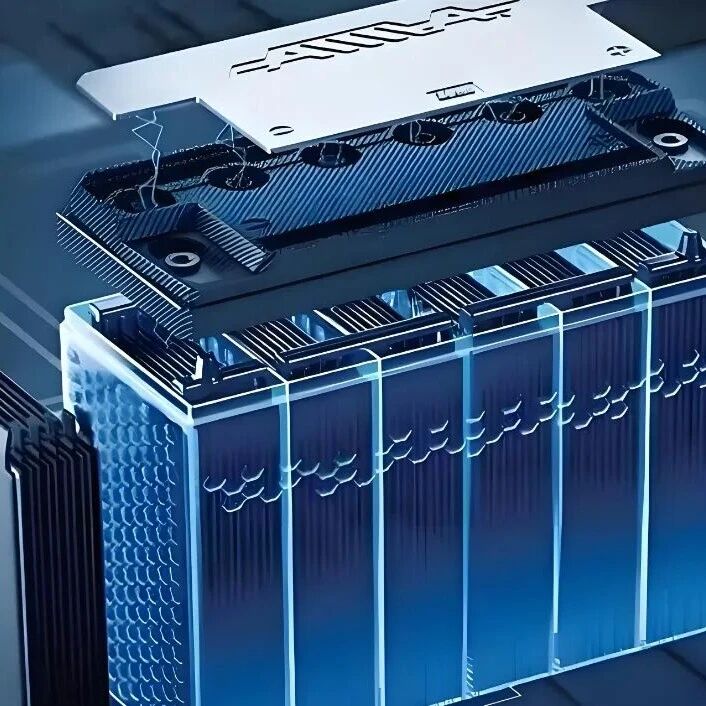
Core Viewpoint - The article highlights the critical dependence of the U.S. AI industry and military on Chinese battery technology, emphasizing the need for the U.S. to develop its own battery supply chain to ensure national security and technological leadership [1][4][5]. Group 1: Dependence on Chinese Batteries - U.S. data centers, crucial for AI, are increasingly reliant on large lithium-ion batteries, predominantly sourced from China, which leads in all industrial aspects of battery production [4][9]. - The U.S. military's reliance on Chinese battery components for weapon systems poses a national security threat, with approximately 6,000 battery components sourced from China [5][6]. - The Biden administration is shifting its focus to support domestic battery production to reduce reliance on China, recognizing battery technology as essential for both AI and defense sectors [6][8]. Group 2: Challenges in Developing Domestic Battery Industry - Experts indicate that establishing a U.S. battery industry independent of China will be extremely challenging, as China produces 99% of the world's lithium iron phosphate (LFP) batteries and over 90% of key components [9][12]. - The U.S. has lithium reserves and battery startups, but competing with China will require coordinated efforts and government support, with estimates suggesting at least five years to meet domestic LFP battery demand [9][12]. - Environmental regulations in the U.S. may increase the cost of extracting key minerals, further complicating the development of a competitive domestic battery supply chain [9][12]. Group 3: Strategic Importance of Battery Technology - The article discusses the strategic importance of reliable power supply for data centers, which require high uptime and are increasingly dependent on battery backup systems to prevent data loss during power outages [12][13]. - AI's energy demands are significantly higher than traditional internet services, necessitating robust power infrastructure to support fluctuating energy needs [13][14]. - The military's future capabilities are heavily reliant on battery technology, with a growing demand for batteries in various military applications, including drones and advanced weapon systems [17][18]. Group 4: Government Initiatives and Investments - The Biden administration has begun investing in battery component companies and has allocated up to $500 million for battery materials and recycling projects [8][19]. - Recent legislation includes restrictions on the Pentagon's procurement of batteries from "foreign entities of concern," primarily targeting China [8][19]. - The government is recognizing the need for a robust domestic battery industry, with discussions around energy policy and battery supply chain issues taking place at high levels [8][20].
华尔街日报:一盎司白银现在竟然比一桶石油更值钱
美股IPO· 2025-12-29 00:19
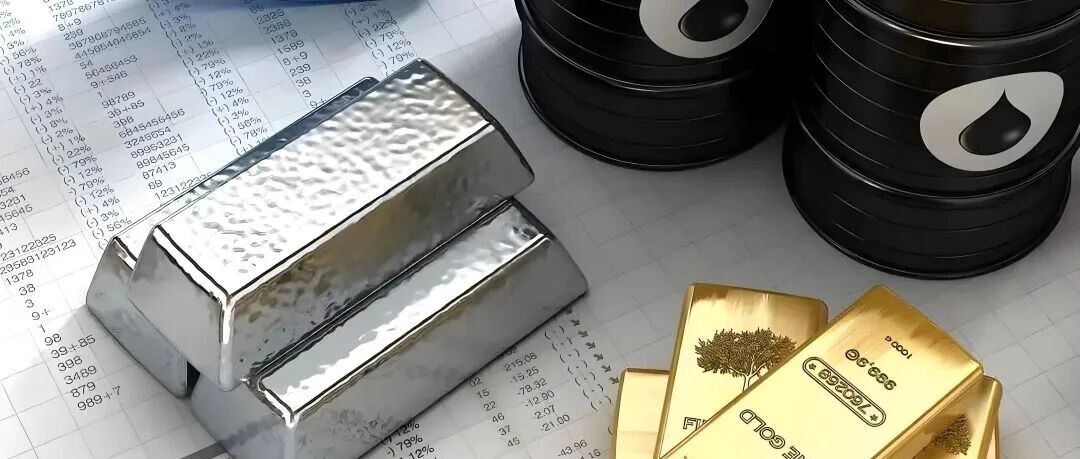
Core Viewpoint - The price of silver has surpassed that of oil for the first time in 45 years, driven by strong demand for the precious metal and an oversupply of oil leading to lower fuel prices [3]. Group 1: Silver Market Dynamics - Silver prices have reached a record high of $76.486 per ounce, significantly higher than the $56.74 per barrel price of U.S. crude oil [3]. - Demand for silver is robust from both investors and industrial buyers, particularly in sectors like solar energy, where nearly 30% of annual silver production is consumed [4]. - The competition for silver is intensifying as industrial buyers, including those in the solar panel industry, compete with investors who are shifting from gold to more affordable silver [4]. Group 2: Investment Trends - The surge in gold prices has led to increased silver imports in countries like India, where silver is favored by savers [5]. - Exchange-traded funds (ETFs) are also seeing a shift, with the largest silver ETF, iShares Silver Trust, priced at $71.12 per share, compared to the SPDR Gold Trust at $416.74 per share [5]. - The supply of silver is constrained, as it is primarily a byproduct of mining other metals, and the global pure silver reserves are nearly depleted [5]. Group 3: Price Predictions and Market Sentiment - Silver bulls argue that the gold-silver ratio is around 60, suggesting potential for silver prices to rise significantly [6]. - Conversely, some analysts predict a decline in precious metal prices, forecasting silver to drop to around $42 per ounce by the end of next year [7]. - The oil market is also under pressure, with expectations of a 21% drop in oil prices by 2025, which could further impact the silver market if the price ratio reverses [8].