
美股IPO

Search documents
史上最强存储上涨周期?瑞银:预计DDR季度环比上涨35%,NAND短缺至少到明年Q3
美股IPO· 2025-12-11 13:00
Core Insights - The storage industry is facing unprecedented supply-demand tension, with DRAM supply shortages expected to last until Q1 2027 and NAND shortages until Q3 2026 [1][2][3] - Significant price increases are anticipated, with DDR contract prices expected to rise by 35% quarter-on-quarter in Q4 and NAND prices by 20%, exceeding previous expectations [2][3] - Long-term supply agreements are being locked in by customers, particularly large cloud service providers extending orders to 2028, indicating strong actual demand rather than speculative hoarding [2][9] DRAM and NAND Market Dynamics - DRAM demand is projected to grow by 20.7%, outpacing supply growth of 18.6%, leading to a sustained supply shortage [3] - NAND shortages are expected to continue until Q3 2026, contributing to the strongest price increase cycle in nearly 30 years [2][4] - Server shipments are expected to increase by 12.9% in 2026, with a notable rise in AI server storage capacity [3] Customer Behavior and Inventory Levels - Customers are actively securing long-term supply contracts to mitigate procurement risks, with cloud service providers having more bargaining power compared to traditional OEMs [9] - Current inventory levels are low, with server DDR inventory at approximately 11 weeks, PC and mobile DRAM at 9 weeks, and SSD at 8 weeks, reflecting strong actual demand [9] Competitive Landscape and Future Outlook - The HBM market is expected to see stable competition, with SK Hynix projected to maintain a 70% market share in HBM4, becoming a primary supplier for major clients like Google [11] - Major storage manufacturers have had their target prices significantly raised, indicating positive market sentiment and expected growth in traditional server demand [11]


台积电明年CoWoS月产冲12.7万片,英伟达包揽过半,博通AMD紧随其后
美股IPO· 2025-12-11 13:00
台积电加速扩充先进封装产能,预计2026年底CoWoS月产能达12.7万片,较原先预期大幅提升20%以上。英伟达包揽过半产能,全年预订80- 85万片;博通位居第二,获24万片主供Meta和Google;AMD排名第三,联发科也进入ASIC市场。 台积电正加速扩充先进封装产能以应对人工智能芯片需求的爆发式增长。 12月11日,据中国台湾媒体报道,半导体设备业者透露,台积电与日月光集团、Amkor、联电等非台积阵营双双加速扩充CoWoS产能, 2026 年底台积电月产能将达12.7万片,而非台积阵营产能也从原预期的2.6万片激增至4万片,调升幅度超过5成。 在客户份额分布上,英伟达继续主导市场,包下台积电CoWoS过半产能, 全年预订量达80万至85万片 。紧随其后的 博通2026年约取得逾24 万片产能, 主要供应Meta与谷歌TPU等客户。AMD位居第三,而 联发科也正式进入ASIC赛局,预订近2万片产能 。 这一产能扩张计划与摩根士丹利11月的预测基本吻合。该行当时预计台积电CoWoS月产能将达12万至13万片,较此前估计的10万片大幅上调 超过20%。此举旨在匹配新增的3nm前端晶圆产能,以满足AI芯片 ...



黄金明年4900?高盛:美国私人投资仓位“严重不足”,配置每增1个基点金价将涨1.4%
美股IPO· 2025-12-11 13:00
高盛报告显示,美国黄金ETF目前仅占私人非现金金融投资组合的0.17%,较2012年峰值水平低约6个基点,且远低于机构建议的水平。高盛表示,如果 多元化资金流动从央行扩展至私人投资者,其4900美元的金价目标面临"显著上行风险"。 高盛分析师Lina Thomas和Daan Struyven在最新报告中指出, 美国黄金ETF目前仅占私人非现金金融投资组合的0.17%,较2012年峰值水平低约6个 基点。 这一配置比例远低于花旗、瑞银、桥水等机构建议的中高个位数百分比配置。 高盛估算, 美国金融投资组合中黄金份额每增加1个基点——由增量投资者购买而非价格上涨驱动——将推动金价上涨约1.4%。分析师表示,如果多元 化资金流动从央行扩展至私人投资者,其4900美元的金价目标面临"显著上行风险"。 截至目前,现货黄金报4213.2美元/盎司,日内跌0.36%,本周呈现反弹趋势。 高盛认为,美国私人投资组合中的黄金配置处于历史低位,为金价在未来一年半内冲击每盎司4900美元的目标创造了巨大空间。 根据13F文件数据,在管理超过1亿美元资产的美国大型机构投资者中,不到一半持有任何黄金ETF敞口。即使在持有黄金的机构中,配 ...


内存短缺潮、光电子加速渗透、边缘AI回归......德银总结2026年六大科技硬件交易主题
美股IPO· 2025-12-11 13:00
Core Themes - The European technology hardware industry in 2026 will be dominated by six key themes: memory shortages, AI squeezing mainstream components, accelerated penetration of optoelectronics, advanced packaging upgrades, 800V power architecture reform, and the resurgence of edge AI growth [1][3] Memory Shortage - The memory shortage has escalated from a component risk to a macro concern, with DRAM spot prices soaring by 300-400% and NAND flash prices increasing by 200% over the past three months [3][4] - Contract prices are also rising rapidly, with expectations of a further 30-50% increase in DRAM and NAND contract prices in the first half of 2026 as channel inventories deplete [4] AI Spending Impact - The explosive growth in AI spending is tightening the supply of key components, creating ongoing pressure on mainstream electronics such as low to mid-range smartphones and PCs [5] - Companies like Realme and Dell are facing significant cost increases, with potential price hikes of 20-30% for smartphones due to rising memory costs [5] Optoelectronics and Photonics - The bandwidth demand from AI data centers is driving optoelectronics and photonics technology to become a core growth engine, with a shift towards high-speed pluggable optical modules and linear photonics [6] - Companies like Tower Semi are planning to significantly increase their silicon photonics production capacity, aiming for $900 million in sales by 2026 [6] Testing and Advanced Packaging - The complexity of AI accelerators is increasing testing and advanced packaging as key growth points in the semiconductor supply chain, with companies like Nvidia expanding their testing budgets [8][9] - TSMC plans to expand AI testing capacity at an 80% CAGR from 2022 to 2026, while advanced packaging technologies are evolving towards 3D packaging solutions [9] 800V Power Architecture - The transition from 48V to 800V power architecture, driven by Nvidia, presents both opportunities and risks for GaN devices, with significant efficiency improvements expected [10][11] - The market for AI processors is projected to grow significantly, creating substantial opportunities for GaN and SiC technologies [10] Edge AI Growth - Edge AI is expected to experience moderate growth in 2026, becoming a significant new growth point in the technology hardware industry, with applications in automotive, video security, and industrial control [12][13] - The market for edge AI devices is forecasted to reach $103 billion by 2030, with a CAGR of 21% from 2025 to 2030 [13]

当美联储“独自降息”,其他央行甚至开始加息,美元贬值将成为2026年焦点
美股IPO· 2025-12-11 13:00
Core Viewpoint - The Federal Reserve has lowered interest rates by 25 basis points, and the market widely expects the Fed to maintain an accommodative policy next year, while other central banks like those in Europe, Canada, Japan, Australia, and New Zealand are generally maintaining a tightening stance [1][3]. Group 1: Federal Reserve Actions - The Federal Reserve's recent decision to lower rates by 25 basis points aligns with market expectations, indicating a dovish tone despite some hawkish signals from Fed officials [3][4]. - Major Wall Street banks, including Morgan Stanley and Citigroup, predict further rate cuts in January, with expectations of a continued easing cycle [4][5]. Group 2: Global Central Bank Divergence - There is a noticeable divergence in monetary policy among global central banks, with the Fed continuing to lower rates while others, like the European Central Bank (ECB), maintain a tightening approach [3][7]. - ECB officials have emphasized their independence from the Fed's actions, indicating that they will not necessarily follow the Fed's lead in monetary policy adjustments [7][10]. Group 3: Impact of Currency Fluctuations - The anticipated divergence in monetary policy is expected to manifest through currency markets, with the dollar facing depreciation pressure, which could influence the ECB's policy decisions [3][10]. - The ECB's chief economist noted that a 10% appreciation of the euro could significantly suppress inflation, with the most pronounced effects occurring within the first year [9][10]. Group 4: Inflation Projections - The ECB has revised its inflation forecast for 2026 down to 1.7%, below its 2% target, indicating potential challenges if the Fed's rate cuts lead to further euro appreciation [10][11]. - The ECB's policy decisions may be constrained by the transmission effects of exchange rate fluctuations on inflation, despite their stated commitment to policy independence [10][11].

华尔街点评甲骨文财报:看似超预期,实则利润“虚胖”,投资逻辑已从“看订单”转向“看兑现”
美股IPO· 2025-12-11 13:00
Core Viewpoint - Oracle's recent financial report has sparked significant discussion on Wall Street, highlighting a substantial reliance on non-recurring income to inflate profits, despite a record backlog of $523 billion in orders and a notable increase in non-GAAP EPS [1][3][8] Financial Performance - Oracle reported a non-GAAP EPS of $2.26, significantly exceeding market expectations of $1.65, primarily due to $2.7 billion in non-recurring income from the sale of its stake in Ampere [8] - The company's total revenue grew by 13% year-over-year, slightly below market expectations, with cloud infrastructure revenue at $4.079 billion, a 66% increase, but still below UBS's forecast of 68% growth [7][8] Order Backlog and Conversion Concerns - The order backlog reached a record high of $523 billion, with a $67.7 billion increase in the quarter, reflecting a year-over-year surge of 583% in implied order value, driven by AI-related purchases from major clients like Meta and Nvidia [6][8] - Despite the impressive order growth, concerns are rising regarding the conversion of these orders into sustainable revenue, with analysts noting a lack of confidence in the company's ability to translate order volume into profits [7][10] Capital Expenditure and Cash Flow - Oracle's capital expenditures soared to $12 billion, more than doubling year-over-year, leading to a negative free cash flow of -$10 billion [8][9] - The management has raised the capital expenditure target for FY2026 to $50 billion, which is 75% of the expected annual revenue, indicating a significant investment in AI infrastructure [8][9] Market Reactions and Analyst Ratings - Following the earnings report, Oracle's stock price fell over 10%, prompting several investment banks, including UBS and Morgan Stanley, to lower their target prices or reassess their ratings [5][10] - UBS maintained a "Buy" rating but reduced the target price from $380 to $325, while Bank of America also retained a "Buy" rating, lowering its target from $368 to $300 [10][11] Valuation and Future Outlook - The valuation logic for Oracle has shifted from a premium based on order potential to a discount reflecting conversion risks, with analysts emphasizing the need for clearer signals of revenue growth and improved profit margins [10][12] - Discrepancies in valuation perspectives stem from differing views on Oracle's potential for AI transformation, with some analysts optimistic about the long-term potential of the $523 billion backlog, while others call for more concrete evidence of profitability improvements [12][14]


Adobe盘后巨震:AI关键指标“缺席”,财报与指引再好也难消市场疑虑
美股IPO· 2025-12-11 03:50
这家软件巨头周三在声明中预计,在截至2026年11月的财年里,公司营收将在259亿美元至261亿美元之间。尽管这一指引区间的中点高于市场平均预 期,但仍低于部分分析师预测的264亿美元。 公告发布后,Adobe股价在盘后交易中剧烈波动,收盘价为343.13美元。今年以来,该公司股价已下跌约五分之一,这反映出投资者对于寻找其AI增长 确切信号的迫切与焦虑。 Adobe首席执行官Shantanu Narayen在声明中表示,上一财年的业绩反映了公司在"全球AI生态系统中日益重要的地位"以及旗下AI驱动工具的快速普 及。尽管如此,投资者的反应依然冷淡, 市场一直在寻求更明确的证据,证明这家软件制造商能够在人工智能时代蓬勃发展 ,而不仅仅是维持现状。 Adobe发布优于预期的业绩与年度指引,但其股价在盘后仍剧烈波动,反映出市场对其在AI时代的增长潜力持谨慎态度。尽管公司强调AI工具快速普 及,却未更新关键的AI业务量化指标,未能有效缓解投资者对生成式AI可能颠覆其核心业务的深层焦虑。 Adobe Inc.发布了高于预期的年度业绩指引,并报告了优于预期的季度业绩,试图证明其在人工智能时代的适应能力和增长潜力。 然而,尽 ...

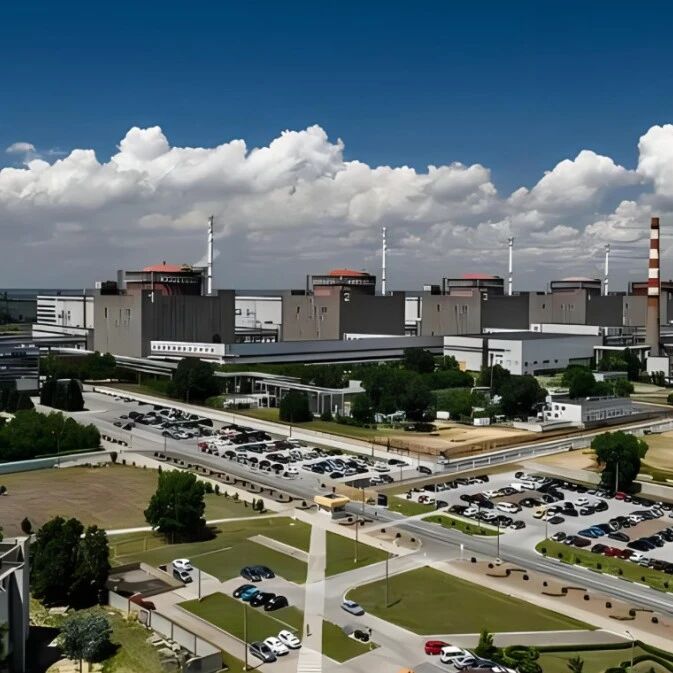
美乌首次开会讨论“战后重建”,美欧争夺“万亿大蛋糕”,华尔街想在乌最大核电站旁建数据中心
美股IPO· 2025-12-11 03:50
Core Viewpoint - The article discusses the initiation of discussions regarding Ukraine's post-war reconstruction plan, highlighting the growing divergence between the U.S. and Europe on how to manage frozen Russian assets and the overall reconstruction strategy [1][4][8]. Group 1: U.S. Proposal - The U.S. proposes to utilize approximately $200 billion of frozen Russian assets to support American-led projects, including the construction of large data centers near the Zaporizhzhia nuclear power plant, with the potential to expand the funding pool to $800 billion under Wall Street's management [1][4][8]. - The U.S. vision includes a "business for peace" approach, allowing Wall Street executives and private equity firms to manage the funds, which U.S. officials believe will prevent rapid depletion of resources compared to European plans [8][9]. Group 2: European Response - The European Union prefers to use the frozen assets directly to support the Ukrainian government financially and for purchasing defense weapons, opposing any cooperation with Russia on energy, which they equate to a "Yalta Conference" for economic interests [1][4][9]. - European leaders, including German Chancellor Friedrich Merz, express skepticism towards the U.S. proposals, emphasizing the need to maintain economic isolation of Russia [4][9]. Group 3: Diplomatic Context - The discussions occur amid intense diplomatic negotiations involving the U.S., Europe, Ukraine, and Russia, with a focus on a revised peace proposal that has been streamlined to 20 key points [7]. - The atmosphere at the negotiation table remains tense, with reports of strong language used by U.S. officials during discussions with European leaders [7]. Group 4: Investment Opportunities - BlackRock has previously collaborated with the Ukrainian government to establish a reconstruction bank aimed at attracting private investment, which could potentially draw in hundreds of billions of dollars for reconstruction projects [6].
时隔25年,上一个时代的“英伟达”终于涨回来了
美股IPO· 2025-12-11 03:50
Core Viewpoint - Cisco's stock price has risen 0.9% to $80.25, surpassing the record high set on March 27, 2000, which is seen as a sign of restored investor confidence but also highlights the lengthy recovery process from the dot-com bubble [1][4][5] Group 1: Stock Performance and Market Context - Cisco's stock has finally exceeded the peak reached during the internet bubble, marking a significant recovery that took over 25 years [4] - The recent stock increase is attributed to a broader market rebound following the Federal Reserve's third consecutive interest rate cut, with the S&P 500 and Nasdaq 100 indices also showing gains [5] - Cisco's stock has increased over 800% since its low point after the bubble burst, although its market capitalization remains over 40% lower than its peak during the internet bubble [6] Group 2: Revenue Expectations and AI Infrastructure - Cisco's recent surge is driven by strong revenue forecasts, with expected sales of up to $61 billion for the fiscal year ending in July, exceeding Wall Street expectations by approximately $1 billion [7] - The company is positioning itself to benefit from the significant investments in AI infrastructure by global enterprises, which has led to optimistic growth projections [7] - Despite the positive outlook, there are lingering doubts on Wall Street regarding the sustainability of the AI spending boom and concerns about the accounting practices related to it [8]

天量支出吓崩股价?甲骨文电话会紧急救火:“客户自带芯片”将拯救现金流,“我们没有疯狂举债”(电话会实录)
美股IPO· 2025-12-11 03:50
Core Viewpoint - Oracle's aggressive capital expenditure plan of an additional $15 billion has alarmed investors despite holding over $523 billion in remaining performance obligations (RPO) [1][3][16]. Group 1: Capital Expenditure and Market Reaction - The company announced that its capital expenditure for FY2026 would increase by $15 billion, reaching a total of $50 billion, leading to a post-market stock drop of over 10% [3][16]. - Oracle's management defended the necessity of this expenditure, stating it was driven by urgent customer demand rather than reckless expansion [1][4]. Group 2: Innovative Business Model - Oracle introduced a "Bring Your Own Chips" model, allowing clients like OpenAI to bring their own chips to data centers, which is unprecedented in the cloud industry [2][4][12]. - This model aims to alleviate cash flow pressures and reflects a shift from traditional cloud vendor practices of purchasing hardware outright [2][12]. Group 3: Financial Performance and Growth - Oracle reported a staggering RPO of $523 billion, a 433% year-over-year increase, primarily driven by contracts with major clients like Meta and NVIDIA [7][30]. - The company's cloud infrastructure (OCI) revenue surged by 66%, with GPU-related revenue skyrocketing by 177% [6][9][22]. Group 4: Management's Strategic Insights - CEO Clay Magouyrk emphasized the flexibility of Oracle's AI infrastructure, stating it can reallocate computing power among clients within hours, reducing dependency risks on major customers [19][20]. - Larry Ellison articulated a vision for AI focusing on private data reasoning, suggesting that Oracle's AI data platform can connect various databases, breaking down data silos [8][21][40]. Group 5: Future Outlook and Guidance - Oracle expects a 40% increase in RPO to be recognized as revenue in the next 12 months, with a total revenue forecast of $67 billion for FY2026 remaining unchanged [30][33]. - The company is committed to maintaining its investment-grade credit rating while exploring various financing options to support its growth [32][53].
