BYD(01211)

Search documents
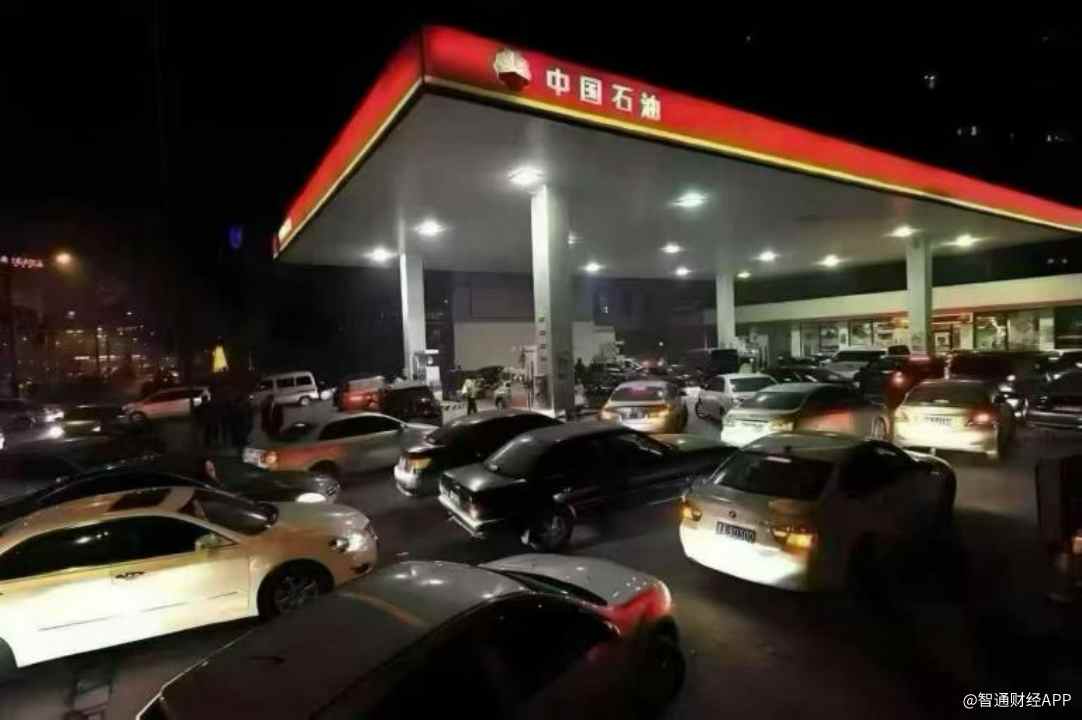
油价重回“9元时代”,比亚迪(01211)插混经济性优势凸显
智通财经网· 2026-03-23 07:57
Group 1: Oil Price Increase - The geopolitical tensions in the Middle East are leading to a new round of domestic fuel price increases, with predictions that the price of 92-octane gasoline will rise by 1.6 yuan per liter, pushing prices in most regions back to the "9 yuan era" [1] - Filling up a tank will cost nearly 100 yuan more than before due to this price increase [1] Group 2: BYD's Hybrid Vehicles - BYD's fifth-generation DM technology offers a solution for fuel price hikes, allowing users to choose between electric and gasoline modes, significantly reducing commuting costs [2] - The DM-i models, such as the 2026 Qin PLUS, have an electric range of 210 km, which can cover a week's commuting needs for users who charge at home, with annual energy costs under 4000 yuan [2] - In comparison, traditional gasoline vehicles with a fuel consumption of 7.5L/100KM would incur annual fuel costs exceeding 13,000 yuan at the new price, allowing hybrid vehicle owners to save nearly 10,000 yuan annually [2] Group 3: Fuel Efficiency and Flexibility - After an OTA update, BYD's hybrid vehicles have achieved a fuel consumption rate of 2.6L per 100 km, setting a new global low for hybrid vehicles [5] - The comprehensive range of BYD's hybrid vehicles can exceed 2148 km, allowing for long-distance travel without the need for refueling [7] - The dual-fuel capability of BYD's hybrids provides users with flexibility, enabling them to choose between low-cost electric driving and efficient gasoline use depending on their needs [7]


汽车周报:油价上涨将撬动新能源Beta,宇树IPO有望催化机器人板块-20260323
Shenwan Hongyuan Securities· 2026-03-23 07:45
Investment Rating - The report maintains a positive outlook on the automotive industry, particularly focusing on hybrid and fast-charging solutions, recommending companies like Geely and BYD, and highlighting the potential of the robot sector with the IPO of Yushu [2][3] Core Insights - The recent rise in oil prices is expected to boost the penetration rate of new energy vehicles globally, with a recommendation for hybrid and fast-charging solutions [2] - The report emphasizes the anticipated recovery in the robot sector, driven by the production release of Tesla's Optimus V3 and the IPO of Yushu [2] - The upcoming annual report season is a key focus, with a recommendation to pay attention to companies with strong performance support, particularly those in the weighted index [2] Industry Situation Update - According to the China Passenger Car Association, the average daily retail sales of passenger cars in the second week of March were 45,000 units, a 19% decrease year-on-year but a 42% increase compared to the previous month [2] - The price index for traditional raw materials and new energy raw materials has decreased recently, with traditional vehicle raw material prices down by 1.1% week-on-week and up by 6.1% month-on-month, while new energy vehicle raw material prices decreased by 2.7% week-on-week and increased by 2.4% month-on-month [2] - The total transaction value of the automotive industry this week was 349.939 billion yuan, a decrease of 8.81% week-on-week, with the automotive industry index closing at 7488.87 points, down 4.40% [2][12] Market Situation Update - This week, 14 automotive stocks rose while 257 fell, with the largest gainers being Shentong Technology, Meili Technology, and Jintuo Co., which rose by 11.3%, 5.0%, and 4.9% respectively [2][16] - The report highlights the importance of AI spillover and demand recovery as key investment themes, recommending a focus on intelligent and high-end directions in the automotive sector [2] Key Events - The report reviews the "Spring Automotive Industry Investment Strategy" and notes the strategic upgrade of Xiaomi's SU7 model, which integrates AI capabilities [3][7] - The new Xiaomi SU7 has undergone significant upgrades in safety, driving control, and intelligence, with prices ranging from 219,900 to 303,900 yuan [8][45] - The report mentions the anticipated growth in the fuel cell vehicle market, aiming for a doubling of the number of fuel cell vehicles by 2030 [24]

资本市场周报(2026年第1期):美以伊冲突持续,全球资本市场表现如何?-20260323
Yin He Zheng Quan· 2026-03-23 07:41
Core Insights - The ongoing conflict in the Middle East, particularly the U.S.-Israel-Iran tensions, has led to increased risks in global energy supply and market volatility, resulting in a dual logic of "risk aversion" and "stagflation trading" in capital markets [5][7] - Brent crude oil prices surged to $108.65 per barrel, an increase of 8.15% from the previous week and 53.37% since the onset of the conflict [5][7] - Major global stock indices have faced downward pressure, with the U.S. dollar strengthening and gold prices declining by 10.49% [8] Global Capital Market Overview A-shares and Hong Kong Market Review - The Shanghai Composite Index closed at 3957.05, down 3.38% for the week, while the Hang Seng Index fell by 0.74% to 25277.32 [15][21] - The Shenzhen Component Index decreased by 2.90%, closing at 13866.20 [15] Overseas Market Review - The Dow Jones Industrial Average fell by 2.11% to 45577.47, while the S&P 500 and Nasdaq Composite dropped by 1.90% and 2.07%, respectively [23] - European indices such as the DAX and CAC40 saw declines of 4.55% and 3.11% [24] Global Bond Market Dynamics - The yield on the 10-year U.S. Treasury bond rose to 4.39%, reflecting market concerns over inflation driven by rising oil prices and geopolitical tensions [27] Major Currency Exchange Rates - The U.S. dollar strengthened against the Japanese yen, closing at 159.25, while the dollar to Chinese yuan exchange rate was 6.89 [29] Major Commodity Prices - Brent crude oil prices increased significantly, while gold prices fell to $4491.67 per ounce, down 10.49% from the previous week [30] Important Policy Developments - The People's Bank of China emphasized the need for high-level financial market openness, aiming to enhance investment convenience and cross-border regulatory cooperation [31] - The China Securities Regulatory Commission is working on improving the stability of the capital market, focusing on long-term capital inflows and enhancing the quality of listed companies [32] - A new liquidity support mechanism for non-bank financial institutions is being explored to prevent systemic financial risks [33] - Hong Kong's regulatory body has tightened controls on investment banking practices, limiting the number of active projects for sponsors to enhance project quality [37] - South Korea announced a ban on the spin-off of subsidiaries by listed companies to protect shareholder interests and improve market valuation [38]






年入156亿,上海冲出一家新能源电池IPO,给宁德时代、比亚迪供货
3 6 Ke· 2026-03-23 07:29
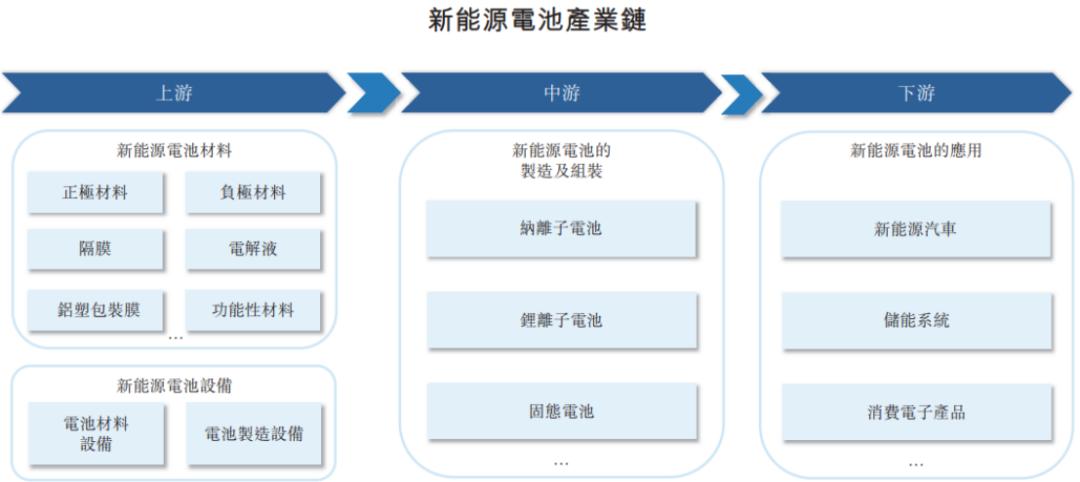
Core Viewpoint - The rapid expansion of the new energy battery market is highlighted, with Shanghai Putailai New Energy Technology Group Co., Ltd. planning an IPO in Hong Kong, indicating strong investor interest in the sector [1]. Group 1: Company Overview - Shanghai Putailai is a comprehensive solution provider in the upstream of the new energy battery industry chain, focusing on membrane materials, coating processing, and anode materials [1][5]. - As of March 20, the company's market capitalization exceeded 67.5 billion yuan [1]. - The company aims to raise funds through its IPO to enhance production capacity and support R&D initiatives [17]. Group 2: Revenue Sources and Risks - Over 70% of the company's revenue is derived from key materials for new energy batteries, with a notable customer concentration risk as revenue from the top five clients accounted for 70.4%, 66.1%, and 58.4% of total revenue in the respective years [2][7]. - The company’s revenue from new energy battery automation equipment is projected to increase from 22.4% to 26.5% during the reporting period [5][6]. Group 3: Market Dynamics - The global new energy battery market is expected to grow from 530.5 GWh in 2021 to approximately 2,257 GWh by 2025, with a compound annual growth rate (CAGR) of 43.6% [10]. - The market for new energy battery separators is projected to reach 36.5 billion square meters by 2025, with a significant increase expected by 2030 [13]. Group 4: Financial Performance - The company's revenue for 2023, 2024, and 2025 is estimated at approximately 15.29 billion yuan, 13.40 billion yuan, and 15.66 billion yuan, respectively, with corresponding net profits of about 2.15 billion yuan, 1.39 billion yuan, and 2.61 billion yuan [8][9]. - The gross profit margins are expected to fluctuate, with rates of 25.9%, 22.1%, and 29.7% for the respective years [8]. Group 5: Competitive Landscape - Putailai holds a 35.3% market share in the global new energy battery coating separator market, making it the largest supplier, but faces competition from other major players [13]. - The company is actively collaborating with leading battery manufacturers and automakers, including CATL, BYD, and LG Energy [7]. Group 6: Management and Structure - The company was founded in 2012 by Liang Feng and Chen Wei, with Liang serving as the chairman since 2015 [14][16]. - As of the end of 2025, the company employed 5,912 staff, with over 90% based in China [14][15].

比亚迪的“9分钟”野望
Xin Lang Cai Jing· 2026-03-23 07:08
Core Insights - BYD has launched its second-generation blade battery and 1500kW fast-charging technology, achieving a charging time of 9 minutes from 10% to 97% at room temperature and 12 minutes from 20% to 97% in extreme cold conditions [2][4][23] Group 1: Technological Advancements - The rapid charging capability is a result of six years of research and development, with the new battery improving energy density by over 5% compared to the first generation, enabling a range of over 1036 kilometers for the Tengshi Z9GT model [4][25] - BYD's commitment to continuous technological iteration has established a strong competitive edge in the electric vehicle market, with a planned R&D investment of 53.195 billion yuan in 2024, leading A-share listed companies [4][27] Group 2: Infrastructure Development - The implementation of fast-charging technology is supported by the "Fast Charge China" strategy, which aims to build 20,000 fast-charging stations by the end of 2026, covering 90% of urban areas within a 5-kilometer radius [7][28] - BYD is creating a comprehensive supercharging network across the country, enhancing the infrastructure necessary for its electric vehicles [9][30] Group 3: Market Expansion - BYD is projected to sell 4.6024 million electric vehicles in 2025, solidifying its position as the largest electric vehicle manufacturer globally [10][31] - The company has surpassed Tesla in pure electric vehicle sales for the first time, achieving 2.26 million units sold in a year [11][32] - Overseas markets are becoming a significant growth driver, with BYD's passenger car and pickup sales expected to exceed 1 million units, marking a 145% year-on-year increase [12][33] Group 4: Strategic Positioning - BYD's vertical integration strategy allows it to produce nearly 80% of its core components in-house, providing significant cost advantages and resilience against supply chain disruptions [14][35] - The company is expanding its operations beyond automotive into electronics, renewable energy, and rail transit, aiming to create a comprehensive zero-emission energy solution [15][36] - BYD plans to invest in industrial robotics, with a goal of deploying 20,000 robots by 2026, leveraging its expertise in battery and motor technology [15][36] Group 5: Challenges Ahead - Despite its ambitions, BYD faces challenges in enhancing smart technology experiences, maintaining quality control amid rapid expansion, and increasing brand value in mature markets [17][38]
安靠智电(300617.SZ):截止目前,公司暂未与比亚迪、华为超充等运营商达成合作意向或订单
Ge Long Hui· 2026-03-23 07:04
Group 1 - The company, Anke Intelligent Electric (300617.SZ), has not yet established any cooperation intentions or orders with operators such as BYD and Huawei Supercharge as of now [1]

2月充电重卡销量小增3%!三一蝉联第一,徐工/重汽争前二,宇通等翻倍涨 | 头条
第一商用车网· 2026-03-23 06:58
Core Viewpoint - In February 2026, the overall sales of new energy heavy trucks experienced a year-on-year decline for the first time since February 2023, but the charging heavy truck market continued to show growth [1][3]. Sales Performance - In February 2026, a total of 7,435 new energy heavy trucks were sold in China, representing a month-on-month decrease of 54% and a year-on-year decrease of 9% [3]. - The sales of charging heavy trucks reached 5,518 units, showing a month-on-month decline of 52% but a year-on-year increase of 3%, marking the 33rd consecutive month of growth [3][30]. - Charging heavy trucks accounted for 74.94% of pure electric heavy truck sales in February, up from 72.33% in January [3]. Market Trends - Since June 2025, the market share of charging heavy trucks in pure electric heavy truck sales has consistently been above 60%, with the last three months of 2025 exceeding 70% [5]. - The monthly sales of charging heavy trucks did not exceed 10,000 units before 2025, but in 2025, there were nine months with sales exceeding 10,000 units, averaging 12,900 units per month [7]. Segment Analysis - In the first two months of 2026, the main types of charging heavy trucks registered were tractors, dump trucks, and concrete mixers, accounting for 56.1%, 17.8%, and 13.5% respectively [9]. - The sales of charging tractors in January-February 2026 reached 6,515 units, a year-on-year increase of 46%, while the sales of charging dump trucks reached 3,019 units, a year-on-year increase of 121% [22][26]. Company Performance - In February 2026, SANY maintained its position as the monthly sales champion in the charging heavy truck market, selling 1,057 units [12][13]. - The top three companies in sales were SANY, XCMG, and Heavy Truck, with sales of 1,057, 832, and 774 units respectively [13]. - In the first two months of 2026, the cumulative sales of charging heavy trucks reached 17,000 units, a year-on-year increase of 76% [16]. Market Share - In the first two months of 2026, four companies had a market share exceeding 10%: SANY (18.6%), Heavy Truck (16.5%), XCMG (16.3%), and Jiefang (11.1%) [20]. - The market shares of Heavy Truck and XCMG increased by 2.7 percentage points and 1.0 percentage points respectively compared to the same period in 2025 [20].




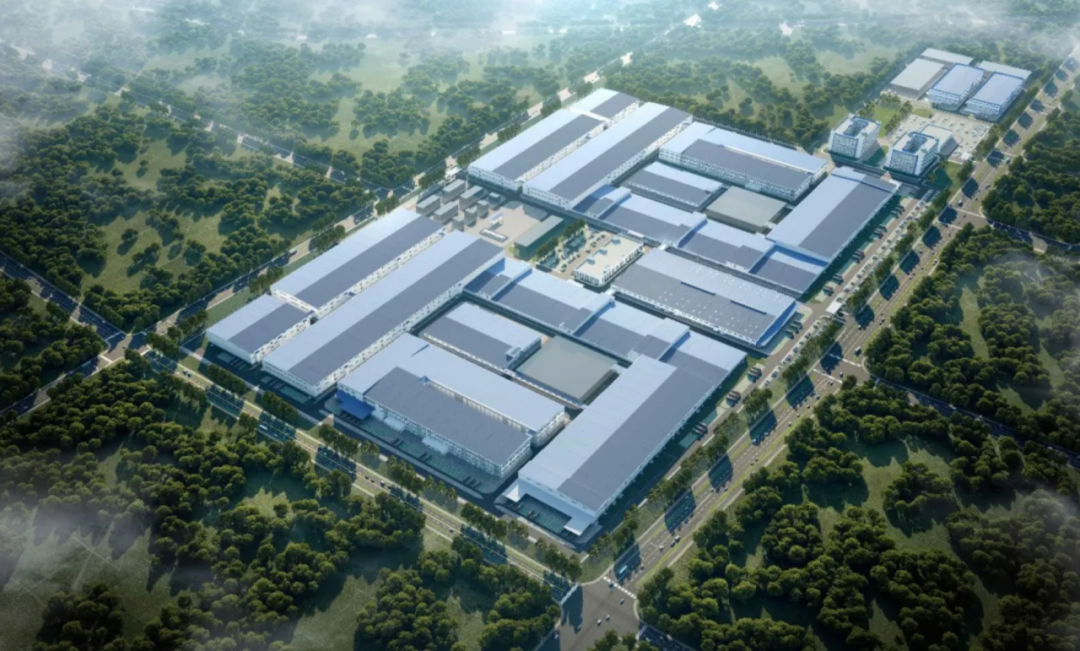
比亚迪:新能源动力电池西咸基地试生产 承载第二代刀片电池量产
Zhong Guo Qi Che Bao Wang· 2026-03-23 06:42
Core Insights - BYD's new energy vehicle battery project in Xi'an has officially commenced trial production, marking a significant step in the development of the second-generation blade battery and flash charging technology [1][3] Group 1: Project Overview - The Xi'an base covers an area of 1,333 acres and has a total investment of 7 billion yuan, with an annual battery production capacity of 16 GWh, sufficient to support approximately 700,000 new energy vehicles [3] - The projected annual output value of the base is expected to reach 8 billion yuan, enabling a full-process autonomous production from electrode preparation to system testing [3] Group 2: Technological Advancements - The second-generation blade battery and flash charging technology allow for charging from 10% to 70% in just 5 minutes at room temperature, and only 3 additional minutes in -30°C conditions, addressing the industry challenge of balancing flash charging with high energy density [3] - The energy density of the new battery has improved by over 5% compared to the first generation [3] Group 3: Industry Impact - The trial production is anticipated to create a strong "magnetic effect," attracting upstream and downstream enterprises in battery materials, precision components, and intelligent driving systems to accelerate their presence in the region [3] - This development is expected to effectively reduce vehicle manufacturing costs and enhance the local supply chain for the automotive industry in Shaanxi, contributing to the growth of the automotive industry cluster [3]
比亚迪,A股大涨
Zheng Quan Ri Bao· 2026-03-23 06:40
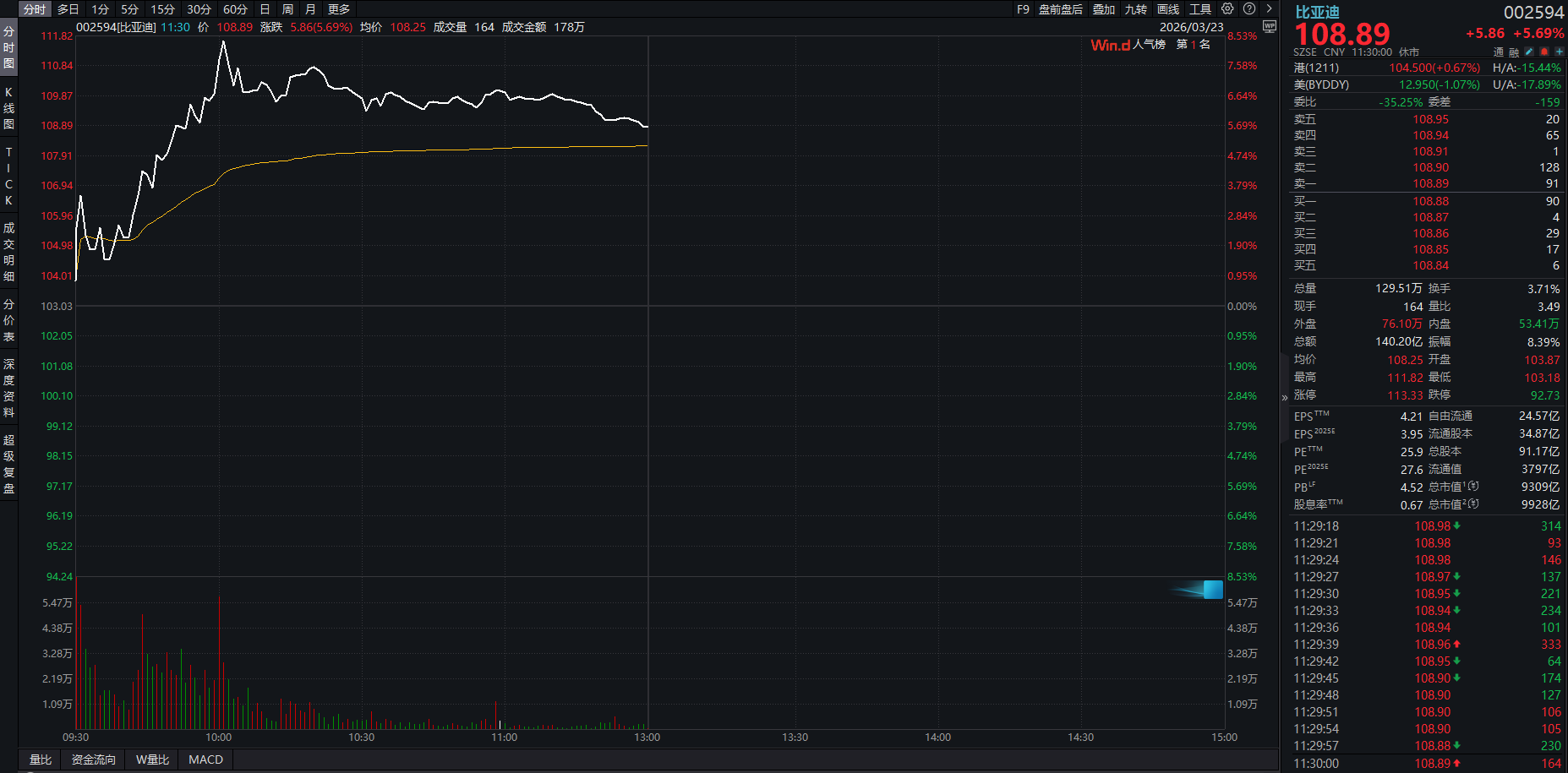
Group 1 - BYD's stock price surged over 8% on March 23, with a midday closing price of 108.89 CNY per share, resulting in a market capitalization exceeding 1 trillion CNY [1] - The China Passenger Car Association noted a significant shift in consumer preferences post-holiday, with the penetration rate of new energy vehicles (NEVs) increasing weekly, driving the recovery of the passenger car market in March [3] - The fuel vehicle market continues to face pressure, with mid-March discounts averaging 24.2%, indicating that consumer expectations for transaction prices have not been met, which has hindered the anticipated recovery in fuel vehicle sales [3] Group 2 - BYD aims to sell 4.6 million NEVs by 2025, maintaining its position as the top-selling automaker in China and leading in brand sales [3] - In the overseas market, BYD is deeply involved in the global transition to electric vehicles, with projected annual overseas sales surpassing 1 million units by 2025, representing a year-on-year growth of over 140% [3] - In February 2026, BYD sold 190,200 NEVs, with exports accounting for 100,600 units, marking a historic milestone where exports exceeded 50% of total sales [3]
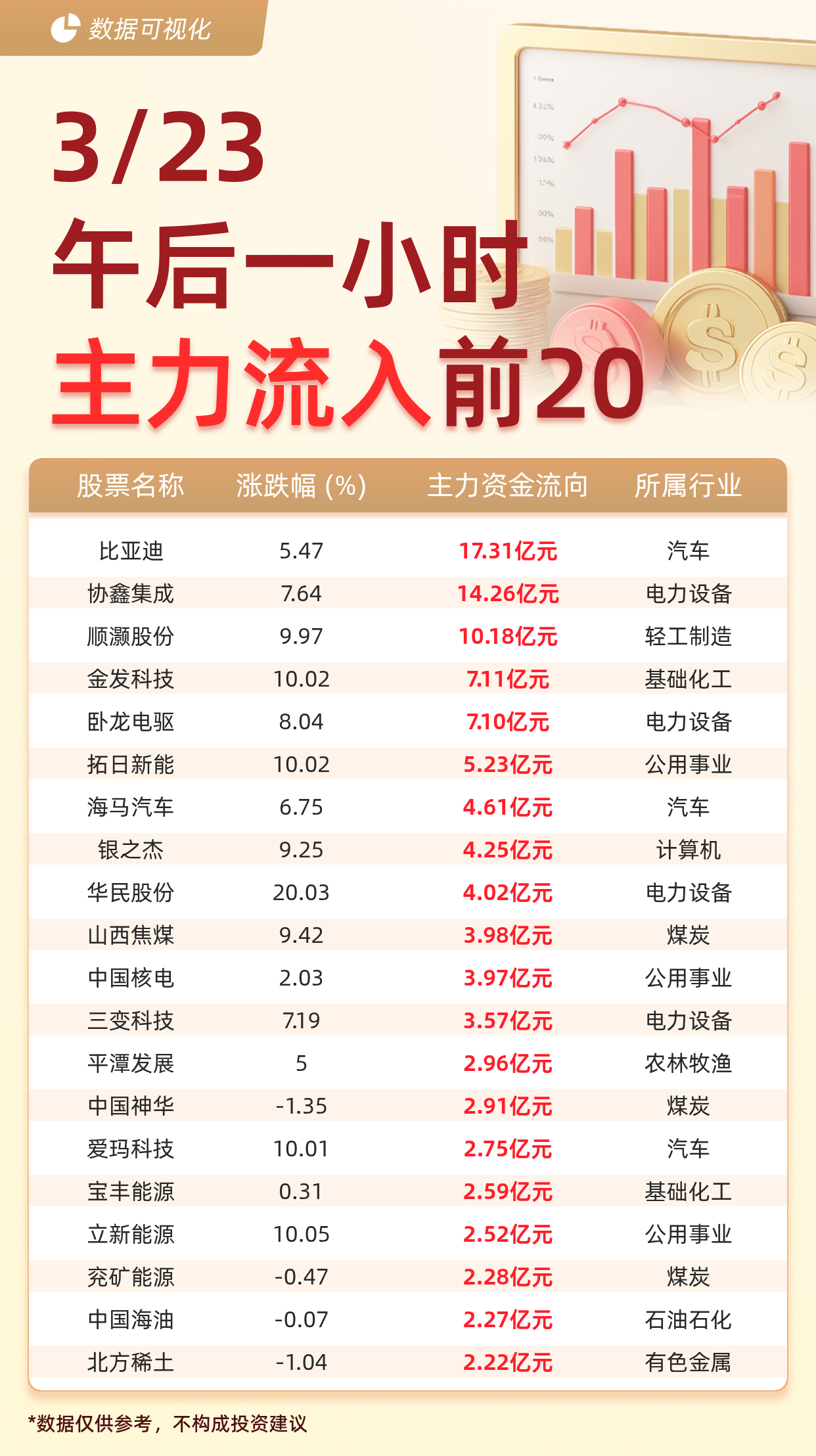
主力资金流入前20:比亚迪流入17.31亿元、协鑫集成流入14.26亿元
Jin Rong Jie· 2026-03-23 06:29
Core Insights - The main focus of the news is the significant inflow of capital into various stocks, highlighting the top 20 stocks by capital inflow as of March 23, with notable performances in sectors such as automotive, power equipment, and coal [1][2][3] Group 1: Stock Performance - BYD saw a capital inflow of 1.731 billion, with a price increase of 5.47% [2] - GCL-Poly Energy experienced a capital inflow of 1.426 billion, with a price increase of 7.64% [2] - Shunhao Co. reported a capital inflow of 1.018 billion, with a price increase of 9.97% [2] - Jinfat Technology had a capital inflow of 711 million, with a price increase of 10.02% [2] - Wolong Electric Drive received a capital inflow of 710 million, with a price increase of 8.04% [2] Group 2: Sector Analysis - The automotive sector, represented by BYD and Haima Automobile, showed strong capital inflows, indicating investor confidence [1][2] - The power equipment sector, including GCL-Poly Energy and Wolong Electric Drive, also attracted significant capital, reflecting growth potential [1][2] - The coal sector, represented by Shanxi Coal and China Shenhua, displayed mixed performance with varying capital inflows and stock price changes [1][3]