XIAOMI(01810)

Search documents
雷军马年首播
Sou Hu Cai Jing· 2026-02-28 01:46
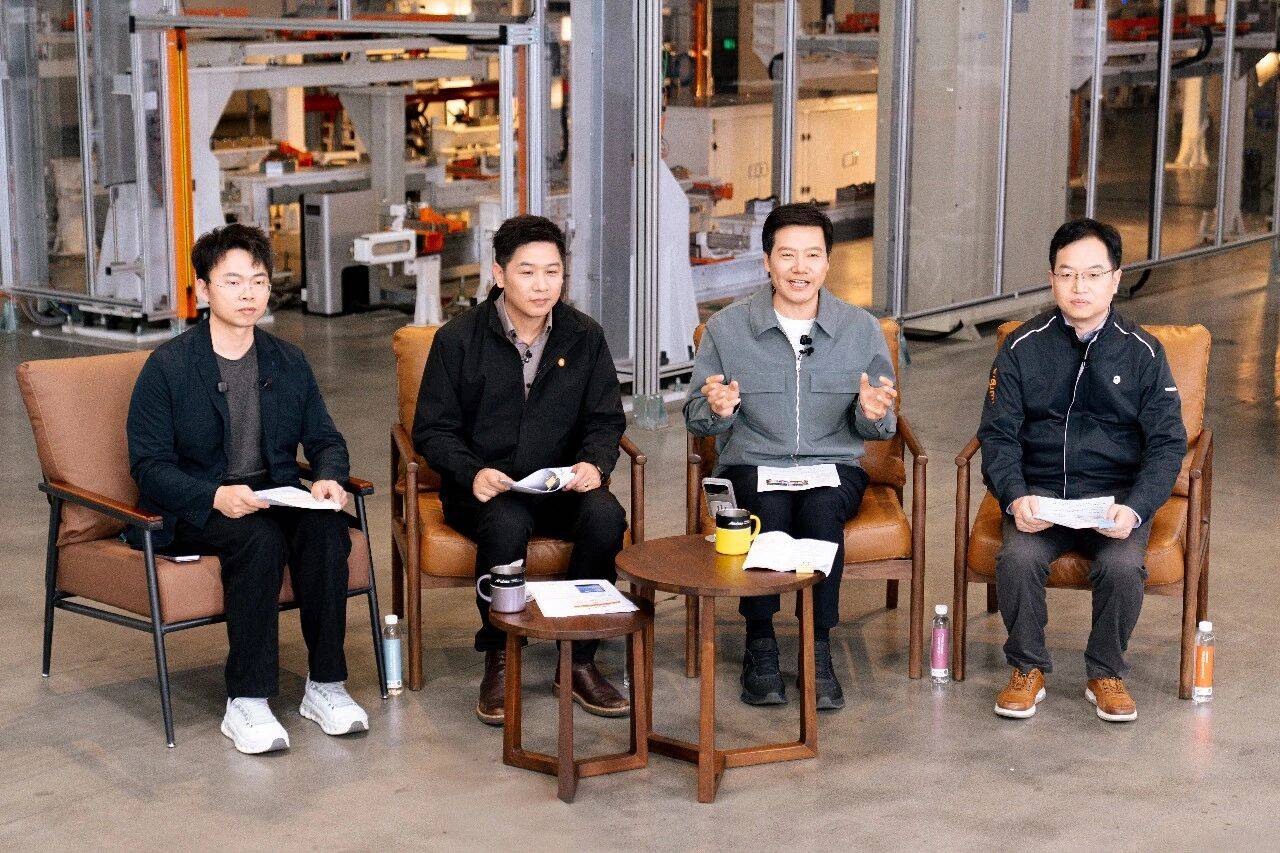
Core Viewpoint - Xiaomi Group emphasizes the importance of safety in its automotive division, showcasing its safety system during a live broadcast led by Chairman Lei Jun, which included expert insights and plans for future safety initiatives [1][3][5]. Group 1: Safety System Presentation - Lei Jun hosted a live broadcast discussing Xiaomi's automotive safety system, highlighting the company's commitment to safety since its entry into the automotive industry [1][3]. - The broadcast featured four industry experts who elaborated on the construction of Xiaomi's automotive safety system and battery safety [3]. - Experts explained the investigation process following traffic accidents, detailing the steps taken by regulatory authorities and the restrictions on companies regarding information disclosure during investigations [3]. Group 2: Future Safety Initiatives - Xiaomi plans to rebuild its Automotive Safety Advisory Committee, inviting vehicle safety experts from universities and research institutions to evaluate and oversee safety measures [5]. - The company aims to establish an automotive safety alliance under the guidance of national associations to regularly share safety progress and address safety issues collaboratively [5]. Group 3: Company Updates - Lei Jun shared personal updates, including his skiing experience during the holiday and the distribution of "opening day" red envelopes to employees, wishing them a prosperous new year [8]. - The company announced the new color for its next-generation SU7 model, named "Chixia Red," which is expected to be a highly anticipated vehicle for the year [8].


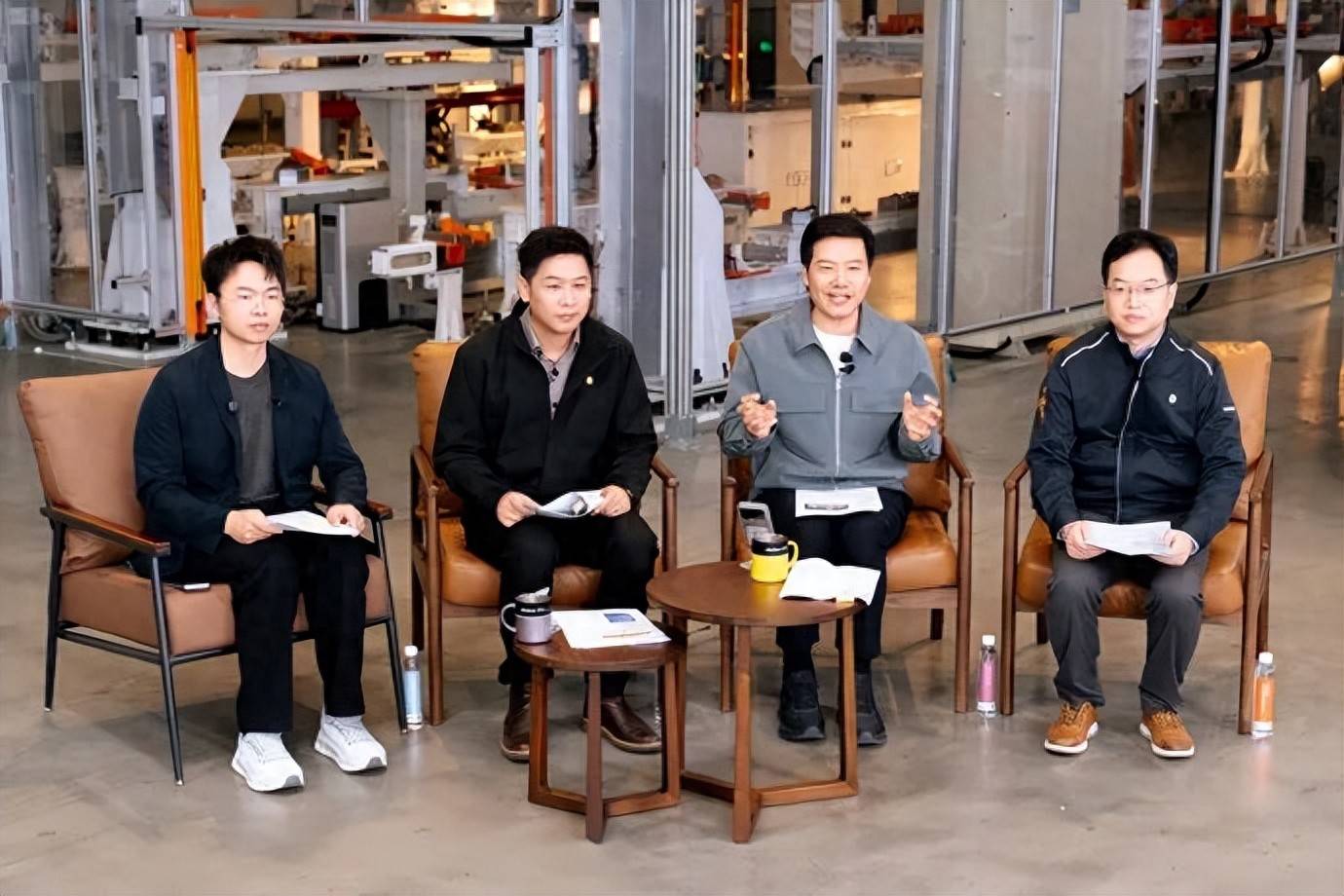
小米安全专家:安全团队超过3500人,小米要做同档最安全的车
2 1 Shi Ji Jing Ji Bao Dao· 2026-02-28 01:33
Group 1 - The core viewpoint of the article emphasizes that Xiaomi is heavily investing in automotive safety, aiming to produce the safest vehicles in its class [1] - Xiaomi's automotive safety committee is described as the highest decision-making body for safety within the company [1] - The company has a significant human resource investment in safety, with over 3,500 personnel dedicated to related safety teams [1]
雷军马年首次直播谈汽车安全,详细介绍新一代SU7门把手
Sou Hu Cai Jing· 2026-02-28 01:29
Core Viewpoint - Xiaomi Group emphasizes safety as the top priority in its automotive development, with a commitment to invest significantly in safety features and technology for its vehicles [1] Group 1: Safety Commitment - Xiaomi's automotive safety philosophy is encapsulated in the motto "safety above all," with a dedicated team of over 3,500 people focused on safety [1] - The company plans to establish a safety advisory committee to enhance public communication regarding vehicle safety, involving experts from academia and media [1] Group 2: New Model Features - The new generation SU7 has begun pre-orders and is expected to be officially launched in April, featuring a body composed of 90.3% high-strength steel and aluminum [1] - The SU7 includes advanced safety upgrades such as 2200MPa ultra-high-strength steel in critical areas and an increase in airbags to a total of nine, including two new rear side airbags [1] Group 3: Locking Mechanism and Battery Safety - The SU7's door locking mechanism features a three-tier power redundancy system to ensure mechanical unlocking in emergencies, even if the vehicle's power is compromised [2][4] - Xiaomi is actively involved in battery development and manufacturing, with a dedicated battery factory that covers the entire battery pack process, and has submitted 486 patents related to battery systems [4]
雷军介绍新SU7门把手:发生碰撞后,门锁自动切换机械解锁模式
Bei Jing Shang Bao· 2026-02-28 01:25
Core Insights - Xiaomi's founder and CEO Lei Jun discussed the safety features of the new generation Xiaomi SU7 during a live broadcast from the company's automotive factory in Beijing [1] Group 1: Product Features - The new Xiaomi SU7 includes mechanical door handles and a backup power source located under the second-row seats, ensuring both interior and exterior access to mechanical door opening [1] - The door locking system automatically switches to mechanical unlock mode upon detecting a collision, allowing the doors to be opened manually even in extreme situations where both main and backup batteries are depleted [1] - The locking mechanism features triple power redundancy: the main battery, a DCDC converter, a small battery, and a backup power source under the second-row seats, enabling all four doors to be unlocked [1] Group 2: Emergency Features - In normal conditions, doors can be unlocked electrically by pressing a button from inside the vehicle [1] - In emergency scenarios, all four doors are equipped with emergency mechanical handles, allowing access regardless of central locking status or low power supply [1]
小米安全专家:新一代SU7,四个门都有应急机械门把手
2 1 Shi Ji Jing Ji Bao Dao· 2026-02-28 01:07
Core Insights - The new generation SU7 from Xiaomi Automotive features both micro switches and mechanical door handles, enhancing safety and functionality [1] - The vehicle is equipped with a large battery and a small battery, along with a dedicated backup power supply for each of the four door locks, located under the second-row seats [1] - Emergency mechanical pull lines are installed in all four doors, allowing for manual door opening in any situation [1]
仅补贴3万元?曝36岁程序员复工当晚猝死,米哈游回应;哈啰招聘运营要求「98后,能力强放宽至97后」,客服回应;多家车企回应语音关大灯
雷峰网· 2026-02-28 00:48
Key Points - The article discusses various significant events and developments in the tech and automotive industries, highlighting issues related to employee welfare, product safety, and financial performance of companies [5][21][27][45]. Group 1: Employee Welfare and Company Responses - A 36-year-old programmer from miHoYo died suddenly after returning to work, raising concerns about workplace pressure and employee welfare. The company stated that there was no overtime during the Spring Festival and has set up a special team to assist the family [5][6]. - miHoYo's internal communication emphasized their employee care policies, including insurance and support for the family, while disputing claims about excessive work hours [6][10]. Group 2: Automotive Industry Developments - Multiple car brands, including Lynk & Co and Zeekr, faced issues with voice commands inadvertently turning off headlights, leading to safety concerns. Lynk & Co has apologized and implemented a fix, while other brands are reviewing their systems [12][13]. - Xiaomi announced plans to rebuild its automotive safety advisory committee and establish a public safety communication mechanism to enhance vehicle safety standards [23][24]. Group 3: Financial Performance and Strategic Changes - Cambrian Technology reported its first annual profit post-IPO, with a net profit of 2.059 billion yuan and revenue of nearly 6.497 billion yuan, marking a year-on-year increase of 453% [27]. - Meizu announced a strategic shift, pausing its smartphone hardware development due to intense market competition and rising component costs, and will focus on AI-driven software products [21][22]. - Kingsoft Office reported a revenue of 5.929 billion yuan for 2025, a 15.78% increase year-on-year, with net profit reaching 1.843 billion yuan, reflecting steady growth in its AI office solutions [41][42]. Group 4: Major Investments and Market Movements - OpenAI secured a new investment round totaling $110 billion from major players like Amazon, Nvidia, and SoftBank, significantly increasing its valuation to $730 billion [45][46]. - The EU has approved new regulations to eliminate the tax exemption for small packages under 150 euros, which is expected to impact cross-border e-commerce significantly [47][48].



雷军:新一代小米SU7内外均可机械开门
Xin Lang Cai Jing· 2026-02-28 00:40
Core Viewpoint - Xiaomi Group is enhancing the safety features of its new generation electric vehicle, the Xiaomi SU7, with significant upgrades in materials and design aimed at improving overall vehicle safety [1] Group 1: Safety Enhancements - The new Xiaomi SU7 incorporates 2200MPa ultra-strong steel, nine upgraded safety airbags, and a bulletproof coating on the battery pack's bottom [1] - The vehicle is equipped with laser radar as a standard feature, enhancing safety redundancy [1] - The new model features a triple redundancy system for door handles, including a mechanical pull wire structure and backup power sources [1] Group 2: Emergency Features - The new Xiaomi SU7 allows for both electric and manual door opening, with mechanical door handles added for emergency situations [1] - Each of the four door locks is equipped with a dedicated backup power source located under the second-row seats, ensuring functionality in various scenarios [1] - The vehicle includes emergency mechanical pull wires for all four doors, allowing for manual opening at any time [1]
智通ADR统计 | 2月28日





智通财经网· 2026-02-27 23:41
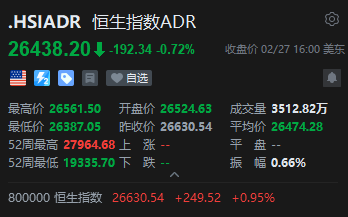
Market Overview - US stock indices experienced a decline on Friday, with the Hang Seng Index ADR closing at 26,438.20 points, down 192.34 points or 0.72% from the Hong Kong close [1] - The highest price for the ADR was 26,561.50, while the lowest was 26,387.05, with a trading volume of 35.1282 million [1] Major Blue-Chip Stocks - Most large-cap stocks fell, with HSBC Holdings closing at HKD 145.765, down 1.04% from the Hong Kong close [2] - Tencent Holdings closed at HKD 513.995, down 0.77% from the Hong Kong close [2] Stock Performance Summary - Tencent Holdings (00700) latest price: HKD 518.000, up 1.17% with an ADR price of USD 65.700, down 0.77% [3] - Alibaba Group (09988) latest price: HKD 142.900, down 0.07% with an ADR price of USD 144.110, down 1.38% [3] - HSBC Holdings (00005) latest price: HKD 147.300, up 1.59% with an ADR price of USD 93.160, down 1.04% [3] - Other notable stocks include AIA Group (01299) up 2.48%, and NetEase (099999) up 2.40% [3]
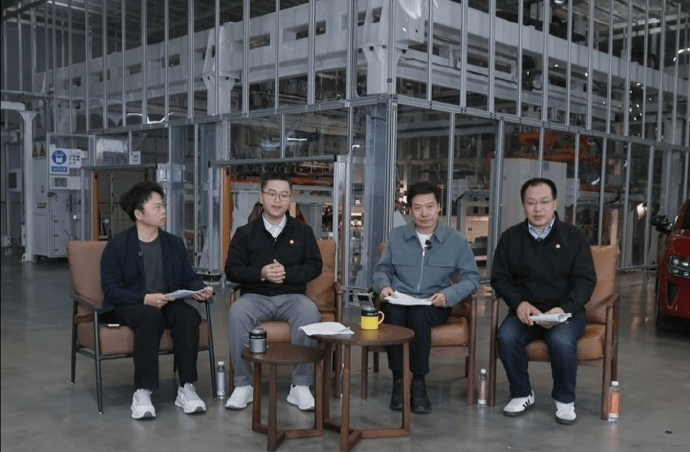
雷军直播新一代SU7门把手:增加车门机械拉手和门锁备用电源,一旦碰撞门锁自动切换机械解锁模式,“确保任何情况下都可从车内打开车门”
Sou Hu Cai Jing· 2026-02-27 18:17
Core Viewpoint - Xiaomi's founder and CEO Lei Jun highlighted significant safety upgrades in the new generation Xiaomi SU7 during a live broadcast from the Xiaomi car factory, emphasizing the importance of safety features in the vehicle design [2][3]. Group 1: Safety Features - The new Xiaomi SU7 incorporates several safety enhancements, including the use of 2200 MPa ultra-strong steel, nine upgraded airbags, a bulletproof coating on the battery pack's bottom, and standard laser radar across all models to enhance safety redundancy [3]. - The vehicle features a triple redundancy door handle system, which includes mechanical structures and backup power sources, allowing for safe door operation both inside and outside the vehicle [3][4]. - In emergency situations, the door locks can switch to a mechanical unlocking mode upon collision detection, ensuring that doors can be opened manually [3][4]. Group 2: Battery and Power Redundancy - The door locking system is designed with triple power redundancy, utilizing the main battery, a DCDC converter, a small battery, and a backup power source located under the second-row seats to ensure all doors can be unlocked [4]. - Even in extreme conditions where both large and small batteries lose power, the door handles retain a purely mechanical unlocking capability [4]. Group 3: Regulatory Compliance - The new safety standards for car door handles, mandated by the Ministry of Industry and Information Technology, will take effect on January 1, 2027, requiring all vehicles sold in China to have mechanical door handles to ensure manual operation in case of power failure [4]. Group 4: Market Positioning - The new generation Xiaomi SU7 is available for pre-order at a price range of 229,900 to 309,900 yuan, with an expected launch date in April 2026 [4].
千元机正在消失 2026年手机凭什么越卖越贵
Feng Huang Wang· 2026-02-27 15:51
Core Viewpoint - The Chinese smartphone market is experiencing an unprecedented price surge in 2026, marking the most intense price increase in five years, affecting all brands and price segments, driven by multiple pressures in the industry [1][2]. Group 1: Price Surge Overview - The 2026 price increase is characterized by a comprehensive adjustment across all brands and models, a rare occurrence in the smartphone industry [2]. - Major domestic brands such as OPPO, OnePlus, vivo, Xiaomi, iQOO, and Honor are set to initiate a new round of price adjustments starting in early March, with the scale and increase being the highest in five years [2][5]. - Predictions indicate that the average price of smartphones in China will rise above the global average of 6.9%, with new models launching after March expected to see price increases of 15% to 25% compared to 2025 [5]. Group 2: Causes of Price Increases - The primary driver of the price surge is the significant increase in storage chip prices, which have risen sharply since late 2024, with DRAM contract prices expected to increase by 55% to 60% in Q1 2026 and NAND flash prices by over 30% [7][8]. - The demand for high-bandwidth memory for AI infrastructure has diverted production capacity away from consumer electronics, exacerbating supply shortages for smartphones [8]. - The cost of storage chips has increased by over 80% year-on-year, leading to a rise in the overall BOM (Bill of Materials) cost for smartphones by 8% to 12% [9]. Group 3: Market Dynamics and Consumer Behavior - The price increases are not merely cyclical but represent a structural change in the industry, with manufacturers facing profit squeezes and some mid-range models experiencing negative margins [9]. - The average replacement cycle for consumers has extended from 24 months in 2020 to 33 months in 2025, indicating a shift in consumer behavior towards seeking more economical solutions [10]. - Many manufacturers, including Xiaomi and OPPO, have reduced their annual production orders by over 20%, focusing on mid-range and overseas products [10].