NONGFU SPRING(09633)

Search documents
雀巢、康师傅、伊利、海天等131家快消品上市公司发布年报,63家营收增长,68家营收下滑!
Sou Hu Cai Jing· 2025-06-06 10:07
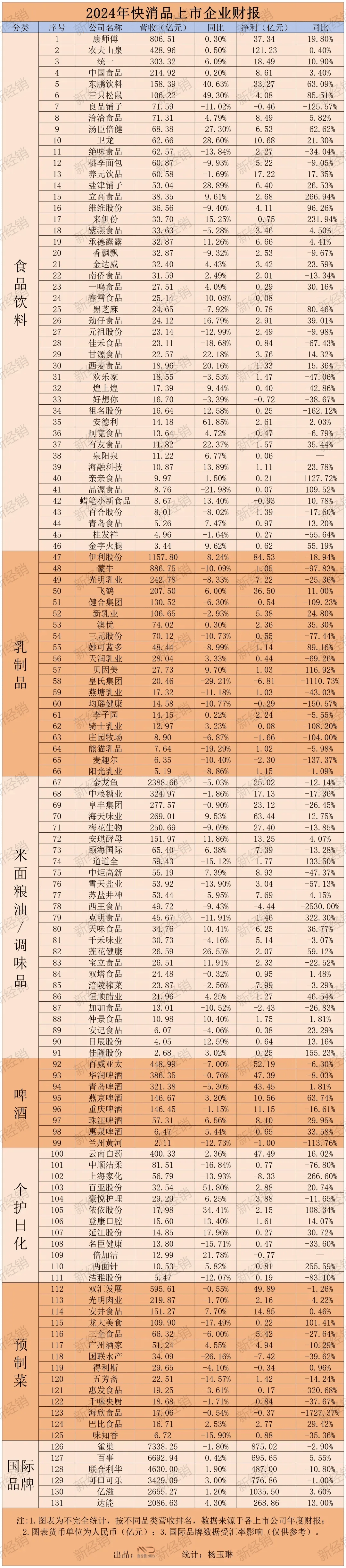
Core Insights - In 2024, China's total retail sales of consumer goods reached 48.79 trillion yuan, growing by 3.5%, marking the first time it fell below the GDP growth rate of 5% [1] - The fast-moving consumer goods (FMCG) industry is transitioning into a phase dominated by "stock competition," focusing on efficiency improvement, brand optimization, and structural adjustments [1] FMCG Company Performance - **Master Kong**: Achieved revenue of 806.51 billion yuan, a slight increase of 0.30%, with net profit rising by 19.80% to 37.34 billion yuan [2][6] - **Nongfu Spring**: Reported revenue of 428.96 billion yuan, up by 0.50%, and net profit of 121.23 billion yuan, a marginal increase of 0.40% [2][6] - **Uni-President**: Generated revenue of 303.32 billion yuan, a growth of 6.09%, with net profit of 18.49 billion yuan, increasing by 10.90% [2][6] - **China Foods**: Recorded revenue of 214.92 billion yuan, up by 0.20%, and net profit of 8.61 billion yuan, a growth of 3.40% [2][6] - **Eastroc Beverage**: Achieved significant growth with revenue of 158.39 billion yuan, up by 40.63%, and net profit of 33.27 billion yuan, increasing by 63.09% [2][6] - **Three Squirrels**: Reported revenue of 106.22 billion yuan, a substantial increase of 49.30%, with net profit rising by 85.51% to 4.08 billion yuan [2][6] Industry Trends - The FMCG sector is experiencing a shift towards efficiency and brand optimization as the era of rapid market growth driven by demographic dividends comes to an end [1] - Companies are adapting to market changes through product innovation, structural optimization, and brand rejuvenation to establish new growth curves and core competitiveness [13] - The beverage segment is seeing strong performance from Nongfu Spring's tea drinks, which have become a major revenue source despite challenges in the bottled water segment [8][13] - The snack segment is witnessing varied performance, with companies like Qinqin Foods achieving profitability through export and OEM manufacturing, while others like Liuyifei face challenges due to strategic adjustments [13] Dairy Industry Performance - **Yili Group**: Maintained its position as Asia's leading dairy company with revenue of 1,157.80 billion yuan, despite a decline of 8.24% [15][16] - **Mengniu Dairy**: Experienced a revenue drop of 10.09% to 886.75 billion yuan, with net profit significantly declining by 97.83% [15][16] - **Bright Dairy**: Reported revenue of 242.78 billion yuan, down by 8.33%, and net profit of 7.22 billion yuan, a decrease of 25.36% [15][16] - The dairy industry is facing challenges with supply-demand imbalances and declining consumer demand, leading to revenue declines for many traditional dairy giants [18]





618大促高峰期渐行渐近!港股消费ETF(159735)跟踪指数午后强势翻红,实时成交额超3300万元排名同指数第一
Sou Hu Cai Jing· 2025-06-06 06:55
Group 1 - The 618 shopping festival is recognized as a crucial event for boosting annual consumption, with calls for government support through subsidies and targeted consumption vouchers to stimulate spending in specific regions and demographics [1] - The Hong Kong stock market experienced a V-shaped rebound, with significant gains in sectors such as short videos, food and beverages, home appliances, and blind boxes, indicating strong market interest in consumer stocks [1] - The Hong Kong Consumption ETF (159735) tracks the Hong Kong consumption index, which includes a higher proportion of new consumption categories compared to A-shares, reflecting the impact of consumption policies on market recovery [1] Group 2 - The government is actively promoting consumption through measures such as increasing personal and internet consumption loan limits, which is expected to release pent-up consumer demand [2] - The Ministry of Commerce plans to launch a "Healthy Consumption Special Action Plan" during the Consumer Expo, focusing on health-related sectors to expand consumption scenarios [2] - Local governments are also contributing, with initiatives like Hainan's health and wellness industry development plan aimed at enhancing the quality of consumption in the region [2]


黑龙江省集贤县市场监督管理局2025年第四期食品监督抽检信息公示
Zhong Guo Zhi Liang Xin Wen Wang· 2025-06-05 07:03
Summary of Key Points Core Viewpoint The report from the Jixian County Market Supervision Administration highlights the results of the fourth round of food safety inspections in 2025, indicating a high compliance rate for ordinary food products and a notable number of non-compliant agricultural products. Group 1: Inspection Results - A total of 213 batches of ordinary food were tested, with all 213 batches passing the inspection [2] - For agricultural products, 45 batches were tested, of which 42 passed and 3 were found to be non-compliant [2] Group 2: Non-compliant Products - The non-compliant agricultural products included: - Bananas from He Sheng Trading Company, with a pesticide residue of 0.086 mg/kg, exceeding the standard limit of 0.02 mg/kg [3] - Ginger from a local market, with a pesticide residue of 0.60 mg/kg, also above the acceptable limit of 0.2 mg/kg [3] - Another batch of bananas from a different vendor, showing a residue of 0.10 mg/kg, again exceeding the standard [3] Group 3: Compliance Standards - The inspections were conducted in accordance with the GB 2763-2021 national food safety standards, which set maximum residue limits for pesticides in food products [3][4] - The report emphasizes the importance of adhering to these standards to ensure food safety for consumers [2][3]


农夫山泉的标签供应商江天科技IPO 一毛钱的生意“不太甜”
Xi Niu Cai Jing· 2025-06-04 11:43
Core Viewpoint - Jiangtian Technology's reliance on major clients, particularly Nongfu Spring, has raised concerns about its growth sustainability and IPO prospects, as recent financial performance shows signs of decline despite previous growth [2][6][7] Company Overview - Jiangtian Technology specializes in the research, production, and sales of label printing products, including film and paper-based self-adhesive labels, widely used in daily consumer sectors such as beverages, personal care, and food [6] - The company has experienced revenue growth from 347 million yuan in 2021 to 538 million yuan in 2024, with a compound annual growth rate (CAGR) of 15.47%, and net profit growth from 61 million yuan to 102 million yuan, with a CAGR of 18.69% [6] Recent Financial Performance - As of Q1 2025, Jiangtian Technology reported revenue of 134 million yuan, a slight increase of 2.12% year-on-year, but net profit decreased by 9.66% to 26 million yuan, marking the first negative growth in five years [6] - The company's heavy dependence on major clients has begun to show risks, particularly as Nongfu Spring's revenue growth slowed to 0.54% in 2024, the lowest in five years [7] Challenges and Risks - Jiangtian Technology faces challenges such as reduced order amounts from major clients like Yili Group and declining prices for core products, which may impact overall performance [7] - The company is also dealing with internal control risks related to shareholding structures and related party transactions, as well as insufficient pricing power for its products, which could hinder its IPO process [7]
食品饮料周报:重点关注软饮料、低度酒精布局机会
Tianfeng Securities· 2025-06-03 10:35
Investment Rating - Industry Rating: Outperform the market (maintained rating) [6] Core Views - The report emphasizes investment opportunities in the soft drink and low-alcohol segments due to new products, low base effects, and the upcoming peak season [4][5][15] - The white liquor sector is recommended with a focus on Moutai and Fenjiu, while the yellow wine sector is under observation for data validation [3][18] - The report identifies four key themes in the consumer goods sector: cost control, new consumption trends, potential performance elasticity in Q2, and thematic expectations [18][22] Summary by Sections Market Performance Review - From May 26 to May 30, the food and beverage sector declined by 1.06%, while the Shanghai Composite Index fell by 0.03% [24] - Notable performances included soft drinks (+9.27%), other alcoholic beverages (+7.13%), and beer (+3.22%) [24] White and Yellow Liquor - The white liquor sector saw a decline of 2.76%, attributed to recent regulations and seasonal factors [3] - Shanxi Fenjiu aims for national expansion and product growth, indicating a strategic opportunity during the industry's adjustment phase [3][18] Beer and Beverage - The beer sector increased by 3.22%, supported by seasonal demand and promotional activities [14] - The report highlights the potential of the soft drink and low-alcohol segments, with significant growth in companies like Li Ziyuan and Dongpeng Beverage [15][22] Consumer Goods - The consumer goods sector is recommended based on four main themes: cost control, new consumption, potential performance elasticity, and thematic expectations [18][22] - The report suggests focusing on companies that can leverage these themes, such as Ximai Food and H&H [22] Investment Recommendations - Top picks include soft drinks and low-alcohol products like Li Ziyuan, Chengde Lulou, and Dongpeng Beverage [5][22] - For the white liquor sector, leading companies like Shanxi Fenjiu and Guizhou Moutai are recommended [5][22] - The report also suggests monitoring companies in the consumer goods sector that align with the identified themes [22]



陈刚到南宁市调研,强调要深化产教融合发展现代产业壮大县域经济!
Guang Xi Ri Bao· 2025-05-29 01:38
Group 1 - The development of the Nanning Education Park is a significant initiative for promoting high-quality higher education in the region, with a focus on improving infrastructure and integrating education with industry innovation [2] - The Guangxi-ASEAN Fudi Battery production base is the first manufacturing enterprise in the Guangxi-ASEAN Economic and Technological Development Zone to reach a scale of 10 billion, recognized as a leading industrial enterprise in Guangxi [3] - The emphasis on modern characteristic agriculture and the collaboration between Guangdong and Guangxi aims to enhance rural technology talent cultivation and improve income channels for local communities [3][4] Group 2 - The importance of a good political ecology is highlighted as a fundamental guarantee for promoting high-quality development, with a call for local party organizations to support anti-corruption measures [4] - The strategy to develop county-level industries is crucial for the overall economic strength of the region, advocating for tailored industrial development and increased investment attraction [4]

2025年瓶装果蔬茶饮料品牌推荐:新茶饮品牌争相布局,健康化趋势引领行业新风口
Tou Bao Yan Jiu Yuan· 2025-05-28 11:50
Investment Rating - The report indicates a strong growth potential for the bottled fruit and vegetable tea industry, with a projected market size exceeding 250 billion yuan by 2025, maintaining a stable growth rate of 15%-20% [9][10]. Core Insights - The bottled fruit and vegetable tea market has experienced explosive growth, driven by the health-conscious preferences of younger consumers and the demand for convenient, healthy beverages. The market is expected to reach a scale of 218 billion yuan in 2024, with a compound annual growth rate (CAGR) of over 25% [4][7]. - The industry is characterized by a seasonal sales pattern, with summer sales potentially reaching 2-3 times that of winter, necessitating flexible supply chain strategies [4]. - The market has evolved through three stages: cultivation (2015-2018), rapid growth (2019-2022), and quality upgrade (2023-present), with a forecasted steady growth of 15%-20% over the next five years [6]. Market Overview - The market size for bottled fruit and vegetable tea is projected to reach 218 billion yuan in 2024, accounting for 18.7% of the entire ready-to-drink tea market. Convenience stores contribute 42% of sales, while e-commerce channels are growing rapidly at an annual rate of 210% [7][8]. - The market exhibits a gradient development characteristic, with the East China region leading at 38% market share, and a significant preference for tropical fruit flavors in South China [8]. - Mid-range products priced between 5-8 yuan dominate the market, capturing 65% of the share, indicating consumers' willingness to pay a reasonable premium for quality [8]. Market Competition - The competition landscape is diverse, with international giants like Suntory and Ito En leveraging localized strategies to capture market share, while traditional beverage companies like Master Kong and Uni-President are transitioning to fruit and vegetable tea production [15]. - New brands such as Tea Xiaokai and Yuanqi Forest are adopting innovative supply chain models, significantly shortening product iteration cycles and increasing new product launches by 40% year-on-year [15]. - The evaluation of the top ten brands is based on product quality, market performance, and brand reputation, ensuring a comprehensive assessment of their competitive positioning [11][13][14]. Development Trends - The industry is focusing on technological innovations, including cell wall breaking technology to enhance nutrient absorption rates, membrane separation technology for flavor optimization, and microencapsulation technology to prolong the shelf life of active ingredients [27]. - Scenario-based marketing is becoming crucial, with brands developing products tailored for specific contexts such as health check-ups, dining experiences, and fitness recovery [28]. - Sustainable sourcing of raw materials is increasingly important, with brands like Nongfu Spring promoting organic farming practices and Tea Xiaokai utilizing local ingredients to reduce carbon footprints [29][30].
真正的好生意,毛利和净利是不会低的
Hu Xiu· 2025-05-27 00:32
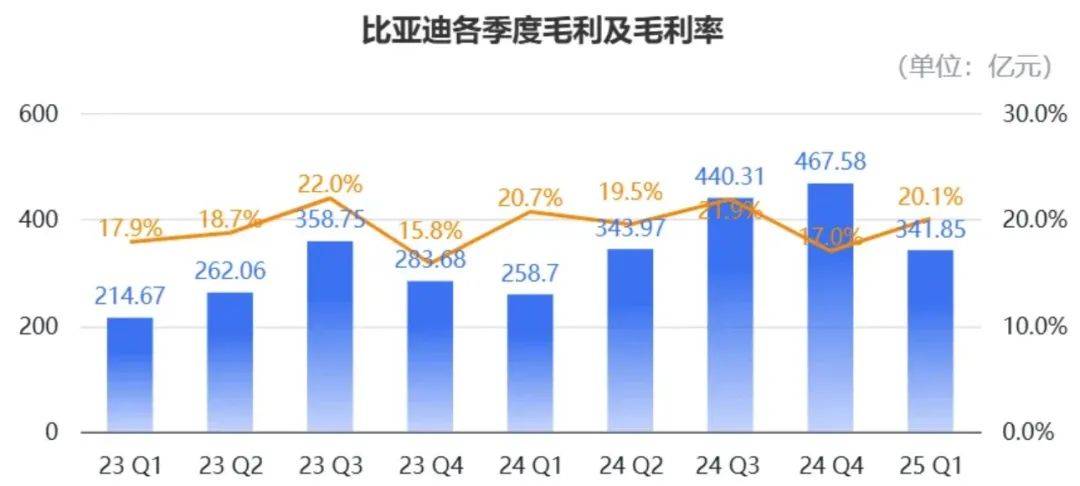
Group 1: Internet Platform Companies - Tencent has a gross margin of 53% and a net margin of 33.7%, dominating the social media space [1] - Trip.com has a gross margin of 81.76% and a net margin of 32.02%, holding a market share of 65-70% in high-star hotels [1] - Pinduoduo reports a gross margin of 60.9% and a net margin of 28.6%, affected by losses from TEMU [1] - NetEase Games shows a gross margin of 57.14% and a net margin of 28.2% [1] Group 2: Fast-Moving Consumer Goods (FMCG) Brands - Leading FMCG brands like Nongfu Spring and Coca-Cola have net margins around 20%, with Coca-Cola at 22.6% due to its innovative business model [2] - Second-tier brands like PepsiCo and Nestlé have net margins around 10%, often due to insufficient brand loyalty or high pricing with low scale [3] - Third-tier brands such as Master Kong and Uni-President operate with net margins around 5%, relying on low prices for market share but struggling with brand loyalty and production scale [4] Group 3: Chain Beverage Companies - Top-tier chain beverage companies like Bawang Tea have a net margin of 20.3%, benefiting from brand premium [5] - Starbucks typically has a net margin of around 15%, but faces margin pressure due to increased competition [6] - Second-tier brands like Mixue Ice City and Gu Ming have net margins of 17.94% and 16.99%, respectively, leveraging scale advantages [6] Group 4: Hardware Companies - Apple has a gross margin of 46.2% and a net margin of 24%, while Xiaomi has a gross margin of 20.4% and a net margin of 6.44% [8] - NVIDIA shows a gross margin of 78.9% and a net margin of 57%, compared to AMD's gross margin of 50.2% and net margin of 15.3% [8] Group 5: Business Insights - High net margins (above 30%) often indicate monopolistic products, while margins below 15% suggest competitive pressures [9] - Companies with single-digit net margins typically rely on price wars, indicating weak product differentiation and low competitive advantage [14] - Trends in gross and net margins can reveal significant insights about a company's market position, as seen with Tesla and BYD [15]



农夫山泉股东大会:钟睒睒称目前所有产品无法代工,未来会积极参与养生水赛道
Sou Hu Cai Jing· 2025-05-22 13:26
Core Viewpoint - Nongfu Spring's CEO, Zhong Shanshan, stated that while the company does not oppose outsourcing, all of its products are currently not suitable for outsourcing due to high dependency on water sources and a highly customized production system [2][4]. Financial Performance - In the previous year, Nongfu Spring reported revenue of 42.896 billion yuan, a year-on-year increase of 0.5%, and a net profit of 12.123 billion yuan, up 0.4% year-on-year [3][6]. - The company's packaged drinking water revenue decreased by 21.3% year-on-year, significantly impacting its market share and brand image [3][8]. - The gross profit for 2024 was 24.916 billion yuan, a decrease of 1.9% from 25.407 billion yuan in 2023, with a gross margin decline from 59.5% to 58.1% [8]. Market Position - Despite challenges, Nongfu Spring maintained its position as the market leader in China's packaged drinking water sector, with a market share that experienced a three-month decline due to organized online attacks [8]. - The tea beverage segment, represented by products like "Oriental Leaf," generated revenue of 16.745 billion yuan, a year-on-year increase of 32.3%, accounting for 39% of total revenue [7][8]. Production and Supply Chain - The company has invested in 14 major water sources and over 30 advanced production bases, emphasizing a high-cost but high-quality and non-replicable production model [4][5]. - Recent projects include significant investments in water source projects, such as 5 billion yuan in the Jiande project and 1.35 billion yuan in the Qingcheng Mountain project [5]. Future Outlook - Zhong Shanshan expressed interest in entering the health water market but noted that no company currently produces authentic Chinese health water [5].
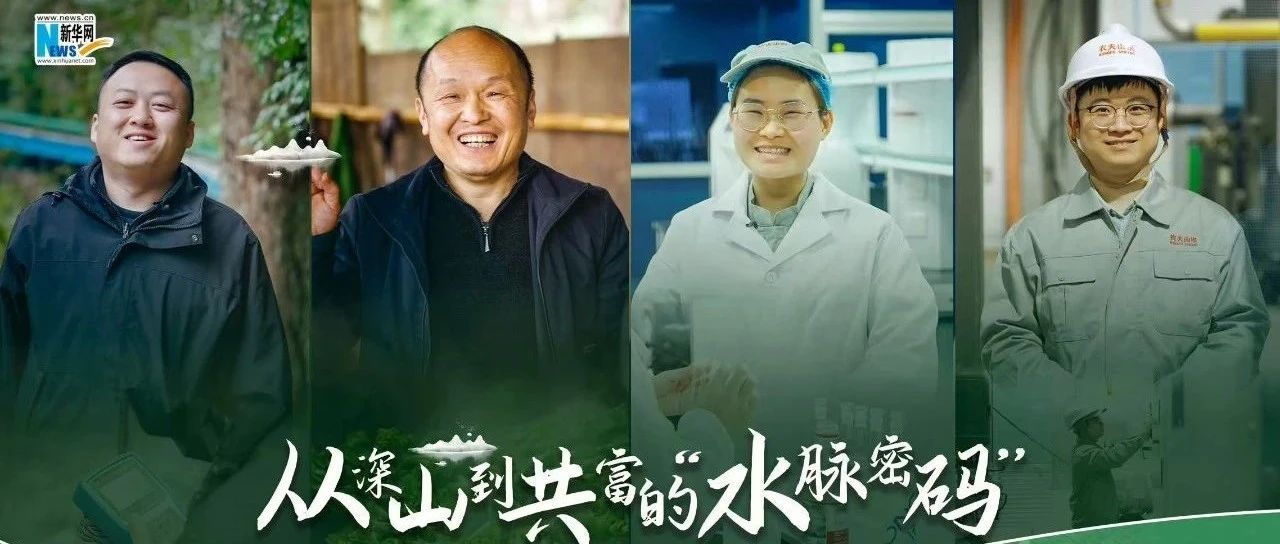
从深山到共富的“水脉密码”:解码农夫山泉落户桑植的生态共富经
新华网财经· 2025-05-22 09:16
Core Viewpoint - The establishment of a water source project by Nongfu Spring in Sangzhi County is a significant driver for local economic development and a key component of rural revitalization strategy, with an investment exceeding 1.2 billion yuan and an expected annual output value of over 1.5 billion yuan [1][3]. Group 1: Project Overview - The water pipeline project spans 58 kilometers, traversing complex terrains including cliffs and tunnels, representing one of the most challenging construction projects for Nongfu Spring in the past decade [3][4]. - The project aims to ensure legal and ecological compliance in water extraction, minimizing impacts on endangered species and maintaining ecological flow [4]. Group 2: Economic Impact - The project is expected to create over 1,000 jobs and generate tax revenue of 150 million yuan, significantly boosting the local economy [1][3]. - The "water + N" model promotes a diversified industrial ecosystem, integrating local agriculture such as tea and fruit production, and fostering a closed-loop supply chain [5][6]. Group 3: Social Transformation - The project has reversed the trend of labor outmigration, encouraging local residents to return and work in Sangzhi, thus transforming the local demographic landscape [9][10]. - The influx of jobs and improved infrastructure has revitalized the local economy, leading to increased business activities and rising living standards [10][11]. Group 4: Broader Implications - Sangzhi's model is not an isolated case; similar projects across China have demonstrated the potential of water source factories to drive regional economic development and improve local livelihoods [13]. - The goal is to establish Sangzhi as a national ecological brand, attracting related industries and creating a billion-level water industry cluster [13][14].