Hisense V.T.(600060)

Search documents
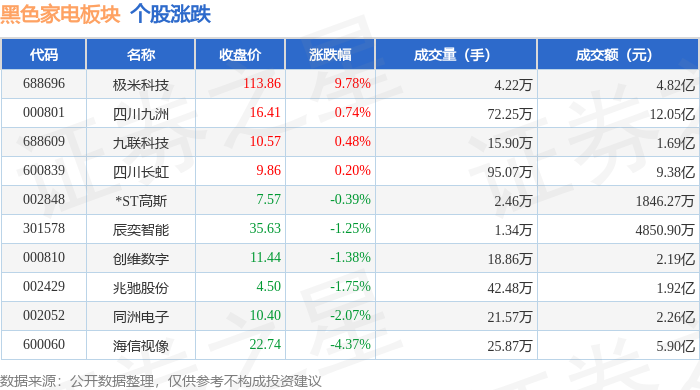
黑色家电板块7月31日跌0.7%,海信视像领跌,主力资金净流入3861.49万元
Zheng Xing Xing Ye Ri Bao· 2025-07-31 08:37
从资金流向上来看,当日黑色家电板块主力资金净流入3861.49万元,游资资金净流出5086.1万元,散户 资金净流入1224.61万元。黑色家电板块个股资金流向见下表: | 代码 | 名称 | 主力净流入(元) | 主力净占比 游资净流入 (元) | | 游资净占比 散户净流入 (元) | | 散户净占比 | | --- | --- | --- | --- | --- | --- | --- | --- | | 000801 四川九洲 | | -5826.13万 | 4.84% | -4908.84万 | -4.08% | -917.29万 | -0.76% | | 688696 极米科技 | | 4302.48万 | 8.93% | -1684.92万 | -3.50% | -2617.56万 | -5.43% | | 600839 四川长虹 | | 3256.73万 | 3.47% | -1875.33万 | -2.00% | -1381.40万 | -1.47% | | 688609 | 九联科技 | 412.89万 | 2.44% | -764.42万 | -4.52% | 351.53万 | 2.0 ...



浙商证券:MiniLED技术驱动电视行业格局重塑 头部品牌有望集中享受技术红利
Zhi Tong Cai Jing· 2025-07-31 08:16
Core Viewpoint - The rapid increase in MiniLED penetration is driven by cost reduction and government subsidies, leading to improved picture quality and profitability for manufacturers [1][2][3] Group 1: MiniLED Market Penetration - In 2024, China's MiniLED sales penetration is expected to reach 18%, with a significant increase during the 618 shopping festival, where the penetration rate reached 41%, up by 22.1 percentage points year-on-year [1][2] - The MiniLED technology is positioned to disrupt the competitive landscape of the television market, similar to past technological shifts that affected market shares [1][3] Group 2: Profitability and Pricing - The profit margin for MiniLED televisions is significantly higher than that of ordinary LCD TVs, with a price difference of nearly 2000 yuan for a 65-inch model, while the cost increase is less than 1000 yuan [2][3] - The narrowing price gap between MiniLED and non-MiniLED TVs is expected to drive higher penetration rates, as consumers are willing to pay for better display quality [3][4] Group 3: Future Projections - The estimated shipment volume for MiniLED TVs in China is around 20 million units, with an additional 34.3 million units projected for overseas markets [4] - The market share for MiniLED TVs in China is anticipated to reach 78% among the top three brands (Hisense, Xiaomi, TCL) by 2024, indicating a concentration of benefits among leading manufacturers [4]


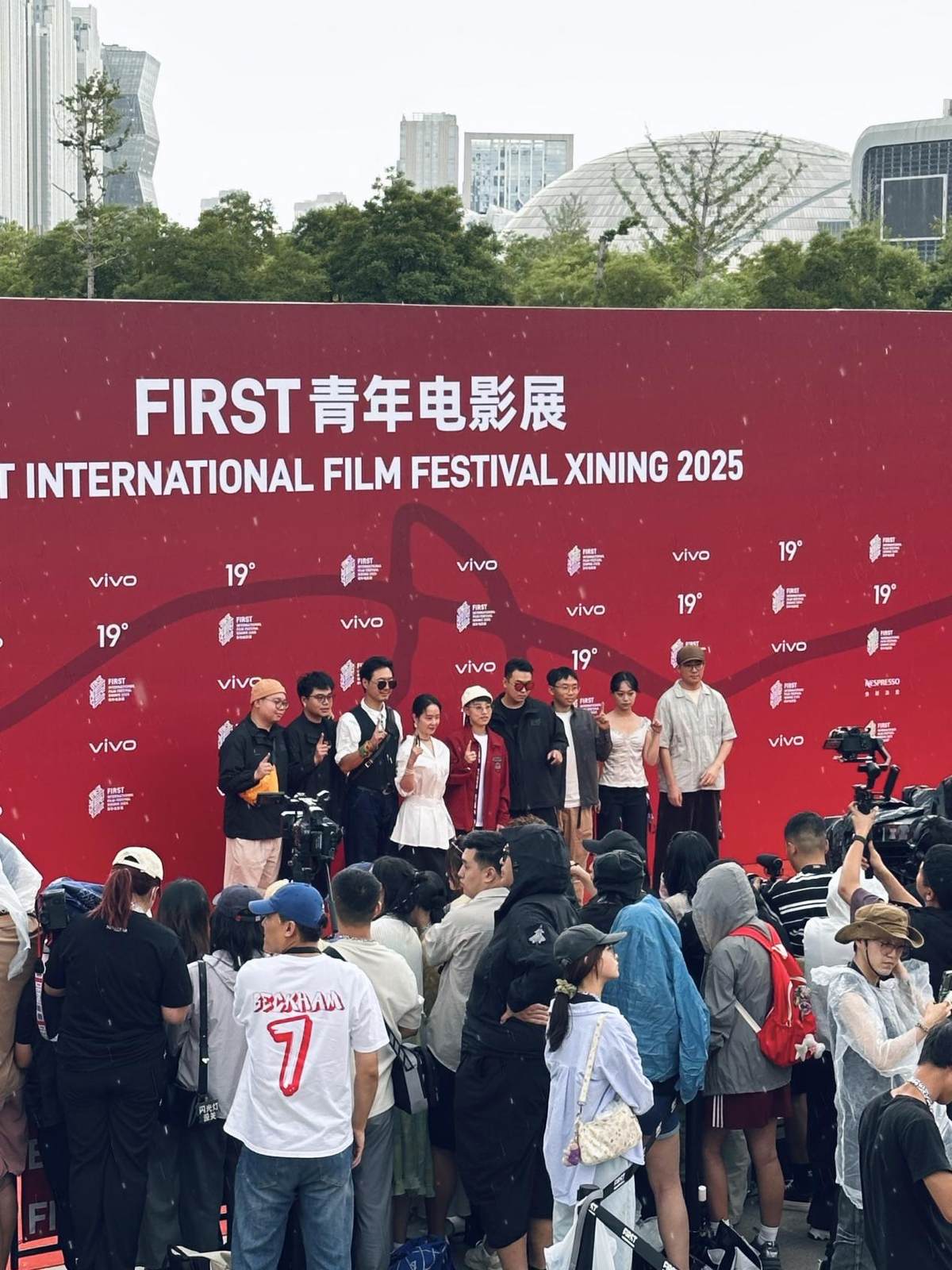
海信100吋大屏亮相 FIRST 影展,用沉浸观感为青年电影人作品加分
Sou Hu Wang· 2025-07-30 09:19
Group 1 - The 19th FIRST Youth Film Festival concluded successfully, showcasing a blend of established and emerging filmmakers [1][3] - Major awards were given to films such as "The Odyssey of Lao Cai," "Kong Kong," and "Gorgeous Island," highlighting the festival's commitment to recognizing diverse cinematic talent [3][4] - Hisense TV served as the imaging technology partner, enhancing the festival experience with its 100-inch E8Q Pro, which provided superior picture quality across various venues [3][4][5] Group 2 - The festival has become an essential force in the development of Chinese cinema, promoting independent expression and discovering new talent [3][4] - The judging panel was led by international filmmaker Isabelle Huppert, with Yi Yangqianxi being the youngest judge in the festival's history, representing the new generation of filmmakers [7] - Hisense TV aims to support the growth of the Chinese film industry through advanced imaging technology, indicating a strong partnership with the festival for future innovations [7]
海信璀璨U6系列真空冰箱来袭,“鲜” 与 “冰” 奇妙碰撞
Ge Long Hui· 2025-07-29 11:41
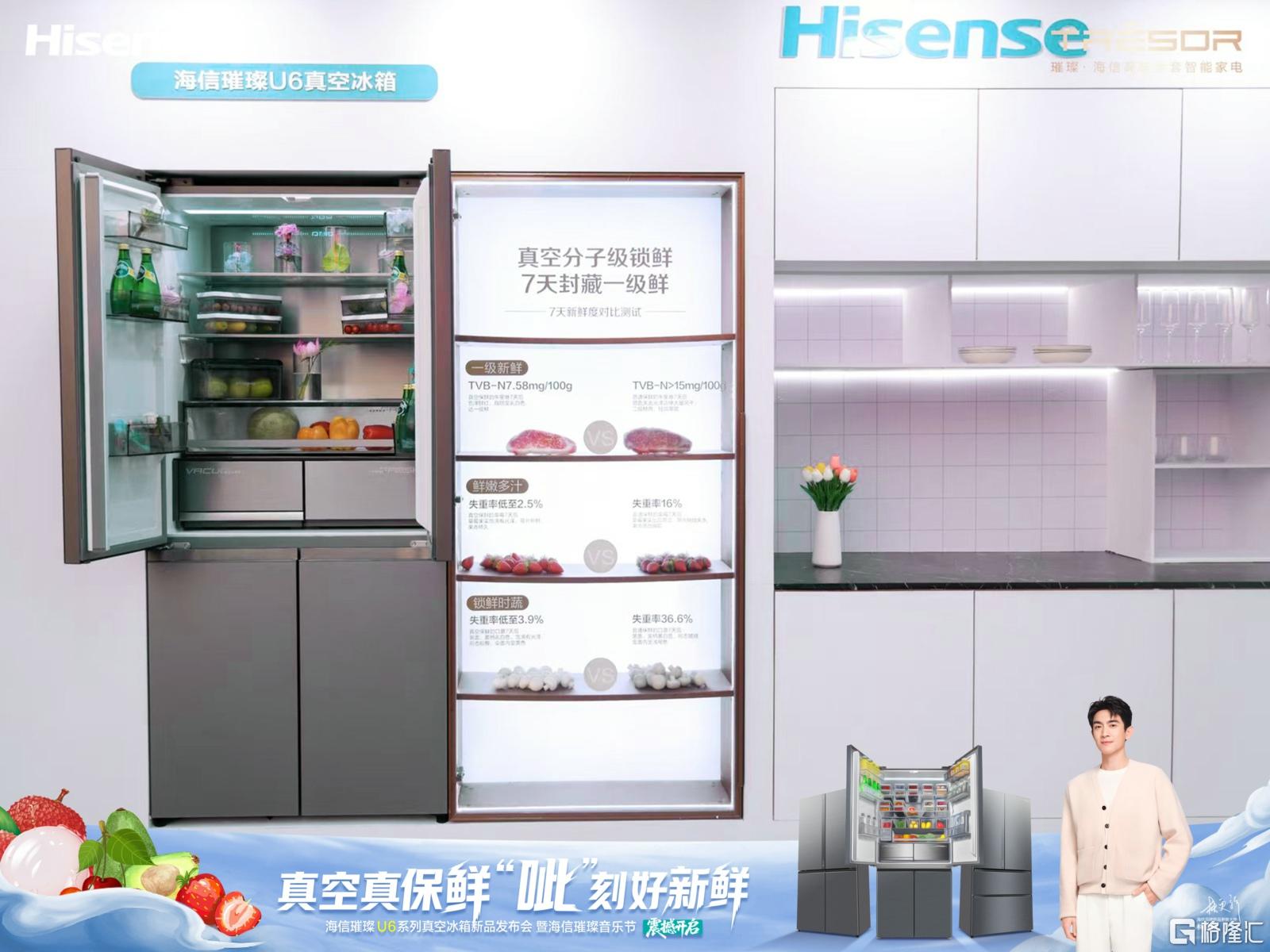
Core Viewpoint - Hisense has launched the Brilliant U6 series vacuum refrigerator, featuring the world's leading "Vacuum Magnetic Preservation Technology" and an efficient automatic ice-making system, setting a new standard for high-end food storage and healthy beverage experiences [2][6]. Group 1: Technology and Innovation - The "Vacuum Magnetic Preservation Technology" creates an independent sealed vacuum space, effectively preventing oxidation and enzyme activity, thus prolonging the freshness of food [2][4]. - After rigorous testing, food stored using this technology showed a TVB-N value of 7.57 mg/100g after 7 days, significantly better than the national first-class fresh meat standard (≤15 mg/100g), achieving a freshness level that allows users to enjoy fresh food even after a week [3][4]. - The automatic ice-making system can produce ice in 60 minutes with a daily output of up to 1.18 kilograms, improving efficiency by approximately 47% compared to traditional systems [3][4]. Group 2: Health and Safety - The ice-making system features antibacterial materials with a tested antibacterial rate exceeding 99.99%, ensuring the purity and safety of ice from water source to ice cubes [4][6]. - Users can initiate a 2-minute smart automatic cleaning program via a mobile app, addressing hygiene concerns effectively [4][6]. Group 3: Market Positioning - The launch of the Hisense Brilliant U6 vacuum refrigerator signifies a shift from traditional refrigeration to a "smart health living center," redefining preservation standards and quality of life in modern kitchens [4][6]. - Hisense's advancements in high-end refrigerator technology are further validated by authoritative certifications from the China Household Electrical Appliances Research Institute [6].
第二十七届高交会将于11月在深圳举行 意向投资额超过10亿元
Mei Ri Jing Ji Xin Wen· 2025-07-29 09:57
Core Viewpoint - The China International High-Tech Achievements Fair (referred to as the High-Tech Fair), known as "China's First Technology Exhibition," will be held from November 14 to 16, 2025, in Shenzhen, showcasing advancements in high-tech industries and facilitating global technology transactions [1]. Group 1: Event Overview - The High-Tech Fair has been successfully held for 26 sessions since its inception in 1999, becoming a significant platform for China's high-tech sector and innovation [1]. - The 27th High-Tech Fair will focus on a market-oriented exhibition concept, with an exhibition area planned to reach 400,000 square meters, inviting renowned technology companies from over 100 countries and regions [1]. Group 2: Exhibition Focus - The fair will cover various cutting-edge fields, including national key projects, artificial intelligence, smart manufacturing, robotics, semiconductors, clean energy, and more, showcasing the latest technological achievements and innovative solutions [1]. - Specific exhibition areas will include national key equipment, technology giants' industrial chains, international technology achievements, and sectors like low-altitude economy and data industry [1]. Group 3: Participation and Investment - Over 5,000 well-known companies, including China National Petroleum, China Petroleum & Chemical, Huawei, BYD, and Xiaomi, are expected to participate with significant technological equipment and innovative products [2]. - The total intended investment from participating investment institutions has exceeded 1 billion yuan, covering all stages of capital investment from angel rounds to Pre-A rounds [2].





黑色家电板块7月29日跌0.13%,同洲电子领跌,主力资金净流出4565.16万元
Zheng Xing Xing Ye Ri Bao· 2025-07-29 08:34
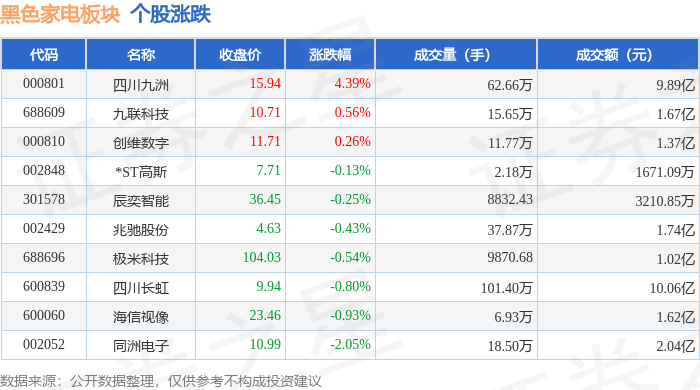
证券之星消息,7月29日黑色家电板块较上一交易日下跌0.13%,同洲电子领跌。当日上证指数报收于 3609.71,上涨0.33%。深证成指报收于11289.41,上涨0.64%。黑色家电板块个股涨跌见下表: | 代码 | 名称 | 收盘价 | 涨跌幅 | 成交量(手) | 成交额(元) | | | --- | --- | --- | --- | --- | --- | --- | | 000801 | 四川九洲 | 15.94 | 4.39% | 62.66万 | | 26886 | | 688609 | 九联科技 | 10.71 | 0.56% | 15.65万 | | 1.67亿 | | 000810 | 创维数字 | 11.71 | 0.26% | C 11.77万 | | 1.37亿 | | 002848 | *ST高斯 | 7.71 | -0.13% | - 2.18万 | | 1671.09万 | | 301578 | 辰奕智能 | 36.45 | -0.25% | 8832.43 | | 3210.85万 | | 002429 | 非驰股份 | 4.63 | -0.43% | 37.87万 | ...


“好品山东”练就质量金招牌——山东打造品牌建设新范式
Zhong Guo Zhi Liang Xin Wen Wang· 2025-07-29 06:29
Core Insights - The event highlighted the high-quality development of brands in Shandong, emphasizing innovation as a key driver for growth and the integration of manufacturing processes and product connections [1] Company Summaries - **Furida**: Focuses on creating skincare products tailored for Chinese consumers, having developed the first domestic hyaluronic acid essence and a series of micro-ecological skincare products. The company holds over 170 patents and has achieved a sales scale of 1 billion yuan within five years [2] - **Hisense**: After ten years of development, Hisense has successfully created the RGB-Mini LED technology, with a key component being the "Xin Chip H7," which offers three times the light control precision of traditional LCDs. This innovation has positioned Hisense as a leader in display technology [3] - **Huaguang Guoci**: Innovates in high-end ceramics, developing various advanced materials and techniques, including lead-free glazes and antibacterial glazes, while promoting traditional Chinese culture through brand initiatives [4] - **Luhua**: Invests heavily in R&D to produce high-oleic peanuts, achieving over 75% oleic acid content. The company’s unique 5S physical pressing process enhances nutritional retention and flavor, contributing to the agricultural sector's growth [4] Industry Trends - The "chain development" model in Shandong is fostering growth not only for individual companies but also for the entire industry chain, with Hisense leading investments in 25 companies in 2024 and 28 in 2025 [5] - Furida is establishing a multi-brand group operation and a dual beauty ecosystem, with a projected annual output value of 4 billion yuan from its new innovation park [5] - Luhua's approach extends from edible oils to agricultural products, creating a full industry chain that enhances both economic and ecological benefits [6] - The collective efforts of these companies illustrate Shandong's commitment to high-quality development through technological strength, brand enhancement, and ecological synergy, with an increasing number of Shandong brands gaining international recognition [6]

意向投资总额已超10亿,今年高交会设各专业展“链”全球
Nan Fang Du Shi Bao· 2025-07-29 05:41
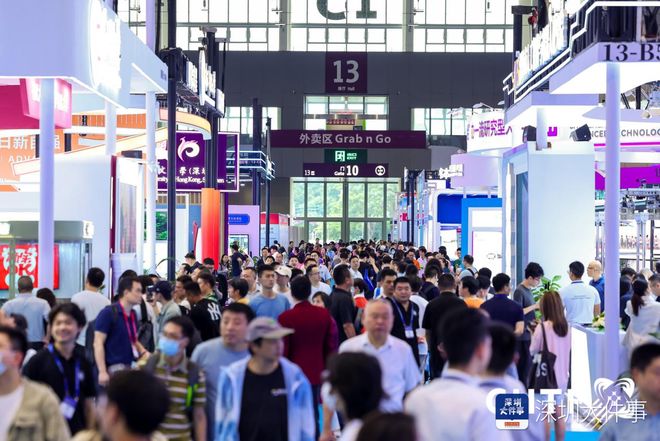
Group 1 - The 27th China International High-Tech Achievements Fair (referred to as the High-Tech Fair) will take place from November 14-16, 2025, at the Shenzhen International Convention and Exhibition Center, marking a significant event in the global technology landscape [1][11] - The High-Tech Fair has been held 26 times since its establishment in 1999, becoming a crucial platform for showcasing cutting-edge technology and promoting brand visibility for Chinese tech companies [1][3] - Over 5,000 renowned enterprises, including major players like Huawei, BYD, and Xiaomi, are expected to showcase their latest technological innovations at this year's fair [5][9] Group 2 - The exhibition area for the 27th High-Tech Fair is planned to cover 400,000 square meters, with participation from over 100 countries and regions, focusing on the latest high-tech developments and facilitating technology transactions [3][6] - Specialized exhibition areas will be set up to highlight advancements in various fields, including artificial intelligence, robotics, semiconductor technology, and clean energy, aiming to drive innovation and collaboration [6][8] - The fair aims to attract significant investment, with intentions exceeding 1 billion yuan in various sectors, including biomedical and hard technology, indicating strong market interest and potential for growth [11][9] Group 3 - The previous High-Tech Fair achieved record-breaking results, with over 40,000 professional visitors and a transaction amount exceeding 120 billion yuan, showcasing its status as a leading global technology event [9][11] - The fair serves as a vital platform for technology transfer and enterprise financing, fostering deep integration between technology and the economy, and stimulating innovation [11][9] - The event will also feature numerous forums and procurement meetings, facilitating connections between technology providers and investors, further enhancing the collaborative environment [9][11]

家电行业月度动态跟踪:稳中有升,黑电、清洁电器行业中期业绩较好-20250728
Yin He Zheng Quan· 2025-07-28 14:08
Investment Rating - The report maintains a "Buy" rating for the home appliance industry [1] Core Viewpoints - The home appliance industry is experiencing stable growth, particularly in the black and clean appliance sectors, with mid-term performance being relatively strong [1] - The home appliance index has seen a 3.07% increase as of July 25, 2025, but the market is concerned about the sustainability of growth due to policy uncertainties and declining export figures [3][6] - The report highlights the impact of government policies, such as the "old-for-new" subsidy program, which has provided support for domestic demand but is expected to see diminishing returns in the latter half of the year [16][23] Summary by Sections 1. Industry Performance and Institutional Allocation - As of July 25, 2025, the home appliance index has underperformed compared to the CSI 300 index, which increased by 4.85% [6] - The current price-to-earnings ratio for the home appliance sector is 14.69, below the historical average of 17.63 [6] 2. Domestic Demand and Policy Support - The "old-for-new" policy has been a significant driver for domestic sales, but its effectiveness is expected to weaken in the second half of 2025 due to funding gaps [16][23] - Retail sales in June 2025 showed a year-on-year increase of 4.8%, but the growth rate has slowed compared to previous months [22] 3. Export Challenges - Home appliance exports have faced challenges, with significant declines in April, May, and June 2025, attributed to U.S. tariff policies and a high base from the previous year [4][42] - The report notes that companies with production capabilities in Southeast Asia may have a competitive advantage, while others face pressure on profit margins due to late-stage capacity expansions [4] 4. Air Conditioning Sector - The air conditioning market is expected to see high demand in 2024, driven by government subsidies, but June 2025 sales were below expectations [48][61] - The average selling price of air conditioners has stabilized after a decline earlier in the year, with competition expected to remain intense [81] 5. Black Appliances and Globalization - The global market for televisions is stabilizing, with TCL Electronics projecting a significant increase in mid-term profits due to rising demand [3] - The report emphasizes the trend towards high-end and large-screen televisions, with Mini LED technology expected to see substantial growth [3] 6. Clean Appliances - The clean appliance sector is benefiting from government subsidies, with strong retail growth observed [3] - Companies like Ecovacs have reported better-than-expected mid-term performance, indicating potential investment opportunities [3]




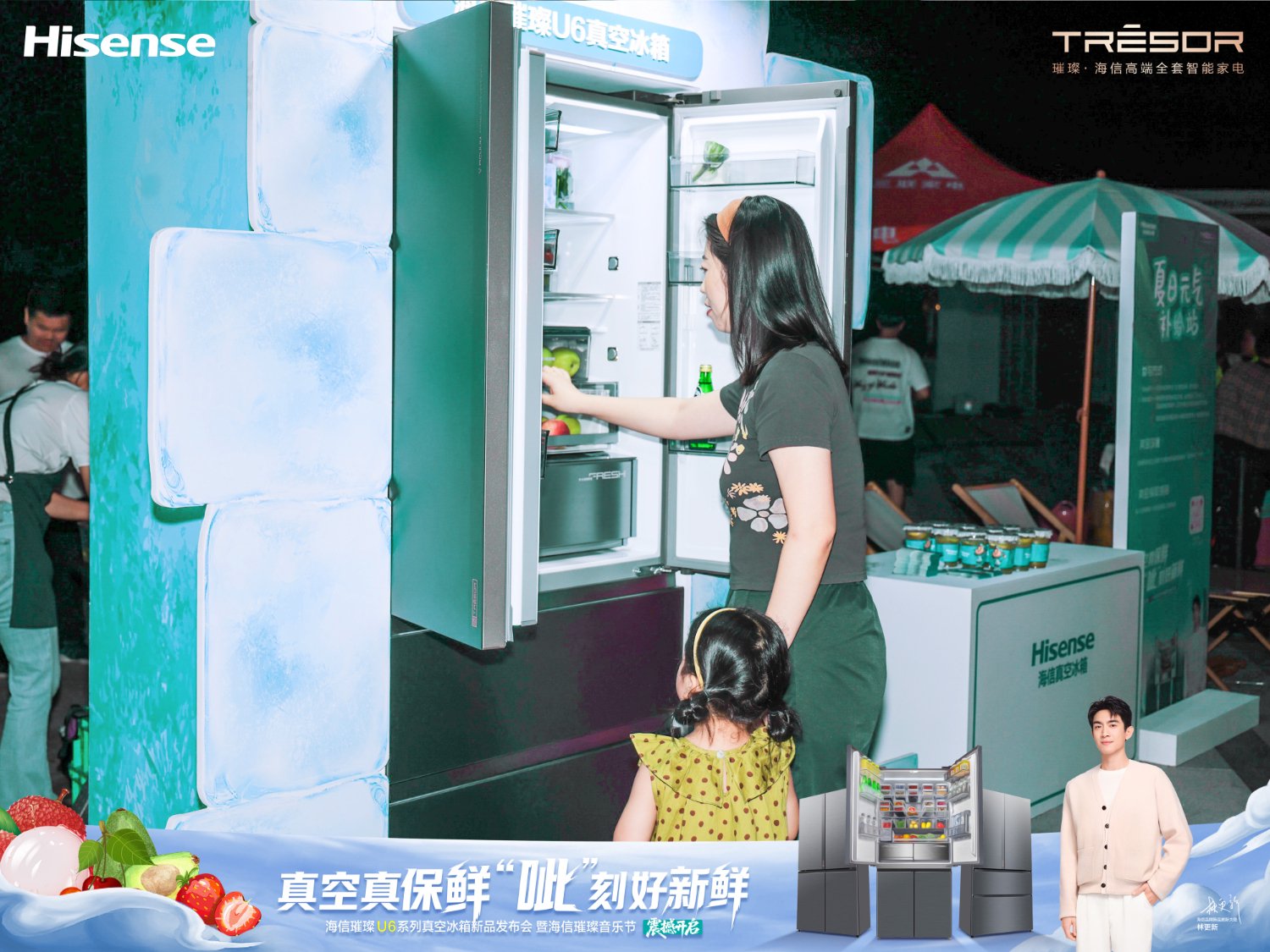
海信璀璨 U6系列真空冰箱新品发布 “鲜” 与 “冰” 奇妙碰撞
Zhong Guo Jin Rong Xin Xi Wang· 2025-07-28 06:22
Core Viewpoint - Hisense has launched the new Brilliant U6 series vacuum refrigerator, featuring advanced vacuum magnetic preservation technology and an efficient automatic ice-making system, catering to high-end food storage and healthy beverage needs. Group 1: Vacuum Preservation Technology - The traditional preservation methods face challenges in effectively delaying food oxidation and enzyme activity decline. The Hisense Brilliant 501U6 vacuum refrigerator introduces a revolutionary solution with its vacuum magnetic preservation technology, creating an independent sealed vacuum space known as the "vacuum first-class cabin" [3]. - This technology combines external vacuum conditions to inhibit meat oxidation and significantly reduce the respiration and transpiration rates of fruits and vegetables, thereby delaying food spoilage from the source. The internal magnetic field utilizes magneto-biological effects to promote the orderly arrangement of water molecules, reducing free water loss and maintaining cell fullness [3]. - After rigorous testing, food stored using this technology showed a TVB-N value of only 7.57 mg/100g after 7 days, which is significantly better than the national first-class fresh meat standard (≤15 mg/100g) [3]. Group 2: Automatic Ice-Making System - The automatic ice-making system in the Hisense Brilliant 501U6 refrigerator excels in efficiency, cleanliness, and convenience, achieving intelligent ice-making in 60 minutes with a daily ice production capacity of up to 1.18 kilograms, and a maximum storage capacity of 2.49 kilograms for the French model, improving ice-making efficiency by approximately 47% compared to traditional methods [5]. - The system features antibacterial materials in both the refrigerated water box and the frozen ice storage box, with a tested antibacterial rate exceeding 99.99%, ensuring purity and safety from water source to ice cubes [5]. - Users can initiate a 2-minute intelligent automatic flushing program via a mobile app, and the ice-making module in the freezer is designed for easy disassembly for deep cleaning [5]. Group 3: Redefining Kitchen Standards - The launch of the Hisense Brilliant U6 series vacuum refrigerator accelerates the evolution of refrigerators from mere "cold storage" tools to "smart health living centers," breaking through traditional temperature and humidity control frameworks [6]. - The "vacuum magnetic preservation" technology addresses preservation challenges from both physical and biological activity dimensions, while the "60-minute intelligent ice-making" meets user expectations for efficiency and health, making the ice-making process reliable and accessible [6]. - This innovative product is set to redefine preservation standards and quality of life in modern kitchens, promoting refined food management and healthy consumption [6].