SAIC MOTOR(600104)

Search documents
高盛:料内地车企今年本土业务利润承压 加速海外扩张 比亚迪股份(01211)及小鹏汽车-W(09868)具优势
智通财经网· 2026-01-09 02:33
Group 1 - The core observation from Goldman Sachs indicates a cautious outlook on the overall Chinese automotive market, with management expecting retail sales of passenger vehicles in 2026 to decline by 5% to grow by 1% year-on-year, despite the continuation of the "old-for-new" subsidy policy [1] - The report highlights that all six OEMs anticipate their sales growth in 2026 to range from 11% to 68%, while overseas sales are expected to increase between 19% and 108%, indicating a significant expansion despite a stable domestic market [2] - The management teams emphasize an accelerated overseas expansion strategy for 2026, with plans to launch more overseas versions of new models and establish local sales and service channels [3] Group 2 - The introduction of new models is expected to be aggressive, with a total of 119 new models projected for 2026, categorized by price range: 46 in the mass market (below 200,000 RMB), 37 in the mid-to-high-end market (200,000 to 300,000 RMB), and 36 in the high-end/luxury market (above 300,000 RMB) [3] - The competitive landscape in the high-end market is anticipated to become more crowded, particularly in the 250,000 to 300,000 RMB price range, which is expected to be the most competitive segment [3] - Goldman Sachs predicts a contraction in the domestic profit pool for the Chinese automotive industry in 2026, while the overseas market is expected to see accelerated adoption of new energy vehicles [3]



锚定研发与全球化双主线 2025年上汽集团自主品牌销量占比首超65%
Zhong Guo Zheng Quan Bao· 2026-01-08 22:01
Core Viewpoint - In 2025, SAIC Motor Corporation achieved robust growth amidst a challenging automotive market, demonstrating a successful structural transformation towards smart and autonomous vehicles, serving as a reference for traditional automakers' upgrades [1][4]. Group 1: Sales Performance - In 2025, SAIC Motor's total vehicle sales reached 4.507 million units, a year-on-year increase of 12.3%, with retail sales exceeding wholesale, indicating a healthy market supply-demand structure [1]. - The company's revenue for the first three quarters was 468.99 billion yuan, with a net profit attributable to shareholders of 8.101 billion yuan, reflecting year-on-year growth of 9% and 17.3% respectively [1]. - The sales of SAIC's self-owned brands reached 2.928 million units, a 21.6% increase, with their share of total sales rising from 60% in 2024 to 65% in 2025 [2]. Group 2: Brand and Product Development - The growth of self-owned brands was driven by a collaborative effort across the brand matrix, with SAIC's Roewe and MG brands seeing domestic sales increase by 245.3% [2]. - MG brand's sales in Europe reached 300,000 units, a nearly 30% increase, maintaining its position as the top-selling Chinese automotive brand in Europe for 11 consecutive years [2]. - The high-end brand, Zhiji Auto, achieved sales of 81,000 units, a 23.68% increase, with its LS6 model quickly gaining popularity [2]. Group 3: Joint Venture Transformation - SAIC Volkswagen's terminal sales reached 1.06 million units, with a month-on-month increase of 10.9% in December 2025, and electric models accounting for 15% of total sales [3]. - Despite a 16.5% decline in annual sales for SAIC General Motors, the company maintained profitability for five consecutive quarters through product structure optimization [3]. Group 4: International Expansion - SAIC's overseas sales reached 1.071 million units, a 3.1% increase, with self-owned brands accounting for 75% of this figure, highlighting the strategic value of localized operations [3]. - The company’s factories in Thailand and Indonesia are steadily releasing a combined capacity of 500,000 units per year, while the Mexican factory is strategically entering the North American market [3]. Group 5: Technological Innovation - SAIC's growth is attributed to long-term investments in R&D, with over 150 billion yuan invested in electric and intelligent technology, resulting in nearly 26,000 effective patents [4]. - The MG4 semi-solid battery version achieved over 75,000 orders, while the Zhiji LS9 set a new record for range with 1,508 kilometers [4]. - The company has established a complete technical system covering three vehicle platforms and seven technology bases, enhancing its competitive edge [4]. Group 6: Systemic Transformation - SAIC has restructured its passenger vehicle segment to break down barriers between various business units, improving market responsiveness [5]. - The company is focusing on strengthening its self-owned brand base, expanding globally, and building core technological barriers [5]. - Future prospects include the mass production of solid-state batteries and advanced autonomous driving technologies, which are expected to enhance SAIC's global industry influence [5].
2025年上汽集团自主品牌销量占比首超65%
Zhong Guo Zheng Quan Bao· 2026-01-08 20:50
Core Insights - In 2025, SAIC Motor Corporation achieved a total vehicle sales of 4.507 million units, representing a year-on-year growth of 12.3%, with a healthy market supply-demand structure [1] - The company's revenue for the first three quarters reached 468.99 billion yuan, and net profit attributable to shareholders was 8.101 billion yuan, reflecting year-on-year increases of 9% and 17.3% respectively [1] - The shift towards self-owned brands is evident, with self-owned brand sales reaching 2.928 million units, a 21.6% increase, and their share of total sales rising from 60% in 2024 to 65% in 2025 [1][2] Business Structure and Performance - The growth of self-owned brands is driven by a collaborative effort across the entire brand matrix, with significant increases in sales for the Roewe and MG brands, which saw domestic sales rise by 245.3% [2] - The high-end brand, Zhiji Auto, achieved sales of 81,000 units, a growth of 23.68%, with the LS6 model becoming a representative product in the 200,000 yuan intelligent SUV market [2] - SAIC-GM-Wuling maintained a solid market presence with sales of 1.635 million units, and its new energy vehicles surpassed 1 million units for the first time [2] Overseas Market Expansion - In 2025, SAIC's overseas sales reached 1.071 million units, a year-on-year increase of 3.1%, with self-owned brands accounting for 75% of this figure [3] - The company has established a comprehensive strategy of "local R&D + local production + local operation," with factories in Thailand and Indonesia steadily releasing a combined capacity of 500,000 units per year [3] Technological and Systematic Transformation - The growth in key metrics is attributed to long-term investments in R&D, with over 150 billion yuan invested in electric and intelligent technology, resulting in nearly 26,000 effective patents [3][4] - The MG4 semi-solid state version has achieved over 75,000 orders, while the Zhiji LS9 boasts a record range of 1,508 kilometers [4] - The company has enhanced its core component capabilities through strategic investments exceeding 18 billion yuan, focusing on critical supply chain segments [4] Systemic Changes and Future Outlook - SAIC has restructured its passenger vehicle segment to enhance market responsiveness, leading to successful launches of new models [5][6] - The company aims to strengthen its domestic market base, expand globally, and build core competitive advantages through ongoing technological advancements and local production capacity [6]
骏成科技:公司产品通过一级供应商交付应用于上汽吉利长安等主机厂
Zheng Quan Ri Bao Wang· 2026-01-08 10:43
Core Viewpoint - Jun Cheng Technology (301106) engages with major domestic automotive manufacturers through first-tier suppliers, indicating a strong position in the automotive supply chain [1] Group 1: Company Overview - Jun Cheng Technology's products are delivered through first-tier suppliers such as Weichai, Visteon (Tianbao Automotive), Tianyouwei (603202), and Xintongda [1] - The company collaborates with leading automotive manufacturers including SAIC Group (600104), Geely Automobile, Changan Automobile, Beijing Automotive, Chery Automobile, and Dongfeng Motor [1]
乘用车全球化策略:从全面扩张走向分市场、分主体的结构性出海
Soochow Securities· 2026-01-08 09:35
Group 1: Global Market and New Energy Penetration Forecast - The overall global passenger car sales are projected to reach 9,015 million units by 2026, with a growth rate of 1.7% year-on-year [16] - In Europe, the new energy penetration rate is expected to exceed 30% by 2026, driven by the launch of affordable models and the reintroduction of subsidies [2][34] - Southeast Asia is anticipated to see a new energy penetration rate of 19% in 2026, with significant contributions from Chinese automakers and local manufacturers [2][37] Group 2: Chinese Automakers' Global Market Share Forecast - The potential export market for Chinese automakers is estimated at 27 million units, with an export potential of approximately 9.08 million units by 2025 [3][5] - The market share ceiling for Chinese brands in regions prioritizing local brand development is expected to be lower compared to markets that do not emphasize local brand cultivation [5] - By 2025, the export share of new energy vehicles is projected to reach 42%, with BYD being a major contributor to this growth [3] Group 3: Export Predictions for Automakers - BYD is expected to have a high market match across most regions, particularly in Oceania and the UK, where there are minimal structural constraints [9] - Chery's core markets with the highest external environment match include Russia, Central Asia, and the Middle East, while the EU market presents more constraints [9] - Great Wall Motors is well-positioned in markets with stable demand for SUVs and pickups, particularly in the Middle East and Africa [9] Group 4: Investment Recommendations - The report suggests prioritizing investment in automakers with mature overseas systems and proven execution capabilities, specifically recommending BYD, Great Wall Motors, and Chery [11] - The export volume of various automakers is expected to increase significantly, with Chery projected to have an export share of 42% by 2026 [10] - The overall export volume for Chinese automakers is forecasted to reach 745,000 units by 2027, with a year-on-year growth rate of 13% [12]


乘用车板块1月8日跌0.71%,赛力斯领跌,主力资金净流出8.08亿元
Zheng Xing Xing Ye Ri Bao· 2026-01-08 08:51
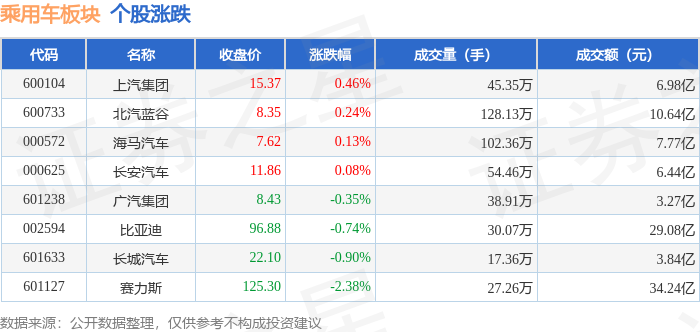
| 代码 | 名称 | 主力净流入(元) | 主力净占比 游资净流入 (元) | | 游资净占比 散户净流入 (元) | | 散户净点比 | | --- | --- | --- | --- | --- | --- | --- | --- | | 600104 | 上汽集团 | 1431.64万 | 2.05% | -3344.51万 | -4.79% | 1912.87万 | 2.74% | | 000625 长安汽车 | | -1789.80万 | -2.78% | -619.69万 | -0.96% | 2409.49万 | 3.74% | | 600733 北汽蓝谷 | | -2206.16万 | -2.07% | -4884.77万 | -4.59% | 7090.93万 | 6.67% | | 601238 广汽集团 | | -3569.60万 | -10.90% | 434.34万 | 1.33% | 3135.27万 | 9.58% | | 000572 海马汽车 | | -3600.32万 | -4.63% | -3160.85万 | -4.07% | 6761.18万 | 8.70% | | ...






轻客双冠+新能源领跑,上汽商用车2025何以实现“全面领先”?| 头条
第一商用车网· 2026-01-08 08:00
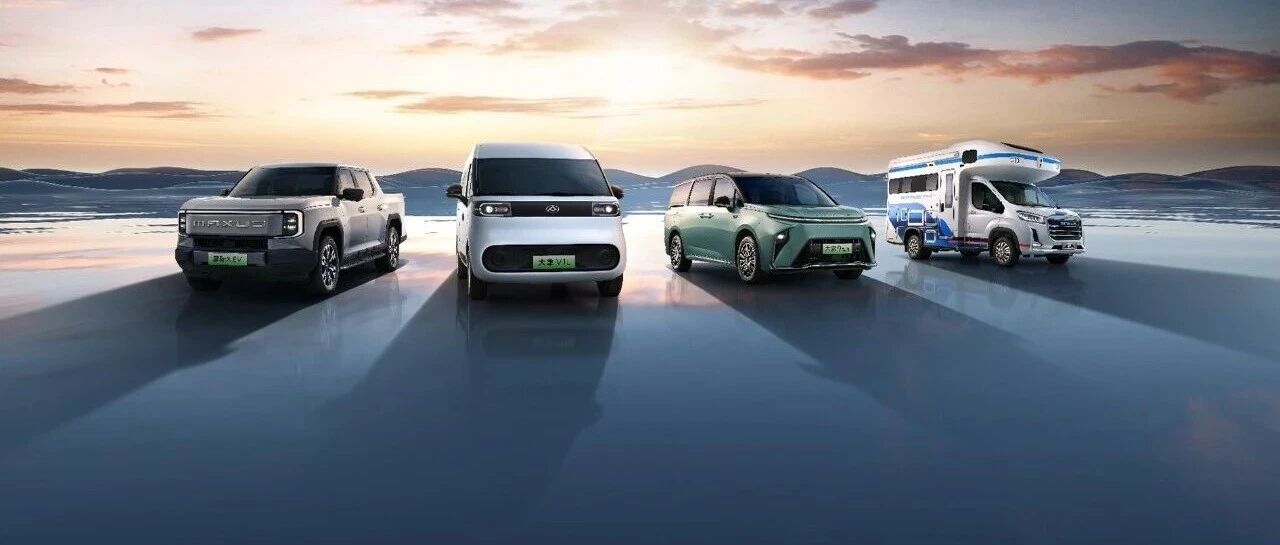
Core Viewpoint - The commercial vehicle industry is undergoing significant transformation, with 2025 identified as a pivotal year. SAIC Commercial Vehicles has demonstrated resilience and achieved remarkable growth in market scale, new energy transition, and global expansion, establishing itself as a leading player in the industry [1][21]. Key Data Highlights - In 2025, SAIC Commercial Vehicles sold 245,000 units, a year-on-year increase of over 18%. Retail sales exceeded 250,000 units, marking eight consecutive months of year-on-year growth [3][21]. - In the domestic market, SAIC's light commercial vehicles maintained the highest insurance volume, while its global expansion saw it rank first in light commercial vehicle exports among Chinese automakers [3][4]. - The company sold over 58,000 new energy vehicles domestically, with monthly sales of new energy models surpassing 50%, leading the traditional commercial vehicle sector [3][4]. Business Segment Performance - The light commercial vehicle segment, led by brands like Maxus and Iveco, maintained the top market share in China. The pickup truck segment ranked second in exports among Chinese brands, while the Yuedong light truck saw a 222% increase in new energy vehicle sales, accounting for nearly 57% of total sales [4][10]. - The bus and heavy truck segments showcased SAIC's commitment to green transformation, with Shenzhou buses achieving 100% new energy penetration and SAIC Hongyan focusing on the green transition in heavy commercial vehicles [12][21]. Technological and Brand Innovations - SAIC Commercial Vehicles is leveraging technological innovation as a key driver for growth, with a focus on core technology platforms and strategic partnerships. The "Technology Maxus" system supports product enhancements, while collaborations with industry leaders like CATL and Huawei are advancing green and intelligent vehicle solutions [14][18][20]. - The brand revitalization efforts, including the launch of new models across various segments, respond to evolving market demands and enhance the company's competitive edge [16][20]. Market Strategy and User Engagement - The company is innovating its channel and user operations, opening over 100 new stores and enhancing online engagement through new media channels. This strategy aims to transition from a traditional manufacturer to a comprehensive solution provider [20][21]. - The establishment of a user ecosystem, integrating vehicles, logistics, and data, positions SAIC Commercial Vehicles as a partner offering full-cycle value and solutions [20].
何以稳居“百万辆俱乐部”?上汽大众:拒绝“偏科”、打响“价值战”
Zhong Guo Jing Ji Wang· 2026-01-08 07:46
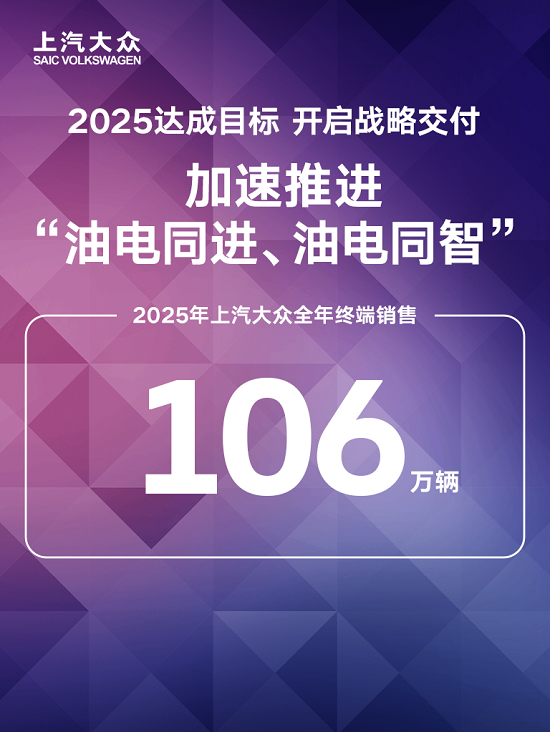
Core Insights - In 2025, the Chinese automotive market is transitioning from scale expansion to high-quality development, with the penetration rate of new energy vehicles surpassing 50% [1] - SAIC Volkswagen has positioned itself advantageously in this new competitive landscape by focusing on "oil-electric integration" and value creation as the core drivers of sustainable development [1][3] Industry Trends - The Chinese automotive market is experiencing structural changes, with a significant increase in competition, particularly in the new energy vehicle sector, leading to a "price war" that affects profitability [4][6] - The government has implemented measures to regulate pricing in the automotive industry, emphasizing transparency and compliance in sales practices [4] Company Strategy - SAIC Volkswagen's strategy for 2025 emphasizes balanced development through "oil-electric integration" and "oil-electric intelligence," ensuring that traditional fuel vehicles and new energy vehicles coexist [6][7] - The company has launched several new models, including the AUDI E5 Sportback and the ID. ERA series, showcasing its commitment to high-quality, innovative products in the new energy segment [6][9] Brand and Market Positioning - Brand value has become a crucial factor in consumer purchasing decisions, with 33% of consumers prioritizing brand over product, price, and promotion [8] - SAIC Volkswagen is focusing on upgrading its organizational structure and brand image to align with market demands and enhance customer satisfaction [8][9] Future Outlook - The company aims to maintain its position in the "million club" by continuously launching new models and enhancing its brand identity, with plans for monthly new vehicle releases starting in the second quarter of 2026 [10]
年销量分化加剧:谁在领跑?谁已掉队?
Xin Jing Bao· 2026-01-08 06:02
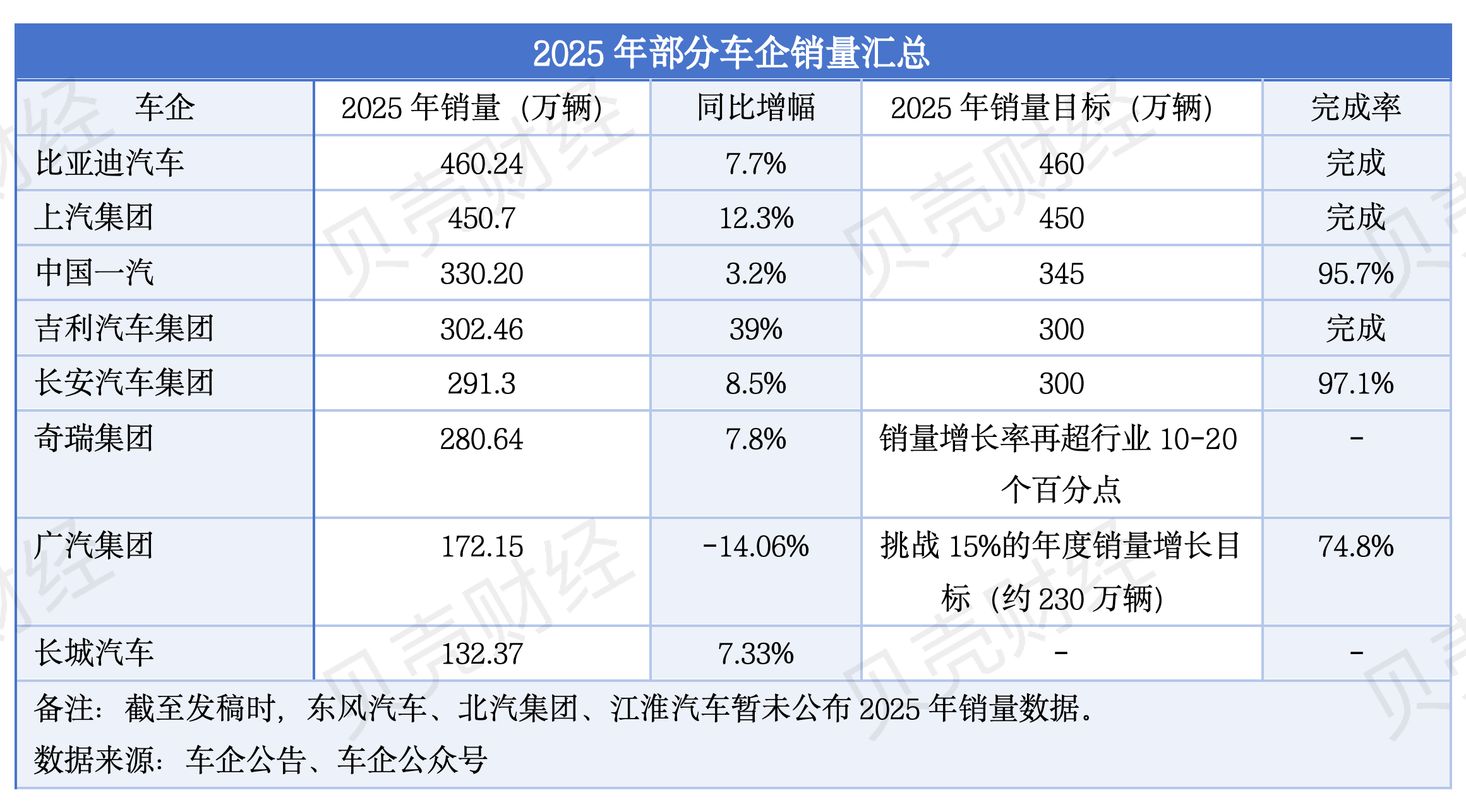
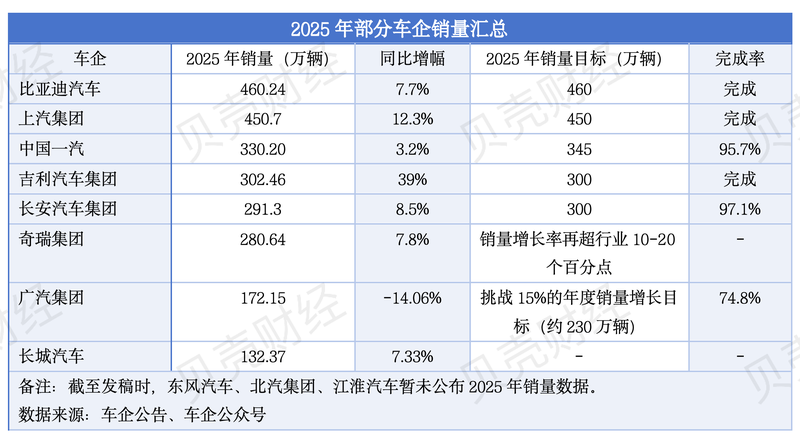
Core Insights - The Chinese automotive market in 2025 is characterized by "overall growth with internal differentiation," as the industry undergoes a deepening transition to new energy vehicles and increasing competition [1] Group 1: Overall Market Performance - Seven automotive groups reported positive sales growth in 2025, with four groups exceeding annual sales of 3 million vehicles: BYD, SAIC, FAW, and Geely [2][4] - BYD achieved sales of 4.6024 million vehicles in 2025, a year-on-year increase of 7.7%, and became the global leader in pure electric vehicle sales with 2.257 million units sold, surpassing Tesla's 1.636 million units [2][4] Group 2: New Energy Vehicle Segment - Geely's total sales reached 3.0246 million vehicles, a 39% increase, with its new energy vehicle sales growing by 90% to 1.6878 million units [4] - The new energy vehicle segment is becoming a critical growth driver, with companies like BYD and Geely leading the charge [11] Group 3: New Entrants and Market Dynamics - Among the new entrants, three companies—Leap Motor, Xiaopeng, and Xiaomi—successfully met their sales targets, while others faced challenges [6][7] - The new energy vehicle market is witnessing significant differentiation, with 40,000 units becoming a key sales threshold for new entrants [1][6] Group 4: International Market Expansion - Chery, SAIC, and BYD formed the "Million Vehicle Club" in overseas sales, each exceeding 1 million units, indicating strong global expansion [9][10] - BYD's overseas sales grew by 145% in 2025, marking a significant milestone as it expanded its presence across six continents and 119 countries [11] Group 5: Future Outlook and Industry Trends - The industry consensus for 2026 is that competition will intensify, with traditional automakers focusing on high-end and intelligent vehicles while new entrants seek differentiation through rapid technological advancements [1][12] - Companies are emphasizing the need for transformation to adapt to the evolving market landscape, with many highlighting the importance of innovation and reform [13][14]
车市2025丨年销量分化加剧:谁在领跑?谁已掉队?
Bei Ke Cai Jing· 2026-01-08 06:01
Core Viewpoint - The Chinese automotive market in 2025 is characterized by "overall growth with internal differentiation," as the transition to new energy continues and competition intensifies [1] Group 1: Sales Performance of Major Automotive Groups - Among the automotive groups that have reported 2025 sales, seven achieved positive growth, with four groups exceeding 3 million units in annual sales, solidifying the leading position [2][6] - BYD sold 4.6024 million vehicles in 2025, a year-on-year increase of 7.7%, achieving its annual target [7] - SAIC followed closely with approximately 4.507 million vehicles sold, a 12.3% increase year-on-year, also meeting its annual target [8] - Geely's total sales reached 3.0246 million units, a 39% year-on-year increase, exceeding its target and setting a historical high [9] - Changan and FAW were close to their targets, achieving 95.7% and 97.1% of their goals, respectively [10] Group 2: New Forces in the Automotive Market - The new energy vehicle segment is experiencing significant differentiation, with 400,000 units becoming a critical threshold for scale [3] - Among the new forces, Leap Motor, Seres, Xiaopeng, Xiaomi, and Li Auto crossed this threshold, creating a gap with subsequent tiers [3] - Three out of eleven new energy vehicle companies met their sales targets, with Leap Motor, Xiaopeng, and Xiaomi being the notable achievers [12] Group 3: Competitive Landscape and Future Outlook - The automotive market is entering a phase of stock competition, where the competition extends beyond product and sales to include technology iteration speed, ecosystem building, and operational efficiency [4] - The consensus for 2026 is that competition will intensify, with traditional companies focusing on high-end and intelligent vehicles while new forces seek differentiation through rapid technological advancements [5][22] - The shift in the automotive export landscape indicates that new energy vehicles have become the core growth engine, replacing traditional fuel vehicles [21] Group 4: Overseas Market Performance - The overseas market is becoming a key growth area, with Chery, SAIC, and BYD forming a "million-unit club" in overseas sales [18] - Chery led with over 1.344 million vehicles exported, while BYD achieved a 145% year-on-year increase in overseas sales, surpassing 1 million units for the first time [19][20]