
GAC GROUP(601238)

Search documents
广汽自主板块改革再落子 传祺BU成立
Zhong Guo Zhi Liang Xin Wen Wang· 2026-01-19 06:14
Core Viewpoint - GAC Group has established a new business unit (BU) for the Trumpchi brand, aiming to enhance decision-making efficiency and market responsiveness through integrated operations across the entire value chain [2] Group 1: Business Unit Strategy - The newly formed Trumpchi BU will focus on revitalizing the Trumpchi brand by emphasizing a "mainstream, elegant, high-quality" brand positioning [2] - The strategy includes three main paths: technological upgrades, product redefinition, and deepening user experience [2] - The goal is to create a more competitive product matrix, advanced ecological technologies, and user-centric service experiences to elevate the brand [2] Group 2: Performance Validation - The successful performance of the Aion BU has validated the feasibility of the BU model [2] - By December 2025, Aion BU's sales surpassed 40,000 units, with the Aion i60 achieving over 10,000 units in its first month of sales, providing a replicable success model for Trumpchi BU [2] Group 3: Future Outlook - GAC Group aims to enhance resource integration and accelerate market response through the establishment of both Aion and Trumpchi BUs [2] - The company plans to implement a "dual BU drive" to accelerate the "Panyu Action" initiative and continuously improve its competitive capabilities [2]


中国汽车设计与全球汽车的对话
Zhong Guo Qi Che Bao Wang· 2026-01-19 03:39
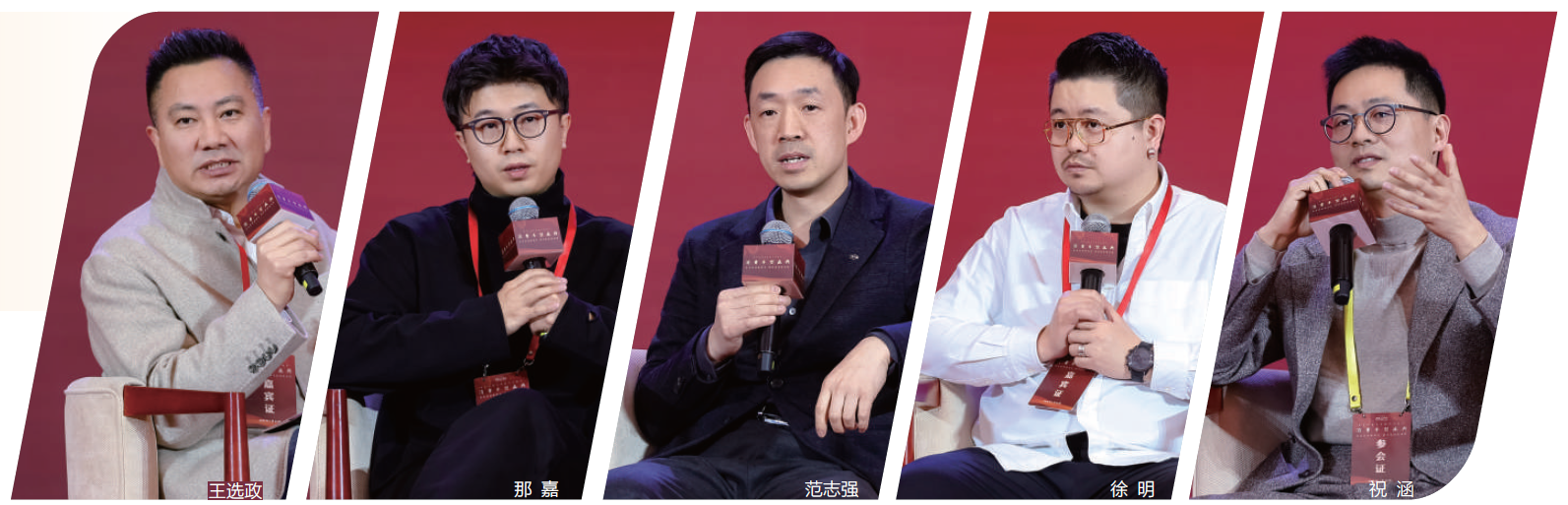
Core Insights - The automotive industry is undergoing a significant transformation, with rapid product and technology iterations and increasingly diverse user demands. The design philosophy and values of automobiles are evolving, emphasizing the importance of brand culture and values in automotive design [1] Group 1: Globalization of Chinese Automotive Design - Chinese automotive design is entering a global era, with increasing visibility and recognition on the world stage. The transition from "Made in China" to "Chinese aesthetics" signifies a growing resonance of Chinese automotive design globally [1] - The discussion at the 18th "China Automotive News" Consumer Model Ceremony highlighted the global development of Chinese automotive design, with industry leaders sharing insights on this evolution [2][4] - The integration of electric and intelligent technologies into automotive products is expanding the definition and functionality of vehicles, presenting both challenges and opportunities for design [6][7] Group 2: Design Challenges and Innovations - The automotive design landscape faces challenges such as homogenization, where differentiation through design becomes crucial as technology reaches a level of parity. This necessitates a focus on design innovation to create unique product value [8] - The integration of AI tools in design processes is reshaping the role of designers, enhancing their capabilities while also raising questions about the future of design jobs [9] - The long-term vision for automotive design must balance current market demands with sustainable brand development, moving beyond superficial design elements to create meaningful user experiences [14][18] Group 3: Cultural Transmission through Design - Chinese automotive design plays a critical role in conveying cultural values and narratives to the global market, facilitating a deeper understanding of Chinese culture and innovation [11][10] - The evolution of design education and the emergence of talented Chinese designers are contributing to the global competitiveness of Chinese automotive products [12][13] - The design process must focus on user needs and experiences, ensuring that products resonate with consumers while also reflecting the brand's identity and values [20] Group 4: Future Directions in Automotive Design - The future of automotive design will require a shift towards creating value for users, with designers potentially evolving into lifestyle designers who address broader consumer needs [19] - Continuous adaptation to market demands and technological advancements will be essential for maintaining competitiveness in the global automotive landscape [16][17] - The establishment of a global design framework is necessary for Chinese automotive companies to effectively respond to international market challenges and consumer expectations [12][13]


一季度整车有望反弹,零部件聚焦新产业投资:汽车行业周报(20260112-20260118)-20260118
Huachuang Securities· 2026-01-18 12:26
Investment Rating - The report maintains a positive outlook for the automotive industry, expecting a rebound in vehicle sales in Q1 and focusing on investments in intelligent driving, robotics, and liquid cooling technologies [3]. Core Insights - The automotive sector is experiencing significant dynamics, including sales, pricing, exports, and robotics developments [2]. - The report highlights that January's early sales data shows a substantial year-on-year decline, primarily due to subsidy reductions and rising vehicle prices, leading to consumer hesitation [5]. - The report anticipates that the pressure on vehicle prices will be managed through strict enforcement of anti-competitive practices, aiming to stabilize prices and profit margins [5]. - The export market is expected to grow rapidly, supported by agreements that lower trade barriers for electric vehicles, enhancing profitability for manufacturers and dealers [5]. - The robotics sector is gaining traction, with the Optimus V3 generating market excitement and expectations for product launches [5]. Data Tracking - In early January, the average discount rate remained stable, with a 9.6% increase year-on-year, and the average discount amount reached 22,259 yuan, up by 2,192 yuan year-on-year [4]. - December's wholesale vehicle sales were reported at 2.85 million units, reflecting a year-on-year decline of 8.7% and a month-on-month decline of 6.3% [4]. - Notable sales performance in December included significant year-on-year growth for new energy vehicle manufacturers like NIO and Li Auto, while traditional automakers like SAIC and Changan showed mixed results [6]. Industry News - The report discusses various industry developments, including the price commitments for electric vehicles between China and Europe, which aim to facilitate trade [27]. - The Ministry of Industry and Information Technology is focusing on enhancing the competitiveness of the new energy vehicle sector and regulating market practices to prevent price wars [27]. - Recent data indicates a significant drop in retail sales of passenger vehicles in early January, with a 32% year-on-year decline [27]. Market Performance - The automotive sector saw a weekly increase of 0.71%, ranking 8th out of 29 sectors, while the overall market indices showed mixed results [10].




机械设备行业跟踪周报:推荐固态催化加速的锂电设备,建议关注回调较多、产业进展加速的人形机器人-20260118
Soochow Securities· 2026-01-18 07:00
Investment Rating - The report maintains an "Overweight" rating for the mechanical equipment industry [1] Core Insights - The report highlights three major investment opportunities in the mechanical equipment sector: the Belt and Road Initiative, demand recovery in Europe and the US, and the transition from capacity to technology export in high-end manufacturing [2][18] - Solid-state battery technology is accelerating, benefiting equipment manufacturers, with significant investments from leading companies like BYD and Gotion [3][20] - The humanoid robot sector is poised for growth with Tesla's Optimus V3 nearing mass production, indicating strong market potential for core suppliers [4][41] Summary by Sections Investment Recommendations - Recommended companies include: Northern Huachuang, Sany Heavy Industry, Zhongwei Company, Hengli Hydraulic, CIMC, Tuojing Technology, Haitai International, Bichu Electronics, Jingsheng Mechanical, and others [1][15] Mechanical Equipment Export - China’s foreign investment is growing rapidly, with a focus on the Belt and Road Initiative, which is driving demand for domestic equipment in resource-rich countries [2][18] - The report emphasizes the importance of high-quality targets with significant exposure to European and American markets, particularly in hand tools and forklifts [19] Lithium Battery Equipment - The solid-state battery industry is experiencing rapid industrialization, with key players accelerating their production capabilities [3][20] - Recommended companies in this sector include: Xian Dao Intelligent, Lian Ying Laser, and Hangke Technology [3][20] Humanoid Robots - The report notes that the release and mass production of Tesla's Optimus V3 will be a significant event for the industry, with a focus on core suppliers with high production certainty [4][41] - Recommended companies include: Hengli Hydraulic, Sanhua Intelligent Control, and Top Group [4][41] Forklift Industry - The report indicates a decline in domestic forklift sales but anticipates a recovery in 2026 due to low base effects and improving overseas market conditions [5][19] - Recommended companies include: Hangcha Group, Anhui Heli, and Zhongli [5][19] High-end Manufacturing Export - The report highlights the shift from capacity export to technology export, with a focus on light module equipment and lithium battery equipment [2][18] - Recommended companies include: certain HJT equipment leaders and Aotewei [20][39] Data Center and Liquid Cooling - The report discusses the emergence of liquid cooling technology as essential for data centers, driven by increasing power density and cooling demands [45] - Recommended companies in this sector include: Yingwei Technology and others [34][45]




年需约20亿颗车载芯片,朱伏生:广州发力RISC-V通信芯片
2 1 Shi Ji Jing Ji Bao Dao· 2026-01-18 06:36
Core Viewpoint - RISC-V is rapidly emerging as a new generation open-source instruction set architecture, with significant contributions from China, particularly in high-value sectors like AI and high-performance computing [2] Group 1: RISC-V Industry Development - In 2024, global shipments of RISC-V-based chips have exceeded 10 billion units, with China contributing over 50% [2] - Guangzhou is actively working to establish itself as a core hub for the national integrated circuit industry, with RISC-V seen as a key opportunity for reshaping the chip industry landscape [4] Group 2: Challenges in RISC-V Industry - Current challenges in Guangzhou's RISC-V industry include insufficient policy support and a lack of clear development models, leading to a weak industrial ecosystem [4] Group 3: Recommendations for RISC-V Advancement - Recommendations include creating targeted development plans for RISC-V processors, establishing a RISC-V development fund, and implementing financial subsidies for RISC-V chip applications to enhance the overall scale of domestic RISC-V processor chip usage [5] - The automotive sector in Guangzhou, with major players like GAC and Xpeng, presents a natural advantage for developing automotive-grade chips, with an estimated demand of 2 billion vehicle chips annually by 2025 [5] Group 4: 5G Communication Chip Development - There is a strong demand for 5G communication chips in critical industries in Guangzhou, such as public transportation and energy, with a proposal to form an innovation consortium to develop RISC-V-based 5G RedCap terminal baseband chips [6] - This initiative aims to meet the urgent needs for autonomous and secure communication core chips in vital sectors while promoting the collaborative development of the RISC-V chip design and manufacturing supply chain in Guangzhou [6]

国家电网“十五五”投资4万亿元,固态电池近期催化密集落地



GOLDEN SUN SECURITIES· 2026-01-18 06:32
Investment Rating - The report indicates a positive outlook for the power equipment industry, particularly in the renewable energy sector, with significant investments and technological advancements expected to drive growth [1][2][4]. Core Insights - The report highlights that the State Grid's investment during the "14th Five-Year Plan" period is projected to reach 4 trillion yuan, marking a 40% increase compared to the previous plan [2]. - The report emphasizes the stability in polysilicon prices and the continuous rise in battery component prices, with N-type battery prices increasing to 0.40 yuan per watt [15][16]. - The report identifies three key areas of focus: supply-side reform leading to price increases in the industry chain, long-term growth opportunities from new technologies, and industrialization opportunities from perovskite GW-level layouts [16]. Summary by Sections 1. New Energy Generation 1.1 Photovoltaics - Polysilicon prices remain stable, while battery component prices are on the rise, with N-type battery prices reaching an average of 0.40 yuan per watt [15]. - The report notes that leading component companies are responding to industry self-discipline by raising component prices, with distributed sales prices reaching 0.72 yuan per watt [15][16]. - Key companies to watch include Tongwei Co., GCL-Poly, LONGi Green Energy, JA Solar, and Trina Solar [16]. 1.2 Wind Power & Grid - The UK AR7 offshore wind auction results exceeded expectations, with a total scale of approximately 8.4GW, validating the upward trend in European offshore wind [17]. - The State Grid's investment is expected to enhance transmission capacity significantly, addressing bottlenecks in renewable energy delivery [18]. - Companies to focus on include Goldwind, Yunda Wind Power, Mingyang Smart Energy, and Sany Heavy Energy [18]. 1.3 Hydrogen & Energy Storage - By 2025, the production and sales of fuel cell vehicles in China are projected to reach 7,797 units, reflecting a 44% year-on-year increase [20]. - The report anticipates that new energy storage installations will reach 58.6GW/175.3GWh by 2025, with significant growth expected in the energy storage sector [21]. - Key players in the hydrogen sector include Shuangliang Energy, Huadian Heavy Industries, and Shenghui Technology [20]. 2. New Energy Vehicles - Solid-state batteries are gaining traction, with several automakers making progress towards mass production by 2026 [29]. - Companies such as BYD, Changan Automobile, and Chery are expected to achieve significant milestones in solid-state battery technology [29]. - The report suggests monitoring companies like Xiamen Tungsten, Hailiang Co., and Nanjing Advanced Lithium Battery [29]. 3. Industry Trends - The report notes a 0.4% increase in the new energy equipment sector from January 12 to January 16, 2026, with a cumulative increase of 5.3% since the beginning of the year [12]. - The photovoltaic equipment sector saw a 3.52% increase, while the wind power equipment sector experienced a decline of 1.28% during the same period [13].
传祺BU正式成立,广汽“双BU驱动”深化“番禺行动”改革
Ju Chao Zi Xun· 2026-01-18 05:06
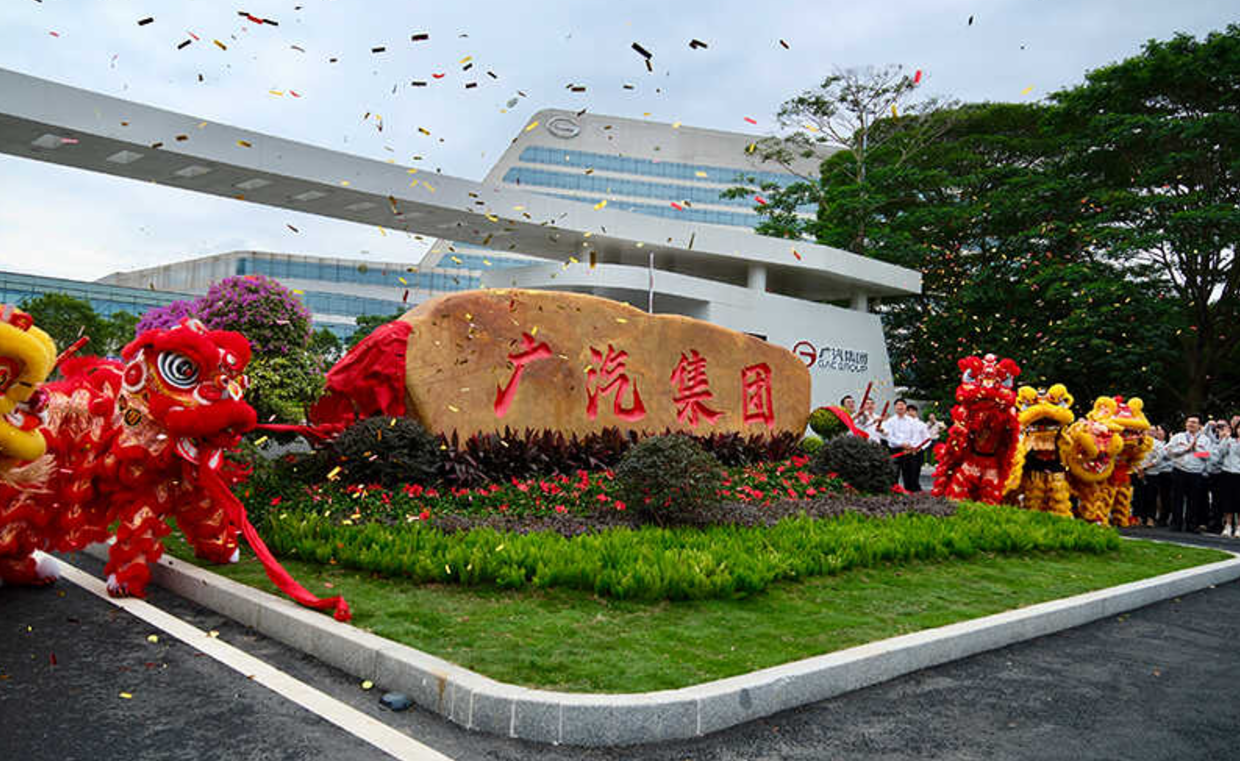
Core Viewpoint - GAC Group is advancing its "Panyu Action" reform, marking a significant step in the establishment of its independent brand business unit (BU) with the formation of the Trumpchi BU on January 16, 2026, which aims to enhance operational efficiency and market responsiveness [2] Group 1: Organizational Changes - The establishment of the Trumpchi BU is part of GAC Group's deeper reform of its independent brand system, aiming for clearer responsibilities, focused resources, and more efficient operations [2] - The Trumpchi BU will integrate resources across the entire value chain, including R&D, manufacturing, and sales, to improve decision-making efficiency and market response speed [2] Group 2: Market Strategy and Performance - The Aion BU, established prior to the Trumpchi BU, has demonstrated the effectiveness of the BU model by achieving sales of over 40,000 units by December 2025, showcasing resilience in the competitive electric vehicle market [3] - The Aion i60 model achieved over 10,000 units in sales in its first month, serving as a key driver for overall sales growth [3] Group 3: Future Directions and Collaborations - GAC Group's strategy emphasizes resource sharing and collaborative development as essential for building core competitiveness, with the dual BU approach accelerating the implementation of the "Panyu Action" [3] - GAC Group's transformation into a technology-driven enterprise is influenced by its collaboration with Huawei, integrating user-centric thinking into its R&D processes [4] - The partnership with Huawei involves deep co-creation across various aspects, including technology, market insights, and product development, with a significant number of Huawei's R&D personnel involved in the collaboration [4]
全固态电池迈向工程化验证关键期!设备端企业积极“备战”
Shang Hai Zheng Quan Bao· 2026-01-18 01:49
Core Insights - The development of the all-solid-state battery industry is being catalyzed by both policy support and the strategic initiatives of leading companies [1][2] Group 1: Policy and Industry Trends - The Ministry of Industry and Information Technology has emphasized accelerating breakthroughs in all-solid-state battery technologies [2] - The industry is transitioning from pure research to engineering validation, with companies like GAC Group and BYD making significant progress in pilot production lines [1][2] Group 2: Technological Advancements and Collaborations - Various companies are actively developing solid-state electrolytes and manufacturing processes, with significant advancements reported by Wanrun New Energy and Tianqi Materials [2][4] - GAC Group aims to start small-scale vehicle testing of all-solid-state batteries by 2026, with plans for commercial application by 2030 [3] Group 3: Equipment and Manufacturing Focus - The focus of the all-solid-state battery industry is shifting from material science to production engineering, making equipment a critical factor for success [4] - Companies like Liyuanheng and Qiantai are leading in providing equipment for mass production, with strategic partnerships aimed at overcoming technical barriers [4][5] Group 4: Market Opportunities and Strategic Value - Winning orders from leading clients is seen as a strategic advantage for equipment manufacturers, indicating recognition of their technological capabilities [5] - The next 2-3 years present opportunities for equipment companies to become collaborative developers and solution providers for new manufacturing demands [5]



广汽传祺BU成立,番禺行动进入深水区
Zhong Guo Jing Ying Bao· 2026-01-17 14:02
Core Insights - GAC Group is restructuring its self-owned brand segment with the establishment of the new "Trumpchi BU" as part of its ongoing "Panyu Action" reform, aimed at enhancing organizational agility and execution efficiency in response to the evolving electric and intelligent vehicle market [1][2] Group 1: Organizational Restructuring - The establishment of Trumpchi BU is a key move in GAC's transition to a user-centered operational framework, breaking down internal barriers and upgrading brands to market entities with full operational responsibilities [1] - The new BU will integrate resources across the entire value chain, including R&D, manufacturing, procurement, and sales, to create a highly integrated operational system that shortens decision-making processes and improves market responsiveness [1][2] Group 2: Strategic Focus and Goals - By 2026, Trumpchi BU aims to focus on brand rejuvenation and system restructuring, emphasizing a brand positioning of "mainstream, dignified, and high-quality" through three pathways: technological enhancement, product redefinition, and deepening user experience [2] - The successful implementation of the BU model in the Aion BU, which achieved a monthly sales record of over 40,000 units in December 2025, serves as a benchmark for Trumpchi BU, demonstrating the model's effectiveness in improving operational efficiency and organizational vitality [2] Group 3: Competitive Landscape - In the context of intensified competition and industry adjustments, GAC Group is adopting a dual BU strategy to create a new organizational form that combines specialized operations with systematic collaboration, enhancing brand decision-making and market sensitivity while leveraging shared resources [3]

广汽再下重手:传祺BU成立 “番禺行动”进入深水区
Zhong Guo Jing Ying Bao· 2026-01-17 12:33
Core Viewpoint - GAC Group is advancing its "Panyu Action" reform, establishing a new operational structure centered around Business Units (BUs) to enhance agility and efficiency in response to the evolving automotive industry landscape driven by electrification and intelligence [1][2]. Group 1: Organizational Restructuring - The establishment of the new GAC Trumpchi BU on January 16, 2026, follows the successful formation of the Aion BU, marking a significant step in GAC's restructuring efforts [1]. - The restructuring aims to break down internal barriers and upgrade brands from "business units" to market entities with complete operational responsibilities, thereby improving organizational agility and execution efficiency [1][2]. Group 2: Strategic Focus and Goals - The focus for the Trumpchi BU in its first full operational year in 2026 will be on brand rejuvenation and system restructuring, emphasizing a brand positioning of "mainstream, dignified, and high-quality" [2]. - The BU will pursue three strategic paths: technological enhancement, product redefinition, and deepening user experience, to build a more competitive product matrix and a user-centric service system [2]. Group 3: Performance Validation - The Aion BU has already demonstrated the effectiveness of the BU model, achieving a monthly sales record of over 40,000 units in December 2025, showcasing resilience in the highly competitive electric vehicle market [2]. - The successful launch of the Aion i60, which sold over 10,000 units in its first month, highlights the operational efficiency and organizational vitality that the BU model can bring [2]. Group 4: Collaborative Synergy - GAC Group is developing a new organizational form that combines specialized operations with systematic collaboration through the dual BU approach, enhancing independent decision-making and market sensitivity while leveraging shared resources for greater efficiency [3].