
CPIC(601601)

Search documents
直通进博会|保险加速“出海”护航中国新能源车产业走向世界
Xin Hua Cai Jing· 2025-11-09 03:12
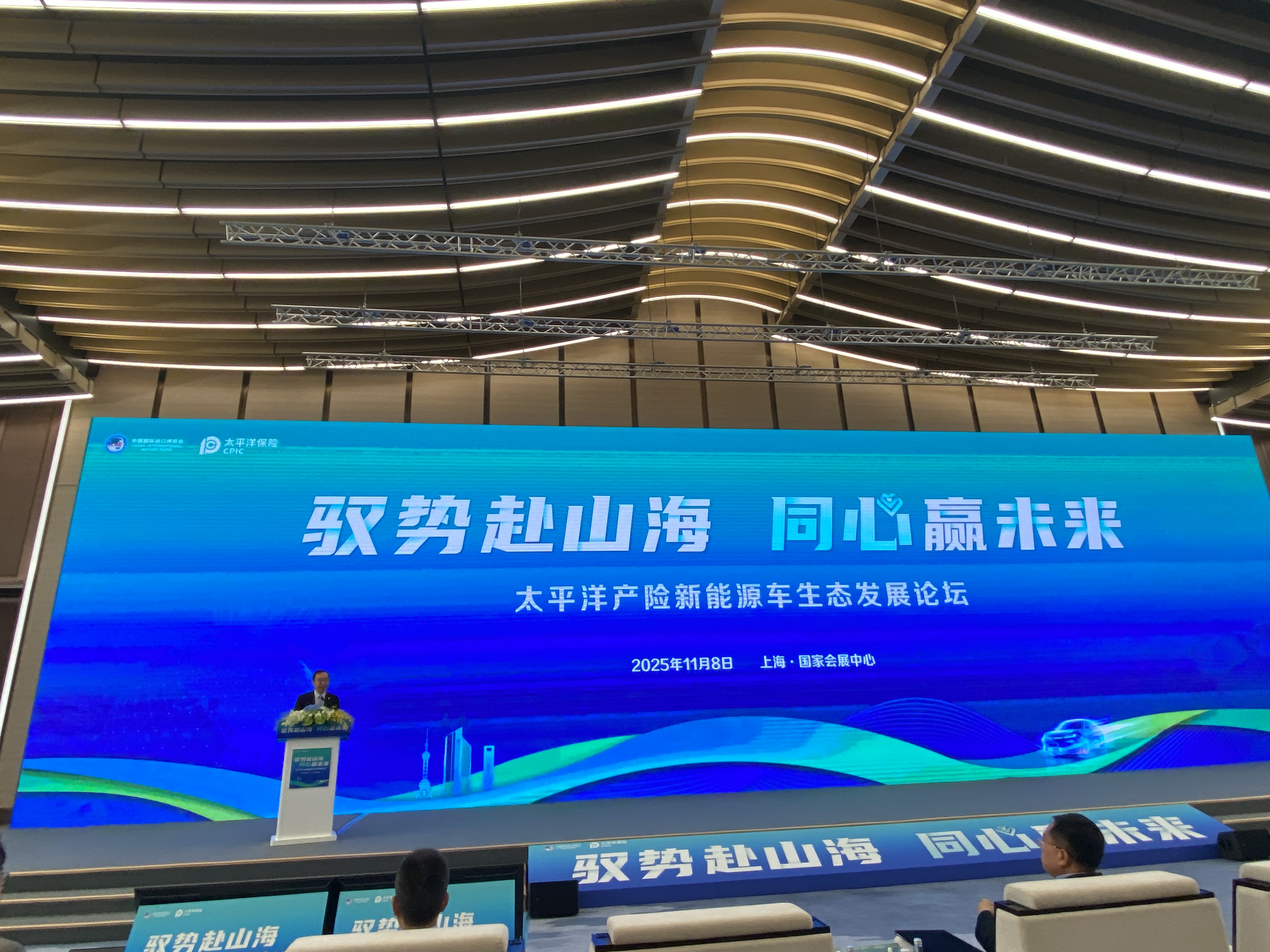
Core Viewpoint - The development of the new energy vehicle (NEV) industry is a key driver for upgrading China's automotive export structure and expanding its market, necessitating better collaboration between the insurance industry and NEV companies to support this growth [1]. Group 1: Industry Trends - The NEV industry will continue to be a focus of national development during the 14th Five-Year Plan period, highlighting its importance in advanced manufacturing [1]. - The transition to smart driving and battery safety presents new risk management challenges that require collaboration across automotive, technology, and insurance sectors [1]. Group 2: Insurance Industry's Role - The insurance sector is increasingly vital in ensuring the safe operation of the NEV industry, enhancing risk management, and promoting high-quality development as the industry expands globally [4]. - There is a need for the insurance industry to explore overseas layouts to provide comprehensive risk protection and financial services for NEV companies in production, operation, and after-sales [4]. Group 3: Collaborative Initiatives - China Pacific Insurance (CPIC) has launched the "Three Hearts" service to support the NEV industry [4]. - A joint standard for defining and collaborating on data related to assisted driving and conditionally automated driving accidents has been released by multiple stakeholders, including CPIC and automotive companies [4].



中国太保产险捐赠林业碳汇助力“零碳进博”
Zhong Zheng Wang· 2025-11-09 02:36
Core Viewpoint - China Pacific Insurance (601601) is actively participating in the "Zero Carbon Expo" initiative by purchasing and donating forestry carbon credits, contributing to the ecological and economic benefits of carbon markets [1][2] Group 1: Carbon Market and Ecological Value - The carbon market is becoming a key mechanism for promoting emissions reduction and transforming ecological value into economic benefits [1] - Forestry carbon sinks play an essential role in achieving carbon storage functions due to their significant carbon sequestration capabilities and multiple ecological benefits [1] Group 2: Economic and Environmental Impact - The donation of carbon credits not only supports the "Zero Carbon Expo" but also empowers rural revitalization by converting ecological benefits into tangible economic resources [2] - By purchasing 3,300 tons of forestry carbon credits from Daxing'anling, the company aims to activate dormant forest assets as green capital for rural development [2]
中国太保优化进博会保障方案 持续升级服务 搭建交流平台
Ren Min Ri Bao· 2025-11-08 22:07
Group 1 - The core viewpoint of the articles highlights China Pacific Insurance (Group) Co., Ltd. (China Taibao) actively participating in the China International Import Expo (CIIE) by providing comprehensive insurance solutions and safety management to ensure the event's smooth operation [2][3] - China Taibao has enhanced its one-stop comprehensive insurance plan, increasing the insurance coverage to over 1.28 trillion yuan, which includes coverage for organizers, exhibitors, buyers, and supply chain service providers [2] - The company has organized various volunteer teams for risk assessment, emergency rescue, and technology support during the CIIE, demonstrating its commitment to safety and risk management [2] Group 2 - During the CIIE, China Taibao is hosting a series of exchange and seminar activities aimed at promoting high-quality development in the insurance industry and better serving the real economy [3] - The company is collaborating with Fudan University to release research findings on long-term care insurance, sharing international market experiences in this field [3] - The theme of the 2025 China Taibao Customer Festival, which debuted at the CIIE, is "Gathering from All Directions, Leading the Future," showcasing the integration of trade and culture through high-level artistic performances [2]
上市险企9M2025业绩综述:负债端延续改善态势,资产端充分受益资本市场回暖
Guolian Minsheng Securities· 2025-11-08 14:31
Investment Rating - The report maintains an "Outperform" rating for the insurance industry [1][85]. Core Insights - The insurance sector is experiencing improvements in both liability and asset sides, benefiting from a recovery in the capital markets [1][85]. - The report highlights that the new business value (NBV) for life insurance continues to show positive growth, with varying performance in new policies across different companies [3][12]. - The property and casualty (P&C) insurance sector is seeing improvements in the combined operating ratio (COR) due to reduced disaster losses and strategic adjustments [38][56]. - The recovery in equity markets is driving an increase in net profit growth for insurance companies [68][80]. Summary by Sections Life Insurance: NBV Continues to Improve, New Policy Performance Varies - The NBV growth for listed life insurance companies in 9M2025 shows a positive trend, with year-on-year growth rates as follows: PICC Life (+76.6%), New China Life (+50.8%), Ping An Life (+46.2%), China Life (+41.8%), and Taikang Life (+31.2%) [8][17]. - In Q3 2025, the NBV growth rates for major companies were: Ping An Life (+58.3%) and Taikang Life (+29.4%), indicating a further increase compared to Q2 2025 [9][12]. - New policy premium growth varied among companies, with New China Life (+59.8%) and PICC Life (+33.8%) leading, while Ping An Life (+2.3%) showed minimal growth [17][24]. Property and Casualty Insurance: Improved COR Due to Reduced Disaster Losses - The P&C insurance sector's premium income growth in 9M2025 was as follows: Ping An P&C (+7.0%), PICC P&C (+3.5%), and Taikang P&C (+0.1%) [44][49]. - The COR for P&C insurance companies improved year-on-year, with PICC P&C at 96.1%, Ping An P&C at 97.0%, and Taikang P&C at 97.6% [61][67]. Investment: Recovery in Equity Markets Boosts Net Profit Growth - The annualized total investment return rates for 9M2025 were: New China Life (8.6%), China P&C (7.2%), and PICC (7.2%) [74][80]. - The net profit growth for listed insurance companies in 9M2025 was led by China Life (+60.5%) and New China Life (+58.9%), with all companies reporting positive growth [80][81]. Investment Recommendations - The report recommends maintaining an "Outperform" rating for the insurance industry, highlighting potential growth in NBV and improvements in COR for P&C insurance [85]. - Key stock recommendations include China P&C, PICC, New China Life, and Ping An, based on their expected performance and market positioning [85].



进博论道:养老金融如何点亮银发新未来
2 1 Shi Ji Jing Ji Bao Dao· 2025-11-08 07:55
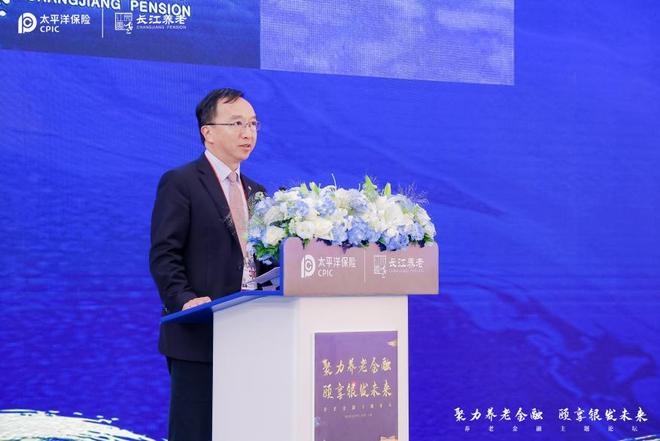
Core Insights - The forum held by Changjiang Pension under China Pacific Insurance focused on addressing the challenges of an aging population and enhancing the multi-tiered pension insurance system [1][3] - China Pacific Insurance is upgrading its strategy from "big health" to "big health and elderly care," emphasizing the synergy between health insurance and pension finance [1][3] Industry Trends - Long-term trends reshaping the pension finance industry include technological revolutions, low interest rates, and changes in pension systems and concepts [3] - The forum highlighted the importance of pension funds and long-term life insurance as foundational elements for sustainable development in pension finance [3][4] Collaborative Ecosystem - There is a consensus among experts that pension finance must break down industry barriers and deeply integrate with the elderly care industry [4] - The construction of a "finance + service" ecosystem is seen as key to meeting diverse pension needs through policy guidance, product innovation, and service upgrades [4] Data and Technology Innovations - The forum introduced significant findings, including a joint report on pension asset management and planning conditions in Shanghai, emphasizing the need for high-quality data support [5] - The "Zhishijie" intelligent investment management system was launched, designed to enhance pension investment decision-making through a comprehensive and technology-driven approach [5] Event Significance - The China International Import Expo serves as a crucial platform for international collaboration in the silver economy, attracting nearly 200 participants from government, industry, academia, and international representatives [5]
中国人寿成全球最大寿险公司;蔡强卸任保诚区域CEO;商保创新药目录预计12月初发布|13精周报
13个精算师· 2025-11-08 03:03
Regulatory Dynamics - The Ministry of Finance proposed higher cumulative compensation limits for accounting firms' professional liability insurance [6][7] - The National Healthcare Security Administration is enhancing intelligent supervision of excessive prescriptions and conducting pilot projects for intelligent review of the entire medical insurance process [8][9] - The Financial Regulatory Administration reported that the insurance industry generated original premium income of 52,146 billion, a year-on-year increase of 8.8% for the first nine months of 2025 [11] Company Dynamics - Ping An Life increased its stake in Agricultural Bank by 49.719 million shares, raising its holding ratio to 18.14% [22] - China Pacific Insurance established a new technology equity investment fund with Guotai Junan and others [23] - China Life has served approximately 40 million clients through its long-term care insurance projects [32] Industry Dynamics - Standard & Poor's Global released the top 50 global life insurance companies, with China Life surpassing Allianz to become the largest [42] - The insurance industry is seeing a significant increase in technology insurance premiums, with a 30% year-on-year growth in the first three quarters [15] - Non-auto insurance companies reported a net profit of over 778 billion in the first three quarters, with many companies turning losses into profits [50][51] Product and Service Innovations - The "Beijing Universal Health Insurance" will launch in 2026, increasing the reimbursement ratio for special drugs by 5 percentage points [4] - Taobao Flash Sale is offering comprehensive insurance coverage for riders, including retirement and medical insurance [54] Personnel Changes - Lu Qiaoling was elected as the vice chairman of China Pacific Insurance [36] - John Cai, the regional CEO of Prudential, has resigned after only seven months in the position [40]


长护新时代·共享未来 长期护理保险研究成果与“太保优护2.0”数智方案于进博会成功发布
和讯· 2025-11-08 02:08
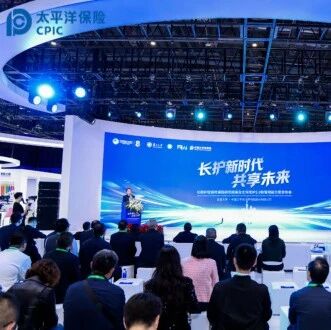
Core Insights - The article highlights the collaboration between China Pacific Insurance (CPIC) and Fudan University in the field of long-term care insurance, showcasing the launch of the "Taibao Youhu 2.0" digital empowerment plan, marking a new phase in the intelligent and inclusive development of long-term care insurance in China [1][3]. Group 1 - CPIC's "Taibao Youhu 2.0" plan integrates AI technology to enhance the efficiency and accuracy of key processes such as fund calculation and disability assessment, while leveraging big data for quality monitoring and risk management [3]. - The partnership between CPIC and Fudan University aims to deepen the integration of academic research and practical application, contributing to the high-quality development of China's long-term care insurance system [3][4]. - A research report titled "Institutional Paradigms of Long-Term Care Insurance from an International Perspective: Global Experiences and Insights for China" was released, analyzing international experiences and proposing optimization paths for China's long-term care insurance system [4].
受益投资 五大上市险企前三季度净利创新高
Zhong Guo Jing Ying Bao· 2025-11-08 01:21
Core Viewpoint - The five major listed insurance companies in A-shares reported better-than-expected performance for the first three quarters of 2025, with a total net profit of 426.04 billion yuan, a year-on-year increase of 33.5%, surpassing the total net profit for the entire previous year [1][2] Financial Performance - China Life reported a net profit of 167.80 billion yuan, up 60.5% year-on-year, while Ping An achieved a net profit of 132.86 billion yuan, an increase of 11.5% [2] - China Pacific and China Property & Casualty reported net profits of 45.70 billion yuan and 46.82 billion yuan, with year-on-year growth of 19.3% and 28.9% respectively [2] - New China Life's net profit reached 32.86 billion yuan, with a growth rate of 58.9% [2] - In Q3 2025, the total net profit of the five listed insurance companies was 247.85 billion yuan, a significant year-on-year increase of 68.3% [3] Investment Performance - As of the end of Q3 2025, the total investment assets of the five listed insurance companies exceeded 20 trillion yuan, showing steady growth compared to the beginning of the year [1] - China Life's total investment income for the first three quarters was 368.55 billion yuan, an increase of 107.13 billion yuan year-on-year, with an investment return rate of 6.42% [3] - New China Life's investment assets amounted to 1.77 trillion yuan, with an annualized total investment return rate of 8.6% [3] - China Property & Casualty reported total investment income of 86.25 billion yuan, a year-on-year increase of 35.3% [3] Asset Allocation Strategies - Insurance companies have optimized asset allocation in response to market conditions, increasing equity investments and focusing on undervalued, high-dividend, and growth-oriented targets [4] - China Ping An emphasized proactive allocation of interest rate bonds and increasing equity investments to ensure stable long-term investment returns [4] - China Life has significantly increased its equity investment efforts, taking advantage of market opportunities [4] Premium Income and Business Performance - The five major listed insurance companies achieved strong performance in premium income, with new business value growth exceeding 30% year-on-year [6] - China Life, Ping An, China Pacific, New China Life, and China Property & Casualty reported new business value growth rates of 41.8%, 46.2%, 31.2%, 50.8%, and 76.6% respectively [6] - The shift towards dividend-type products has been noted, with companies focusing on developing floating income-type businesses [6][7] Underwriting Profitability - China Property & Casualty achieved an underwriting profit of 14.87 billion yuan, a year-on-year increase of 130.7%, with a combined cost ratio of 96.1% [7] - Ping An's property insurance division reported a combined cost ratio of 97%, showing a year-on-year improvement of 0.8 percentage points [7] - China Pacific's property insurance division had a combined cost ratio of 97.6%, with a year-on-year optimization of 1 percentage point [7]
险企加码布局“智驾险” “三小一高”待破局
Zhong Guo Jing Ying Bao· 2025-11-07 19:16
Core Insights - The rise of smart vehicles is reshaping the automotive industry and presenting significant opportunities and challenges for insurance services [1] - The penetration rate of new cars with Level 2 (L2) driving assistance functions in China reached 62.58% from January to July this year, with predictions indicating that over 90% of new cars will have L2 or higher capabilities in about ten years [1] - Regulatory bodies are emphasizing the need for the insurance industry to adapt to the impacts of smart driving and rapid vehicle model iterations [1][2] Group 1: Opportunities in Smart Driving Insurance - The insurance industry is expected to innovate products to meet new demands arising from smart driving technologies, shifting responsibility from human drivers to technology [1][4] - There is a vast potential for insurance products based on traditional car insurance, with extensions for smart driving responsibilities, including software/hardware failures and cybersecurity risks [4][7] - The establishment of a cross-industry communication platform for smart driving insurance is underway, aiming to connect insurance companies and the automotive industry [2] Group 2: Challenges in Smart Driving Insurance - The complexity of responsibility identification in smart driving accidents poses significant challenges for insurance companies, as multiple parties are involved [5][8] - The current smart driving insurance market in China is characterized by small premium volumes, low policy counts, and high uncertainty regarding risks [8] - Many existing "smart driving insurance" products are more service-oriented rather than traditional insurance contracts, indicating a need for regulatory clarity [8] Group 3: Market Trends and Innovations - Customized and exclusive insurance products are emerging, driven by the unique risk characteristics of different vehicle models and software versions [6][7] - Insurance companies are collaborating with automakers to embed insurance into the usage and activation scenarios of smart features, enhancing customer retention [4][6] - The insurance value chain is evolving from mere risk compensation to a model that includes services, risk control, and data-driven pricing [7]
70家人身险公司前三季度实现净利润逾4600亿元
Zheng Quan Ri Bao Zhi Sheng· 2025-11-07 16:10
Core Insights - The insurance industry has reported strong performance in the first three quarters of the year, with 70 life insurance companies collectively achieving insurance business revenue of 3.11 trillion yuan and net profit of 460.53 billion yuan, surpassing last year's total figures [1][2] Group 1: Financial Performance - Among the 70 life insurance companies, 56 reported positive net profits, totaling 462.92 billion yuan, while 14 companies incurred losses amounting to 2.39 billion yuan [2] - China Life, Ping An Life, and China Pacific Life led in insurance business revenue, with figures of 669.65 billion yuan, 470.93 billion yuan, and 232.44 billion yuan respectively [2] - The net profits of China Life and Ping An Life exceeded 100 billion yuan, with 165.52 billion yuan and 105.57 billion yuan respectively, ranking first and second [2] Group 2: Factors Influencing Performance - The strong net profit performance is attributed to lower funding costs, optimized business structures, and improved investment returns due to market conditions [1][3] - The insurance industry has adjusted product preset interest rates and reduced rigid liabilities, contributing to lower costs and improved underwriting performance [3] - The rise in equity markets and the appreciation of long-term bonds have also positively impacted investment returns [3] Group 3: Future Considerations - The importance of asset-liability management is emphasized for sustainable development, with a focus on optimizing business structures and long-term investments [4][5] - The current preset interest rate for ordinary life insurance products has been adjusted down to 1.90%, reflecting a downward trend throughout the year [4] - Insurance companies are encouraged to reduce the proportion of fixed-rate products and increase the sales of participating and flexible rate products to mitigate the impact of declining interest rates [5]