
TCL TECH.(000100)

Search documents
TCL科技2025上半年归母净利润同比上涨89.3% 至18.8亿元
Xin Lang Ke Ji· 2025-08-30 08:24
Core Insights - TCL Technology Group reported a revenue of 85.6 billion yuan for the first half of 2025, marking a year-on-year increase of 6.7% [1] - The net profit attributable to shareholders reached 1.88 billion yuan, showing a significant year-on-year growth of 89.3% [1] - Operating cash flow increased by 115.9% to 27.3 billion yuan [1] Semiconductor Display Business - TCL's subsidiary, TCL Huaxing, achieved a revenue of 50.43 billion yuan, up 14.4% year-on-year, with a net profit of 4.32 billion yuan, reflecting a 74% increase [1] - The net profit attributable to TCL Technology shareholders was 2.63 billion yuan, a 51% increase compared to the previous year [1] - The company maintained a competitive advantage in the large-size product market, achieving a market share of 24%, an increase of 4 percentage points year-on-year [1] OLED Business - The OLED segment saw continuous growth, with product sales increasing by 8.7% year-on-year, supported by the T4 factory [1] - TCL ranked fourth globally in flexible OLED smartphone shipments and maintained a top-three position in foldable product shipments [1] - The company achieved mass production and shipment of wearable products [1] Acquisitions and Strategic Moves - The company completed the acquisition of LGD's Guangzhou panel and module factory, now named T11, with contributions to performance gradually increasing from Q2 [2] - The acquisition of a 21.53% stake in Shenzhen Huaxing Semiconductor has been completed, which is expected to enhance net profit attributable to shareholders [2] Other Business Segments - The semiconductor silicon wafer business reported a revenue of 2.74 billion yuan, a year-on-year increase of 38.2% [2] - The photovoltaic business achieved a revenue of 9.87 billion yuan in the first half of the year [2] - The TV OEM business, Maojia Technology, generated a revenue of 10.39 billion yuan, reflecting a 16% year-on-year growth, maintaining the top position in global TV OEM sales [2]

TCL科技上半年净利润同比增长89.26% 半导体显示业务保持高增长
Zheng Quan Ri Bao Wang· 2025-08-30 04:46
Core Insights - TCL Technology Group Co., Ltd. reported a revenue of 85.56 billion yuan for the first half of 2025, marking a year-on-year increase of 6.65% [1] - The net profit attributable to shareholders reached 1.883 billion yuan, reflecting a significant year-on-year growth of 89.26% [1] - Operating cash flow increased by 115.90% to 27.274 billion yuan compared to the previous year [1] Group 1: Semiconductor Display Business - TCL Huaxing achieved a revenue of 50.43 billion yuan, with a year-on-year growth of 14.4% [1] - The net profit for TCL Huaxing was 4.32 billion yuan, up 74.0% year-on-year, with 2.63 billion yuan attributable to TCL Technology shareholders, representing a 51% increase [1] - The company maintained a strong competitive advantage in the LCD sector, achieving a market share of 24% in large-size products, an increase of 4 percentage points year-on-year [1] Group 2: OLED Business Growth - TCL Huaxing's OLED business saw an 8.7% increase in product sales year-on-year, with flexible OLED mobile phone shipments ranking fourth globally [2] - The company maintained a leading position in production capacity utilization and EBITDA rates within the domestic industry [2] - The G5.5 printed OLED production line construction was completed, with capacity increasing from 3,000 to 9,000 units per month [2] Group 3: Mergers and Acquisitions - TCL Technology completed two major mergers and acquisitions, integrating LG Display's operations in China, which began contributing positively to the company's performance in the second quarter [3] - The completion of the second phase of the Guangzhou T9 project is expected to enhance business scale and competitiveness in the small and medium-sized display sector [3] - The acquisition of a 21.53% stake in Shenzhen Huaxing Semiconductor Display Technology Co., Ltd. is anticipated to strengthen the profitability of the semiconductor display business [3] Group 4: Market Outlook - Display product prices are expected to stabilize, with a favorable competitive landscape and demand-driven production strategies supporting balanced supply and demand in the industry [3] - The trend towards larger display sizes is projected to drive continued growth in demand area [3] - As a leading enterprise in the display industry, TCL Huaxing is positioned to lead the upgrade of the display industry value chain, enhancing operational efficiency and industry value [3]
TCL科技:2025上半年归母净利润增长89.3%,经营现金流增长115.9%
Huan Qiu Wang· 2025-08-30 02:18
Core Insights - TCL Technology Group Co., Ltd. reported a revenue of 85.6 billion yuan for the first half of 2025, marking a year-on-year increase of 6.7% [1] - The net profit attributable to shareholders reached 1.88 billion yuan, reflecting a significant year-on-year growth of 89.3% [1] - Operating cash flow surged to 27.3 billion yuan, up 115.9% compared to the previous year [1] Semiconductor Display Business - TCL's subsidiary, TCL Huaxing, achieved a revenue of 50.43 billion yuan, a year-on-year increase of 14.4% [1] - The net profit for TCL Huaxing was 4.32 billion yuan, up 74% year-on-year, with net profit attributable to TCL Technology shareholders increasing by 51% to 2.63 billion yuan [1] - The company maintained a competitive advantage in the LCD sector, achieving a market share of 24%, an increase of 4 percentage points year-on-year [1] OLED Business - The OLED segment continued to grow, with sales volume increasing by 8.7% year-on-year, supported by the T4 factory in Wuhan [1] - TCL ranked fourth globally in flexible OLED smartphone shipments and maintained a top three position in foldable product shipments [1] Acquisitions and Strategic Moves - The company completed the acquisition of LGD's Guangzhou panel and module factory, enhancing operational performance from Q2 onwards [2] - The acquisition of a 21.53% stake in Shenzhen Huaxing Semiconductor has been finalized, expected to boost net profit attributable to shareholders [2] Other Business Segments - The semiconductor silicon wafer business reported a revenue of 2.74 billion yuan, a year-on-year increase of 38.2% [2] - TCL Zhonghuan's photovoltaic business generated 9.87 billion yuan in revenue during the same period [2] - The company’s other business segments achieved healthy growth, with Maojia Technology, the largest TV OEM globally, reporting a revenue of 10.39 billion yuan, up 16% year-on-year [2] Future Outlook - TCL Technology aims to leverage strategic guidance, innovation, advanced manufacturing, and global operations to navigate complex external environments and capitalize on opportunities in technology manufacturing and global energy transition [2]
TCL华星、京东方等8家面板企业上半年谁最赚钱?
WitsView睿智显示· 2025-08-30 01:41
Core Viewpoint - TCL Technology reported a revenue of 85.56 billion yuan for the first half of 2025, marking a year-on-year increase of 6.65%, and a net profit attributable to shareholders of 1.883 billion yuan, up 89.26% compared to the previous year [1][2]. Financial Performance - Revenue for the first half of 2025 was 85.56 billion yuan, compared to 80.22 billion yuan in the same period last year, reflecting a growth of 6.65% [2]. - Net profit attributable to shareholders reached 1.883 billion yuan, a significant increase of 89.26% from 995 million yuan in the previous year [2]. - The net profit excluding non-recurring gains was 1.559 billion yuan, up 178.96% from 559 million yuan [2]. - Operating cash flow increased by 115.90%, reaching 27.27 billion yuan compared to 12.63 billion yuan last year [2]. - Basic earnings per share rose to 0.1014 yuan, an increase of 89.53% from 0.0535 yuan [2]. - Total assets at the end of the reporting period were 400.47 billion yuan, up 5.87% from 378.25 billion yuan at the end of the previous year [2]. Business Segment Performance - The semiconductor display business generated revenue of 57.55 billion yuan, a year-on-year increase of 15.38%, with a gross margin of 20.30% [2]. - The new energy photovoltaic and other silicon materials business reported revenue of 13.40 billion yuan, down 17.36%, with a negative gross margin of 7.57% [2]. - The distribution business achieved revenue of 14.68 billion yuan, up 7.51%, with a gross margin of 3.38% [2]. Subsidiary Performance - TCL Huaxing reported revenue of 50.43 billion yuan, a 14.4% increase, with a net profit of 4.316 billion yuan, up 74.0% [3]. - TCL Zhonghuan recorded revenue of 13.40 billion yuan but reported a net loss of 4.836 billion yuan [3]. Strategic Developments - The company completed the acquisition of 100% equity in LG Display (China) and LG Display (Guangzhou), integrating them into a new entity named T11, with a production capacity of 180k/month [4]. - TCL Technology acquired a 21.53% stake in Shenzhen Huaxing Semiconductor Display Technology Co., which is expected to enhance net profit attributable to shareholders [5]. - The OLED business continued to grow, with sales increasing by 8.7% and revenue up by 9.2% [5]. Industry Context - Major panel manufacturers in mainland China have reported improved performance, with TCL Huaxing being the most profitable among them, achieving a net profit increase of over 70% [9]. - The overall industry environment is improving, with companies like TCL and BOE enhancing their market positions through strategic acquisitions and expansions [11][12].


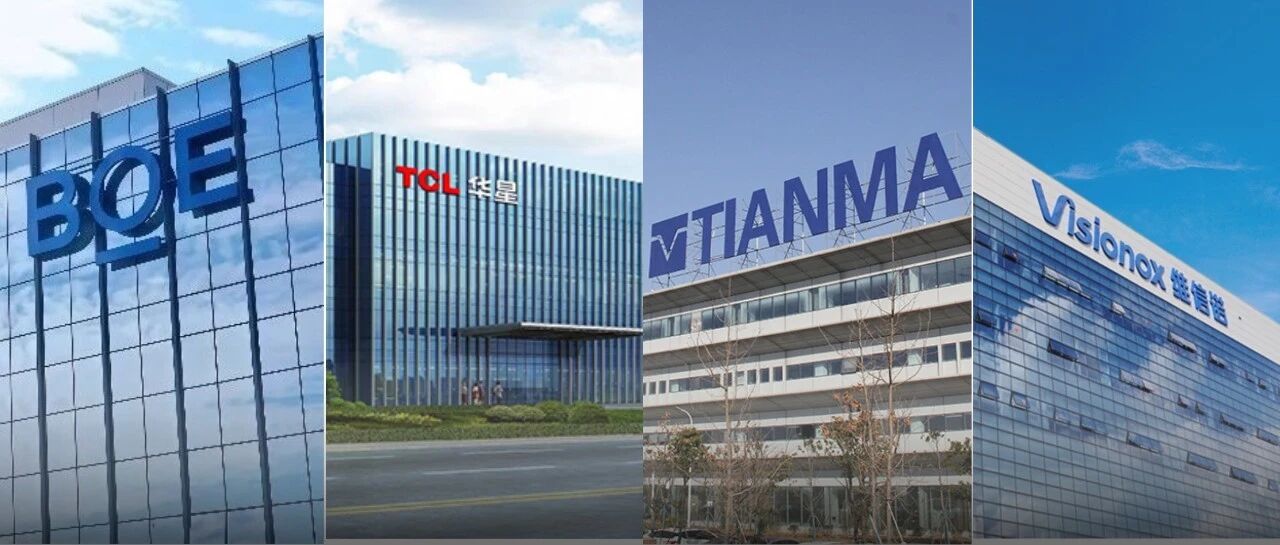
TCL科技(000100.SZ)发布上半年业绩,归母净利润18.83亿元,增长89.26%
智通财经网· 2025-08-29 16:02
Core Viewpoint - TCL Technology reported a revenue of 85.56 billion yuan for the first half of 2025, reflecting a year-on-year growth of 6.65% [1] - The net profit attributable to shareholders reached 1.883 billion yuan, marking a significant year-on-year increase of 89.26% [1] - The net profit attributable to shareholders after deducting non-recurring gains and losses was 1.559 billion yuan, showing a remarkable year-on-year growth of 178.96% [1] - The basic earnings per share stood at 0.1014 yuan [1]
LCD强势领跑、OLED快速突破,TCL华星上半年净利润43.2亿元,同比增长74%!
Ge Long Hui A P P· 2025-08-29 15:59
Core Viewpoint - TCL Technology Group reported strong financial performance for the first half of 2025, with significant growth in revenue and net profit, driven by its semiconductor display business and strategic acquisitions [1][3]. Financial Performance - In the first half of 2025, TCL Technology achieved operating revenue of 85.6 billion yuan, a year-on-year increase of 6.7% [1]. - The net profit attributable to shareholders reached 1.88 billion yuan, marking a substantial year-on-year growth of 89.3% [1]. - Operating cash flow surged by 115.9% to 27.3 billion yuan [1]. Semiconductor Display Business - TCL's subsidiary, TCL Huaxing, reported operating revenue of 50.43 billion yuan, up 14.4% year-on-year, with a net profit of 4.32 billion yuan, reflecting a 74% increase [1]. - The net profit attributable to TCL Technology shareholders was 2.63 billion yuan, a 51% increase compared to the previous year [1]. Market Position and Competitive Advantage - The company maintained a strong competitive edge in the LCD sector, achieving a market share of 24% in large-size products, an increase of 4 percentage points year-on-year [1]. - TCL's competitiveness in small and medium-sized products has rapidly improved, with sales growth across various segments including monitors, laptops, automotive displays, mobile phones, and specialized displays [1]. OLED Business Growth - TCL Huaxing's OLED business continued to grow, with product sales increasing by 8.7% year-on-year [2]. - The company ranked fourth globally in flexible OLED mobile phone shipments and maintained a top-three position in foldable product shipments [2]. - The G6 OLED production line in Wuhan is operating at industry-leading capacity utilization and financial performance metrics [2]. Strategic Acquisitions - TCL completed two major acquisition projects in the first half of the year, including the acquisition of LGD's Guangzhou panel and module factory, enhancing operational performance [3]. - The completion of the second phase of the Guangzhou t9 project is expected to create synergies with the t11 project, boosting competitiveness in the small and medium-sized business segment [3]. - The acquisition of a 21.53% stake in Shenzhen Huaxing Semiconductor is anticipated to increase net profit attributable to shareholders and enhance the profitability of the semiconductor display business [3]. Market Outlook - The pricing of major display products is expected to stabilize, supported by a favorable competitive landscape and a demand-driven production strategy [3]. - The trend towards larger display sizes is projected to drive continued growth in demand, with stable profitability anticipated for the industry [3]. - As a leading player in the display industry, TCL Huaxing is well-positioned to lead value chain upgrades and enhance operational efficiency [3].
“面板双雄”上半年净利润增长,业内预计电视面板三季度出货回暖
Di Yi Cai Jing· 2025-08-29 15:45
Core Viewpoint - Multiple panel companies have reported improved performance in the first half of the year, indicating a positive trend in the industry. Group 1: Financial Performance - TCL Technology reported a revenue of 85.56 billion yuan in the first half of 2025, a year-on-year increase of 6.65%, with a net profit of 1.883 billion yuan, up 89.26% [1] - BOE Technology Group achieved a revenue of 101.278 billion yuan, a year-on-year growth of 8.45%, and a net profit of 3.247 billion yuan, increasing by 42.15% [3] - Visionox and Deepin Technology also recorded revenue growth, with Visionox's revenue and net profit increasing by 4.79% and 9.74% respectively, while Deepin Technology turned profitable with a revenue growth of 9.93% [3] Group 2: Market Dynamics - The global demand for LCD TVs remained stable, with policies accelerating the trend towards larger sizes, leading to an increase in panel demand area [3] - TCL Technology completed the acquisition of 100% stakes in LG Display (China) and LG Display (Guangzhou), indicating a consolidation in supply-side capacity and an optimization of industry structure [4] - The display industry is entering a rebalancing phase, shifting focus from scale and market share to high profitability, high technology, and high added value [4] Group 3: Market Challenges - The second quarter of 2023 saw a significant drop in LCD TV panel shipments, with 57.4 million units shipped, marking the lowest quarterly level since 2019, reflecting a contraction in the television market [4] - Factors such as national subsidies and tariff policy changes led to a cautious approach from TV brands and OEM manufacturers regarding panel procurement for the second half of 2025 [4] Group 4: Future Outlook - TCL Technology anticipates a 3% to 4% quarter-on-quarter increase in TV panel shipments in the third quarter due to seasonal shopping trends, with prices expected to stabilize [5] - The industry is looking forward to potential growth in the foldable smartphone segment, particularly with expectations of Apple's entry into this market, which could drive demand for foldable screen panels [5]
TCL科技2025半年报发布:营收856亿元,净利润增长89.3%
Feng Huang Wang· 2025-08-29 14:43
Core Viewpoint - TCL Technology Group's H1 2025 performance exceeded expectations, with significant growth in multiple key indicators [1][2][3] Financial Performance - The company achieved operating revenue of 85.6 billion yuan, a year-on-year increase of 6.7% [1] - Net profit attributable to shareholders reached 1.88 billion yuan, a substantial year-on-year growth of 89.3% [1] - Operating cash flow reached 27.3 billion yuan, reflecting a strong cash generation capability with a year-on-year increase of 115.9% [1] Business Segments - The semiconductor display business emerged as a growth engine, with TCL Huaxing reporting operating revenue of 50.43 billion yuan, up 14.4% year-on-year [1] - Net profit for TCL Huaxing was 4.32 billion yuan, a 74% increase, while net profit attributable to TCL Technology shareholders was 2.63 billion yuan, up 51% [1] - In the large-size LCD display sector, the company maintained a leading market share of 24%, an increase of 4 percentage points year-on-year [1] Product Performance - The OLED business saw a sales volume increase of 8.7%, with TCL's flexible OLED mobile phone market share ranking fourth globally [2] - The company’s foldable screen products ranked among the top three in global shipments, and wearable device products achieved large-scale production [2] Strategic Actions - The strategic acquisition of LGD's Guangzhou panel and module factory has begun to contribute positively to the company's performance [2] - The acquisition of a 21.53% stake in Shenzhen Huaxing Semiconductor's G11 production line has been completed, expected to further enhance net profit attributable to shareholders [2] Industry Context - The performance reflects a recovery in the display panel industry, with the company capturing more market share through technology upgrades, capacity integration, and strategic acquisitions [3] - The company's positioning in emerging display technologies like OLED lays a solid foundation for future growth [3]
TCL科技:2025上半年归母净利润同比上涨89.3%至18.8亿元
Xin Lang Ke Ji· 2025-08-29 14:33
Core Insights - TCL Technology Group reported a revenue of 85.6 billion yuan for the first half of 2025, representing a year-on-year growth of 6.7% [1] - The net profit attributable to shareholders reached 1.88 billion yuan, showing a significant increase of 89.3% compared to the previous year [1] - Operating cash flow improved to 27.3 billion yuan, marking a 115.9% year-on-year increase [1] Semiconductor Display Business - TCL's subsidiary, TCL Huaxing, achieved a revenue of 50.43 billion yuan, with a year-on-year growth of 14.4% [1] - The net profit for TCL Huaxing was 4.32 billion yuan, up 74% year-on-year, while the net profit attributable to TCL Technology shareholders increased by 51% to 2.63 billion yuan [1] - The company maintained a competitive advantage in the large-size product market, achieving a market share of 24%, an increase of 4 percentage points year-on-year [1] OLED Business - The OLED segment continued to grow, with product sales increasing by 8.7% year-on-year, supported by the T4 factory in Wuhan [1] - TCL ranked fourth globally in flexible OLED smartphone shipments and maintained a top-three position in foldable product shipments [1] Acquisitions and Strategic Moves - The company completed the acquisition of LGD's Guangzhou panel and module factory, which is expected to enhance operational performance starting from Q2 [2] - The acquisition of a 21.53% stake in Shenzhen Huaxing Semiconductor has been finalized, which will contribute positively to net profit [2] Other Business Segments - The semiconductor silicon wafer business achieved a revenue of 2.74 billion yuan, reflecting a year-on-year increase of 38.2% [2] - The photovoltaic business under TCL Zhonghuan generated a revenue of 9.87 billion yuan during the same period [2] - The TV OEM business, Maojia Technology, reported a revenue of 10.39 billion yuan, growing by 16% year-on-year, maintaining its position as the global leader in TV OEM sales [2]
TCL科技(000100) - 2025年半年度财务报告
2025-08-29 14:19
TCL 科技集团股份有限公司 2025 年半年度财务报告 (2025 年 1 月 1 日至 2025 年 6 月 30 日止) 一、审计报告 半年度报告是否经过审计 □ 是 √ 否 公司半年度财务报告未经审计。 二、财务报表 财务报告附注的单位为:千元 | 序号 | 目 录 | 页码 | | --- | --- | --- | | 1 | 合并资产负债表 | 1-2 | | 2 | 合并利润表 | 3 | | 3 | 合并现金流量表 | 4-5 | | 4 | 合并股东权益变动表 | 6-7 | | 5 | 母公司资产负债表 | 8-9 | | 6 | 母公司利润表 | 10 | | 7 | 母公司现金流量表 | 11-12 | | 8 | 母公司股东权益变动表 | 13-14 | | 9 | 财务报表附注 | 15- 163 | TCL 科技集团股份有限公司 合并资产负债表 人民币千元 | | 附注五 | 2025年6月30日 | 2024年12月31日 | | --- | --- | --- | --- | | 流动资产 | | | | | 货币资金 | 1 | 28,544,343 | 23,007,7 ...