
ZGXT(000831)

Search documents
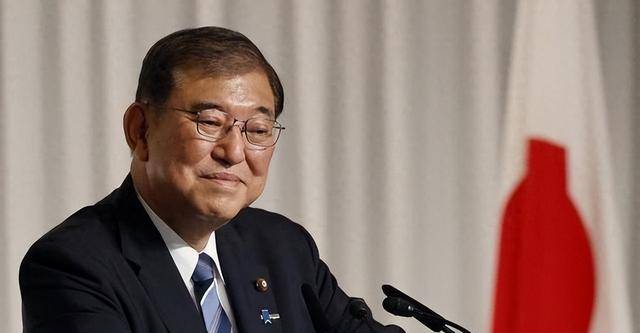
石破茂牺牲对华利益讨好美国,日企拉响警报:中国稀土断供更致命
Sou Hu Cai Jing· 2025-06-11 16:52
Group 1 - Japan's Prime Minister Shigeru Ishiba proposed a strategy to sacrifice interests with China in exchange for concessions from the U.S. on tariffs, causing significant concern among Japanese companies [2][3] - The U.S. imposed a 50% tariff on Japanese steel and aluminum products and a 25% tariff on automobiles in 2025, which poses a severe threat to Japan's economy, particularly affecting its export-driven sectors [2][3] - Ishiba's strategy includes increasing investments in the U.S. and collaborating on rare earth and energy supply chains to reduce dependence on China, which has sparked backlash from domestic industries [3][5] Group 2 - Japan's high-tech industries are heavily reliant on rare earth elements, with China controlling over 90% of global rare earth processing, making any disruption in supply a critical risk [5][6] - Historical precedents, such as the 2010 rare earth export restrictions by China, have left Japanese industries wary of potential supply chain disruptions, particularly in the automotive and electronics sectors [6][7] - The automotive industry, including major players like Toyota and Honda, could face severe production halts if rare earth supplies are cut off, jeopardizing their future plans and financial stability [7][9] Group 3 - The electronics sector, including companies like Sony and Panasonic, also faces significant risks due to its dependence on rare earth elements for chip manufacturing and other critical components [9][10] - Japan's GDP is significantly supported by exports, particularly in automobiles and electronics; any decline in these sectors could lead to increased unemployment and economic downturn [10][12] - The potential for retaliatory measures from China, such as tariffs on Japanese goods, could further exacerbate the situation, impacting not only Japan but also its trading partners like South Korea and Germany [10][12] Group 4 - Experts suggest that Japan should diversify its rare earth supply chains and invest in technology to reduce reliance on rare earth materials, while also stabilizing relations with China [12] - Ishiba's approach is viewed as a risky gamble that may jeopardize Japan's economic future, highlighting the need for a balanced diplomatic strategy [12]


中国稀土(000831):中稀集团核心上市平台,受益稀土行业多重催化
Guoxin Securities· 2025-06-11 15:11
Investment Rating - The report gives an "Outperform" rating for the company [4][6]. Core Views - The company is the core listed platform of China Rare Earth Group, benefiting from multiple catalysts in the rare earth industry [1]. - The company's performance is closely tied to rare earth prices, with significant fluctuations observed in recent years [12]. - The acquisition of the Jianghua rare earth mine in Hunan province strengthens the company's resource security [1][9]. Financial Performance - In 2024, the company achieved revenue of 3.027 billion yuan, a decrease of 24.09% year-on-year, and a net profit of -287 million yuan, down 168.69% [5][12]. - For Q1 2025, the company reported revenue of 728 million yuan, a year-on-year increase of 141.32%, and a net profit of 73 million yuan, marking a return to profitability [1][12]. - The company's revenue projections for 2025-2027 are 5 billion, 5.88 billion, and 6.85 billion yuan, respectively, with net profits expected to grow significantly [4][5]. Production and Sales - The company's main products include rare earth oxides, rare earth metals, and rare earth ores, with 2024 production figures of 7,785 tons for oxides and 2,384 tons for ores [2][33]. - The sales distribution in 2024 was 60% for rare earth oxides and 38% for rare earth metals, with all rare earth ore being used internally [2][33]. Industry Context - The rare earth mining and separation indicators for 2024 are set at 270,000 tons, with the company holding a small share of 2.93% of the total mining indicators [3][49]. - The report highlights a trend of increasing demand for rare earths, with a forecasted growth in mining and separation indicators for 2025 [54].
重稀土四龙:广晟有色、中国稀土、盛和资源、厦门钨业,潜力谁大
Sou Hu Cai Jing· 2025-06-11 10:22
Core Viewpoint - The article highlights the increasing importance of rare earth elements, particularly heavy rare earths, as strategic resources amid global geopolitical tensions, and evaluates four leading companies in the heavy rare earth sector for their competitive advantages and overall potential [1] Group 1: Company Advantages and Highlights - Guangsheng Nonferrous Metals: The company benefits from being controlled by China Rare Earth Group, which provides significant support in terms of policy, resources, and technology. It has substantial rare earth reserves of nearly 120,000 tons across multiple mines [3] - China Rare Earth: As the core listed platform of China Rare Earth Group, the company is well-positioned for industry consolidation and green transformation, holding mining rights with a resource volume of 22,734 tons [6] - Shenghe Resources: This mixed-ownership company has unique characteristics and has acquired several mining companies, integrating both light and heavy rare earth businesses [9] - Xiamen Tungsten: The company has established a comprehensive collaborative system covering the entire rare earth industry chain, ensuring a strong position in the market [11] Group 2: Financial Performance Analysis - Sales Net Profit Margin: In Q1, China Rare Earth had the highest profit margin at 9.99%, followed by Xiamen Tungsten, Shenghe Resources, and Guangsheng Nonferrous Metals [16] - Total Asset Turnover: Guangsheng Nonferrous Metals had the highest turnover rate at 0.20, with Xiamen Tungsten and Shenghe Resources following closely [19] - Equity Multiplier: Guangsheng Nonferrous Metals had the highest financial leverage at 2.12, while China Rare Earth had the lowest at 1.08 [22] Group 3: Comprehensive Financial Strength - The highest return on equity was observed in Xiamen Tungsten at 2.4%, followed by Shenghe Resources at 1.74%, China Rare Earth at 1.54%, and Guangsheng Nonferrous Metals at 1.39%. Xiamen Tungsten's balanced performance across net profit margin, turnover, and leverage indicates strong overall potential [23]


中国稀土出口管制,美国为何不买蒙古的?美蒙动过荒唐心思
Sou Hu Cai Jing· 2025-06-11 07:51
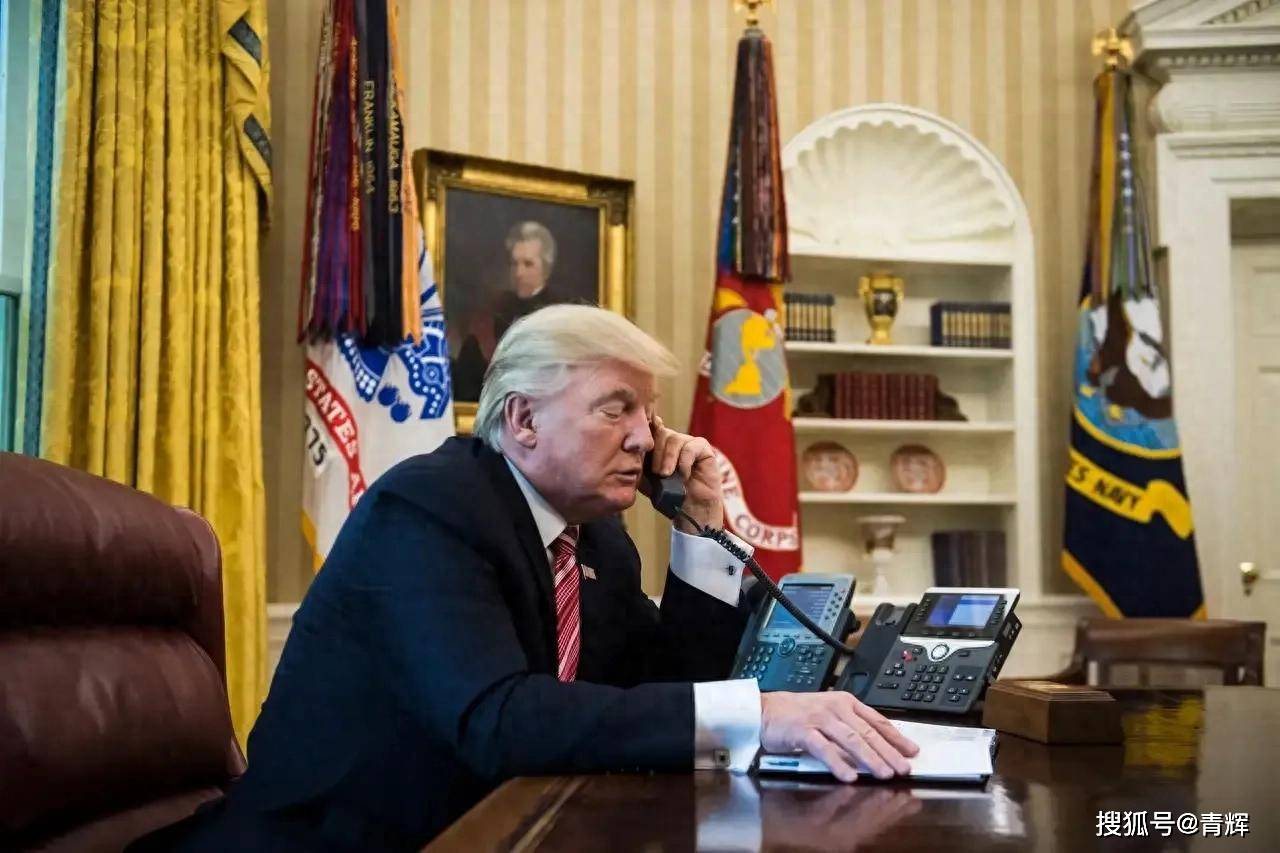
Core Points - The core issue discussed in the recent US-China dialogue is China's control over rare earth exports, which the US has been urging China to adjust since last year [1][3]. Group 1: China's Rare Earth Export Control - China has not changed its rare earth export control policies as per US requests and has further strengthened its tracking system for rare earth exports [3]. - China dominates the global rare earth market, accounting for 92% of refined rare earth exports, which solidifies its market position and influence [5]. Group 2: US Efforts to Reduce Dependence - The US has been attempting to reduce its reliance on Chinese rare earths by seeking alternative supply sources, but this goal is challenging due to China's dominant market share [5]. - Mongolia has some rare earth resources that could serve as an emergency supply for the US, but cooperation has not materialized effectively [7]. Group 3: Challenges in US-Mongolia Cooperation - The US previously sought a large-scale rare earth trade agreement with Mongolia, but logistical issues and high transportation costs led to the abandonment of the deal [9]. - Transporting rare earths from Mongolia to the US is prohibitively expensive, with costs reaching $30,000 per ton via air freight, compared to $450 per kilogram from China [9]. - Mongolia's proposal to lease land at Tianjin Port for free to facilitate rare earth exports was deemed unrealistic and was not approved by China [11][12]. Group 4: Conclusion on Market Dynamics - Both the US and Mongolia have come to realize that overcoming China's dominant position in the rare earth sector is nearly impossible [14].
稀土“大年”来了?中国稀土3日股价翻倍,板块有望迎业绩估值双击
Ge Long Hui· 2025-06-11 07:35
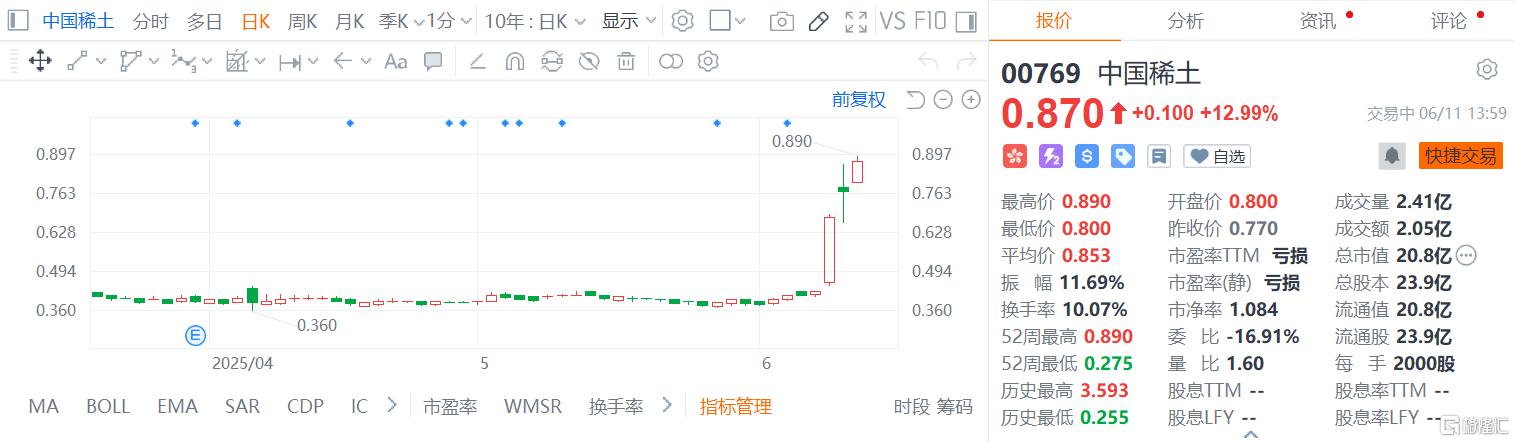
Group 1 - The rare earth sector has experienced a significant surge, with Chinese rare earth stocks rising nearly 13% and over 109% in the last three days [1] - In the A-share market, companies like BeiMineral Technology and Zhongke Magnetic Materials have seen substantial gains, with some stocks hitting the daily limit [3] - The U.S.-China trade negotiations are ongoing, with reports indicating a framework agreement that may address restrictions on rare earths and magnetic materials [3] Group 2 - China Rare Earth Holdings reported a revenue of 757 million HKD for the year ending December 31, 2024, a 10.29% increase from the previous year [5] - The company narrowed its net loss to 107 million HKD, down 48.9% from a loss of 210 million HKD in the prior year [5] - The rare earth segment generated sales of 645 million HKD, a 37% increase year-on-year, despite a 9% decrease in sales volume [6] Group 3 - The overall rare earth prices are on a downward trend due to market supply-demand imbalances and a sluggish real estate sector [7] - The refractory materials segment saw a 33% decline in sales to 111 million HKD, with significant losses attributed to oversupply in the steel industry [7] - China is the only country with a complete rare earth industry chain, producing 240,000 tons in 2023, accounting for two-thirds of global output [9] Group 4 - In response to the U.S. trade war, China implemented export controls on several heavy rare earth elements, leading to a spike in prices for certain products [10] - Rare earths have become a focal point in U.S.-China trade talks, with China issuing export licenses for civilian automotive companies while maintaining restrictions in the military sector [11] - Analysts suggest that the gradual relaxation of export controls may boost rare earth prices and improve the profitability of domestic companies [11]
关税贸易谈判凸显稀土反制影响力,央企现代能源ETF(561790)早盘涨近1%,中国稀土涨超%
Xin Lang Cai Jing· 2025-06-11 05:08
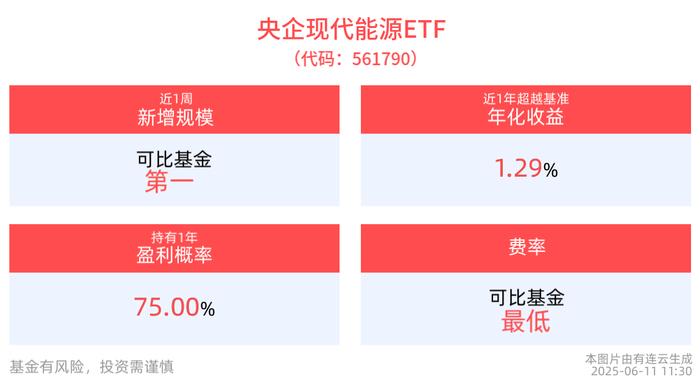
Core Viewpoint - The news highlights the performance and growth of the Central State-Owned Enterprises Modern Energy ETF, driven by the rising prices and demand for rare earth materials due to export controls and supply shortages [3][4]. Group 1: ETF Performance - As of June 11, 2025, the Central State-Owned Enterprises Modern Energy ETF (561790) increased by 0.75%, with a trading volume of 443.69 million yuan and a turnover rate of 9.04% [3]. - The ETF has seen a significant growth in scale, with an increase of 138.79 million yuan over the past week, ranking it in the top third among comparable funds [4]. - Since its inception, the ETF has achieved a maximum monthly return of 10.03% and a longest consecutive monthly gain of 7 months, with an average monthly return of 3.17% [4]. Group 2: Market Dynamics - The recent export controls on rare earth materials have tightened global supply, impacting traditional and new energy vehicle manufacturers, leading to a significant increase in overseas rare earth prices compared to domestic prices [3]. - Following the issuance of export licenses to some domestic rare earth material companies, there is an expectation of price recovery in domestic rare earth materials, which could benefit leading domestic companies in this sector [3]. Group 3: Index Composition - The top ten weighted stocks in the Central State-Owned Enterprises Modern Energy Index (932037) account for 51.1% of the index, with notable companies including Changjiang Electric Power, Guodian NARI, and China Nuclear Power [5]. - The weightings of the top stocks include Changjiang Electric Power at 10.48%, Guodian NARI at 7.31%, and China Nuclear Power at 6.30% [7].
行业ETF风向标丨涨价预期刺激大涨,稀土ETF基金半日涨幅超4%
Mei Ri Jing Ji Xin Wen· 2025-06-11 04:43
Group 1 - The core viewpoint of the news is that the rare earth sector is experiencing a significant rise in stock prices due to expectations of gradual easing of export controls, leading to a collective surge in the rare earth sector [1][3] - The rare earth ETFs have shown strong performance, with four ETFs rising approximately 4% in half a day, particularly the Rare Earth ETF Fund (516150) which had a half-day increase of 4.02% [1][2] - The investment logic suggests that the supply-demand dynamics for rare earths are likely to continue improving due to export controls, with domestic rare earth magnetic material companies expected to benefit from both performance and valuation increases [3] Group 2 - The Rare Earth ETF Fund (516150) has a scale of 1.871 billion units and a half-day trading volume of 132 million yuan, tracking the CSI Rare Earth Industry Index [3] - The CSI Rare Earth Industry Index includes companies involved in rare earth mining, processing, trading, and applications, reflecting a high concentration of companies deeply involved in the rare earth supply chain [3][4] - Major weight stocks in the CSI Rare Earth Industry Index include North Rare Earth (14.69%), China Rare Earth (6.37%), and others, indicating a strong representation of companies in the rare earth sector [4]


中国稀土出口份额骤降,美国稀土战将胜出?美媒:数据揭露背后真相
Sou Hu Cai Jing· 2025-06-10 14:35
Group 1 - China controls 60% of global rare earth reserves and has established a complete industrial chain from mining to high-end applications, particularly in the field of neodymium-iron-boron permanent magnet materials, where its patent share is 64% [1] - China's unique "solvent extraction method" enhances the purity of rare earth separation to 99.9999%, and this technology is included in the Wassenaar Arrangement control list [1] - The technical conversion rate in China's rare earth permanent magnet materials sector is 82%, compared to only 37% in the United States, indicating a significant technological gap [1] Group 2 - The Western bloc is attempting to break through through a "technology alliance + resource restructuring" dual-track approach, with the U.S. Department of Defense leading the establishment of a "Rare Earth Security Supply Chain Alliance" [3] - Australia’s Lynas Corporation and Germany's BASF are collaborating to integrate technological resources, while Japan's Sumitomo Metal and India's rare earth company plan to build a rare earth separation plant in India with an annual processing capacity of 8,000 tons [3] - The global rare earth production increased by 12% in 2023, with the U.S. Mountain Pass mine increasing production by 40% and Australia's Mount Weld mine capacity rising by 25% [3] Group 3 - Despite efforts to restart the domestic rare earth industry, U.S. companies like MP Materials still rely on China for deep processing, with 90% of refined products needing to be sent to China [5] - The U.S. military's dependence on Chinese rare earths has not decreased, with the F-35 fighter jet using 417 kg of rare earths, 63% of which still comes from Chinese supply chains [5] - China's advantages in rare earth functional materials are evident, with significant market shares held by companies like Ningbo Yunsheng, which occupies 45% of the global smart terminal market [5] Group 4 - China is transforming its resource advantages into industrial chain governance through a dual barrier of "patent pools + standard systems" [7] - The European Union's "Raw Materials Act" plans to invest 1.5 billion euros to support the rare earth industry, but achieving localization goals may take at least 15 years [5] - The establishment of a rare earth futures trading platform by China's Ministry of Commerce and the inclusion of rare earth permanent magnets in the "Catalog of Technologies Prohibited from Exporting" are strategic moves to enhance control over the supply chain [5]
专家:中国稀土出口力推民用需求
Sou Hu Cai Jing· 2025-06-10 10:51
Core Viewpoint - China's recent adjustments to rare earth export policies aim to prioritize civilian demand, reflecting a commitment to resource protection and sustainable development while taking responsibility for the global supply chain [2][4]. Group 1: Historical Context and Current Policy - From 1990 to 2005, China's rare earth export volume increased nearly tenfold, while prices dropped by 50%, leading to excessive supply and environmental degradation [3]. - The long-term low-price export strategy has created a dependency on Chinese rare earths, with the U.S. and Japan stockpiling resources instead of developing their own [3]. - China's export quotas have been gradually reduced from 6.5 million tons in 2004 to approximately 3.5 million tons post-2010, focusing on ensuring that exports serve legitimate civilian purposes [3][4]. Group 2: Regulatory Framework and Implementation - China has established a strict regulatory system for rare earth exports, including case-by-case reviews of export license applications to ensure the end-use is in civilian sectors like robotics and electric vehicles [3][4]. - A full-process traceability system utilizing blockchain and IoT technology has been implemented to track rare earths from mining to end products, preventing diversion to military applications [3][4]. Group 3: Global Implications and Future Directions - The shift towards civilian-oriented rare earth exports is prompting other countries, such as the U.S. and Australia, to restart domestic mining operations and reduce reliance on Chinese supplies [4]. - China's rare earth industry is transitioning from raw material exports to high-end applications, with domestic companies investing in deep processing to develop high-performance materials [4]. - The adjustment in export policies represents a rebalancing of resources, environment, and development, with China aiming to meet global civilian demand while safeguarding national security [4].
港股收评:恒生科技指数跌0.76%,中国稀土涨超13%,蜜雪冰城跌超6%
Jin Rong Jie· 2025-06-10 08:24
美国《GENIUS法案》进入关键冲刺 金融界6月10日消息 截至收盘,港股恒生指数跌0.08%,报24162.87点,恒生科技指数跌0.76%,报 5392.19点,国企指数跌0.15%,报8767.36点,红筹指数涨0.38%,报4093.28点。大型科技股中,阿里巴 巴-W跌0.42%,腾讯控股跌0.87%,京东集团-SW跌1.57%,小米集团-W跌1.29%,网易-S跌0.2%,美 团-W跌2.7%,快手-W跌1.44%,哔哩哔哩-W涨1.47%。 蜜雪冰城跌超6%。美国银行近日发表研究报告,将蜜雪集团的评级从"中性"降至"跑输大市"。报告指 出,蜜雪集团自3月初上市以来股价累计上涨约1.8倍,当前股价对应今明两年预测市盈率分别约为40倍 和33倍。尽管蜜雪是中国较为优秀的现制茶饮品牌,但美银认为其基本面可能无法支撑现有估值。美银 强调,资金流无法永远为股价带来支持,同时认为蜜雪是否属于"新消费"板块仍存有争议。 美银认为,蜜雪的每股盈利上行空间或远低于泡泡玛特等IP公司。基于中国业务表现强劲,美银将今明 两年每股盈利预测上调3.4%,收入分别上调2%和2.2%,目标价由400港元上调至465港元。 美 ...