Luckin Coffee(LKNCY)

Search documents
电影未映联名已达56+,“鬼灭之刃”“疯狂动物城”能让哪些公司大赚一笔?
3 6 Ke· 2025-11-11 02:37
Core Insights - The Chinese film industry faced a significant downturn in October, with box office revenue reaching 2.612 billion yuan, lower than the 2.749 billion yuan recorded in 2014 [1] - As of November 10, the total box office for the year stood at 45 billion yuan, indicating a 5 billion yuan gap to reach the 50 billion yuan target, making the performance in November and December critical [1] - Anticipated films such as "Demon Slayer: Infinity Castle Chapter" and "Zootopia 2" are expected to boost box office performance in the winter [1][3] Box Office Performance - The upcoming films "Demon Slayer" and "Zootopia 2" have generated significant audience interest, with "Demon Slayer" pre-sales exceeding 100 million yuan and "Zootopia 2" attracting nearly 300,600 viewers [4][10] - The projected box office for "Demon Slayer" is estimated between 500 million to 800 million yuan, while "Zootopia 2" is expected to earn between 850 million to 1.5 billion yuan [10] IP Commercialization - Both IPs have initiated extensive commercial collaborations, with over 56 partnerships across various sectors, including food and beverage, toys, and apparel [3][13] - "Demon Slayer" has 15 collaborations, while "Zootopia" has 41, indicating a broad and diverse commercial strategy [13][15] Sales Data - Sales data for collaborations show promising figures, with Luckin Coffee's partnership with "Demon Slayer" generating approximately 3.909 million yuan in sales on Douyin and Meituan [17] - The collaboration between "Zootopia" and the brand SanTonBan has also seen significant sales, totaling around 2.353 million yuan on Taobao and Douyin [19] Market Trends - The trend of early commercialization of IPs reflects a growing maturity in the domestic content industry, where films are becoming key nodes for connecting various consumer sectors [38] - The successful commercialization of these IPs is supported by their established market recognition and dedicated fan bases, which reduce market risks for collaborating brands [38][39]



新十年,重新定义 | 5万字解读2025年中国餐饮全品类、全球餐饮认知及三大趋势
3 6 Ke· 2025-11-09 09:16
Core Viewpoint - The report highlights the evolution of the Chinese restaurant industry over the past decade, emphasizing the shift towards chain operations and capital investment, while also outlining future trends and opportunities for growth in the sector [4][6][9]. Industry Overview - The chain rate of the Chinese restaurant industry has reached 23%, with revenue approximately 6.4 trillion RMB and nearly 9 million stores [4][6]. - The past decade has been characterized as the "chain era," marked by significant capital investment and the emergence of influential associations like the China Chain Store & Franchise Association [4][6][8]. Future Trends - The report anticipates that the chain rate will rise to 25% in 2025 and potentially reach 28% by 2026 [14]. - Key trends identified for the next decade include the evolution of chains, the globalization of Chinese cuisine, and a focus on cost reduction while maintaining quality [10][12][14]. Restaurant Categories Hot Pot - The number of hot pot restaurants in China is approximately 528,298, with a net increase of 62,000 stores [17][18]. - Haidilao has initiated the "Pomegranate Plan," which aims to empower new brands using its supply chain and operational capabilities, resulting in significant revenue growth [18][19]. Barbecue - The barbecue segment has around 413,682 operating stores, with a net increase of 16,029 [33]. - Brands like "Very Long Ago" and "Guan's Chicken Wings" exemplify different operational philosophies, focusing on quality and customer relationships [36][39]. Regional Cuisines - Hunan cuisine is experiencing a transformation into a national favorite, with brands like "Fei Chef" emphasizing fresh ingredients and healthy cooking methods [70][76]. - Sichuan cuisine faces challenges in scaling due to reliance on franchising and a lack of standardized operations, which hinders brand strength [79][84]. Cantonese Cuisine - Cantonese cuisine is expanding both nationally and globally, with brands like "Dian Dou De" successfully adapting their offerings to attract a broader audience [93][94]. - The focus on fresh supply chains and innovative dining experiences is driving growth in this segment [95][96]. Jiangsu-Zhejiang Cuisine - Jiangsu-Zhejiang cuisine, known for its delicacy and refinement, has around 110,463 operating stores, with a focus on cultural experiences and high-quality ingredients [104][106]. - The global appeal of dishes like soup dumplings is highlighted as a key opportunity for international expansion [108].




城数Lab. | 咖啡“双雄”城市版图:星巴克的未来在哪里
Sou Hu Cai Jing· 2025-11-08 19:06
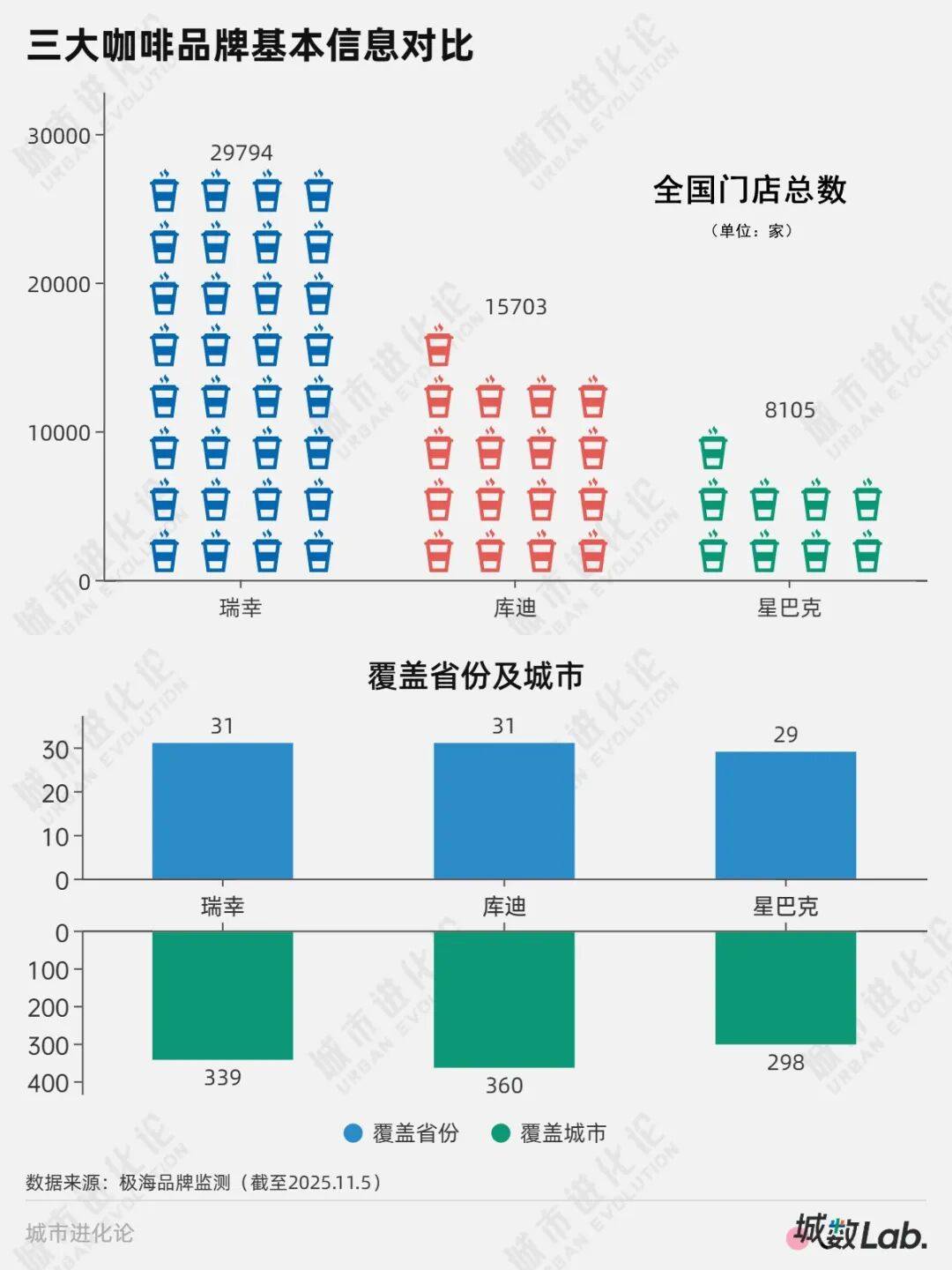
Core Insights - Starbucks has sold a 60% stake to Boyu Capital for a valuation of $13 billion, marking a significant strategic shift since its entry into the Chinese market in 1999 [1] - The competitive landscape in China's coffee market has changed, with Starbucks facing challenges from local brands like Luckin Coffee, which has surpassed Starbucks in store count and annual sales [3] Market Positioning - As of now, Starbucks operates 8,105 stores in China, while Luckin Coffee has 29,794 stores and another local brand, Koolearn, has 15,703 stores, indicating that Starbucks has less than one-third of Luckin's store count [1] - Starbucks' store distribution is heavily concentrated in first-tier and new first-tier cities, with 64% of its stores located in these areas, while Luckin has a more balanced presence across second, third, and fourth-tier cities [12] Regional Strategy - Starbucks has the highest number of stores in Zhejiang province (1,205), while Luckin leads in Guangdong with 4,320 stores [6] - The top three cities for Starbucks are Shanghai, Beijing, and Hangzhou, whereas Luckin's top cities are Shanghai, Shenzhen, and Guangzhou [9] Future Expansion Plans - The partnership with Boyu Capital aims to expand Starbucks' store count in China to 20,000, focusing on smaller cities and emerging regions [15][16] - The CEO of Starbucks emphasized that Boyu's local market expertise will accelerate Starbucks' growth in China, particularly in lower-tier markets [16]
咖啡豆涨价创历史新高:咖农欢呼,咖啡店苦撑降成本
Di Yi Cai Jing· 2025-11-08 12:01
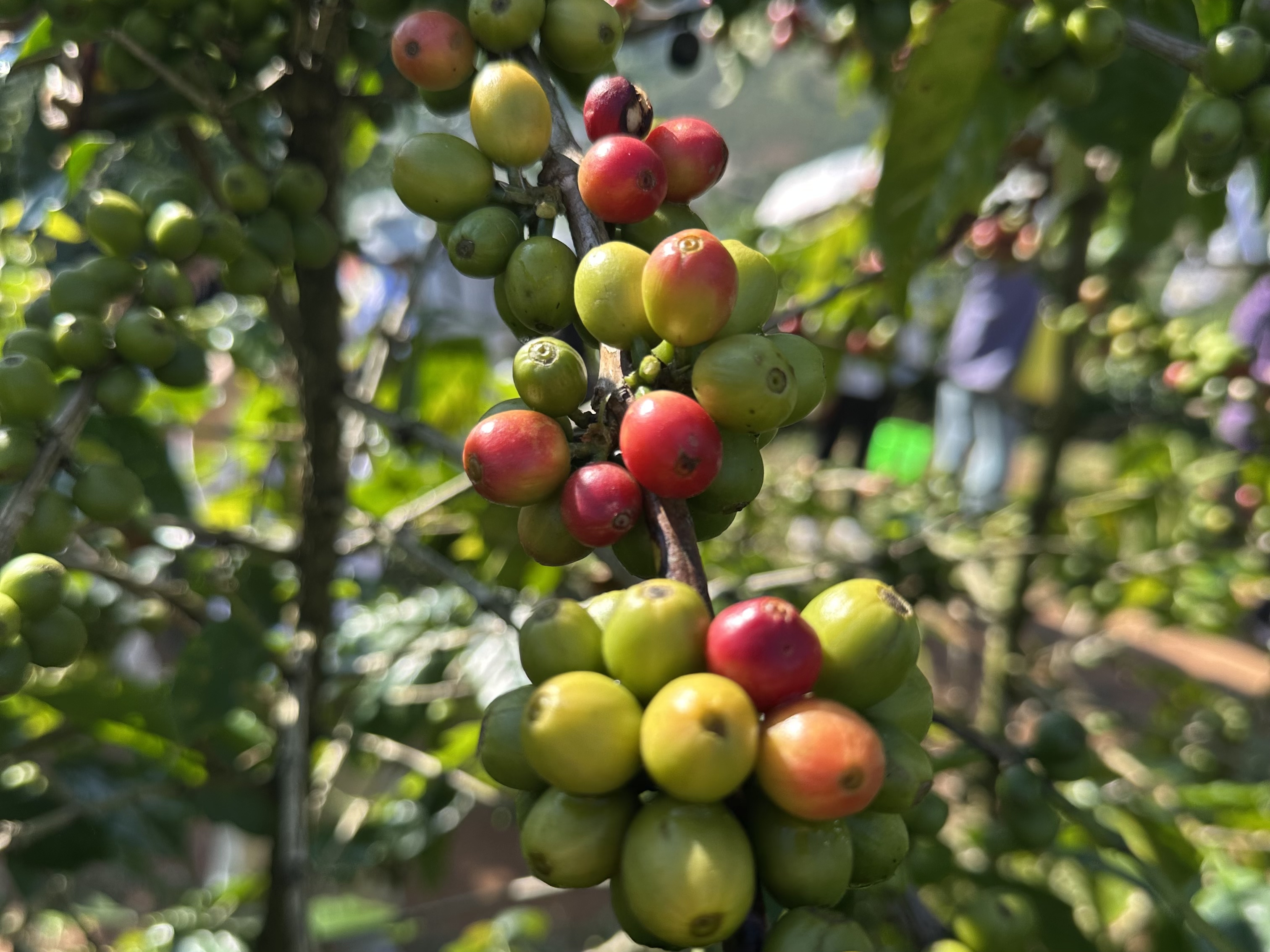
Core Viewpoint - The continuous rise in coffee futures prices presents opportunities for coffee farmers but poses challenges for the retail sector, particularly in the context of intense market competition and price wars [1][11]. Group 1: Coffee Futures Market - Coffee futures prices have seen significant increases, with a rise of over 70% from 188.5 cents/pound on January 2 to 336.4 cents/pound on December 10 of the previous year, surpassing gold price increases during the same period [3]. - As of November 8, coffee futures were reported at 388.38 cents/pound, reflecting a 2.46% increase, while the ICE Arabica coffee futures rose by 4.94% in the week ending November 7 [3]. - Factors contributing to the price surge include climate change affecting global production and unexpected weather events in major producing countries like Brazil, which has seen frost and drought conditions impacting yields [4][3]. Group 2: Supply and Demand Dynamics - The USDA projects that global Arabica coffee production will be 470,000 tons lower than the historical peak of 6.3 million tons in the 2018/2019 season, indicating a 7.5% decline [4]. - The demand for freshly brewed coffee has been increasing, creating a structural imbalance in the Arabica coffee market, where production is declining while demand is rising [4]. - The price increase has also been influenced by speculative trading and stockpiling by traders in response to supply concerns [4]. Group 3: Impact on Coffee Farmers - Coffee farmers in Yunnan, such as Cai Qing and Yu Zuguo, have experienced significant income growth due to rising coffee prices, with Cai's annual sales reaching 800,000 yuan and production increasing from 7 bags to 160 tons [7][8]. - The price of fresh coffee cherries in Yunnan has surged from 3.5-4.3 yuan/kg to around 7 yuan/kg, with market acquisition prices exceeding 60 yuan/kg, alleviating previous challenges faced by farmers [8][9]. - The increase in coffee futures prices has led to a renewed interest in coffee cultivation, with Yunnan's coffee planting area growing by 4% in 2024 [9]. Group 4: Retail Sector Challenges - The competitive landscape in the coffee retail market is intensifying, with local brands like Luckin Coffee and Manner rapidly expanding and offering lower-priced products, making it difficult for established brands like Starbucks to raise prices [11][12]. - Retailers are facing pressure to maintain low prices despite rising costs, leading to cost-cutting measures such as reducing staff and store sizes, and shifting towards online sales [12][13]. - The ongoing price competition and the need to attract customers with lower prices are testing the operational capabilities and financial strength of coffee retailers [13].

4家消费公司拿到新钱;服装品牌高梵获得顺为资本投资;瑞幸与《鬼灭之刃》达成联名|创投大视野
36氪未来消费· 2025-11-08 11:58
Group 1 - Gao Fan, a fashion brand, has completed a Series A financing round led by Shunwei Capital, with specific investment amounts undisclosed. The brand focuses on women's clothing, including T-shirts, shirts, dresses, and outerwear, while also venturing into men's and children's apparel [3] - Thunderbird Innovation, an AR glasses developer, announced a successful D round financing led by CITIC Jinshi, setting a record for the largest single financing amount in the domestic AI+AR glasses sector for 2025. The funds will be used to accelerate technology development and ecosystem construction in the AI+AR glasses market [5][6] - Hezhong Lian Investment, a digital service provider in the pet industry, has completed a 12 million yuan angel round financing. The funds will be used for the development of its digital platform and nationwide service network, aiming to promote standardization and digitization in the pet industry [7] - The restaurant brand Hou Xishi has completed a 45 million yuan Series A financing round, led solely by Guangdong Guanchih Holdings Group. The brand focuses on high-quality American hamburgers and integrates brand incubation, restaurant operations, product development, and supply chain management [8] Group 2 - ByteDance is enhancing its incentive policies to attract AI talent, implementing a "Doubao Long-term Incentive Plan" that includes a virtual stock mechanism for its Doubao-related large model business. Employees can receive stock options valued at 90,000 to 135,000 yuan monthly, with the first batch of allowances distributed over 18 months [9][10] - Fat Donglai, a retail model, has no plans for public listing or large-scale expansion, focusing instead on becoming a school-like enterprise for cultural and business exchange. The company reported a total sales revenue of 19.785 billion yuan as of November 4, exceeding last year's total [11][12] - Xiaohongshu has obtained a payment license, allowing it to enter the payment clearing sector, which is crucial for building a closed-loop ecosystem for its e-commerce and local life services [14] - The gaming industry is seeing significant revenue, with 32 Chinese manufacturers entering the global mobile game publisher revenue TOP 100 in October, collectively earning 2.01 billion USD, accounting for 35.6% of the total revenue [30][31] - The smartphone market in China experienced a slight decline in Q3 2025, with shipments around 68.46 million units, down 0.5% year-on-year, attributed to a traditional sales lull and tightening of national subsidies [32]

商业秘密|咖啡豆涨价创历史新高:咖农欢呼,咖啡店苦撑降成本
Di Yi Cai Jing· 2025-11-08 11:47
Core Insights - Coffee futures prices are rising, creating opportunities for coffee farmers but putting pressure on the retail sector [1][15] - Starbucks has formed a strategic partnership with Boyu Capital to operate its retail business in China, highlighting the competitive landscape in the coffee market [1] - The coffee market is experiencing intense competition, particularly from local brands like Luckin Coffee and Manner, which are expanding rapidly and engaging in price wars [1][13] Coffee Futures Market - Coffee futures prices have seen significant increases, with prices reaching 437.95 cents per pound on October 23, marking a historical high [4] - The price of coffee futures has risen over 70% from 188.5 cents per pound at the beginning of last year [4] - Factors contributing to the price surge include climate change affecting global production and speculative trading [5] Production and Supply Dynamics - The production of Arabica coffee is projected to decline, with the USDA estimating a decrease of 47,000 tons from the historical peak of 630,000 tons in the 2018/2019 season [5] - Weather events in Brazil, a major coffee producer, have led to reduced output, further driving up prices [5] - The demand for freshly brewed coffee is increasing, exacerbating the supply-demand imbalance in the Arabica coffee market [5] Impact on Coffee Farmers - Coffee farmers in Yunnan are benefiting from rising coffee prices, with some reporting significant increases in income due to higher market prices and partnerships with large companies like Starbucks [9][11] - The price of fresh coffee cherries in Yunnan has surged from 3.5 to 7 yuan per kilogram, reflecting the impact of high futures prices [11] - The area under coffee cultivation in Yunnan has increased by 4% in 2024, reversing a previous decline due to low prices [11] Retail Sector Challenges - The retail coffee sector is facing challenges due to rising raw material costs, with many retailers unable to raise prices due to intense competition [15] - Some coffee shops are reducing costs by using domestic coffee beans and minimizing operational expenses, such as reducing staff and store size [14][15] - The competitive landscape is forcing retailers to adopt low-price strategies, complicating their ability to maintain profitability amid rising costs [15]
以进博会链接全球原产地 瑞幸与世界共享中国咖啡产业发展机遇
Zheng Quan Ri Bao Wang· 2025-11-07 11:48
Core Insights - The 8th China International Import Expo (CIIE) commenced in Shanghai, showcasing the participation of various countries and brands, with Luckin Coffee being a highlighted coffee brand [1] - Luckin Coffee is expanding its global footprint by entering markets in Brazil and Indonesia, aiming to enhance trade cooperation and cultural exchange in the coffee industry [1][2] Group 1: Global Expansion and Trade Cooperation - Luckin Coffee has signed a five-year memorandum with Brazil for the procurement of 240,000 tons of coffee beans, valued at 10 billion yuan, establishing itself as the largest buyer of Brazilian coffee beans in China [1] - In 2024, Luckin's procurement accounted for approximately 60% of Brazil's coffee bean exports to China, indicating a significant market presence [1] Group 2: Local Development and Sustainability - The company has established a "Luckin Coffee Exclusive Fresh Coconut Island" in Indonesia, planning to procure 1 million tons of high-standard fresh coconuts over the next five years, providing economic stability for local coconut farmers [2] - Luckin Coffee is also investing in local coffee processing capabilities by building its first coffee fresh fruit processing plant in Yunnan in 2024, which will support local farmers through training in coffee cultivation and processing [2] Group 3: Cultural Exchange and Community Building - Luckin Coffee is committed to promoting coffee culture through initiatives such as the Brazil Coffee Culture Festival and the establishment of Brazilian coffee-themed stores and museums [2] - The company aims to create a "value community" by connecting consumers with coffee-producing regions, leveraging its 26,000 stores to enhance cultural exchange and mutual benefits [2]
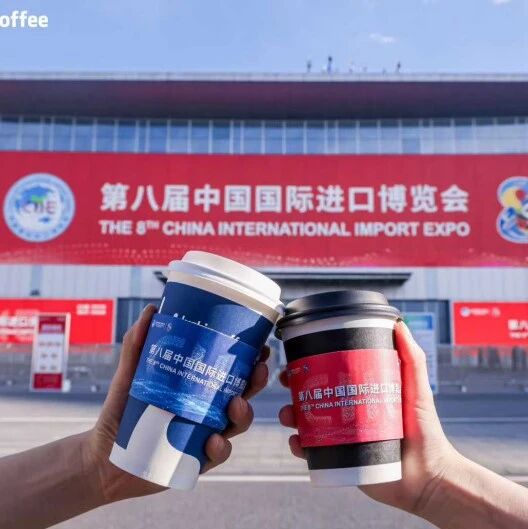
#进博会里人手一杯的中国咖啡#
Jing Ji Guan Cha Wang· 2025-11-07 07:32
Core Insights - The 8th China International Import Expo (CIIE) opened on November 5 in Shanghai, showcasing a vibrant atmosphere with participants from around the world [1] - Luckin Coffee, recognized as a recommended coffee brand at the expo for the second time, is enhancing its global presence by providing high-quality coffee and establishing itself in various national pavilions [1] - The company signed a memorandum with Brazil for a coffee bean procurement worth billions, secured raw materials in Indonesia, and initiated support programs for coffee farmers, exemplifying a strategic global sourcing approach [1] - Luckin Coffee's internationalization reflects a trend where Chinese enterprises focus on collaborative capabilities across the supply chain, linking global resources with domestic consumption demands [1] Company Strategy - Luckin Coffee's global strategy includes establishing offices in coffee-producing regions and launching initiatives to support local farmers, which enhances its brand visibility and operational footprint [1] - The company's approach aligns with the theme of the expo, "New Era, Shared Future," indicating a shift in how Chinese brands engage in global economic cooperation [1] Industry Trends - The trend of dual empowerment in the industry is highlighted, where companies connect high-quality global resources with the growing domestic consumption needs, moving beyond mere product exports [1] - This strategy signifies a broader movement among Chinese brands to leverage their supply chain capabilities for international growth and market penetration [1]
出海案例分享:瑞幸“杀”入新加坡,但不靠9块9!
首席商业评论· 2025-11-07 04:11
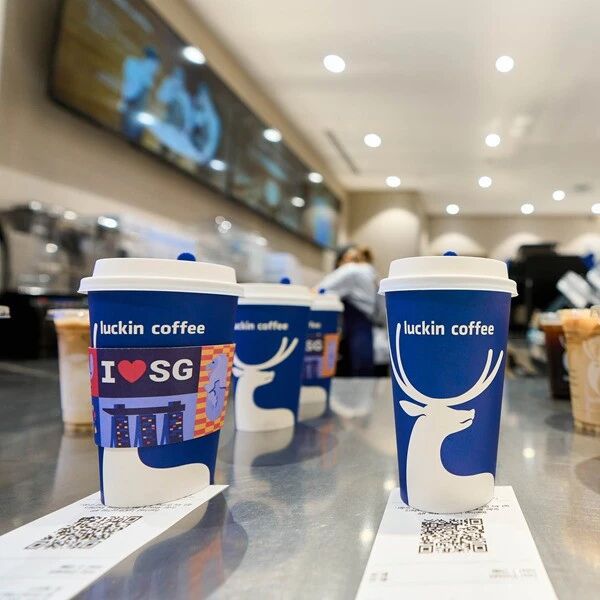
Core Insights - The article discusses Luckin Coffee's strategic expansion into Singapore, highlighting its departure from aggressive pricing strategies used in China to a more refined approach tailored to the new market [2][4]. Group 1: Market Context - In 2023, the Chinese retail and service industry is experiencing a surge in overseas expansion, with brands like Luckin Coffee, Heytea, and others aggressively entering Southeast Asia [4]. - Luckin Coffee holds nearly 40% of China's coffee supply chain, benefiting from significant economies of scale and an efficient supply chain, which provides a competitive cost advantage domestically [4]. Group 2: Strategic Framework - The "Strategic Compass" matrix indicates that when entering a high-attractiveness but high-difficulty market like Singapore, companies must choose between cost leadership and innovation leadership [7][9]. - Luckin Coffee opted for innovation leadership, avoiding a low-cost strategy that could harm its brand in a quality-focused market [7]. Group 3: Innovation Strategies - **Product Innovation**: Luckin introduced unique products like Coconut Latte and Velvet Latte, filling a gap in Singapore's coffee market where such offerings were previously unavailable [11]. - **Pricing Strategy**: The company adopted a smart pricing strategy, positioning its products 10-20% lower than Starbucks for common items while pricing unique offerings 10-20% higher, signaling quality without being perceived as cheap [14]. - **Marketing Approach**: Instead of traditional celebrity endorsements, Luckin leveraged user-generated content (UGC) to engage local consumers, focusing on social media interactions and community events [18][20]. Group 4: Lessons for Other Brands - Luckin's success in Singapore illustrates that domestic advantages can be restructured for higher profit margins abroad rather than relying on low pricing [22]. - The company demonstrates that innovation can create new market segments rather than competing directly with established players [22]. - The shift from expensive marketing strategies to cost-effective UGC approaches can resonate better with local consumers, maximizing impact while minimizing costs [22].
瑞幸咖啡入驻2025年进博会多个国家馆,与世界共享中国咖啡产业发展机遇
IPO早知道· 2025-11-07 02:07
Core Viewpoint - The article highlights the significant role of the China International Import Expo (CIIE) in linking global coffee production areas with the Chinese market, showcasing the growth of coffee consumption in China and the proactive strategies of Chinese coffee brands like Luckin Coffee to enhance international trade and cultural exchange [2][4][10]. Group 1: CIIE and Global Coffee Trade - The 8th CIIE commenced on November 5 in Shanghai, featuring Luckin Coffee as a recommended coffee brand, which is actively participating in global coffee trade and cultural cooperation [2]. - China's coffee consumption has seen an annual growth rate of 21% since the 2010-2011 coffee year, significantly outpacing the global average of 1.8%, positioning China as a potential leading coffee market [4]. - Ethiopia's coffee authority reported that China has become the fourth-largest importer of Ethiopian coffee, up from seventh place in the previous two years, indicating a shift in global coffee consumption dynamics [4]. Group 2: Luckin Coffee's Strategic Initiatives - Luckin Coffee has established a procurement memorandum with Brazil for 240,000 tons of coffee beans valued at 10 billion yuan over five years, becoming the largest buyer of Brazilian coffee beans in China, accounting for approximately 60% of Brazil's coffee exports to China in 2024 [6]. - The company is also expanding its supply chain by setting up a "Luckin Coffee Exclusive Coconut Island" in Indonesia, planning to procure 1 million tons of high-standard coconuts over the next five years [6]. - Luckin Coffee is investing in local coffee production in Yunnan, establishing a processing plant and providing training to local farmers, which is expected to boost sustainable development in the domestic coffee industry [6]. Group 3: Cultural Exchange and Community Building - Luckin Coffee is committed to promoting coffee culture exchange, having hosted two Brazilian coffee culture festivals in 2024 and establishing Brazilian coffee-themed stores and museums [7]. - The company aims to create a "value community" through various origin-themed activities, leveraging its 26,000 stores to connect consumers with coffee-producing regions [7]. - These initiatives align with China's "14th Five-Year Plan" to share opportunities and foster mutual development with countries worldwide, enhancing the global coffee industry's collaboration [10].