MEITUAN(MPNGY)

Search documents
美团王莆中:堂食客单价跌至十年前
Di Yi Cai Jing· 2025-10-16 11:12
Group 1 - The core local business CEO of Meituan, Wang Puzhong, stated that the average dining-in customer spending in the restaurant industry has approached levels seen in 2015 [1] - According to the conference data, the overall average customer spending has dropped to a phase low, forcing merchants to rely on low prices to maintain orders [1] Group 2 - At the 8th Restaurant Industry Conference, it was reported that 75% of the new takeaway orders this year came from the low-price range of under 15 yuan [3] - Following the takeaway battle in May, nearly half of the incremental orders generated through subsidies were for beverages, leading to a surge in sales for many milk tea and coffee shops [3]


美团王莆中:继续坚持做餐饮行业的长效经营阵地,帮堂食外卖高质量增长
Zheng Quan Shi Bao Wang· 2025-10-16 09:29
Core Insights - The demand for "super value for money" is reshaping the restaurant industry according to Meituan's core local business CEO Wang Puzhong [1] - Achieving this super value for money should not rely on internal competition among peers but rather on merchants leveraging structural cost advantages to enhance overall operational levels [1] Company Strategy - Meituan aims to position itself as a long-term partner in the restaurant industry rather than merely a traffic platform, deeply integrating into the entire operational chain of merchants [1] - The company focuses on three core operational issues for merchants: attracting customers, delivering food, and improving operational efficiency, providing various support to ensure stable growth for both dine-in and takeout services [1] Merchant Engagement - Over the past year, Meituan has communicated with nearly 600,000 merchants through closed-door meetings, visits, and surveys, gathering over 1,700 suggestions and feedback [1] - The company has driven nearly 900 iterations of products and mechanisms based on this feedback, emphasizing its commitment to solving problems and being a long-term partner for merchants [1]
美团王莆中:性价比绝不应靠同行内卷
Xin Lang Ke Ji· 2025-10-16 08:26
Core Viewpoint - The demand for "super cost-performance" is reshaping the restaurant industry, emphasizing that achieving this should not rely on internal competition but rather on leveraging structural cost advantages and enhancing overall operational capabilities [1] Group 1: Company Strategy - Meituan's core local business CEO, Wang Puzhong, stated that the company will continue to position itself as a long-term partner in the restaurant industry rather than merely a traffic platform [1] - The company aims to deeply integrate into the entire operational chain of merchants, focusing on three core issues: attracting customers, delivering food, and improving operational efficiency [1] Group 2: Merchant Engagement - Over the past year, Meituan has communicated with nearly 600,000 merchants through closed-door meetings, visits, and surveys, gathering over 1,700 suggestions and feedback [1] - The company has implemented nearly 900 iterations of products and mechanisms based on this feedback, demonstrating a commitment to solving problems and being a long-term partner for merchants [1]
京东饿了么美团试点取消骑手超时罚款,改用服务分管理
Shan Xi Ri Bao· 2025-10-16 07:57
Core Viewpoint - Delivery platforms are shifting from cash penalties for late deliveries to a service points system, aiming to promote positive incentives for riders instead of punitive measures [1] Group 1: Company Initiatives - JD Delivery has announced a pilot program in 25 cities, including Shenzhen and Nanjing, to replace cash penalties for late deliveries with a "service points" management mechanism [1] - Ele.me is also testing a new service points system to replace the original late delivery penalties, with trials currently in cities like Nantong and Changzhou, and plans to expand coverage by October [1] - Meituan plans to fully eliminate late delivery penalties by the end of 2025, having already implemented a points system in 22 cities, which includes both penalties for lateness and rewards for timely deliveries [1] Group 2: Industry Trends - The industry is moving towards a management approach that emphasizes training and positive reinforcement rather than punitive measures, reflecting a broader trend in gig economy labor practices [1] - The shift to service points systems indicates a significant change in how delivery platforms manage rider performance, focusing on motivation and engagement rather than fear of penalties [1]


让“刷高分”不再奏效!美团外卖商家评分增加“复购率”等客观指标
2 1 Shi Ji Jing Ji Bao Dao· 2025-10-16 06:34
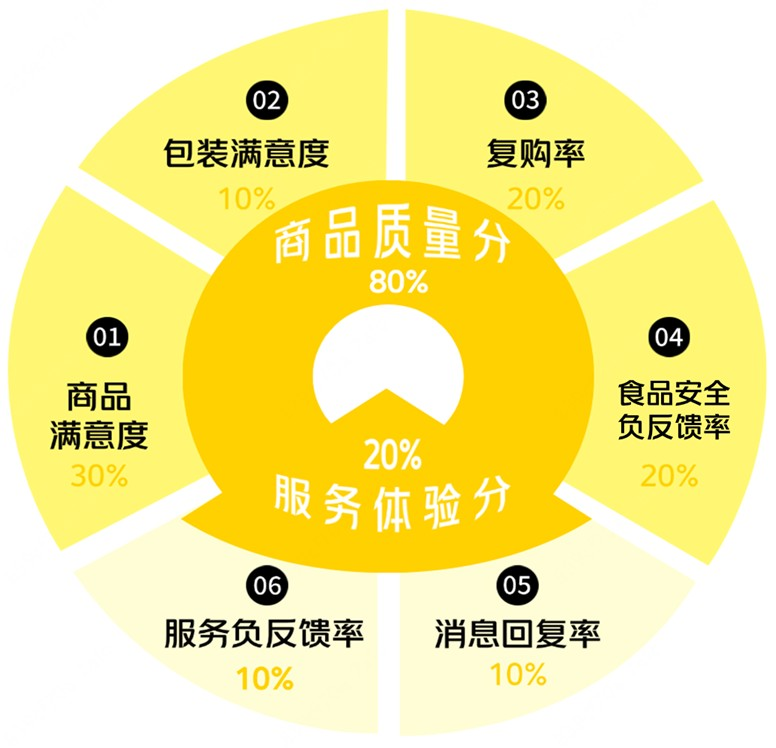
Core Viewpoint - Meituan Takeaway is implementing a new multi-dimensional scoring system for merchants, effective from October 20, aimed at enhancing consumer trust and reducing malicious reviews [1][6]. Group 1: New Scoring System - The new scoring system will transition from a single subjective score to a multi-faceted evaluation that includes metrics such as "repurchase rate," "food quality," and "food safety" [1][4]. - The scoring will consist of both subjective ratings from customers and objective indicators, providing a more comprehensive assessment of merchant performance [3][6]. - The new system aims to create a fairer evaluation environment, reducing the effectiveness of artificially inflated scores and ensuring all merchants start on an equal footing [3][4]. Group 2: Implementation and Features - The new scoring system was piloted in cities like Tianjin and Foshan earlier this year, focusing on two main dimensions: "food quality score" and "service experience score" [4][5]. - The "food quality score" includes customer satisfaction ratings and repurchase rates, while the "service experience score" encompasses metrics like response rates and negative feedback rates [4][5]. - A "new merchant protection period" has been introduced, where new merchants' scores will only be displayed after accumulating a certain number of valid reviews [4]. Group 3: Focus on Food Safety - The new evaluation system has incorporated a "food safety negative feedback rate" to make food safety issues more transparent and publicly available [4][5]. - This addition is seen as a significant response to food safety concerns and a step towards higher industry standards [4][5]. Group 4: Review Management and Merchant Support - Meituan Takeaway has removed the limit on the number of appeals merchants can make against negative reviews, allowing for unlimited appeals [5]. - The platform has implemented automated features to identify and filter malicious reviews, significantly reducing the processing time for handling such cases [5][6]. - The changes in the scoring mechanism have alleviated merchants' anxiety regarding negative reviews, allowing them to focus more on improving customer satisfaction [5][6].
京东、饿了么、美团集体宣布:试点取消骑手超时罚款
Guan Cha Zhe Wang· 2025-10-16 06:29
Core Viewpoint - Major food delivery platforms in China, including JD.com, Ele.me, and Meituan, are piloting the cancellation of penalties for delivery riders who exceed time limits, shifting towards a service score management system to promote positive incentives instead of punitive measures [1][3][4] Group 1: JD.com Initiatives - JD.com has announced the cancellation of order delay penalties in 25 cities, including Shenzhen and Wuhan, replacing it with a "service score" management mechanism [1] - The new system deducts service points based on the delay interval instead of cash penalties, aiming to encourage better service through positive reinforcement [1] - Additional measures to enhance rider experience include extra subsidies during adverse weather, a care fund for riders' children, and improved insurance coverage [1] Group 2: Ele.me Developments - Ele.me is also testing a new service score system to replace the penalty for delivery delays, currently being piloted in cities like Nantong and Changzhou [1] - The platform aims to implement a system where riders can earn more based on their performance, with plans to expand this initiative to more cities by October [1] - Ele.me has announced plans to provide nationwide coverage for delivery riders' pension and medical insurance subsidies by the end of 2025 [1] Group 3: Meituan's Approach - Meituan plans to fully eliminate penalties for delivery delays by the end of 2025, having already tested a system that rewards timely deliveries and penalizes delays in 22 cities [3] - The company has introduced features allowing riders to evaluate and block problematic customers, enhancing rider autonomy and safety [3] - Meituan's management strategy is shifting from punitive measures to a more supportive and scientifically-based approach to rider management [3] Group 4: Regulatory Context - The State Administration for Market Regulation has proposed guidelines indicating that platforms should not primarily use financial penalties for delivery delays, advocating for alternative management methods [4]

善意流动共筑城乡健康 美团联合15品牌发起世界粮食日主题公益活动
Huan Qiu Wang· 2025-10-16 05:52
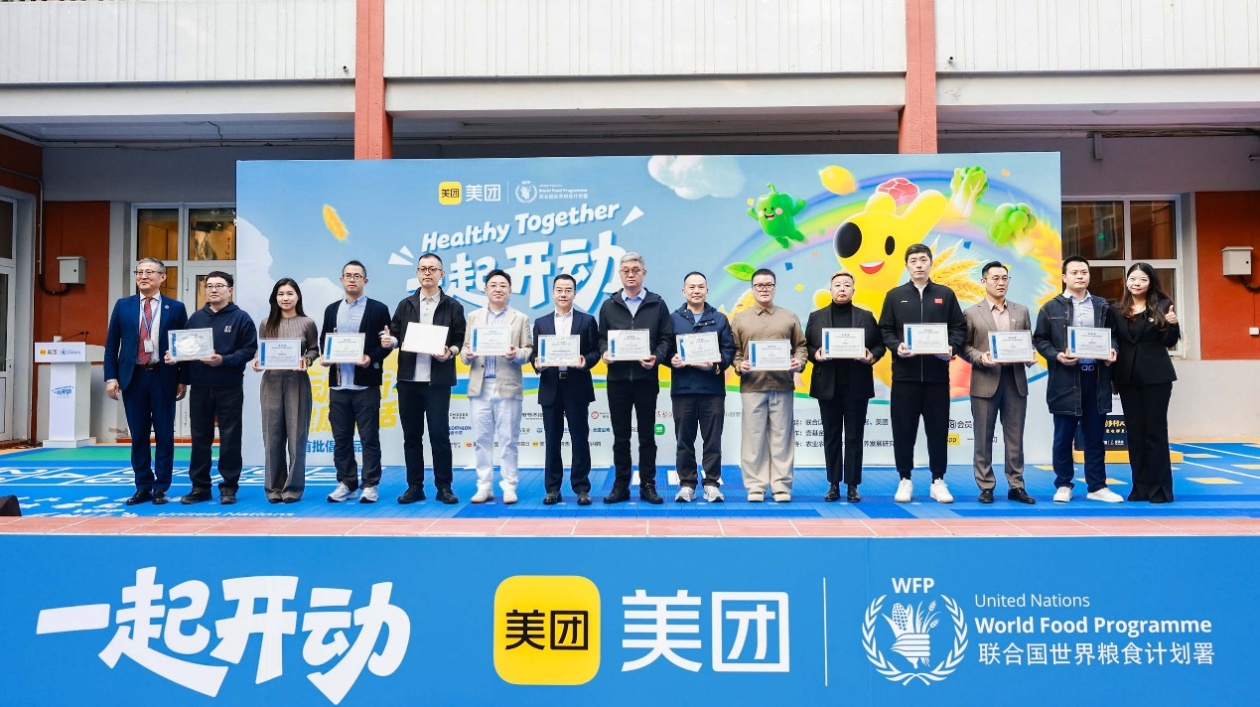
Core Viewpoint - The collaboration between Meituan and the United Nations World Food Programme (WFP) aims to promote healthy living and improve the nutritional status of urban residents and rural children through the "Healthy Together" initiative [1][3]. Group 1: Initiative Overview - The "Healthy Together" initiative includes providing more healthy consumption options and guiding the public towards a balanced lifestyle [1]. - The initiative will also support rural kindergartens by constructing playgrounds and providing nutritional support [1][3]. - A total of 15 brands, including Decathlon and Li Ning, have joined the initiative to promote health and wellness [1]. Group 2: Health and Nutrition Focus - The initiative addresses the "invisible crisis" of unhealthy dietary habits and lifestyles, aligning with the UN's Sustainable Development Goals of "Zero Hunger" and "Good Health and Well-being" [3]. - Meituan, in collaboration with the WFP and the Ministry of Agriculture and Rural Affairs, is launching "balanced diet" themed meal packages through its platforms to encourage healthy eating habits [3]. Group 3: Social Impact and Community Engagement - The initiative includes a plan for public businesses to participate in the construction of multifunctional playgrounds for rural kindergartens through donations linked to Meituan orders [3]. - By September 2025, the initiative aims to complete nearly 200 billion public orders, benefiting over 550,000 rural children through the construction of 4,080 playgrounds [3][4]. - The integration of online consumption with offline social impact is seen as a replicable model for internet-based philanthropy [4].
京东、美团、饿了么宣布:试点取消骑手超时罚款
Di Yi Cai Jing· 2025-10-16 04:40
Core Insights - JD.com has announced the cancellation of late delivery fines for delivery riders in 25 cities, replacing it with a "service score" management system, shifting from punitive measures to positive incentives [1] - Ele.me is also testing a similar service score system to replace late delivery fines, aiming for a more rewarding structure for riders, with plans to expand to more cities by October [1] - Meituan has initiated a pilot program to eliminate late delivery fines by the end of 2025, focusing on training and positive reinforcement instead of penalties [2] Group 1 - JD.com has implemented a service score system to manage delivery riders, where fines for late deliveries are replaced by deductions from service scores based on the delay duration [1] - The company is enhancing rider experience through various initiatives, including extra subsidies during adverse weather, a care fund for riders' children, and improved insurance coverage [1] - Ele.me is currently piloting a service score system in cities like Nantong and Changzhou, aiming to promote a performance-based reward system for riders [1] Group 2 - Meituan has already tested a similar system in Quanzhou, focusing on a scoring mechanism that rewards timely deliveries and provides training instead of penalties [2] - As of August, Meituan has implemented a no-fine policy in 22 cities, indicating a broader industry trend towards positive reinforcement in rider management [2] - The shift in management strategies across these companies reflects a growing recognition of the need for better rider support and motivation [2]

阿里、京东、美团,争着“发钱”喊你减肥
3 6 Ke· 2025-10-16 04:14
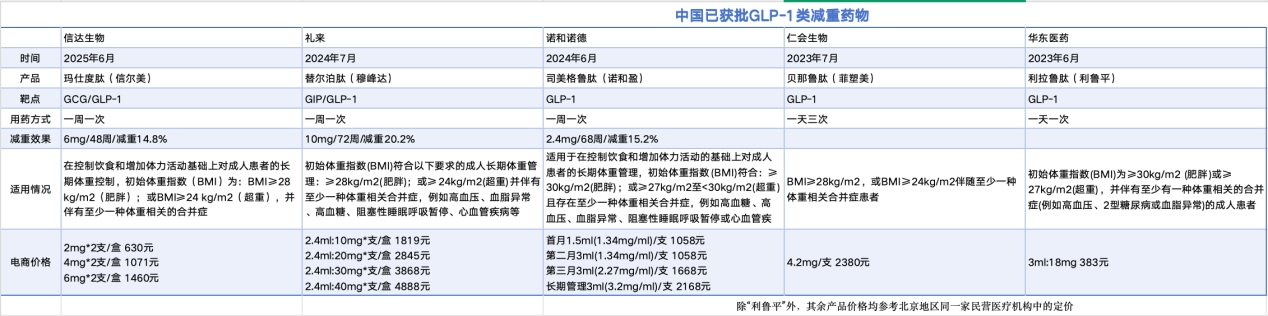
Core Insights - The GLP-1 weight loss market is experiencing significant investment and growth, with a notable $600 million Series B funding for NewCo, a subsidiary of Heng Rui Pharmaceutical, highlighting the industry's potential [1] - The focus has shifted from merely developing GLP-1 drugs to effectively commercializing them, as evidenced by the increasing number of IPO filings and soaring stock prices of companies in this sector [1] Investment Trends - Major investments are flowing into the GLP-1 market, with companies like NewCo receiving substantial funding [1] - Several companies, including Senwa Biotech and Chengyi Biotech, have filed for IPOs, indicating strong investor interest [1] Product Landscape - As of 2025, five GLP-1 injection products have been approved in China, with more in the pipeline, including those from Senwa Biotech and Heng Rui Pharmaceutical [2][6] - The approved products vary in administration frequency and weight loss efficacy, with some showing significant results over extended periods [2] Market Challenges - New GLP-1 products face hurdles in hospital sales due to strict prescription regulations and procurement limitations [3][6] - The market is transitioning towards e-commerce as a viable sales channel to overcome these challenges, with companies looking to leverage online platforms for broader consumer access [3][4] E-commerce Strategy - E-commerce is becoming a critical sales channel for GLP-1 products, with companies like Novo Nordisk and Eli Lilly beginning to embrace this shift [4][5] - By 2030, the GLP-1 market in the weight loss sector is projected to exceed 30 billion, with e-commerce expected to capture over 50% of this market [5] Consumer Engagement - The marketing approach has evolved from focusing on clinical data to enhancing consumer awareness and engagement, emphasizing the importance of user-friendly communication [5][6] - Companies are increasingly investing in promotional activities and partnerships with e-commerce platforms to drive consumer interest and sales [10][12] Competitive Landscape - The competition among e-commerce platforms is intensifying, with each platform leveraging its unique strengths to capture market share [13][14] - Cold chain logistics are becoming a crucial factor in the distribution of GLP-1 products, with companies like JD Health and Meituan Buy Medicine enhancing their capabilities to ensure product integrity [14] Future Outlook - The GLP-1 market is expected to grow rapidly, but the industry is cautious about maintaining healthy competition rather than descending into chaos [15][16]


美团外卖10月20日实行新评分规则,增加复购率食品安全等指标
Xin Lang Ke Ji· 2025-10-16 03:13
Core Viewpoint - Meituan is adjusting its merchant rating calculation rules to reduce the impact of malicious reviews and enhance the overall service quality assessment of merchants [1] Group 1: New Rating System - The new rating system will be implemented starting October 20, gradually covering all merchants nationwide [1] - The scoring will shift from a "single subjective score" to a "multi-dimensional comprehensive score," incorporating indicators such as "repurchase rate," "food quality," and "food safety" [1] - The new scoring mechanism aims to provide a more comprehensive reflection of merchants' delivery service levels and mitigate issues related to malicious negative reviews and fake positive reviews [1] Group 2: Pilot Program and Features - A pilot program for the new scoring system was initiated in cities like Tianjin and Foshan earlier this year in April [1] - The new scoring includes two main dimensions: "food quality score" and "service experience score" [1] - The "food quality score" consists of subjective ratings from customers regarding food satisfaction and packaging satisfaction, as well as objective indicators like store repurchase rates [1] - The "service experience score" includes metrics such as merchant message response rate and service negative feedback rate [1] Group 3: New Merchant Protection - To address the challenges faced by new merchants with limited reviews and significant negative feedback impact, a "new merchant protection period" has been established [1] - During this protection period, the scores for new merchants will only be displayed after accumulating a certain number of valid reviews [1]