呷哺呷哺

Search documents
北京多门店元旦餐位订满!有店跨年夜要等位到凌晨三四点
Bei Jing Shang Bao· 2025-12-29 12:48
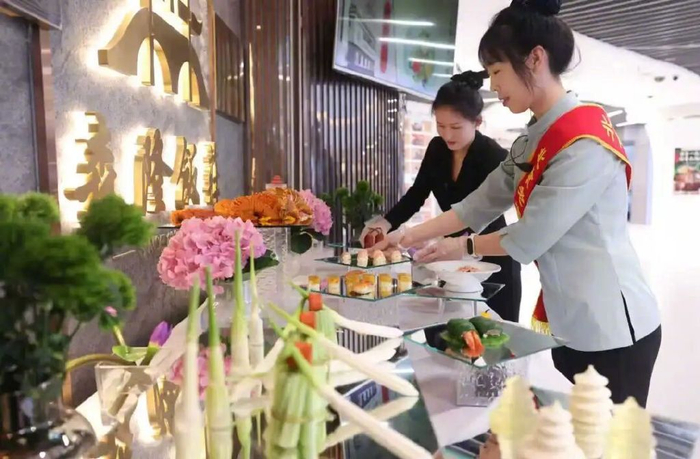
Core Viewpoint - The Beijing dining market is experiencing a consumption surge as the New Year and Spring Festival approach, with both time-honored brands and chain restaurants seeing a significant increase in reservations and supply upgrades [1][3]. Reservation Trends - Many dining establishments in Beijing have reported that reservations for the New Year holiday are nearly sold out, with some time-honored brands fully booked for private rooms [1][3]. - Hai Di Lao has seen a steady increase in reservations for New Year's Eve, with nearly half of its Beijing locations fully booked, totaling around 6,000 tables reserved compared to the same period last year [3][5]. - On New Year's Day, Hai Di Lao's reservations for lunch and dinner are fully booked, with expectations of long wait times for walk-in customers [3][5]. Preparation for Peak Traffic - Dining companies are enhancing staff arrangements and service quality to prepare for the influx of customers, including increasing personnel and providing complimentary snacks and drinks for waiting customers [5][9]. - Some restaurants are also planning interactive activities and performances to create a festive atmosphere during the holiday period [5]. Menu Innovations - Many dining establishments are reintroducing classic dishes and launching new menu items to attract customers, with time-honored brands seeing a high demand for traditional dishes [6][8]. - New offerings include seasonal dishes and creative combinations, catering to evolving consumer preferences for unique dining experiences [6][8]. Consumer Behavior - There is a noticeable shift in consumer willingness to try new dishes, with many preferring seasonal ingredients and regional specialties over standard menu items [8][11]. - The trend of "宅家跨年" (celebrating New Year at home) is driving demand for quality takeout options, prompting platforms like Dazhong Dianping to launch special initiatives to meet this new consumer need [9]. Market Dynamics - The New Year holiday is expected to significantly boost dining consumption, particularly for well-known brands that benefit from strong reputations [11]. - Companies are advised to focus on service quality and efficiency during peak times, ensuring adequate training and supply chain management to maintain customer satisfaction [11].


食品饮料行业周度更新:大众品需求边际回暖,餐供链板块周度领涨-20251229
Changjiang Securities· 2025-12-29 11:29
Investment Rating - The industry investment rating is "Positive" and is maintained [9] Core Viewpoints - The liquor sector is experiencing a phase of "supply optimization and weak demand recovery," with inventory destocking expected to continue in Q4. Short-term price recovery is anticipated due to Moutai's controlled supply, with attention on Spring Festival sales and inventory turnover [2][5] - Demand for mass consumer goods is expected to show marginal recovery, with January anticipated to see a strong start due to delayed Spring Festival stocking [2][5] - The latest recommended companies include Ganhe Weiye, Guoquan, Anqi Yeast, Babi Foods, Ligao Foods, Wancheng Group, Anjii Foods, Kuaijishan, Shanxi Fenjiu, Yanghe, and Guizhou Moutai [2][5] Summary by Sections Production Data - In November, the industry production data revealed that meat and soft drinks led the growth, with meat production increasing by 16.3% and soft drinks by 0.4%. Other categories, such as alcoholic beverages, continue to face downward pressure [4][16] - Non-alcoholic categories showed stable production growth, with notable increases in fresh and chilled meat production, driven by declining prices of core items like pork, stimulating demand [20] Market Review - Since the beginning of the year, the Food and Beverage (Yangtze) Index has decreased by 4.22%, underperforming compared to the CSI 300. The market has seen significant differentiation, particularly in Q2 and Q3, due to consumption scene restrictions and a trend towards cost-effective consumption preferences [6][28] - In the past week, the restaurant supply chain sector (including food and condiments) has outperformed, while the liquor sector (including beer and wine) has shown relatively weak performance [6][28] Industry Dynamics - Companies in the soft drink sector are focusing on core categories to enhance competitiveness, such as Yuanqi Forest divesting its dairy business to concentrate on tea and sparkling water. Cross-industry innovations are also being explored, with new products like rice whiskey targeting specific dining scenarios [7][34] - Digital transformation and employee incentives are driving channel changes, with integrated online and offline strategies becoming mainstream. Companies like Luckin Coffee and Three Squirrels are rapidly expanding into high-traffic areas [7][34]



元旦临近餐饮消费迎旺季 跨年聚餐预订热度持续攀升
Zheng Quan Shi Bao Wang· 2025-12-29 11:16
海底捞小程序预订页面显示,目前全国大部分门店在12月31日、1月1日跨年时间段的餐位已显示"候补 预订"状态。海底捞订餐数据显示,截至12月25日,全国海底捞门店跨年两天的订餐量已超40万桌。 海底捞相关负责人表示,随着全国多地气温走低,火锅消费逐步进入冬季旺季。叠加圣诞节、跨年夜、 元旦等多个节点,年末聚餐需求持续释放,跨年消费的热情尤其高涨。同时,不同消费群体在跨年方式 上的多元化选择,一定程度上推动了用餐时间的"错峰",有望进一步提升门店总接待量。 随着2026年元旦假期临近,餐饮消费市场进入传统旺季,跨年聚餐的预订热度已率先升温。 近日美团发布数据显示,最近一周平台上"跨年"主题的预售套餐订单量同比增长166%。跨年夜当天, 各地主打异国风味的餐厅预订量同比增长98%,其中,上海、北京、广州、深圳、杭州是跨年国际美食 消费TOP5热门城市,增量上,大连、天津、济南成为新晋黑马,餐厅预订量激增2倍以上。 为迎接消费高峰,平台也联合餐饮商家积极备战。近日美团上线"异国佳肴半价"活动,面向西餐、东南 亚菜、韩国烤肉、中东风味等热门菜系投入超5000万张堂食券,助力消费者以更优的价格体验到多元优 质的美食。 ...
呷哺呷哺集团荣获“金骏马ESG可持续发展先锋企业奖”
Zheng Quan Ri Bao Wang· 2025-12-29 07:44
Core Viewpoint - The article highlights that Xiabuxiabu Catering Management (China) Holdings Ltd. has been awarded the "Golden Horse ESG Sustainable Development Pioneer Enterprise Award," recognizing its role as a benchmark for high-quality ESG development in the restaurant industry [1]. Group 1: ESG Reporting and Recognition - Xiabuxiabu Group has publicly disclosed its sustainable development progress for nine consecutive years since releasing its first ESG report in 2016 [1]. - In April 2025, the company published the "2024 Environmental, Social, and Governance Report," detailing its initiatives in green operations, food waste reduction, and low-carbon supply chain transformation [1]. Group 2: Environmental Initiatives - The company aims to create environmentally friendly restaurants by using eco-friendly materials and energy-saving equipment in restaurant design, decoration, and operations, continuously reducing energy and resource consumption [1]. Group 3: Food Waste Reduction Efforts - Xiabuxiabu Group actively participates in industry food waste reduction initiatives and has contributed to the development of the "Guidelines for Enterprises to Reduce Food Waste" by the China Chain Store & Franchise Association (CCFA), providing practical case studies and data support [1].
必胜客不只卖披萨了:餐饮巨头们走向“多业态时代”
3 6 Ke· 2025-12-29 04:18
Core Insights - Increasing number of restaurant brands are betting on "sub-brands" to diversify their offerings and capture more consumer demand [1][4] - Major players like Pizza Hut, Xiaobai Xiaobai, and Haidilao are expanding into new dining categories beyond their core offerings, indicating a shift towards multi-format operations [2][5] Group 1: Company Developments - Pizza Hut has launched a new brand "Pizza Hut Grilled Skewers" in Shanghai, focusing on late-night dining with an average spend of around 70 yuan per person [1] - Xiaobai Xiaobai is preparing to open a new steakhouse, further diversifying its offerings beyond hot pot [2] - Haidilao has introduced multiple sub-brands, including a new "Dapaidang Hot Pot" in Shanghai, aiming to cater to local consumer preferences and expand its market reach [2][5] Group 2: Industry Trends - The restaurant industry is witnessing a trend where leading brands are moving from "single-point breakthroughs" to "multi-format operations" as a response to market saturation and changing consumer demands [2][4] - Consumer preferences are evolving, with dining occasions now segmented into various scenarios such as breakfast, lunch, afternoon tea, late-night snacks, and weekend gatherings [3][4] - The expansion into sub-brands is seen as a necessary strategy for major brands to maintain growth in a maturing market, as vertical growth slows down [6][8] Group 3: Strategic Considerations - Successful implementation of sub-brands is primarily seen among industry leaders due to their robust supply chain and organizational capabilities, which allow them to experiment with new concepts [7] - The existing brand equity of major players provides a competitive advantage in attracting customers to new sub-brands, reducing customer acquisition costs [7] - The diversification into sub-brands serves as a risk mitigation strategy against market fluctuations, allowing brands to spread their operational risks [7][8] Group 4: Future Outlook - The current trend of "full bloom" in restaurant offerings is viewed as a natural evolution in the industry, but success will depend on whether consumers are willing to integrate these new sub-brands into their daily lives [9]

呷哺呷哺哆啦A梦景观杯开售,全国门店主题店装同步开启
Zhong Guo Jing Ji Wang· 2025-12-29 03:38
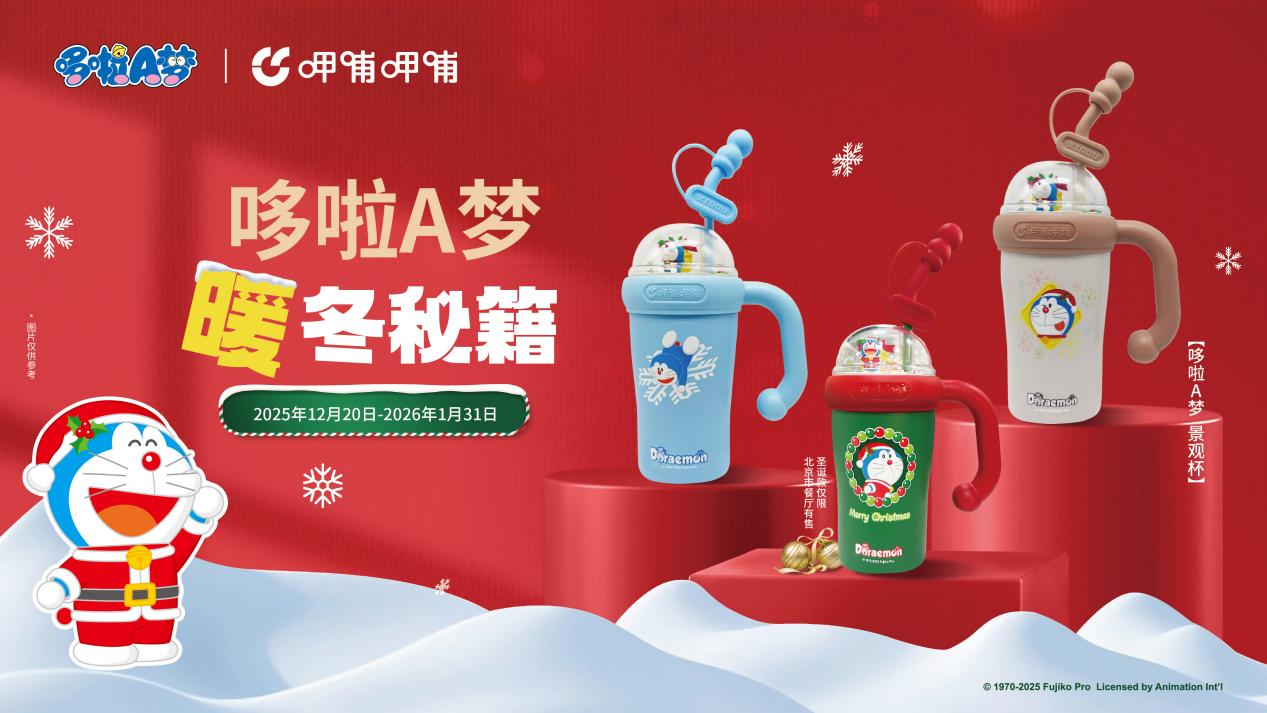
Group 1 - The core idea of the article is the launch of the "Doraemon Warm Winter Secret" marketing campaign by the hotpot chain company Xiaobai Xiaobai in collaboration with the anime IP Doraemon, aimed at creating emotional resonance with consumers during the festive season [1] - The "Doraemon Winter Scenic Cup" was launched on December 20 across over 700 restaurants nationwide, priced at 78 yuan, with a member-exclusive price of 68 yuan. The cup features a C-shaped handle, detachable straw, and dust cover, emphasizing both aesthetics and practicality [3] - During the campaign, customers who bring the winter scenic cup to Xiaobai Xiaobai's tea brand "Chami Tea" can enjoy an 8 yuan discount on large hot tea drinks, enhancing customer engagement [3] Group 2 - The collaboration targets Gen Z consumers aged 18-25 who pursue individuality and diverse cultures, as well as consumers aged 30-45 with a deep emotional connection to Doraemon. The campaign aims to evoke nostalgia and emotional connections through the warm image of Doraemon [4] - The initiative is designed to provide a creative and healing winter experience for Gen Z while also rekindling fond memories for older consumers, thereby establishing a deeper emotional connection during dining experiences [4] - The company plans to continue attracting a broader customer base through innovative collaborations, quality service, and unique experiences, aiming to create differentiated consumption experiences [4]
看2026|呷哺集团贺光启:坚持多品牌、多元化协同发展战略
Sou Hu Cai Jing· 2025-12-27 03:00
Core Viewpoint - The article discusses the upcoming economic strategies and goals for 2026, emphasizing the importance of expanding domestic demand and optimizing supply to achieve sustainable growth in the Chinese economy [1]. Group 1: Economic Strategies - The Central Economic Work Conference highlighted the need to "maintain stability while seeking progress" and to focus on stabilizing employment, enterprises, markets, and expectations to enhance the quality and reasonable growth of the economy [1]. - The article introduces a special report titled "Looking at 2026: The 14th Five-Year Plan and New Journey," which aims to gather insights from regulatory bodies, scholars, and leading entrepreneurs to interpret policy trends and changes [1]. Group 2: Company Initiatives - The founder and chairman of Xiabuxiabu Group, He Guangqi, stated that the company will implement specific measures to expand domestic demand and optimize supply, leveraging nearly 30 years of experience in the hot pot industry [6]. - Xiabuxiabu Group plans to continue its multi-brand and diversified development strategy in 2026, introducing new brands and products to broaden market demand and cultivate new growth engines for sustainable development [6][7]. - The company will utilize its supply chain advantages, including its own organic sheep farm and vegetable bases, to ensure high-quality ingredients at affordable prices, meeting consumer demands for freshness, taste, and value [7]. Group 3: Employee Development - Xiabuxiabu Group will enhance its internal partnership system, "Feng Huan Chao," in 2026, allowing more outstanding internal employees to become partners, thereby boosting employee motivation and achieving mutual benefits for both employees and the company [7].

【聚焦IPO】巴奴再冲港股IPO,营收超 20 亿,非正式用工占比超8成引关注
Sou Hu Cai Jing· 2025-12-26 13:13
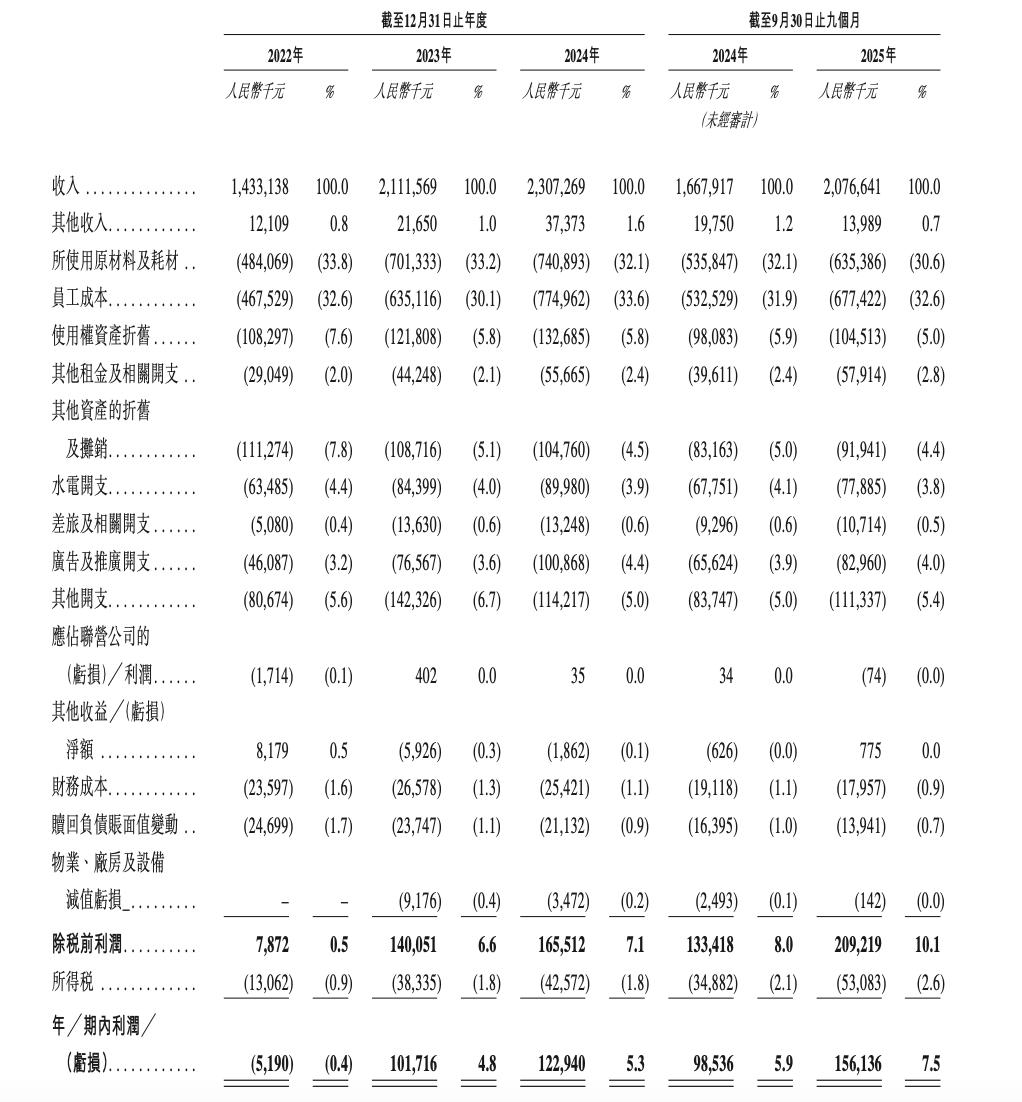
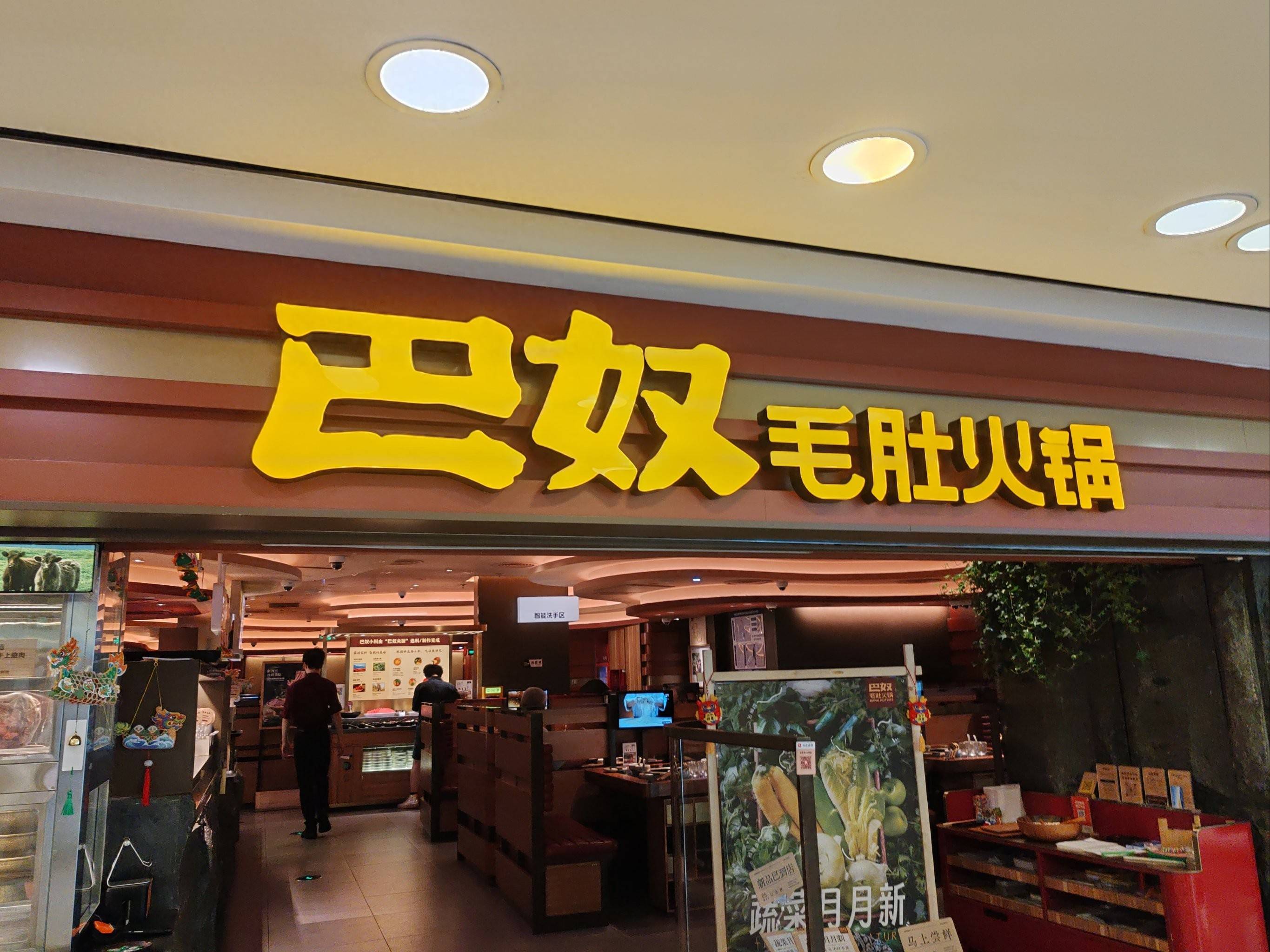
Core Viewpoint - Banu International Holdings Limited has updated its prospectus for an IPO in Hong Kong, following the expiration of its first prospectus, amid controversies regarding pricing and product issues [5][17]. Financial Performance - For the first three quarters of 2025, Banu reported revenue of 2.077 billion RMB and an adjusted net profit of 235 million RMB, with a same-store sales growth rate of 4.3% [5][6]. - The company's revenue from 2022 to September 2025 was 1.433 billion RMB, 2.111 billion RMB, 2.307 billion RMB, and 2.077 billion RMB respectively, showing a growth trend [6][12]. - Banu's gross margin has improved, with the cost of materials decreasing from 33.8% in 2022 to 30.6% in the first nine months of 2025 [8]. Market Position - Banu ranks third in the Chinese hot pot market and first in the high-end segment with a market share of approximately 3.1% [5][6]. - The average customer spending has decreased from 150 RMB in 2023 to 138 RMB in the first nine months of 2025, although it remains higher than competitors like Haidilao [12][16]. Store Expansion and Operations - As of September 2025, Banu operates 162 stores across 46 cities, a 95.2% increase from the end of 2021 [6][10]. - The company has adopted a labor model with a high proportion of non-formal employees, with 82.2% of its workforce being part-time or outsourced [8][10]. Challenges and Risks - Banu faces challenges in maintaining its high-end brand narrative amid declining customer spending and increased competition in the hot pot market [12][16]. - The company has been scrutinized for its labor practices and governance issues, including a controversial dividend payout of 70 million RMB amid high debt levels [17][18]. Future Plans - Banu plans to use the funds raised from the IPO to expand its restaurant network, enhance digital capabilities, and optimize its supply chain, with a target of opening approximately 177 new restaurants from 2026 to 2028 [17][18].
2025餐饮十大关键词发布:上市潮、外卖大战、现炒……
Sou Hu Cai Jing· 2025-12-26 11:01
Core Insights - The restaurant industry in 2025 faced significant challenges, with a sense of uncertainty prevailing throughout the year, leading to transformative changes that will impact the future [1] Group 1: IPO Wave - A wave of IPOs occurred in the restaurant industry in 2025, particularly in the tea beverage sector, with companies like Gu Ming, Mi Xue Bing Cheng, and others successfully entering the capital market [2] - Future IPO activity is expected to decline due to the saturation of top-tier companies and increased listing standards set by the Hong Kong Stock Exchange [2] Group 2: Takeout Wars - The fierce competition in the takeout sector resulted in a loss of 80 billion yuan, highlighting the intense and brutal nature of the market [3] - The competition evolved through two phases, with major players like JD and Meituan initially competing, followed by a shift in focus to instant retail [3] - Regulatory intervention and industry association calls for sustainability led to a de-escalation of the takeout wars by late 2025 [3] Group 3: Platform Rankings - Internet giants engaged in a battle for restaurant rankings, with platforms like Gaode and Douyin launching various lists to address industry pain points and rebuild evaluation systems [5] - The competition for rankings reflects a fundamental shift in business logic, aiming to create a trustworthy, data-driven local service ecosystem [5] Group 4: Regional Flavors Nationalization - The trend of regional flavors gaining national popularity intensified, with dishes like Guizhou sour soup and Jiangxi stir-fry emerging as significant market players [6] - The market for Jiangxi stir-fry is projected to exceed 50 billion yuan, driven by consumer preferences for cost-effectiveness and freshly cooked meals [6] - Challenges such as ingredient supply and standardization remain, but the trend contributes to local agricultural development and diversifies consumer choices [6] Group 5: Growth in Store Count and Cross-Industry Expansion - Three brands joined the "10,000 store club" in 2025, marking a significant milestone despite a shift in focus from store count to horizontal expansion [8] - Brands like Haidilao are exploring various formats and cross-industry ventures, indicating a trend towards diversification and resilience [8] Group 6: The "Xi Luo" Controversy - The "Xi Luo" incident triggered significant industry reflection, leading to a reevaluation of standards and consumer perceptions within the restaurant sector [9] - The founder of Xibei acknowledged the impact of pride on business decisions, emphasizing the need for humility and adaptability in the face of challenges [9] Group 7: Foreign Enterprises Changing Ownership - In November 2025, Starbucks China and Burger King China changed ownership to local institutions, indicating a shift towards deep localization in the restaurant sector [10] - The ability to understand local consumer demands and establish a localized operational framework is becoming crucial for success in the Chinese market [10] Group 8: Regulatory Standardization - Increased regulatory scrutiny in the restaurant industry was evident in 2025, particularly concerning takeout services and social security compliance [11] - The implementation of national standards for takeout platforms and the prohibition of voluntary social security waivers reflect a commitment to consumer protection and industry accountability [11]




162家店年入23亿,河南跑出的火锅店要IPO了
3 6 Ke· 2025-12-24 12:49
Core Viewpoint - Banu Hotpot is attempting to go public again despite challenges in the competitive hotpot market, aiming to become the "first quality hotpot stock" in Hong Kong after Haidilao and Xiaobawang [2][4]. Financial Performance - Banu's revenue for 2022, 2023, and 2024 is projected to be 1.433 billion, 2.111 billion, and 2.307 billion RMB respectively, totaling over 5.8 billion RMB in three years [4][5]. - The adjusted net profit for 2022, 2023, and 2024 is expected to be 41.46 million, 144 million, and 168 million RMB respectively, with a net profit of 235 million RMB in the first three quarters of 2025 [4][5]. - In the first three quarters of 2025, Banu's revenue reached 2.077 billion RMB, a 24.5% increase from 1.668 billion RMB in the same period last year [4][5]. Market Position - Banu is the third largest brand in China's hotpot market by revenue, holding approximately 0.4% market share as of 2024 [4]. - In the high-end hotpot segment, Banu leads with a 3.1% market share, while being the third overall in the hotpot market [15]. Store Expansion - As of December 7, 2025, Banu operates 162 stores across 46 cities, a 95.2% increase since the end of 2021 [7]. - The company plans to open approximately 52, 61, and 64 new stores in China from 2026 to 2028 [8]. Cost Structure - Banu's largest expenses are raw materials and labor, with raw materials accounting for 30.6% of revenue in the first three quarters of 2025, down from 33.8% in 2022 [6]. - The company employs a significant number of part-time and outsourced workers, with full-time employees making up only 17.8% of the workforce [6]. Customer Insights - Banu's average customer spending was 147 RMB in 2022, 150 RMB in 2023, and decreased to 138 RMB in 2025 [16]. - The company serves approximately 15.7 million customers in the first three quarters of 2025, a 30% increase year-on-year [13]. Competitive Landscape - Banu's table turnover rate is 3.6 times per day, higher than the industry average of 2.5 times, but still lower than Haidilao's 4.1 times [16]. - The company focuses on high-quality ingredients and a unique product offering, differentiating itself from competitors like Haidilao, which has diversified into multiple dining formats [17][19].