分众传媒

Search documents
传媒互联网行业周报:ChinaJoy火热开幕暑期档票房突破60亿元-20250804
Guoxin Securities· 2025-08-04 08:21
Investment Rating - The report maintains an "Outperform" rating for the media industry [5][39]. Core Views - The media sector has shown a positive performance with a 1.11% increase, outperforming both the CSI 300 (-1.75%) and the ChiNext Index (-0.74%) during the week [12][39]. - The report highlights the significant box office performance during the summer season, with total box office exceeding 60 billion yuan, led by the film "Nanjing Photo Studio" [2][19]. - The report emphasizes the upward trend in the performance cycle, particularly in AI applications and IP-driven products, suggesting a favorable outlook for the industry [4][39]. Summary by Sections Industry Performance - The media sector's performance for the week (July 28 - August 1) was an increase of 1.11%, ranking third among all sectors [12][14]. - Notable gainers included Guomai Culture, Yidian Tianxia, Shanghai Film, and Beijing Culture, while losers included Lansheng Co., Xinhua Media, and ST Fanli [12][39]. Key Highlights - ChinaJoy opened with high attendance, featuring 743 participating companies, of which 31.8% were foreign [2][18]. - The gaming sector is highlighted with the release of new AI functionalities and models, such as Grok's "Imagine" feature and Kimi K2 Turbo, which significantly improved output speed [2][16][17]. - The report tracks significant box office data, with "Nanjing Photo Studio" leading with a box office of 10.23 billion yuan, accounting for 62.9% of the total for the week [3][19]. Investment Recommendations - The report suggests focusing on sectors such as gaming, advertising media, and film, with specific stock recommendations including Kaiying Network, Giant Network, and Yaoji Technology [4][39]. - It also highlights the potential in high-dividend, low-valuation state-owned publishing sectors and the growing demand for IP-driven products and AI applications [4][39]. Company Earnings Forecasts - Key companies such as Kaiying Network, Fenzhong Media, and Mango Super Media are rated as "Outperform" with projected earnings per share (EPS) growth for 2025 and 2026 [5][42].



互联网传媒周报:Figma上市大涨,发布全球AI设计深度,分众与支付宝合作发布会举办在即-20250804
Shenwan Hongyuan Securities· 2025-08-04 08:18
Investment Rating - The report maintains a positive outlook on the internet media sector, indicating an "Overweight" rating, suggesting that the industry is expected to outperform the overall market [4]. Core Insights - The report highlights the strong performance of AI applications in the US stock market, particularly noting Figma's successful IPO and its market capitalization exceeding $50 billion. Figma's integration of AI into design workflows is expected to enhance customer retention and drive revenue growth [4]. - The report identifies several key opportunities within the domestic AI application industry, including AI design, AI advertising, AI companionship/gaming, cross-border e-commerce, and education [4]. - The gaming sector is also highlighted, with Tencent's new game "Delta Action" exceeding expectations in daily active users, indicating strong growth potential despite high baseline comparisons [4]. - The report emphasizes the ongoing high demand for consumer entertainment sectors such as trendy toys, music, and concerts, with companies like Pop Mart and NetEase Cloud Music being recommended as core investment targets [4]. Summary by Sections AI Applications - Figma's revenue for 2024 is projected at $749 million, reflecting a year-over-year growth of 48%. The company's Rule of 40 score is among the top in the SaaS sector, with a revenue growth rate of 46% and an operating margin of 18% [4]. - The report suggests focusing on domestic AI design companies like Meitu, which is expected to grow at a CAGR of approximately 40% from 2024 to 2026, and Kuaishou, which has a low PE ratio of 15x [4]. Gaming Sector - Tencent's gaming growth potential is considered underestimated, with new titles like "Delta Action" performing well in the market. The report anticipates continued growth from other titles in development [4]. - Other companies such as Giant Network and Huatuo are also mentioned for their innovative game offerings and potential for future growth [4]. Consumer Entertainment - The report continues to recommend companies in the high-demand consumer entertainment sector, including Pop Mart and NetEase Cloud Music, as they have adjusted to high valuations and are entering favorable investment zones [4]. Advertising and Marketing - The collaboration between Focus Media and Alipay is noted as a significant development, aiming to create new marketing paradigms by integrating digital and physical spaces [4].


《731》定档!期待接力《南京照相馆》等暑期大片,继续引爆票房,传媒ETF(159805)上涨近1%
Xin Lang Cai Jing· 2025-08-04 07:43
Group 1 - The core viewpoint highlights a strong performance in the media sector, with the CSI Media Index rising by 1.03% and several key stocks, including Giant Network and Shenzhou Taiyue, experiencing significant gains [1] - The cumulative box office of three major films, "The King's Avatar: For the Glory," "The Little Monster of Langlang Mountain," and "Nanjing Photo Studio," has surpassed 1.5 billion [1] - High ratings for recent domestic films, such as "The King's Avatar: For the Glory" and "Nanjing Photo Studio," are expected to drive future box office performance, with the potential for increased screenings for "The Little Monster of Langlang Mountain" [1] Group 2 - The CSI Media Index tracks 50 large-cap listed companies in marketing, advertising, cultural entertainment, and digital media sectors, reflecting the overall performance of representative companies in the media field [2] - As of July 31, 2025, the top ten weighted stocks in the CSI Media Index account for 47.81% of the index, with companies like Focus Media and Giant Network among the leaders [2]


传媒互联网周报:ChinaJoy火热开幕,暑期档票房突破60亿元-20250804
Guoxin Securities· 2025-08-04 06:18
Investment Rating - The report maintains an "Outperform" rating for the media industry [5][39]. Core Views - The media sector has shown a positive performance with a 1.11% increase, outperforming both the CSI 300 (-1.75%) and the ChiNext Index (-0.74%) during the week of July 28 to August 1 [12][39]. - The report highlights the significant box office performance during the summer season, with total box office revenue surpassing 60 billion yuan, led by the film "Nanjing Photo Studio" [2][19]. - The report emphasizes the upward trend in the performance cycle, particularly in AI applications and IP (Intellectual Property) trends, suggesting a favorable outlook for these areas in the medium to long term [4][39]. Summary by Sections Industry Performance - The media sector's performance ranked third among all sectors for the week, with notable gains from companies like Guomai Culture, Yidian Tianxia, Shanghai Film, and Beijing Culture [12][14]. - The report notes that the top three films for the week were "Nanjing Photo Studio" (1.023 billion yuan, 62.9% market share), "Xitai" (144 million yuan, 8.8% market share), and "Lychee of Chang'an" (124 million yuan, 7.6% market share) [3][19]. Key Developments - The report mentions the opening of ChinaJoy, with 743 companies registered, including a 31.8% foreign participation rate, indicating strong interest in the gaming and digital entertainment sectors [2][18]. - New AI features and products were highlighted, including Grok's new video generation capability and the release of Kimi K2 Turbo, which significantly increased output speed [2][16][17]. Investment Recommendations - The report suggests focusing on sectors such as gaming, advertising media, and film, with specific stock recommendations including Kaiying Network, Giant Network, and Yaoji Technology for gaming; Focus Media and Bilibili for media; and Wanda Film and Huace Film for film content [4][39]. - The report also emphasizes the potential of high-dividend, low-valuation state-owned publishing companies and the growing demand for IP-driven products, recommending companies like Pop Mart and Zhejiang Wenlian [4][39].
周观点 |AI设计软件Figma上市,美股财报季逐步验证AI应用商业化空间【建投传媒互联网】
Xin Lang Cai Jing· 2025-08-04 02:20
Core Insights - The AI sector is experiencing significant catalysts, including the listing of Figma, better-than-expected earnings from Meta and Microsoft, and the implementation of the "Artificial Intelligence +" initiative in China [1] - The upcoming earnings reports from major AI application companies in the U.S. are anticipated, with key companies like Palantir, Applovin, Unity, Duolingo, Shopify, and Salesforce scheduled to report [1] - Meta's advertising business saw a 21% year-on-year growth in Q2, driven by AI advancements, while Microsoft's Copilot user base has exceeded 100 million [1] AI Sector Developments - Figma's IPO has set a new valuation benchmark for AI design software, with a first-day increase of 250% and projected revenue of $750 million for 2024 [2] - Meta's Q2 revenue reached $47.52 billion, a 22% increase year-on-year, primarily driven by advertising, with core ad revenue growing by 21% [2] - Microsoft's Copilot Studio has over 100 million monthly active users, with GitHub Copilot reaching 20 million users [1][2] Company-Specific Updates - Focus Technology's Agent AI product has seen rapid commercialization, with over 9,000 paid members and cash revenue exceeding 45 million yuan [2] - Wanxing Technology has launched its new AI model and Agent products, enhancing its capabilities in video generation and creative tasks [2] - Kuaishou's AI product, Keling, has shown significant commercial acceleration, with monthly paid amounts exceeding 10 million yuan in April and May [2] Market Trends - The AI advertising penetration rate is currently at 20%, with a target of over 50% by the end of 2025 [3] - The gaming sector is witnessing a surge in user engagement, with significant interest in new titles showcased at ChinaJoy [7][8] - The film and entertainment industry is experiencing a box office recovery, with notable performances from recent releases [11][12] Financial Performance - The average increase in AI application companies tracked is 2.94% this week, with a year-to-date increase of 19.78% [13] - The gaming sector index has risen by 0.9% this week, with a year-to-date increase of 35.4% [13] - The film and entertainment index has increased by 3.22% this week, driven by strong box office performances [13]


中原证券晨会聚焦-20250804
Zhongyuan Securities· 2025-08-04 01:05
Core Insights - The report highlights the ongoing recovery of the Chinese economy, driven by consumption and investment, with a stable upward trend in the A-share market supported by policy and capital inflows [13][14][15]. Domestic Market Performance - The Shanghai Composite Index closed at 3,559.95, down 0.37%, while the Shenzhen Component Index closed at 10,991.32, down 0.17% [3]. - The average P/E ratios for the Shanghai Composite and ChiNext are 14.66 and 40.72, respectively, indicating a suitable environment for medium to long-term investments [13][14]. International Market Performance - Major international indices, including the Dow Jones and S&P 500, experienced declines of 0.67% and 0.45%, respectively, reflecting a cautious global market sentiment [4]. Industry Analysis Photovoltaic Industry - The photovoltaic index rebounded significantly in July, with a 9.73% increase, outperforming the CSI 300 index, driven by policies addressing low-price competition [18][19]. - The domestic new photovoltaic installed capacity in June was 14.36 GW, a year-on-year decline of 38.45%, while the cumulative installed capacity for the first half of the year reached 212.21 GW, a 107.07% increase [19]. - The report suggests that the photovoltaic industry is expected to see improved supply-demand dynamics as policies for capacity reduction are implemented [20]. New Energy Vehicle Industry - The global sales of new energy vehicles are projected to reach 20 million units by 2025, with China maintaining a leading position, accounting for 65% of global sales in 2024 [23]. - The report emphasizes the comprehensive development of the new energy vehicle industry chain in Henan Province, which has seen significant growth and is now among the top ten in production nationwide [24]. New Energy Storage Industry - The new energy storage market is experiencing rapid growth, with a projected installation of 300 million kW by 2025, driven by advancements in lithium-ion battery technology and supportive government policies [27][30]. - The report outlines the competitive landscape of the energy storage system integration market, highlighting key players and the importance of technological advancements [28]. Engineering Machinery and Robotics - The engineering machinery sector showed a 7.35% increase in July, outperforming the CSI 300 index, with strong performance in laser processing equipment and engineering machinery [32][33]. - The report recommends focusing on companies with stable earnings and high dividend yields in the engineering machinery sector [33]. Power and Utilities Sector - The power and utilities index underperformed the market, with a 2.12% increase in July, while the overall electricity demand showed a year-on-year growth of 5.4% in June [35][36]. - The report maintains a "stronger than market" investment rating for the power and utilities sector, emphasizing the importance of stable earnings from large hydropower companies [36].

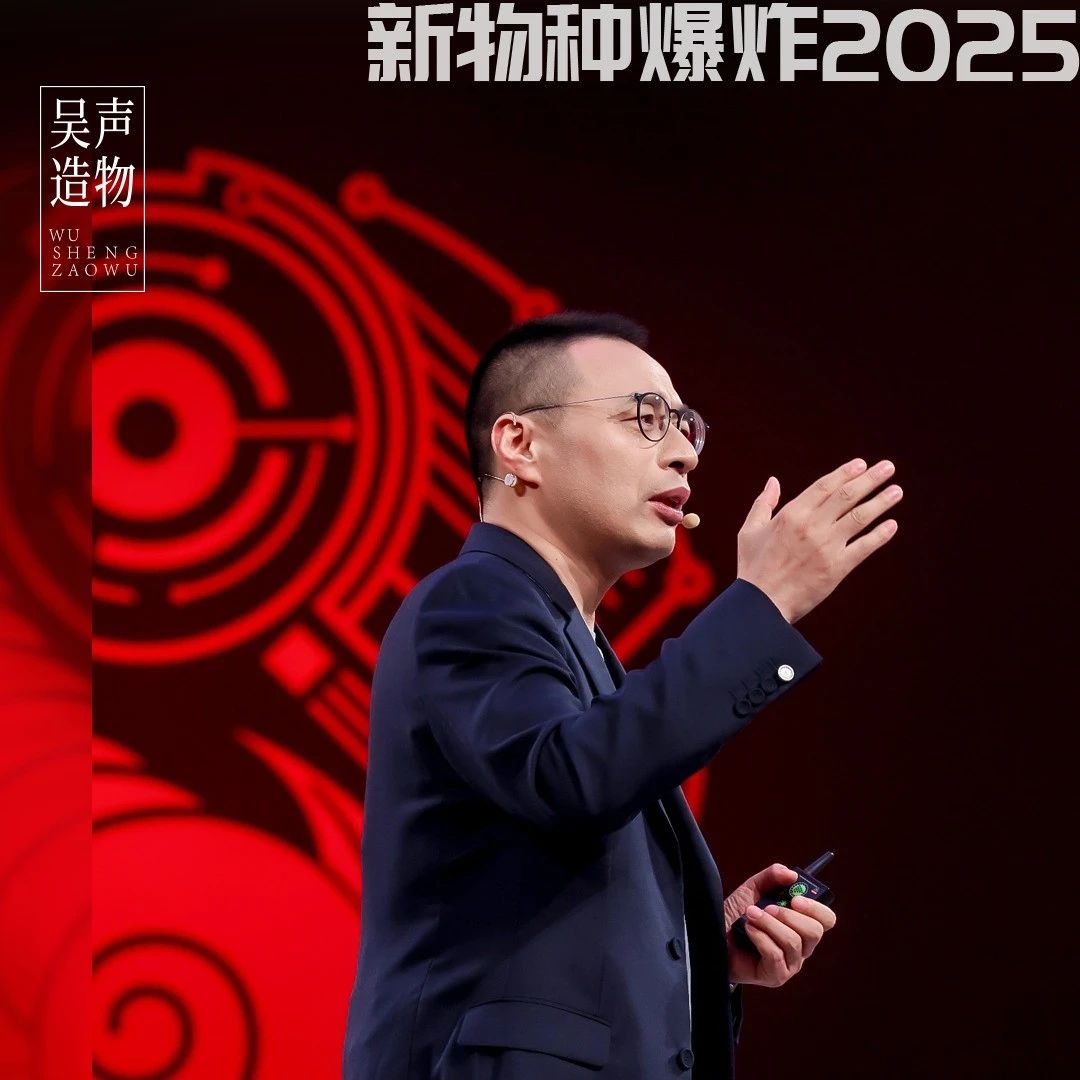
吴声2025年度演讲:词是旧的,意义才是新的
虎嗅APP· 2025-08-04 00:39
Core Viewpoint - The article discusses the "AI Scene Revolution" and its impact on business, emphasizing the need for reconstructing meaning in various scenarios through innovative methods and the emergence of new species in the market [5][20]. Group 1: Scene Creation Over the Past Decade - The past decade has been marked by the evolution of "scene creation," where meticulously designed scenarios drive the growth of new market entities [11][19]. - The evolution of brands like Sanwing Bird illustrates the shift from product-centric to solution-oriented approaches, focusing on personalized home scene customization [14][15]. - Red Star Macalline's transformation into an "AI home life destination" showcases the integration of home appliances, furniture, and decoration into a cohesive business model [17][19]. Group 2: Instant Emergence and Meaning Reconstruction - The concept of "instant emergence" highlights the importance of designing specific scenarios to avoid losing sight of the rapid changes in AI applications and market dynamics [20][22]. - The advancements in AI technology, such as Amazon's robotics and Google's Gemini Robotics, signify a shift towards cognitive capabilities in machines, although the full potential is yet to be realized [22][24]. - The article posits that the AI scene revolution is fundamentally a cognitive revolution, urging a return to philosophical inquiries about human existence and meaning [24][26]. Group 3: The Four Keywords of Meaning Coordinates - The four keywords for reconstructing meaning in the current era are NOW (the power of connection), HERE (the reality of presence), FLOW (the pursuit of immersive experiences), and EGO (the core question of self) [26][28]. Group 4: The NOW Connection - The NOW concept emphasizes the significance of real-time connections in the AI era, where platforms like Xiaohongshu redefine user engagement through immediacy and shared experiences [30][33]. - The organizational innovation at brands like Three Squirrels demonstrates how understanding the needs of younger consumers can lead to effective decision-making and product development [38][39]. Group 5: Flowing Human-Machine Interaction - The evolution of human-machine interaction is characterized by the emergence of "intelligent agents" that enhance user experiences through seamless communication and emotional understanding [51][52]. - Companies like Lenovo are leading the way in creating integrated AI ecosystems that facilitate smooth interactions across various devices [54][56]. Group 6: Beyond the Scene Narrative - The article discusses how physical retail spaces, such as Anta's innovative stores, serve as both entry points and destinations, enhancing customer engagement through unique narratives [78][79]. - The integration of digital and physical experiences is crucial for creating meaningful interactions in today's market [82][83]. Group 7: The EGO Consensus - The importance of maintaining uniqueness while fostering collective intelligence is emphasized, as seen in brands like Maogeping, which focus on individual beauty and personalized experiences [101][102]. - The article suggests that the AI cycle is leading to a new balance, where brands must adapt to the evolving landscape while staying true to their core values [103].

吴声2025年度演讲:场景革命十年,哲学生活方式到来
创业邦· 2025-08-04 00:09
Core Insights - The article emphasizes the concept of "scene creation" as a driving force behind the evolution of new business models and brands in the AI era, highlighting the importance of designing specific scenarios to foster innovation and user engagement [5][15][21]. Group 1: Scene Creation and Brand Evolution - The evolution of brands like San Yi Niao and Red Star Macalline illustrates how understanding user needs and creating tailored solutions can lead to significant business transformations [10][12]. - The concept of "effective time" is replacing "effective space" as the core standard in home living, indicating a shift towards personalized experiences in smart home solutions [10]. - The "scene brand evolution" is characterized by a dual process of deconstruction and emergence, driven by unique situational endowments in various fields [14]. Group 2: AI and Technological Integration - The article discusses the emergence of "Agentic AI" and its potential to reshape productivity and efficiency, although it notes that many applications are still in the exploratory phase [17][19]. - The integration of AI into everyday scenarios is seen as a pathway to enhance user experiences and create new value propositions, as demonstrated by companies like Xiaomi and Star Charging [29][32]. Group 3: Consumer Engagement and Experience - The rise of platforms like Xiaohongshu showcases how real-time connections and user-generated content can redefine consumer engagement and brand value [25][26]. - The concept of "NOW" emphasizes the importance of immediate connections and experiences in the digital age, where traditional metrics of engagement are being replaced by real-time interactions [22][40]. Group 4: Physical and Digital Integration - The article highlights the need for seamless integration between physical spaces and digital experiences, as seen in the collaboration between companies like Fenjun Media and Alipay [35]. - The evolution of human-machine interaction is discussed, with a focus on creating fluid and intuitive experiences that enhance user engagement [41][43]. Group 5: Cultural and Community Engagement - The development of localized cultural spaces, such as the "New Species Space" project, illustrates the importance of community engagement and cultural relevance in modern business strategies [72][73]. - The article emphasizes the role of emotional connections and personal narratives in shaping consumer experiences, particularly in the context of emerging brands and products [69][70].

吴声2025年度演讲:场景革命十年,哲学生活方式到来
凤凰网财经· 2025-08-03 14:04
Core Viewpoint - The article discusses the ongoing AI scene revolution and its impact on business, emphasizing the need for reconstructing meaning in specific scenarios to adapt to the evolving landscape of consumer needs and technological advancements [5][22][28]. Group 1: Scene Creation and Evolution - The concept of "scene creation" has evolved over the past decade, highlighting the importance of well-designed scenarios in driving the growth of new business entities [13][21]. - Companies like Sanwing Bird and Red Star Macalline exemplify the evolution of scene brands, focusing on personalized solutions and integrating various home-related services to enhance consumer experience [16][19]. - The article notes that understanding user needs within specific scenarios is crucial for brands to innovate and adapt in the AI era [17][21]. Group 2: Instant Emergence and Meaning Reconstruction - The term "instant emergence" refers to the necessity of believing in the emergence of scenarios at every technological moment, which is essential for navigating the rapid changes brought by AI [24][26]. - The article emphasizes that AI's evolution is not just about technology but also involves a cognitive revolution that redefines human existence and experience [26][28]. - The reconstruction of meaning in everyday life is highlighted as a key aspect of the AI scene revolution, where philosophical considerations become integral to understanding technology's role [28][30]. Group 3: Connection and Interaction - The article introduces the concept of "NOW," focusing on the importance of real-time connections in the attention economy, as exemplified by platforms like Xiaohongshu [35][36]. - The evolution of human-machine interaction is discussed, with an emphasis on creating seamless experiences that enhance user engagement and satisfaction [55][56]. - The emergence of "smart agents" as a new form of digital self is highlighted, showcasing how AI can enhance user experiences by understanding and anticipating needs [56][59]. Group 4: Physical and Digital Integration - The integration of physical and digital experiences is emphasized, with examples of companies like Xiaomi and Jiumu showcasing how they leverage AI to enhance user interactions in real-world scenarios [42][73]. - The article discusses how brands are rethinking physical spaces to create meaningful consumer experiences, transforming retail environments into engaging community hubs [82][84]. - The rise of emotional commerce, particularly through collectible toys, reflects a shift towards products that resonate with consumers' identities and emotions [89][90].
吴声2025年度演讲:场景革命十年,哲学生活方式到来
3 6 Ke· 2025-08-03 13:34
Group 1 - The core theme of the event is "Momentary Emergence," focusing on the AI scene revolution and its impact on business and philosophy [3][16] - Wu Sheng, the founder of Scene Laboratory, emphasizes the importance of reconstructing meaning coordinates in specific scenarios [3][22] - The event outlines four innovative methods for "meaning reconstruction": NOW (connection in the moment), FLOW (smooth human-machine interaction), HERE (narrative beyond presence), and EGO (the core question of self) [3][22] Group 2 - The evolution of scene creation over the past decade is highlighted, showcasing how meticulously designed scenarios drive the growth of new species in business [9][15] - The case of Sanwing Bird illustrates the shift from product-focused to solution-oriented approaches in smart home scenarios, emphasizing personalized family scene customization [11][15] - Red Star Macalline's transformation into an "AI home life destination" reflects the deep understanding of lifestyle changes brought by AI, integrating home appliances, furniture, and decoration [13][15] Group 3 - The concept of "Momentary Emergence" suggests that the future of AI applications will evolve through carefully designed scenarios, avoiding superficial trends [16][20] - The advancements in AI technology, such as Amazon's robotics and Google's Gemini Robotics, indicate a shift towards cognitive capabilities in machines [18][20] - The potential economic impact of AI is significant, with projections suggesting a possible GDP growth of 20-30% due to AI advancements [20] Group 4 - The "philosophical lifestyle cycle" is introduced, emphasizing the need to find and reconstruct meaning coordinates in everyday life through specific scenarios [22][24] - The importance of user-generated content (UGC) in platforms like Xiaohongshu is highlighted, showcasing its role in connecting people and information in real-time [27][29] - The concept of "effective time" is emerging as a new standard in family living, replacing the traditional focus on effective space [11][15] Group 5 - The evolution of physical retail spaces, such as Anta's innovative store designs, reflects a shift towards creating immersive and community-oriented shopping experiences [63][64] - The integration of AI in physical spaces is transforming how consumers interact with products, enhancing the overall shopping experience [60][65] - The rise of emotional commerce, particularly in the context of trendy toys, illustrates the changing landscape of consumer engagement and brand connection [70][71]