江淮汽车

Search documents
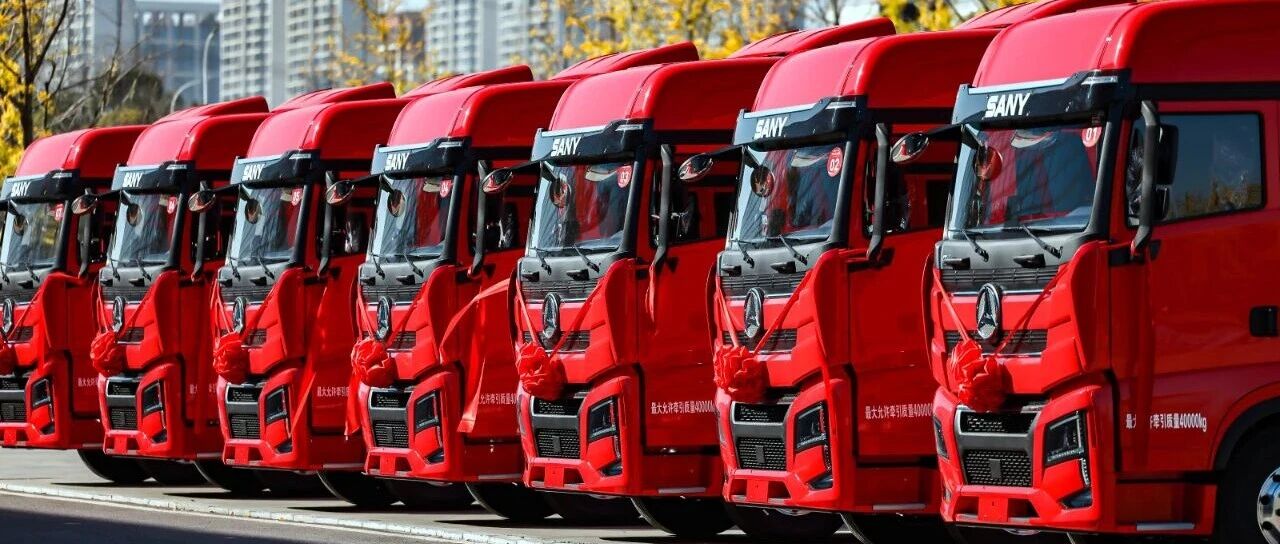
解放第一 徐工/三一争前二 11月新能源牵引车狂飙2万辆再创新高 | 头条
第一商用车网· 2025-12-05 08:03
Core Viewpoint - In November 2025, the sales of new energy heavy trucks and traction vehicles reached record highs, with significant year-on-year growth, indicating a robust market trend in the new energy commercial vehicle sector [1][4][22]. Group 1: Sales Performance - In November 2025, new energy traction vehicles sold 19,800 units, marking a year-on-year increase of 185% and a month-on-month increase of 48% [4][5]. - The total sales of new energy heavy trucks reached 24,000 units in November, reflecting a year-on-year increase of 176% [1]. - Cumulatively, from January to November 2025, new energy traction vehicle sales reached 129,600 units, representing a year-on-year increase of 230% [15]. Group 2: Market Dynamics - All 31 provincial-level administrative regions in China reported new energy traction vehicle sales in November, with 24 regions exceeding 100 units sold [6]. - The top-selling regions included Shanghai with over 3,000 units and Shanxi with over 2,000 units sold [6]. - The market for new energy traction vehicles has maintained strong momentum since 2025, with significant sales growth across various provinces [6][7]. Group 3: Company Performance - The leading companies in new energy traction vehicle sales for November included Jiefang with 3,313 units and Xugong with 3,236 units, both achieving substantial year-on-year growth [9][11]. - Notably, companies like Xugong, Heavy Truck, and Shaanxi Automobile saw year-on-year increases of 250%, 276%, and 220% respectively [13]. - Cumulatively, Jiefang and Xugong have each surpassed 20,000 units in sales, with figures of 21,500 and 20,600 units respectively [15][17]. Group 4: Market Share - The market share of the top five companies in new energy traction vehicles exceeds 10%, with Jiefang at 16.60% and Xugong at 15.93% [20]. - The overall market dynamics indicate that the leading companies are not only increasing their sales but also enhancing their market presence significantly [20]. Group 5: Future Outlook - The strong sales performance in November suggests that the new energy traction vehicle market may continue to grow in December 2025, potentially achieving even higher sales and growth rates [22].






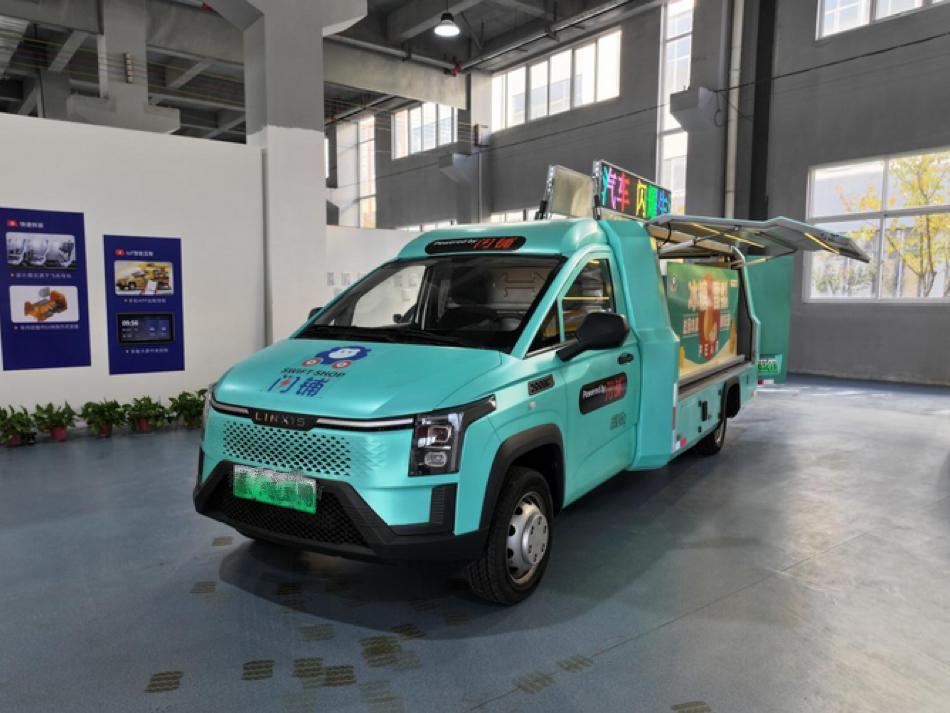
微观高质量发展|一辆汽车里的“智能制造”
Xin Hua She· 2025-12-05 06:40
Core Insights - The article highlights the rapid growth and innovation in China's electric vehicle (EV) industry, particularly focusing on the development of the "Flash Shop" EV by Anhui Qili Special Vehicle Manufacturing Co., Ltd. [1][3] - The production of new energy vehicles in China is projected to increase significantly, with a forecasted output of over 13 million units by 2024, marking a threefold increase from approximately 1.4 million units in 2020 [3]. - The market share of new energy vehicles is expected to exceed 51.6% of total new car sales by October 2025, indicating a major shift in consumer preferences [3]. Company Developments - Anhui Qili has established a research and development team composed of local talent and has built a digital production management system, achieving key technological advancements such as flexible vehicle production lines and "one-click transformation" capabilities [3]. - The company has received recognition from the Ministry of Industry and Information Technology as a specialized vehicle manufacturer and has filled a gap in the domestic market for high-end ceremonial vehicles [3]. - Orders for the "Flash Shop" series have surpassed 3,000 units, with an expected revenue of 120 million yuan by 2025 [3]. Industry Trends - The overall production capacity of new energy vehicles in China is experiencing exponential growth, with significant advancements in technology and manufacturing processes [3][5]. - The integration of AI and smart manufacturing technologies is becoming essential in the automotive industry, with companies like NIO implementing intelligent decision-making in their production lines [5][7]. - The Ministry of Industry and Information Technology has reported the establishment of over 7,000 advanced and 230 excellent smart factories, indicating a strong push towards intelligent manufacturing across various sectors, including new energy vehicles [8]. Future Outlook - The "14th Five-Year Plan" emphasizes technological innovation and the development of smart, connected new energy vehicles as key drivers for the industry [3][10]. - Companies are expected to enhance their capabilities in AI and expand their market presence internationally, aiming for over 30% of sales to come from overseas markets [10]. - The focus on creating a specialized vehicle industry cluster aims to attract and retain talent while rapidly converting innovative outcomes into developmental momentum [10].


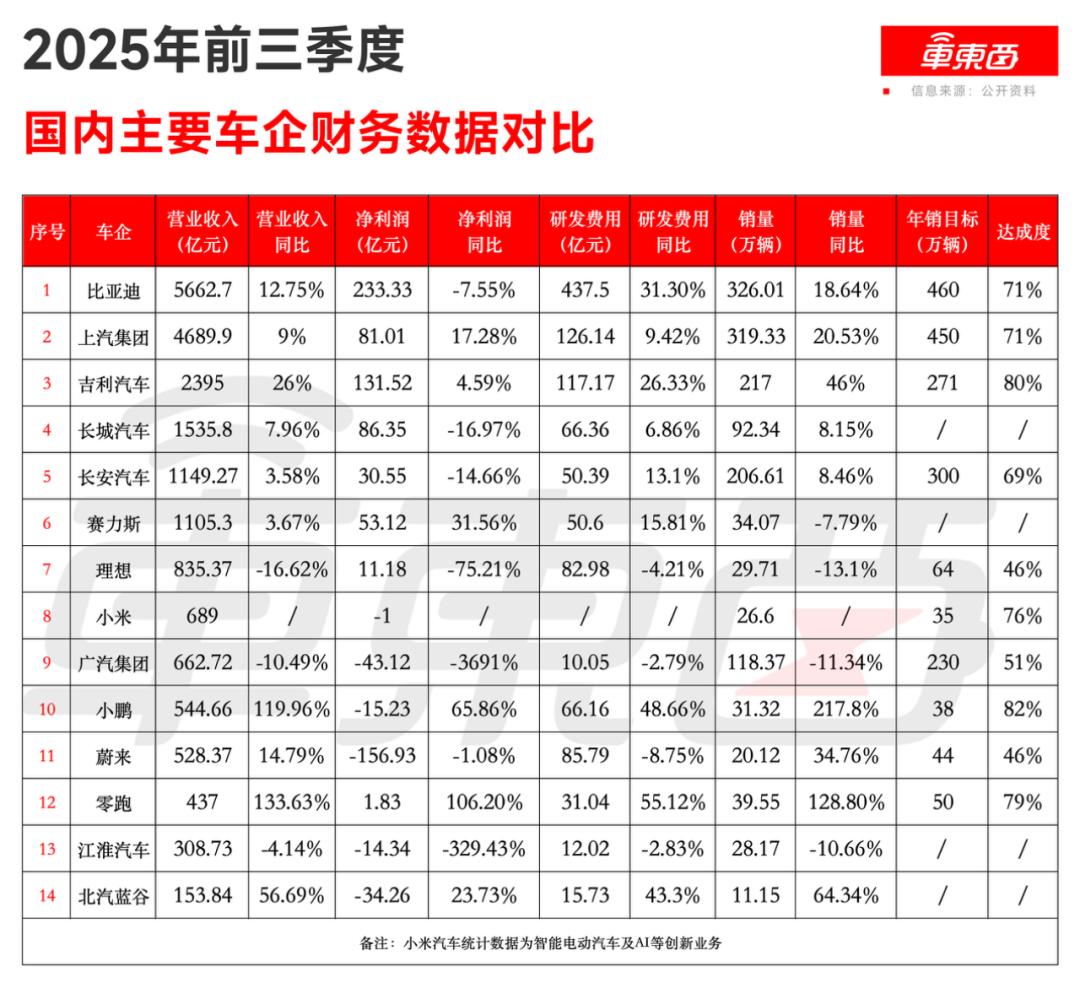
比亚迪赚走6成利润,6家新势力亏掉107亿,14大车企前三季度业绩锐评
3 6 Ke· 2025-12-05 02:56
Core Insights - The financial reports of 14 major domestic car manufacturers for the first three quarters of 2025 show a total revenue of 2.07 trillion yuan and a net profit of 364 billion yuan, resulting in a net profit margin of only 1.76% [2][6][22]. Group 1: Financial Performance - Among the traditional car manufacturers, eight companies reported a combined net profit exceeding 471 billion yuan, with BYD leading with a net profit of 233 billion yuan, accounting for 64% of the total net profit of the 14 companies [4][8]. - Geely's revenue reached 239.5 billion yuan, a 26% increase year-on-year, with a net profit of 131.52 billion yuan, benefiting from its accelerated transition to new energy vehicles [8][22]. - The new energy vehicle sector is experiencing significant losses, with six new entrants collectively losing 107 billion yuan, while only Seres, Li Auto, and Leap Motor reported profits [4][6][22]. Group 2: Revenue and Profit Comparison - BYD's revenue was 566.27 billion yuan, a 12.75% increase, while its net profit decreased by 7.55% [5][7]. - SAIC Group reported a revenue of 468.99 billion yuan and a net profit of 81.01 billion yuan, both showing growth [11][22]. - NIO's revenue was 528.37 billion yuan, with a significant net loss of 156.93 billion yuan, highlighting the challenges faced by the company [22][24]. Group 3: R&D Investment - BYD led in R&D investment with 437.5 billion yuan, a 31.3% increase, indicating a commitment to technological expansion despite a slight decline in net profit [25][29]. - Geely's R&D expenditure was 117 billion yuan, up 26%, reflecting its focus on innovation [29][32]. - NIO, despite its losses, invested 85.79 billion yuan in R&D, maintaining a strong commitment to technology development [32][36]. Group 4: Sales Performance - The total sales volume for the 14 companies reached 15 million units, with BYD, SAIC, Geely, and others achieving significant growth [37][41]. - BYD sold 3.26 million vehicles, a year-on-year increase of 18.64%, while SAIC's sales reached 3.19 million units, growing by 20.53% [38][45]. - New entrants like Leap Motor and Xpeng saw substantial sales increases, with Leap Motor's sales up 128.8% and Xpeng's up 217.8% [49][50]. Group 5: Market Dynamics - The competitive landscape in the automotive industry is intensifying, with companies facing pressures from supply chain costs, rapid technological changes, and the need for substantial R&D investments [52]. - The performance of these 14 companies reflects a growing divide in profitability, with only a few achieving a balance between revenue growth and profit margins [22][52].


华为如何引领工业软件“智变”
Sou Hu Cai Jing· 2025-12-04 23:56
Core Insights - The traditional industrial software landscape is facing significant challenges due to the rise of AI and large model technologies, leading to data silos and a lack of effective communication between disparate systems [1][2][4] - The evolution of industrial software must focus on creating a new generation of intelligent industrial software that allows for seamless data flow and precise AI implementation [4][5] Group 1: Challenges in Traditional Industrial Software - Data fragmentation is a primary challenge, with large manufacturing enterprises often using numerous software systems from different vendors, leading to incompatible data formats [2] - The existence of system silos prevents AI from accessing comprehensive contextual data, as early ERP, MES, and SCM systems lack a unified semantic framework [2] - There is a disconnect between AI models and real-world industrial scenarios, resulting in AI's inability to understand specific industrial logic, which can lead to inaccuracies [2] Group 2: Solutions and Innovations - Palantir's ontology concept offers a potential solution by creating a unified data semantic framework to connect disparate information and unlock deeper data value [5] - Huawei's Industrial Data Graph Platform embodies this approach, integrating various data sources to support AI-driven decision-making and enhance operational efficiency [7][9] - The iDME and iDEE products from Huawei provide foundational capabilities for data modeling and conversion, ensuring data consistency and interoperability across different industrial software [9][10] Group 3: Implementation and Impact - Huawei's hardware development toolchain, IPDCenter, facilitates cross-disciplinary collaboration and data flow among various industrial software tools, enhancing innovation and digital transformation [11][13] - The comprehensive capability system established by Huawei, from data foundation to application collaboration, positions it as a leader in the evolution of industrial software [13][15] - Real-world applications of Huawei's solutions in companies like GAC Group and Jianghuai Automobile demonstrate significant improvements in efficiency and product quality through unified data management [16][17]
“冠军”产业成长记——安徽何以登顶“汽车产量第一大省”
Shang Hai Zheng Quan Bao· 2025-12-04 19:24
Core Insights - Anhui province is projected to become the top automobile production province in China by 2025, with an expected annual output of over 240.44 million vehicles in the first three quarters of 2025 [2][3] - The automotive industry in Anhui has evolved from a single-point focus to an ecosystem, with major companies like Chery, NIO, and JAC forming industrial clusters in Hefei and Wuhu [2][5] - The export model of Anhui's automotive sector is shifting from "product output" to "capability output," with companies establishing overseas R&D centers and production facilities [2][19] Industry Development - The automotive industry has become the leading industry in Anhui, with seven major vehicle manufacturers and a comprehensive supply chain covering all aspects of the automotive industry [5][10] - Chery has maintained its position as the top exporter of passenger cars in China for 22 consecutive years, with nearly 50% of its revenue coming from overseas markets [6][19] - JAC's collaboration with Huawei has led to the successful launch of the luxury model, the S800, which has received over 18,000 pre-orders [7][19] Technological Advancements - Anhui's automotive sector is focusing on smart and electric vehicles, with significant investments in R&D and innovative manufacturing processes [8][10] - NIO's new factory in Hefei is a model of digital and intelligent manufacturing, capable of producing vehicles with 359 million personalized configurations [8][9] - The province is also developing high-efficiency engines and solid-state battery technologies, with a focus on AI integration in automotive applications [16][20] Policy and Support - The Anhui government has implemented supportive policies for the automotive industry, including a 200 billion yuan fund to promote development in electric vehicles and related sectors [15][11] - The establishment of a strategic advisory committee aims to enhance innovation and collaboration within the automotive ecosystem [16][12] - Anhui's proactive approach to creating a favorable business environment has been crucial in attracting investment and fostering industry growth [10][11] Future Outlook - The automotive industry in Anhui is transitioning from a focus on production capacity to enhancing value through innovation and high-end products [18][20] - Companies are exploring cross-industry collaborations and new technologies, such as embodied intelligence and low-altitude economy, to drive future growth [19][20] - The goal is to cultivate globally competitive automotive brands and establish a robust international presence [20]

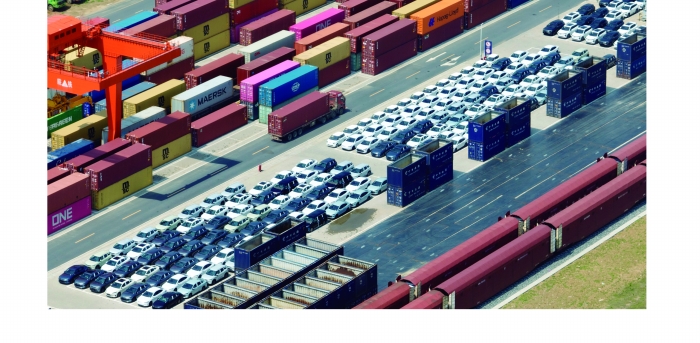
重卡11月劲增47%!重汽2.5万 解放增77% 福田/徐工暴增150%丨头条
Xin Lang Cai Jing· 2025-12-04 11:28
Group 1 - The heavy truck market in November 2025 achieved a sales volume of 101,000 units, marking a year-on-year growth of 47% and continuing an "eight consecutive months of growth" trend [1][15] - The cumulative sales from January to November 2025 are expected to reach 1.03 million units, with a year-on-year increase of 26%, approaching the annual target of 1.1 million units [1][23] Group 2 - Five companies sold over 10,000 units in November, with two companies experiencing a growth rate of 150% [15][21] - The growth in the heavy truck market is supported by policy incentives, increased exports (with a projected 20% growth in November), and a rise in the penetration rate of new energy vehicles [15][17] Group 3 - Terminal sales in November showed both month-on-month and year-on-year increases, with a projected month-on-month growth of 13% and a year-on-year growth of nearly 40% [4][17] - The terminal sales of gas vehicles are expected to grow over 75% year-on-year, with a domestic penetration rate of around 25% [4][17] Group 4 - In November, the sales ranking of heavy truck companies showed a pattern of "stable top, rising mid-tier," with significant growth among some companies leveraging new energy and export advantages [5][17] - Heavy truck sales leaders in November included Sinotruk and Jiefang, with market shares exceeding 47% [19] Group 5 - Sinotruk sold approximately 25,000 units in November, a year-on-year increase of 23%, capturing 24.8% of the market [19][27] - Jiefang's sales reached about 23,000 units, with a remarkable year-on-year growth of 77%, holding a market share of 22.8% [19][27] Group 6 - Dongfeng, Foton, and XCMG achieved high growth rates, with Foton and XCMG both experiencing a year-on-year increase of 150% [21][27] - Dongfeng's sales in November were projected at 16,000 units, a year-on-year increase of 65%, with a market share of 15.8% [21][27] Group 7 - Foton's cumulative sales from January to November are expected to reach 132,000 units, with a year-on-year growth of 104%, leading the market in growth rate [25] - XCMG's sales for the same period are projected at 34,600 units, with a year-on-year increase of 94% [27]


汽车业务利润暴涨,华为越生越有?
3 6 Ke· 2025-12-04 10:26
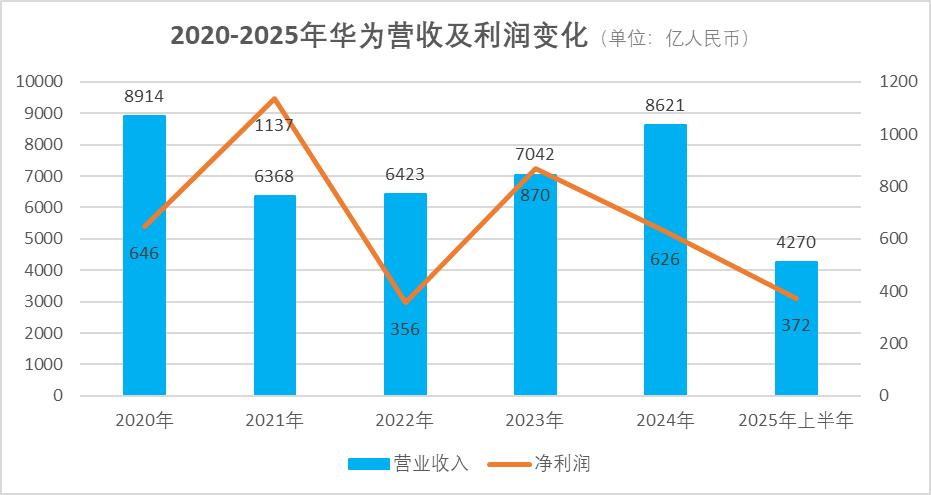
Core Insights - Huawei's collaboration with GAC and Dongfeng has led to the launch of the "Qijing" and "Yijing" brands, showcasing a competitive spirit among partners [1] - The monthly sales data for Hongmeng Zhixing reached 81,900 units, marking a record high and surpassing the monthly delivery ceiling for new car manufacturers [2] - Huawei's overall revenue for the first half of the year was 427.039 billion yuan, with a net profit of 37.195 billion yuan, reflecting a 3.95% year-on-year increase in revenue despite a 32% decline in net profit [4] Group 1: Huawei's Performance - The cumulative delivery of Hongmeng Zhixing surpassed one million units in October, achieving the fastest record among new forces in the automotive sector [4] - The automotive business unit (BU) reported a revenue of 27 billion yuan in the first half of the year, a 110% year-on-year increase, marking its first profitable period [4][5] - Huawei's strategy to enter the automotive market was aimed at compensating for declining smartphone sales, which appears to have been successful [4] Group 2: Competitive Dynamics - The introduction of the "Jing" series has intensified competition among Huawei's various brands, leading to concerns about internal competition and resource allocation [5][11] - The collaboration models between Huawei and car manufacturers vary, with Huawei taking on different roles from product definition to being a full-stack solution provider [7] - As more car manufacturers join Huawei's ecosystem, the resources and attention each brand receives may diminish, necessitating unique positioning to capture market share [11] Group 3: Challenges for Partner Car Manufacturers - Car manufacturers like BAIC Blue Valley and Jianghuai have seen their losses widen since partnering with Huawei, despite some achieving high gross margins [9] - The financial burden of sales service fees paid to Huawei impacts the net profit margins of these manufacturers, creating a paradox in their financial performance [9] - The competitive landscape is shifting as more traditional car manufacturers adopt Huawei's smart components, reducing the uniqueness of each brand [12]
江淮汽车(600418) - 江淮汽车关于召开2025年第三季度业绩说明会的公告
2025-12-04 10:15
证券代码:600418 证券简称:江淮汽车 公告编号:2025-052 安徽江淮汽车集团股份有限公司 关于召开 2025 年第三季度业绩说明会的公告 本公司董事会及全体董事保证本公告内容不存在任何虚假记载、误导性陈述 或者重大遗漏,并对其内容的真实性、准确性和完整性承担法律责任。 重要内容提示: https://roadshow.sseinfo.com/) 会议召开方式:上证路演中心网络互动 投资者可于 2025 年 12 月 5 日(星期五)至 12 月 11 日(星期四)16:00 前登录上证路演中心网站首页点击"提问预征集"栏目或通过公司邮箱 jqgf@jac.com.cn 进行提问。公司将在说明会上对投资者普遍关注的问题进行回 答。 安徽江淮汽车集团股份有限公司(以下简称"公司")已于 2025 年 10 月 31 日发布公司 2025 年第三季度报告,为便于广大投资者更全面深入地了解公司 2025 年前三季度经营成果、财务状况,公司计划于 2025 年 12 月 12 日 (星期 五)下午 15:00-16:00 举行 2025 年第三季度业绩说明会,就投资者关心的问题 进行交流。 一、 说明会类型 ...
汽车视点 | 三家中国车企跻身全球前十 2025汽车业转向高质量竞争
Xin Hua Cai Jing· 2025-12-04 07:01
新华财经上海12月4日电(李一帆)2025年是中国汽车工业从"规模引领"迈向"技术引领"的关键一年。随着11月新能源汽车渗透率首次突破60%,大模型"上 车"等智能化技术全面铺开,市场从高速增长转向高质量发展,竞争逻辑也从"价格内卷"逐渐回归"价值创造"。与此同时,中国汽车在全球市场持续突破, 出口量质齐升,本土化布局深化,展现出从产品出海到生态出海的全面升级。 销量规模向上,利润空间承压 2025年的中国汽车市场呈现出一种矛盾的局面,销量与市场份额持续攀升,但利润空间却不断收窄。今年1-10月,中国汽车销量达2765万辆,同比增长 12%,高于全球汽车销量增长速度。同时,中国汽车占比全球的市场份额升至34.9%,10月单月份额更是触及38%的高点。比亚迪、吉利、奇瑞三家车企跻 身全球销量前十,标志着中国汽车全球影响力的提升。 然而,1-10月中国汽车行业收入88778亿元,同比增长7.9%;行业利润率仅为4.4%,10月单月利润率甚至降至3.9%,达到近期低点。相对于下游工业企业利 润率6%的平均水平,汽车行业更是明显偏低。这种"增产不增收"的现象,显示出行业在规模扩张与盈利质量之间的失衡。 一方面,"价格 ...

重汽超2.5万 解放涨8成 东风增7成 徐工暴涨1.5倍!11月重卡破10万 | 光耀评车
第一商用车网· 2025-12-04 05:45
Core Viewpoint - The heavy truck industry in China has shown significant growth, with November 2025 sales exceeding 100,000 units, marking a nearly 50% year-on-year increase, driven largely by policy incentives and a strong demand for both traditional and electric heavy trucks [1][4][16]. Sales Performance - In November 2025, approximately 101,000 heavy trucks were sold, a 47% increase from 68,500 units in the same month last year, despite a 5% month-on-month decline due to inventory adjustments [1][4]. - Cumulatively, from January to November 2025, total heavy truck sales reached 1.03 million units, reflecting a 26% year-on-year growth, with the target of 1.1 million units within reach [1][4]. Market Dynamics - The continuous growth in the heavy truck market since April 2025 is attributed to the "old-for-new" vehicle replacement policy, which has significantly boosted sales [4][16]. - Despite some regions suspending subsidies in the fourth quarter due to funding issues, the overall market remains robust as the policy deadline approaches [4]. Export Trends - Heavy truck exports from China are also on the rise, with November 2025 exports expected to increase by nearly 20% year-on-year, leading to an anticipated total of over 320,000 units exported for the year [4]. End-user Demand - The end-user demand for heavy trucks has been strong, with November 2025 domestic sales projected to grow nearly 40% year-on-year and 13% month-on-month, particularly for natural gas trucks, which are expected to see a 75% increase in sales [6]. - New energy heavy trucks are also experiencing record sales, with November 2025 sales estimated at 26,000 units, a 160% increase year-on-year, and a market penetration rate exceeding 30% [6]. Company Performance - Major players in the heavy truck market include: - China National Heavy Duty Truck Group (Sinotruk) sold over 25,000 units in November, a 23% increase year-on-year, maintaining a market share of approximately 27% [10]. - FAW Jiefang's sales reached nearly 23,000 units, up 77% year-on-year, with a market share of about 19.3% [10]. - Dongfeng Motor Corporation sold around 16,000 units, a 65% increase year-on-year, holding a market share of approximately 15.8% [12]. - North Benz (Beiqi Foton) saw a 150% increase in sales, with a total of 132,000 units sold from January to November, marking a 104% year-on-year growth [14]. Market Outlook - The heavy truck market is projected to return to over 1 million units in 2025, reminiscent of the market conditions from 2017 to 2019, but heavily influenced by policy-driven demand [16].