蜜雪冰城

Search documents
3年多亏掉3亿多,“红枣第一股”好想你上半年还是没扭亏
Guan Cha Zhe Wang· 2025-07-17 08:56
Core Viewpoint - The company "Hao Xiang Ni," known as the "first stock of red dates," continues to face losses in the first half of the year, with a projected net loss of approximately 15 million to 25 million yuan, despite an improvement compared to the previous year's loss of 36.23 million yuan [1][2]. Financial Performance - The net loss for the first half of the year is expected to be between 15 million and 25 million yuan, which is a reduction of about 40% to 70% compared to the previous year's loss of 36.23 million yuan [1]. - Over the past three years, the company's net losses have totaled between 327 million and 337 million yuan, with losses of 189 million yuan in 2022, 51.89 million yuan in 2023, and 71.96 million yuan projected for 2024 [1]. - As of July 17, the company's stock price was 9.88 yuan per share, with a total market capitalization of approximately 4.465 billion yuan [1]. Operational Challenges - The company attributes its losses to a decline in investment income due to changes in accounting methods for equity investments, resulting in a year-on-year decrease of approximately 37 million yuan in non-recurring gains and losses [2]. - The company's core product, red dates, remains a significant part of its revenue, accounting for 73.17% of total revenue last year, with red date product revenue at 1.221 billion yuan [5]. - The company heavily relies on offline sales, with over 68% of revenue coming from offline channels, while online sales account for only 28.43% [5]. Strategic Initiatives - To address its limitations, the company has partnered with new retail brands like "Ming Ming Hen Mang" and "Mi Xue Bing Cheng" to expand product channels and generate investment income [6][7]. - The company has invested 700 million yuan in "Ming Ming Hen Mang," acquiring a 6.6191% stake, and aims to leverage its extensive store network to reach more consumers [7]. - The company has also begun listing its products in various retail channels, including Sam's Club and partnerships with companies like Yonghui and Hai Di Lao [8].



轻食正在发生几个关键变化
3 6 Ke· 2025-07-17 03:09
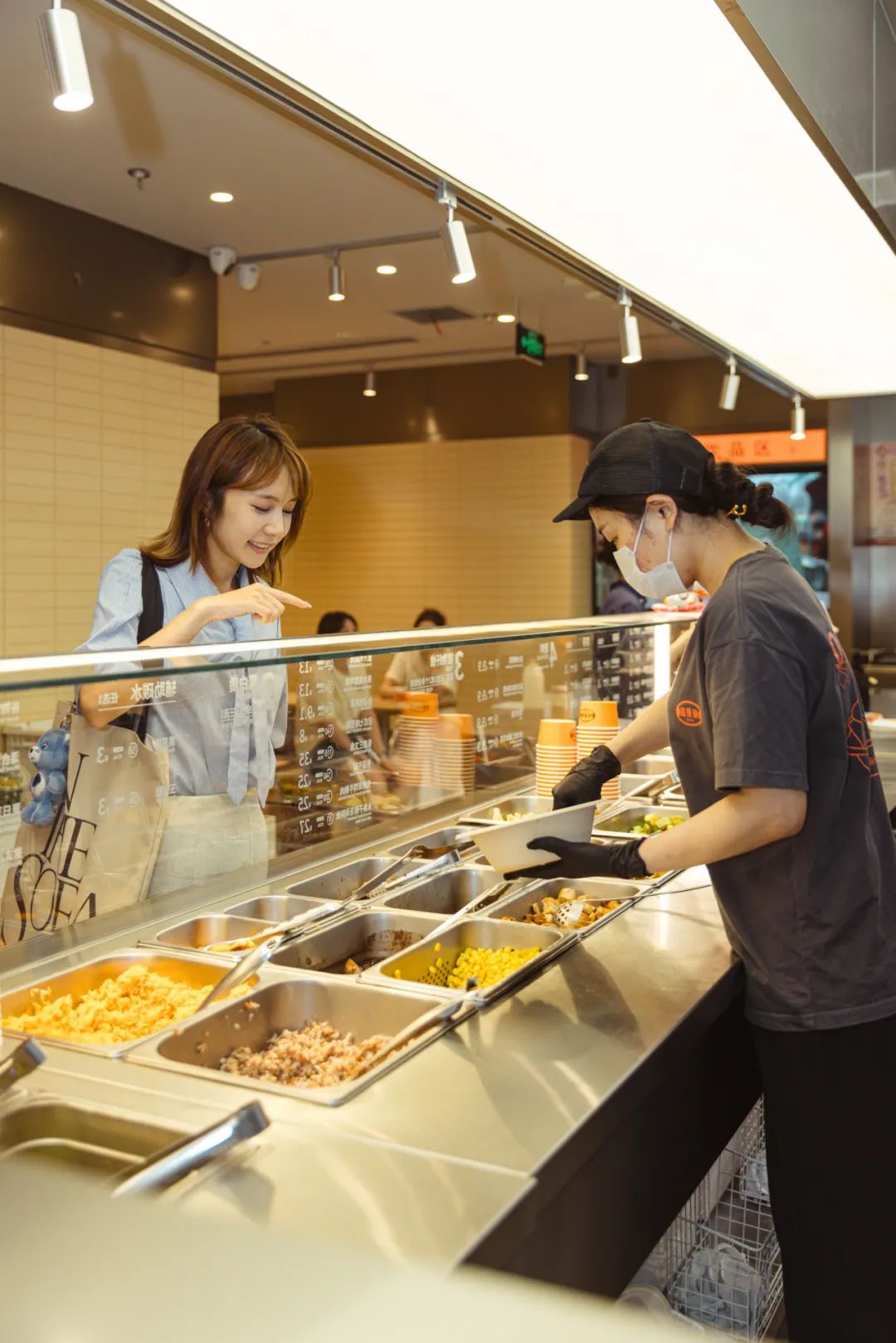
Core Insights - The health-conscious trend in the food and beverage industry is a significant and growing movement, influencing various aspects from ingredients to preparation methods [1][2] - The demand for healthier dining options can be categorized into three levels: basic food safety, advanced dietary structure, and precise nutritional needs for fitness enthusiasts [2][10] - The light meal market in China is projected to exceed 320 billion yuan by 2024, with a growth rate of 41.7%, indicating a strong consumer shift towards healthier eating [2][3] Industry Trends - The emergence of a more mainstream light meal segment, driven by diverse health food demands, is creating new opportunities for brands like "Super Bowl Foodbowl," which focuses on affordable, Chinese-style light meals [3][6] - Super Bowl has successfully expanded its offerings and customer base, achieving over 100 stores in five cities within ten years, with a focus on fresh, flavorful, and healthy options [3][6] - The increasing consumer focus on food safety is reshaping the restaurant industry, with brands needing to adapt to higher standards of hygiene and transparency [7][9] Consumer Behavior - The health food market is expanding beyond fitness enthusiasts to include a broader demographic, particularly the elderly and children, who are increasingly seeking nutritious meal options [11][12] - The demand for healthy meals often spikes during specific periods, such as post-holiday or pre-summer, indicating a "pulse" in consumer behavior towards health-conscious eating [11] - Super Bowl's model of offering customizable, healthy meals has resonated well with consumers, leading to a high repurchase rate of over 60% [3][9] Competitive Landscape - The competition in the healthy dining sector is intensifying, with traditional fast-food chains like KFC and Subway entering the light meal market, indicating a shift in consumer preferences [6][21] - Super Bowl's strategic focus on local flavors and affordable pricing has positioned it well against competitors, while also addressing the historical challenges of high prices and low repeat purchases in the light meal sector [20][21] - The overall restaurant industry remains fragmented, with a low chain penetration rate, allowing for significant opportunities for growth and innovation in the healthy dining segment [7][8]
消费新观察:关注边际改善与出口链复苏
CMS· 2025-07-17 01:18
Investment Rating - The report maintains a "Recommended" rating for the industry, indicating a positive outlook on the sector's fundamentals and expected performance relative to the benchmark index [1]. Core Insights - The report emphasizes the importance of marginal improvements and the recovery of the export chain, particularly in the consumer goods sector [1]. - It highlights the overall growth in retail sales, with June's total retail sales reaching 42,287 billion yuan, a year-on-year increase of 4.8% [7]. - The report notes that the online retail sector has shown significant growth, with a total online retail sales of 74,295 billion yuan in the first half of the year, up 8.5% year-on-year [8]. Summary by Sections Industry Scale - The industry comprises 1,212 listed companies, accounting for 23.7% of the total market [1]. - The total market capitalization stands at 17,086.8 billion yuan, representing 18.7% of the overall market [1]. - The circulating market capitalization is 15,615.9 billion yuan, which is 18.8% of the total market [1]. Performance Metrics - The absolute performance over 1 month, 6 months, and 12 months is 3.1%, 14.8%, and 33.5% respectively [3]. - The relative performance compared to the benchmark index shows a decline of 0.4% over 1 month, but an increase of 9.4% over 6 months and 19.0% over 12 months [3]. Consumer Goods Insights - The report suggests focusing on structural opportunities in the food and beverage sector, particularly in alcoholic beverages and snacks [6][11]. - It recommends investing in leading companies that have shown resilience and potential for growth, such as Moutai and other major brands in the food sector [12]. Retail Trends - The report indicates a shift in consumer behavior, with a notable increase in demand for online shopping and convenience stores, which saw a year-on-year growth of 7.5% in the first half of the year [8]. - The report also highlights the competitive landscape in the food delivery sector, driven by aggressive subsidy strategies from major platforms [22][23]. Export Chain Recovery - The report discusses the recovery of the export chain, particularly for companies with strong manufacturing capabilities and those benefiting from favorable tariff conditions [19]. - It emphasizes the potential for growth in the home appliance sector, particularly in the context of new consumer trends and technological advancements [19][20].
昔日奶茶排队王,年轻人不想陪它演戏了
Hu Xiu· 2025-07-16 07:56
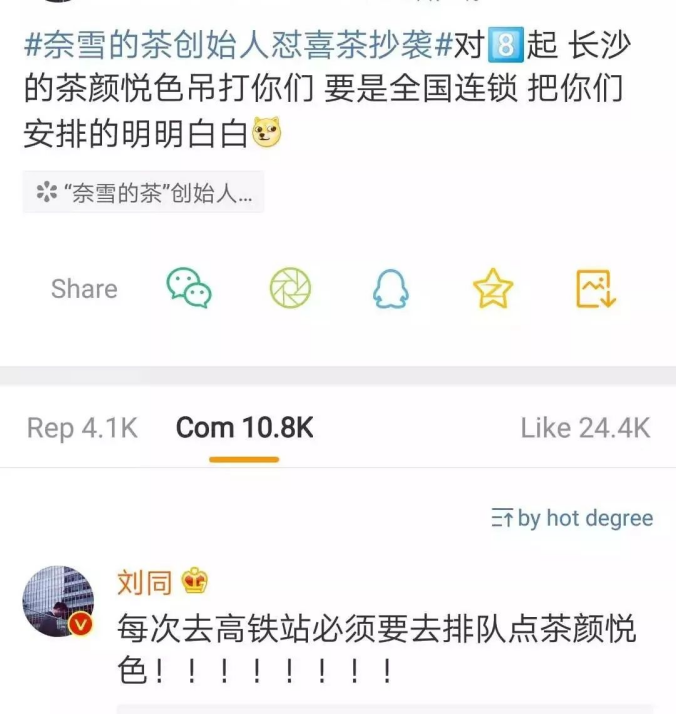
Core Viewpoint - The article discusses the decline of the once-popular tea brand, Chayan Yuese, in the competitive tea beverage market, highlighting its struggles with customer retention and brand perception as consumer preferences shift towards convenience and simplicity [3][5][46]. Group 1: Brand History and Initial Success - Chayan Yuese opened its first store in Changsha in December 2013, gaining popularity with its unique branding and poetic drink names [6][8]. - The brand differentiated itself by using fresh milk and original tea, appealing to consumers with a relatively affordable average price of 15 yuan per cup compared to competitors [7][8]. - The brand's early success was bolstered by loyal fans and social media buzz, leading to significant foot traffic and national curiosity [9][12]. Group 2: Current Challenges - Chayan Yuese has faced increased competition from brands like Cha Bai Dao, Mi Xue Bing Cheng, and Gu Ming, which have expanded rapidly while Chayan Yuese has been slower to grow outside its home market [3][26]. - The brand's long wait times and complicated ordering process have frustrated consumers, leading to a decline in its once-loyal customer base [4][22][38]. - Recent product changes and the introduction of seasonal items have not resonated well with loyal customers, causing dissatisfaction [24][46]. Group 3: Market Position and Future Outlook - Despite still being profitable, with a reported net profit of approximately 500 million yuan from 732 stores in 2023, Chayan Yuese's market presence has diminished compared to its peak [18][30]. - The brand has begun to expand more aggressively, opening 266 new stores in 2024, primarily in new first-tier cities, but has yet to enter major markets like Beijing and Shanghai [30][31]. - The brand's recent marketing strategies and product offerings have not generated the same level of excitement as in the past, indicating a need for a renewed approach to attract consumers [32][52].
茶饮新消费汇报
2025-07-16 06:13
Summary of Conference Call Notes Industry Overview - The conference call primarily discusses the **new tea beverage industry** in China, particularly in the context of the ongoing **food delivery competition** and its impact on market dynamics [1][2]. Key Points and Arguments 1. **Food Delivery Subsidies**: - A significant increase in subsidies for food delivery services has been observed, with Taobao launching a 50 billion yuan subsidy plan on July 2, aimed at consumers and merchants over the next year [1]. - Major players like Meituan and Ele.me have also been involved in aggressive coupon distribution, contributing to record-high order volumes [1]. 2. **Shift to New Tea Beverage Sector**: - The new tea beverage sector is attracting younger consumers who are more price-sensitive and open to new brands, making it a key beneficiary of the food delivery competition [2][3]. - The marketing capabilities and social attributes of tea brands enhance their appeal, positioning them favorably in the current market [2]. 3. **Operational Challenges**: - Instant delivery services face challenges during peak consumption times, particularly for traditional meals, while tea beverages benefit from more evenly distributed order patterns [3]. 4. **Performance of Tea Brands**: - The overall performance of tea brands has improved significantly, with many reporting double-digit growth in revenue, contrary to earlier cautious expectations [4][5]. - The proportion of revenue from food delivery has increased from 40% to 55% for several brands, indicating a strong reliance on this channel [4]. 5. **Market Concentration**: - The chain rate for tea beverage stores in China is approximately 56%, showing a rapid increase over the past few years, despite a net decrease in the total number of stores [6]. - Leading brands are expanding aggressively, contributing to a higher market concentration [6][7]. 6. **Individual Brand Insights**: - **Mixue Ice City**: Recognized for its strong supply chain and focus on low-price segments, it has established a solid market position [8][9]. - **Guo Min**: Noted for its diverse menu and quick adaptation to market trends, which helps mitigate fashion risk [9][10]. - **Cha Bai Dao and Hu Xiang A Yi**: Both brands are expected to continue their growth trajectories with significant new store openings planned [7][10]. Additional Important Insights - The tea beverage sector is expected to maintain its growth trajectory, supported by the current competitive landscape and favorable consumer trends [7][10]. - The focus on supply chain efficiency and product diversity is crucial for brands to navigate market challenges and consumer preferences effectively [8][9].
2025年6月餐饮月报:全国餐饮景气指数稳中有跌,当季水果与山野食材引领新品创新
东京烘焙职业人· 2025-07-16 05:21
Group 1 - The overall restaurant industry prosperity index in June 2025 slightly decreased to 104.1, down 0.1% from May's 104.2 [5][3] - The decline in the index was influenced by various factors, including seasonal changes and consumer behavior adjustments [8][4] - The index for third-tier and below cities saw the largest decline at 5.4%, followed by second-tier cities at 4.6%, while first-tier cities experienced a slight increase of 1.2% [12] Group 2 - The "Red Restaurant Index Top 100" for June 2025 saw 36 brands rise in rankings, 33 fall, and 30 remain unchanged, with one new entry [18] - The top three brands in the index were Haidilao, KFC (China), and Luckin Coffee, followed closely by McDonald's (China) and others [20][18] Group 3 - In June 2025, the snack fast food category showed significant growth, with its prosperity index rising to 103.7, an increase of 5.4% [16] - Conversely, the beverage category's index fell to 116.5, down 2.2%, while the index for hot pot and barbecue categories were 93.5 and 81.9, respectively, both showing declines [16] Group 4 - The restaurant industry saw active financing events in June 2025, with a total of 10 financing occurrences, marking a significant increase from the previous month [59] - Notable IPO movements included the submission of a prospectus by Banu International Holdings for a main board listing and the listing of Haitian Flavoring and Food Company on the Hong Kong Stock Exchange [62][58] Group 5 - The restaurant industry is witnessing a trend of local brand expansion and international market penetration, with brands innovating through unique store formats and digital models [55] - Significant industry events included the opening of Haidilao's first fresh-cut beef theme store in Guangzhou and Luckin Coffee's first stores in the U.S. [61][62]






MANNER年赚3亿,茶颜悦色或将赴美IPO
Ge Long Hui· 2025-07-16 05:15
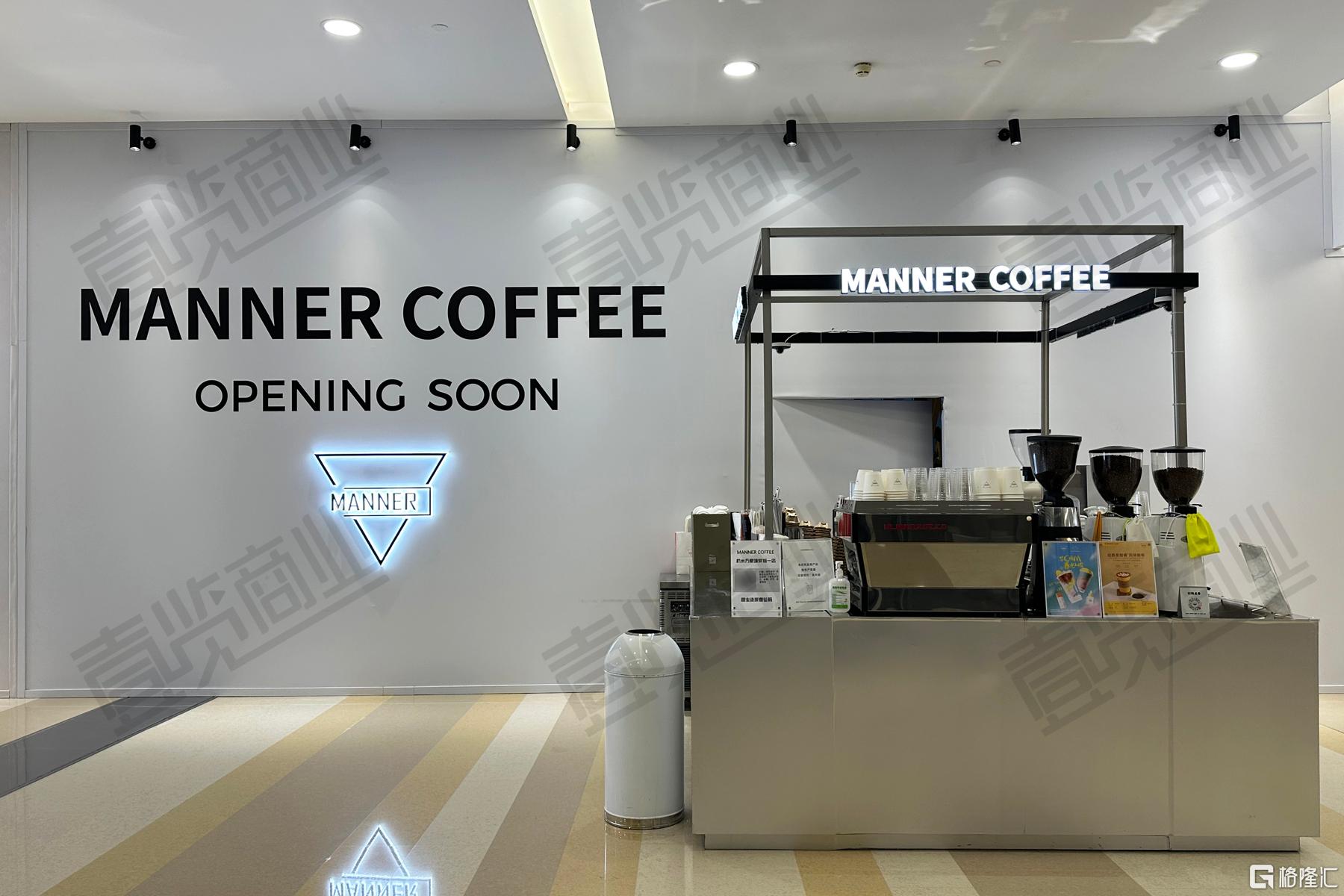
Expansion of Stores - Domestic store expansion continues to heat up, with Luckin Coffee opening 171 new stores and other brands like Blueglass Yogurt and BeanStar also launching new locations [2] - Yee3 has signed contracts for over 300 stores, with celebrity endorsement from Hou Minghao [2] Overseas Market Development - Cha Yan Yue Se has announced its entry into the North American market through e-commerce, launching nearly 40 products [3] - Ba Wang Cha Ji plans to enter the Philippine market with three new stores in Metro Manila by August [3] New Product Launches - Multiple tea and coffee brands have introduced new seasonal products, including Gu Ming's summer grapefruit series and CoCo's green bean ice series [4] - Starbucks has launched a new soft snow frappuccino series, while NOWWA Coffee has introduced a kale lemon water series [4] Brand Collaborations - The collaboration between Jasmine Milk White and the animated IP "Mo Dao Zu Shi" resulted in over 450,000 cups sold within four hours [5] - Sweet Lala and the game IP "Qiu Qiu Da Zuo Zhan" launched a new vitality fruit and vegetable tea series [5] Growth in Delivery Sales - Tea Hua Nong's delivery orders saw a 153% month-on-month increase in May and June, with peak orders reaching nearly 3,000 per store [6] - Mei Xue Bing Cheng faced food safety concerns, while changes in tariffs may impact coffee prices in the U.S. [6][7] Corporate Developments - Starbucks China is attracting bids from nearly 30 private equity firms, with a business valuation of up to $10 billion [9] - Thai President Foods has invested over 142 million Thai Baht in Ba Wang Cha Ji, acquiring a 51% stake [9] Financial Performance - MANNER COFFEE is projected to achieve a net profit of approximately 300 million RMB in 2024, while Cha Yan Yue Se's parent company expects revenues of around 3 billion RMB and a net profit of 450 million RMB [10]
“0元购”现身“补贴大战”升级,外卖鏖战谁是赢家?
Bei Jing Ri Bao Ke Hu Duan· 2025-07-16 02:47
Core Viewpoint - The article discusses the ongoing "0 yuan purchase" promotional activities led by major instant retail platforms like Meituan, Alibaba, and JD, highlighting the intense competition and the resulting consumer excitement, while also raising concerns about service quality and long-term sustainability for businesses and platforms [1][8][11]. Group 1: Market Dynamics - The "0 yuan purchase" promotion has created a bustling market atmosphere, with consumers enjoying significant discounts on food and beverages [1][3]. - Major platforms have reported record-breaking order volumes, with Taobao Flash Sale and Ele.me surpassing 80 million daily orders, and Meituan reaching 1.5 billion orders as of July 12 [6][8]. - The promotional activities have led to a surge in orders for various food and beverage brands, creating a unique scene in stores overwhelmed with orders [6][8]. Group 2: Consumer Experience - Many consumers have shared their excitement on social media, showcasing the benefits of the "0 yuan purchase" promotions, which have allowed them to enjoy multiple items at minimal costs [3][6]. - However, some consumers have reported issues such as reduced portion sizes and longer wait times for orders, indicating a decline in service quality amidst the promotional frenzy [8][9]. Group 3: Business Challenges - Businesses are facing a dilemma; participating in the subsidy wars can lead to increased visibility but often results in minimal profit margins, as they bear a significant portion of the discounts [9][10]. - The CEO of a restaurant management company expressed concerns that the heavy reliance on subsidies is detrimental to the long-term viability of businesses, as it shifts consumer behavior away from dining in restaurants [9][14]. Group 4: Long-term Sustainability - Industry experts are questioning the sustainability of the current promotional strategies, suggesting that platforms need to transition from a subsidy-based model to one focused on service quality and customer loyalty [11][13]. - There is a consensus that achieving a balance between the interests of platforms, merchants, delivery personnel, and consumers is essential for sustainable development in the industry [14].

香港彻底告别“金融废墟”
创业邦· 2025-07-16 00:16
Core Viewpoint - The article discusses the resurgence of the Hong Kong stock market as a global hub for IPOs, highlighting a significant increase in new listings and capital raised, positioning Hong Kong as a critical player in international finance and investment, particularly for Chinese enterprises [3][4][30]. IPO Boom - In the first half of the year, Hong Kong saw 240 companies enter the market, with 220 more in the pipeline as of June 30 [4][11]. - A total of 43 new stocks were listed, a 43.3% increase compared to the same period in 2024, raising HKD 1,067.1 billion, surpassing Nasdaq [4][10]. - The IPO of Ningde Times raised approximately HKD 357 billion, marking the largest global IPO of the year [8]. Historical Context - The article reflects on the historical evolution of Hong Kong's IPO landscape, from the early days of state-owned enterprises to the current influx of tech and consumer companies [6][14]. - The return of Chinese companies to Hong Kong, particularly in the wake of the pandemic and geopolitical tensions, has revitalized the market [4][30]. Market Dynamics - The article notes that the Hong Kong stock market has become a vital link for Chinese companies seeking international capital, with a significant portion of new listings being from mainland enterprises [4][30]. - The dominance of Chinese financial institutions in underwriting new listings is highlighted, with major players like CICC and CITIC leading the way [16][18]. Investment Trends - The influx of capital from mainland investors has increased, with southbound funds contributing HKD 730 billion, raising their market share to 43.9% [21][22]. - New consumer brands and innovative companies are capturing investor interest, with examples like Moutai and Bubble Mart showcasing unique business models that resonate with global investors [9][20]. Future Outlook - Predictions suggest that Hong Kong could see up to 80 new IPOs in 2024, raising HKD 200 billion, reinforcing its status as a leading global financial center [13][30]. - The article emphasizes the ongoing reforms in Hong Kong's financial market, including the introduction of SPACs and support for tech companies, which are expected to attract more listings and investments [30].




从冰杯到袋装冰,热经济升温“冰”生意
Chang Sha Wan Bao· 2025-07-15 18:59
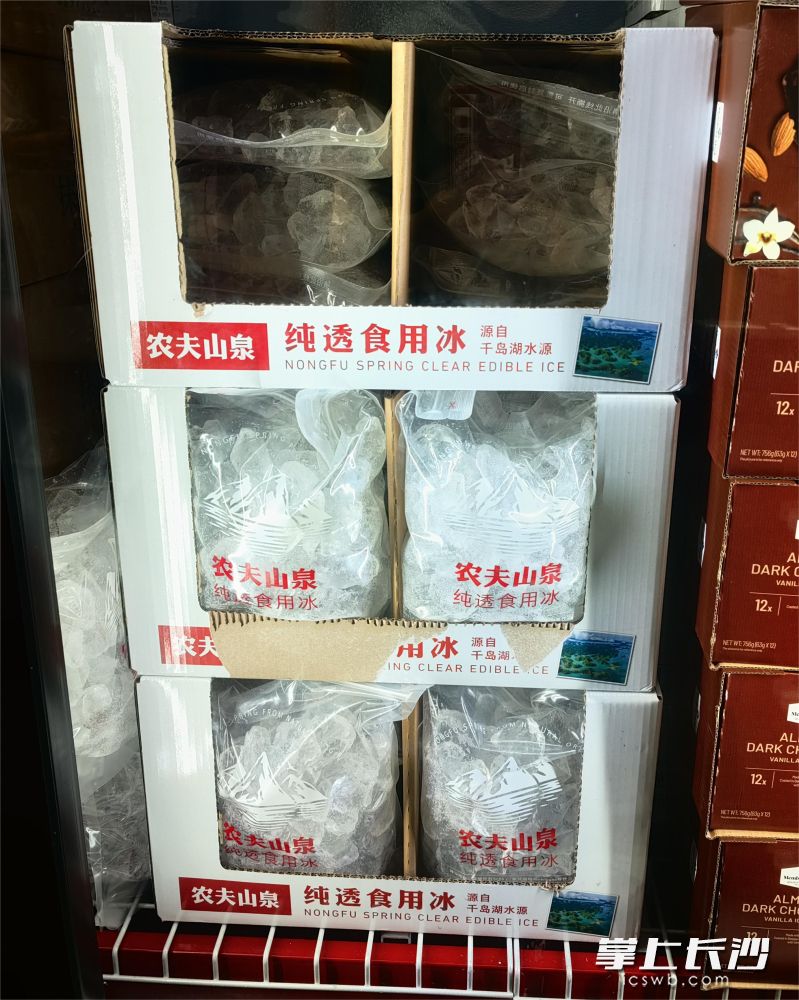
Core Insights - The introduction of "Nongfu Spring Pure Edible Ice" by Sam's Club has gained significant consumer attention, becoming a hot topic this summer [1][3] - The product, priced at 22.8 yuan for 2 kilograms, has sparked debate over its high cost compared to homemade ice, which can be produced at a much lower price [1][3] - The ice is marketed as a premium product, utilizing a slow freezing process that enhances its quality and reduces melting speed by 20% [3] Pricing Controversy - Consumers have expressed shock at the price of 22.8 yuan for 2 kilograms of ice, noting that homemade ice is significantly cheaper [1] - A local resident calculated that the cost of homemade ice is only 2 yuan per kilogram, highlighting a price difference of over four times [1] Market Demand Surge - The demand for ice products has increased with rising summer temperatures, prompting various retailers, including convenience stores, to enter the market [4][6] - Convenience stores like 7-Eleven have reported high sales of ice cups, with some selling up to 80 cups per day [4] Product Variety and Accessibility - Retailers are offering a range of ice products, including 160g ice cups priced between 3 to 6.8 yuan, catering to consumers' immediate needs [6] - Tea shops have also joined the trend, launching ice cups priced at 1 yuan, further diversifying the market [7] Consumer Behavior and Trends - The rise in popularity of ice products reflects changing consumer behaviors, particularly among younger generations who seek DIY experiences and value for money [8] - The "ice cup economy" is driven by innovative consumption scenarios and emotional value, appealing to young consumers' desire for social media recognition and cost-effective alternatives to expensive beverages [8]