高盛

Search documents
金价年内涨至3500美元?
日经中文网· 2025-03-26 02:49
Core Viewpoint - Major financial institutions globally are raising their gold price forecasts for the year, with many predicting prices around $3000 to $3200 per ounce, and some even suggesting a potential rise to $3500 [1][2]. Group 1: Price Predictions - Macquarie Group believes there is potential for gold prices to rise to $3500 due to risks associated with the Trump administration and geopolitical tensions [1]. - UBS has raised its year-end gold price forecast to $3200, citing ongoing policy risks and trade tensions as factors driving demand for safe assets like gold [2]. - Goldman Sachs has increased its basic year-end forecast from $2890 to $3100, suggesting that if uncertainties remain high, prices could reach $3300 [2]. - Macquarie Group has set the average gold price for July to September at $3150, indicating that without signs of improvement in the U.S. fiscal deficit, prices may attempt to reach $3500 [2][3]. Group 2: Geopolitical and Economic Factors - The geopolitical risks are intensifying, particularly with renewed military actions in the Gaza Strip and U.S. airstrikes in Yemen, contributing to the demand for gold [2]. - The actions of the U.S. government to strengthen tariffs and restructure international relations are raising macroeconomic and geopolitical uncertainties, which are driving gold prices higher [3]. Group 3: Central Bank Demand - Central banks have been increasing their gold purchases at record levels, with an annual increase of 1000 tons over the past three years, which is a significant factor pushing gold prices to historical highs [3]. - UBS predicts that central bank purchases could reach around 1000 tons again by 2025, maintaining structural demand for gold [3]. Group 4: Cautious Outlook - Some analysts express caution, suggesting that if trade tensions do not escalate, gold prices may struggle to maintain upward momentum in the second half of the year [5]. - If the theme of U.S. tariff risks becomes outdated, market focus may shift to U.S. monetary policy, potentially leading to gold sell-offs if expectations for interest rate cuts diminish [5].


DeepSeek,突传大消息!高盛发声!
券商中国· 2025-03-26 01:54
Core Viewpoint - DeepSeek has announced the completion of a minor version upgrade for its V3 model, now known as DeepSeek-V3-0324, which has shown significant improvements in various capabilities, making it the highest-scoring non-inference model according to recent evaluations [1][2]. Group 1: DeepSeek V3 Model Upgrade - The new version DeepSeek-V3-0324 features enhancements in reasoning, front-end development, Chinese writing, and Chinese search capabilities [1]. - The model's performance in reasoning tasks has improved significantly, surpassing GPT-4.5 in evaluations related to mathematics and coding [2]. - The model retains the same base as its predecessor but has improved post-training methods, with approximately 660 billion parameters and a context length of 128K for the open-source version [2][3]. Group 2: Competitive Landscape - On the same day, OpenAI announced the launch of the GPT-4o image generation feature, integrating advanced capabilities into its model [4]. - Google released the Gemini 2.5 series, with the Pro Experimental version achieving the highest score in the large model arena, outperforming GPT-4.5 by 40 points [5]. - Gemini 2.5 Pro supports a context window of up to 1 million tokens and is set to double this capacity in future releases, showcasing significant advancements in reasoning and performance metrics [5]. Group 3: Market Implications - Following DeepSeek's upgrade, Tencent has also integrated the latest models, indicating a competitive response in the AI sector [6]. - Goldman Sachs predicts that the ongoing AI developments could lead to a 2.5% annual increase in earnings per share for Chinese companies over the next decade, with potential inflows exceeding $200 billion into investment portfolios [6].
特朗普宣布!四大行业将被征税,对等关税有“折扣”
证券时报· 2025-03-25 14:36
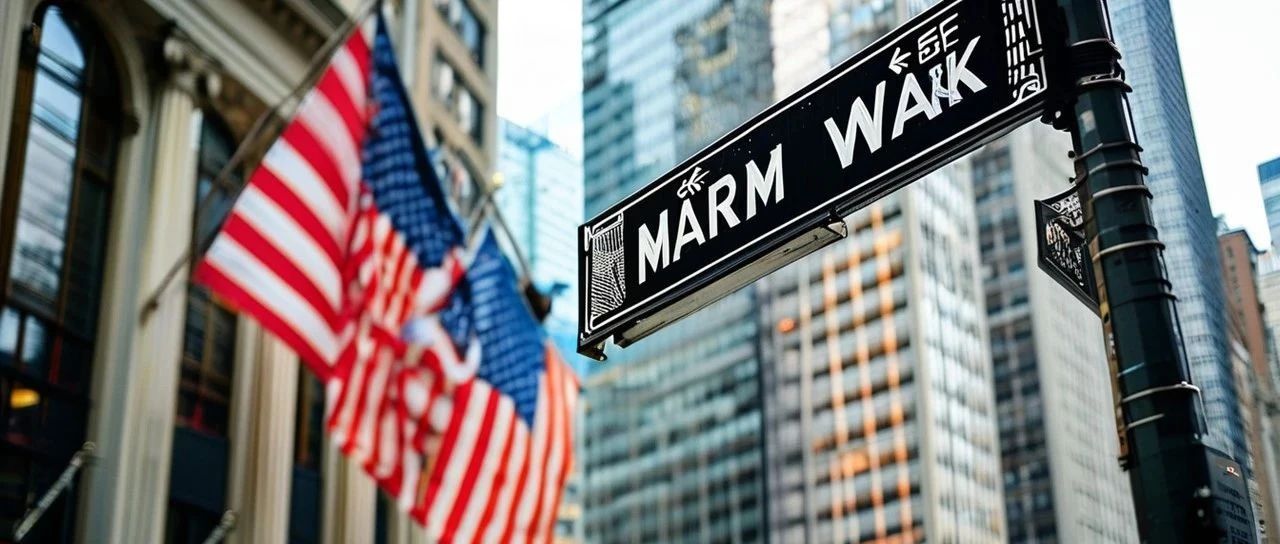
当地时间3月24日,美国总统特朗普表示,他将很快宣布针对汽车和药品的关税。 此外,行业关税的征税对象还将包括木材和半导体行业。 特朗普还表 示,4月2日的对等关税实施日将会如期实行,但会有国家有"折扣"。 另据英国《金融时报》报道,特朗普着眼于4月2日出台两步走的关税计划,其中包括立即征收高达50%的关税。 英国《金融时报》援引律师和知情人士的话称,特朗普可能立即出台汽车关税。特朗普团队还在讨论对贸易伙伴启动所谓的301调查。正在讨论的另一个选项 与1974年贸易法第122条挂钩,允许不超15%的临时关税。 对等关税将如期实施但会有"折扣" 在3月24日内阁会议上,美国总统特朗普、美国国务卿鲁比奥和特斯拉首席执行官马斯克在美国华盛顿特区出席白宫举行的内阁会议。会议上,特朗普表示将 很快宣布针对汽车、制药和其他行业的关税。 "我们很快就会宣布汽车行业的关税,就像我们此前宣布的钢和铝。我们还会在某个时候宣布针对药品的关税。因为我们必须有药品。"特朗普说。 "我们被世界上每个国家都欺骗了。"特朗普在内阁会议上说,"我们将在不久的将来宣布其中一些事情,而不是在很长的将来。" 在周一晚些时候,特朗普在白宫的另一场活动中 ...
快手高管解读2024年Q4财报:可灵AI“图生视频”效果处于全球第一
Xin Lang Ke Ji· 2025-03-25 13:50
快手高管解读2024年Q4财报:可灵AI"图生视频"效 果处于全球第一 快手(HKEX: 1024)今日发布了截至12月31日的2024年第四季度及全年财报。第四季度,营收 为354亿元,同比增长8.7%;净利润为40亿元,而去年同期净利润为36亿元。非国际财务报告会计准则 计量,调整后的净利润为69亿元,而去年同期调整后的净利润为61亿元。 2024年全年,营收为1269亿元,同比增长11.8%;净利润为153亿元,而2023年净利润为64亿元。 非国际财务报告会计准则计量,调整后的净利润为177亿元,而2023年调整后的净利润为103亿元。 详见: 快手第四季度营收354亿元 经调净利润69亿元 一图看懂快手Q4财报 财报发布后,快手科技联合创始人、执行董事、首席执行官程一笑,CFO金秉等高管出席了随后举 行的财报电话会议,解读财报要点,并回答分析师提问. 以下即为本次电话会议分析师问答环节主要内容: 瑞银集团分析师Felix Liu:我的问题有关AI。公司的视频大模型可灵AI最近获得了各界的广泛关 注,也包括三月初的"两会"新闻发布会。能否请管理层与我们分享一下可灵AI成功的原因?未来管理层 计划如何保 ...

高盛大幅调低全球AI训练服务器出货量,全线下调相应供应链股价预期
硬AI· 2025-03-25 12:41
Core Viewpoint - Goldman Sachs has downgraded its forecast for rack-level AI server shipments, projecting a decline in expected volumes for 2025 and 2026 due to product transition impacts and supply-demand uncertainties [2][4]. Group 1: AI Server Market Outlook - Goldman Sachs expects AI training servers to remain the main growth driver in the market, but the growth rate is anticipated to be lower than previously expected due to factors such as product transition, production complexity challenges, demand variability, and tariff risks [7]. - The forecast for rack-level AI server shipments has been revised down to 19,000 units in 2025 and 57,000 units in 2026, with market sizes adjusted to $54 billion and $156 billion respectively [8]. Group 2: Impact on Supply Chain Companies - Goldman Sachs has lowered the target prices for several Taiwanese AI server supply chain companies, including Quanta, with reductions ranging from 7% to 21% [3][11]. - The downgrade reflects a shift from rapid growth to more rational expansion in the AI server industry, indicating that while growth is slowing, AI infrastructure investment remains a key growth driver in the tech sector [11]. Group 3: Performance of Different Server Types - High-performance AI servers are not expected to be completely replaced by rack-level solutions, as some customers prefer motherboard solutions for design flexibility [5]. - AI inference servers are projected to see sales growth of 41% and 39% in 2025 and 2026, respectively, driven by expanding application areas [12].

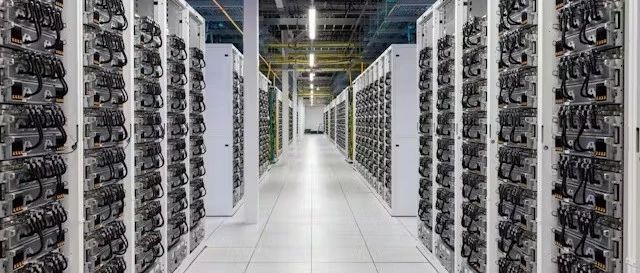
高盛大幅调低全球AI服务器出货量,全线下调相应供应链股价预期
华尔街见闻· 2025-03-25 10:59
Core Viewpoint - Goldman Sachs has downgraded its forecast for rack-level AI server shipments, indicating a slowdown in industry growth due to product transition impacts and supply-demand uncertainties [1][3][8]. Group 1: Shipment Forecast Adjustments - The forecast for rack-level AI server shipments in 2025 and 2026 has been revised down from 31,000 and 66,000 units to 19,000 and 57,000 units, respectively [1]. - The revenue forecast for AI training servers has also been adjusted, with expected growth of 30% in 2025 to reach $160 billion and 63% in 2026 to reach $260 billion, down from previous estimates of $179 billion and $248 billion [3][5]. Group 2: Factors Influencing Adjustments - The slowdown in shipments is attributed to several factors, including the transition period for GPU platforms, production complexity challenges, demand variability due to new AI models, and tariff risks affecting ODM manufacturers [4][5]. - The production complexity of full rack systems adds uncertainty to capacity ramp-up, while the release of more efficient AI models raises questions about market demand for intensive computing capabilities [4]. Group 3: Impact on Supply Chain Companies - Goldman Sachs has lowered target prices for several Taiwanese ODM and cooling supply chain companies, including Quanta, Foxconn, FII, Wistron, AVC, and Auras, with reductions ranging from 7% to 21% [1][7]. - Quanta's rating has been downgraded from "Buy" to "Neutral" due to limited upside potential in the current market environment [7]. Group 4: Market Dynamics - The market is transitioning from a phase of rapid growth to more rational expansion, reflecting a shift in the AI server industry [8]. - Despite the slowdown, investment in AI infrastructure remains a key growth driver for the technology sector, although growth will be more moderate than previously expected due to various limiting factors [8].
全球资本流向大变局:从“拜登大循环”到“特朗普大重置”
华尔街见闻· 2025-03-24 11:37
Core Viewpoint - The article discusses the significant shifts in global markets and U.S. economic policy, particularly focusing on the transition from Biden's economic strategies to Trump's proposed "Great Reset" aimed at addressing the issues left by the previous administration [2][9]. Group 1: Biden's Economic Cycle - The "Biden Cycle" involved massive fiscal stimulus post-pandemic, leading to high growth, high interest rates, and a booming stock market, which attracted foreign capital and supported a strong dollar [2][3]. - However, this cycle has two critical flaws: the risk of high debt and increasing wealth inequality, which could lead to a long-term depreciation of the dollar if the dual deficits exceed a certain threshold [3][6][8]. - The wealth disparity has worsened, with the top 10% benefiting from asset appreciation while the bottom 50% face rising costs of living, undermining the "American Dream" [7][8]. Group 2: Trump's Great Reset - Trump's approach, termed the "Great Reset," aims to reduce government spending, deregulate financial markets, and adjust international trade policies to revive the middle class [11][13][15]. - The reset seeks to shift the capital structure from financial to industrial capital, addressing the high debt levels by controlling new debt and restructuring existing debt [16][18]. - Key strategies include significant cuts to government spending, encouraging private sector leverage, and reintroducing tariffs to bring manufacturing jobs back to the U.S. [13][14][15]. Group 3: Implications for Financial Markets - The article highlights the potential for a significant shift in the dollar's role in global finance, as reduced U.S. trade deficits could lead to decreased demand for dollar assets, challenging the high valuations of U.S. equities [47][48]. - Trump's policies may lead to a scenario where the dollar loses its safe-haven status, with both the stock market and the dollar potentially declining together [50]. - The article warns of a "triple kill" risk for U.S. stocks, bonds, and the dollar, particularly if the debt ceiling is resolved without debt restructuring, which could trigger market volatility [52]. Group 4: Future Scenarios - The potential for a "Hail Mary" approach, such as the "Mar-a-Lago Agreement," could involve restructuring U.S. debt with other nations in exchange for tariff concessions [53]. - If traditional monetary policy tools like interest rate cuts fail, the Federal Reserve may resort to quantitative easing or yield curve control to stabilize the economy [54]. - The article concludes that the outcome of Trump's policies could either lead to a new era of prosperity or exacerbate existing issues, with significant implications for asset valuations and market stability [56][58].
4月2日后,“不确定性”没了,“利空出尽”?特朗普信,市场敢信吗?
华尔街见闻· 2025-03-24 11:37
特朗普关税策略引发全球经济动荡,其"不确定性"或为极大化谈判筹码。 过去一周来,尽管受到美联储决议和大量期权到期的影响,标普、纳斯达克和罗素指数均小幅上涨,释放出"逐渐恢复正常"的信号。 不过,高盛交易员Mike Washington在最新的报告中指出: "虽然本土仓位受到的上行风险可以说大于下行风险,但在投资者扫清4月2日关税障碍以及对第一季度盈利有更清晰的解读之前,风险情绪仍将逐 日升温。" 此前, 见闻君曾分析指出 ,许多投资者将4月2日视为"恐慌巅峰日 " 。大摩、美银等机构也纷纷发出预警,认为全球投资者远未做好做空美国或全球股票 的准备,并预计华尔街的波动性可能至少持续到2025年下半年。 当前,有政策观察人士认为,4月2日是一个重要的时间节点——一旦跨过这一天,有了确定性,市场会平静下来。 4月2日后,市场真的可以高枕无忧了吗? 关税的"不确定性"或成特朗普团队的谈判筹码 随着4月2日的"关税大限"即将来临,全球金融市场正在消化特朗普可能实施的大规模关税政策所带来的不确定性。 然而,据媒体报道援引经济学家和政策观察家分析, 这种不确定性很可能不是偶然,而是特朗普团队的刻意策略,旨在为未来谈判创造最 ...

美国的改变与中国的应变
创业邦· 2025-03-24 10:23
Core Viewpoint - The article discusses the fundamental changes in the perception of the United States globally and in relation to China, particularly under the leadership of Donald Trump, highlighting a shift from a positive to a negative image [3][4][10]. Group 1: Impact of Trump's Policies - Trump's administration has caused significant disruptions to international order and alliances, leading to confusion among allies [3][4]. - The stock market has reacted negatively, with the average decline of the "seven giants" on Wall Street being 15% this year, marking the lowest valuation since 2017 [4][6]. - Economic recession risks are rising, with Moody's chief economist indicating that Trump's tariff plans could push the economy into recession if implemented [6][21]. Group 2: Domestic and Foreign Policy Changes - Trump has focused on reducing federal bureaucracy and regulations, claiming they hinder American development [9]. - His foreign policy is characterized by a desire to prevent the U.S. from being taken advantage of by other countries, leading to increased tariffs and withdrawal from international agreements [10][12]. - The administration's approach to China has been pragmatic, emphasizing economic competition while still expressing a desire for investment from Chinese firms [14][21]. Group 3: Cultural and Psychological Concerns - There are deeper concerns regarding the cultural and psychological impact of Trump's policies, with fears that prolonged instability could lead to a collapse of markets and investor confidence [7][19]. - The article reflects on the potential for a shift in the global order, questioning whether the world will revert to a "jungle law" or maintain basic consensus in the face of common challenges [19][27]. Group 4: China's Position and Response - The article expresses confidence in China's ability to innovate and evolve despite external pressures from the U.S., suggesting that challenges may ultimately lead to growth [23][24]. - It emphasizes the importance of focusing on domestic economic development and innovation rather than rushing to fill perceived gaps left by the U.S. [25][26]. - The narrative suggests that China's approach should be rooted in its cultural values, promoting harmony and coexistence rather than aggressive expansion [27].

活动回顾 | DeepSeek:AI大模型开启金融数据领域的智能变革
Refinitiv路孚特· 2025-03-24 05:44
Core Viewpoint - The article emphasizes the transformative impact of DeepSeek, an open-source large language model, on the financial industry, highlighting its cost-effectiveness, efficiency, and innovative technology that supports the intelligent transformation of financial data [1][3][21]. Group 1: Core Technical Advantages of DeepSeek - DeepSeek employs a permissive open-source strategy (MIT License), enabling rapid global dissemination and application of its technology, fostering a developer ecosystem that allows small and medium enterprises to adopt AI capabilities at low costs [3][4]. - The model enhances traditional large models by introducing "active learning" capabilities, allowing it to adapt and optimize its performance based on market changes, thus improving decision-making in financial data analysis [5][6]. - DeepSeek optimizes the entire training process, significantly improving efficiency and reducing costs through techniques like mixed expert models and data compression, making top-tier AI technology accessible to smaller enterprises [7]. Group 2: AI Applications in the Financial Industry - AI, including DeepSeek, enhances operational efficiency in financial institutions by automating customer service and programming tasks, leading to a 50% increase in customer service efficiency at LSEG [9]. - In risk management, AI optimizes risk control models by analyzing large datasets and generating timely risk assessments, enabling financial institutions to mitigate potential losses [10]. - AI improves investment strategies by providing personalized investment advice based on market dynamics, as demonstrated by TwoSigma's use of large models to analyze financial reports and news [11]. - AI enhances customer experience through personalized recommendations and intelligent interactions, increasing customer satisfaction and engagement, exemplified by Standard Chartered's collaboration with LSEG [12]. Group 3: Compliance Challenges and Strategies - The financial sector faces data privacy and security risks due to its reliance on sensitive data, with potential threats from misuse of biometric information and phishing attacks [13]. - Financial institutions using DeepSeek can ensure data security and compliance through localized deployment and encryption technologies, mitigating legal risks [14]. - User education is crucial in the AI era, with financial institutions employing AI to monitor and alert users about potential risks, creating a dual defense of technology and education [15]. Group 4: Future Trends and Innovations - AI Agents are expected to automate business processes, significantly improving efficiency and reducing human error in tasks like fundamental and technical analysis [16]. - The development of multimodal capabilities in DeepSeek will allow for better integration of visual and auditory data, enhancing investment decision-making [17]. - Future language model developers may use natural language to "code," lowering the technical barriers for AI development and fostering rapid business innovation [18]. - DeepSeek's low-cost AI approach may democratize access to advanced analytical capabilities, reshaping the competitive landscape in the financial sector [19].