极氪

Search documents
路透社:中国车企研发速度是战胜国外品牌最大因素
Guan Cha Zhe Wang· 2025-07-08 02:43
Core Viewpoint - Despite efforts from Europe and the US to impose tariffs on Chinese imported cars due to alleged "unfair subsidies," the rapid development cycle and shortened R&D times are the primary factors enabling Chinese automotive brands to dominate the market [1][3]. Group 1: R&D Speed and Market Dynamics - Chinese brands have an average vehicle age of 1.6 years for electric and hybrid models, compared to 5.4 years for foreign brands, indicating a significant advantage in R&D speed [3]. - From 2020 to 2024, the top five foreign car manufacturers in China saw their annual passenger car sales plummet from 9.4 million to 6.4 million, while the top five Chinese manufacturers doubled their sales from 4.6 million to 9.5 million [4]. - Executives from major global automakers acknowledge the threat posed by Chinese competitors and express a desire to learn from their rapid R&D processes [6]. Group 2: Competitive Strategies - Many foreign automakers are collaborating with fast-growing Chinese manufacturers to adopt their operational methods, as seen with partnerships like Volkswagen and Xpeng, Stellantis and Leap Motor [6]. - Chinese automakers have shifted from merely imitating foreign designs to developing unique, faster product release strategies [6]. - The intense competition has led to a market where 93 out of 169 existing Chinese manufacturers hold less than 0.1% market share, indicating a brutal landscape [6]. Group 3: Unique Chinese Speed - Since Tesla launched the Model Y in 2020, BYD has introduced over 40 new models and 139 updates, showcasing an impressive pace of innovation [7]. - The flat organizational structure in Chinese companies allows for quick decision-making, enhancing flexibility and speed in development [7]. - Chinese engineers often work longer hours, contributing to the rapid pace of development compared to their global counterparts [7]. Group 4: Digital Development and Quality - Chinese automakers increasingly rely on digital R&D, enabling parallel deployment of global teams, which can significantly reduce development time [12]. - Despite shorter review processes, Chinese brands consistently achieve high safety ratings, such as five stars in the Euro NCAP tests, challenging the perception of lower quality [12]. - Standardized platforms and components across models help Chinese manufacturers save time and costs, with companies like Zeekr utilizing extensive databases to optimize parts selection [12]. Group 5: Agile Product Development - Companies like Chery propose multiple digital design options for each new model, allowing for rapid iteration based on market feedback [14]. - If a model fails to resonate with consumers, it can be quickly redesigned and reintroduced within two years, demonstrating agility in product development [14].

深夜,特斯拉突然狂泻,一度跌超8%
21世纪经济报道· 2025-07-07 15:20
Core Viewpoint - Tesla is facing a significant decline in sales and market share, attributed to product stagnation, quality issues with new models, regulatory challenges, and increasing competition from Chinese automakers [3][4][5][6][8][10]. Group 1: Sales Performance - Tesla's global deliveries in Q2 were 384,100 units, marking a year-on-year decline of 13.5%, the steepest drop since 2015 [3][4]. - In China, Tesla delivered 129,000 vehicles in Q2, contributing 34% to its total sales, but the cumulative sales for the first half of the year fell by 5.4% compared to the same period in 2024 [7][8]. Group 2: Product Issues - The product lineup remains heavily reliant on Model 3 and Model Y, which together accounted for 97.3% of total deliveries, while the high-end models like Model S/X and Cybertruck contributed only 10,400 units, a 50% year-on-year decline [3][4]. - The Cybertruck has faced multiple recalls and quality issues since its production began in 2023, significantly undermining market confidence [4]. Group 3: Regulatory and Competitive Challenges - Tesla's Full Self-Driving (FSD) technology is encountering regulatory hurdles in Europe and China, delaying its rollout plans [4][5]. - Chinese competitors, such as BYD, are rapidly gaining market share in Europe, with BYD's electric vehicle sales surpassing Tesla's for the first time in April, showing a year-on-year growth of 359% [5][6]. Group 4: Market Dynamics - Tesla's market share in China has shrunk from a peak of 15% in 2020 to 7.6%, facing intense competition from local brands that are improving in technology and pricing [8][9]. - The marketing landscape is shifting, with new entrants like Xiaomi's automotive venture directly competing with Tesla's offerings, further straining Tesla's market position [9][10].


车企“自建桩”应无差别开放、推进大功率充电桩互配验证,“超充”跑入普及期
Bei Jing Shang Bao· 2025-07-07 12:48
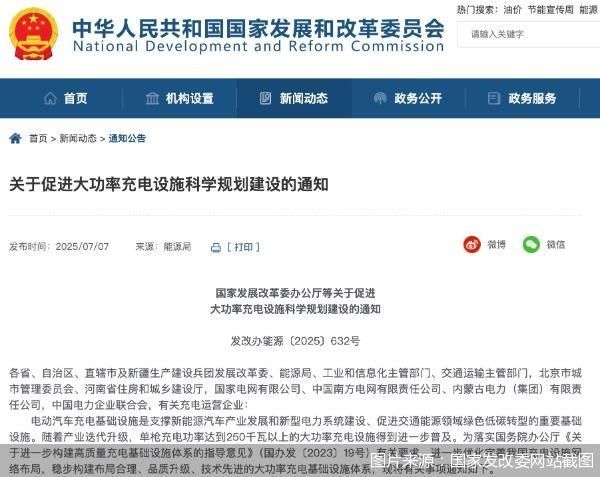
Core Viewpoint - The notice issued by multiple government departments emphasizes the importance of high-power charging infrastructure in supporting the development of the new energy vehicle industry and promoting a green and low-carbon transition in the transportation energy sector [1][2]. Group 1: Industry Development - The number of public charging piles in China reached 3.992 million by April this year, with 1.834 million DC charging piles and 2.157 million AC charging piles [2]. - The goal is to have over 100,000 high-power charging facilities nationwide by the end of 2027, with improvements in service quality and technology applications [1][2]. Group 2: Infrastructure Planning and Regulation - The notice outlines that project construction units must follow legal procedures for project filing, and local departments should strengthen supervision to avoid resource waste and disorderly construction [2][5]. - It encourages the government to play a guiding role in promoting the efficient use of resources and supporting quality operators in the construction and operation of charging stations [2][5]. Group 3: Interoperability and Standardization - The notice mandates that charging stations built by car companies should be gradually opened to all social vehicles, addressing compatibility issues among different brands [3][4]. - It calls for continuous efforts from research institutions and industry associations to promote the establishment of a standard system for high-power charging technology [4][5]. Group 4: Innovation and Safety Management - Suggestions are provided for promoting technological innovation in high-power charging applications, enhancing support and safety management for charging facilities [5]. - The notice aims to unify understanding and actions among related enterprises and the market, facilitating faster implementation of high-power charging infrastructure [5].
前瞻全球产业早报:特朗普称各国将于8月1日开始支付新关税
Qian Zhan Wang· 2025-07-07 05:19
Group 1 - Zeekr officially announced the launch of its new hybrid architecture, the Vast-S (SEA-S), which is the world's first luxury super hybrid architecture based on a pure electric platform and the first full-stack 900V high-voltage hybrid architecture [2] - Taobao has initiated a subsidy plan worth 50 billion yuan, which has led to a significant increase in business for restaurant chains and small businesses, with growth rates of 170% and 140% respectively [3] - Apple's iPhone sales in China increased by 8% year-on-year in Q2, marking the first quarterly growth since 2023, attributed to promotional pricing strategies for the iPhone 16 series, especially the Pro and Pro Max models [8] Group 2 - Tesla announced a price reduction for the Model 3 in Hong Kong, with some models seeing tax-inclusive discounts of up to 18%, bringing the entry-level Model 3 price down to 249,000 HKD [5] - The Chinese Academy of Information and Communications Technology reported that in May 2025, domestic smartphone shipments reached 23.716 million units, a year-on-year decline of 21.8%, with 5G smartphones accounting for 89.3% of total shipments [4] - BYD's Han family of vehicles has achieved cumulative global deliveries exceeding 1 million units, becoming the first model in the 200,000 yuan segment from a Chinese brand to reach this milestone [11]




数十万YU7准车主被友商盯上,小米汽车产能困局何时解?
3 6 Ke· 2025-07-07 01:11
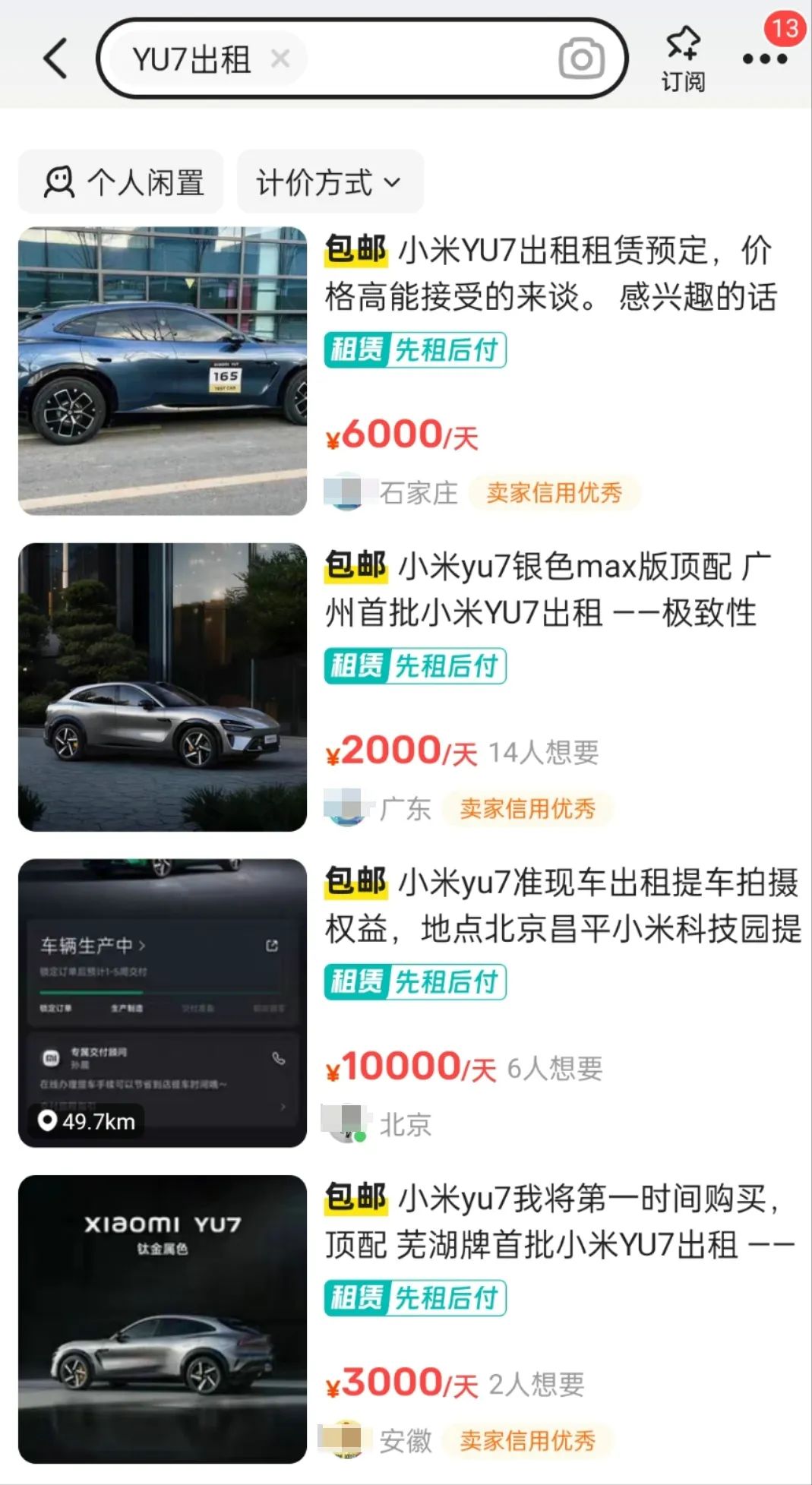
Group 1 - Xiaomi's YU7 electric vehicle has set a new record for the fastest pre-orders in the industry, with over 200,000 orders in just 3 minutes and 240,000 within 18 hours, surpassing its own previous model, SU7 [1][2] - The delivery timeline for the YU7 has significantly extended, with the standard version now taking over 50 weeks and the Max version at least 33 weeks, leading to customer frustration and potential cancellations [1][3] - Competitors such as Zeekr, NIO, and others are actively targeting YU7 customers by offering to reimburse their deposits if they switch to their brands, indicating a competitive market response [1][10][11] Group 2 - The YU7's delivery delays are longer than those of the SU7, which had a maximum delivery time of 30 weeks, highlighting a growing demand that exceeds current production capabilities [3][13] - The high demand for YU7 has led to a secondary market where orders are being resold for thousands to tens of thousands of yuan, reflecting the vehicle's desirability and potential for rental income [4][7] - Xiaomi's production capacity is currently limited to 30,000 vehicles annually, which is insufficient to meet the overwhelming demand for both YU7 and other models, leading to a backlog of orders [13][15] Group 3 - Xiaomi is implementing strategies to increase production capacity, including optimizing supply chains and potentially establishing a third factory, to address the delivery challenges posed by high order volumes [16][19] - The company is facing a critical period where it must balance production ramp-up with maintaining consumer trust, as competitors leverage the delivery delays to attract potential customers [17][19] - The situation mirrors challenges faced by other electric vehicle manufacturers like Tesla, indicating that overcoming production hurdles is a common rite of passage for emerging players in the industry [15][18]

小鹏G7 72小时新车上市一线快报
车fans· 2025-07-07 00:29
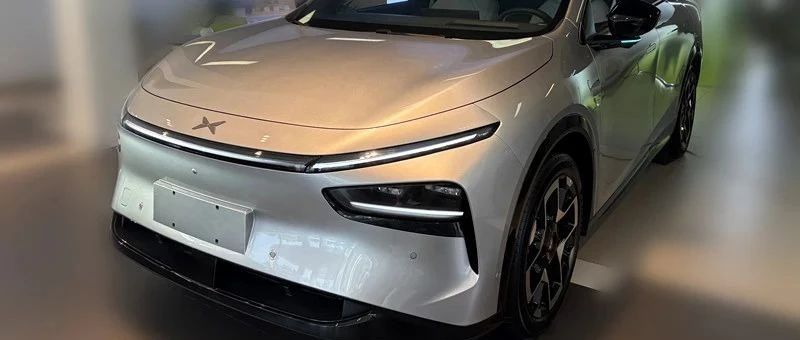
Group 1: Order Situation - New orders per store: 35 to 40 units [1] - Store visit rate: 60% to 70% [1] - Increase in store visits: 50% [1] - Notable factors include early arrival of display and test drive vehicles, pricing exceeding expectations, and a significant concentration of orders in first- and second-tier cities, with lead generation reaching historical highs [1] - Introduction of G7 is essential during store visits, with weekend test drives experiencing a surge, positively impacting P7+ and G6 sales [1] Group 2: Customer Profile - Primary customer age range: 25 to 35 years [2] - Male proportion: 70% to 80% [2] - Trade-in and replacement purchase ratio: 60% to 70% [2] - Main customer demographic consists of young couples, with a higher male representation, focusing on the manufacturer's advertised computing power and configuration [2] Group 3: Configuration Choices - Popular colors: New Moon Silver and Star Day Gray [3] - Interior colors: Cosmic Gray and Secret Blue [3] - 50% of customers opt for a 2-year interest-free financing option [3] - Strong customer perception of AR-HUD effects, requiring robust experiential feedback, with chassis quality exceeding expectations; new color options received positive feedback, particularly among family users who prefer darker interiors [3] Group 4: Competitor Comparison - Among 10 customers, 3 compared with Tesla Model Y, 3 with Xiaomi YU7, 2 with Zeekr 7X, and 2 with Li Auto L6 [5] - 5 customers chose the 702 Ultra version priced at 225,800 [5] - 3 customers selected the 702 Max version priced at 205,800 [5] - 2 customers opted for the 602 Max version priced at 195,800 [5] - Notable concerns include younger customers favoring YU7, with a significant price gap post-launch leading to reduced comparison ratios; customers express concerns over Xiaomi's delivery timelines while exhibiting strong observation tendencies [6] - Comparison with Model Y is closely related to the proximity of Tesla stores, with customers prioritizing intelligent driving features and valuing the configuration and space offered by Xiaopeng [6]

小鹏G7起售价19.58万,会影响哪些竞品?
车fans· 2025-07-07 00:29
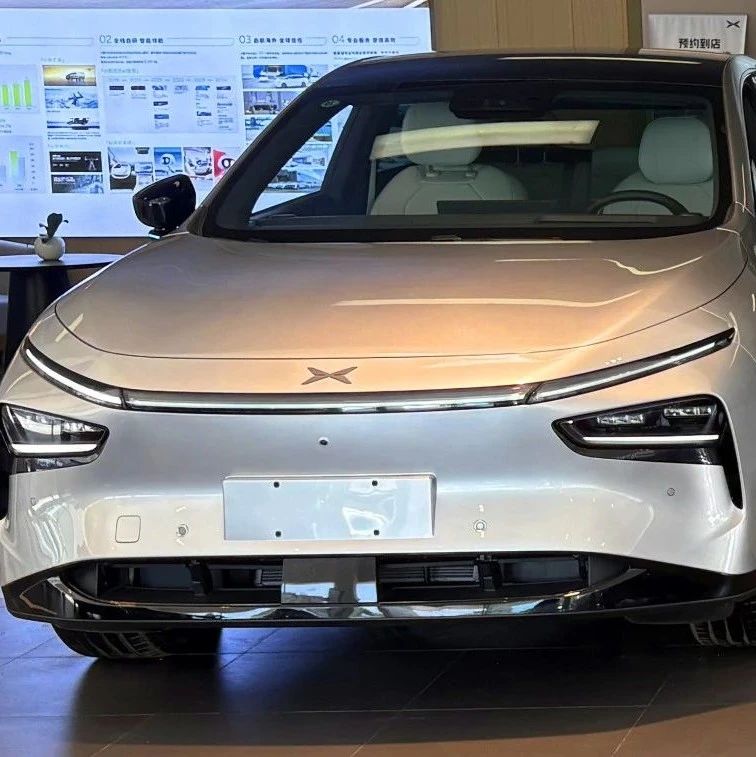
Core Viewpoint - The launch of the Xiaopeng G7 at a price range of 195,800 to 225,800 yuan positions it competitively against other electric vehicles, particularly in the smart family car segment, with a focus on technology and user experience [1][3][6]. Group 1: Competitive Landscape - The main competitors identified for the Xiaopeng G7 include the Zeekr 7X, Zhiji LS6, and AITO M5, with a significant focus on the G7's product strength and competitive pricing [3][6][10]. - The G7's pricing strategy is seen as a direct challenge to similar models, particularly the Tesla Model Y, although the overlap in customer demographics is estimated to be around 10% [3][7][15]. - The G7 is positioned as a strong contender in the 200,000 yuan price segment, appealing to young families seeking a balance of technology and affordability [6][15]. Group 2: Product Features and User Demographics - The G7 is characterized by its comprehensive features, including a 602 km range, spacious interior, and advanced technology such as AR-HUD, making it attractive to tech-savvy consumers [6][15]. - The target demographic for the G7 is primarily young families, with a noted preference for smart and technologically advanced vehicles, contrasting with the user profiles of competitors like the Zhiji LS6, which tends to attract more female customers [6][13]. - The G7's design and branding resonate with consumers who identify with new energy and technology trends, enhancing its appeal in the market [7][13]. Group 3: Future Developments - Xiaopeng plans to release several new models in the second half of the year, including a major update to the P7 and the introduction of the X9 range extender and G10 super range extender, which are anticipated to generate significant interest [3][10]. - Competitors are also preparing for new releases, with brands like Ideal and Zhiji set to launch updated models that may further intensify competition in the electric vehicle market [10][12].
汽车“一口价”烂大街了,现在以“补”之名
汽车商业评论· 2025-07-06 13:45
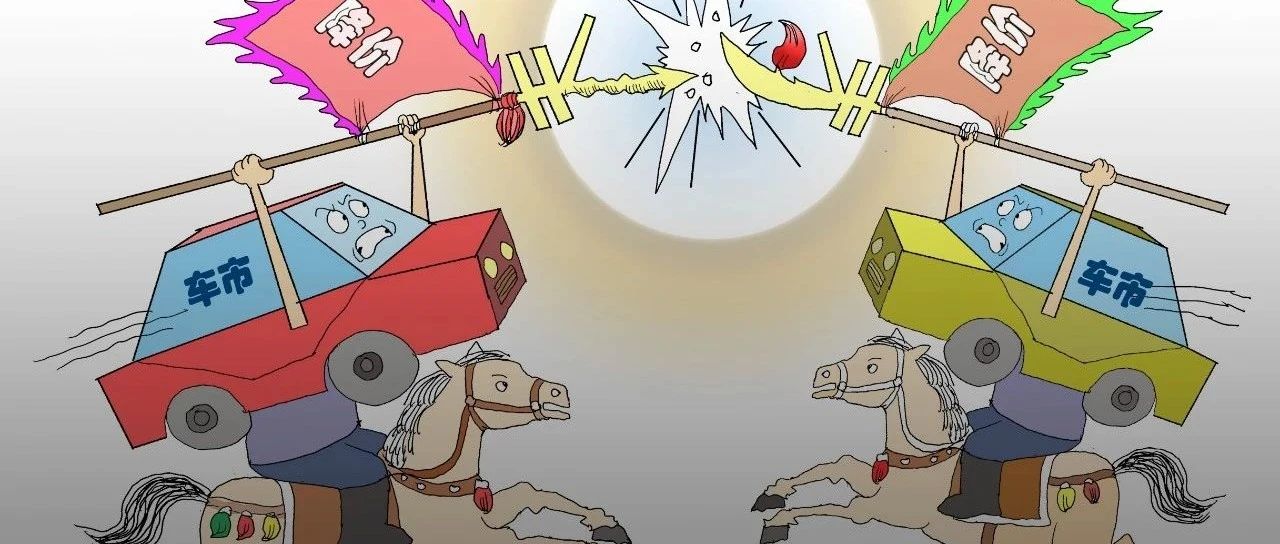
Core Viewpoint - The article discusses the recent targeted subsidies for Huawei's vehicles in various regions of China, highlighting the strategic marketing and promotional efforts by the company to boost sales and consumer interest in its electric vehicles [2][8]. Group 1: Subsidy Initiatives - On June 30, 2025, the Henan Provincial Automobile Industry Association announced a cash subsidy of 3,000 yuan for each of the first 2,000 electric vehicles sold, totaling 6 million yuan, with a purchase window from July 1 to July 31 [3]. - The subsidy is specifically for electric vehicles priced at 200,000 yuan or above, equipped with the HarmonyOS and Huawei's Tuling platform, and registered in Henan Province [4]. - Similar initiatives have been observed in Hunan Province, where a 3,000 yuan subsidy is offered for certain models of HarmonyOS vehicles, with a total funding of 4.5 million yuan [9][10]. Group 2: Marketing Strategy - The targeted subsidies are seen as a clever marketing strategy by Huawei, allowing consumers to receive cash incentives while simultaneously driving sales for the company and stimulating local economies [18]. - The article notes that this approach contrasts with traditional subsidy models, which typically do not favor specific brands [8]. - Various regions across China, including cities like Yueyang and Tianjin, have also introduced similar subsidy policies for HarmonyOS vehicles, with amounts varying from 3,000 to 5,000 yuan [12][13]. Group 3: Competitive Landscape - The article highlights the competitive response from other automotive brands following the launch of Xiaomi's Yu7, which achieved over 200,000 pre-orders in just three minutes, prompting a flurry of promotional activities from competitors [24][29]. - Companies like BYD and Chery have adjusted their pricing strategies and promotional offers in response to the competitive pressure, indicating a shift towards more aggressive marketing tactics in the industry [31][36]. - The article suggests that the current market dynamics reflect a broader trend of price competition among electric vehicle manufacturers, despite regulatory efforts to curb excessive price wars [39].
特朗普称8月1日起实施新关税;欧佩克+增产|周末要闻速递
2 1 Shi Ji Jing Ji Bao Dao· 2025-07-06 12:35
Group 1 - The People's Bank of China is soliciting public opinions on the draft rules for the Renminbi Cross-Border Payment System, which includes six chapters and thirty-one articles to regulate participants and operational institutions [1] - The new trading management rules for programmatic trading will take effect from July 7, detailing regulations on reporting, trading behavior, information systems, and high-frequency trading [2] - The Ministry of Finance has announced measures regarding government procurement of medical devices imported from the EU, requiring that non-EU companies' products cannot exceed 50% of the total contract amount for certain purchases [3][4] Group 2 - The Ministry of Commerce has proposed anti-dumping duties on brandy imported from the EU, effective from July 5, 2025, for a duration of five years [5] - National electricity load reached a historical high of 1.465 billion kilowatts on July 4, driven by high temperatures, marking an increase of approximately 200 million kilowatts from late June and nearly 150 million kilowatts year-on-year [6] - OPEC and eight major oil-producing countries have decided to increase production by 548,000 barrels per day in August, adjusting output based on market conditions [10] Group 3 - China Shipbuilding Industry Company has received approval from the Shanghai Stock Exchange for its merger with China State Shipbuilding Corporation, pending further regulatory approvals [11] - Meituan and Alibaba have launched significant promotional campaigns for the summer consumption season, offering substantial discounts to stimulate market activity [12] Group 4 - Citic Securities has noted that the current market environment resembles late 2014, with a focus on sectors like AI and innovative pharmaceuticals, and suggests a rotation in investment themes during the mid-year reporting season [16] - Huatai Securities indicates that the robotics industry is entering a phase of elimination, emphasizing the need for companies to demonstrate practical applications and customer orders [17]


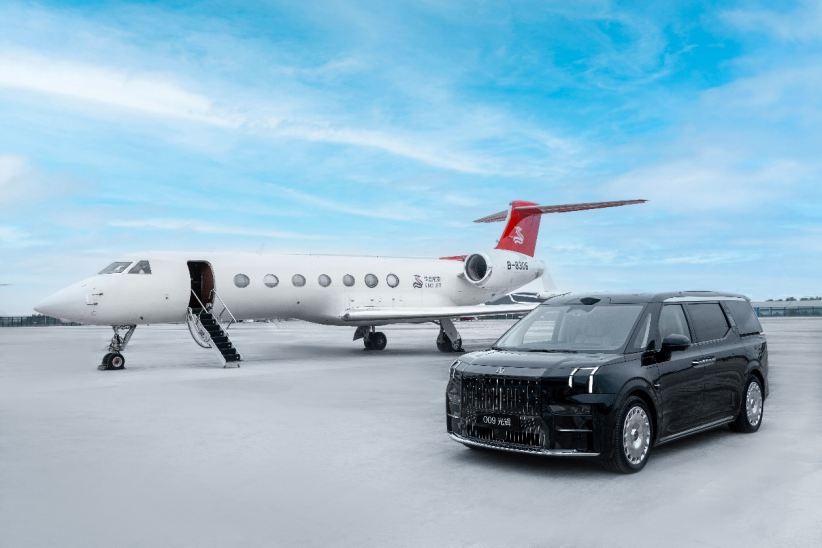
极氪009光辉典藏版交付首批用户,中国汽车史上首个空中交付
Qi Lu Wan Bao Wang· 2025-07-06 06:36
Core Viewpoint - The delivery ceremony of the Zeekr 009 Glorious Edition, China's first airborne car delivery, took place on a private jet, highlighting the luxury and innovative experience of the vehicle [1][3]. Group 1: Product Features - The official starting price of the Zeekr 009 Glorious Edition is 899,000 yuan, featuring luxurious elements such as gold accents and high-quality materials, appealing to high-end consumers [1]. - The vehicle is designed with safety and comfort in mind, including a unique one-piece cast C-ring seat that secures rear seats to the aluminum body, ensuring passenger safety [5]. - It boasts the world's first LC privacy dimming glass, which can switch from bright to dark in one second, with a UV blocking rate of 99.9% and a shading rate of 99.5% [5]. - The seats are made from ultra-soft aniline leather, featuring 11 layers and 12 ergonomic support zones, providing 20 massage points and a graphene thermal SPA experience [5]. Group 2: Market Position and Consumer Insights - The Zeekr 009 Glorious Edition is favored by high-end users, with a significant portion of buyers being executives and entrepreneurs, predominantly male [1][3]. - The vehicle's performance is notable, being the fastest accelerating MPV globally, achieving 0-100 km/h in just 3.9 seconds, and equipped with a battery that allows for over 500 km of range in just 11.5 minutes of charging [5]. - The penetration rate of new energy vehicles in China has surpassed 50%, with domestic brands like Zeekr capturing a significant share of the 600,000 yuan market segment, indicating a shift in consumer preferences towards local luxury vehicles [6].