大众汽车集团

Search documents
保时捷失守中国市场
第一财经· 2025-12-23 13:46
Core Viewpoint - Porsche China will stop operating approximately 200 self-built charging stations nationwide starting March 1, 2026, transitioning to a model of deep cooperation with leading third-party charging operators to enhance user charging experience [3][4]. Group 1: Business Changes - The cessation of self-built charging stations is part of Porsche's adjustment in its electrification strategy, which includes slowing down the electric vehicle (EV) rollout and focusing on more fuel and plug-in hybrid models [4][5]. - Porsche has announced delays in the launch of certain pure electric models, including a new SUV series that was initially planned to be fully electric, which will now only offer internal combustion and plug-in hybrid versions [5]. Group 2: Market Performance - Porsche's sales in China have faced significant pressure, with a 26% year-on-year decline in the first three quarters of 2023, totaling 32,000 units sold [6]. - The current market for pure electric luxury vehicles in China is underdeveloped, with Porsche's existing electric models (Taycan and Macan) not meeting expectations, leading to plans for a new electric Cayenne model next year [6]. Group 3: Localization and Future Strategy - Porsche is accelerating its localization efforts in China, including the launch of a new generation infotainment system tailored for the Chinese market and the establishment of a research and development center in China to shorten vehicle development cycles [6][7]. - The CEO of Volkswagen Group indicated that while there is potential for developing models specifically for the Chinese market, the production must align with Porsche's brand values, and the focus will remain on fuel and hybrid sports cars for the next 10-15 years [6][7].

频频撤回电动化战略,保时捷失守中国市场
Di Yi Cai Jing Zi Xun· 2025-12-23 12:31
Core Viewpoint - Porsche China will gradually stop operating approximately 200 self-built charging stations nationwide starting from March 1, 2026, transitioning to a model of deep cooperation with leading third-party charging operators to enhance user charging experience [1][2]. Group 1: Business Changes - The cessation of self-built charging stations is part of Porsche's adjustment in its electrification strategy, which includes delaying the launch of certain electric vehicle models and focusing more on fuel and plug-in hybrid vehicles [2]. - Porsche has been a pioneer in the ultra-luxury electric vehicle market with the launch of the Taycan in 2019, but the overall electrification progress among ultra-luxury brands has been slow due to market demand and technological challenges [2][3]. Group 2: Market Performance - Since 2023, Porsche's sales in China have faced significant pressure, with a 26% year-on-year decline in the first three quarters, totaling 32,000 units sold [3]. - The current electric models available in China, Taycan and Macan, have not met market expectations, prompting the introduction of the all-electric Cayenne next year [3]. Group 3: Localization and Future Strategy - Porsche is accelerating its localization efforts in China, including the launch of a new generation of infotainment systems tailored for the Chinese market and the establishment of a research and development center with independent decision-making authority [3][4]. - The CEO of Volkswagen Group indicated that while there is potential for developing models specifically for China, the vehicles must align with Porsche's brand values, and the luxury electric vehicle market in China remains underdeveloped [3][4].
车圈俩月换了6个CEO,29家企业327名高管变动,掀起年终人事巨变
3 6 Ke· 2025-12-22 23:18
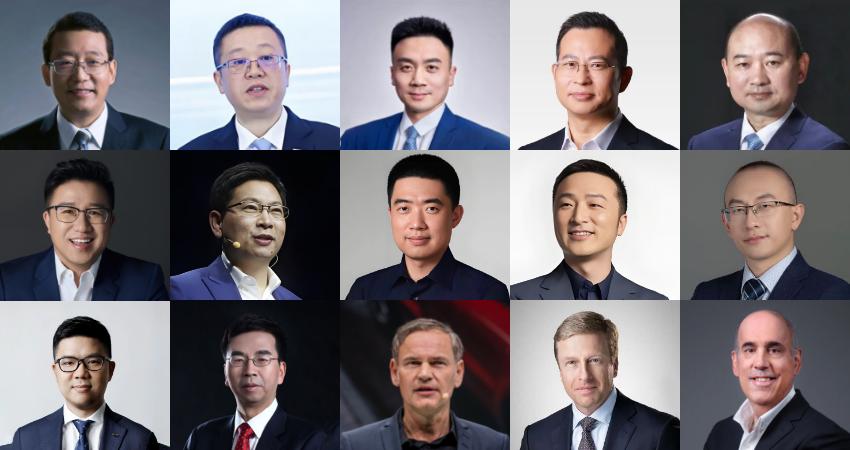
Core Insights - The automotive industry is experiencing a significant wave of executive changes, with over 327 high-level personnel adjustments reported in the last two months, including six CEOs [2][3][4] - The restructuring reflects a strategic shift among companies as they prepare for intensified competition in 2026, focusing on leadership renewal, efficiency, and core business enhancement [4][5][6] Group 1: Executive Changes in State-Owned Enterprises - Major state-owned automotive groups such as Dongfeng, Changan, GAC, and BAIC have undergone frequent personnel changes, aiming for younger and more professional decision-making teams [5][6][7] - GAC has appointed its first "post-70s" general manager, indicating a move towards clearer internal responsibilities and optimized decision-making [7] - Dongfeng has brought in external talent to drive its smart transformation, while Changan has filled its long-vacant president position, reflecting a commitment to leadership stability [11][13][15] Group 2: Executive Departures in Private Enterprises - Private automakers like BYD, Geely, and Great Wall have seen significant executive turnover, with key figures leaving amid fierce market competition [17][19] - Chery has emerged as an active talent poacher, recruiting from competitors to enhance its marketing and technology capabilities [19][21] Group 3: New Forces in the Automotive Sector - New energy vehicle companies are making urgent personnel adjustments to tackle pressing challenges, with Li Xiang of Li Auto taking direct control of human resources to streamline operations [22][24] - Xiaomi's automotive division is focusing on sales growth, with top executives taking on additional responsibilities to drive performance [26][28] - XPeng Motors is enhancing its technical capabilities by hiring AI experts, indicating a strategic focus on core technology development [29] Group 4: Changes in Foreign and Joint Venture Brands - Major foreign automotive companies, including GM and Tesla, are undergoing significant executive changes, with GM's software and AI teams experiencing notable turnover [32][34][36] - German luxury brands are also reshuffling their leadership, with key executives transitioning to new roles to align with future strategic goals [38][40][42] Group 5: Supply Chain and Component Manufacturers - The supply chain sector is also witnessing high-frequency personnel changes, with Huawei's Yu Chengdong taking on additional leadership roles to strengthen its market position [46][49] - Traditional component manufacturers like Continental and ZF are focusing on efficiency and business concentration through their leadership adjustments [51][52] Conclusion - The recent wave of personnel changes in the automotive industry signifies a critical reassessment of survival strategies amid the ongoing transition towards electrification and intelligence [53]




保时捷突发!将停止运营
Shen Zhen Shang Bao· 2025-12-22 11:20
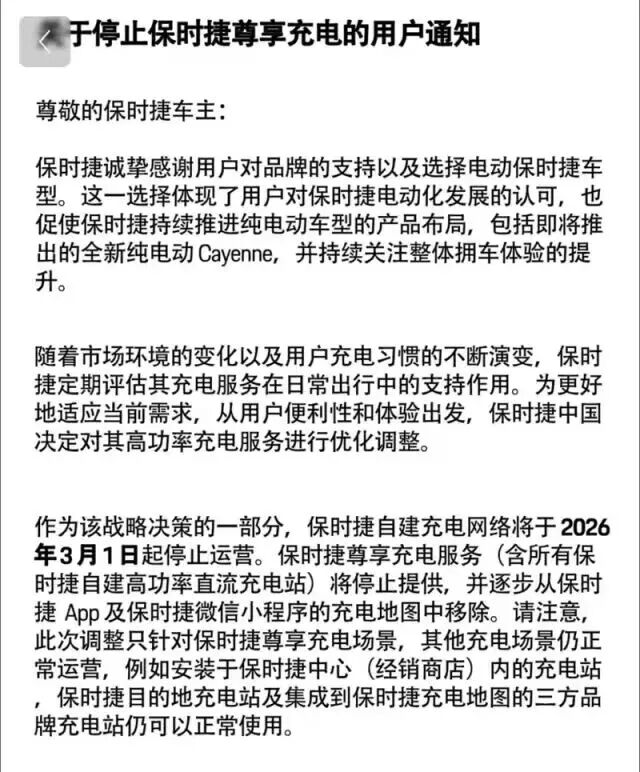
Core Viewpoint - Porsche China has announced the discontinuation of its "Porsche Enjoy Charging" service due to changing market conditions and evolving user charging habits, aiming to optimize its high-power charging services for better user convenience and experience [1][2]. Group 1: Service Adjustments - Starting from March 1, 2026, Porsche's self-built charging network will cease operations, including all high-power DC charging stations under the "Porsche Enjoy Charging" service, which will be gradually removed from the Porsche App and WeChat mini-program [2]. - The adjustment only affects the "Porsche Enjoy Charging" scenario, while other charging options, such as those at Porsche centers and third-party brand charging stations integrated into the Porsche charging map, will continue to operate normally [2]. Group 2: Financial Performance - For the first three quarters of 2025, Porsche reported sales revenue of €26.86 billion, a 6% year-on-year decline, and an operating profit of €40 million, down 99% from €4.035 billion in the same period last year, with the operating profit margin dropping from 14.1% to 0.2% [3]. - The financial difficulties are closely linked to a strategic restructuring cost of €2.7 billion, which includes €1 billion in expenses related to internal layoffs and the cancellation of independent battery business investments [3]. Group 3: Market Challenges - Porsche's annual sales in the Chinese market have decreased from nearly 100,000 units to about 40,000 units, with expectations of slow recovery in the short term [4]. - The company plans to maintain high profit levels through channel adjustments and capacity reductions, although there are currently no plans to develop exclusive models for the Chinese market, leaving the possibility open for the future [4]. Group 4: Dealership Closures - Porsche 4S dealerships are being reduced, with several locations, including the Zhuhai Porsche Center, announcing closures by the end of November, and multiple dealerships in cities like Wenzhou, Yiwu, Shaoxing, Yongkang, and Cangzhou shutting down within a year [5].
“十四五”收官 | 一汽-大众高质量发展十件大事作答2025
Zhong Guo Qi Che Bao Wang· 2025-12-22 01:21
Core Insights - FAW-Volkswagen has achieved stable operations and high-quality development while adhering to its mission as a central enterprise joint venture, marking a significant milestone at the intersection of the "14th Five-Year Plan" and "15th Five-Year Plan" [5] Group 1: Strategic Development - The fifth party congress has outlined a development blueprint focusing on "two highs and one new" and "five major leading" goals, emphasizing the importance of party leadership in driving high-quality development and international openness [6] - A strategic cooperation agreement was signed between FAW and Volkswagen Group, introducing 11 new models tailored for the Chinese market, with 10 being new energy vehicles, to enhance the product lineup and accelerate the smart electric transition [10] - FAW-Volkswagen has become the first passenger car company in China to surpass 30 million units in production and sales, contributing over 5.5 trillion yuan in revenue and more than 740 billion yuan in taxes over 34 years [12] Group 2: Localized Operations - A cooperation agreement was signed to establish a new company for the Jetta brand, aiming to create a new paradigm for localized operations of joint venture brands, enhancing decision-making autonomy and market responsiveness [14] - The company has achieved a historic breakthrough in vehicle exports, marking its first exports to the Middle East, which aligns with national strategies for high-level openness and supports regional economic development [18] Group 3: Organizational and Cultural Transformation - The company has launched the "Creation and Sharing Path 3.0" corporate culture initiative, focusing on high-quality development and a new mission to create value and promote harmony between people and vehicles [25] - The "Kunpeng Plan" and "U30 Plan" have been initiated to cultivate a young and professional talent pool, enhancing organizational efficiency and fostering a culture of growth and innovation [28] - FAW-Volkswagen has implemented ten initiatives to care for employees, addressing their needs and enhancing their sense of belonging and loyalty to the company [30] Group 4: Future Goals - Moving forward, FAW-Volkswagen aims to implement the spirit of the 20th National Congress of the Communist Party, focusing on the overall goals of "two highs and one new," specific objectives of "five major leading," and ten core tasks to establish itself as a benchmark for high-quality development and international openness in the new era [32]

欣旺达20亿扩产;60GWh锂电项目落户湖南;赣锋锂电10GWh项目签约江西;派能锂电池研发基地二期开工;10GWh电池项目投产
起点锂电· 2025-12-21 06:15
Group 1 - CATL has launched the world's first humanoid robot for large-scale production of energy storage battery PACK, achieving a connection success rate of over 99% [3] - Ganfeng Lithium has signed a project agreement for a 10GWh zero-carbon industry base in Jiangxi, which will include lithium battery production lines and a distributed photovoltaic power generation system [4] - Envision AESC has officially started production at its Sunderland battery plant in the UK, with an initial capacity of 15.8GWh, enough to supply batteries for over 200,000 electric vehicles annually [5] Group 2 - Guokai Energy has launched a smart manufacturing base for energy storage batteries in Anqing, Anhui, with a planned capacity of 10GWh and an expected annual output value exceeding 5 billion yuan [7] - Pylontech has commenced the second phase of its 10GWh lithium battery R&D and manufacturing base in Hefei, aiming to enhance production capacity and meet market demand [8] - Xinnengda plans to invest 2 billion yuan in a mobile energy storage vehicle production line and related projects in Jiangxi [9] Group 3 - A 27GWh battery cell production project has been signed in Feicheng, Shandong, with a total investment of 5.5 billion yuan, expected to generate an annual output value exceeding 8 billion yuan [10] - A new generation lithium battery project with a capacity of 60GWh has been established in Hunan, capable of meeting the battery needs of approximately 1 million new energy vehicles [11] - Volkswagen's PowerCo has launched its first battery cell production facility in Germany, with a target annual capacity of 20GWh to support around 250,000 electric vehicles [12] Group 4 - Dafu Technology plans to sell a 49% stake in Dasheng Graphite for a minimum price of 206 million yuan [14] - Yongtai Technology has reported a production capacity of 18,000 tons per year for solid-state lithium hexafluorophosphate [15] - Yuntai Holdings has established a complete supply chain for iron phosphate with an annual capacity of 50,000 tons [19] Group 5 - A 2,000-ton silicon-carbon anode material project has been signed in Sichuan, with a total investment of 650 million yuan, expected to achieve an annual output value of about 800 million yuan [20] - Huayou Cobalt has signed a binding memorandum to supply 79,600 tons of ternary precursor products to an international client [18] - Tesla plans to start battery production in Germany by 2027, with a production capacity of up to 8GWh [30] Group 6 - BYD has achieved a significant milestone with the production of its 15 millionth new energy vehicle [31] - CATL and Lantu Motors have signed a 10-year cooperation agreement to enhance collaboration in technology application and product supply [33] - Chery has reported a monthly sales figure of 111,577 units in December, marking a 54% year-on-year growth and positioning itself among the top three in the industry [34]



锂电产业链周记 | 福特20亿美元进军储能市场 宁德时代宜春锂矿进入首次环评信息公示阶段
Xin Lang Cai Jing· 2025-12-19 14:13
Group 1: Ford Motor Company - Ford plans to restructure its electric vehicle business and has recorded an impairment charge of $19.5 billion (approximately 137.6 billion RMB) [1] - The company is shifting its strategic focus towards commercial vehicle investments and high-growth battery storage business, with an investment of approximately $2 billion over the next two years [1] - Ford aims to deliver battery storage systems by 2027, targeting an annual production capacity of 20 GWh [1] Group 2: CATL and Lantu Automotive - CATL and Lantu Automotive signed a 10-year deepening cooperation agreement, focusing on battery technology and supply chain collaboration [2] - CATL will prioritize providing advanced battery technologies for Lantu's vehicle models, including the application of its Kirin, Xiaoyao, and Shenxing brands [2] - The partnership will also enhance supply chain agility and security, addressing external volatility risks [2] Group 3: Volkswagen - Volkswagen's subsidiary PowerCo has officially started battery cell production in Germany, marking a full-process layout from design to production in Europe [4] - The project in Salzgitter has seen investments exceeding €1 billion since its inception in July 2022 [4] - Volkswagen plans to replicate this model in Valencia, Spain, and St. Thomas, Canada [4] Group 4: LG Energy Solution - LG Energy Solution announced the cancellation of a battery procurement contract with Ford valued at 9.6 trillion KRW (approximately 45.9 billion RMB) [5] - The canceled order represents about 30% of LG Energy's total revenue from the previous year, with a projected revenue decline of 24.1% in 2024 [5] - LG Energy stated that the canceled orders were scheduled for supply starting in 2027, and they will maintain a cooperative relationship with Ford [5] Group 5: Other Companies - Wast Power signed an agreement to establish a sodium-ion battery materials and module production base in Jiangning, with a total investment of approximately 500 million RMB [6][7] - Zhongke Electric plans to invest approximately 7 billion RMB to build a lithium-ion battery anode material project in Luzhou, Sichuan, with a production capacity of 300,000 tons per year [8] - Tianqi Lithium announced the completion and trial operation of its third-phase chemical-grade lithium concentrate expansion project, increasing total capacity to 2.14 million tons per year [13]




欧盟取消2040年全面停售燃油车计划,汽车产业多技术路线时代开启
Hua Xia Shi Bao· 2025-12-19 09:32
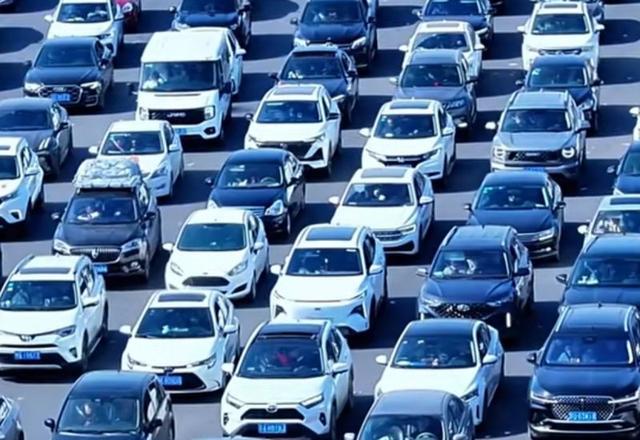
本报(chinatimes.net.cn)记者刘凯 北京报道 近日,欧盟委员会在争议声中正式公布了对2035年汽车排放法规的重大修订方案。核心内容是将新车减 排目标从原定的100%调整为90%,剩余10%的排放可通过低碳钢、电子燃料或生物燃料等方式抵消。与 此同时,欧盟取消了原定的2040年全面停售计划,并通过引入"积分存储和借用"等灵活机制,为混合动 力及高效内燃机技术敞开了大门。 这一表态与两年前欧盟坚决推进"完全零排放"的立场形成明显对比。德国总理默茨曾致信欧盟委员会主 席冯德莱恩,明确要求允许2035年后继续使用生物燃料或合成燃料的高效内燃机。德国汽车工业协会 (VDA)此前警告,原"禁燃令"可能危及约27万个就业岗位。据了解,汽车制造业约占德国GDP的 6%,关联近百万工作岗位。 在法国、意大利等国,汽车产业同样是经济支柱。目前,欧洲车企在电动化转型中普遍陷入"卖一辆亏 一辆"的困境。据摩根士丹利分析,传统车企在欧洲每售出一辆电动车平均亏损高达3000—6000欧元。 大众汽车集团CFO指出,低利润率的电动车产量增加是业绩走弱的主因。2025年第三季度,大众遭遇近 五年来首次季度净亏损,奔驰同期营收 ...
全球大公司要闻 | Meta秘密开发代号为Mango的新模型,计划于明年上半年发布
Wind万得· 2025-12-18 22:45
Group 1 - Micron Technology released an optimistic earnings forecast, with Q1 adjusted revenue of $13.64 billion, a 57% year-over-year increase, and net profit of $5.2 billion, significantly exceeding last year's $2 billion. The company plans to increase capital expenditures to $20 billion by 2026, with the first wafers from a new Idaho factory expected in early 2027 [2] - Trump Media & Technology Group plans to acquire TAE Technologies, valuing the deal at over $6 billion. The merger will involve a $300 million phased investment and aims to address AI-related energy shortages with a utility-scale fusion power plant by 2026 [2] - OpenAI is in preliminary talks to raise at least several billion dollars, with a potential maximum of $100 billion, which could increase its valuation to $750 billion, a 50% rise from its October valuation of $500 billion [2] Group 2 - TSMC continues to see strong demand for advanced process capacity amid Micron's strong performance and memory chip shortages, solidifying its core position in the AI supply chain [5] - Domestic GPU companies, Muxi and Moore Threads, have successfully listed on the STAR Market, attracting significant investment interest, indicating strong market attention towards the domestic GPU sector [5] - Alibaba's Qianwen APP integrates with Amap, enhancing its AI capabilities and expanding its application in the physical world, thereby strengthening Alibaba's ecosystem in AI [5] - Sichuan Road and Bridge received a stake increase from Zhongyou Insurance, now holding 5% of the company, reflecting institutional recognition of long-term investment value in infrastructure [5] Group 3 - Amazon joined the U.S. AI "Genesis Project" and is considering a $10 billion investment in OpenAI, while also forming a new department to accelerate technology breakthroughs [9] - NVIDIA collaborates with the U.S. government on the "Genesis Project" and has launched the RTX PRO 5000 72GB BLACKWELL GPU [9] - Microsoft has open-sourced a 40 billion parameter 3D generation model and expanded its partnership with Cognizant to develop industrial-grade AI solutions [9] - Tesla's stock value is heavily reliant on autonomous driving estimates, with analysts warning that its automotive business may only be worth $30 per share [9] Group 4 - LG Energy's stock fell 9% after Ford canceled a $6.5 billion electric vehicle battery supply agreement, impacting its North American market strategy [12] - Toyota plans to import three models from the U.S. to Japan starting in 2026 and is collaborating with Bosch on a large-scale ADAS project [12] - Samsung Electronics is set to deliver SOCAMM2 samples to NVIDIA and plans to launch new AI-connected home appliances at CES 2026 [12] - SK Hynix's stock has surged 220% due to rising memory prices, positioning it as a major beneficiary alongside Samsung [12]




欧盟“撤回”2035全面电动化
Bei Jing Shang Bao· 2025-12-18 14:21
Core Viewpoint - The European Commission has proposed to relax the 2035 ban on the sale of fuel vehicles, adjusting the new car "zero emissions" target to a "90% reduction" in emissions, allowing some fuel vehicles to remain in the market under specific conditions [1][3]. Policy Adjustments - The adjustment of the emission reduction policy is a significant change from the original 2021 target of a complete ban on new fuel vehicles by 2035, which aimed to force the automotive industry towards electrification [3]. - The latest proposal allows for a 90% reduction in emissions compared to 2021 baseline levels, with the remaining 10% potentially offset by using low-carbon steel, synthetic fuels, or non-food biofuels [3][4]. Industry Reactions - Major European automakers, including Volkswagen and Stellantis, have expressed concerns about weak demand for electric vehicles and have called for relaxed carbon emission targets [4]. - German automakers like BMW and Volkswagen support the proposal, viewing it as a pragmatic approach that aligns with current market realities [4]. Internal Divisions - There are significant divisions within the EU regarding the adjustment of the fuel vehicle ban, with some member states advocating for "technological openness" while others, including environmental organizations, oppose the relaxation of policies [5]. - Companies like Volvo and Polestar have voiced strong opposition to the policy shift, arguing it undermines the commitment to electrification and damages trust in EU regulations [5]. Market Dynamics - The European automotive industry is facing structural pressures, with hybrid vehicle registrations increasing while gasoline vehicle registrations have declined [7]. - The cost pressures from high energy prices and tariffs have further complicated the transition to electric vehicles, leading to profit declines among major German automakers [7][8]. Long-term Trends - Despite current challenges, the long-term trend towards electrification remains strong, with the market share of electric vehicles in the EU continuing to grow [8]. - In the first ten months of 2025, new registrations of pure electric vehicles reached approximately 1.47 million, representing a market share of 16.4%, an increase from 13.2% in the previous year [8].