
三星

Search documents
TikTok Shop年活跃消费者已达4亿,GMV近千亿美元
Sou Hu Cai Jing· 2026-01-07 09:36
Core Insights - TikTok Shop is projected to reach 400 million active consumers and nearly $100 billion in GMV by 2025, ranking fifth among global e-commerce platforms and showing the fastest growth rate [1] - The platform operates on an "interest e-commerce" model, leveraging short videos and live streaming to create a transaction loop that enhances consumer discovery and trust [1] - TikTok Shop has expanded to 17 global markets since its launch in 2021, including the US, Europe, Southeast Asia, Mexico, Brazil, and Japan [1] Market Performance - TikTok Shop's GMV is expected to exceed $25 billion in Q4 2025, driven by the Black Friday Cyber Monday shopping season, surpassing eBay [2] - In the US, TikTok Shop's sales are projected to grow by 400% in 2024 and 108% in 2025, with a GMV of over $500 million during the Black Friday period in 2025 [2] - The platform's short video sales contribute 40% of its GMV in the US, with natural traffic accounting for 70%-80%, significantly reducing customer acquisition costs for merchants [3] Regional Growth - In Southeast Asia, TikTok Shop has become the second-largest player, trailing only Shopee, with a GMV growth of 2.7 times during the "Double Twelve" event in 2025 [4] - The European market is also showing strong growth, with an expected increase of over 100% in 2025, and plans for further expansion in 2026 [4] - In Brazil, TikTok Shop's GMV grew 25 times within the first three months of launch, while in Japan, it increased 20 times within four months [4] Competitive Landscape - Traditional e-commerce platforms like Amazon and Shopee maintain a stronghold in developed markets, with Amazon investing heavily in logistics and user retention [5][6] - Many brands are collaborating with e-commerce service providers like Shopify to drive traffic to their independent sites, indicating a competitive shift in the market [6] - Despite TikTok Shop's rapid growth, it faces challenges from established players in various markets [4][5]
午后猛拉!000798 涨停!这一板块突然爆发
Zheng Quan Shi Bao Wang· 2026-01-07 09:23
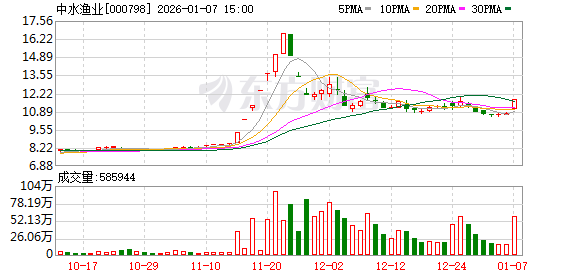
Market Overview - The A-share market experienced slight fluctuations on January 7, with the Shanghai Composite Index showing resilience by closing in the green, marking a rare occurrence of 14 consecutive positive daily candles [2] - The overall market saw a trading volume increase to 2.88 trillion yuan, with more stocks declining than advancing [2] Sector Performance - The chip and fishery sectors showed significant activity, with the fishery index rising over 4% and trading volume doubling compared to the previous day [3] - Major inflows of capital were observed in the power equipment and machinery sectors, each receiving over 9 billion yuan, while the computer sector faced a net outflow exceeding 4 billion yuan [2] Investment Outlook - Zhongyuan Securities anticipates a stable upward trend for the Shanghai Composite Index, driven by positive changes in corporate profit structures and new economic forces [3] - Guosheng Securities highlights a clear direction for domestic and international easing policies, suggesting a favorable mid-term trend for the market [3] Regulatory Developments - The Ministry of Commerce of China announced a ban on the export of dual-use items to Japan for military purposes, which may impact the seafood market dynamics [6] - Japan's seafood exports to China accounted for 22.5% of its total seafood exports, indicating a significant market relationship that could be affected by regulatory changes [7] Chip Sector Insights - The chip sector continues to perform strongly, with several companies experiencing significant stock price increases, including a number of stocks hitting the 20% and 30% daily limit up [7] - Samsung reported an unprecedented shortage of memory chips, which is expected to impact prices of end products like smartphones [7]


“一盒内存条可买上海一套房”
Guan Cha Zhe Wang· 2026-01-07 09:12
Core Insights - The price of high-capacity DDR5 server memory modules has surged dramatically, with some units exceeding 40,000 yuan, leading to comparisons with real estate prices in Shanghai [1] - The ongoing AI boom is driving a "super cycle" in the global memory market, with significant price increases observed in DRAM products [8][10] Price Trends - Hynix and Samsung's 256G DDR5 6400MHz server memory modules are priced above 40,000 yuan, with some listings reaching 49,999 yuan per unit [1] - The average price of new homes in Shanghai is approximately 58,524.58 yuan per square meter, indicating that a box of 256G DDR5 server memory could purchase an 80 square meter apartment [1] Market Dynamics - Since February 2025, DRAM prices have been on the rise, with some segments increasing by over 100% [8] - The price of DDR5 memory chips has surged by 307% since September 2025, while DDR4 chips have seen a 158% increase [8] - Major manufacturers like Samsung and SK Hynix are shifting production capacity towards AI server memory, tightening supply in other markets [8][10] Future Projections - DRAM contract prices are expected to increase by 55-60% in Q1 2026, driven by high demand from cloud service giants [9][10] - The price hikes are anticipated to affect other sectors, with smartphone and PC manufacturers facing increased costs, leading to price increases for new devices [10] Industry Impact - Companies like Xiaomi, OPPO, and Dell have already raised prices on new products due to rising memory costs, with increases ranging from 100 to 600 yuan [10] - The global smartphone shipment is projected to decline by 2.1% in 2026, while PC manufacturers are also planning price hikes, with Dell announcing increases of 10% to 30% [10] - Analysts predict that the current "super cycle" in memory pricing may last until 2027 [10]

研报 | MLC NAND Flash转向利基型产品,大厂淡出供应引发供应链重组
TrendForce集邦· 2026-01-07 09:01
Core Insights - The article highlights a significant reduction in global MLC NAND Flash production capacity, projected to decrease by 41.7% in 2026 due to major manufacturers exiting or scaling back production [2][4]. - Samsung, the largest supplier, announced the end of MLC NAND Flash production, with the last shipment scheduled for June 2026, leading to a supply shortage and increased prices [4]. - Demand for MLC NAND Flash remains stable, primarily driven by industrial control, automotive electronics, medical devices, and networking, although long-term growth potential is limited [4]. Supply and Demand Dynamics - The supply of MLC NAND Flash is contracting significantly, with Samsung's exit being a major factor. Other manufacturers like Kioxia, SK Hynix, and Micron are focusing on existing customer needs rather than expanding production [4]. - The market has seen a noticeable increase in demand for MLC NAND Flash since Q1 2025, resulting in price hikes due to supply shortages [4]. - The long-term supply chain for MLC NAND Flash is disrupted, creating opportunities for companies like Macronix, which is shifting focus from NOR Flash to MLC NAND Flash to meet niche demands [5]. Market Implications - The contraction in MLC NAND Flash supply is expected to lead to a more concentrated supply chain, which may alleviate previous price pressures in the NOR Flash market as Macronix reduces its NOR Flash capacity [5]. - The overall NAND Flash market may experience a reversal in sentiment if certain applications accelerate the adoption of enhanced TLC solutions, potentially putting indirect pressure on MLC product prices [4].
AI泡沫退潮、落地为王,芯片巨头“拉帮结派”激战CES 2026
Tai Mei Ti A P P· 2026-01-07 08:01
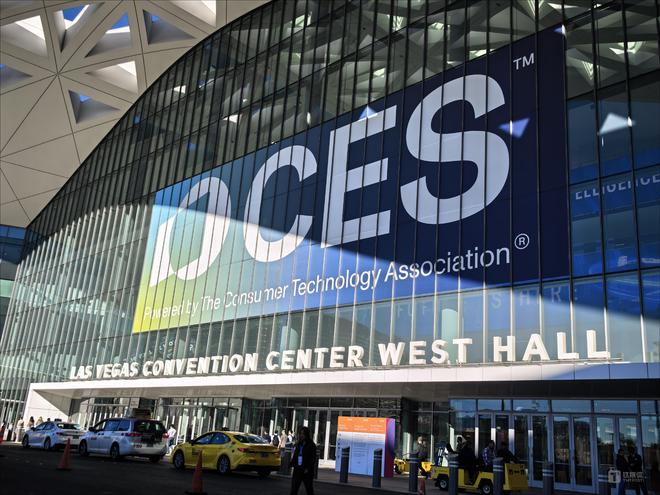
Group 1 - NVIDIA's founder Jensen Huang emphasized the shift of AI from mere model competition to practical applications, focusing on "last mile" implementations during his keynote at CES 2026 [2][6] - The industry is transitioning from a "technology demonstration phase" to a "value realization phase," centering around real user scenarios [2] - AI technology is moving from "cloud-side intelligence" to "edge-side integration," becoming a fundamental infrastructure for human-computer interaction [2][6] Group 2 - CES serves as a platform for both tech giants and startups, particularly for Chinese companies to convert algorithms and technologies into tangible hardware [3] - AMD's CEO Lisa Su highlighted that AI is becoming a default capability in PCs, with AI performance improved by 1000 times over the past four years [9] - Intel introduced its third-generation AI PC processor, showcasing advancements in energy efficiency and CPU performance [11] Group 3 - Qualcomm launched the Snapdragon X2 Plus platform, featuring a 35% increase in single-core performance and a 43% reduction in power consumption [13] - IDC predicts that global AI PC shipments will reach 150 million units by 2027, with a penetration rate of 79% [13] - Major home appliance brands are now integrating AI into their products, focusing on enhancing core functionalities rather than superficial features [18] Group 4 - Companies like Hisense and TCL are showcasing advanced display technologies and AI-integrated home appliances at CES, with Hisense's RGB-Mini LED technology expected to see a significant increase in shipments [18][20] - Samsung plans to increase the number of mobile devices equipped with Google Gemini AI to 800 million by 2026 [22] - The competition among chip manufacturers is intensifying as they seek to define the future of physical AI [17] Group 5 - The CES 2026 highlighted the emergence of embodied intelligent robots and AI+AR glasses, indicating a shift from demonstration to market-ready products [29][34] - Startups are increasingly participating in CES to showcase innovative technologies and seek market opportunities [45] - The event serves as a critical platform for companies to adapt their strategies in response to rapid industry changes [47]


印度芯片强国梦:越努力,越遥远?
3 6 Ke· 2026-01-07 07:53
Group 1 - The core point of the article discusses the ongoing struggle between multinational corporations and India in the semiconductor industry, highlighting a recent strategic alliance between Intel and Tata Group to explore local production and advanced packaging technology in India [1][3]. - India has been attempting to attract foreign investment to become a technology powerhouse, but past efforts have often ended in disappointment, with many high-profile projects failing to materialize [3][20]. - The historical context reveals that India had a strong start in the semiconductor industry in the 1960s but has since faced numerous setbacks, including bureaucratic inefficiencies and a lack of core technology development [6][10]. Group 2 - The article outlines the cyclical nature of India's semiconductor ambitions, emphasizing that despite high expectations, the country has not made significant progress in core technology, leading to a hollowed-out industry [11][22]. - The "market for technology" strategy employed by India has proven to be fragile, as evidenced by the withdrawal of major players like Foxconn from significant projects due to unmet expectations and bureaucratic delays [22][39]. - The lack of core technology and reliance on low-value-added activities has left India in a precarious position, with the country unable to produce advanced semiconductor manufacturing equipment [35][36]. Group 3 - The article identifies structural challenges within India's semiconductor industry, including inefficiencies in governance, resource management issues, and a talent paradox where skilled workers often migrate abroad [40][46]. - India's infrastructure problems, such as inadequate power supply and water management, hinder the establishment of a robust semiconductor manufacturing ecosystem [45][46]. - The article concludes that for India to succeed in its semiconductor ambitions, it must address foundational issues rather than merely promoting partnerships with multinational corporations [50].

越南芯片,乘机崛起
半导体芯闻· 2026-01-07 07:46
Core Insights - Vietnam is shifting its semiconductor strategy from low-cost assembly and testing to higher-value chip design and advanced packaging, driven by global manufacturers seeking to diversify supply chains away from China [1] - The semiconductor market in Vietnam is projected to reach $10.16 billion by 2025, reflecting broader efforts by Southeast Asian economies to capture more value in the global chip industry amid geopolitical and supply chain risks [1] Group 1: Industry Transformation - Vietnam has historically played a backend role in the semiconductor industry but is undergoing a structural "upstream transformation" led by industrial giants and local leaders [1] - Companies like Nvidia and FPT are investing $200 million to build an AI chip factory, while Intel, Arm, Micron, and Samsung are expanding their substrate production and advanced packaging facilities [1] - Domestic firms such as Viettel and FPT Semiconductor are actively entering the 5G and power management chip design sectors, supported by a talent pool of over 6,000 design engineers cultivated over 20 years [1] Group 2: Challenges and Opportunities - There is a severe shortage of "chip architects," the senior engineers responsible for defining system architecture and making key IP decisions, with only a handful currently available in Vietnam [2] - Experts suggest that Vietnam should avoid direct competition with established companies like TSMC and Samsung in cutting-edge processes (3nm or 5nm) and instead focus on niche areas such as security cameras, 5G/6G communications, and ASIC/SoC for electric vehicles and industrial IoT [2] - The Vietnamese government has elevated the semiconductor industry as a national priority through the "1018 Strategy," aiming to train 50,000 to 100,000 engineers by 2030, with over 137,000 students already registered in related fields as of the 2025 enrollment cycle [2] Group 3: Policy and Infrastructure Development - The establishment of the Da Nang Free Trade Zone enhances policy support, designed as a "logistics-manufacturing hybrid" park to provide specialized warehousing and seismic storage facilities for the chip industry [3] - The government aims to establish the country's first semiconductor manufacturing plant by 2026, indicating a strong commitment to developing the sector [3] - Despite the early-stage nature of venture capital activity in Vietnam's tech industry, analysts believe that if the government can coordinate decision-making across sectors, Vietnam could transition from a manufacturing base to a trusted global technology partner [3]
华强北存储产品价格暴涨 内存条成“年度最佳理财产品”
Xin Lang Cai Jing· 2026-01-07 07:23
Core Viewpoint - The Shenzhen Huaqiangbei electronics market is experiencing a significant price surge in storage products, with prices for solid-state drives (SSDs) and DDR4 memory doubling within three months, surpassing even the gold market in the region. This trend has led some consumers and merchants to label these products as "the best financial investment of the year" [1] Price Surge in Storage Products - Prices for common storage products have seen remarkable increases, with SanDisk's 1TB SSD retailing at 588 yuan, while domestic brand Jinbaijie's equivalent product rose from over 260 yuan to 415 yuan. Samsung's 1TB SSD has reached 1,020 yuan, and the 2TB version is now priced at 1,450 yuan, with several merchants reporting stock shortages [1] - The price increase is attributed not to consumer demand but to the "insatiable demand" from AI servers for HBM and DDR5, which has restructured the supply-demand dynamics in the market [1] Future Price Expectations - Industry insiders predict that the current trend of rising storage prices will continue into the first quarter of next year and remain at elevated levels for some time [1]
上海一套房算什么,卖一盒内存条就搞定!
是说芯语· 2026-01-07 07:19
Core Viewpoint - The price of memory modules has surged significantly, with some prices comparable to real estate in Shanghai, driven by a severe supply-demand imbalance in the memory semiconductor market due to increasing global AI computing power demand [1][7]. Group 1: Price Surge - The price of a single 256G DDR5 server memory module from Hynix and Samsung has exceeded 40,000 yuan, with some reaching as high as 49,999 yuan. This translates to nearly 5 million yuan for a box of 100 modules [1]. - In the first quarter of this year, Samsung and Hynix have proposed price increases for DRAM customers, with expected price hikes of 60%-70% compared to the fourth quarter of last year [7]. Group 2: Supply-Demand Dynamics - The memory manufacturers are focusing on producing HBM3E, leading to a backlog in server DRAM production and widening the supply-demand gap [8]. - Companies like Google and Microsoft are expanding their AI service businesses, which is driving up the demand for general-purpose server DRAM [8].
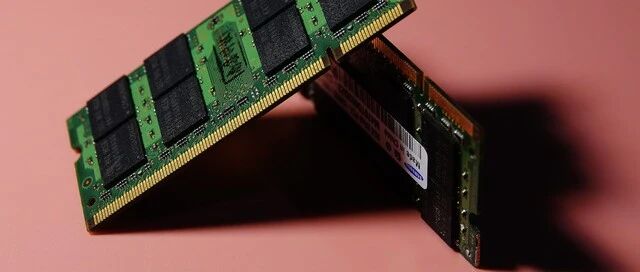
4万元/根,一盒内存条堪比上海一套房
2 1 Shi Ji Jing Ji Bao Dao· 2026-01-07 07:01
记者丨刘雪莹 李益文 编辑丨曾静娇 美东时间周二,美股存储概念股集体大涨,闪迪飙升超27%,股价创盘中历史新高,最近5个交易日累 计涨幅高达43%;美光科技上涨10%,再创历史新高,总市值突破3800亿美元。 A股存储器指数连续三个交易日大幅走高,1月7日,普冉股份、聚辰股份、上海新阳等多股涨超9%。 据智通财经报道,三星联席首席执行官日前表示,内存芯片短缺"前所未有"且"极其严重",并警告这将 对智能手机等终端产品的价格产生"不可避免"的影响。 展望未来,中信建投证券电子首席分析师刘双锋认为,在数据中心需求爆发、存储芯片供应持续趋紧, 价格大幅上涨的背景下,预计存储芯片供应短缺将在2026年持续并维持更久,美光为代表的存储IDM厂 商将大为受益。 视频丨杨浩凯 1月6日晚间,话题"一盒内存条堪比上海一套房"登上热搜。 过去一年,在人工智能(AI)热潮的强力驱动下,存储芯片价格已上演"史诗级"上涨。据国金证券数 据,2025年,DDR4 16Gb规格内存价格涨幅高达1800%,DDR5 16Gb涨幅高达500%,512Gb NAND闪 存涨幅高达300%。 有行业人士表示,"内存几乎一天一个价"。以256G的 ...