三星电子

Search documents
宇宙人(1902期)国内750N轨控发动机成功实现首次在轨应用;酒泉文昌45亿产业基金同步招募GP;马斯克:星舰将大规模量产,年产量或达1万枚
Sou Hu Cai Jing· 2026-01-09 13:40
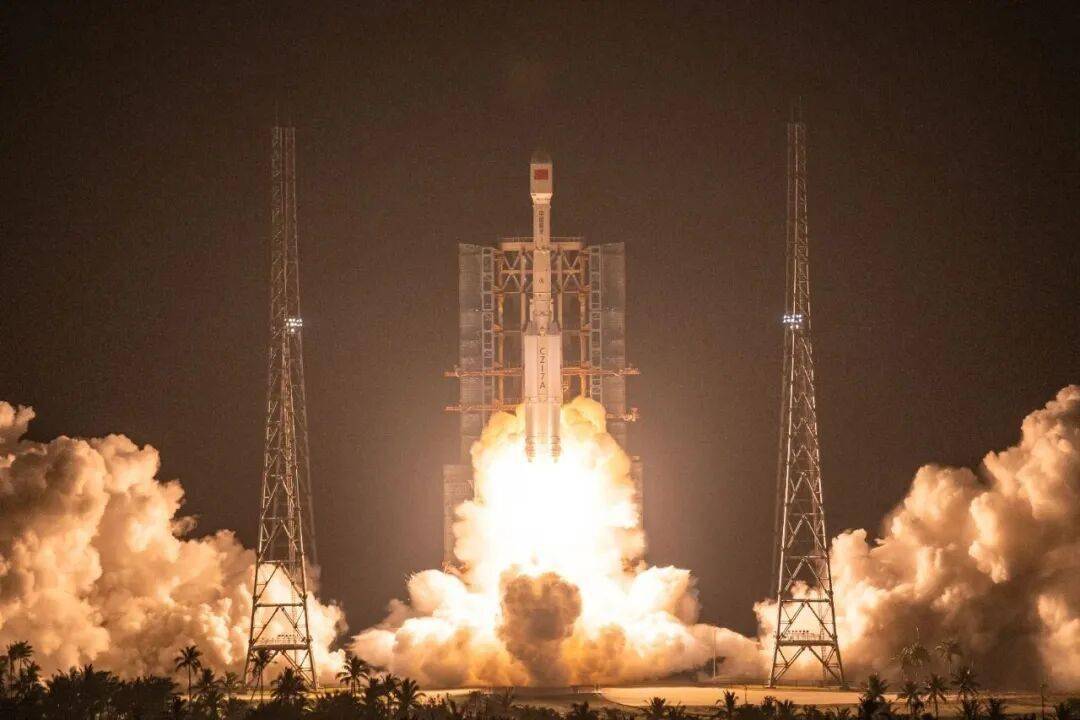
Group 1: Domestic Space Technology Advancements - The successful in-orbit application of the 750N engine marks a significant milestone in China's high-performance thrust control engine technology for spacecraft, completing five orbital maneuvers with a total ignition duration of 11,901 seconds [1][3] - The 750N engine's development began in 2014, overcoming key technologies such as high-performance injector technology and head temperature control during its design phase [3] - The successful launch of the Shijian-29 satellite using the 750N engine demonstrates advancements in domestic spacecraft propulsion technology, providing crucial support for future large-scale spacecraft development [3] Group 2: Commercial Space Industry Developments - Guangzhou's government has released a plan to establish itself as a new hub for commercial space, aiming to cultivate influential enterprises in the sector by 2035 [13] - The plan emphasizes the development of reusable rocket technology and the establishment of testing bases to support the manufacturing of medium to large liquid rockets [13] - Investment strategies suggest a focus on both state-owned enterprises and private companies involved in the supply chain of commercial rockets and satellite components [14] Group 3: Investment and Funding in Space Sector - Recent initiatives in Jiuquan and Wenchang have led to the establishment of significant investment funds aimed at promoting commercial space projects, with Jiuquan's fund focusing on local projects and Wenchang's funds targeting manufacturing and development [15][16] - The commercial space market is experiencing a resurgence, with increased interest from government-backed funds and private investors, indicating a shift towards high-quality development in the sector [16] Group 4: Innovations in Satellite Communication - China Telecom Satellite Company has launched the X1 satellite walkie-talkie, the first consumer product to connect directly to the Tiantong satellite communication system, enhancing communication capabilities in remote areas [17][20] - The collaboration aims to integrate satellite communication services into outdoor activities, showcasing the potential for satellite technology in everyday applications [20] Group 5: Strategic Partnerships and Contracts - Blue Arrow Aerospace has signed contracts with China Star Network and Yuanxin Satellite for launch services, indicating a growing demand for frequent and bulk launch capabilities [21] - The company is positioned as a core supplier for major satellite constellations, reflecting the increasing importance of reliable launch services in the commercial space sector [21] Group 6: Financial Growth and Market Positioning - Micro Nano Starry Sky Technology has recently increased its registered capital, indicating ongoing financial growth and strategic investments in the commercial space sector [22][24] - The company focuses on providing comprehensive satellite solutions, including design, manufacturing, and launch services, positioning itself as a key player in the industry [24] Group 7: Technological Innovations and Market Expansion - Array Labs has completed a $20 million Series A funding round, shifting its focus to radar platform business, which is expected to enhance its market position significantly [28][30] - The company aims to leverage advanced manufacturing methods to produce high-performance radar systems at a fraction of traditional costs, indicating a strategic pivot towards scalable solutions in the satellite and defense sectors [30]

三星利润暴增208%!
国芯网· 2026-01-09 09:50
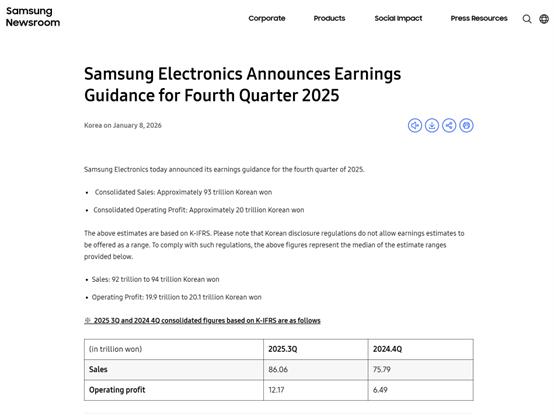
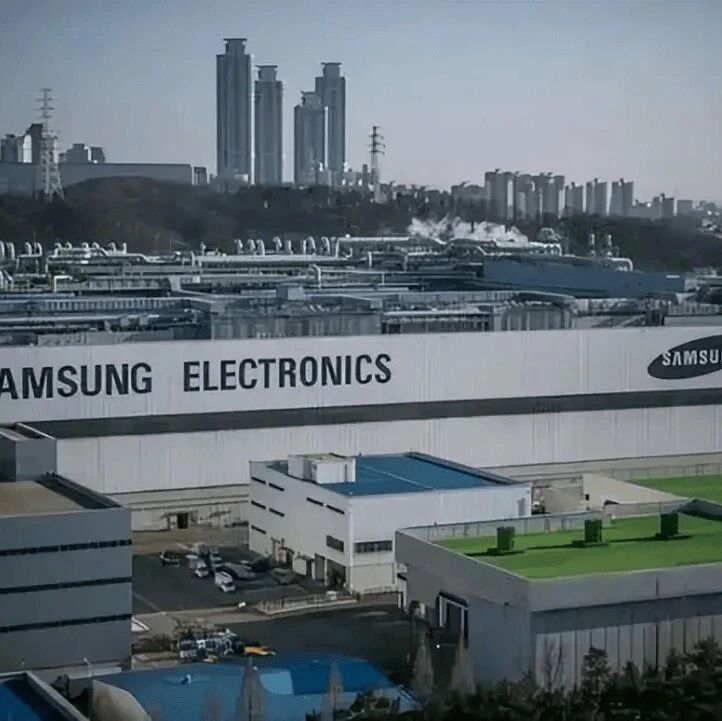
Core Viewpoint - Samsung's significant profit increase in Q4 2025 is driven by supply constraints and surging AI-driven demand for memory chips, setting a new record for the company [2][4]. Group 1: Financial Performance - Samsung's operating profit for Q4 2025 reached 20 trillion KRW (approximately 13.8 billion USD), marking a year-on-year increase of 208.2% and a quarter-on-quarter increase of 64.3% [4]. - Sales for the same period amounted to 93 trillion KRW, reflecting a year-on-year growth of 22.7% and a quarter-on-quarter increase of 8.1% [4]. - The previous record for quarterly operating profit was 17.6 trillion KRW set in Q3 2018, which Samsung has now surpassed by more than double compared to the same quarter last year [4]. Group 2: Market Dynamics - The demand for storage chips from AI servers is 8 to 10 times higher than that of regular servers, leading to a severe shortage and significant price increases [5]. - From September 2025, the spot price of DDR5 memory chips surged by 307%, while DDR4 saw an increase of over 158% [5]. - General DRAM prices increased by 8% to 13% quarter-on-quarter in Q4, with HBM prices rising even more significantly [5]. Group 3: Strategic Adjustments - Samsung has optimized its production capacity by reducing the output of consumer-grade memory chips and focusing on high-margin products like HBM and DDR5 [5]. - The company has made significant progress in the HBM sector, narrowing the gap with competitors SK Hynix and Micron Technology [5]. - Samsung's stock price increased by 125% in 2025, marking the largest annual gain in 26 years [5].
冲刺5000点!韩国股市“开年红”
第一财经· 2026-01-09 09:28
2026.01. 09 本文字数:1936,阅读时长大约4分钟 作者 | 第一财经 潘寅茹 2026年伊始,韩国股市表现强劲。 开年以来,韩国综合股价指数(KOSPI)不断走高。今年首个交易日,KOSPI指数延续去年的表 现,依旧走在上升通道中,在突破4300点后,7日首次突破4600点大关,后续略有回调。9日,韩 国KOSPI指数收报4586.32点,较前一交易日上升33.95点。 韩国总统李在明曾在去年竞选时承诺,将通过改善公司治理、修改韩国商业法、扩大董事会对股东 的"信义义务"范围,力争把KOSPI指数推升至突破5000点大关。当前,随着KOSPI指数不断走高, 分析机构认为,照此速度,KOSPI指数本月就有望突破5000点。 哪些因素在推动 人工智能(AI)热潮无疑是韩国股市此轮走高的重要推手。高盛集团在去年末的报告中提到:"半导 体库存去化结束和人工智能驱动的新需求周期,为韩国科技股带来了强劲的盈利修复预期。这是推动 KOSPI指数上行的核心引擎。" 受益于全球半导体行业的周期性回暖,作为韩国经济的支柱,三星电子、SK海力士等半导体巨头的 业绩和股价表现对大盘影响举足轻重。8日,三星电子最新披露的 ...

冲刺5000点,韩国股市“开年红”,李在明能否推动经济回暖
Di Yi Cai Jing· 2026-01-09 09:26
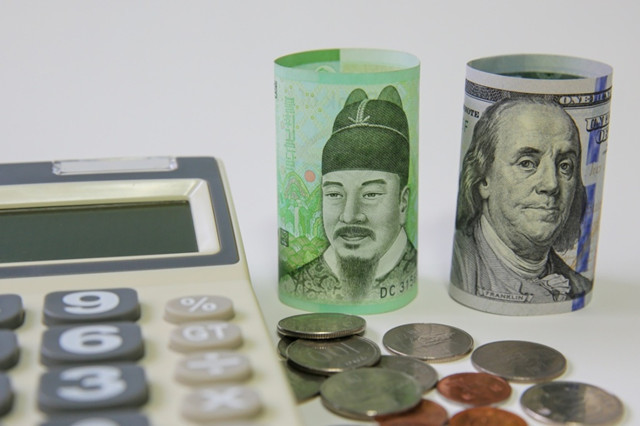
Group 1 - The Korean stock market has shown strong performance at the beginning of 2026, with the KOSPI index breaking the 4600-point mark and closing at 4586.32 points on January 9, up 33.95 points from the previous day [1] - President Lee Jae-myung's commitment to improve corporate governance and modify business laws aims to push the KOSPI index above 5000 points, with analysts suggesting this could happen within the month [1] - The rise in the KOSPI index is significantly driven by the AI boom and the recovery of the semiconductor industry, with major companies like Samsung Electronics reporting substantial profit increases [3] Group 2 - The Korean government has implemented economic measures, including a 150 trillion won fund to stimulate high-tech industry innovation, addressing economic stagnation and aging population issues [4] - Reports indicate that the KOSPI index's rise is not solely due to tech stocks, as non-tech sectors like nuclear power and defense are also contributing to long-term growth trends [3] - Despite the positive outlook, concerns about potential AI bubbles and capital outflow risks have been raised, with foreign investment in the Korean stock market reaching a six-year high [5][7] Group 3 - Economic forecasts for Korea suggest a GDP growth target of over 2% for 2026, with optimistic predictions from Citibank indicating a potential growth rate of around 2.2% [6] - The implementation of new regulations and reforms is expected to be crucial for corporate performance in the latter half of the year, as most reforms will take effect then [6] - A survey indicates that many large Korean companies plan to reduce domestic investments and increase overseas spending starting in 2026, raising concerns about capital outflow [7]
冲刺5000点!韩国股市“开年红”,李在明能否推动经济回暖
Di Yi Cai Jing· 2026-01-09 08:30
Group 1 - The KOSPI index has shown strong performance since the beginning of 2026, breaking through the 4600-point mark and closing at 4586.32 points on January 9, 2026, with a rise of 33.95 points from the previous day [1] - President Lee Jae-myung's commitment to improve corporate governance and amend business laws aims to push the KOSPI index to exceed 5000 points, with analysts suggesting this could happen within the month [1] - The AI boom is identified as a significant driver of the current rise in the KOSPI index, with Goldman Sachs highlighting a new demand cycle driven by AI and the end of semiconductor inventory depletion as key factors [3] Group 2 - Samsung Electronics reported a substantial increase in its Q4 2025 operating profit, up 208.2% year-on-year, and a 22.7% increase in sales, indicating strong performance in the semiconductor sector [3] - The South Korean government has initiated a 150 trillion KRW fund to stimulate innovation in high-tech industries, addressing economic stagnation and an aging population [5] - UBS notes that the rise in the KOSPI index is not solely due to tech stocks, as momentum stocks in sectors like nuclear power and defense are also contributing to long-term growth trends [3] Group 3 - The South Korean government has set a GDP growth target of over 2% for 2026, aiming to make it a year of significant economic advancement [6] - Citibank forecasts that South Korea's economy could achieve a balanced state between overheating and cooling, with a growth rate of around 2.2% in 2026, supported by strong semiconductor exports and low energy prices [6] - Concerns about capital outflow are rising, as many large South Korean companies plan to reduce domestic investments and increase overseas spending starting in 2026, potentially adding pressure to the local economy [7]
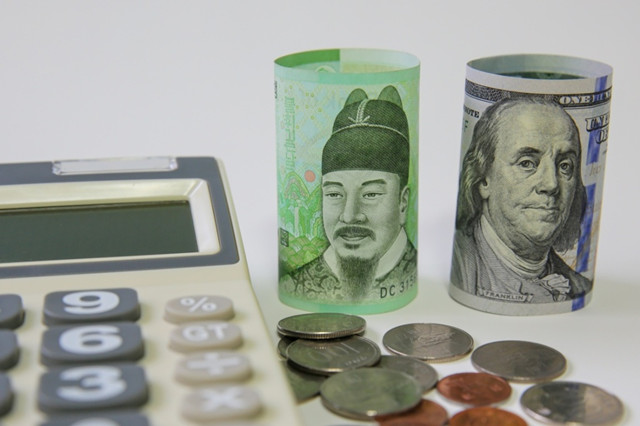
《经济学人》:人工智能将给电子产品消费者带来巨大痛苦
美股IPO· 2026-01-09 07:08
Core Viewpoint - The surge in demand for memory chips driven by artificial intelligence is creating significant supply shortages for consumer electronics manufacturers, leading to increased prices and delayed product deliveries [3][4]. Group 1: Supply and Demand Dynamics - The demand for memory chips, particularly DRAM and high bandwidth memory (HBM), is unprecedented due to the rise of AI-driven devices [3]. - Dell's COO described the current supply-demand imbalance as "unprecedented," with predictions of a 15% to 20% increase in personal computer prices [3]. - IDC estimates that global smartphone shipments could decline by 5% and personal computer sales could drop nearly twice as much if the situation persists [3]. Group 2: Impact on Memory Chip Production - HBM production requires three to four times the silicon wafers compared to standard DRAM, leading to a significant increase in resource consumption [4]. - The global DRAM market is highly concentrated, with SK Hynix, Samsung, and Micron accounting for over 90% of revenue, and these companies are shifting capacity towards HBM [4]. - HBM's profit margins are significantly higher, averaging 50% or more, compared to 35% for standard memory, which has led to a 200% average stock price increase for these companies since early 2025 [4]. Group 3: Price Increases and Market Effects - The price of standard DRAM (DDR4) has surged by 1360% since April 2025, impacting the cost structure of consumer electronics [4]. - Companies like Apple can absorb higher costs due to their pricing power, while others, such as Asus and Xiaomi, are already raising prices and warning of profit margin impacts [5]. - Automotive manufacturers are under the most pressure as the DRAM requirements for vehicles are increasing rapidly due to more electronic components being integrated [5]. Group 4: Future Outlook and Mitigation - Memory manufacturers plan to invest approximately $61 billion in DRAM this year, a 14% increase from 2025, but new capacity will take up to two years to come online [5]. - An estimated 60% to 70% of this investment will be directed towards HBM, limiting the availability of standard DRAM [5]. - The supply shortage may only ease with a decline in the AI frenzy, which could lead to immediate consumer pain [5].



预计地方债发行规模延续增加态势:环球市场动态2026年1月9日
citic securities· 2026-01-09 05:23
Market Overview - A-shares experienced a slight decline, ending a streak of gains, with the Shanghai Composite Index down 0.07% at 4,082.98 points[16] - The Hang Seng Index fell 1.17% to 26,149 points, with all three major indices in Hong Kong closing lower[11] - U.S. markets showed mixed results, with the Dow Jones up 0.55% at 49,266 points, while the Nasdaq dropped 0.44% to 23,480 points[9] Fixed Income - U.S. Treasury yields rose by 2-3 basis points, with the 10-year yield at 4.17%[28] - A total of $48.21 billion in new bonds was issued on Thursday, bringing the weekly total to $952.21 billion[28] - The Asian bond market remained resilient, with mixed performance across bonds and spreads remaining stable[28] Commodities - Oil prices surged over 3%, with WTI crude closing at $57.76 per barrel, driven by geopolitical tensions and supply concerns[25] - Gold prices remained stable, closing at $4,460.7 per ounce, as the market awaited U.S. non-farm payroll data[25] Economic Indicators - The U.S. labor market showed resilience, with a decrease in layoffs and an increase in hiring plans, marking the highest level since 2022[5] - The U.S. trade deficit narrowed by nearly 40% in October due to a significant drop in imports[5] Sector Performance - In the U.S., the energy sector led gains with a 3.20% increase, while technology stocks faced pressure, particularly Nvidia, which fell 2.15%[9] - In Hong Kong, high-dividend sectors like coal and electricity stocks performed well, while technology and financial sectors struggled[11]
三星单季利润暴增208%;京东成立新事业部丨科技风向标
2 1 Shi Ji Jing Ji Bao Dao· 2026-01-09 03:46
Group 1: AI and Robotics Developments - JD.com has established a new "Chameleon Business Department" to focus on the development and commercialization of core AI products, including the JoyAI App and JoyInside platform, which has integrated with over 40 leading AI toy brands [2] - XPeng Motors plans to scale production of humanoid robots and launch Robotaxi services in 2026, marking a significant transition from technology exploration to practical application [6] - Lingyi Technology has completed assembly services for over 5,000 humanoid robots, focusing on core components and industrial application scenarios [7] Group 2: Financial and Investment Activities - Black Sesame Intelligence plans to raise approximately HKD 569 million by issuing shares at HKD 18.88 each, with proceeds aimed at investments in AI chips and robotics [13] - Dongxin Co. announced that its subsidiary, Lishuan Technology, has completed business registration and received a capital injection of CNY 211 million, resulting in a 35.87% equity stake [11] - Northern Long Dragon intends to acquire a 51% stake in Shenyang Shunyi Technology, which is expected to constitute a major asset restructuring [15][16] Group 3: Market Performance and Product Launches - Samsung Electronics reported a 208.2% year-on-year increase in operating profit for Q4 2025, driven by rising demand for AI servers and storage chips, with profits reaching KRW 20 trillion (approximately USD 13.8 billion) [9] - OnePlus launched the Turbo 6 series, targeting the sub-CNY 2000 market, with a projected sales growth of 44% in 2025, significantly outpacing other brands [17] Group 4: Strategic Collaborations - Fuji Electric and Bosch have announced a partnership to develop standardized silicon carbide (SiC) power modules aimed at the growing electric vehicle inverter market, addressing supply chain dependencies [12] - The Ministry of Commerce of China is reviewing Meta's acquisition of the AI platform Manus, emphasizing compliance with Chinese laws regarding foreign investments and technology exports [5]
三星利润暴增208%引爆市场,科创芯片ETF(588200)一键布局科创芯片板块
Xin Lang Cai Jing· 2026-01-09 03:25
Group 1 - The core viewpoint of the articles highlights the significant growth in the semiconductor industry driven by AI demand and supply constraints, with Samsung Electronics reporting a record operating profit for Q4 2025 [1] - The Shanghai Stock Exchange STAR Market Chip Index saw a slight increase of 0.06% as of January 9, 2026, with notable gains from companies such as Fudan Microelectronics (up 5.22%) and Chipone Technology (up 5.08%) [1] - The AI chip sector is experiencing rapid development, with domestic manufacturers accelerating the localization of AI chips, which are essential for AI large models, presenting new growth opportunities [1] Group 2 - The top ten weighted stocks in the STAR Market Chip Index as of December 31, 2025, include SMIC, Haiguang Information, and Cambrian, collectively accounting for 57.76% of the index [1] - The STAR Chip ETF (588200) serves as a convenient tool for investors to gain exposure to the STAR Market chip sector, with an option for those without stock accounts to invest through the STAR Chip ETF linked fund (017470) [2]
全球最大内存巨头利润创新高
3 6 Ke· 2026-01-09 03:18
根据初步业绩,三星电子去年第四季度的营业利润为20万亿韩元(约合138.2亿美元),较 上年同期飙升208%;这将是三星有史以来最高的季度营业利润。 周四(1月8日),全球最大的内存芯片制造商三星电子发布了2025年第四季度初步业绩,显示受益于 AI热潮下的存储芯片涨价潮,当季公司营业利润大幅增长,且好于市场预期。 根据初步业绩,三星电子去年10月至12月期间的营业利润为20万亿韩元(约合138.2亿美元),较上年 同期飙升208%,高于LSEG SmartEstimate预计的18万亿韩元。 这将是三星有史以来最高的季度营业利润。该公司此前的单季营业利润峰值为 2018年三季度创下的17.6 万亿韩元。 初步业绩还显示,三星电子第四季度销售额同比增长23%,至93万亿韩元。这是三星单季销售额连续第 二季突破80万亿韩元,去年第三季度销售额为86万亿韩元。 三星预计将于本月晚些时候发布完整业绩,包括其各项业务的收益明细。 AI引爆存储芯片涨价潮 三星亮眼的业绩背后,是供应紧张和人工智能驱动的需求激增推高了传统存储芯片的价格。 近几个月来,存储芯片价格持续上涨。一方面,芯片产业正转向人工智能相关芯片的生产,传统 ...