洋河股份

Search documents
中经酒业周报∣1-7月白酒产量214.6万千升 8月中旬全国白酒环比价格保持稳定 多家酒企发布半年报
Xin Hua Cai Jing· 2025-08-22 08:06
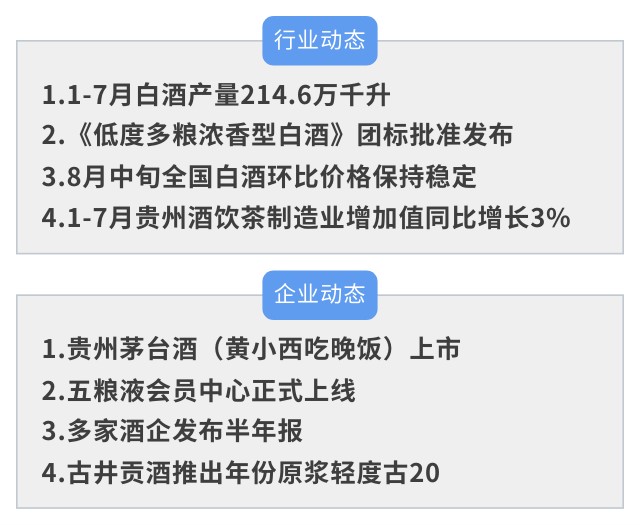
Industry Dynamics - In July, the production of liquor (converted to 65 degrees) was 236,000 kiloliters, a year-on-year decrease of 8.9%, while the cumulative production from January to July was 2,146,000 kiloliters, down 5.2% year-on-year [3] - Beer production in July reached 3,741,000 kiloliters, showing a year-on-year increase of 1.9%, with a cumulative production of 23,270,000 kiloliters from January to July, up 0.6% [3] - The production of wine in July was 6,000 kiloliters, down 25% year-on-year, with a cumulative production of 50,000 kiloliters from January to July, a decrease of 26.5% [3] - A new group standard for "Low-Alcohol Multi-Grain Strong Aroma Liquor" has been approved and published by the China Alcoholic Drinks Association [3] - As of mid-August, the national liquor price index remained stable at 100.00, with a slight decrease in famous liquor prices and a slight increase in local liquor prices [3] Company Dynamics - Guizhou Moutai launched a cultural series product "Huang Xiaoxi Eats Dinner," integrating local culture with traditional brewing techniques [6] - Wuliangye launched a membership center, allowing customers to accumulate points and gain access to exclusive products and services [6] - Jiangsu Yanghe Distillery reported a 35.32% year-on-year decline in revenue for the first half of 2025, totaling 14.796 billion yuan, with a net profit decrease of 45.34% [7] - Tianyoude reported a revenue of 674 million yuan for the first half of 2025, down 11.24%, with a net profit decline of 35.37% [7] - Kuozi Liquor reported a revenue of 2.531 billion yuan, down 20.07%, with a net profit decrease of 24.63% [7] - Huaiqi Mountain reported a revenue increase of 11.03% to 817 million yuan, with a net profit increase of 3.41% [7] - Chongqing Beer reported a slight revenue decline of 0.24% to 8.839 billion yuan, with a net profit decrease of 4.03% [7] - Analysts indicate that the liquor market is under pressure, with increasing competition leading to performance declines for many companies [7] - Gujing Gongjiu launched a new product "Yearly Original Light Ancient 20," with an alcohol content of 26 degrees [8]

白酒板块午盘微跌 贵州茅台上涨0.33%
Bei Jing Shang Bao· 2025-08-22 06:12
Core Viewpoint - The liquor sector is showing signs of bottoming out, with potential for future recovery as the overall market sentiment and valuations are currently low, and the upcoming Mid-Autumn Festival is expected to boost demand [1] Industry Summary - The three major indices collectively rose, with the Shanghai Composite Index reaching 3796.36 points, an increase of 0.67% [1] - The liquor sector closed at 2328.65 points, down 0.49% [1] - Guizhou Moutai's closing price was 1453.10 CNY per share, up 0.33% [1] - Wuliangye's closing price was 125.14 CNY per share, down 0.25% [1] - Shanxi Fenjiu's closing price was 195.30 CNY per share, up 0.46% [1] - Luzhou Laojiao's closing price was 129.16 CNY per share, down 0.38% [1] - Yanghe's closing price was 72.04 CNY per share, down 0.19% [1] Company Summary - Huatai Securities indicated that the liquor sector is in a phase of bottoming out, with improved conditions expected for bottom-fishing investments [1] - The overall fundamentals of the liquor sector are stabilizing, and government policies aimed at boosting domestic demand are being implemented, which will support the sector [1]





白酒至暗时刻,洋河蓄力长远|看财报
Tai Mei Ti A P P· 2025-08-22 02:41
Core Viewpoint - The Chinese liquor industry, particularly the baijiu sector, is undergoing significant adjustments due to economic transformation and stringent regulations, with Yanghe Co., Ltd. facing challenges but demonstrating resilience in its operations [2][3]. Industry Overview - The baijiu industry is experiencing an unprecedented inventory crisis, with average inventory turnover days reaching 900 days, a 10% increase year-on-year, and inventory levels rising by 25% [3]. - Price inversion is prevalent, affecting 60% of companies, leading to a consensus on industry deceleration, even impacting major players like Moutai [3]. - Yanghe's mid-year performance reflects this trend, with a strategic decision to control inventory and stabilize prices, evidenced by a 32.35% decrease in sales volume [3][4]. Company Performance - Yanghe reported a revenue of 14.796 billion yuan and a net profit of 4.344 billion yuan for the first half of 2025 [2]. - The company's gross margin remained stable at 75.94%, with a slight year-on-year decrease of 0.13%, and a slight increase in gross margin in its home market of Jiangsu [4]. - Sales revenue in Jiangsu reached 7.12 billion yuan, indicating a stronghold in its core market despite industry pressures [4]. Market Position and Strategy - Yanghe has established a robust market presence in Jiangsu and the Yangtze River Delta through decades of brand penetration and channel development, achieving high consumer recognition [5]. - The company has increased its local distributors to 3,010, showcasing its extensive channel coverage and strategic partnerships [5]. - Yanghe is focusing on product innovation and market adaptation, launching new products aimed at younger consumers and expanding its market reach [8][9]. Future Outlook - The baijiu industry is expected to face continued challenges, with the "strictest ban on alcohol" being a catalyst for change rather than the sole cause of difficulties [6]. - Yanghe is proactively adjusting its operations to enhance risk resilience, optimizing its product mix and targeting diverse consumer segments [8][9]. - Analysts suggest that Yanghe's focus on core markets and channel reform will solidify its market share and prepare it for future growth opportunities [9].
2025洋河股份阵痛:张联东遗憾谢幕,顾宇当下困境与转型之路
3 6 Ke· 2025-08-22 01:57
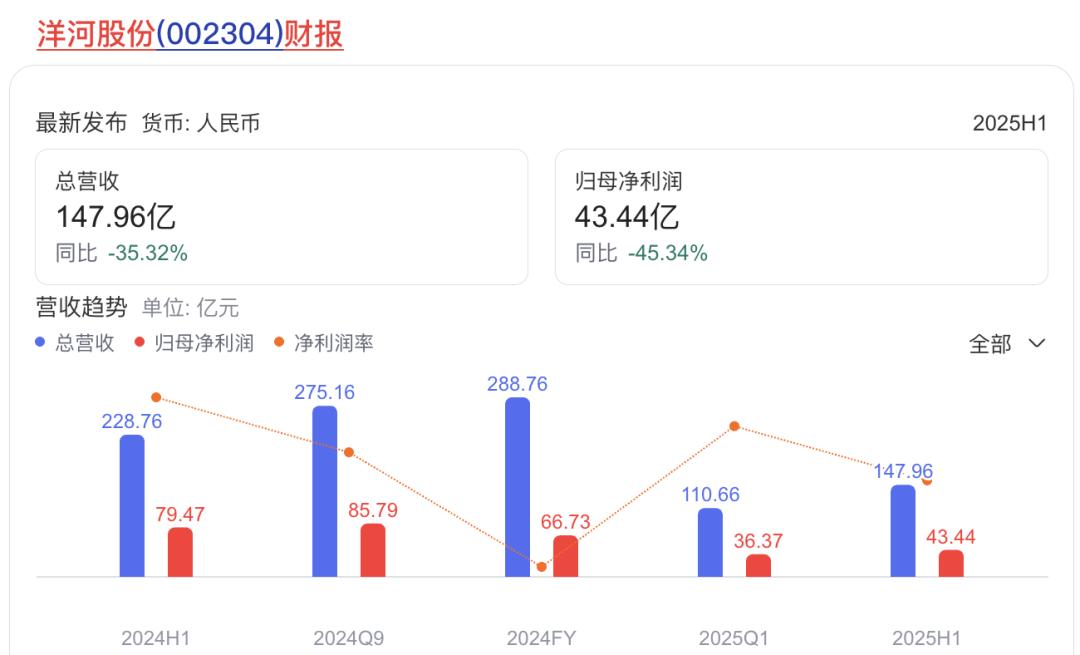
Financial Performance - In the first half of 2025, Yanghe Co. reported a revenue of 14.796 billion yuan, a year-on-year decline of 35.32%, and a net profit attributable to shareholders of 4.344 billion yuan, down 45.34% year-on-year [1] - For the year 2024, Yanghe Co. experienced a total revenue of 28.88 billion yuan, a decrease of 12.83%, and a net profit of 6.673 billion yuan, down 33.43% [12] - The first quarter of 2025 saw a revenue of 11.07 billion yuan, a decline of 31.88% compared to the same period in 2024 [12] Management Changes - Zhang Liandong, the former chairman, resigned on July 1, 2025, due to "work adjustments," and Gu Yu was appointed as the new chairman [4][12] - Zhang Liandong's tenure was marked by significant reforms, but he faced challenges in maintaining performance continuity, leading to his departure [12][14] Strategic Challenges - The company is undergoing a transformation from "scale-driven" to "value-driven," with a focus on balancing short-term performance pressures with long-term strategic investments [4] - Gu Yu's strategy emphasizes consumer-centric approaches, digital operations, and targeted marketing to attract younger consumers [4][20] Market Position and Competition - Yanghe Co. is facing increased competition in the mid-range and premium markets, struggling to adapt to consumer segmentation trends [15] - The company has seen a significant drop in sales volume, with a total of 78,200 tons sold in the first half of 2025, a decrease of 32.35% year-on-year [16] Financial Health - As of June 2025, Yanghe Co. reported total assets of 61.263 billion yuan, a decrease of 2.32%, and total liabilities of 12.232 billion yuan, an increase of 25.55% [15] - The company's cash flow from operations was 616 million yuan, down 69.85% from the beginning of the year, indicating significant liquidity challenges [16] Brand and Product Development - Under Zhang Liandong, the company focused on high-end products, with the revenue share of premium products increasing from 30% to 40% [8] - The company is also working on brand rejuvenation through collaborations with platforms like Douyin and Bilibili, targeting younger demographics [10]
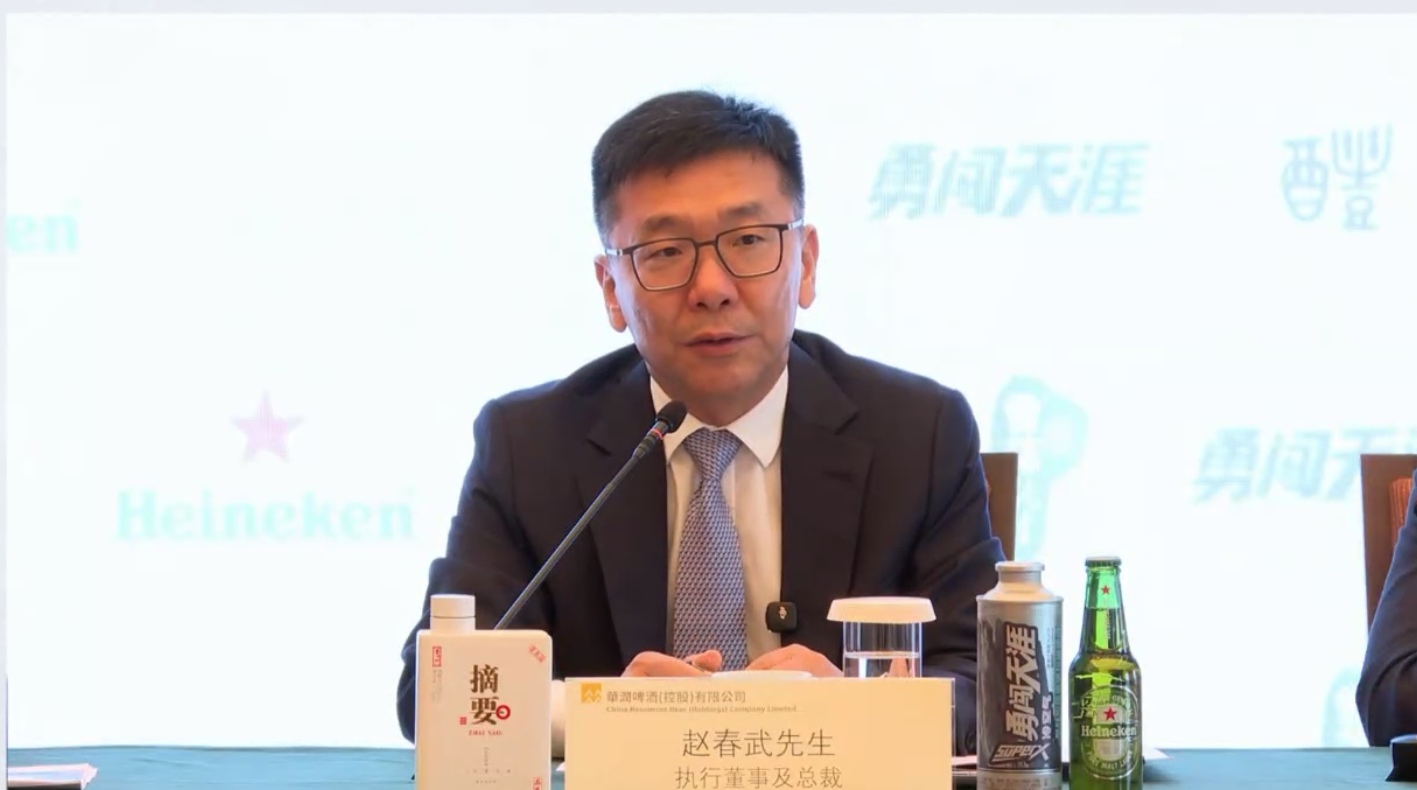
华润啤酒总裁赵春武:啤酒要由“大”变“小”
2 1 Shi Ji Jing Ji Bao Dao· 2025-08-21 13:37
Core Viewpoint - The beer market is not shrinking significantly despite the reduction in bottle sizes and the closure of breweries, as evidenced by stable sales figures and the performance of major players like China Resources Beer [1][3] Group 1: Market Trends - The capacity of beer bottles has decreased from 500ml to smaller sizes like 330ml and 250ml, indicating a shift in consumer preferences [1] - National Bureau of Statistics data shows that major beer producers sold 19.04 million kiloliters of beer in the first half of the year, with a year-on-year decline of only 0.3% [1] - Beer consumption has remained stable, with annual sales fluctuations of less than 1% in recent years [1] Group 2: Company Performance - China Resources Beer reported a revenue of 23.9 billion yuan in the first half of the year, a 0.8% increase year-on-year, and a net profit of 5.78 billion yuan, up 23% [3] - The company achieved a 2% increase in sales volume, reaching approximately 6.5 million kiloliters, despite a slight industry-wide decline [3] - For the first time, China Resources Beer surpassed Budweiser APAC in revenue and profit in the Asia-Pacific market [3][4] Group 3: Competitive Landscape - Budweiser APAC experienced a significant decline in revenue and profit, with a nearly 10% drop in sales in China, which is much worse than the industry average [4] - Other beer companies like Yanjing Beer and Chongqing Beer showed varying performance, with Yanjing's net profit increasing by 45% [4] Group 4: Strategic Shifts - The beer industry is shifting from a focus on large single products to catering to niche, diverse, and premium consumer demands [2][3] - China Resources Beer is leveraging data to better understand consumer preferences, allowing for quicker product development and adaptation [9] - The rise of regional beer brands is linked to cultural confidence and consumer loyalty, with some brands experiencing significant sales growth [9][10] Group 5: Retail Dynamics - The proportion of beer sales through retail channels has increased, with retail now accounting for 60% of sales, while the share from dining channels has decreased [10][12] - The company is capitalizing on the opportunities presented by new retail formats, contrasting with Budweiser APAC's struggles in the dining sector [10][12]

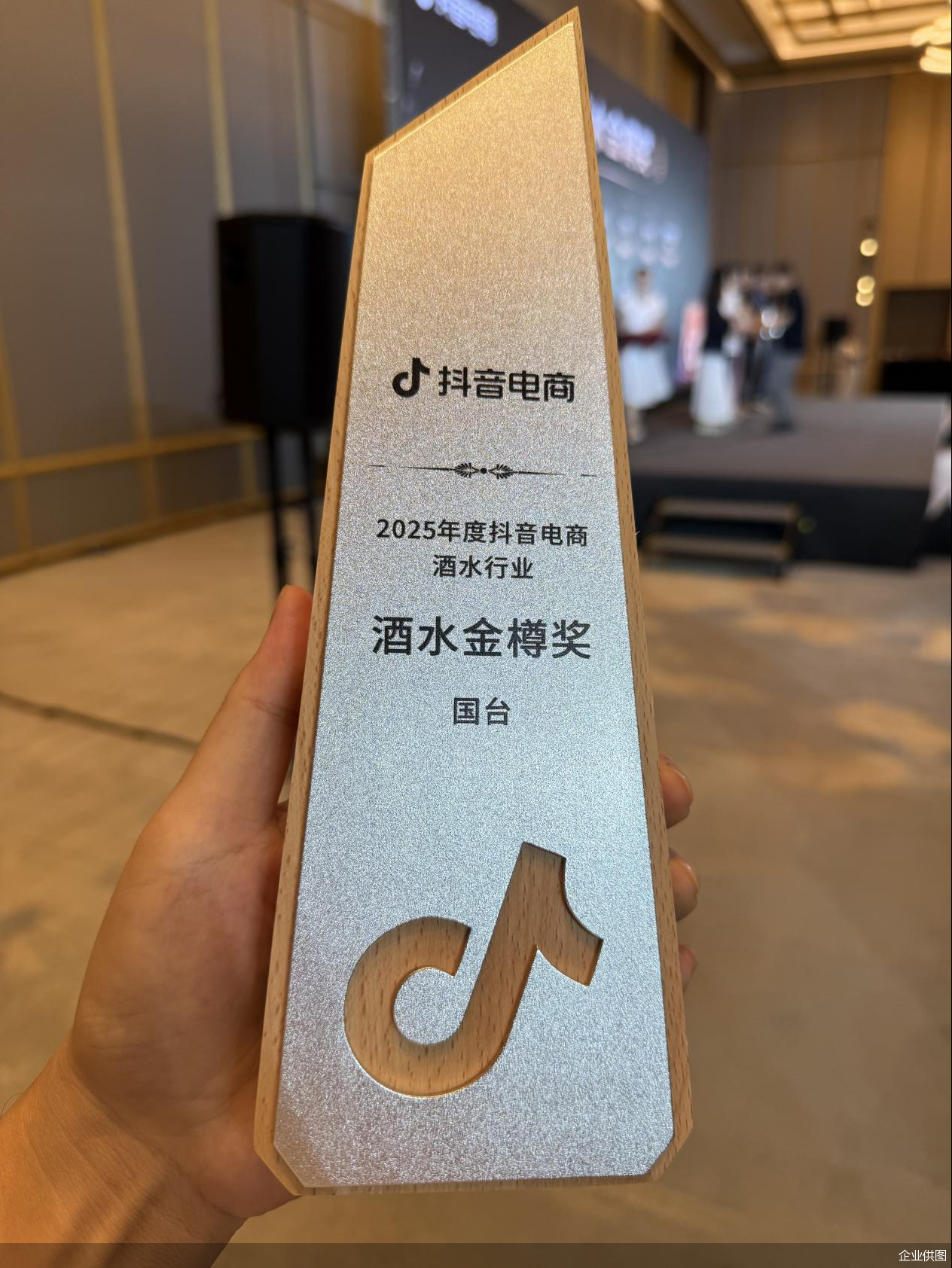
兴趣电商收获大,国台斩获抖音年度大奖“酒水金樽奖”
Bei Jing Shang Bao· 2025-08-21 13:07
Core Insights - Guotai Liquor won the 2025 Douyin Annual Industry Award - the Liquor Golden Goblet Award, recognizing its outstanding performance in the Douyin e-commerce market and increasing brand influence [1][5] Industry Trends - The award is one of the highest honors established by Douyin e-commerce for the liquor category, aimed at recognizing brands that have excelled on the platform and are favored by consumers [3] - The liquor consumption landscape is undergoing significant changes, with Guotai Liquor proactively engaging in smart brewing and digital marketing to explore new consumption scenarios [3][9] Company Strategy - Guotai is building a digital marketing platform to create a new model of digital operation across the entire industry and value chain, utilizing online channels for precise and interactive marketing [3][12] - The company has been active in the Douyin platform, achieving a top 10 ranking in the liquor category during the 2025 618 shopping festival and experiencing a 150% year-on-year sales increase on Tmall [7][9] Marketing Approach - Guotai's marketing strategy focuses on consumer engagement, utilizing popular topics and immersive live streaming experiences to resonate with younger audiences [11][12] - The company has established a multi-dimensional marketing model that integrates online and offline efforts, collaborating with numerous influencers and conducting various promotional activities [12][14] Product Quality and Innovation - Guotai has developed a comprehensive smart brewing system over the past decade, ensuring consistent and stable product quality through data-driven processes [15] - The brand aims to transition from merely selling liquor to selling a lifestyle, enhancing consumer emotional connections through diverse activities and digital marketing initiatives [15][16]
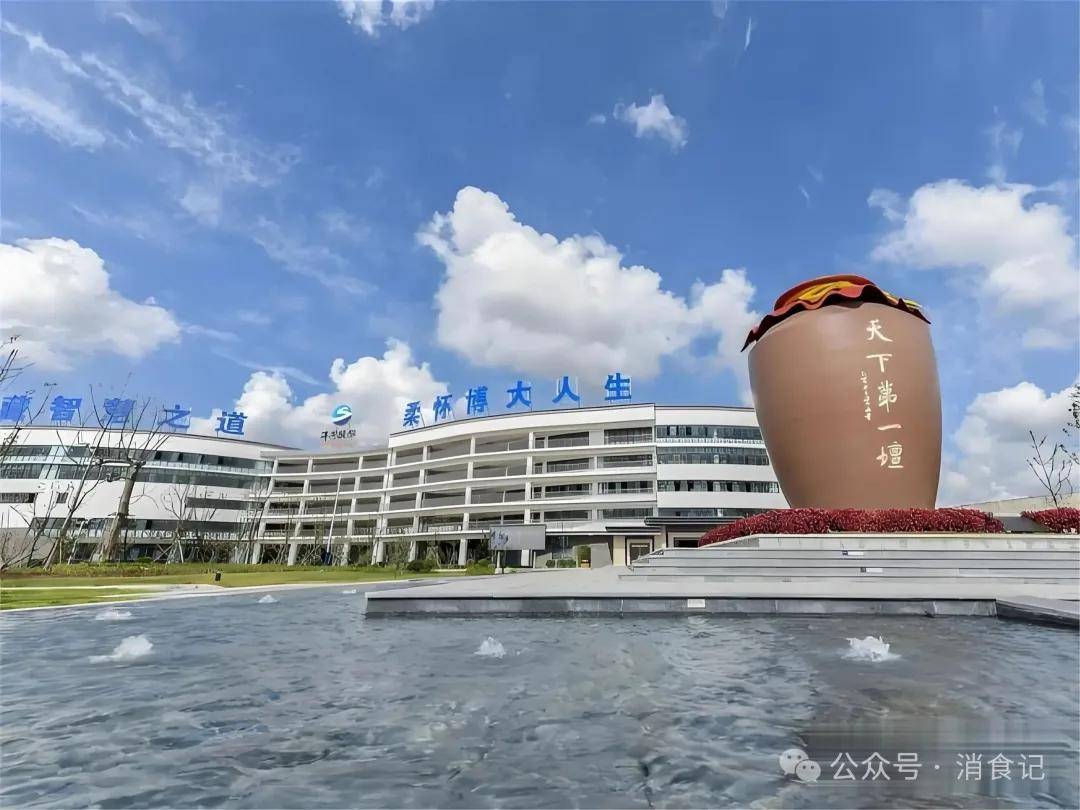
洋河股份2025年业绩双降:白酒行业转型期的阵痛与突围
Sou Hu Cai Jing· 2025-08-21 11:52
Core Viewpoint - Yanghe Co., Ltd. reported a significant decline in both revenue and net profit for the first half of 2025, reflecting systemic challenges faced by leading companies in the liquor industry during a deep adjustment period [1][16]. Financial Performance - The company achieved a revenue of 14.796 billion yuan, a year-on-year decrease of 35.32%, and a net profit of 4.344 billion yuan, down 45.34% [1][3]. - The decline in revenue and profit is attributed to the downturn in the liquor sales market, leading to reduced sales volume and income [3][5]. - Operating cash flow decreased by 69.85% to 616 million yuan, indicating cash flow pressure due to slower sales collections and reduced advance payments [5]. Strategic Adjustments - In response to industry changes, the management initiated a "rest and recuperation" strategy starting in 2024, aiming to stabilize prices and assist channels in inventory reduction [6][8]. - The company reduced production by 51.63% and inventory by 34%, but the inventory turnover days remained high at 944.88 days, indicating challenges in managing stock levels [8]. Market Position and Competition - Yanghe's product structure is under pressure from both high-end and mass markets, with significant price drops in its premium products, reflecting a lack of brand recognition compared to competitors like Moutai and Wuliangye [9][20]. - The company faces challenges in the mass market, with ordinary liquor revenue declining by 27.24%, which is significantly higher than the industry average [13][20]. - The competitive landscape is shifting, with companies like Shanxi Fenjiu and Luzhou Laojiao gaining market share through effective strategies, further squeezing Yanghe's market space [13][20]. Consumer Trends and Industry Dynamics - The liquor industry is undergoing a profound transformation from rapid growth to high-quality development, influenced by macroeconomic conditions and changing consumer demands [16][18]. - The rise of the younger generation as consumers is driving diverse consumption habits, which Yanghe has struggled to adapt to, particularly in terms of product innovation and marketing strategies [11][18]. - The mid-range price segment (300-800 yuan) is particularly affected, with Yanghe's core product series experiencing a revenue decline of 39.2%, significantly above the industry average [18][20]. Future Outlook - Yanghe's future is challenged by its position in the market, lacking the premium pricing power of Moutai and the rapid market penetration of competitors like Fenjiu [20]. - The company's ability to navigate through quality upgrades, product innovation, and channel restructuring will be crucial for its survival and potential return to the top tier of the industry [20].
研报掘金丨东方证券:维持洋河股份“买入”评级,目标价84.7元
Ge Long Hui A P P· 2025-08-21 09:40
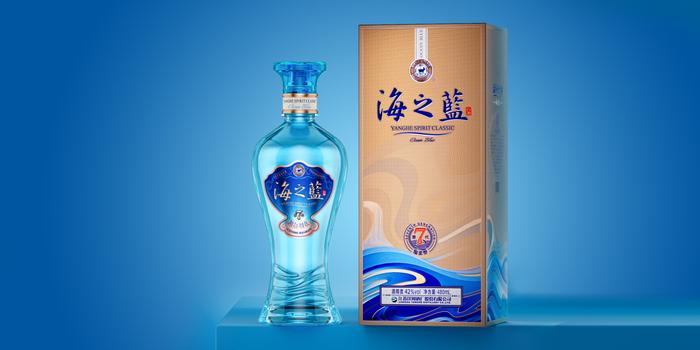
Core Viewpoint - Yanghe Co., Ltd. is experiencing a significant decline in performance metrics, but the company's strategic initiatives aimed at market stabilization and inventory reduction may enhance future recovery confidence [1] Financial Performance - In the first half of 2025, the company reported revenue of 14.796 billion yuan, a year-on-year decrease of 35.32% [1] - The net profit attributable to shareholders for the same period was 4.344 billion yuan, down 45.34% year-on-year [1] - For Q2 2025, revenue was 3.729 billion yuan, reflecting a 43.67% year-on-year decline [1] - The net profit for Q2 2025 was 707 million yuan, a decrease of 62.66% compared to the previous year [1] Strategic Initiatives - The company is focusing on key products such as "Dream Six+" and "Sea Blue" to stabilize prices and manage inventory effectively [1] - Efforts are being made to enhance market activity and engage with end consumers, which may lead to improved performance in the future [1] Market Outlook - Despite ongoing adjustments in financial performance, the confidence in future recovery is increasing due to the company's proactive measures [1] - The impact of policies such as alcohol bans on the liquor cycle has led to downward adjustments in revenue and gross margin forecasts for 2025-2026 [1] Valuation - The company is assigned a target price of 84.70 yuan based on a 22x PE ratio for 2026, maintaining a "buy" rating [1]

醒醒吧,白酒及人生
水皮More· 2025-08-21 09:28
Core Viewpoint - The current state of the Chinese liquor industry, particularly the white liquor sector, is facing significant challenges, including overcapacity, declining sales, and inventory issues, leading to questions about whether the industry has entered a downturn [2][10][12]. Group 1: Industry Trends and Challenges - The white liquor industry has experienced a significant decline in sales volume, dropping from a peak of 1,358 million tons in 2016 to an estimated 414 million tons by 2024, a decrease of over two-thirds [10]. - Despite the decline in sales volume, the revenue has paradoxically increased by 30% to 7,964 billion yuan in 2024, and profits surged by 315% to 2,509 billion yuan, indicating a severe disconnect between production and actual market demand [10][12]. - The industry is currently facing a surplus of at least 1,000 million tons of production capacity, with inventory levels that could take over five years to digest at current sales rates [12][10]. Group 2: Historical Context and Regulatory Impact - Historical instances of liquor bans and restrictions have not halted the industry's growth; rather, they have often led to new opportunities for market adjustment [4][5][7]. - The recent "new eight prohibitions" and the strictest liquor bans in history are not the sole reasons for the current downturn, as the industry has previously adapted to similar challenges [4][5][7]. Group 3: Market Dynamics and Pricing Strategies - The strategy of "controlling volume and raising prices" has been a common practice among manufacturers, but this approach is becoming unsustainable as consumer demand declines [15][20]. - The average price of white liquor has increased approximately 150 times over the past 45 years, with premium brands like Moutai seeing price increases of nearly 400 times, leading to concerns about affordability and market sustainability [17][20]. - The shift towards "light bottle" liquor, which is more affordable and accessible, is gaining traction, indicating a potential change in consumer preferences towards more reasonable pricing [31][33]. Group 4: Future Outlook and Recommendations - The industry must focus on "controlling prices and improving quality" to ensure that liquor remains accessible to a broader consumer base, which is essential for long-term sustainability [26][39]. - Companies that prioritize product quality and reasonable pricing, like Fenjiu, have shown resilience and growth, suggesting a viable path forward for the industry [28][29]. - The return to rational pricing and value-based consumption is crucial for revitalizing the white liquor market and ensuring its future prosperity [36][42].

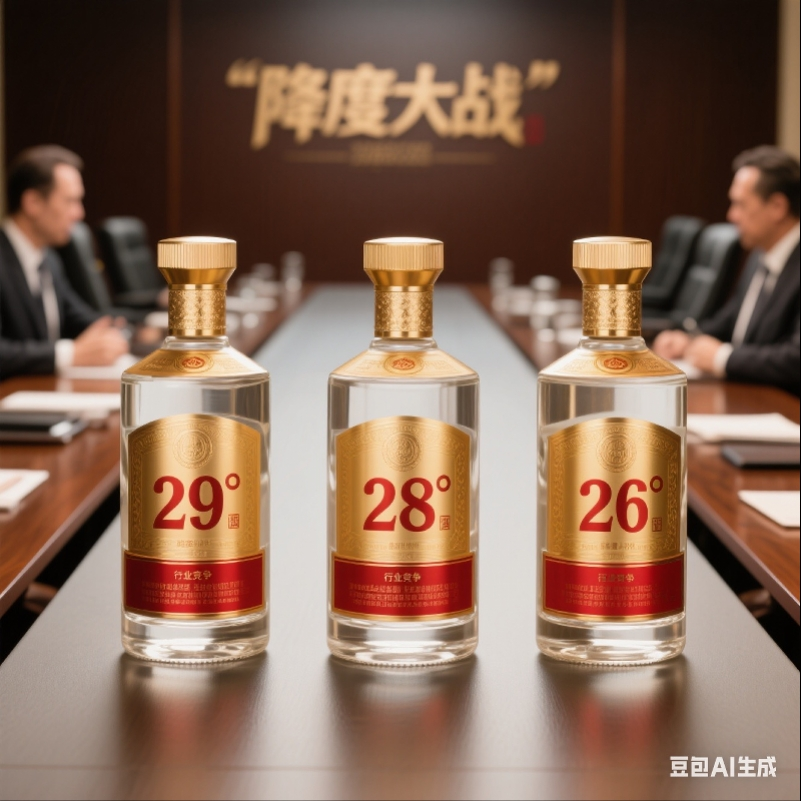
白酒巨头掀“降度大战”,年轻人会买账吗?
Hu Xiu· 2025-08-21 08:56
Core Viewpoint - The Chinese liquor industry is experiencing a trend towards low-alcohol products as companies seek to capture the younger consumer market and address declining sales in traditional high-alcohol offerings [8][9][11]. Group 1: Industry Trends - Major liquor companies, including Gujing Gongjiu, Shede Liquor, Wuliangye, and Luzhou Laojiao, are launching low-alcohol products to tap into the growing demand for lighter drinking options [8][9][10][11]. - The low-alcohol segment is seen as a potential growth area amid high inventory levels and declining sales in traditional high-end liquor [9][12][14]. - The shift towards low-alcohol products is part of a broader strategy to engage younger consumers, who prefer personalized and lower-alcohol options for social drinking [15][18][20]. Group 2: Company-Specific Developments - Gujing Gongjiu launched a new low-alcohol product, "Gujing Gongjiu·Nianfen Yuanjiang Qingdu Gu20," with an alcohol content of 26 degrees, targeting urban youth aged 25-35 [1][27]. - Shede Liquor is set to introduce its first low-alcohol, high-flavor aged liquor, "Shede Zizai," with an alcohol content of 29 degrees [2]. - Luzhou Laojiao has successfully developed a 28-degree version of its flagship product, Guojiao 1573, and is testing even lower alcohol variants [5][21]. Group 3: Market Challenges - The liquor industry is facing significant challenges, including high inventory levels and a lack of consumer demand, particularly for mid-range and high-end products [9][11][12]. - Companies are struggling to maintain pricing power as high-end liquors frequently experience price cuts, leading to concerns about brand value erosion [11][23]. - The acceptance of low-alcohol products at premium prices remains uncertain, as evidenced by Gujing Gongjiu's pricing strategy, which positions its new product at a high price point compared to traditional low-alcohol options [26][35].