奔驰

Search documents
合资沉浮20年:昔日王者 重回一线
2 1 Shi Ji Jing Ji Bao Dao· 2025-05-12 14:08
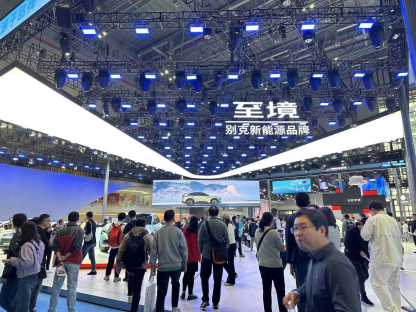
Core Viewpoint - The article discusses the transformation of joint venture car manufacturers in China, highlighting their shift from dominance to a reactive stance against the rise of domestic brands, and their recent efforts to reclaim market leadership through new energy vehicles and local partnerships [1][12][22]. Group 1: Historical Context - Joint venture brands held a 66% market share in China's passenger car market in 2014, while new entrants like NIO and Xpeng were just emerging [1]. - By 2024, the market share of joint venture brands is projected to drop below 35%, contrasting with the rise of domestic brands like BYD and Xpeng, which have capitalized on electric and intelligent vehicle technologies [12][14]. Group 2: Recent Developments - In 2025, joint venture brands are actively seeking to regain influence by launching new energy sub-brands, such as SAIC-GM's high-end brand "Zhijing" and Dongfeng Honda's independent brand "Lingxi" [1]. - Collaborations with local companies are also emphasized, with models like Audi A5L and Dongfeng Nissan N7 integrating advanced driving systems developed with Huawei and Momenta [2][23]. Group 3: Market Dynamics - The Shanghai Auto Show has seen increased foot traffic for joint venture brands, indicating a renewed interest as they adapt to local market demands [2]. - Buick's appeal in the Middle East is noted, as the brand meets local consumer expectations for quality and comfort, leading to potential partnerships for new model introductions [5]. Group 4: Strategic Shifts - Joint venture manufacturers are shifting their development focus to be more localized, with decision-making authority being transferred to Chinese teams to better align with consumer needs [22][25]. - The article highlights the importance of safety and technology integration, with companies like SAIC-GM and Dongfeng Nissan emphasizing local development and collaboration with leading suppliers [24][26]. Group 5: Challenges Ahead - Despite the positive momentum, joint venture companies face challenges in sustaining R&D investments while balancing profitability, as seen with Volkswagen's projected 33.5% revenue decline in China for 2024 [25]. - The need for a cohesive strategy that integrates local market demands with global standards remains a critical challenge for these manufacturers [27].

林泰新材(920106) - 投资者关系活动记录表
2025-05-12 13:15
Group 1: Investor Relations Activity Overview - The investor relations activity was held on May 8, 2025, at the Kerry Hotel in Beijing, attended by various financial institutions including Kaiyuan Securities and Huaxia Fund [3][4]. - Company representatives included the Vice General Manager, Board Secretary, and Financial Officer, Mr. Shen Jianbo [3][4]. Group 2: Collaboration with Magna - The collaboration with Magna on the DCT project passed mass production approval by the end of 2024, marking a significant milestone for the company [4]. - This partnership enhances the company's market share in the passenger vehicle automatic transmission sector, with a growing demand for dual-clutch transmissions (DCT) [4]. - The collaboration provides recognition from a global industry leader, facilitating entry into other foreign enterprises and expanding global business opportunities [4]. Group 3: Future Growth Areas - Future growth is expected primarily in the passenger vehicle transmission sector, with ongoing mass production projects and new projects like DHT contributing to increased sales [5]. - Opportunities for growth also exist in engineering machinery, agricultural machinery, flying cars, and marine applications [5]. Group 4: Transmission Systems in Electric Vehicles - All fuel vehicles require transmissions, and low-carbon and zero-carbon fuel vehicles also utilize automatic transmissions [6]. - High-end electric vehicles, such as the Porsche Taycan 4S and Audi e-tron Sportback, are increasingly adopting two-speed transmissions, indicating a trend towards multi-speed systems in electric vehicles [7]. - Plug-in hybrid electric vehicles (PHEVs) require automatic transmission friction plates, with major manufacturers accelerating their hybrid powertrain developments [7].
高端车也守不住了,三元锂究竟要败退到什么地步?
3 6 Ke· 2025-05-12 11:20
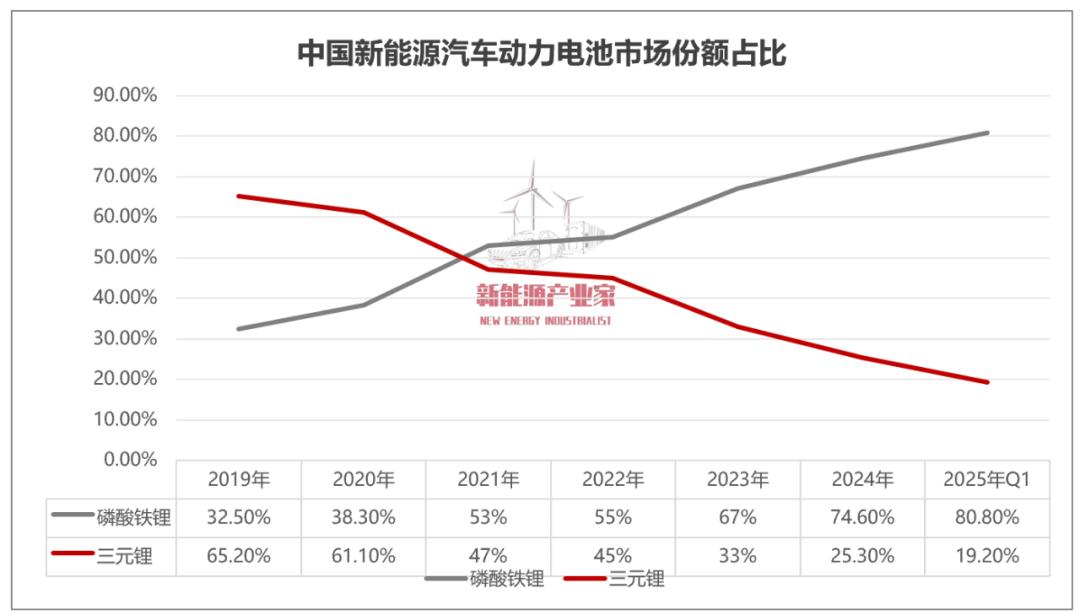
Core Viewpoint - The dominance of ternary lithium batteries is rapidly declining, with market share dropping from 65% in 2019 to below 20% by Q1 2025, as lithium iron phosphate (LFP) batteries gain traction in both hybrid and high-end markets [1][7]. Group 1: Market Dynamics - Ternary lithium batteries, once considered essential for high-end electric vehicles, are losing ground to LFP batteries, which are now being adopted even in hybrid and extended-range vehicles [4][7]. - The shift in consumer preference is evident, with manufacturers like BYD and CATL successfully integrating LFP batteries into high-performance models, achieving significant ranges and charging speeds [8][10]. - In the global market, LFP batteries have surpassed ternary lithium batteries for the first time, accounting for 49.9% of installations compared to 49.5% for ternary lithium in early 2025 [11][12]. Group 2: Technological Advancements - LFP batteries have undergone rapid technological advancements, addressing previous limitations such as low temperature performance and charging efficiency [17][18]. - Innovations like the "fast ion ring" technology and high-density materials have significantly improved the performance of LFP batteries, enabling faster charging and better energy density [20][24]. - The introduction of new battery technologies, such as CATL's Shenxing PLUS and BYD's blade battery, has further enhanced the appeal of LFP batteries, making them competitive with ternary lithium options [22][28]. Group 3: Competitive Landscape - The competitive landscape is shifting, with major automakers like Porsche and Audi transitioning to LFP batteries due to consumer demand for faster charging and better performance [30][31]. - The cost advantage of LFP batteries allows manufacturers to increase profit margins, challenging the notion that high-end vehicles must use ternary lithium batteries [28][29]. - The rapid innovation cycle of LFP technology positions it as the "fast fish" in the market, while ternary lithium is seen as the "slow fish" due to slower advancements [31][32]. Group 4: Industry Implications - The ongoing technological breakthroughs in LFP batteries are reshaping the competitive dynamics in the electric vehicle market, emphasizing the importance of innovation over traditional market positioning [33][34]. - As the industry evolves, the focus will shift from merely producing cheaper batteries to developing smarter, more efficient battery technologies that can sustain growth in the global market [34].


一季度徐州新能源汽车零售额同比增长72.7%
Ren Min Wang· 2025-05-12 07:13
Core Insights - The retail sales of new energy vehicles in Xuzhou increased by 72.7% year-on-year in the first quarter, driven by the effective implementation of the vehicle trade-in policy, indicating strong consumer preference and a green transformation in the automotive market [1][2][7] Policy Collaboration - The vehicle trade-in policy has emerged as a key driver for upgrading automotive consumption, with national and local policies promoting the transition to new energy vehicles [2][3] - The Jiangsu provincial government has set a unified maximum subsidy standard for vehicle trade-ins, providing incentives for consumers to switch from traditional fuel vehicles to new energy vehicles [2][3] Market Response - Xuzhou has actively responded to national policies by refining its vehicle trade-in measures and offering attractive subsidies, resulting in significant improvements in automotive consumption [2][3] - The city has allocated 10 million yuan in municipal funds for automotive consumption subsidies, further stimulating demand for new energy vehicles [3][4] Consumer Trends - The popularity of new energy vehicles is rising, with many consumers willing to replace traditional fuel vehicles for more environmentally friendly options, supported by the cumulative effects of various policies [3][5] - Data shows that consumers are increasingly opting for mid-to-high-end models and new energy vehicles, reflecting a trend towards consumption upgrading [7] Sales Performance - The automotive consumption subsidy policy has led to a positive market response, with significant applications for vehicle scrapping and trade-in subsidies reported [7] - The Xuzhou International Auto Show highlighted the dominance of new energy vehicles, showcasing various smart models and attracting consumer interest [5][6] Future Outlook - The combination of policy support and market dynamics is expected to drive further breakthroughs in automotive consumption in Xuzhou, establishing a model for nationwide automotive consumption upgrades [7]
人形机器人企业爆单!宇树机器人最新发声,机器人ETF基金(159213)再度飙涨超2%,全球资管巨头唱多人形机器人!
Xin Lang Cai Jing· 2025-05-12 03:17
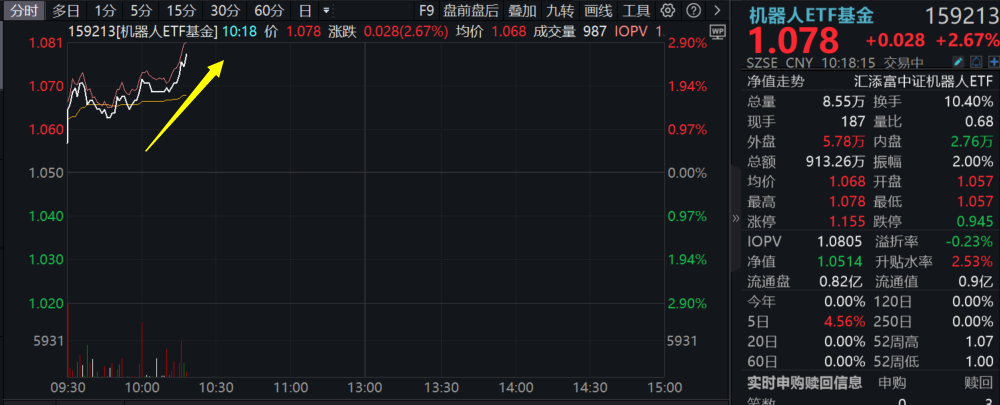
Core Viewpoint - The humanoid robot market is experiencing significant growth, driven by favorable government policies and increasing demand across various sectors, with projections indicating a potential market size of over 15 trillion yuan by 2025 [4][9]. Group 1: Market Performance - The A-share market showed an upward trend on May 12, with the robot sector rebounding, particularly the Robot ETF fund (159213), which opened high and rose by 2.67% [1]. - Major components of the Robot ETF fund saw substantial gains, with companies like Tuosida reaching a 20% limit up, and others like Koli'er and Xinjie Electric also experiencing significant increases [3]. Group 2: Industry Advantages - The humanoid robot industry in China benefits from strong policy support, with various national and local initiatives aimed at fostering development, including the inclusion of robots in key work reports and the establishment of industry funds [5][6]. - China's competitive edge in the humanoid robot market is highlighted by its leading position in patent applications, with 5,925 patents filed from 2020 to 2024, significantly outpacing other countries [4][5]. Group 3: Production and Supply Chain - The domestic robot industry is witnessing a rise in localization, with the domestic production rate of key components increasing from 17.5% in 2015 to 35.7% in 2022, indicating a trend towards cost reduction and efficiency [7]. - Major companies are preparing for mass production of humanoid robots, with 2025 expected to be a pivotal year for the industry, as several manufacturers are on the brink of entering small-scale production [7][8]. Group 4: Application Scenarios - The demand for robots is driven by manufacturing upgrades and demographic changes, with the global aging population creating a pressing need for robotic solutions to address labor shortages [9]. - The potential market for humanoid robots is projected to exceed 1 billion units, corresponding to a market space of over 15 trillion yuan, as the industry prepares for widespread adoption across industrial, commercial, and domestic applications [9].

星宇股份(601799):合作优质客户,业绩增长稳健
GOLDEN SUN SECURITIES· 2025-05-12 02:30
Investment Rating - The report maintains a "Buy" rating for the company [5] Core Views - The company achieved a revenue of 3.095 billion yuan in Q1 2025, representing a year-on-year growth of 28.3%, with a net profit of 322 million yuan, up 32.7% year-on-year [1] - The company benefits from the vehicle replacement policy, leading to sustained growth in automotive consumption, with a diverse customer base including major brands such as Volkswagen, Toyota, and Mercedes-Benz [1][2] - The company has optimized its customer structure and improved profitability through strong cost control, with a net profit margin increase from 10.06% in Q1 2024 to 10.41% in Q1 2025 [2] - The company is advancing its global strategy, focusing on R&D and partnerships with firms like Huawei, and has entered the supply chains of foreign luxury brands [3] Financial Performance - The company is projected to achieve revenues of 16.511 billion yuan, 20.460 billion yuan, and 25.398 billion yuan for the years 2025, 2026, and 2027, respectively, with year-on-year growth rates of 24.6%, 23.9%, and 24.1% [4] - The net profit is expected to reach 1.919 billion yuan, 2.486 billion yuan, and 3.125 billion yuan for the same years, with growth rates of 36.3%, 29.5%, and 25.7% [4] - The company's earnings per share (EPS) is projected to increase from 6.72 yuan in 2025 to 10.94 yuan in 2027 [4] Customer and Product Development - The company has undertaken 69 new model development projects in 2024, with 40 models entering mass production, including high-value projects like the smart headlights for Huawei's AITO M9 [2] - The M9 model is expected to deliver 150,000 units in 2024, contributing significantly to revenue growth [2] Global Expansion - The company is making strides in global markets, with the establishment of factories in Europe, Mexico, and the USA, marking a new phase in its globalization efforts [3]

全球车市转折大年,西方落幕中国登场
3 6 Ke· 2025-05-12 01:33
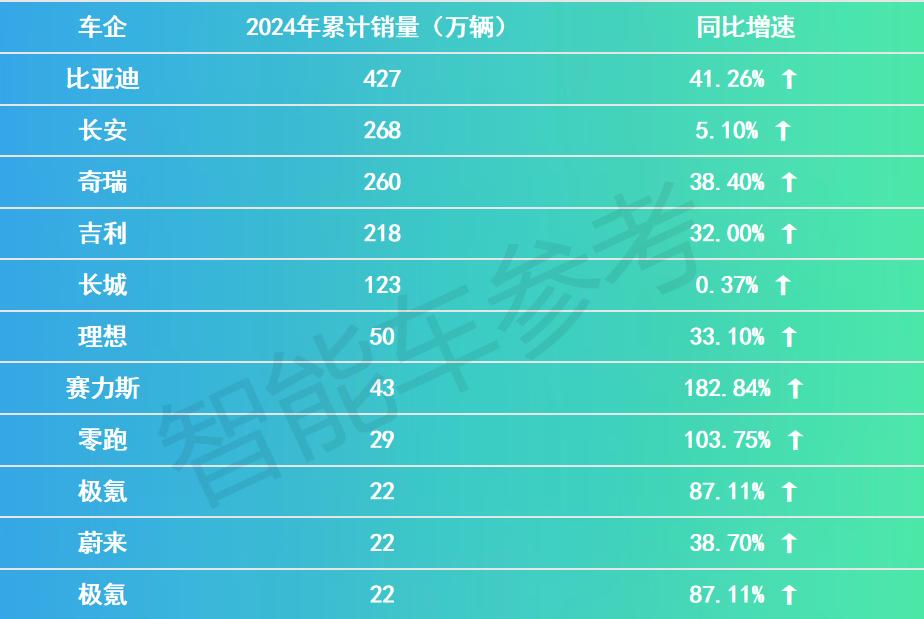
Core Viewpoint - The global automotive industry is experiencing a significant shift, with traditional automakers struggling to adapt to electrification and smart technology, while Chinese companies are rapidly gaining market share and showing strong growth in sales and performance [1][2]. Group 1: Sales Performance - Chinese automakers are witnessing substantial sales growth, with BYD projected to sell 4.27 million units in 2024, marking a 41.26% increase year-on-year [1]. - Other notable performers include Changan with 2.68 million units (5.10% increase), Chery with 2.60 million units (38.40% increase), and Geely with 2.18 million units (32.00% increase) [1][2]. Group 2: Financial Health and Debt Levels - The debt levels of major global automakers are generally high, with many exceeding 60% debt-to-asset ratios. For instance, Ford's debt ratio is 84.27%, and Chery's is 88.64% [4][5]. - Chinese companies like BYD and Geely have lower debt pressures compared to their overseas counterparts, with BYD's total liabilities at 75% of its revenue and Geely's at 88% [8][10]. Group 3: Debt Structure - The structure of debt is crucial, with Chinese automakers relying less on interest-bearing debt. For example, BYD's interest-bearing debt constitutes only 4.9% of its total liabilities [9][10]. - In contrast, foreign giants like Volkswagen and Ford have over 60% of their debt as interest-bearing, indicating higher financial pressure [11]. Group 4: Accounts Payable and Operational Efficiency - The accounts payable to revenue ratio is an important indicator of financial health. BYD has the lowest ratio at 31%, while NIO has the highest at 52% [12][14]. - The average accounts payable turnover days for domestic automakers range from 125 to 205 days, with BYD leading at 127 days, indicating efficient payment practices [13][14]. Group 5: Strategic Implications of Debt - High debt levels in the automotive industry can signify substantial investments in growth and innovation. Companies like BYD and Changan demonstrate that manageable debt can support expansion and technological advancement [16][17]. - The ability to carry significant debt is increasingly seen as a competitive advantage in the rapidly evolving automotive landscape [18].
强监管下,高级别自动驾驶研发遇强则强
Zhong Guo Qi Che Bao Wang· 2025-05-12 00:33
Core Viewpoint - The autonomous driving industry is experiencing strong regulatory oversight, yet companies are actively developing and promoting high-level autonomous vehicles, indicating a commitment to innovation and safety [2][3][4]. Regulatory Environment - The Ministry of Industry and Information Technology has mandated that automotive manufacturers conduct comprehensive testing for driving assistance systems, ensuring clear definitions of system capabilities and safety measures [2]. - Strong regulations are seen as beneficial for the healthy development of the autonomous driving industry, promoting market order and enhancing consumer trust in product safety [5]. Market Dynamics - The demand for high-level autonomous driving is driven by market competition, with companies needing to innovate to stay relevant [4]. - The shift from B2B to B2C markets is anticipated, with increasing acceptance of autonomous driving technology among consumers [4][6]. Technological Advancements - Significant advancements in AI, sensors, and communication technologies are providing a solid foundation for the development of high-level autonomous vehicles [5]. - Companies like Huawei are leveraging their expertise in communication and AI to enhance autonomous driving solutions [5]. Consumer Sentiment - Consumers show high interest in L4 autonomous vehicles, particularly in China and India, with younger generations expressing a strong desire for advanced driving technologies [9][10]. - Despite enthusiasm, safety concerns remain paramount, with over 70% of consumers citing safety and stability as potential barriers to adoption [10]. Commercialization Challenges - The B2B market for high-level autonomous driving is beginning to open, particularly in sectors like mining and logistics, where the technology can significantly enhance efficiency [12][13]. - Cost reduction and improved value propositions are critical for the profitability of high-level autonomous vehicles, with companies focusing on optimizing production and supply chain management [13][20]. Company Accountability - Companies like GAC have committed to taking responsibility for the safety of their L4 autonomous vehicles, which is expected to boost consumer confidence [18]. - The commitment to accountability may drive companies to enhance their technological capabilities and safety measures [19]. Future Outlook - The industry is expected to see a gradual shift towards more comprehensive regulations and insurance frameworks to support the deployment of high-level autonomous vehicles [20]. - The integration of autonomous driving technology into everyday scenarios is anticipated to evolve, with a focus on enhancing operational efficiency and user experience [17].



旧秩序在坍塌
汽车商业评论· 2025-05-11 15:41
Core Viewpoint - The article discusses the transformation of the Chinese automotive industry, highlighting how domestic brands like Geely are redefining market standards and challenging traditional luxury brands through innovative technology and competitive pricing [2][8][19]. Group 1: Market Dynamics - The Geely Galaxy Star 8, priced between 115,800 to 155,800 RMB, is positioned in the C-segment, competing with luxury brands like Audi A6L, which has a price range of 427,900 to 656,800 RMB, showcasing a significant price disparity [2][3]. - The sales of C-segment vehicles in 2024 are expected to be dominated by eight traditional luxury brands, with a total sales volume of 486,000 units, indicating a concentrated market [2][3]. - The article notes a shift in consumer perception, where cars are increasingly viewed as a third living space rather than just a means of transportation, particularly with the rise of electric vehicles [16][18]. Group 2: Technological Advancements - Chinese brands are not merely following the lead of joint venture brands but are establishing new standards in technology, product offerings, and pricing strategies [8][19]. - The Galaxy Star 8 includes advanced features such as a seven-layer structure design for seats, heating and cooling functions, and high-end audio systems, which were previously exclusive to luxury vehicles [9][11]. - The article emphasizes that the technological advancements and features offered by Chinese brands are often superior to those of traditional luxury brands at a fraction of the price [8][11]. Group 3: Consumer Engagement - The development of the Geely Galaxy Star 8 involved extensive communication with users to ensure the vehicle met their needs, illustrating a shift towards user-driven product development [24][25]. - The article highlights the importance of understanding local consumer preferences, with Chinese brands adapting their designs and features to better suit domestic market demands [18][22]. - The concept of "co-creation" with users is emphasized, where feedback directly influences product design and features, leading to a more tailored consumer experience [24][25]. Group 4: Competitive Landscape - The emergence of large SUVs like the Lynk & Co 900, which has a price range of 289,900 to 396,900 RMB, signifies a shift in the market where previously niche segments are now being aggressively targeted by Chinese brands [13][15]. - The article notes that the rapid growth of large SUVs in China is driven by changing consumer needs and preferences, with several domestic brands now offering models exceeding 5.2 meters in length [15][16]. - The competitive landscape is evolving, with traditional luxury brands facing challenges from agile Chinese manufacturers that are quick to adapt to market trends and consumer demands [22][25].

揭秘风洞测试江湖
第一财经· 2025-05-11 09:16
Core Viewpoint - The article discusses the ongoing debate surrounding the aerodynamic drag coefficient of electric vehicles, particularly focusing on the controversy involving the Avita 12 model and the implications of wind tunnel testing in the automotive industry [1][2][3]. Group 1: Wind Tunnel Testing Costs and Importance - Wind tunnel testing is a crucial yet expensive process in automotive design, with costs averaging around 30,000 yuan per hour, leading to total expenses exceeding 1 million yuan for comprehensive testing [1][2]. - Despite the high costs, car manufacturers continue to pursue low drag coefficients as they significantly impact vehicle efficiency, noise, and comfort [2][3]. Group 2: Competition and Marketing in Drag Coefficient - The competition for lower drag coefficients has intensified since Tesla's Model S claimed a coefficient of 0.208Cd, prompting other manufacturers like Mercedes and Xiaomi to announce similarly low figures [2][3]. - The article highlights that differences in drag coefficients below 0.2Cd often become marketing gimmicks rather than reflecting real-world consumer experiences [2][3]. Group 3: Discrepancies in Testing Results - The Avita 12 faced scrutiny when a blogger reported a drag coefficient of 0.28Cd from a wind tunnel test, contrasting with the manufacturer's claim of 0.21Cd, raising questions about the accuracy and consistency of testing methods [2][3]. - Various factors influence drag coefficients, including vehicle design, frontal area, and testing conditions, leading to discrepancies in results across different wind tunnels [4][5]. Group 4: Lack of Standardization in Testing - There is currently no unified standard for wind tunnel testing in China, resulting in variations in reported drag coefficients based on different testing conditions and methodologies [6][8]. - The absence of a national standard means that manufacturers may present optimized results from test vehicles rather than production models, potentially misleading consumers [12][13]. Group 5: Implications for the Automotive Industry - The controversy surrounding the Avita 12 serves as a wake-up call for the industry regarding the need for more transparent and standardized reporting of aerodynamic performance [13]. - As electric vehicles become more prevalent, the focus on drag coefficients as a marketing tool may overshadow their original purpose of improving vehicle performance and efficiency [13].