
格力电器

Search documents
前三季度家电全产业链出口普遍强于内销,德昌股份定增获批:——《2025/11/3-2025/11/7》家电周报-20251109
Shenwan Hongyuan Securities· 2025-11-09 05:52
Investment Rating - The report maintains a positive outlook on the home appliance industry, highlighting the potential for growth in the white goods sector due to low valuations, high dividends, and stable growth attributes [6]. Core Insights - The home appliance sector is experiencing a divergence between domestic and export sales, with exports generally outperforming domestic sales in the first three quarters of 2025. The domestic market is under pressure due to a sluggish real estate sector and the waning effects of policy support [5][12]. - The report identifies three main investment themes: the white goods sector, export-driven companies, and core component manufacturers, recommending specific companies within these categories for investment [6]. Summary by Sections Industry Performance - In September 2025, the air conditioning sector saw a total production of 10.57 million units, a year-on-year decrease of 13.5%, while total sales were 10.88 million units, down 10.2%. Domestic sales were 5.95 million units, down 2.5%, and exports were 4.94 million units, down 18.1% [4][33]. - The refrigerator sector reported a production of 8.72 million units, a slight year-on-year decrease of 0.5%, with total sales of 8.34 million units, a marginal increase of 0.12%. Domestic sales were 3.87 million units, down 7.35%, while exports rose to 4.47 million units, up 7.63% [4][39]. - The washing machine sector experienced a production of 9.05 million units, a year-on-year increase of 10.4%, with total sales of 8.85 million units, up 7.52%. Domestic sales were 4.06 million units, down 6.88%, while exports increased to 4.79 million units, up 23.76% [4][41]. Market Dynamics - The home appliance index underperformed compared to the CSI 300 index, with a decline of 0.5% against a 0.8% increase in the latter [5][7]. - The report notes that the overall supply chain market sentiment is higher than that of the complete machine market, with more than half of the industries maintaining year-on-year growth in the first three quarters of 2025 [12]. Key Company Developments - Midea's air conditioning factory in Thailand has been recognized as a "Supply Chain Resilience Lighthouse Factory" by the World Economic Forum, marking a significant achievement in the home appliance sector [5][13]. - The report recommends specific companies for investment based on their performance and market position, including Hisense, Midea, and Haier in the white goods sector, as well as companies like Ousheng Electric and Dechang Co. for their export capabilities [6].





家电周报:前三季度家电全产业链出口普遍强于内销,德昌股份定增获批-20251109
Shenwan Hongyuan Securities· 2025-11-09 05:15
Investment Rating - The report maintains a positive outlook on the home appliance industry, particularly highlighting the resilience of the white goods sector and the potential for growth driven by policy changes and market dynamics [3][5]. Core Insights - The home appliance sector has shown stronger export performance compared to domestic sales, with various segments experiencing differing trends in sales and production [4][12]. - The report identifies three main investment themes: white goods, export-driven companies, and core components, recommending specific companies within these categories for investment [5][6]. Summary by Sections Industry Performance - In September 2025, the air conditioning sector saw a total production of 10.57 million units, a year-on-year decrease of 13.5%, while total sales were 10.88 million units, down 10.2%. Domestic sales were 5.95 million units, down 2.5%, and exports were 4.94 million units, down 18.1% [4][34]. - The refrigerator sector reported a production of 8.72 million units, a slight decrease of 0.5%, with total sales of 8.34 million units, a marginal increase of 0.12%. Domestic sales fell by 7.35% to 3.87 million units, while exports rose by 7.63% to 4.47 million units [4][41]. - The washing machine sector experienced a production increase of 10.4% to 9.05 million units, with total sales rising by 7.52% to 8.85 million units. Domestic sales decreased by 6.88% to 4.06 million units, while exports surged by 23.76% to 4.79 million units [4][43]. Investment Themes - The white goods sector is expected to benefit from a reversal in real estate policies, with characteristics such as low valuation, high dividends, and stable growth making it attractive for investment. The report suggests that the "trade-in" policy could act as a catalyst for growth [5][6]. - For export-driven companies, the report recommends firms like Ousheng Electric and Dechang Co., which are expected to see revenue growth from large customer orders and expanding automotive parts businesses [5][6]. - In the core components segment, companies like Huaxiang Co. and Shun'an Environment are highlighted for their competitive advantages and growth potential in the context of rising demand for key components in the white goods sector [5][6]. Market Dynamics - The report notes that the overall home appliance index underperformed compared to the CSI 300 index, with a decline of 0.5% in the home appliance sector index while the CSI 300 rose by 0.8% [5][7]. - The report emphasizes the importance of emerging markets in driving export growth, particularly in regions like Africa and South America, despite challenges such as tariffs and high inventory levels [5][12].

一纸处罚函落地 扬杰科技“分手”贝特电子另有隐情?
Guo Ji Jin Rong Bao· 2025-11-08 15:11
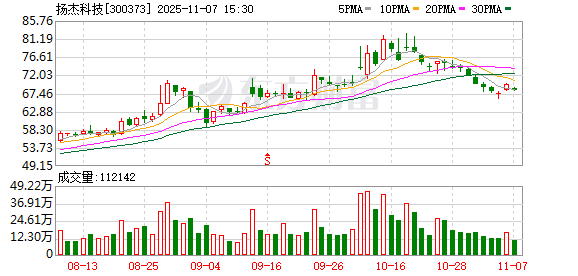
Core Viewpoint - The acquisition of 100% equity of Better Electronics by Yangjie Technology was abruptly terminated, raising market concerns, particularly after the disclosure of disciplinary actions by the Shenzhen Stock Exchange against Better Electronics for various violations during its IPO application process [2][3][4]. Group 1: Acquisition Details - Yangjie Technology announced a cash acquisition of Better Electronics for 2.218 billion yuan, but the deal was called off due to differences in business types, management styles, and corporate culture [7]. - The Shenzhen Stock Exchange publicly reprimanded Better Electronics and its executives for undisclosed financial irregularities, including a hidden "off-balance sheet" fund and inaccurate disclosures regarding performance commitments related to acquisitions [3][4][6]. Group 2: Regulatory Findings - Better Electronics failed to disclose an off-balance sheet fund with a balance of 703,300 yuan as of the end of 2023, which had inflows of 15.0943 million yuan and outflows of 14.373 million yuan during the reporting period [3][4]. - The company also did not accurately disclose performance commitments related to its acquisition of Dongguan Boyue Electronics, misleading the Shenzhen Stock Exchange during the IPO process [4][5]. Group 3: Company Background - Better Electronics, established in 2003, specializes in mid-to-high-end circuit protection components and has clients including Midea, Gree, and BYD [5]. - Yangjie Technology, founded in 2006, is a vertically integrated enterprise in the semiconductor industry, with a revenue exceeding 6 billion yuan in 2024 and a year-on-year growth of 20.89% in the first three quarters of 2025 [6][7].


格力电器(000651):25Q3点评:业绩基本符合预期,展望“高切低”的风格催化
ZHONGTAI SECURITIES· 2025-11-08 14:05
Investment Rating - The report maintains an "Accumulate" rating for Gree Electric Appliances [3] Core Views - The company's performance is expected to face short-term pressure, with a projected decline in revenue and net profit for 2025, followed by a slight recovery in 2026 and 2027 [9][10] - The company has introduced a competitively priced air conditioner to regain market share, indicating a potential improvement in market fundamentals [9] - The current valuation is at 7X, with a projected dividend yield of 5-7%, suggesting a favorable investment opportunity [9] Financial Summary - Revenue for 2023 is projected at 205,018 million, with a year-over-year growth rate of 8%. However, revenue is expected to decline by 7% in 2024 and 2025, before recovering slightly in subsequent years [3] - Net profit for 2023 is estimated at 29,017 million, with an 18% growth rate, but is expected to decrease by 7% in 2025 [3] - Earnings per share (EPS) is projected to be 5.18 in 2023, decreasing to 5.36 in 2025, before gradually increasing again [3] - The company's return on equity (ROE) is expected to decline from 25% in 2023 to 18% by 2027 [3] Market Performance - In Q3, the company reported a revenue of 40 billion, down 15% year-over-year, and a net profit of 7.05 billion, down 10% [5] - The overall sales volume has slowed, with a decline in both domestic and international sales, particularly in exports [6] - The company's contract liabilities and other current liabilities have shown a stable increase of 2-3% year-over-year, indicating a steady financial position despite declining sales [7]
4500亿国补落幕,谁是最大受益者?
虎嗅APP· 2025-11-08 13:39
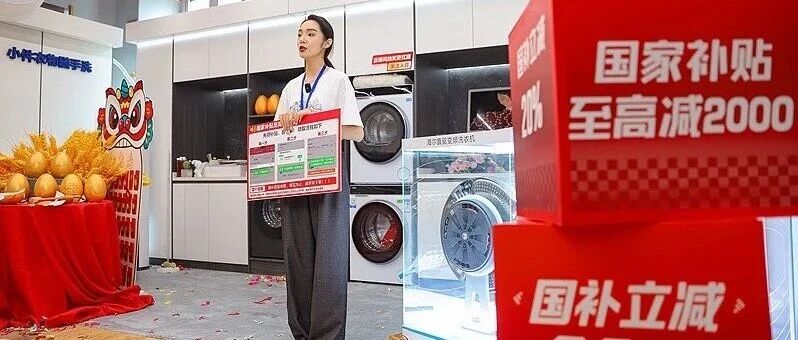
Core Viewpoint - The article discusses the impact of the national subsidy program on consumer behavior and various industries, highlighting both the benefits and challenges faced by different market players as the subsidy program comes to a close [4][5]. Group 1: National Subsidy Program Overview - The national subsidy program has allocated a total of 300 billion yuan in 2023, with the last batch of 69 billion yuan announced on September 30, marking the end of a nearly two-year consumer stimulus initiative [4][5]. - The program has seen 330 million applications, driving sales exceeding 2 trillion yuan, accounting for about 7% of the total retail sales of consumer goods (excluding catering) during the first eight months of the year [5][6]. Group 2: Industry Impact - The automotive sector has been the largest beneficiary of the subsidy, with applications for vehicle trade-ins reaching 4.12 million, translating to approximately 618 billion to 824 billion yuan in subsidies, making it the "black hole" for funding [16][17]. - The home appliance industry has also benefited, with major companies like Midea, Haier, and Gree reporting significant profit increases, while the overall market is experiencing a structural upgrade towards smarter and more energy-efficient products [17][18]. Group 3: Company Performance - BYD reported a revenue of 371.3 billion yuan in the first half of 2025, a 23.3% year-on-year increase, positioning itself as a major beneficiary of the subsidy program [8]. - Xiaomi has also capitalized on the subsidy, achieving a 47.4% revenue growth to 111.3 billion yuan in the first quarter of 2025, with significant increases in its IoT and consumer product segments [9][10]. - Apple experienced a 4.4% revenue growth in the Greater China region in the second quarter of 2025, aided by the subsidy program, despite a general decline in smartphone shipments [10]. Group 4: Market Dynamics - The subsidy program has intensified competition among brands, with companies needing to respond quickly to market changes to capture consumer interest [11][12]. - E-commerce platforms have also been affected, with JD.com emerging as a major beneficiary due to its direct engagement with local governments and efficient supply chain management, while Pinduoduo struggled due to its reliance on smaller merchants [11][13]. Group 5: Regional Disparities - The implementation of the subsidy program has revealed significant regional disparities, with wealthier areas benefiting more due to better access to information and resources, while rural and low-income populations face barriers to participation [23][24]. - Jiangsu province has demonstrated effective execution of the subsidy program, achieving a retail sales growth of 5% in the first half of 2025, while regions like Yunnan have struggled with lower subsidy utilization [25][26].

今日视点:上市公司业绩说明会:从合规答卷到价值沟通新生态
Zheng Quan Ri Bao· 2025-11-07 22:27
Core Insights - The transformation of earnings presentations from traditional information disclosure to interactive platforms focused on conveying company value is reshaping the capital market communication landscape [1][2][3] - The high participation rates in earnings presentations indicate a strong market demand for transparent communication and proactive investor relations management by listed companies [1][2] Group 1: Changes in Earnings Presentations - Earnings presentations have evolved from simple recitations of financial data to becoming the main battleground for conveying corporate strategy [2] - The percentage of companies holding earnings presentations has exceeded 90% for three consecutive years, with a 99% attendance rate from key executives [1] - In 2023, the Shanghai Stock Exchange Roadshow Center supported 1,768 earnings presentations, covering 85.36% of listed companies [1] Group 2: Innovations in Communication - The online rate for 2024 annual earnings presentations is expected to exceed 99%, with features like live streaming and multilingual translation to reach global investors [2] - The trend towards "short video" content aligns with younger investors' viewing habits, enhancing engagement [2] - Innovative formats, such as the "open mic" sessions for executives, allow for more dynamic and relatable presentations [2] Group 3: Collaborative Efforts and Future Directions - Earnings presentations have shifted from being a solo performance by the company secretary to a collaborative effort involving management teams and external experts [3] - Over 300 companies had their audit committee chairs present, enhancing financial transparency [3] - There is a need for continuous improvement, as some companies still focus more on format than content, and the depth of engagement from retail investors lags behind institutional investors [3]


除了张瑞敏,谁还能让海尔变得更快?
Sou Hu Cai Jing· 2025-11-07 16:20
Core Insights - Zhang Ruimin's contributions to Haier Group include creating a global enterprise, establishing a world-class brand, pioneering a leading business model, and fostering a maker culture, with the "Ren-Dan-He-Yi" model being central to his management philosophy [2][3] Group 1: Business Model and Culture - The "Ren-Dan-He-Yi" model emphasizes aligning employees with user needs, encouraging each employee to find their own users [2] - In 2012, Haier implemented a network strategy that dismantled hierarchical structures, resulting in the elimination of over 10,000 middle management positions, leading to a focus on three roles: platform owners, micro-entrepreneurs, and makers [2][3] Group 2: Current Challenges - Despite the initial success of the "Ren-Dan-He-Yi" model, internal communication and collaboration have become challenging over time, leading to inefficiencies within Haier Smart Home [4] - Li Huagang, the current head of Haier Smart Home, has emphasized the need for digital restructuring to enhance internal efficiency, but his performance has been seen as mediocre, reflecting the company's overall performance [4][10] Group 3: Financial Performance - Haier Smart Home reported a revenue of 775.6 billion in Q3 2025, a year-on-year increase of 9.51%, with a total revenue of 2,340.54 billion for the first three quarters, up 9.98% year-on-year [6][7] - The company's performance has outpaced the overall market, as the Chinese home appliance industry saw a decline of 3.2% in retail sales during the same period [9] Group 4: Market Dynamics - The recent government subsidies have temporarily boosted consumption but are expected to lead to a decline in demand in the latter half of 2025, raising concerns about future revenue growth for Haier Smart Home [10][12] - The capital market has shown caution towards Haier Smart Home, with its price-to-earnings ratio dropping from approximately 15 times at the beginning of the year to about 11.9 times by the end of October [10] Group 5: Operational Efficiency - Haier Smart Home has been facing "big company disease," characterized by low operational efficiency and high costs compared to competitors, resulting in the lowest profit margins among major domestic players [14][16] - The company's sales expense ratio has been consistently higher than that of its competitors, indicating inefficiencies in cost management [17][18] Group 6: International Market Performance - Haier Smart Home's North American market, which accounts for over half of its overseas revenue, has shown stagnation, limiting the company's growth potential in international markets [19][20] - The North American market has seen a decline in revenue growth, contributing to the overall challenges faced by Haier Smart Home in expanding its overseas presence [20] Group 7: Future Directions - The company is undergoing a transformation under the leadership of Zhou Yunjie, who has called for embracing AI and organizational changes, but achieving these goals will require overcoming internal efficiency challenges [13][21] - The complexity of the organizational structure and the proliferation of brands have created barriers to effective communication and collaboration, hindering the company's ability to innovate and respond to market demands [24][25]

上市公司业绩说明会:从合规答卷到价值沟通新生态
Zheng Quan Ri Bao· 2025-11-07 16:20
Core Insights - The transformation of earnings presentations from traditional information disclosure to interactive platforms focused on conveying company value has reshaped the communication landscape in capital markets [1][2][3] - The increasing engagement and participation rates in earnings presentations reflect a strong market demand for transparent communication and proactive investor relations management by listed companies [1][2] Group 1: Changes in Earnings Presentations - Earnings presentations have evolved from simple recitations of financial data to becoming the main battleground for conveying corporate strategy [2] - The percentage of companies holding earnings presentations has exceeded 90% for three consecutive years, with a 99% attendance rate from key executives [1] - In 2023, the Shanghai Stock Exchange Roadshow Center supported 1,768 earnings presentations, covering 85.36% of listed companies [1] Group 2: Innovations in Communication - The online rate for 2024 annual earnings presentations is expected to exceed 99%, with features like live streaming and multilingual translation to reach global investors [2] - The trend towards "short video" content aligns with younger investors' viewing habits, enhancing the dissemination of key information [2] - Innovative formats, such as the "open mic" sessions at the Shanghai Roadshow Center, allow executives to discuss significant developments in a more engaging manner [2] Group 3: Collaborative Efforts and Future Directions - Earnings presentations have shifted from being a solo performance by the company secretary to a collaborative effort involving management teams and external experts [3] - Over 300 companies had their audit committee chairs present to enhance financial transparency, and nearly 20% of companies invited analysts for third-party insights [3] - There is a need for continuous improvement, as some companies still prioritize form over content, and the depth of engagement from retail investors lags behind that of institutional investors [3]
家用电器行业投资策略报告:内销承压增速回落,外销改善自主品牌更优-20251107
CAITONG SECURITIES· 2025-11-07 12:24
Core Insights - The home appliance industry is experiencing a decline in domestic sales growth while external sales are improving, with a focus on self-owned brands [5][6][11] Industry Overview - The home appliance sector reported a revenue of 12,678 billion yuan and a net profit of 955 billion yuan for the first three quarters of 2025, reflecting a year-on-year growth of 6.4% and 10.2% respectively [11][12] - The overall profitability of the industry remains stable, with a gross margin of 24.3% and a net profit margin of 7.5% [11][12] White Goods Sector - In Q3 2025, the domestic sales growth of air conditioners, refrigerators, and washing machines showed a decline, with external sales down by 13%, 5%, and 1% respectively [6][16] - The revenue and net profit growth for key white goods companies in Q3 2025 was 9.0% and 2.7% respectively, indicating a slowdown compared to Q2 2025 [26][28] Small Appliances Sector - The small appliances segment saw rapid growth in cleaning appliances, with a year-on-year revenue increase of 21.5%, while traditional small appliances maintained a stable growth rate of 5.6% [35][37] - Key players like Ecovacs and Roborock reported significant revenue growth of 29.3% and 60.7% respectively [35][37] Black Goods Sector - The black goods sector experienced a revenue decline of 4.5% in Q3 2025, but net profit increased by 94.4%, showing a significant recovery from the previous quarter [50][52] - Companies like XGIMI led the industry with a revenue growth of 2.9% and a net profit increase of 79.7% [50][51] Kitchen Appliances Sector - The traditional kitchen appliance segment reported a slight revenue decrease of 0.7% but a net profit increase of 2.0%, indicating an improvement compared to Q2 2025 [59][60] - Boss Electric showed strong performance with a revenue growth of 1.4% and a net profit increase of 0.2% [59][60]

不是家电不争气,而是造车更有戏!家电大佬纷纷上车,路子能有多野?
Sou Hu Cai Jing· 2025-11-07 10:41
Core Insights - Sharp has ventured into the automotive industry by unveiling its LDK+ electric MPV concept car at the Tokyo Motor Show, which is designed to be an extension of the living room and is expected to launch in 2027 [1] - The concept features rotating seats, a retractable screen for cinema-like experiences, and AIoT connectivity that allows integration with home appliances [1] Industry Trends - The home appliance market has become increasingly competitive, prompting companies to explore new growth avenues such as automotive manufacturing [2] - Xiaomi's smart electric vehicle and AI business saw a gross margin increase to 26.4% in Q2, while its IoT and lifestyle products achieved a gross margin of 22.5%, indicating strong performance compared to other appliance manufacturers [2] Strategic Advantages - Home appliance companies possess inherent advantages in entering the automotive sector, as they can leverage their expertise in smart connectivity and the overlapping user demographics between home appliances and vehicles [3] Company Strategies - Haier has entered the used car market through its subsidiary, Katai Chi, and invested $1.8 billion to acquire a controlling stake in Autohome, further integrating into the automotive supply chain [4] - Midea focuses on core automotive components rather than manufacturing vehicles, committing $1 billion over ten years to develop leading technologies in this area [4] - Gree has invested in the bus sector, acquiring a controlling stake in Yinlong New Energy and rebranding it as Gree Titanium, with its batteries being used in public transport [4] Emerging Players - Skyworth has invested 10 billion yuan in automotive ventures, with plans to invest an additional 30 billion yuan, aiming to rank among the top 10 global automotive manufacturers [5] - Stone Technology has launched its electric vehicle, Extreme Stone 01, which has seen increasing sales, achieving 1,426 units in October [5] - New entrants like Chasing have announced plans to manufacture vehicles, targeting high-end markets with ambitions to compete with brands like Bugatti and Rolls Royce [5]