福田汽车

Search documents
新能源牵引车8月劲销1.4万辆史上最高!解放/徐工争冠,谁暴涨?谁空降?| 头条
第一商用车网· 2025-09-16 06:58
Core Viewpoint - The domestic sales of new energy heavy trucks in August 2025 reached approximately 17,800 units, marking a year-on-year increase of 182%, indicating a robust market performance, particularly in the new energy tractor segment which outperformed other categories [1][2]. Sales Performance - In August 2025, the sales of new energy heavy trucks totaled 17,800 units, with a month-on-month increase of 7% and a year-on-year increase of 182%. New energy tractors accounted for 14,000 units sold, reflecting a month-on-month growth of 11% and a year-on-year growth of 212% [2][4]. - The market share of new energy tractors in the new energy heavy truck segment reached 78.89% in August, up from 75.97% in July, and 74.91% for the first eight months of 2025, significantly higher than the 67.99% share for the entire year of 2024 [4][9]. Market Trends - The new energy tractor market has shown consistent high monthly sales proportions, exceeding 70% from August to December 2024, indicating a continuation of strong performance into 2025 [5]. - Monthly sales data from March to August 2025 show record-breaking figures, with August sales being the highest in history, surpassing previous months by a significant margin [7]. Competitive Landscape - In August 2025, the overall heavy truck sales reached 66,800 units, with tractors accounting for 39,600 units. The market share of new energy tractors within the tractor segment was 35.40%, a slight decrease from the previous month but an increase of nearly 15 percentage points year-on-year [9][16]. - The competition among manufacturers is intensifying, with 12 companies selling over 300 units in August, and 8 companies exceeding 700 units, indicating a vibrant market environment [16][18]. Manufacturer Performance - Leading manufacturers in the new energy tractor market include Jiefang, Xugong, and SANY, with Jiefang maintaining the top position with 2,390 units sold in August, followed closely by Xugong with 2,174 units [18][24]. - For the first eight months of 2025, the cumulative sales of new energy tractors reached 85,100 units, a year-on-year increase of 244%, with most major manufacturers achieving significant growth [22][27]. Regional Distribution - New energy tractors have been registered across all 31 provincial-level administrative regions in China, with Shanghai and Guangdong accounting for over one-third of the market share in the first eight months of 2025 [13].




开源证券:8月重卡销量增速表现亮眼 持续看好行业景气度提升
Zhi Tong Cai Jing· 2025-09-16 06:41
Core Viewpoint - The heavy truck industry is experiencing significant growth, with wholesale sales reaching approximately 87,000 units in August 2025, marking a year-on-year increase of about 40% and a month-on-month rise of 2% from July, making it the second highest figure for the same period in the past eight years [1][2]. Market Performance - The domestic market is benefiting from the "old-for-new" policy, leading to a remarkable year-on-year growth of about 50% in heavy truck sales during the traditionally slow month of August [2][3]. - Cumulatively, from January to August 2025, heavy truck sales reached approximately 711,000 units, reflecting a year-on-year increase of about 14%, with expectations for annual sales to exceed 1 million units [2][3]. Segment Analysis - The demand for natural gas heavy trucks has rebounded significantly, with a month-on-month increase of over 15% and a year-on-year increase of over 30% in August, restoring the domestic penetration rate to around 26%-27% [3]. - The electric heavy truck segment is also showing strong momentum, with expected sales exceeding 16,000 units in August and a penetration rate potentially surpassing 27%, marking a historical high [3]. Company Performance - China National Heavy Duty Truck Group (China National Heavy Truck) maintained its position as the sales leader with a monthly sales figure of 22,000 units, a year-on-year increase of about 29% [4]. - FAW Jiefang (FAW Liberation) achieved monthly sales of approximately 16,500 units, up about 36% year-on-year, while Dongfeng Motor reported a monthly sales figure of about 15,000 units, with a year-on-year increase of approximately 52% [4]. - Foton Motor exhibited the largest year-on-year growth among major companies, with a monthly sales figure of about 12,600 units, reflecting a year-on-year increase of approximately 175% [4]. Investment Outlook - The heavy truck industry is expected to maintain a high level of activity, with sales anticipated to continue rising from September to December, leading to significant revenue and profit growth for related companies [5]. - Beneficiary companies include China National Heavy Truck (000951.SZ), Weichai Power (000338.SZ), Foton Motor (600166.SH), FAW Jiefang (000800.SZ), Tianrun Industrial (002283.SZ), Changyuan Donggu (603950.SH), and Zhongyuan Neipei (002448.SZ) [5].



十九载坚守 “商用车测试”推动行业迈向高质量新阶段
Zhong Guo Qi Che Bao Wang· 2025-09-16 04:15
Core Viewpoint - The 2026 China Commercial Vehicle Product Testing event is a significant platform for showcasing advancements in the commercial vehicle industry, emphasizing the transition towards high-quality development and technological innovation in response to market demands and environmental goals [3][4][6][16]. Group 1: Event Overview - The 2026 China Commercial Vehicle Product Testing event commenced on September 15 in Chongqing, featuring major commercial vehicle manufacturers such as China National Heavy Duty Truck Group, Foton Auman, and others [3][4]. - This event has been held for eighteen years and is recognized as the most influential and market-leading activity in the domestic commercial vehicle sector [3]. Group 2: Industry Transformation - The commercial vehicle sector is a crucial pillar of China's economy and logistics, with improvements in vehicle quality directly impacting the efficiency of the logistics industry [4][7]. - The industry is currently undergoing a significant transformation, focusing on smart and new energy vehicles, driven by technological innovations and the "dual carbon" goals [6][11][16]. - The market is experiencing a shift from traditional manufacturing to a focus on intelligent, green, high-end, and globalized products [11][13]. Group 3: Market Performance - In August, commercial vehicle production and sales reached 315,000 and 316,000 units respectively, marking a month-on-month increase of 5.9% and 3.4%, and a year-on-year increase of 16.4% and 16.3% [6]. - From January to August, production and sales totaled 2.713 million and 2.744 million units, reflecting year-on-year growth of 7.1% and 5.2% [6]. Group 4: Testing and Evaluation - The testing event aims to provide a comprehensive evaluation of vehicle performance, focusing on aspects such as energy efficiency, safety, and intelligent features, to guide industry development and enhance competitiveness [7][9][16]. - The testing procedures have been upgraded to align with the industry's shift towards intelligence, connectivity, and electrification [6][9]. Group 5: Future Outlook - The commercial vehicle industry is at a critical juncture, where companies must innovate and enhance product performance to thrive in a competitive market [16][18]. - The testing event serves as both a summary of past developments and a forecast for future technological directions, promoting the advancement of Chinese commercial vehicles on a global scale [16][18].


2025年1-7月中国载货汽车产量为214.3万辆 累计增长6.3%
Chan Ye Xin Xi Wang· 2025-09-16 03:29
Core Insights - The article discusses the growth of China's cargo vehicle industry, highlighting a production increase of 9.8% year-on-year in July 2025, with a total production of 257,000 units [1] - Cumulative production from January to July 2025 reached 2.143 million units, reflecting a growth of 6.3% compared to the previous year [1] Company Insights - Listed companies in the cargo vehicle sector include: FAW Jiefang (000800), Sinotruk (000951), Foton Motor (600166), Jiangling Motors (000550), Ankai Bus (000868), Changan Automobile (000625), Dongfeng Motor (600006), Hanma Technology (600375), GAC Group (601238), and Aoxin Bus (600213) [1] - The report by Zhiyan Consulting provides a market analysis and investment outlook for the cargo vehicle industry from 2025 to 2031 [1]

一天之内17家车企表态:积极落实账款支付倡议!
Zhong Guo Qi Che Bao Wang· 2025-09-16 01:45
Core Viewpoint - The China Automotive Industry Association released the "Supplier Payment Norms Initiative" on September 15, urging automakers to comply with the "Regulations on Payment to Small and Medium-sized Enterprises" and to avoid exploiting their dominant positions to harm suppliers' interests, aiming to build a collaborative and win-win ecosystem in the automotive industry for high-quality development [1]. Group 1: Industry Response - A total of 17 automakers, including FAW, Dongfeng, Changan, SAIC, GAC, BAIC, Chery, Jiangqi, BYD, Geely, Great Wall, Seres, NIO, Li Auto, Xpeng, Leap Motor, and Xiaomi, have publicly committed to the payment initiative [1]. - The initiative provides clear guidance for building a collaborative ecosystem between complete vehicles and components, promoting high-quality development in the automotive industry [5][8]. Group 2: Specific Company Actions - FAW has unified the payment term for suppliers to within 60 days and optimized internal procurement and financial settlement processes to maintain a healthy market economy [3]. - Dongfeng will implement the initiative's requirements in key areas such as order confirmation, delivery, acceptance, payment, and settlement to protect supplier rights and enhance supply chain resilience [5]. - Changan has also committed to a 60-day payment term and has implemented an innovative payment process to ensure efficient cash flow for suppliers [7]. - SAIC has announced a unified 60-day payment term and will avoid using commercial acceptance bills that increase supplier financial pressure [8]. - GAC has adhered to a payment principle of not exceeding 60 days for 28 years and has established a comprehensive management system for the payment process [10]. - BAIC emphasizes equal, voluntary, fair, and honest principles in supplier relationships and opposes unreasonable payment practices [12]. - Chery has implemented measures to shorten the average payment period for suppliers and alleviate financial pressure on small and medium-sized enterprises [14]. - Jiangqi is enhancing payment efficiency and transparency while ensuring all suppliers receive fair and efficient payment experiences [15]. - BYD is focusing on key areas such as order confirmation and payment to build a collaborative ecosystem with suppliers [17]. - Geely has committed to a 60-day payment term and will not use practices that increase supplier financial pressure [18]. - Great Wall is committed to timely payments and optimizing payment processes to maintain a healthy supplier relationship [21]. - Seres calls for industry self-discipline to enhance supply chain resilience and competitiveness [23]. - NIO aims to establish long-term, mutually beneficial relationships with partners to ensure product quality and user experience [26]. - Li Auto and Xpeng both reaffirm their commitment to a 60-day payment term and efficient payment processes to support their partners [28][30]. - Leap Motor is dedicated to implementing the initiative and ensuring supply chain stability [32]. - Xiaomi emphasizes the importance of timely payments as a fundamental respect for partners and aims to enhance supply chain resilience [35].




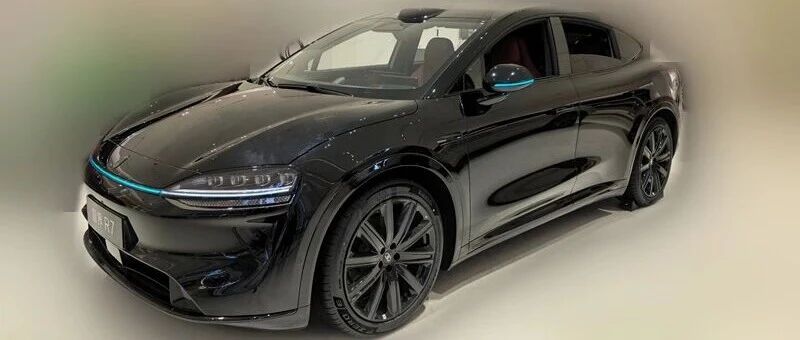
智界R7:买这车的大多是BBA老车主,新款换了车标客户表示舒服多了
车fans· 2025-09-16 00:30
Core Viewpoint - The article discusses the sales performance and customer demographics of the Zhijie R7, highlighting its competitive advantages over rivals like Tesla Model Y and Xiaomi Yu7, as well as customer preferences and feedback on the vehicle's features and pricing adjustments [2][5][7]. Sales Performance - In tier-three cities, the average daily customer flow is about 15, with 40% showing interest in the R7. The 2026 model has seen limited large orders, with only 17 units ordered before the 12th of the month [2]. - The most popular configurations are the Max+ versions, with color preferences leaning towards Aurora Green and Liujin Black [2][14]. Customer Demographics - Many customers have previously owned luxury brands (BBA) and are purchasing the R7 for family reasons, such as weddings. A notable customer profile includes young professionals with stable jobs and a preference for electric vehicles due to cost-effectiveness [3][5]. - Customers are often comparing the R7 with competitors, particularly focusing on interior quality and delivery speed, with many opting for the R7 due to its perceived value and features [5][9]. Competitive Analysis - The main competitors identified are Tesla Model Y and Xiaomi Yu7, with customers often citing the R7's superior interior design as a reason for their choice over Tesla [5][9]. - Price adjustments have been made, with the 2025 model seeing a reduction of 20,000 yuan but the removal of interest-free financing. The 2026 model is perceived to be about 15,000 yuan cheaper overall compared to the 2025 model [7]. Customer Feedback - Customers appreciate the fast delivery, advanced driving assistance, and stylish design of the R7. However, some express concerns about the vehicle's battery options and brand recognition compared to competitors [18][21]. - Complaints include the unclear positioning of the vehicle, high pricing in a competitive segment, and the perception of lower brand prestige compared to established names [21][22]. Financing and Promotions - Financing options are straightforward, with a monthly payment plan available through the company's app. Customers can also earn loyalty points through participation in owner activities [16][23]. - Internal employee purchase policies exist, but they are limited and subject to certain conditions, with no significant discounts currently available for new models [24].
多措并举推动构建“整车—零部件”协作共赢发展生态
Ren Min Wang· 2025-09-15 22:24
Core Viewpoint - The initiative by 17 key automotive companies to commit to a payment term of no more than 60 days for suppliers is a significant step towards improving the financial stability of the supply chain and promoting sustainable development in the automotive industry [1][2]. Group 1: Payment Norms and Industry Response - The China Automotive Industry Association has released a payment norms initiative that specifies requirements for goods delivery acceptance, payment terms, and encourages long-term cooperation between suppliers and manufacturers [1]. - The initiative suggests that the acceptance of goods should not exceed three working days, and payment terms should start from the date of delivery acceptance [1]. - 17 automotive companies, including major players like BYD, Geely, and Great Wall, have publicly committed to implementing the payment norms and ensuring that payment terms do not exceed 60 days [3]. Group 2: Impact on Supply Chain and Innovation - The transition to electric vehicles is accelerating, but the supply chain for new energy vehicles is still maturing, which necessitates stable expectations from suppliers [2]. - Delayed payments from manufacturers can increase operational pressure on suppliers, negatively impacting their ability to invest in technological innovation [2]. - Shortening payment terms is expected to enhance operational efficiency for manufacturers and foster a modern management system [2]. Group 3: Individual Company Commitments - Changan Automobile has implemented a payment scheme that ensures payments are made within 60 days, optimizing the payment process for suppliers [3]. - SAIC Group has announced that by June 2025, it will standardize supplier payment terms to within 60 days without using commercial acceptance bills that could increase supplier financial pressure [3]. - Geely and Great Wall have also committed to high-quality implementation of the payment norms, ensuring that payment methods do not add financial strain on suppliers [3][4].
新华财经晚报:“2025中国企业500强”发布 营收超千亿元企业增至267家
Xin Hua Cai Jing· 2025-09-15 15:25
Key Points - The overall economic operation in August showed stability and progress, with industrial value-added increasing by 5.2% year-on-year and retail sales reaching 39,668 billion yuan, up 3.4% year-on-year [1] - The "2025 China Top 500 Enterprises" list was released, showing that the number of companies with revenue exceeding 100 billion yuan increased to 267, up 14 from the previous year, representing 53.4% of the total [4] - 17 major automotive companies responded positively to the China Automobile Industry Association's initiative on payment norms for suppliers, aiming to enhance collaboration and promote high-quality development in the automotive industry [4] - Nvidia is under further investigation by the State Administration for Market Regulation for violating antitrust laws related to its acquisition of Mellanox Technologies [3] - In August, new residential sales prices in first-tier cities decreased by 0.1% month-on-month, with Shanghai seeing a 0.4% increase while Beijing, Guangzhou, and Shenzhen experienced declines [2]
华为与北汽深化合作享界品牌,计划3年投入200亿元
Xin Jing Bao· 2025-09-15 14:09
Core Viewpoint - Huawei and BAIC have deepened their collaboration on the Xiangjie brand, establishing a strategic community focused on "automaker + Huawei technology ecosystem" [1] Group 1: Collaboration Details - The partnership will focus on five exclusive systems: dedicated teams, dedicated R&D resources, dedicated manufacturing and supply chain systems, dedicated dual quality inspection systems, and dedicated channel networks [1] - Both companies will invest 20 billion yuan over the next three years to continuously promote technological iteration in core areas [1]
车企付款账期迎规范:中汽协倡议不超60天 北汽、长城、理想等十余家车企响应
Zhong Guo Jing Ying Bao· 2025-09-15 13:39
9月15日,理想汽车、小米汽车、北汽集团、长城汽车先后就当日7点左右中国汽车工业协会(以下简称"中汽协")发布的《汽车整车企业供应商账款支付规 范倡议》(以下简称"《倡议》")作出积极回应。 《中国经营报》记者从接近中汽协人士处了解到,"政府主导部门、行业协会和各家企业一直就供应商账期问题进行密切的交流协商,希望通过达成共识促 进行业健康良性发展。" 一家零部件上游供应商告诉记者:"自6月1日《保障中小企业款项支付条例》开始施行,多家与其合作的主机厂已经将支付账期统一至60天内,较此前有很 大提升。企业的积极性和回款周期、流动性(指标)全面提升。" 记者关注到,截至发稿,已有包括理想汽车、小米汽车、北汽集团、长城汽车、上汽集团、东风汽车等十余家企业积极响应中汽协倡议。 十余家车企响应"60天"付款倡议 记者关注到,此次中汽协倡议,明确了汽车整车企业对供应商的"60天账期"支付起算时间,整车企业的支付账期自供应商企业交货并通过车企验收合格之日 起计算,最长不超过60个自然日(如支付当日遇法定节假日顺延)。另外,倡导车企与供应商建立长期稳定的合作关系,每次签订合同的有效期不少于一 年。 针对《倡议》,9月15日中 ...