呷哺呷哺

Search documents
天味食品赴港上市:“拿钱跑”,还是另辟赛道?
Sou Hu Cai Jing· 2025-11-20 10:15
Core Viewpoint - Tianwei Food is pursuing a dual listing in A+H shares to enhance its international strategy and brand recognition, despite facing challenges in a competitive domestic seasoning market [3][7]. Company Overview - Tianwei Food has submitted its application for H-share listing to the China Securities Regulatory Commission and has received acceptance [3]. - The company aims to leverage international capital markets to optimize its capital structure and support long-term development [3][8]. Financial Performance - Tianwei Food's financial performance has been volatile, with a revenue of 1.39 billion yuan in the first half of 2025, a decrease of 5.24% year-on-year, and a net profit of 190 million yuan, down 23.01% [4]. - In the third quarter, revenue showed signs of recovery, increasing by 13.79% to 1.02 billion yuan, but the overall performance for the first three quarters still reflected a decline in net profit by 9.3% [4]. - The company reported a compound annual growth rate of 13.5% in revenue from 2022 to 2024, but recent growth rates indicate a downward trend [4]. Market Challenges - The domestic seasoning market has shifted from a blue ocean to a red ocean, with over 1,000 participants in the compound seasoning industry [7]. - Tianwei Food's main product line, hot pot seasoning, has seen a revenue decline of 12.85% in the first half of 2025 [4]. - The company faces competition not only from traditional seasoning companies but also from cross-industry players like grain and oil companies entering the seasoning market [9]. Strategic Moves - Online sales channels have become a bright spot for Tianwei Food, with a 60.27% increase in online revenue to 631 million yuan, contrasting with a 10.35% decline in offline sales [5]. - The company has made significant acquisitions, including a 55% stake in Shicui Food for 362 million yuan, which contributed to its revenue growth [5]. - Tianwei Food plans to use funds raised from the H-share listing for global sales network development and supply chain construction [8]. International Expansion - The company has begun international food safety standard certifications and has products sold in over 50 countries [8]. - The global seasoning market is projected to grow, with the industry size increasing from 857 billion yuan in 2019 to 1,265 billion yuan in 2024, indicating potential for international expansion [7][8]. - However, challenges remain in breaking into mainstream markets outside the Chinese consumer base [8].


降温催热火锅经济 呷哺呷哺多地门店连续7天破销售纪录
Zheng Quan Ri Bao Wang· 2025-11-14 13:13
Core Insights - The company, Xiaobuxiang, has launched a series of marketing activities for the winter hot pot season, focusing on member benefits, product innovation, and multi-brand collaboration to capture seasonal consumer demand [1] - Since the beginning of winter, customer traffic in Xiaobuxiang's stores has increased significantly by 10% to 15% compared to previous periods, with rapid growth observed in cities like Beijing and Shijiazhuang [1] - The company opened 10 new stores in November, including a self-service model, with the Shanghai store achieving a table turnover rate of 1.6 times the daily average on its opening day [1] - The A-class stores located in key business districts have shown remarkable performance, with revenue increasing by over 300% year-on-year and an average table turnover rate exceeding 5.6 times per day [1] Marketing Strategies - The "Send Lamb Upon Entry" campaign launched in major cities has successfully attracted new customers and increased member retention, with a 45% rise in monthly repurchase rates among existing members in cities like Beijing, Shanghai, and Shijiazhuang [1] - The "Super Member Day" on Tuesdays, offering a 21% discount and additional benefits, has effectively redirected family customers from weekends to weekdays, resulting in nearly a 50% increase in customer traffic on Tuesdays compared to before the promotion [1] Sales Performance - Sales data has been consistently breaking records since November, with multiple locations, including Beijing and Shenzhen, achieving historic sales milestones for seven consecutive days [2] - The Xizhimen store in Beijing has reported an impressive table turnover rate of 8.5 times per day [2] - Seasonal beverage offerings, such as the red bean milk tea and the new osmanthus rice wine drink, have shown strong sales, with the former selling nearly 10,000 cups daily [2] - The hot snack category, particularly the spicy chicken, has generated over 3.5 million yuan in monthly sales, averaging close to 8,000 servings per day, contributing significantly to store revenue [2]
客流增长超10% 翻台率达8.5翻 呷哺呷哺集团开启“火锅季”活动
Bei Jing Shang Bao· 2025-11-13 13:33
Core Insights - The company has launched a series of "hot pot season" marketing activities to capture seasonal consumer demand through member benefits, product innovation, and multi-brand collaboration [1] - Since the beginning of winter, overall customer traffic in stores has significantly increased by 10% to 15% compared to previous periods [1] Marketing Activities - The "free lamb" promotion in first-tier cities has effectively attracted new customers and enhanced member loyalty [1] - In cities like Beijing, Shanghai, and Shijiazhuang, the repurchase rate of existing members has surged by 45% within the month [1] Sales Performance - Multiple restaurants in Beijing, Shenzhen, and Guangdong have broken historical sales records for seven consecutive days in November [1] - The Xizhimen Caide store in Beijing achieved an impressive daily table turnover rate of 8.5 times [1] - Seasonal products like the hot drink red bean milk tea sold nearly 10,000 cups daily, while the hot spicy chicken generated over 3.5 million yuan in monthly sales, averaging close to 8,000 servings per day [1] Store Expansion - In November, the company opened 10 new stores and self-service model stores nationwide [1] - The opening day turnover rate of the new store in Shanghai exceeded 1.6 times the average [1] - The A-class stores located in key business districts have shown remarkable performance, with revenue increasing by over 300% year-on-year and an average turnover rate exceeding 5.6 times [1]
立冬以来火锅消费热度攀升 呷哺呷哺门店客流环比两位数增长
Zheng Quan Shi Bao Wang· 2025-11-13 12:59
Core Insights - The hot pot restaurant industry is experiencing a surge in customer traffic as winter approaches, with brands like Xiaobuxiang seeing a 10% to 15% increase in foot traffic since the start of winter [1] - Xiaobuxiang is actively expanding its presence, opening 10 new stores in November, with significant performance in key urban areas [1][2] Group 1: Customer Engagement and Promotions - Xiaobuxiang launched a "free lamb" promotion in major cities, resulting in a 45% increase in repeat visits from existing members [2] - The "Super Member Day" initiative has successfully shifted family dining from weekends to weekdays, boosting Tuesday traffic by nearly 50% [2] Group 2: Sales Performance - Multiple locations, including Beijing and Shenzhen, have broken historical sales records for seven consecutive days in November, with the Beijing Xizhimen store achieving a remarkable 8.5 table turnover rate [2] - Seasonal product innovations, such as the red bean milk tea and osmanthus rice wine, are performing well, with daily sales nearing 10,000 cups for the former [2] Group 3: Competitive Strategies - Xiaobuxiang is implementing a series of "hot pot season" activities, focusing on member benefits, product innovation, and multi-brand collaborations to capture seasonal market demand [1] - The brand Coucou is enhancing its member services and dining experiences, introducing promotions for the "Double Eleven" shopping festival and the hot pot season [2]
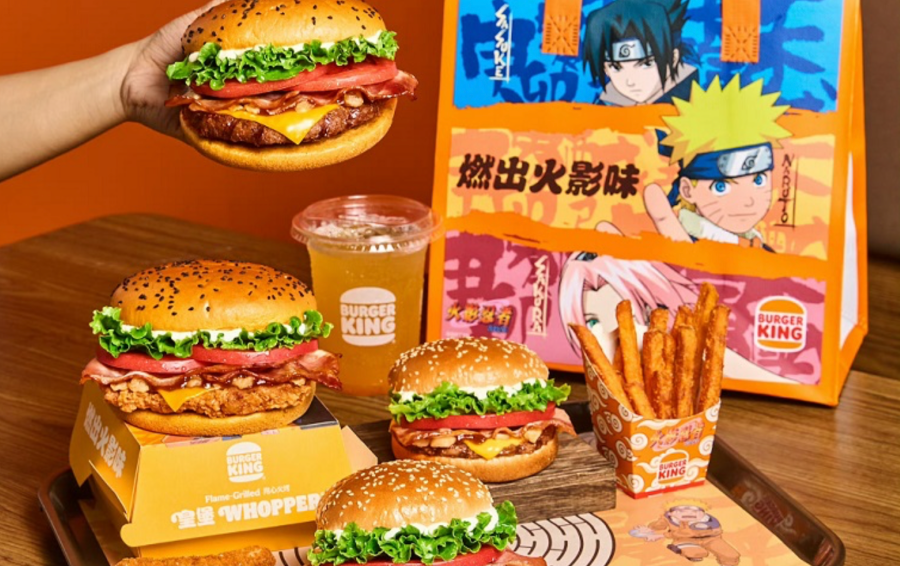
汉堡王中国被卖了,蜜雪冰城、泡泡玛特股东接手
21世纪经济报道· 2025-11-10 14:07
Core Viewpoint - CPE Yuanfeng has entered a strategic partnership with Burger King to establish a joint venture, Burger King China, with an initial investment of $350 million aimed at expanding restaurant locations and enhancing operational capabilities [1] Group 1: Strategic Partnership and Investment - CPE Yuanfeng will inject $350 million into Burger King China for restaurant expansion, marketing, menu innovation, and operational improvements [1] - The partnership includes a 20-year master development agreement granting exclusive rights to develop the Burger King brand in China [1] - Post-transaction, CPE Yuanfeng will hold approximately 83% of Burger King China, while RBI retains about 17% [1] Group 2: Expansion Plans - The plan aims to increase the number of Burger King locations in China from approximately 1,250 to over 4,000 by 2035, with a focus on sustainable same-store sales growth [1] - Despite recent store closures, Burger King China plans to open 40 to 60 new restaurants in key urban areas [6] Group 3: Market Challenges - The competitive landscape in the Chinese restaurant market is intensifying, with declining average dining prices and increased competition affecting overall sales [5] - Major restaurant chains, including Haidilao and Juewei, have reported revenue declines, indicating a challenging operating environment [6] Group 4: Localization Efforts - Burger King China is accelerating its localization efforts, appointing new executives with experience in leading Chinese operations for other major brands [9] - The new management team has already achieved a 10.5% year-on-year increase in same-store sales in the third quarter, reversing previous negative trends [9]
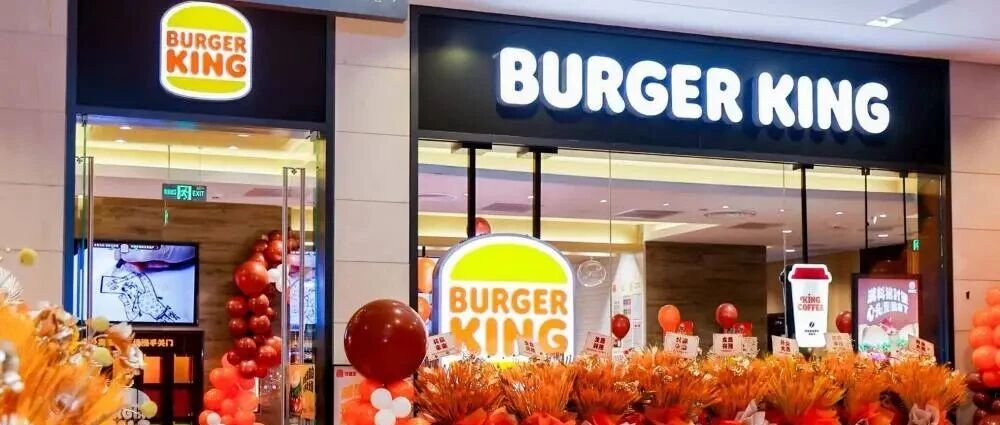
CPE源峰入主汉堡王中国:剑指4000家门店丨消费一线
2 1 Shi Ji Jing Ji Bao Dao· 2025-11-10 13:28
Group 1 - CPE Yuanfeng has reached a strategic cooperation with Burger King brand, leading to the establishment of a joint venture, Burger King China, with an initial investment of $350 million to support expansion and operations [1] - The partnership grants CPE Yuanfeng approximately 83% ownership of Burger King China, while RBI retains about 17% [1] - The plan aims to increase the number of Burger King outlets in China from around 1,250 to over 4,000 by 2035, alongside achieving sustainable same-store sales growth [1] Group 2 - The competitive landscape in the Chinese market is intensifying, with major restaurant chains experiencing revenue declines [3] - Meituan's CEO indicated that the average dining price has dropped by 10.2% year-on-year, despite a 15.4% increase in the number of dine-in orders [3] - Notable declines in revenue were reported by leading restaurant brands, including Haidilao, which saw a 3.7% drop to 20.703 billion yuan, and Jiumaojiu, which experienced a 10.1% decline to 2.753 billion yuan [3] Group 3 - As of the end of Q3, Burger King China had 1,271 outlets, down from 1,367 at the end of Q2, indicating a trend of store closures due to poor performance [4] - Burger King China plans to open 40 to 60 new restaurants in key first and second-tier cities to offset the impact of closures [4] - RBI has invested over $100 million since acquiring Burger King China, focusing on operational upgrades and local leadership development [4] Group 4 - The trend of localization among Western fast-food brands in China is accelerating, with Starbucks and Subway also forming joint ventures to enhance their market presence [4][5] - Burger King China has appointed new executives with significant experience in the industry to drive its transformation [5] - The same-store sales for Burger King China increased by 10.5% year-on-year in Q3, marking a recovery from previous declines [5]
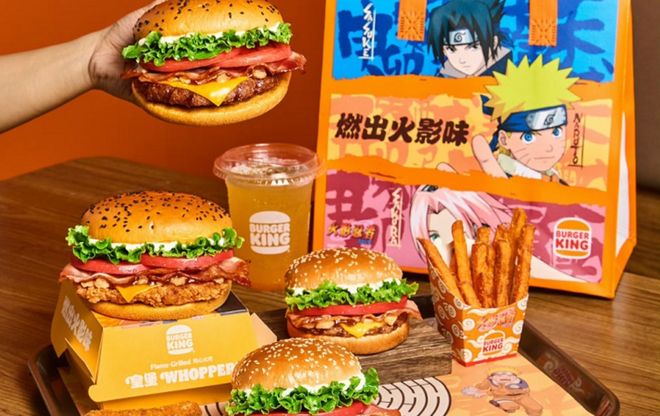
CPE源峰入主汉堡王中国:剑指4000家门店
2 1 Shi Ji Jing Ji Bao Dao· 2025-11-10 13:24
Core Insights - Burger King's operations in China are undergoing significant changes, including a reduction in store count and a new strategic partnership with CPE Yuanfeng to form a joint venture [1][3][10] Group 1: Strategic Developments - CPE Yuanfeng will inject $350 million into Burger King China to support restaurant expansion, marketing, menu innovation, and operational improvements [1] - The joint venture will grant CPE Yuanfeng exclusive rights to develop the Burger King brand in China for 20 years, with CPE holding approximately 83% of the equity and RBI retaining about 17% [1] - The goal is to increase the number of Burger King locations in China from around 1,250 to over 4,000 by 2035, while achieving sustainable same-store sales growth [1] Group 2: Market Challenges - The competitive landscape in the Chinese market is intensifying, leading to RBI's decision to sell its stake in Burger King China [3] - Recent data indicates that the average dining price in the restaurant sector is declining, with a 10.2% year-on-year drop, despite a 15.4% increase in the number of dine-in orders [4] - Major restaurant chains, including Haidilao and Jiamin, have reported revenue declines, highlighting the challenging operating environment [4] Group 3: Operational Adjustments - As of the end of Q3, Burger King China had 1,271 stores, down from 1,367 at the end of Q2, indicating a trend of store closures due to poor performance [4][5] - The company plans to open 40 to 60 new restaurants in strategically chosen locations in first- and second-tier cities to offset the impact of closures [4] - The new management team is focused on enhancing operational efficiency and localizing the brand, with key appointments made to strengthen leadership [7][8][10] Group 4: Performance Metrics - Burger King China's same-store sales increased by 10.5% year-on-year in Q3, marking a recovery from previous quarters of negative growth [9]
200块一碗的天价麻辣烫,让老外重新认识中餐
36氪· 2025-11-10 10:23
Core Viewpoint - The article discusses the successful international expansion of Chinese fast-food brands, particularly Yang Guofu and Zhang Liang, highlighting their strategies and market positioning in foreign countries, which contrasts with traditional Chinese cuisine's challenges in overseas markets [5][66]. Group 1: Market Positioning and Pricing - Yang Guofu's pricing strategy in Germany is significantly higher than that of McDonald's, with a customer spending approximately 150 to 200 RMB per meal, compared to McDonald's meal prices around 48 RMB [10][12]. - The average customer spending at Yang Guofu in Japan is about 140 RMB, while local McDonald's meal prices range from 30 to 40 RMB [10][12]. - Yang Guofu has entered 25 countries with over 200 stores, maintaining a pricing strategy that positions it above traditional fast-food chains [12][25]. Group 2: Consumer Reception and Cultural Adaptation - Yang Guofu has become a popular dining choice in Japan, often requiring customers to wait 1 to 2 hours for a table, indicating strong demand and acceptance [14][19]. - The unique flavors and variety of ingredients offered by Yang Guofu appeal to local consumers, who appreciate the novelty and richness of the dish [19][21]. - The article notes that foreign consumers enjoy the experience of eating Yang Guofu, often treating it as a social event rather than a quick meal, which contrasts with the fast-food culture in China [30][45]. Group 3: Competitive Landscape - Yang Guofu faces competition from Zhang Liang, which has also expanded internationally, with similar pricing strategies and market presence [33][34]. - Both brands have adopted a franchise model for international expansion, allowing them to leverage local knowledge while maintaining standardized operations [47][48]. Group 4: Challenges of Traditional Chinese Cuisine - The article highlights the difficulties faced by traditional Chinese restaurants in international markets, citing examples like Quanjude, which struggled due to ingredient sourcing issues and high operational costs [56][58]. - It suggests that the success of brands like Yang Guofu and Zhang Liang stems from their ability to adapt and simplify their offerings, making them more appealing to foreign consumers [58][63].
200块一碗的天价麻辣烫,让老外重新认识中餐
3 6 Ke· 2025-11-10 09:44
Core Insights - The article discusses the surprising success of Chinese hot pot chain Yang Guofu in international markets, particularly in Europe and Japan, where it is perceived as a premium dining option compared to Western fast food chains like McDonald's and KFC [5][9][11]. Group 1: Market Positioning - Yang Guofu's average customer spending in Germany is reported to be 2.5 times that of McDonald's, with a price of 2.89 euros per 100g, translating to approximately 23.70 RMB [7][9]. - In Japan, Yang Guofu's pricing strategy is also competitive, with a price of 400 yen per 100g, leading to an average meal cost of around 140 RMB, while local McDonald's meals range from 30 to 40 RMB [11][13]. - The brand has expanded to over 200 locations across 25 countries, maintaining a pricing strategy that positions it above Western fast food chains [11][27]. Group 2: Consumer Behavior - Yang Guofu has become a sensation in Japan, often requiring customers to wait 1 to 2 hours for a table, indicating strong demand and popularity [15][21]. - The unique flavor profile of Yang Guofu's offerings, which includes a variety of ingredients and spicy flavors, resonates well with local consumers, leading to a perception of high value [21][24]. - European consumers have adapted their dining experience, often enjoying hot pot in a more leisurely manner, contrasting with the fast-paced consumption typical in China [32][50]. Group 3: Competitive Landscape - Yang Guofu faces competition from another hot pot chain, Zhang Liang, which has also expanded internationally, with similar pricing strategies [34][35]. - The rivalry between Yang Guofu and Zhang Liang is evident on social media, where consumers express preferences for each brand's unique offerings [37][39]. - Both brands have successfully maintained their supply chains, offering familiar Chinese beverages alongside their food, enhancing the authenticity of the dining experience [39][41]. Group 4: Industry Trends - The article highlights a shift in the international perception of Chinese cuisine, with hot pot and similar concepts gaining traction as appealing dining options, contrasting with traditional Chinese restaurants that have struggled abroad [59][65]. - The success of these chains suggests that simplified, standardized food offerings can thrive in foreign markets, as they cater to local tastes without the complexities of traditional Chinese cooking [51][66]. - The trend indicates a growing acceptance of modified Chinese cuisine that prioritizes flavor and experience over authenticity, allowing for broader market appeal [65][67].
主打川渝风味的遇见小面,在最不能吃辣的广东做到IPO了?
3 6 Ke· 2025-11-10 02:46
Core Viewpoint - The restaurant brand "Yujian Xiaomian," known for its Sichuan and Chongqing flavors, is making a second attempt to go public on the Hong Kong Stock Exchange, despite the common perception that Guangdong cuisine is less spicy and more focused on lighter flavors [1][4]. Financial Performance - Yujian Xiaomian reported revenues of 418 million yuan, 800 million yuan, and 1.154 billion yuan for the years 2022 to 2024, with a compound annual growth rate of 66.2%. In the first half of this year, revenue reached 703 million yuan, a year-on-year increase of 33.8% [6]. - The cost of raw materials and consumables as a percentage of total revenue has been decreasing, from 38.3% in 2022 to 31.4% in 2024 [6][7]. - The net profit turned from a loss of 35.97 million yuan in 2022 to approximately 46 million yuan and 60.7 million yuan in 2023 and 2024, respectively [7][8]. Market Dynamics - The average order value per restaurant has been declining, from 36.2 yuan in 2022 to 31.8 yuan in 2024, indicating a strategy of lowering prices to attract customers [11][12]. - The number of restaurants has increased significantly, from 170 in 2022 to 451 by mid-2025, which has contributed to increased total transaction volume but has also led to declining same-store sales [13][14]. Competitive Landscape - The restaurant industry is highly competitive, with over 17.6 million existing dining establishments in China, leading to price wars among brands [16][18]. - Major competitors like Haidilao and Xiaobing Xiaobing have also reduced prices, reflecting a broader trend in the industry [18][19]. Expansion Plans - Yujian Xiaomian plans to open 150-230 new restaurants from 2026 to 2028, indicating a focus on rapid expansion to drive growth [25][40]. - The company has completed seven rounds of financing and has a pressing need to go public to support its expansion and operational needs [26][31]. Supply Chain Management - The brand is exploring supply chain efficiencies similar to successful models in the industry, focusing on high-quality ingredients at lower costs [34][35]. - The reliance on outsourced labor has raised concerns about service quality and consistency, especially during a period of rapid expansion [38][40].