
奇瑞汽车

Search documents
中山公用(000685) - 000685中山公用投资者关系管理信息20250905
2025-09-05 13:31
Financial Performance - In the first half of 2025, the company achieved a net profit of 719 million CNY, a year-on-year increase of 29.55% [3] - The net profit excluding non-recurring items reached 714 million CNY, with a growth rate of 36.05% [3] - Total assets amounted to 35.658 billion CNY, reflecting a growth of 10.02% compared to the beginning of the year [3] - Revenue from environmental water services reached 786 million CNY, up 13.82% year-on-year [3] - Revenue from solid waste treatment was 399 million CNY, showing a year-on-year increase of 14.89% [3] ESG Initiatives - The company has established a comprehensive ecological service industry chain focusing on environmental water services, solid waste treatment, and new energy [4] - The green energy segment has a grid-connected contract capacity exceeding 300 MWp [4] - The company has received a five-star rating for its ESG report and recognition in various ESG development indices [4] Strategic Planning - During the 14th Five-Year Plan, the company significantly increased its revenue and total assets, with 2024 revenue projected to reach 5.678 billion CNY, a 160.07% increase from 2020 [4] - The company aims to enhance its core business in water services and solid waste management while developing distributed photovoltaic and new energy businesses [5] - The company has distributed a total of 1.251 billion CNY in dividends over the past three years, demonstrating a strong commitment to shareholder returns [5] New Energy Fund Progress - The new energy industry fund has invested 1.208 billion CNY across 27 projects, with a total contribution of 1.5 billion CNY [5] - The fund focuses on high-tech sectors such as integrated circuits and new energy, aligning with national strategic support areas [5] Waste-to-Energy Development - The company is committed to enhancing its waste-to-energy business, focusing on operational quality, industry chain extension, and technological empowerment [6] - Plans include integrating AI technology for improved efficiency in waste incineration and energy recovery [6] - The waste-to-energy segment is seen as a key component of the company's green energy strategy, contributing to a circular economy [7] Value Management - The company emphasizes value management, aiming to enhance both intrinsic and market value through quality improvement and governance optimization [8] - A special dividend of 514 million CNY was distributed in January, reflecting confidence in future growth [9] - The company is committed to improving information disclosure and investor relations to enhance market trust and transparency [9]

“创建可持续商业与品牌”高级别对话会在日内瓦举行
Xin Hua Wang· 2025-09-05 10:47
Core Viewpoint - The high-level dialogue on "Creating Sustainable Business and Brands" held in Geneva marks a significant step towards a more sustainable, inclusive, and resilient global economy, with a focus on the vision initiative for sustainable branding launched by 24 Chinese enterprises [1][2]. Group 1: Event Overview - The event was co-hosted by the United Nations Conference on Trade and Development (UNCTAD), the United Nations Sustainable Standards Forum, and the China National Standardization Administration [1]. - High-level representatives from international organizations, including the UN and WTO, attended the event, emphasizing the importance of sustainable branding [1]. Group 2: Initiative Details - The "Creating Sustainable Brand" vision initiative was officially launched, with 24 Chinese companies signing on, including notable firms such as Anta Group, Huaxi Bio, Longi Green Energy, Bosideng, Hengtong Group, Wuliangye, Haier Group, and Chery Automobile [1]. - The initiative aims to promote environmental, social responsibility, and corporate governance principles among enterprises, encouraging collaboration with domestic and international partners [1]. Group 3: International Recognition - UNCTAD Deputy Secretary-General Pedro Manuel Moreno praised the initiative as visionary and a crucial step towards a sustainable global economy [1]. - WTO Deputy Director-General Zhang Xiangchen highlighted that creating sustainable brands is not only a business strategy but also a pathway for economies to engage more deeply in global development [1][2].
合肥创业军团,不止“中科大系”
AI研究所· 2025-09-05 10:33
Group 1 - The article highlights the successful entrepreneurial ecosystem in Hefei, driven by local universities, particularly the University of Science and Technology of China (USTC) and Hefei University of Technology (Hefei Tech) [1][5][11] - USTC has produced leading companies in AI and quantum technology, such as iFlytek and GuoDun Quantum, contributing significantly to Hefei's reputation as a tech innovation hub [5][11] - Hefei Tech is emerging as a key player in manufacturing and engineering, with alumni making significant contributions in the automotive and new energy sectors [6][9][11] Group 2 - The article discusses the recent arrival of external innovative teams, such as Tsinghua University's Mengshi team, which is establishing a smart flying car project in Hefei, indicating a shift towards attracting top-tier talent from outside [3][12][16] - Hefei's strategy includes not only nurturing local startups but also actively recruiting high-quality entrepreneurial teams from across the country and globally [12][18] - The low-altitude economy is highlighted as a growing sector in Hefei, with significant investments and projects being signed, indicating a robust development in this area [17][18]




开源拓界 众行致远 | 构建汽车软硬协同新生态!第四届中国汽车芯片大会在渝召开
Jing Ji Guan Cha Bao· 2025-09-05 07:39
(原标题:开源拓界 众行致远 | 构建汽车软硬协同新生态!第四届中国汽车芯片大会在渝召开) 8月28日—29日,2025智能汽车基础软件生态大会暨第四届中国汽车芯片大会在重庆渝州宾馆圆满举办。29日下午,以"构建汽车软硬协同新生 态"为主题的第四届中国汽车芯片大会顺利召开。来自产业链上下游的200余名代表,聚焦操作系统层如何高效对接芯片算力与应用需求、突破开 发效率瓶颈等问题,共同探讨如何实现"芯片-系统-应用"的纵向贯通与跨企业横向协同。 大会由中国汽车工业协会副秘书长李邵华主持,重庆市经济和信息化委员会二级巡视员张玻、中国电科集团产业部主任刘淮松等领导参会并致 辞。 张玻介绍,作为中国重要的汽车生产基地,重庆正全力推进汽车产业高质量发展。近年来,重庆车规级芯片产业生态持续优化,已初步构建起覆 盖材料研发、芯片设计、晶圆制造、封装测试至系统总成的全链条体系。面向未来,重庆将主动把握"软件定义汽车"的发展趋势,加速打造世界 级智能网联新能源汽车产业集群,为中国汽车产业从"汽车大国"向"汽车强国"跨越注入强劲"重庆力量"。 重庆市经济和信息化委员会二级巡视员张玻 刘淮松表示,中国电科将主动抢抓智能网联产业的战略 ...
“创建可持续品牌”愿景倡议在联合国日内瓦万国宫发布
2 1 Shi Ji Jing Ji Bao Dao· 2025-09-05 06:09
Core Points - The "Vision Initiative for Creating Sustainable Brands" was officially launched during a high-level dialogue at the 80th anniversary of the United Nations, emphasizing the importance of sustainable business practices [1][3] - The initiative aims to transform sustainability into a competitive advantage and innovation driver for companies, aligning with the United Nations Sustainable Development Goals (SDGs) [7][11] Group 1: Initiative Overview - The initiative was co-hosted by UNCTAD, UNFSS, and the China Standardization Association, with participation from various representative enterprises in China [3] - The initiative received strong support from attendees, highlighting the commitment of Chinese businesses to responsible innovation and transparency [7] Group 2: Corporate Participation - Notable companies that signed the initiative include Anta Group, CATL, LONGi Green Energy, Haier Group, JD Group, Midea Group, Chery Automobile, and others, indicating broad industry support [11] - The initiative reflects a shift in corporate strategy, where sustainability is now seen as a fundamental aspect of survival and growth rather than just an added benefit [11] Group 3: Future Actions - The SBBC plans to collaborate closely with the voluntary sustainable standards platform to release guidelines and frameworks for sustainable brand creation [9] - A global case collection will be initiated to identify best practices in integrating sustainability into business growth and value creation [9]
“小订过万”是假的,车企乱编数据虚假宣传,都是被内卷给逼的?
3 6 Ke· 2025-09-05 00:13
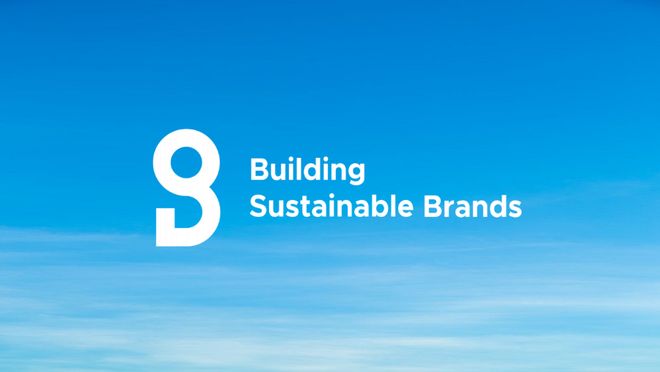
Core Viewpoint - The automotive industry is facing issues of integrity and transparency, with some brands resorting to misleading marketing tactics such as fabricating order numbers to create a false sense of demand [1][2][4]. Group 1: Industry Practices - Some advertising companies are preparing "small orders over ten thousand" strategies months before product launches, which violates industry ethics and possibly legal regulations [1]. - The phenomenon of announcing over ten thousand orders shortly after the pre-order phase is prevalent across both mainstream and high-end electric vehicle markets, indicating a lack of confidence among brands in their products [2][4]. - The cost of fabricating small order numbers is low compared to the potential short-term attention it generates, leading some companies to prioritize this tactic over genuine marketing efforts [4]. Group 2: Consumer Behavior - Consumers are influenced by the "bandwagon effect," where the perception of high order numbers encourages them to follow suit in purchasing decisions [2]. - It is advised that consumers maintain rational thinking regarding promotional data and consider their personal preferences before making significant purchases [5]. Group 3: Competitive Landscape - The automotive industry has seen a rise in unethical practices as brands struggle to compete, leading to tactics such as price wars and misleading marketing [6][10]. - The emergence of "zero-kilometer used cars" is a tactic used by some dealers to artificially inflate sales figures, which ultimately disrupts both new and used car markets [7][9]. - Industry leaders have called for a shift away from harmful competition and towards a focus on technological advancement and value creation [10]. Group 4: Regulatory Environment - Regulatory bodies are beginning to address the rampant issues within the automotive sector, including exaggerated claims and deceptive pricing practices [11]. - Despite these efforts, the competitive nature of the market means that some brands may continue to engage in unethical practices to gain market share [11].
新能源乘用车周度销量报告-20250904
Dong Zheng Qi Huo· 2025-09-04 14:43
1. Report Industry Investment Rating No relevant content provided. 2. Core Viewpoints of the Report - In the 35th week of 2025 (August 25 - August 31), the sales of domestic passenger cars and new energy passenger cars increased month - on - month. The retail sales of passenger cars were 5.18 million, a year - on - year increase of 4.3%; the retail sales of new energy passenger cars were 2.88 million, a year - on - year increase of 13.2%; the new energy penetration rate was 55.5%. Since the beginning of this year, the cumulative retail sales of passenger cars were 14.365 billion, a year - on - year increase of 6.4%; the cumulative retail sales of new energy passenger cars were 7.425 billion, a year - on - year increase of 24.3%; the cumulative new energy penetration rate for the year was 51.7%. The year - on - year growth rate of new energy passenger cars slowed down significantly due to the high base of last year, and the slope of the new energy penetration rate has slowed down this year, similar to 2023 [1][12]. - The market pattern of new energy vehicles is constantly changing. BYD's year - on - year sales growth rate has turned negative since July, and its annual sales target has been lowered. New forces such as XPeng, NIO, Leapmotor, Xiaomi, and VOYAH maintained good year - on - year growth rates. New brands like Xiaomi have added new variables to the market, and traditional automakers such as Geely, Changan, and Chery have achieved excellent performance in new energy vehicle sales [2][26]. 3. Summary by Relevant Catalogs 3.1 Passenger Car Market Weekly Overview - **Overall Sales and Penetration Rate**: In the 35th week of 2025, domestic passenger car and new energy passenger car sales increased month - on - month. Passenger car retail sales were 5.18 million, up 4.3% year - on - year; new energy passenger car retail sales were 2.88 million, up 13.2% year - on - year; the new energy penetration rate was 55.5%. Since the beginning of the year, cumulative passenger car retail sales were 14.365 billion, up 6.4% year - on - year; cumulative new energy passenger car retail sales were 7.425 billion, up 24.3% year - on - year; the cumulative new energy penetration rate for the year was 51.7% [12]. - **Sales by Power Mode**: Among passenger cars, traditional fuel, hybrid, and new energy vehicles had retail sales of 2.1 million, 0.21 million, and 2.88 million respectively, with year - on - year changes of - 4.6%, - 7.6%, and 13.1%, accounting for 40.5%, 4.0%, and 55.5% of passenger cars respectively. Among new energy passenger cars, pure - electric, plug - in hybrid, and extended - range vehicles had retail sales of 1.86 million, 0.76 million, and 0.26 million respectively, with year - on - year changes of 26.9%, - 6.2%, and - 4.0%, accounting for 64.7%, 26.4%, and 9.0% of new energy passenger cars respectively [18]. - **Sales by Production Attribute**: Among passenger cars, self - owned and joint - venture brands had retail sales of 3.4 million and 1.79 million respectively, with year - on - year changes of 10.7% and - 6.0%, accounting for 65.5% and 34.5% of passenger cars respectively. Among new energy passenger cars, self - owned and joint - venture brands had retail sales of 2.61 million and 0.27 million respectively, with year - on - year changes of 15.2% and - 3.3%, accounting for 90.6% and 9.4% of new energy passenger cars respectively [18]. 3.2 Key New Energy Automaker Sales Analysis 3.2.1 BYD - Weekly sales were 75,000 vehicles. Since July, the year - on - year growth rate has turned negative, and the annual sales target has been lowered from 5.5 million (including 800,000 in overseas markets) to 4.6 million. The cumulative sales from January to August were 2.864 million globally, with 630,000 passenger cars and pickups sold overseas. The overseas target is likely to be achieved [27]. 3.2.2 Geely - Weekly sales were 57,000 vehicles, including 36,000 new energy vehicles (3,000 from ZEEKR). The electrification rate was about 63%. Cumulative sales this year were 1.502 million, up 49.6% year - on - year, and cumulative new energy sales were 883,000, doubling year - on - year. The 2025 sales target has been raised from 2.71 million to 3 million [29]. 3.2.3 SAIC - GM - Wuling - Weekly sales were 20,000 vehicles, including 18,000 new energy vehicles. The electrification rate was as high as 91%. Cumulative sales this year were 536,000, with a growth rate of 21.2%, and new energy sales were 458,000, with a growth rate of 39.7%. Pure - electric vehicles dominated sales [32]. 3.2.4 Changan - Weekly sales were 26,000 vehicles, including 14,000 new energy vehicles. The electrification rate was about 55%. Cumulative sales this year were 781,000, up 2.1% year - on - year, and new energy sales were 385,000, up 19.3% year - on - year. The sales of its new energy brands Shenlan and Qiyuan were about 4,000, and the sales of Avatr were about 2,000 [37]. 3.2.5 Chery - Weekly sales were 26,000 vehicles, including 10,000 new energy vehicles. The electrification rate was about 40%. Cumulative sales this year were 901,000, up 25.7% year - on - year, and new energy sales were 283,000, up 68.5% year - on - year. The sales of its new energy brands iCAR and Chery New Energy were both over 1,000 [42]. 3.2.6 Tesla - Weekly sales in China were 12,000 vehicles (about 5,000 for Model 3 and 8,000 for Model Y). Cumulative sales this year were 365,000, with a year - on - year negative growth of - 6.6%. Tesla has launched multiple promotional activities this year. The price of the Model 3 Long Range Edition has increased, reflecting the trend of less price competition. Model 3 and Model Y have entered the new energy vehicle rural promotion catalog for the first time [47]. 3.2.7 Hongmeng Zhixing - Weekly sales were 12,000 vehicles, with WENJIE accounting for about 11,000. The Shangjie H5, a cooperation model with SAIC, is planned to be officially launched in September, targeting the mass market [50]. 3.2.8 New Forces - Among new forces, Leapmotor sold 14,000 vehicles, Xiaomi sold 12,000 vehicles, WENJIE sold 11,000 vehicles, and Li Auto, XPeng, and NIO sold 8,000 vehicles each. XPeng, NIO, Leapmotor, Xiaomi, and VOYAH maintained good year - on - year growth rates, and NIO's new model LeDao L90 has driven the sales recovery in recent weeks [57].



在地图上找充电桩,越来越像开盲盒了
Hu Xiu· 2025-09-04 09:20
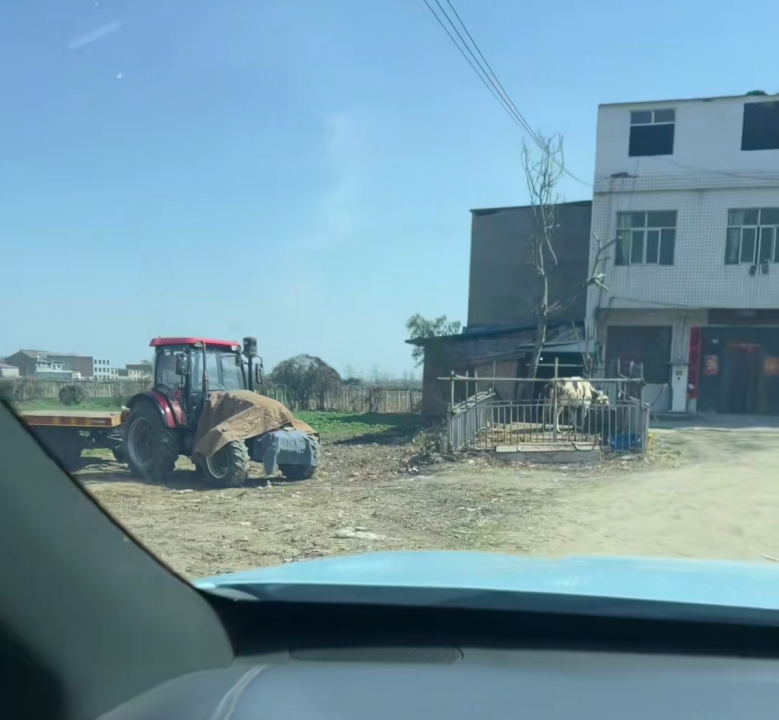
Core Viewpoint - The article highlights the challenges faced by electric vehicle (EV) owners in locating reliable charging stations, emphasizing the inconsistency between map information and actual charging station availability and conditions [1][5][38]. Group 1: Challenges in Finding Charging Stations - EV owners often encounter unexpected and inconvenient locations for charging stations, such as farms or private properties, leading to a sense of uncertainty and frustration [4][11][20]. - There are instances where charging stations shown on maps do not exist or are inaccessible, causing anxiety for drivers who rely on these locations for recharging [5][27][49]. - The inconsistency in charging station information, including availability and pricing, can lead to additional stress for EV owners, as they may arrive at a location only to find discrepancies [36][40][46]. Group 2: Issues with Charging Station Management - The rapid expansion of charging stations has resulted in uneven geographic distribution, with developed regions having better access compared to less populated areas [49][50]. - Poor management and maintenance by some charging station operators contribute to the prevalence of non-functional or poorly located charging stations, further complicating the charging experience for EV owners [41][52]. - The article suggests that the charging station industry may require a "clean-up" to eliminate subpar operators and improve overall service quality for EV users [8][52][53]. Group 3: Industry Growth and Future Outlook - As of June 2025, China is projected to have 4.17 million public charging stations and 10.6 million private ones, indicating significant growth in infrastructure [47]. - The number of charging stations has increased dramatically from 1.14 million in 2021 to the current projections, reflecting a rapid expansion in the EV charging network [48]. - Despite the growth in numbers, the article points out that the quality and reliability of these charging stations remain critical issues that need to be addressed for the industry to mature [52][53].
安徽造车大佬,背水一战
3 6 Ke· 2025-09-04 08:43
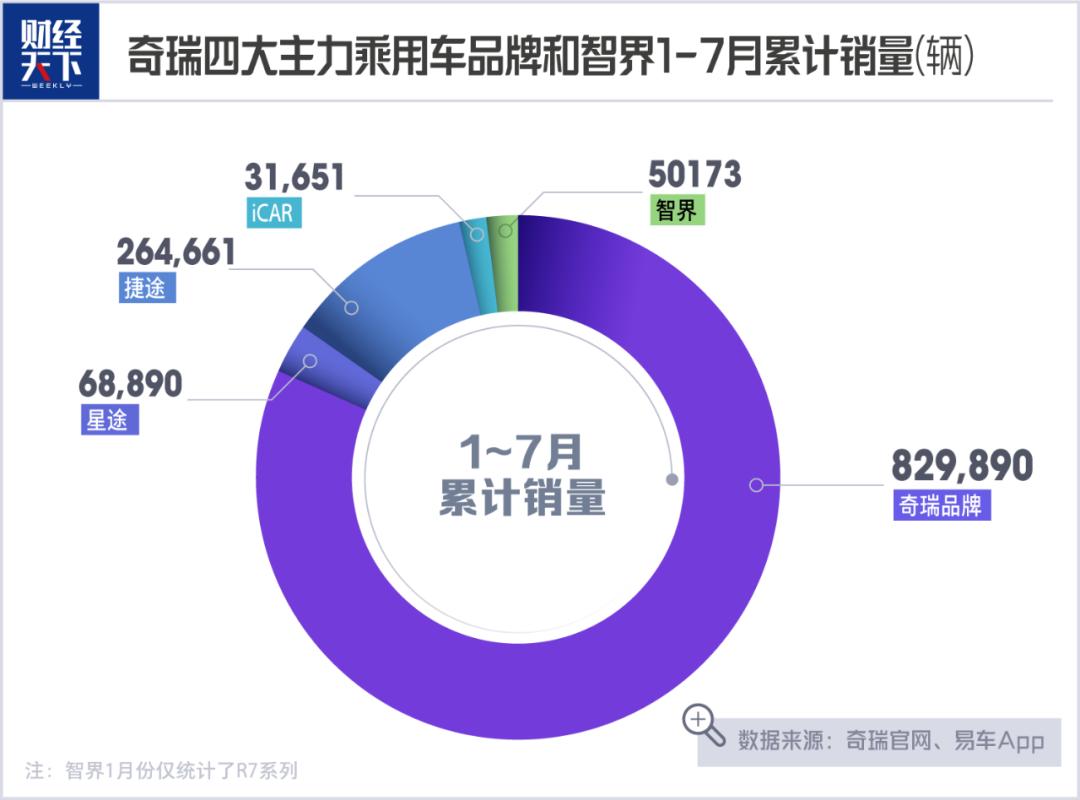
Core Insights - The collaboration between Chery Automobile and Huawei has entered its 2.0 phase, with plans to invest over 10 billion yuan and expand the R&D team to 5,000 people, marking a significant leap for the Zhijie brand and testing Chery's organizational capabilities [1][5][22] - The new models, Zhijie R7 and S7, have seen improved pre-sale performance, with 52,000 small orders and over 10,000 large orders within 24 hours of launch, indicating a positive market response [1][12] Group 1: Company Developments - Zhijie has undergone multiple iterations, with the R7 model recently updated, but previous launches did not significantly boost sales [2][17] - The brand's independence from Chery is formalized, with employees now signing contracts with Anhui Zhijie New Energy Automobile Co., Ltd., allowing for more operational freedom [5][6] - The integration of Huawei's management system has streamlined operations across design, R&D, testing, supply chain, manufacturing, sales, and service [9][10] Group 2: Product Strategy - The new pricing strategy for the R7 and S7 models has been described as a sacrifice for Chery, with significant price reductions compared to previous models [12][14] - Both models are equipped with advanced technology, including Huawei's ADS 4 driving assistance system and high-voltage platforms, enhancing their competitive edge [14][16] - Zhijie is expanding its product lineup, with plans for a new MPV and a large SUV, aiming to cover various segments in the market [19][20] Group 3: Market Positioning - The automotive market in the 200,000 to 300,000 yuan price range is highly competitive, with brands like Xiaomi, Tesla, and Geely posing significant challenges [21] - The success of Zhijie is contingent on Chery's internal decisions and the ability to differentiate its products in a crowded market [17][21] - The upcoming IPO for Chery, with a target of raising approximately 1.5 billion USD, hinges on Zhijie's performance and its ability to tell a compelling technological story [22]
联检科技(301115) - 2025年9月3日投资者关系活动记录表
2025-09-04 00:44
Group 1: Company Operations and Acquisitions - The company has officially entered the automotive testing field through the acquisition of Guanbiao Testing, which provides comprehensive testing services for automobiles and components, enhancing its capabilities in various areas such as material, environmental reliability, electrical performance, and electromagnetic compatibility (EMC) [2] - Guanbiao Testing has obtained third-party testing qualifications from major automotive manufacturers including Geely, Chery, and NIO, expanding its recognition in both traditional and new energy vehicle sectors [2] - The company employs a three-dimensional acquisition strategy focusing on "regional penetration + track expansion + qualification enhancement" to achieve precise mergers and acquisitions, aiming to quickly gain regional qualifications and customer resources [2] Group 2: International Expansion - The company is advancing its global layout in phases, initially focusing on countries along the "Belt and Road" by establishing localized teams to provide tailored testing and certification services [2] - In the mid-term, the company plans to build R&D centers in mature technical standard markets such as Europe and the U.S. to absorb advanced experiences and promote mutual recognition of qualifications [2] - As of now, the company has established regional offices in countries like Vietnam, Thailand, and Indonesia, creating a grid service system that covers "Belt and Road" countries [2] Group 3: Building Safety and Research Initiatives - The company has extensive experience in building safety inspections and has established research collaborations with various institutions to study housing safety management and insurance systems [3] - It has received multiple honors, including being recognized as an excellent unit in construction quality testing in Jiangsu Province and a 3A-rated consulting enterprise [3] - The company has participated in nationwide safety inspections for self-built houses since 2022, covering a wide range of provinces and receiving recognition from local governments [3]