
赛力斯

Search documents
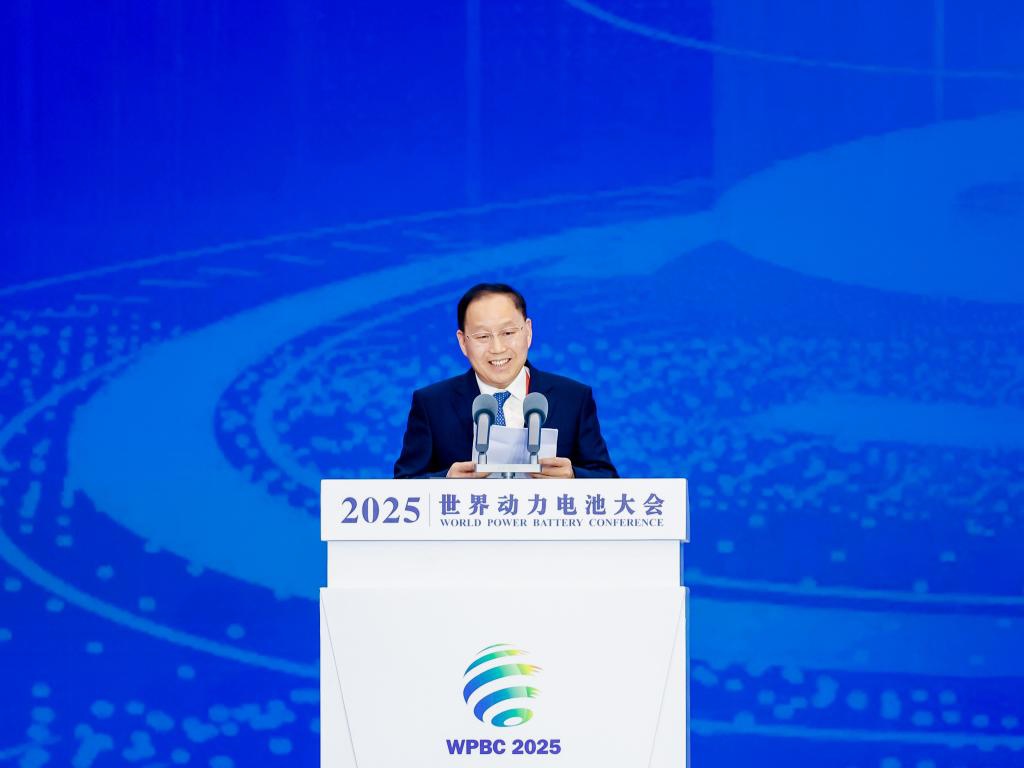
张兴海:以满足用户需求为出发点 推动多元电动技术路线发展
Yang Guang Wang· 2025-11-13 05:41
Core Insights - The transition from fuel vehicles to new energy vehicles is a critical period for China, with the company focusing on user needs and adopting a dual technology route of pure electric and range-extended vehicles [1][3] Group 1: User Demand and Technology - User research indicates varying opinions and needs regarding power forms across different regions, highlighting the importance of flexible solutions in the current landscape where charging infrastructure is not fully developed [3] - The company's smart range-extended electric technology revitalizes traditional power systems while leveraging the advantages of new energy technologies, providing users with more flexible and reassuring travel options [3] - Cumulative sales of the company's vehicles have reached 850,000 units, with 70% of smart range-extended models operating in electric mode and 30% in generator mode, reflecting strong user acceptance of this technology route [3] Group 2: Policy and Safety Recommendations - The company suggests that policies should continue to support diverse technology routes, granting range-extended and other hybrid technologies equal road rights as pure electric vehicles to meet diverse user needs [3] - Emphasizing safety as a top priority, the industry should aim for "zero self-ignition" and integrate safety measures throughout all vehicle usage scenarios, including charging, parking, and driving [3] Group 3: Future Outlook - The smart range-extended electric technology route is seen as a viable option for transitioning from fuel vehicles to new energy vehicles and is expected to maintain strong relevance for a considerable time [4] - The company has developed its own Magic Cube technology platform, which accommodates various power forms including pure electric, range-extended, and super hybrid, significantly enhancing product development efficiency and offering users more choices [4]


赛力斯港股上市开启国际化新篇甬兴证券看好成长动能维持“买入”评级
Quan Jing Wang· 2025-11-13 04:21
Core Insights - Company successfully listed on Hong Kong Stock Exchange on November 5, marking a significant step in its international capital strategy as the fourth profitable electric vehicle manufacturer globally [1] - Strong performance in the first three quarters of the year, with new model market expansion yielding significant results, indicating robust growth momentum for the new cycle [1][2] Financial Performance - From January to October, the company sold a total of 356,085 electric vehicles, enhancing profitability alongside increased production and sales scale [2] - For the first three quarters of 2025, the company reported revenue of 110.534 billion yuan and a net profit attributable to shareholders of 5.312 billion yuan, reflecting a year-on-year growth of 31.56% [2] - Forecasts indicate double-digit revenue growth over the next three years, with earnings per share (EPS) projected to rise from 5.78 yuan in 2025 to 8.65 yuan in 2027, while the price-to-earnings ratio (PE) is expected to gradually decline, enhancing valuation attractiveness [2] Competitive Positioning - The company's high-end strategy has successfully established significant competitive barriers within the 300,000 to 500,000 yuan price range, with the "Wenjie" brand achieving a cumulative delivery of over 850,000 units [2] - The Wenjie M9 and M8 models lead the luxury segment sales charts, while the new Wenjie M7 model achieved over 90,000 pre-orders within 41 days of launch, demonstrating strong product appeal [2] - With a market share of 32.7%, the company showcases premium capabilities supported by product strength, brand power, and user reputation, contributing to its unique value in the capital market [2] Global Expansion - The recent listing on the Hong Kong Stock Exchange accelerates the company's global expansion efforts, particularly in Europe, the Middle East, and Africa, positioning it as a Chinese electric vehicle brand with global outreach capabilities [3] - The combination of "scale + profitability" solidifies the company's development foundation, while its foothold in the high-end market builds a competitive moat [3] - The market and capital's continued optimism is based not only on current strong performance but also on a firm belief in the company's long-term value [3]

2025动力电池产业发展指数:中国装机量全球占比超60%,广东江苏四川三省规模居前
Jing Ji Guan Cha Wang· 2025-11-13 03:55
Core Insights - The 2025 World Power Battery Conference held in Yibin, Sichuan, revealed that China's power battery installation volume is expected to exceed 60% of the global total in 2024, highlighting China's leading position in the industry [1] Global Index - The Global Index indicates that Asian countries, particularly China and Japan, have a significant advantage in the power battery industry, with China leading in scale and market size for new energy vehicles [1] - China continues to lead globally in innovation capability and the completeness of the industrial chain [1] China Index - The top five provinces in China for power battery industry development remain consistent: Guangdong, Jiangsu, Sichuan, Fujian, and Hubei [2] - Guangdong benefits from its geographical advantages and policy support, while Sichuan is transitioning from scale expansion to high-quality development, focusing on creating a world-class industrial cluster [2] Enterprise Index - Leading companies such as CATL, BYD, and LG Energy have strong competitiveness in enterprise scale, innovation capability, and sustainable development, ranking in the top three [2] Industry Trends - Industry leaders discussed the core technologies and future layouts of the power battery industry, emphasizing the need for high-quality development amid global energy transition challenges [2] - CATL's chairman noted that lithium battery exports contributed nearly 400 billion yuan to China's foreign trade in the first three quarters of 2025 [2] Material Innovation - The chairman of GCL Group emphasized the importance of breakthroughs in source materials for the new quality development of the power battery industry [3] - The integration of power batteries, energy storage, and AI is expected to reshape the future of energy [3] Storage Technology - The chairman of China Huadian Group highlighted the need for advancements in long-duration storage and hybrid storage technologies to enhance the application level of energy storage stations [3] Solid-State Battery Development - Experts indicated that solid-state batteries are still several years away from mass production, with commercialization expected around 2032-2033 [4] - The timeline for semi-solid batteries is estimated to be 5-7 years for commercial application [4] Next-Generation Battery Focus - The vice president of Changan Automobile stated that the industry should not solely focus on solid-state batteries, as Changan is exploring multiple technological pathways, including liquid battery improvements [5]


平安证券(香港)港股晨报-20251113
Ping An Securities Hongkong· 2025-11-13 02:42
Market Overview - The Hong Kong stock market experienced fluctuations, with the Hang Seng Index closing at 23,831 points, down 145 points or 0.61% [1] - The market saw a net inflow of funds through the Hong Kong Stock Connect, totaling 484 million, with 283 million from Shanghai and 201 million from Shenzhen [1] - The US stock market showed mixed performance, with the Dow Jones Industrial Average closing above 48,000 points for the first time, driven by gains in major bank stocks [2] Real Estate Sector - The Hong Kong real estate sector has shown strong performance, with New World Development's new project pricing 29% higher than the previous phase [3] - Hong Kong property prices have rebounded by 4% from their lows, benefiting from strong rental demand and easing sales pressure [3] - The report emphasizes the potential for local real estate developers to capitalize on these trends [3] Technology Sector - The report highlights the importance of self-reliance in technology as a core theme for future Hong Kong stock performance, particularly in AI, semiconductors, and industrial software [3] - Companies in the technology sector are expected to present new investment opportunities following recent volatility [3] Investment Recommendations - The report suggests focusing on sectors with undervalued companies and high dividend yields, particularly state-owned enterprises [3] - It also recommends monitoring upstream non-ferrous metals companies that may benefit from anticipated interest rate cuts by the Federal Reserve [3] - The report encourages attention to companies benefiting from AI integration across various industries [3] Key Company Performances - New World Development's stock has shown significant gains, with a notable increase in its project pricing [3] - The report mentions specific companies like ZTE Corporation and China Communications Services as leaders in computing power construction [9] - The report also highlights the performance of various stocks, including those in the technology and real estate sectors, indicating a mixed performance trend [15]
最新GDP!全球30强城市洗牌:上海远超伦敦,重庆略胜西雅图,苏州约2.7万亿!
Sou Hu Cai Jing· 2025-11-13 02:38
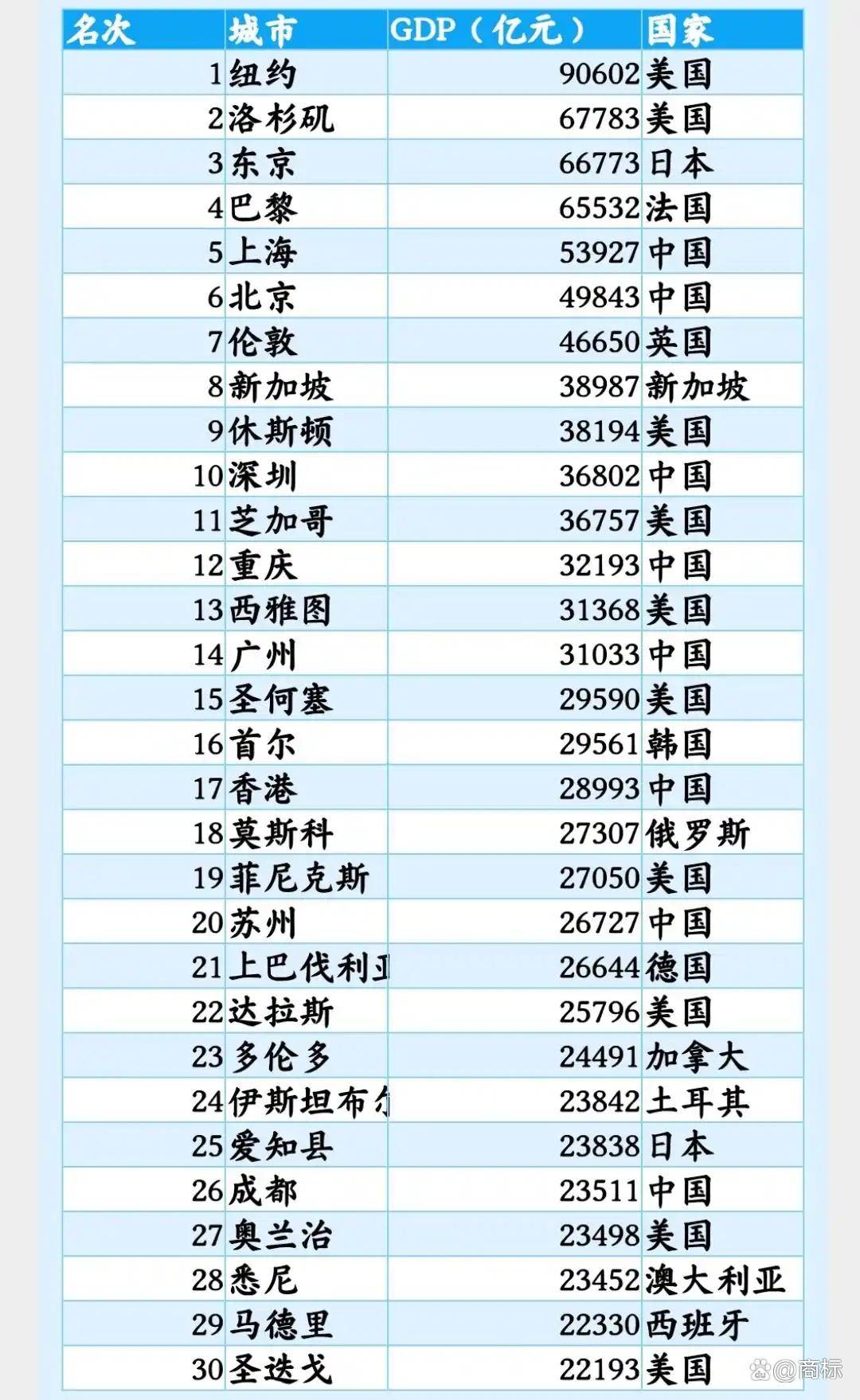
Core Insights - The global economic landscape is undergoing significant restructuring, with cities emerging as key engines of growth, as evidenced by the latest GDP rankings [1] - New York leads the global city GDP rankings with over 90 trillion RMB, followed by several major U.S. cities, while seven Chinese cities demonstrate remarkable economic resilience [1][2] - The dual empowerment of geographical advantages and policy incentives is reshaping the competitive dynamics among global cities [1] City-Specific Summaries Shanghai - Shanghai's strategic position as a hub along the Yangtze River Economic Belt and coastal open corridor enhances its economic advantages [3] - The city has maintained the world's highest container throughput at Yangshan Deep-Water Port for 12 consecutive years, with Pudong Airport handling a significant portion of national cargo [3] - Shanghai's GDP surpasses that of London, with a digital economy core industry value-added ratio of 18%, supported by local giants like Meituan and Pinduoduo [3] Chongqing - Chongqing leverages its international logistics corridor to overcome its inland location, with the China-Europe Railway Express (Chengdu-Chongqing) operating over 5,000 trains annually [5] - The city has seen a 1.4-fold increase in the production of smart connected vehicles, driven by companies like Changan Automobile and Seres [5] - Chongqing's GDP of approximately 2.9 trillion RMB slightly exceeds that of Seattle, with a notable industrial profit growth rate of 15.3% [5] Suzhou - Suzhou, despite lacking an airport and not being a provincial capital, achieves a GDP of 2.7 trillion RMB, comparable to global financial centers [7] - The city excels in the biopharmaceutical industry and nanotechnology, with private enterprises contributing 61% to its GDP [7] - Suzhou leads the nation in actual foreign investment and hosts 210 regional headquarters of multinational companies, although it faces challenges in fostering internal growth [7] Overall Trends - The competition among cities is characterized by a "growth triangle" of infrastructure development, precise industrial policies, and innovation ecosystems [9] - Shanghai, Chongqing, and Suzhou represent three distinct development paths, each with unique strategies for growth [9] - The ongoing global restructuring of industrial chains poses questions about how these cities can innovate and transition towards greener economies [9]
乘用车业绩分化,商用车高景气有望持续 | 投研报告
Zhong Guo Neng Yuan Wang· 2025-11-13 01:27
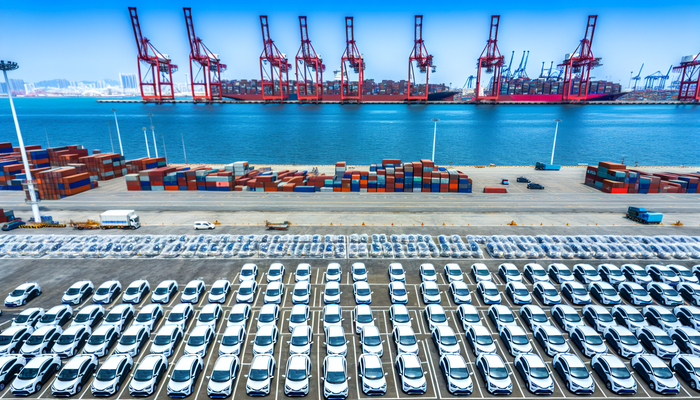
Core Insights - The automotive sector has shown a significant performance improvement from early 2025 to October, with the Shenwan Automotive Index rising by 23.82%, outperforming the CSI 300 Index by 5.88 percentage points [1][2] Group 1: Commercial Vehicles - The commercial vehicle segment has experienced a notable recovery since June 2025, with sales showing significant year-on-year improvement, continuing strong growth into Q3 [2][3] - The commercial vehicle and auto parts sectors have generated excess returns, driven by improved sales and valuation recovery [1][2] Group 2: Passenger Vehicles - The passenger vehicle sector reported a revenue increase of 7.4% year-on-year in Q3 2025, although this was lower than the 14.4% increase in sales volume, primarily due to a price war leading to a decrease in average selling price by 0.99 million yuan per vehicle [3] - The net profit attributable to the parent company for the passenger vehicle sector dropped by 25.1% year-on-year to 9.49 billion yuan, largely due to temporary sales pressure on leading manufacturer BYD [3] - Excluding BYD, the sector's net profit increased by 44.34% year-on-year, indicating a divergence in performance among manufacturers [3] Group 3: Auto Parts - The auto parts sector achieved a revenue of 368.37 billion yuan in Q3 2025, reflecting a year-on-year growth of 10.4%, with a net profit of 19.64 billion yuan, up 22.6% [4][5] - Nearly 80% of auto parts companies reported revenue growth in Q3 2025, driven by strong terminal sales [4] Group 4: Buses and Heavy Trucks - The bus segment saw a revenue increase of 30.6% year-on-year in Q3 2025, with net profit rising by 86.6% due to improved gross margins [6] - The heavy truck segment reported a revenue of 108 billion yuan, up 26.9% year-on-year, with net profit increasing by 55.3% [6] Group 5: Investment Outlook - The outlook for Q4 2025 suggests continued growth in the automotive sector, particularly in commercial vehicles, supported by favorable policies [7] - The introduction of new products and the increasing penetration of intelligent driving systems are expected to drive performance in the auto parts sector [7]
国信证券晨会纪要-20251113
Guoxin Securities· 2025-11-13 01:25
Group 1: Market Overview - The Shanghai Composite Index closed at 4000.13 points, with a slight decline of 0.06% [2] - The Shenzhen Component Index and the CSI 300 Index also experienced declines of 0.36% and 0.13% respectively [2] - The total trading volume across the markets was approximately 8404.67 billion CNY [2] Group 2: Mechanical Industry Insights - The mechanical industry report highlights significant events such as Elon Musk's $1 trillion compensation plan being approved, which received over 75% support [6] - Xiaopeng Motors launched its new humanoid robot, IRON, featuring advanced capabilities including 82 degrees of freedom and a height of no more than 170 cm [6][7] - The report emphasizes the potential for long-term investment opportunities in humanoid robots, particularly focusing on companies with strong supply chains and technological capabilities [7][8] Group 3: AI Infrastructure and Energy Supply - The report identifies AI computing power as a key growth area, with increasing demand for energy supply to support AI data centers [8] - Gas turbines are highlighted as a critical energy source for overseas data centers, benefiting from the surge in AI infrastructure needs [8] - Companies such as Yingliu Co., Haomai Technology, and Liande Co. are recommended for their strategic positioning in the energy supply for AI data centers [8] Group 4: Textile and Apparel Sector - The textile and apparel sector saw a 4.7% year-on-year growth in retail sales for September, with October showing pressure on textile exports [15][16] - The report notes that brand apparel outperformed textile manufacturing in November, with notable stock performances from Jiangnan Buyi and Semir Apparel [15] - The report suggests a positive outlook for textile manufacturing orders in Q4, driven by easing tariff impacts and recovery in major brands like Nike [17][18] Group 5: Investment Recommendations - For humanoid robots, the report recommends focusing on companies with strong supply chains and technological advancements, such as Hengli Hydraulic and Weiman Sealing [10] - In AI infrastructure, key investment targets include Yingliu Co. and Haomai Technology, which are positioned to benefit from the growing energy demands of AI data centers [10] - The textile sector is advised to focus on companies like Shenzhou International and Huayi Group, which are expected to benefit from recovering orders and improving market conditions [17][18]
增程“二次战争”:技术派车企开始接管战场?
Tai Mei Ti A P P· 2025-11-13 00:44
Core Insights - The article discusses the evolution of range-extended electric vehicles (REEVs) in the automotive industry, highlighting a shift from the initial focus on alleviating range anxiety to enhancing user experience through advanced technology integration [2][3][12] - The competition in the REEV market is now characterized by a deeper emphasis on technical capabilities, energy efficiency, and adaptability to various driving scenarios, rather than merely extending driving range [4][5][12] Summary by Sections First War vs. Second War - The first phase of the REEV market addressed the issue of range anxiety, providing consumers with a flexible solution that combined electric and fuel options, thus proving the viability of REEVs [3][12] - The second phase, marked by the entry of technology-driven companies, focuses on optimizing user experience and integrating advanced technologies into REEV systems [5][12] Technological Advancements - Companies like Xiaopeng and Leap Motor are now competing on the basis of their ability to balance integration, energy consumption, and spatial efficiency, moving beyond simple functionality [4][5] - The introduction of advanced materials and AI in control systems signifies a shift towards higher technical barriers in the REEV market, emphasizing the importance of R&D capabilities [5][12] Market Strategies - There is a notable divergence in technical strategies, with some companies opting for "large battery + small fuel tank" configurations aimed at urban users, while others prefer "large battery + large fuel tank" setups to cater to long-distance travel needs [6][7] - The strategic choice of configurations reflects a deeper understanding of user scenarios and market demands, particularly in international markets where charging infrastructure may be lacking [8][9] Global Expansion - Several Chinese brands view REEVs as a gateway to international markets, leveraging their unique features to address the challenges posed by inadequate charging facilities in many regions [9][12] - The article notes that while REEVs are perceived as a transitional technology in China, they offer a practical solution in diverse global markets, providing users with a "zero-anxiety" electric driving experience [9][12] Challenges Ahead - The article highlights potential challenges in the global expansion of REEVs, including consumer understanding, regulatory risks, and the need for localization in different markets [10][11] - Despite these challenges, the rise of REEVs represents a victory for practical solutions that meet the immediate needs of consumers, balancing the benefits of electric vehicles with the realities of current infrastructure [11][12]


赛力斯大宗交易成交5.00万股 成交额678.45万元
Zheng Quan Shi Bao Wang· 2025-11-13 00:33
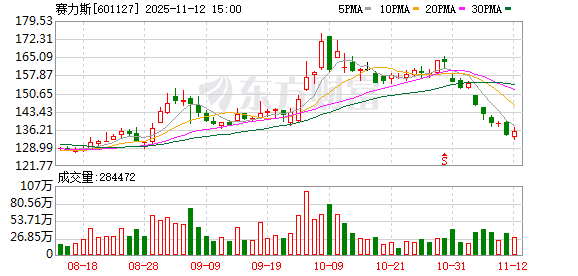
Group 1 - The core transaction on November 12 involved a block trade of 50,000 shares of Sais, with a total transaction value of 6.7845 million yuan and a transaction price of 135.69 yuan per share [2][3] - The buyer of this block trade was Guotai Junan Securities Co., Ltd. headquarters, while the seller was Huatai Securities Co., Ltd. Shanghai Wuding Road Securities Business Department [2] - In the last three months, Sais has recorded a total of 16 block trades, amounting to a cumulative transaction value of 73.6319 million yuan [3] Group 2 - Over the past five days, two institutions have rated Sais, with the highest target price set by Huachuang Securities at 195.80 yuan, as reported on November 6 [3] - The block trade on November 12 had a premium of 0% compared to the closing price on that day [3]
上市车企10月销量:整车销量超231万辆北汽蓝谷、蔚来等销量增速加快
Xin Lang Cai Jing· 2025-11-13 00:05
Core Insights - In October 2025, 20 major A and H-share listed automotive manufacturers reported a total vehicle sales of 2.3166 million units, representing a year-on-year increase of 8.82% and a month-on-month increase of 5.97% [1][2] - The total sales of new energy vehicles (NEVs) reached approximately 1.3078 million units, marking a year-on-year increase of 15.63% and a month-on-month increase of 9.68%, with a penetration rate of about 57.48% [1][3] Group 1: Overall Vehicle Sales - The top-selling company in October 2025 was SAIC Motor, with sales of 454,000 units, reflecting a year-on-year growth of 12.96% [2] - Other notable manufacturers included BYD, Geely, and Changan, which followed closely in sales figures [2] - Companies like Beiqi Blue Valley and Qianli Technology saw their sales growth exceed 100% year-on-year, while NIO and XPeng also experienced significant growth [2] Group 2: New Energy Vehicle Sales - The leading companies in NEV sales for October 2025 were BYD, SAIC Motor, and Geely, with sales of 441,700 units, 206,700 units, and 177,900 units respectively [3] - Beiqi Blue Valley's NEV sales growth exceeded 100% year-on-year, while NIO and XPeng also saw substantial increases in their sales growth rates compared to September [3] - BYD's total sales for the year up to October reached 3.7019 million units, showing a year-on-year increase of 13.88% [3]



