中宠股份

Search documents
中宠股份跌2.01%,成交额1.53亿元,主力资金净流出1613.55万元
Xin Lang Zheng Quan· 2026-01-13 05:28
Core Viewpoint - The stock price of Zhongchong Co., Ltd. has shown a slight increase of 0.81% year-to-date, but has experienced declines over the past 5, 20, and 60 trading days, indicating potential volatility in the market [2]. Group 1: Stock Performance - As of January 13, Zhongchong's stock price was 52.18 CNY per share, with a market capitalization of 15.882 billion CNY [1]. - The stock has decreased by 0.80% over the last 5 trading days, 4.99% over the last 20 days, and 6.02% over the last 60 days [2]. Group 2: Financial Performance - For the period from January to September 2025, Zhongchong reported a revenue of 3.860 billion CNY, representing a year-on-year growth of 21.05%, and a net profit attributable to shareholders of 333 million CNY, up 18.21% year-on-year [2]. - The company has distributed a total of 322 million CNY in dividends since its A-share listing, with 264 million CNY distributed over the last three years [3]. Group 3: Shareholder Information - As of December 31, the number of shareholders for Zhongchong was 32,900, an increase of 5.90% from the previous period, with an average of 9,258 circulating shares per person, a decrease of 5.57% [2]. - The fourth largest circulating shareholder is Hong Kong Central Clearing Limited, holding 14.3228 million shares, which is a decrease of 7.0092 million shares from the previous period [3].
渤海证券研究所晨会纪要(2026.01.13)-20260113
BOHAI SECURITIES· 2026-01-13 04:05
Group 1: Fund Research - The equity market saw all major indices rise, with the highest increase being 9.80% for the Sci-Tech 50 index during the week of January 5 to January 9, 2026 [2] - The average return for equity funds was 4.66%, with a positive return ratio of 98.63%, while fixed income plus funds averaged a 0.90% increase with a positive return ratio of 93.57% [3] - The ETF market experienced a net outflow of 57.215 billion yuan, with bond ETFs seeing the largest outflow of 66.431 billion yuan [3] Group 2: Industry Research - The U.S. Supreme Court has not yet announced a ruling on the Trump tariff case, which is being closely monitored, while the U.S. has postponed the tariff increase on certain imported furniture products [5] - The light industry manufacturing sector outperformed the CSI 300 index by 0.19 percentage points, while the textile and apparel sector underperformed by 0.13 percentage points during the same period [6] - China's emotional consumption market is projected to grow from 1.63 trillion yuan in 2022 to over 4.5 trillion yuan by 2029, indicating strong growth potential in sectors like trendy toys, pet consumption, and domestic fashion [7]
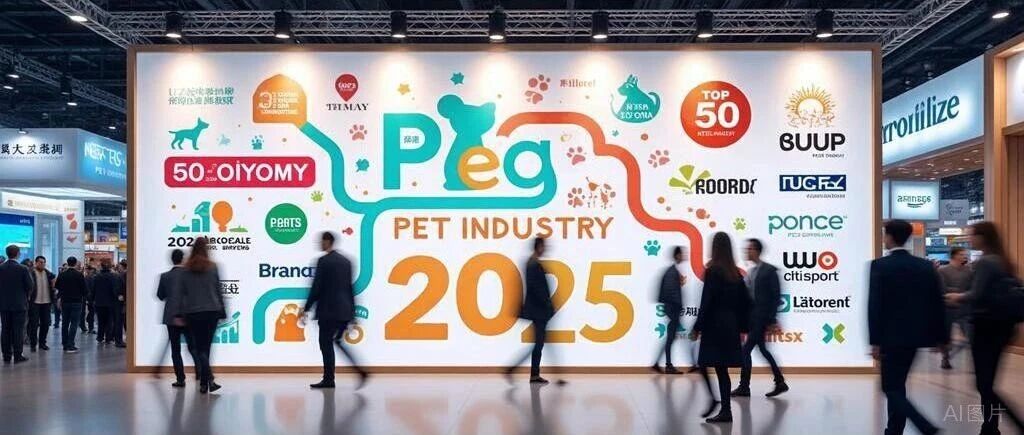
【2025榜单】驱动3000亿宠物市场的真内核是什么?| 2025宠物产业50条隐秘洞察与TOP50创新品牌发布
新消费智库· 2026-01-12 16:23
Core Insights - The pet industry in China is projected to exceed 500 billion yuan by 2025, marking a significant transformation from a purely economic sector to a social ecosystem [2] - The main consumer group is shifting from the "90s generation" to the "00s generation," which is growing at a rate 21 percentage points higher, while the "silver-haired" demographic will also play a crucial role in the next decade [2] - The emotional connection between pets and owners is becoming a driving force in the industry, moving from pets as mere property to being considered family members [2] - Government policies are increasingly integrating the pet economy into urban development plans, indicating a shift from spontaneous market growth to a more structured and policy-driven approach [2] Section 1: Sharp Insights into the Pet Industry - The illusion of a market ceiling at 811.4 billion yuan creates a false sense of prosperity, as the real challenge lies in transitioning from "new pet ownership" to "refined care" [6] - The "Z generation" is seen as the fastest-growing consumer group, but their actual purchasing power is limited, making them more of future influencers than current spenders [6] - The "silver-haired gold mine" is expected to be the most significant source of growth in the pet industry over the next 5-10 years, as this demographic has both the financial means and emotional needs for pet companionship [6] - The concept of "emotional tax" is emerging, where spending on pets is viewed as fulfilling emotional needs rather than mere expenses [7] - The shift from impulsive pet ownership to responsible consumption is driven by rising abandonment rates, leading to a more thoughtful approach to pet care [9] - The "it economy" is showing resilience during economic downturns, but non-essential pet products may face cuts first [9] - "Pet-friendly" policies are becoming essential for businesses, with a focus on creating harmonious environments for pets and their owners [9] - The trend of "personalization" in pet products is evolving, moving towards unique offerings based on individual pet characteristics [9] Section 2: Product Innovation and Supply Chain Dynamics - The competition in functional pet food is intensifying, with many players in the market, making it crucial to base claims on verifiable clinical data [11] - The "fresh meat" segment is entering a critical phase where supply chain efficiency will determine market success [11] - The rise of "baked food" is creating a competitive landscape focused on ingredient quality and scientific formulation [11] - Freeze-dried snacks are transitioning from luxury items to staple foods, reshaping consumer perceptions of pet food value [13] - The "clean label" movement is facing trust issues due to the lack of standardized definitions for terms like "natural" and "no additives" [12] - Pet snacks are becoming a significant part of the diet, with specific functional benefits [15] - The demand for smart pet products is growing, but they must address real pain points to move beyond novelty [16] - Design is becoming a critical factor in pet product success, with aesthetically pleasing items gaining popularity [17] Section 3: Market Trends and Consumer Behavior - The trend of celebrating pets' birthdays and purchasing themed products is becoming a new norm, with significant growth in related consumer behavior [21] - Multi-pet households are becoming the norm, driving demand for specialized products [42] - Pet health management is shifting towards proactive prevention, with a growing number of pet owners regularly providing supplements [43] - The "humanization" of pets is deepening, with owners increasingly investing in their pets' fashion and social presence [44] - Exotic pet ownership is rising among younger generations, reflecting a desire for unique social expressions [45] Section 4: Best Innovative Brands in the Pet Industry - The report will highlight 50 brands excelling in product breakthroughs, innovative business models, technological applications, design aesthetics, and social responsibility [23][24] - Each brand will be evaluated based on its core innovations, representative products, and industry impact [24]



农林牧渔周观点(2026.01.05-2026.01.11):猪价反弹后趋稳延续强势,关注宠物行业白皮书发布-20260112
Shenwan Hongyuan Securities· 2026-01-12 11:03
Investment Rating - The industry investment rating is "Overweight," indicating that the industry is expected to outperform the overall market [4]. Core Insights - The report highlights a rebound in pig prices, which are stabilizing and maintaining strength. The focus is also on the pet industry following the release of a white paper on the sector [1][3]. - The report suggests that the supply of pigs remains ample in the first half of 2026, with a prolonged bottoming period expected for the industry cycle. The logic for a rebound in 2026 remains intact, presenting potential investment opportunities [3][4]. Summary by Sections Pig Farming - As of January 11, the national average price for external three yuan pigs is 12.70 yuan/kg, reflecting a week-on-week increase of 2.1%. The supply of large pigs is tight, and the enthusiasm for secondary fattening has increased, leading to a temporary tightening of the market [3]. - The price of weaned piglets has also risen, reaching 251 yuan/head, nearing industry cost levels. The report notes that the production capacity reduction has slowed down, with a slight increase in the number of breeding sows [3][4]. Pet Industry - The 2026 China Pet Industry White Paper indicates that the urban pet consumption market reached 312.6 billion yuan in 2025, growing by 4.1% year-on-year. The dog market accounted for 160.6 billion yuan, while the cat market reached 152.0 billion yuan [3]. - The average annual spending per pet owner has shown a slight increase, with dog owners spending an average of 3,006 yuan and cat owners spending 2,085 yuan [3]. Chicken Farming - The average price for white feather broiler chicks has decreased to 3.15 yuan/chick, a week-on-week decline of 6.5%. Despite this, the supply of broilers remains tight, with the average price for broiler chickens at 3.79 yuan/kg [3]. - The report emphasizes that the theme of abundant supply in the white feather chicken market will continue into 2025-2026, and it suggests focusing on leading companies in the sector [3].


广货行天下,宠物好物奔赴宠界奥斯卡!媒体+首届宠物年货节与你相约广州塔
Nan Fang Nong Cun Bao· 2026-01-12 11:00
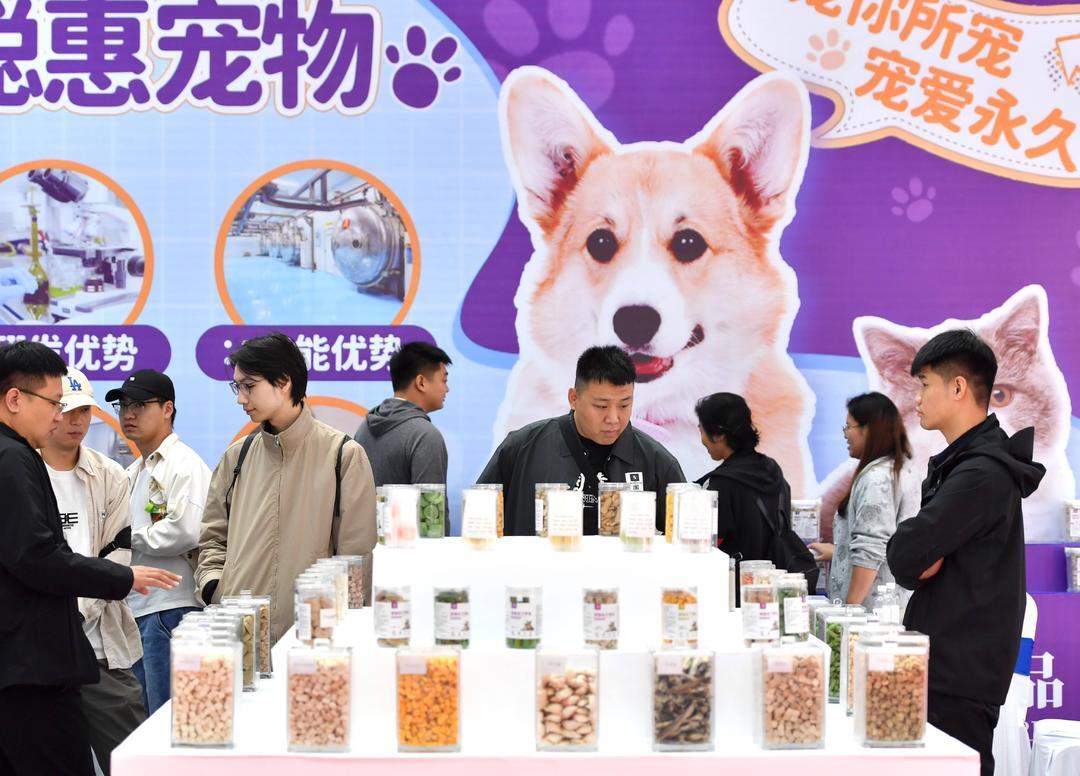
Core Viewpoint - The first Pet Industry Annual Gala and Pet New Year Festival will take place in Guangzhou from January 22 to 25, 2026, showcasing the booming pet economy in China, which is valued at 811.4 billion yuan [18]. Group 1: Event Overview - The event is titled "Guangdong Goods Go Global: Media + First Pet Industry Annual Gala" [8]. - It aims to gather the entire pet industry chain, featuring various high-quality pet products [12][13]. - The festival will include a range of activities, including health checks for pets and expert forums [45][93]. Group 2: Market Insights - The pet economy in China is valued at 811.4 billion yuan, indicating significant market potential [18]. - The Greater Bay Area has a pet ownership penetration rate of 23.5%, highlighting a fertile ground for pet-related businesses [19]. - Thousands of pet product companies are located in the Pearl River Delta, creating a comprehensive network for the industry [20][21]. Group 3: Event Highlights - The event will feature awards for innovation, excellence in service, and outstanding papers, recognizing contributions to the industry [252]. - There will be multiple professional awards based on the latest industry data, evaluated by authoritative institutions and experts [87]. - The event will also include interactive competitions such as pet photography and short video contests [120][256]. Group 4: Industry Participation - The event will attract a diverse audience, including high-net-worth pet owners, industry founders, and over 100,000 pet enthusiasts [109]. - Key industry players, including pet food, medical, and supply chain companies, will participate [105]. - The event will also feature renowned experts and scholars from various research institutions [100][102]. Group 5: Promotion and Sponsorship - A multi-dimensional promotional strategy will be employed, utilizing various media platforms to reach over 460 million audiences [95][262]. - The event offers various sponsorship opportunities, including naming rights and exhibition space, to enhance brand visibility and commercial conversion [267][269].

农林牧渔周观点:猪价反弹后趋稳延续强势,关注宠物行业白皮书发布-20260112
Shenwan Hongyuan Securities· 2026-01-12 08:12
Investment Rating - The industry investment rating is "Overweight" indicating a positive outlook for the sector compared to the overall market performance [4]. Core Insights - The report highlights a rebound in pig prices, which are stabilizing and maintaining strength. The focus is on the release of the pet industry white paper [1][4]. - The report suggests that the pig farming sector is experiencing a clear bottoming trend, with a focus on the progress of capacity reduction. The supply fundamentals for the first half of 2026 remain unchanged, indicating a prolonged bottoming period for the cycle [4]. - The pet industry is expected to see a valuation switch as it undergoes adjustments, with significant data from the 2026 China Pet Industry White Paper being released [4]. Summary by Sections Market Performance - The Shenwan Agricultural, Forestry, Animal Husbandry, and Fishery Index increased by 1.0%, while the CSI 300 rose by 2.8%. The top five gainers included Dahu Co. (17.8%), Zhongshui Fishery (16.1%), and Biological Co. (15.5%) [4][10]. - The report emphasizes the importance of monitoring the reduction of pig production capacity and suggests positioning in leading pig farming companies [4]. Pig Farming - As of January 11, the average selling price of external three yuan pigs was 12.70 yuan/kg, reflecting a week-on-week increase of 2.1%. The supply of large pigs is tight, and the price has rebounded to near the breakeven point for farming [4][3]. - The report indicates that the price of weaned piglets has also increased, reaching 251 yuan/head, close to the industry cost level [4][3]. Pet Industry - The 2025 urban pet (dog and cat) consumption market size reached 312.6 billion yuan, with a year-on-year growth of 4.1%. The dog market size was 160.6 billion yuan, growing by 3.2%, while the cat market size was 152.0 billion yuan, growing by 5.2% [4][3]. - The average annual spending per pet owner has shown a slight upward trend, with dog owners spending an average of 3,006 yuan and cat owners spending 2,085 yuan [4][3]. Poultry Farming - The price of white feather broiler chicks has decreased, with an average selling price of 3.15 yuan/chick, down 6.5% week-on-week. The supply of broilers remains tight, with the average selling price of white feather broilers at 3.79 yuan/kg [4][3]. - The report suggests that the theme of abundant supply in white feather broilers will continue into 2025-2026, with a focus on leading companies and long-term value [4].
“宠娃至上”的铲屎官,喂出山东百亿宠粮生意
Da Zhong Ri Bao· 2026-01-11 01:16
Core Insights - The pet food industry in China is experiencing significant growth, with a projected market size of 312.6 billion yuan by 2025, driven by an increase in pet ownership and spending on pet-related products [1][3][5]. Industry Overview - Shandong province is the leading producer of pet food in China, accounting for 35.41% of the national production with an output of 56.61 million tons in 2024, reflecting a year-on-year growth of 26.10% [7][10]. - The province has established itself as a key player in the pet food market, with major companies like Guobao Pet Food, Zhongchong Co., and Lusi Co. collectively generating over 9 billion yuan in revenue in the first three quarters of 2025 [6][8]. Market Dynamics - The pet food market is characterized by a high concentration of production in Shandong, where approximately 30% of pet food in China is produced [4][6]. - The export value of pet food from Shandong exceeded 9 billion yuan in the first eleven months of 2025, representing over 45% of the national total [8]. Competitive Landscape - Guobao Pet Food has emerged as the largest and highest-valued company in the domestic pet food sector, achieving a revenue of 4.737 billion yuan in the first three quarters of 2025, marking a year-on-year increase of 29.03% [6][12]. - The industry is witnessing increased competition as various sectors, including dairy and snack companies, are entering the pet food market, leading to challenges such as product homogenization and price wars [12][13]. Future Outlook - The global pet food market is expected to reach a size of 194.2 billion USD by 2029, with a compound annual growth rate of 5.7% from 2024 to 2029, indicating a lucrative opportunity for domestic companies to expand internationally [14][17]. - Companies are focusing on research and development to differentiate their products and enhance competitiveness, with Guobao Pet Food investing in a pet nutrition research center and increasing R&D spending by 33.39% to 531 million yuan [20][21].
东方证券农林牧渔行业周报(20260105-20260111):12月猪企出栏延续增量降重-20260110
Orient Securities· 2026-01-10 14:56
Investment Rating - The report maintains a "Positive" investment rating for the agricultural industry [5] Core Insights - The report highlights a structural shortage in the pig market, with expectations for a price turning point in Q2 2026 due to ongoing capacity reduction and favorable policies [3][9] - The report emphasizes the potential for long-term performance improvement in the pig farming sector, driven by policy and market forces [3][9] Summary by Sections Investment Recommendations - The report recommends focusing on the pig farming sector, anticipating a price recovery in Q2 2026, with suggested stocks including Muyuan Foods (002714, Buy), Wens Foodstuff Group (300498, Buy), and Shennong Group (605296, Not Rated) [3] - It also suggests looking at the animal health sector, which may benefit from profit transmission down the supply chain, with recommended stocks including Haida Group (002311, Buy) and Reap Bio (300119, Not Rated) [3] - In the planting chain, the report notes a confirmed upward trend in grain prices, highlighting investment opportunities in large-scale planting, with suggested stocks including Suqian Agricultural Development (601952, Not Rated) and Beidahuang (600598, Not Rated) [3] - The pet food sector is also highlighted, with growth driven by increasing domestic brand recognition and overseas market expansion, recommending stocks such as Guibao Pet (301498, Not Rated) and Zhongchong Co. (002891, Not Rated) [3] Industry Fundamentals - The report indicates that December saw a continued increase in pig output, with 13 listed pig companies collectively reporting an output of 18.72 million heads, a month-on-month increase of 7.11% and a year-on-year increase of 6.8% [13] - The average selling price for pigs in December remained low, with a range from 10.66 yuan/kg to 12.54 yuan/kg, and an overall average around 11.5 yuan/kg [15] - The average weight of pigs sold in December was 124.85 kg, reflecting a decrease of 1.8 kg from the previous month, indicating a trend of accelerated inventory reduction [15][16] Market Trends - The report notes that the natural rubber market is experiencing price strength, with futures prices reaching 16,030 yuan/ton, a week-on-week increase of 2.72% [47] - The report also highlights a stable upward trend in grain prices, with corn and wheat prices showing slight declines while soybean meal prices have increased [37]


当Aesop也推出宠物沐浴露
FBeauty未来迹· 2026-01-10 11:04
Core Insights - The pet beauty market is evolving, driven by the emotional connection between pets and their owners, leading to a significant market size of over 100 billion [3] - By 2024, the pet care market in China is projected to reach $13.2 billion, with the cleaning and beauty segment holding a major share [5] - The market is characterized by high repurchase rates and resilience against economic cycles, as evidenced by double-digit growth in financial reports from companies like Zhongchong Co. and Guai Bao Pet [3] Market Dynamics - The pet beauty sector is witnessing a competitive landscape with participation from international beauty giants and local biotech firms, each leveraging their unique strengths [4] - The convergence of two consumer trends is fueling the rise of pet beauty products: the migration of beauty standards from human to pet products and the shift in pet ownership from functional to emotional companionship [5] Key Players and Strategies - International beauty brands like Kiehl's and Aesop are extending their product lines to include pet care, focusing on high-end consumers and emotional connections [6][8] - Fast-moving consumer goods (FMCG) companies like Unilever and Lion are treating pet care as a new growth category, emphasizing professional and scalable operations [11] - Local companies are repurposing existing technologies for pet products, with brands like Huaxi Biotech and Chaoyun Group launching innovative offerings [14] Product Innovation Trends - The evolution of pet beauty products mirrors that of human beauty, transitioning from basic cleaning to functional and emotional value [19] - Innovations are focusing on systemic solutions for specific pet care challenges, such as odor elimination and allergen management, reflecting a deeper understanding of consumer needs [21] - The introduction of high-end pet grooming products, such as those incorporating hyaluronic acid, showcases the trend towards premiumization in the pet beauty market [25] Emotional Value and Consumer Engagement - The emotional value of pet products is becoming increasingly important, with brands like Dolce & Gabbana and Paw Scent creating products that resonate with consumers on a deeper level [25][28] - Brands are also engaging in community-building initiatives, such as charity projects and experiential marketing, to foster emotional connections with consumers [30][32] - The future of the pet beauty market will depend on brands' ability to understand and address the nuanced emotional needs of pet owners [33]

整个社会都在喊没钱了,为什么这些公司反而年赚百亿?
创业家· 2026-01-10 10:18
Core Insights - The article emphasizes that despite the prevailing narrative of economic hardship, certain industries are thriving and generating substantial profits, particularly in Japan and China [3][4]. - It identifies eight key sectors that are capitalizing on changing consumer behaviors and preferences, suggesting that a low-desire society does not equate to a lack of opportunities [4][5]. Group 1: Key Industries - **Second-Hand Economy**: The second-hand luxury market in Japan, exemplified by companies like Daikokuya, has seen significant revenue growth. In China, platforms like Hongbulin and Panghu are experiencing similar success [6][7][8]. - **Pet Economy**: With a decline in birth rates, spending on pets has surged. Companies like Inaba in Japan and Guobao in China are benefiting from this trend, with various pet brands seeing continuous sales growth [12][13][14][15][16]. - **Adult Care**: The adult diaper market in Japan has surpassed $10 billion, indicating that aging populations can create substantial economic opportunities rather than being a burden [17][18][19]. - **Health Food and Beverages**: The rise in health consciousness has led to increased demand for products like sugar-free tea and functional beverages in both Japan and China, reflecting a broader trend in post-pandemic consumer behavior [21][22]. Group 2: Emerging Consumer Trends - **Beauty Economy**: Despite economic constraints, spending on beauty products like collagen supplements remains high, with brands like Weimei and U like achieving significant sales [23][24][25][26]. - **Outdoor Recreation**: Companies in the outdoor equipment sector, such as Snow Peak in Japan and various Chinese brands, are thriving as consumers seek outdoor experiences [29][30][31][32]. - **Convenience Economy**: The demand for convenience products, such as frozen foods and smart home appliances, is rising as younger generations prioritize time-saving solutions [39][40][42]. - **Lazy Economy**: The trend towards convenience is evident in the growth of products that save time, indicating that in a low-desire economy, time-saving may be more valuable than cost-saving [42][43][44].