
海底捞

Search documents
海外策略周报:本周美股震荡加剧,韩国市场调整较多
HUAXI Securities· 2026-02-08 02:55
Market Overview - Global markets experienced increased volatility this week, with notable fluctuations in the US stock market and significant adjustments in the South Korean market[1] - The Dow Jones Industrial Average rose by 2.5%, while the S&P 500 and Nasdaq indices fell by 0.1% and 1.84%, respectively[2][11] US Market Insights - The TAMAMA Technology Index's P/E ratio is currently at 34.02, close to the 35 threshold, indicating potential for further adjustments in tech stocks[1] - The Philadelphia Semiconductor Index's P/E ratio decreased to 43.78, remaining in a high valuation range[1] - The S&P 500 Shiller P/E ratio stands at 40.38, consistently above 40, suggesting overvaluation concerns in the market[1] European and Asian Markets - European markets showed a rebound, but indices like France's CAC40 and Germany's DAX are still under pressure due to high P/B ratios[1] - The Nikkei 225 index has a P/B ratio of 2.46, indicating high valuation levels amidst tightening liquidity in Japan[1] Hong Kong Market Performance - The Hang Seng Index and related indices experienced declines of 3.02% and 3.07%, respectively, with significant volatility in the materials sector[2][23] - The Hang Seng Technology Index saw a notable drop of 6.51%, influenced by the pullback of major tech stocks like Tencent[23] Economic Data and Risks - Eurozone PPI showed a year-on-year decline of -2.1%, lower than the previous -1.4%[35] - Risks include potential surprises in US Federal Reserve monetary policy, slower-than-expected economic growth, and escalating geopolitical tensions[43]
马年新春启新程:线上非遗直播燃消费 线下文旅盛宴润巴蜀
Sou Hu Cai Jing· 2026-02-07 19:35
当一场非遗年货直播在七小时内创下亮眼交易纪录时,另一场规模更大的非遗盛宴正在线下悄然铺展——近3000场文旅活动在巴蜀大地同步启幕,从川西 雪场的飞扬滑板到川南古镇的袅袅炊烟,从直播间秒杀的年货礼盒到非遗市集的手作体验,马年新春的"年味"正以线上线下交融的方式,打破传统与现代 的壁垒,让千年文脉在烟火气中焕发新生。 线上直播带货 新春消费浪潮涌 近日,抖音电商发布的《2026年货礼盒消费报告》显示,抖音电商年货节期间,品牌年货礼盒销量较日常提升3倍,其中超70%的礼盒通过直播间售出。 这一数据清晰表明,直播电商已成为推动年货礼盒销售增长的核心渠道,也成为新春消费的重要载体。 抖音电商《2026年货礼盒消费报告》 直播让非遗不再是遥不可及的展品,而是飞入寻常百姓家的新春好物。这场云端非遗大集最终实现曝光近900万,观看人次近20万,最高1.77万人在线, 成交金额达23.2万元,封面新闻首次跻身抖音冲饮带货榜排名第38位,印证了媒体非遗直播带货的传播力与消费力。 今年消费者对年货的选择呈现出多元化、品质化趋势。其中,100元-200元价格带的品牌礼盒最受青睐,销量占比达到25%;坚果、乳制品、肉干肉脯、 糕点和 ...


小奖励撬动大消费!直击“有奖发票”活动首日
Sou Hu Cai Jing· 2026-02-07 11:51
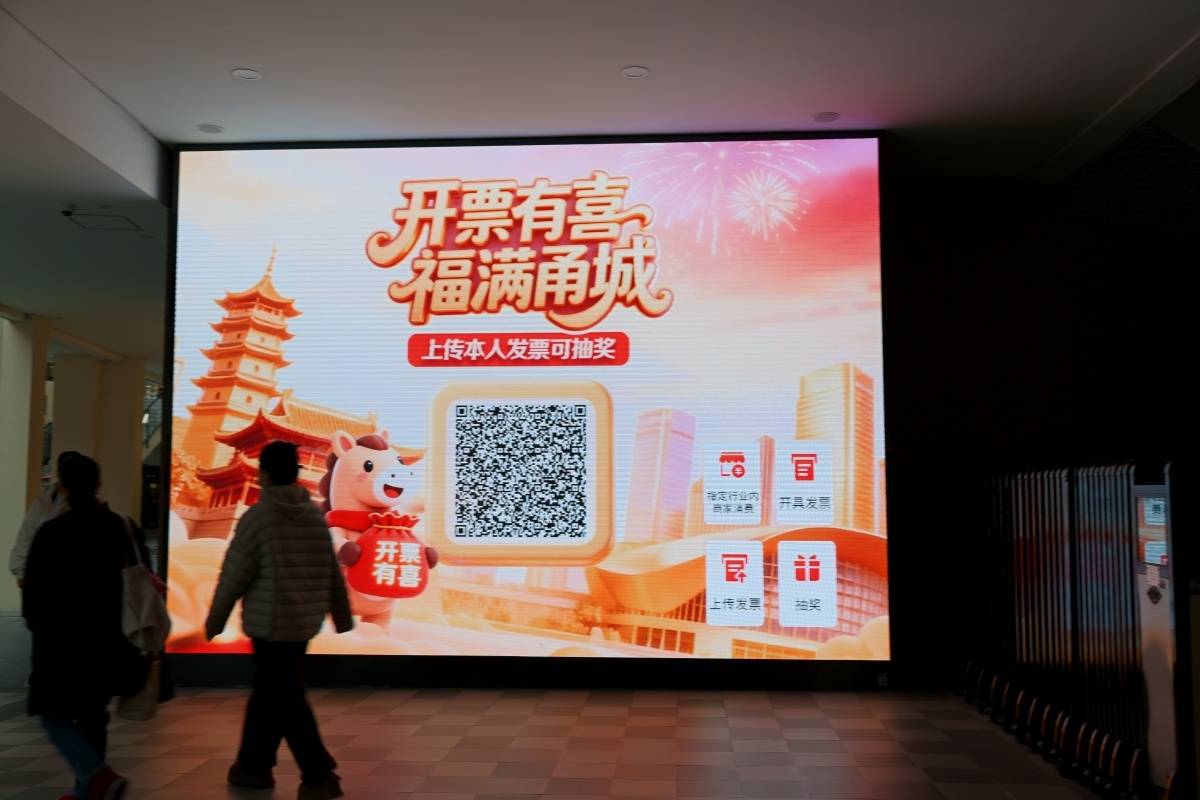
Core Viewpoint - The "Lucky Invoice" campaign in Ningbo aims to stimulate consumer spending by offering cash rewards for invoice submissions, enhancing the shopping experience across various sectors [14][21]. Group 1: Campaign Overview - The "Lucky Invoice" campaign, titled "Open Invoice for Joy, Fortune Fills Ningbo," commenced on February 6 and will run until July 31, covering eight industries [3][14]. - The campaign has generated significant consumer interest, with many participants expressing excitement over winning cash rewards upon submitting their invoices [4][5]. Group 2: Consumer Engagement - Consumers are actively participating in the campaign, with reports of individuals winning cash rewards such as 10 yuan and 50 yuan after making purchases [4][7]. - The campaign has notably increased the motivation for consumers to request invoices, as seen in various retail and dining establishments [5][9]. Group 3: Business Impact - Retailers and restaurants are experiencing increased foot traffic and sales, with businesses reporting a rise in invoice requests and customer engagement due to the campaign [9][11]. - The campaign is expected to enhance compliance among merchants regarding invoicing and tax regulations, creating a win-win situation for consumers, businesses, and the government [9][14]. Group 4: Strategic Goals - The initiative aligns with national strategies to boost consumption and addresses local market challenges by enhancing consumer engagement and spending [14][18]. - Ningbo aims to establish itself as a model for "Lucky Invoice" campaigns, with plans to integrate this initiative into broader consumer promotion strategies [19][20].
趋势研判!2026年中国互联网餐饮行业发展历程、产业链、发展现状、重点平台及未来趋势:互联网普及与消费观念转变,推动互联网餐饮规模超万亿元[图]
Chan Ye Xin Xi Wang· 2026-02-07 01:25
Core Insights - The internet dining market is rapidly growing due to increasing consumer demand for convenient, high-quality dining services, with a projected market size of approximately 1.38 trillion yuan by 2025, reflecting a year-on-year growth of 7.68% [1][12] - Government support for the internet dining sector is strengthening, with policies aimed at enhancing food safety and promoting the industry through initiatives like consumer vouchers [1][12] - The shift in consumer preferences towards quality and personalized dining experiences is driving the evolution of the internet dining market [1][12] Internet Dining Industry Overview - Internet dining is a new business model that reconstructs dining service processes through mobile internet technology, primarily categorized into online takeout and O2O dining [4] - Major online takeout platforms include Meituan Waimai, Taobao Shanguo, and JD Waimai, while O2O dining platforms include Dazhong Dianping and Weimeng [4] Industry Development History - Significant capital influx into the internet dining sector began in 2014, leading to rapid expansion of platforms like Ele.me and Meituan [4] - By 2017, the online takeout market surpassed 300 billion yuan, marking a 13.6-fold increase since 2011, with mobile payment coverage reaching 86% [4] Current Industry Status - China's dining revenue reached 4.67 trillion yuan in 2019, with a growth rate of 9.38%, but saw a decline in 2020 due to the pandemic [8] - The dining revenue is expected to reach 5.8 trillion yuan by 2025, growing at a rate of 4.06% [8] Internet User Growth - As of mid-2025, China's internet user base is projected to reach 1.12 billion, with an internet penetration rate of 79.7%, indicating strong growth potential for the internet dining sector [10] Competitive Landscape - The internet dining market is highly competitive, dominated by major platforms like Meituan and JD Waimai, which leverage significant capital investments to expand their market share [12] - Traditional dining businesses are increasingly entering the internet dining space, either by launching their own delivery services or partnering with existing platforms [12] Existing Challenges - The industry faces challenges such as food safety issues, high delivery time complaints, and increased pressure on small merchants due to rising commission rates [16] Future Trends - The industry is expected to undergo smart upgrades, focusing on AI and big data to enhance operational efficiency and customer experience [16] - A shift towards green practices is anticipated, promoting resource conservation and waste reduction [16] - Regulatory frameworks are expected to evolve towards more precise and real-time monitoring of food safety [16]



从“川渝排队王”到入沪即爆,烤匠为何成为提振消费的样本?
Sou Hu Cai Jing· 2026-02-06 14:03
Core Insights - The restaurant sector is one of the first to recover in the consumer market, with a reported national dining revenue of 57,982 billion yuan, a year-on-year increase of 3.2% [1] - The recovery is characterized by polarization, with some brands thriving while many small and medium-sized restaurants are exiting the market [1][5] - Brands with high customer traffic, strong social attributes, and extended operating hours are seen as benchmarks for economic recovery [1][5] Group 1: Economic Recovery and Consumer Behavior - The total retail sales of consumer goods exceeded 50 trillion yuan, growing by 3.7% year-on-year, indicating a general recovery in consumer confidence [1] - Nighttime and social consumption have shown significant recovery, with brands like 烤匠 (Kao Jiang) leading the way in attracting customers [1][5] - The brand's ability to generate consistent foot traffic and extend consumption periods is crucial for stimulating local economies [5][19] Group 2: Brand Characteristics and Performance - 烤匠 has demonstrated a remarkable ability to create long queues and high customer engagement, with its Shanghai store achieving a table turnover rate of 11.83 times on its second day of operation [8][16] - The brand's average repurchase rate stands at 22.33%, indicating strong customer loyalty and repeat business [8][16] - 烤匠's operational model includes extended hours, catering to late-night consumers, which enhances its appeal and profitability [11][14] Group 3: Strategic Insights and Market Positioning - The brand's success is attributed to its deep understanding of local tastes and consumer preferences, focusing on a core product offering that resonates with customers [11][14] - 烤匠's approach to customer engagement includes involving consumers in decision-making processes, such as store location selection, which strengthens brand loyalty [16] - The brand's entry into new markets is not just about opening new stores but also about enhancing the overall consumer experience in the surrounding area [17][19]

纸浆模塑行业专题报告:下游需求高景气,中国企业引领全球扩张
GUOTAI HAITONG SECURITIES· 2026-02-06 13:24
Investment Rating - The report does not explicitly state an investment rating for the industry Core Insights - The demand for pulp molding products is primarily driven by the need to replace rigid, cushioning, and breathable products such as plates, food containers, and egg trays, with limitations in producing hollow, transparent, and refined products like straws and films compared to PLA, which offers better thermoplasticity, transparency, and ductility [3] - The U.S. remains the largest market for China's pulp molding exports, accounting for 41.3% of the total export value, indicating strong domestic demand [8] - The growth in pulp molding exports to the U.S. post-2020 is attributed to policy-driven demand, consumer preferences, and improvements in supply-side technology and processes [8] Summary by Sections Pulp Molding vs. PLA Applications - Pulp molding is suitable for making rigid containers that can hold food, while PLA excels in producing thin-walled, flexible dining accessories [7] - Pulp molding products are more environmentally friendly and have lower degradation difficulty compared to PLA, which requires specific conditions for composting [19] - Pulp molding products are generally more cost-competitive than PLA, with lower raw material costs leading to higher profit margins for manufacturers [23] Market Trends and Policies - The U.S. has implemented stricter plastic regulations since 2020, promoting the use of pulp molding products [14][16] - The introduction of Extended Producer Responsibility (EPR) in various U.S. states places the onus of waste management on producers, further encouraging the shift towards sustainable materials [16] - In contrast, China's plastic policies are less stringent, focusing more on promotion rather than strict regulations [16] Production Capacity and Growth - By 2025, China's pulp molding production capacity is expected to exceed 2.5 million tons, representing 56.8% of global capacity, with a significant increase in production rates [51][56] - The production process has evolved from dry pressing to include semi-dry and direct pressing technologies, enhancing efficiency and reducing energy consumption [39][40] Competitive Landscape - U.S. companies focused on pulp molding are facing challenges due to high production costs, leading to exits from the market by several firms [58] - Footprint, a leading pulp molding company, faced significant financial losses, leading to its failed IPO attempt, highlighting the financial pressures within the industry [76]

「机器人+」宇树、加速进化、众擎等品牌入驻,前阿里系高管“空降”:擎天租加速品牌与人才集结
Hua Xia Shi Bao· 2026-02-06 13:15
Core Insights - The article discusses the rapid development and strategic initiatives of the robot rental service platform, Qingtian Rental, which has recently attracted attention in the market due to its partnerships and management team enhancements [2][5]. Group 1: Company Developments - Qingtian Rental has onboarded several robot brands, including Zhiyuan, Yushu, and Lingchu Intelligent, to enhance its service offerings [2]. - The platform has completed a new round of management restructuring, bringing in two former Alibaba executives to strengthen its leadership team [3][4]. - The company has successfully raised seed funding led by GL Ventures, with participation from other notable investors, to support its national market expansion and service development [5]. Group 2: Management Team - The new executives, Li Liheng and Wang Mingfeng, are expected to leverage their extensive experience from Alibaba to enhance Qingtian Rental's operational capabilities and strategic direction [3][4]. - Li Liheng will focus on team building and market expansion, while Wang Mingfeng will contribute to standardized operations and strategic planning [4]. Group 3: Market Strategy - Qingtian Rental is implementing a "city partner" strategy to build a nationwide service network, aiming to integrate local service providers and enhance operational efficiency [6]. - The platform has established a presence in over 200 core cities, aggregating more than 2,000 equipment resources and 600 local service providers [6]. Group 4: Market Dynamics - The robot rental market is experiencing rapid growth due to increased demand for performance and event-related services, but it faces sustainability challenges as novelty wears off and costs decrease [7][8]. - Qingtian Rental aims to transition from a focus on performance rentals to more stable, high-frequency applications in various industries, emphasizing the need for a robust business model [8].


估值70亿到被申请破产审查,自嗨锅的“速热神话”为何戛然而止?
Sou Hu Cai Jing· 2026-02-06 12:37
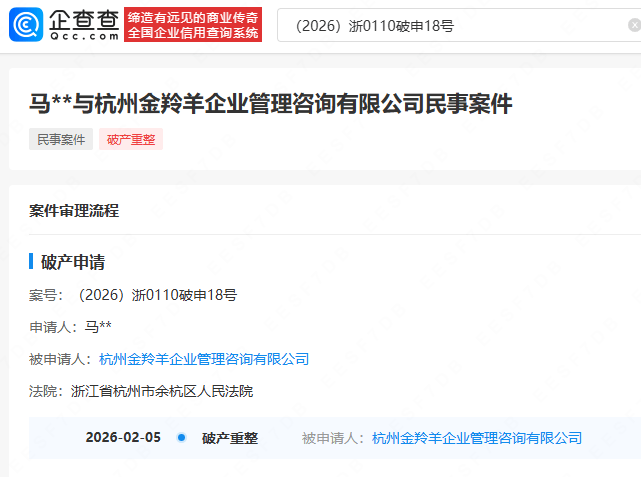
Core Viewpoint - The rise and fall of the self-heating hotpot brand "Zihai Guo" reflects the fragility of the influencer-driven fast food industry and the significant shift in consumer behavior from enthusiasm to rationality [6][9][10] Company Overview - Zihai Guo, once a leading brand in the self-heating hotpot sector, is undergoing bankruptcy review as of February 2026, initiated by an individual named Ma [1] - The company has accumulated over 140 million yuan in total execution amounts across multiple cases, indicating a severe financial crisis [3][4] Growth Journey - Zihai Guo's rise was fueled by the convenience of self-heating food products, aligning with the "lazy economy" trend, and aggressive marketing strategies, including celebrity endorsements and significant advertising investments [5][6] - The brand achieved a peak valuation of 7 billion yuan and recorded sales nearing 1 billion yuan in 2021, with a notable sales record of 5 million units sold in just ten minutes during the Double Eleven shopping festival [5][6] Decline Factors - Since 2022, Zihai Guo has experienced a nearly 20% decline in sales, dropping to 820 million yuan, with market share shrinking from 1.84% in 2022 to 1% in 2023 [6][7] - The company faced a debt crisis, with failed acquisition attempts and multiple enforcement actions due to unpaid debts, leading to its classification as a dishonest executor [6][7] Product and Market Challenges - Zihai Guo's reliance on marketing over product quality has been detrimental, with high pricing and poor product performance leading to consumer dissatisfaction [7][8] - The competitive landscape has intensified, with major food brands entering the self-heating market, resulting in price wars and reduced profit margins for Zihai Guo [8] Industry Insights - Despite Zihai Guo's struggles, the outdoor self-heating food market is projected to grow, with sales expected to exceed 18 billion yuan by 2025 and reach 35 billion yuan by 2030 [9] - The industry's growth is shifting from a "traffic-driven" model to a "quality-driven" approach, emphasizing the need for companies to focus on product development and consumer needs [9][10]
中泰国际:近日美股科技股波动,表面原因是什么?
ZHONGTAI INTERNATIONAL SECURITIES· 2026-02-06 03:07
Market Overview - The Hang Seng Index closed at 26,885 points, up 0.1%, while the Hang Seng China Enterprises Index rose 0.5% to 9,093 points[1] - Total turnover in Hong Kong stocks was HKD 315.1 billion, a 10.4% increase from HKD 285.4 billion the previous day, indicating a rotation trading phenomenon[1] - Consumer staples, telecommunications, and discretionary consumer indices rose by 1.6%, 1.1%, and 1.0% respectively, while materials, energy, and financials fell by 4.6%, 1.1%, and 0.4%[1] Stock Performance - Haidilao (6862 HK) and Lenovo Group (992 HK) led the blue-chip gainers, rising by 4.0% and 3.7% respectively[1] - Zijin Mining (2899 HK) and New Oriental (9901 HK) were the biggest losers, falling by 4.8% and 3.1% respectively[1] U.S. Market Impact - The Dow Jones Industrial Average closed at 48,909 points, down 1.2%, indicating potential pressure on Hong Kong stocks today[2] - The Hang Seng Index futures closed at 26,510 points, reflecting a discount of 375 points[2] Sector Dynamics - The gaming sector in Hong Kong showed upward movement, with MGM (2282 HK) reporting a 21.4% year-on-year increase in net profit for the last three months of the previous year, exceeding market expectations[4] - Average daily hotel rates during the upcoming Lunar New Year are expected to be approximately 30% higher than last year, supporting revenue and sentiment in the gaming industry[4] Healthcare Sector - The Hang Seng Healthcare Index rose by 0.6%, with Innovent Biologics (1801 HK) projecting product sales revenue of approximately RMB 11.9 billion for 2025, reflecting a strong year-on-year growth of 45%[5] - The company reported a more than 60% year-on-year increase in Q4 sales revenue, aligning with expectations[5] Energy Sector - The energy and utilities sectors showed mixed performance, with gas and Hong Kong utilities slightly rising by 0.7% to 1.1%[5] - Recent declines in overseas natural gas wholesale prices have contributed to the defensive strength of these sectors[5]
港股消费股表现坚挺,蒙牛乳业涨超2%




Jin Rong Jie· 2026-02-06 02:02
Group 1 - The core viewpoint of the article highlights the strong performance of Hong Kong consumer stocks, with notable increases in share prices for companies such as Mengniu Dairy and Sun Art Retail, both rising over 2% [1] - Other companies in the consumer sector, including Haidilao, Zhou Hei Ya, and Bosideng, also experienced share price increases, indicating a positive trend in the market [1]